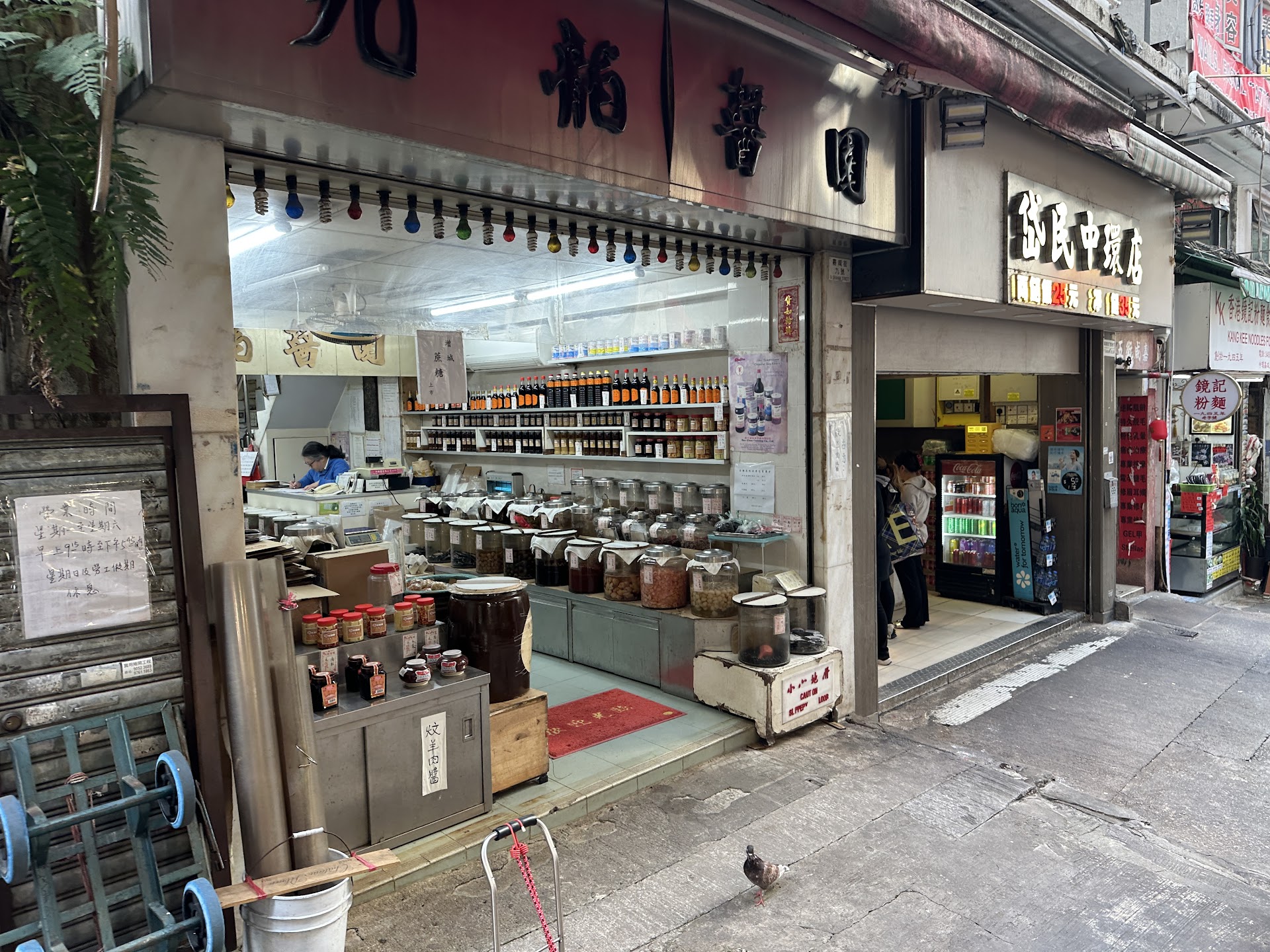
Before most of Hong Kong has poured its first cup of tea, Graham Street Market is already mid-sentence. This sloping block in Central has been running the same pre-dawn ritual for over 150 years — and if you set your alarm early enough, you get to watch the whole city remember who it is.
Best Timing
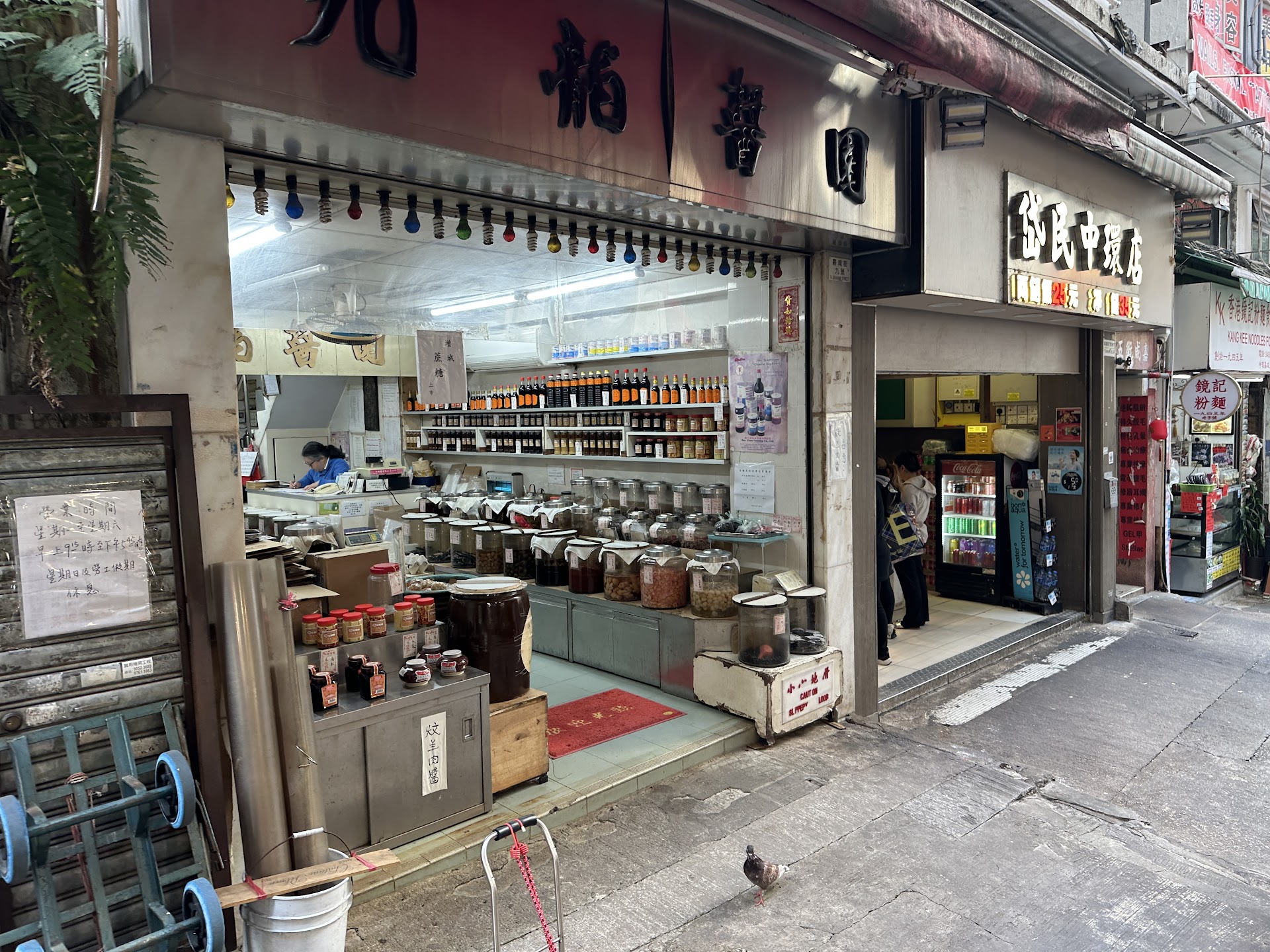
The sweet spot is 4:45 AM to 7:30 AM. Arrive before 5 AM and the market is still operating in near-darkness, lit by bare bulbs and the glow of refrigerated fish tanks. By 6 AM the first vendors are calling out to regulars, steam is lifting off the tofu and congee stalls, and the light turns from grey to gold as it catches the hillside steps above Hollywood Road. This is the window locals use — in and out before the heat and the office crowds arrive.
The best months are October through March, when Hong Kong’s humidity drops and the morning air is cool enough to make the walk genuinely pleasant. Avoid July and August if you’re sensitive to heat: even at 5 AM, the summer air sits heavy on the market steps. Weekday mornings — Tuesday through Friday — are the most active for fresh deliveries. Saturday sees a lighter crowd but a slightly more relaxed pace, which makes it good for photography.
Core Experiences
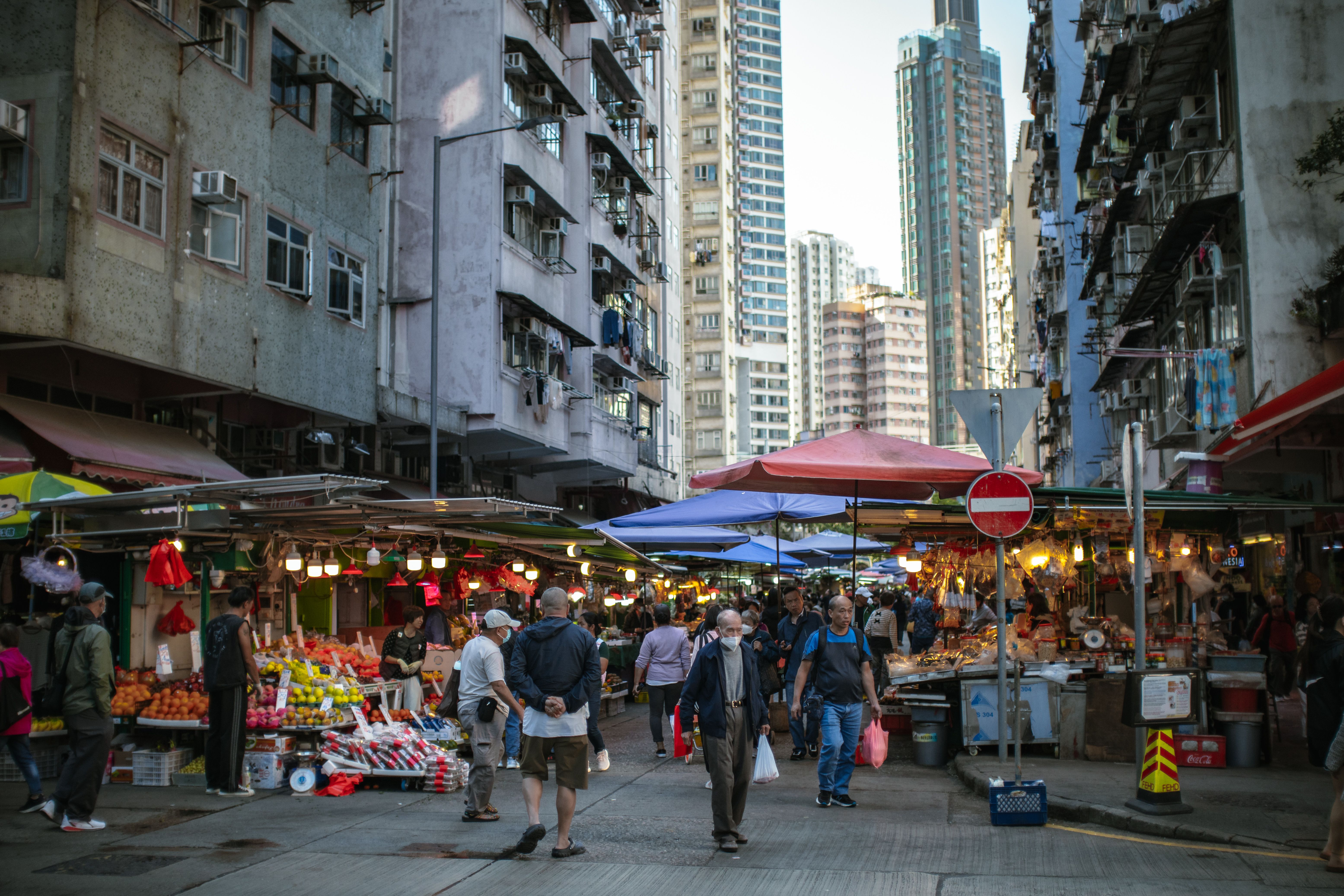
The Fish Stalls on Lower Graham Street
The lowest tier of the market, running parallel to Queen’s Road Central, is where the night’s catch gets sorted and priced before sunrise. Wooden-topped tables hold live grouper in buckets, ice-packed pomfret in neat rows, and the occasional tank of mud crab still moving. The vendors here have been dealing with the same restaurant buyers for decades — orders are placed in Cantonese shorthand, money changes hands without receipts, and the whole transaction takes under forty seconds. It’s an economy that runs entirely on trust and repetition. For the visitor, just standing at the edge of it — watching a woman in rubber boots assess a fish she’ll dismiss in three seconds — says more about Hong Kong’s food culture than any heritage museum exhibit.
- 📍 Lower Graham Street, Central, Hong Kong Island · 💰 Fish priced by weight; pomfret avg HKD 80–120/lb · ⏰ 4:30 AM – 7:00 AM · ⭐ 4.7
- Locals know: the stalls nearest the junction with Gage Street usually carry the freshest imports — watch for the styrofoam boxes still wet from the overnight truck.
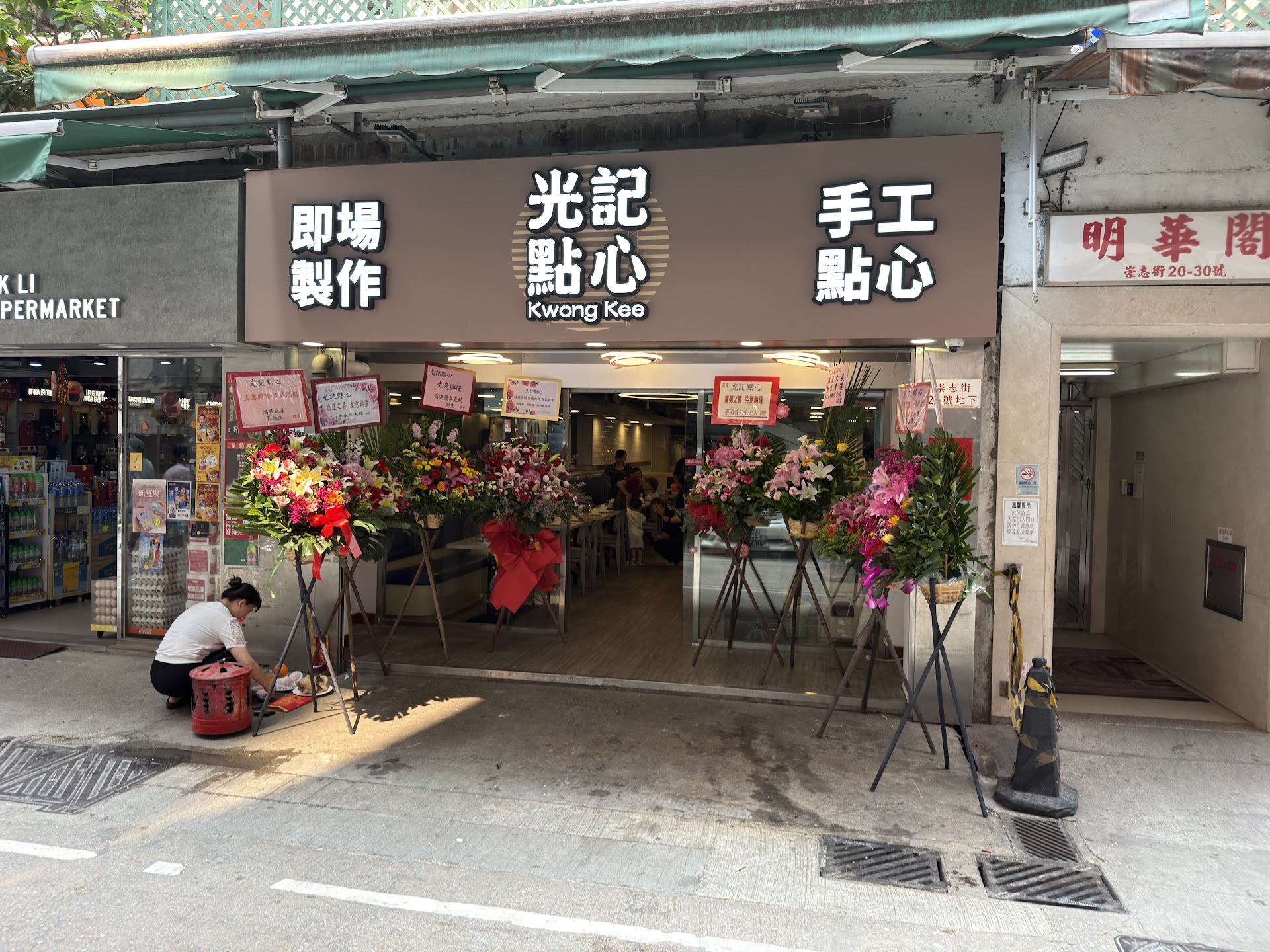
The Tofu and Soy Stall (Kwong Kee)
Halfway up the hill, wedged between a vegetable seller and a dried-goods counter, Kwong Kee has been producing fresh tofu and soy milk on-site since the 1960s. The setup is deceptively simple: large metal vats, a hand-ladle, and a folding table with a cash box. The soft tofu — silken, just set, served warm in a small bowl with a drizzle of syrup — costs HKD 12. The soy milk, poured from a thermos into a recycled cup, runs HKD 8. Neither item photographs especially well. Both taste like exactly what you needed the moment you try them. By 6:15 AM, a short queue forms. By 7 AM, the tofu is often sold out. This is one of those places where the product and the setting are inseparable — the bowl matters because of where you’re standing when you eat it.
- 📍 Mid-block, Graham Street between Gage St and Elgin St · 💰 Tofu HKD 12, soy milk HKD 8 · ⏰ 5:00 AM – 8:00 AM (sold out often by 7 AM) · ⭐ 4.8
- Locals know: ask for the tofu warm (熱的) — the default for early regulars is room temperature, but warm is worth the extra thirty-second wait.
The Vegetable Tier and Dried Goods
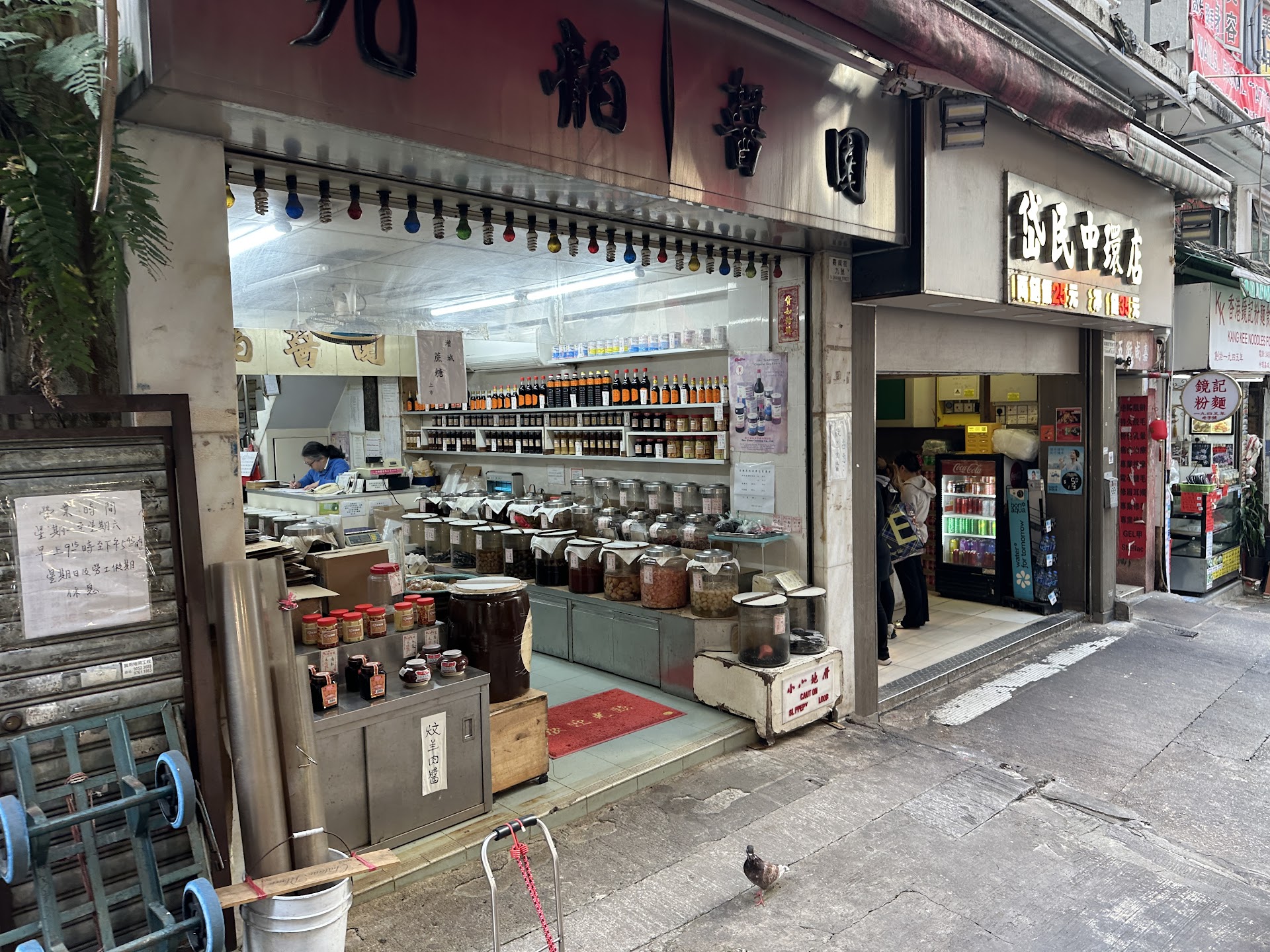
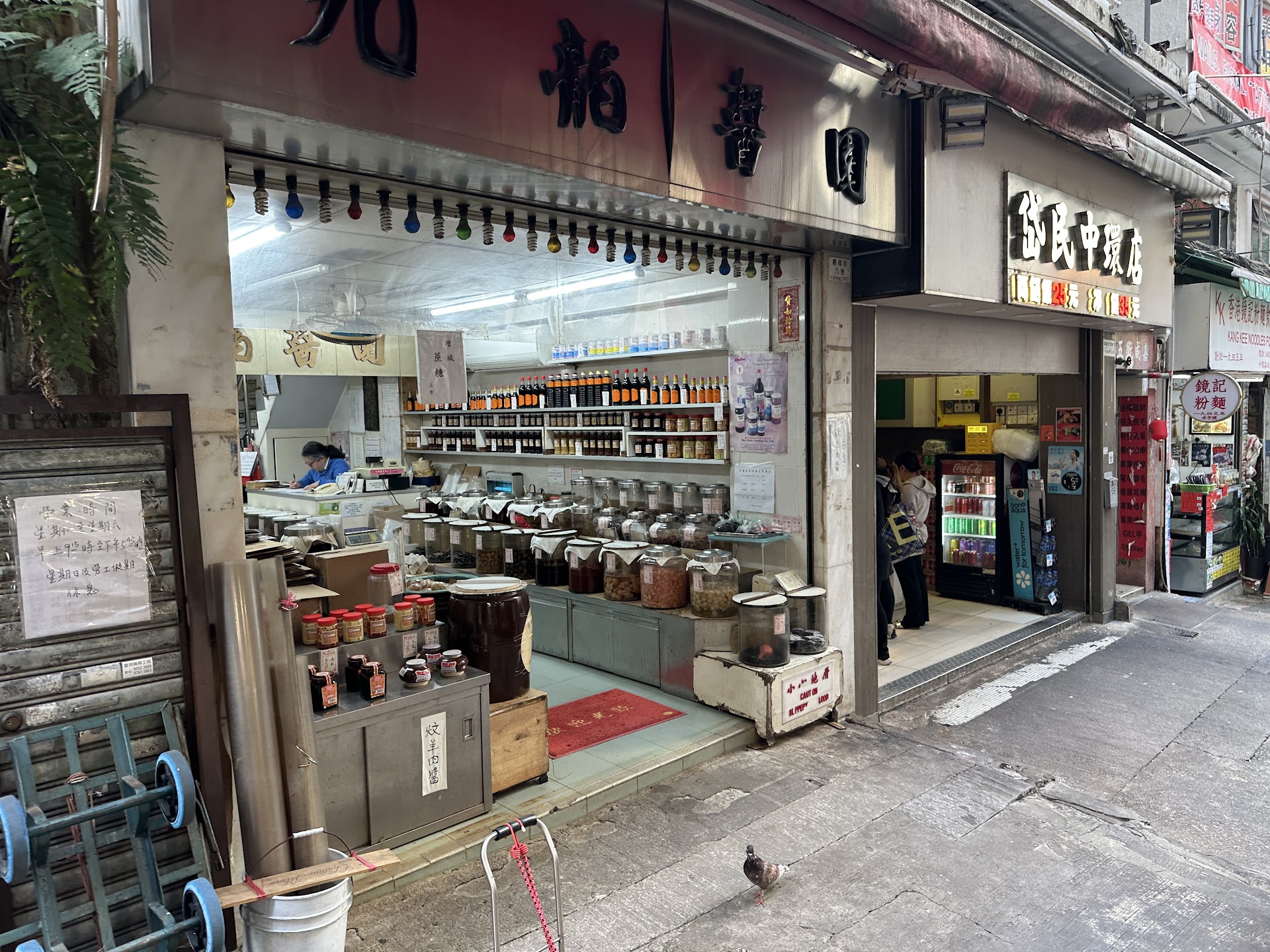
The middle section of Graham Street is where the color lives. Bundles of morning glory, water spinach, and gai lan are stacked in pyramids still damp from the overnight cold store. Beside them, sacks of dried shrimp, jars of fermented black bean, and vacuum-packed lap cheong (dried sausage) crowd the edges of narrow stalls. This is not a curated farmers market — it’s a working supply chain for the restaurants of Sheung Wan and Central. Prices are marked in handwritten Chinese on strips of cardboard. Most vendors won’t barter, and they don’t need to: the produce moves entirely on volume and regularity. The visual layering here — pale morning light, vivid greens, rust-red sausage, chalk-white garlic — is the reason photographers who know the market arrive before 6 AM and work fast.
- 📍 Mid Graham Street, Central · 💰 Vegetables HKD 10–30/bundle; dried goods vary · ⏰ 5:00 AM – 10:00 AM · ⭐ 4.5
- Locals know: the stall at the top of the vegetable tier, run by an older woman who comes down from Sham Shui Po, often carries heirloom varieties you won’t find in a supermarket — look for the purple sweet potato and the knobby bitter gourd.
The Congee Cart at the Hillside Steps
At the upper edge of the market, where Graham Street meets the stone staircase climbing toward Elgin Street, a congee cart sets up around 5:30 AM and works until the pot is empty — usually by 8 AM. The congee here is Cantonese in the strict sense: long-cooked, broken-grain, almost porridge-smooth, served with a fried dough stick (yau ja gwai) balanced across the bowl. Options are simple — plain rice congee, century egg and pork, or fish congee — and the price holds at HKD 28–35 per bowl. The hillside location means the steam from the cart drifts upward along the steps while early-morning commuters descend past it — one of those unconscious city compositions that looks deliberate but isn’t. Eating here with a plastic spoon, watching the light hit the terraced shophouses above, is the kind of moment the market is built for.
- 📍 Upper Graham Street at the staircase to Elgin Street · 💰 HKD 28–35 per bowl · ⏰ 5:30 AM – 8:00 AM (cart leaves when sold out) · ⭐ 4.6
- Locals know: the century egg and pork version (pei daan sau yuk jook) is the regulars’ order — plain congee is for the hospital-adjacent crowd.
The Graham Street Staircase Viewpoint
At the top of the market’s run, the street transitions entirely into stone steps, climbing steeply toward the Mid-Levels. From this vantage point — around the landing at Mosque Street junction — you can look back down the full length of Graham Street as the day begins: the awnings, the carts, the vendor shuffle, the first taxis appearing on Hollywood Road below. It’s not a formal viewpoint, no plaque marks it, and the city’s tourism maps don’t list it. But this is where the market makes visual sense as a whole. The light hits it head-on between 6:10 and 6:40 AM during spring and summer, later in winter. It’s the shot that earns the early alarm.
- 📍 Graham Street staircase, junction with Mosque Street, Central · 💰 Free · ⏰ Best between 6:00–7:00 AM · ⭐ 4.9
- Locals know: the steps are steeper than they look from below — wear rubber-soled shoes, especially if the stone is wet from the overnight wash-down.
Recommended Route
Block out three hours for the full experience. Here’s how a morning unfolds naturally:
- 4:50 AM — Enter at the bottom of Graham Street from Queen’s Road Central. The fish stalls are fully active. Spend 20–30 minutes here just watching.
- 5:30 AM — Work uphill through the vegetable and dried goods tier. No need to rush — let the stall rhythm set the pace.
- 5:50 AM — Stop at Kwong Kee for warm tofu and soy milk. Eat standing at the edge of the stall.
- 6:15 AM — Continue to the upper market for the congee cart. Order, find a step to perch on, eat while the light changes.
- 6:45 AM — Climb to the staircase viewpoint at Mosque Street junction. The market is at full volume below, the light is optimal.
- 7:15 AM — Descend and exit via Hollywood Road. Optional: walk five minutes west to Lascar Row (Cat Street) for antiques that open by 8 AM, or double back to the Central–Mid-Levels Escalator (free, runs from 10:20 AM upward — take it down if returning later).
Total walking: light. The entire market is one sloping block. The stairs add about 5–7 minutes of climb.
Budget · Transport · Booking
No reservations needed — or possible. This is a street market; everything is first-come, first-served.
- 🍴 Tofu + soy milk: HKD 20
- 🍴 Congee + yau ja gwai: HKD 35
- 🍴 Small vegetable or dried goods purchase: HKD 15–40
- Estimated food spend: HKD 70–100 (approx. USD 9–13)
- 🚇 MTR to Sheung Wan Station (Exit E2) — 10-minute walk to lower Graham Street. Alternatively, Central Station (Exit D2) — 8 minutes on foot via Wellington Street.
- 🚇 Octopus card covers all MTR fares; keep HKD cash for the market (most vendors are cash-only).
- No entrance fee. No ticket. No app needed.
The Central–Mid-Levels Escalator is free and connects this neighborhood to Soho and the Mid-Levels — useful for extending the morning without a taxi.
Must-Know Tips
- 💰 Bring HKD cash in small bills. The tofu vendor, congee cart, and most produce stalls do not accept cards or Octopus. HKD 200 in small notes is plenty for the morning.
- 📸 Ask before pointing a camera at vendors. Most are fine with it if you buy something first or smile and gesture. A nod of acknowledgment goes far.
- 👟 Wear non-slip shoes. The market steps are washed down every night and can be slick in the early hours, especially in winter when condensation sits on the stone.
- ⏰ The 5–6 AM hour is the peak. After 7 AM, the freshest stock is thinning and the atmosphere shifts from ritual to routine. If you only have one hour, use 5:15–6:15 AM.
- 🗣️ A few words of Cantonese help. “M̀h gōi” (唔該 — excuse me / thank you) and “gei dō chín?” (幾多錢 — how much?) will be warmly received. English is understood but not always spoken.
- 🌧️ Check the weather the night before. A light rain actually makes the market more atmospheric and keeps the crowds thinner, but heavy rain shuts some open stalls. The MTR Hong Kong app has reliable hourly forecasts.
Closing
Graham Street Market is not a hidden gem in the Instagram sense — it has no neon sign, no queue for a photo wall, no hashtag that travels. It’s hidden in the older sense: it exists in plain sight, runs on a schedule set by tide tables and restaurant prep lists, and requires only the willingness to be awake before the city performs for visitors. The vendors here aren’t selling experience. They’re working. Showing up at 5 AM is simply the price of admission to something real.
Set the alarm for 4:45 AM, take the MTR to Sheung Wan, and walk toward the light on Lower Graham Street. Everything else will follow.
🏨 Where to Stay
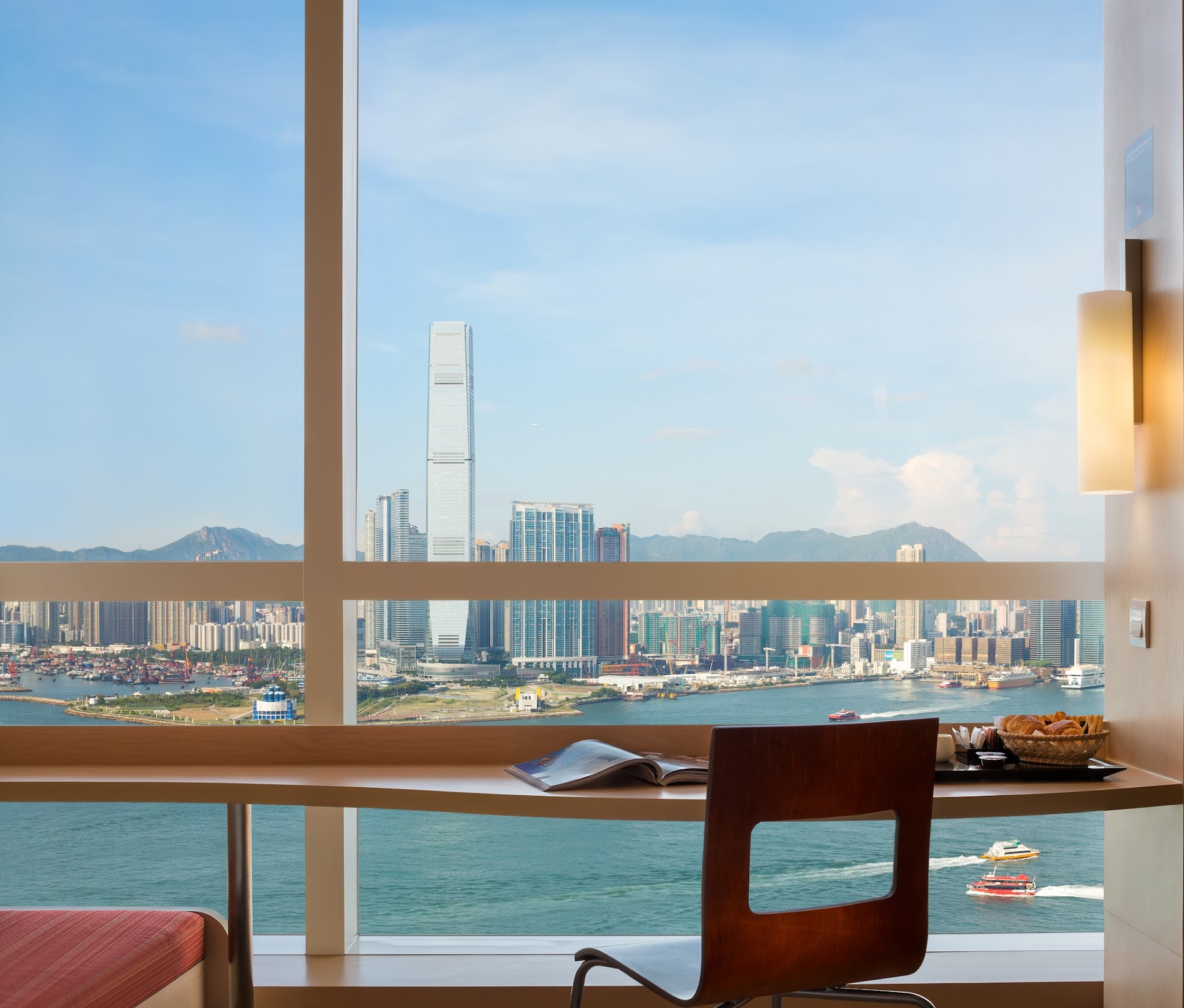
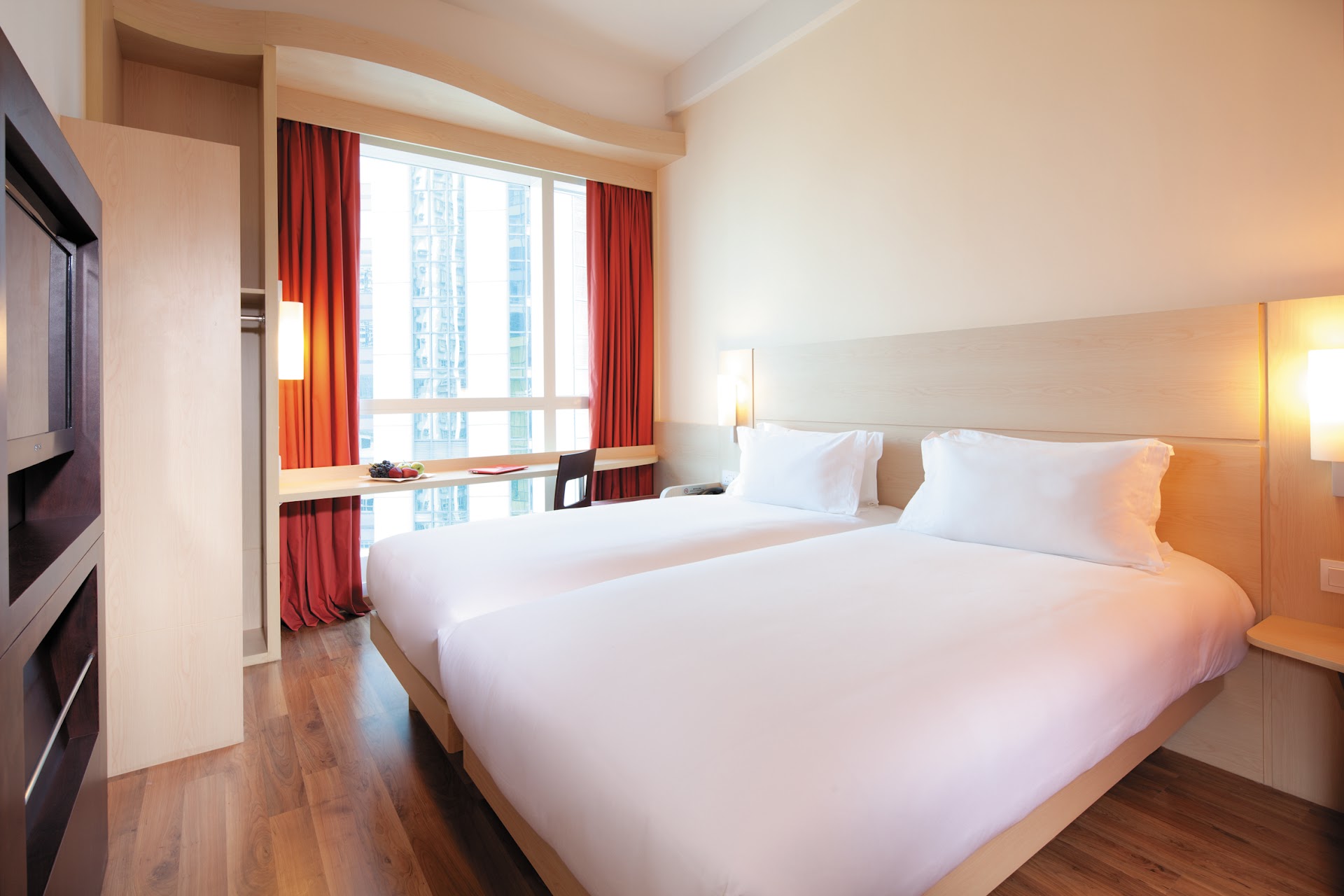 Ibis Hong Kong Central & Sheung Wan Hotel⭐ 3.5 · 8.3/10 (23,668) · $75 /night
 The Salisbury - YMCA of Hong Kong⭐ 4.0 · 8.7/10 (18,577) · $131 /night
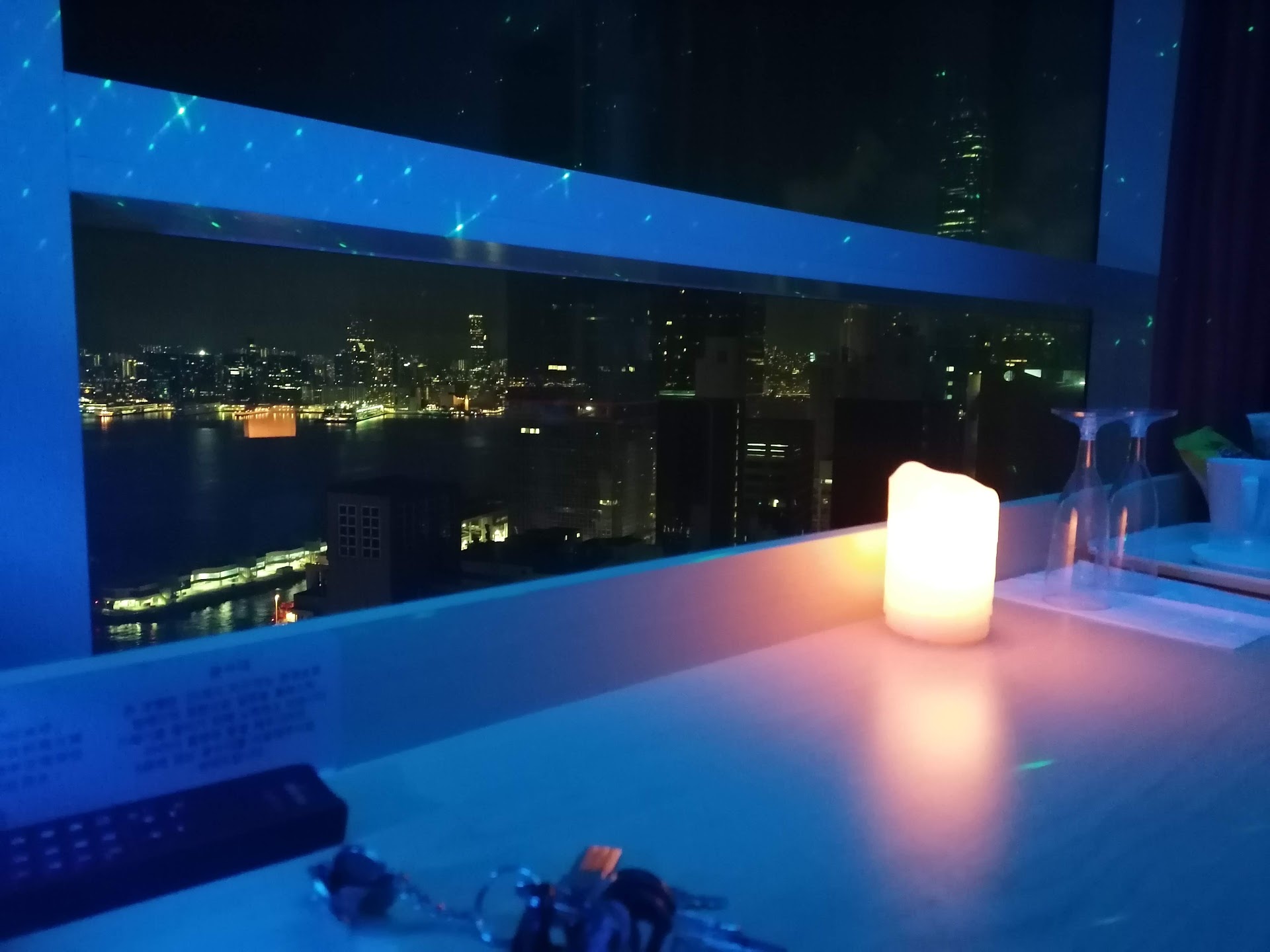 The Kowloon Hotel⭐ 4.0 · 8.1/10 (16,738) · $124 /night
Agoda affiliate link — clicks go to the price-comparison page.