Most of Hong Kong never sees 5 AM. But in Sham Shui Po, the day has already been running for hours by the time the first MTR train pulls out of the station. The wet market here doesn’t ease into the morning — it erupts into it, loud and fluorescent and alive, while the rest of the city is still dark. This is the Hong Kong that locals keep to themselves, and it’s worth every early alarm.
Best Timing
The magic window is 4:30 AM to 7:00 AM. That’s when the market operates at full intensity — char siu stacked in glassy red slabs, fishmongers sorting the overnight catch, and the corner congee stalls packed with regulars who’ve been coming here since before most visitors were born. By 8 AM, the rush is easing. By 9 AM, it’s half-cleared. Miss that window and you’re seeing the afternoon shift — a quieter, flatter version of itself.
In terms of seasons, October through March is the sweet spot. Hong Kong’s subtropical humidity softens in autumn and winter, making a pre-dawn walk genuinely comfortable rather than punishing. The market runs year-round regardless of weather, but standing under fluorescent lights in August heat and 90% humidity is a different experience entirely. Chinese New Year week (late January or February) brings extra drama and special goods, but also crowds that double the usual morning rush.
Core Experiences
The Char Siu Roast Pork Stall at Ki Lung Street
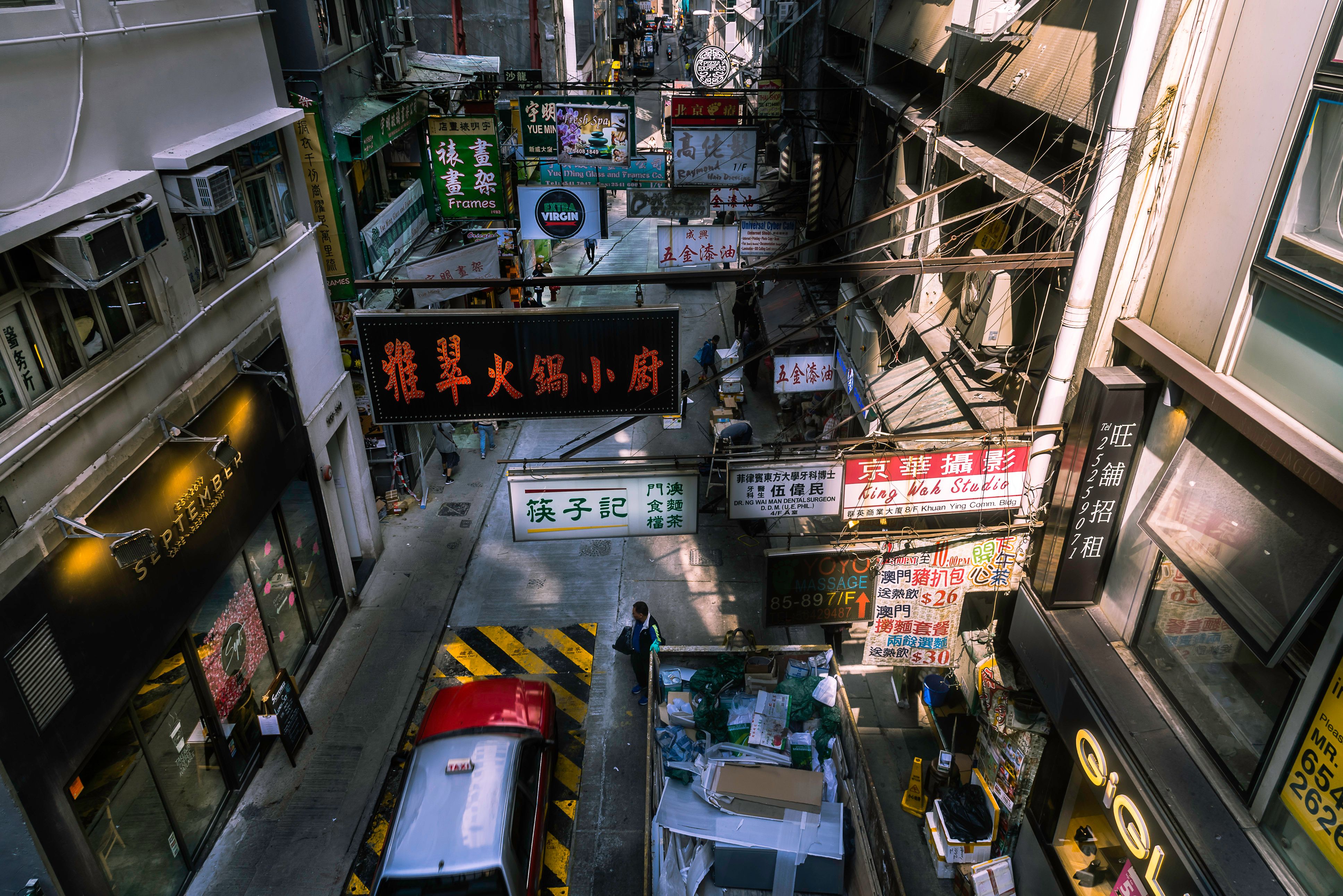
The smell hits before the stall comes into view — caramelized soy, roast fat, smoke drifting into the pre-dawn air. The char siu vendors along Ki Lung Street start their ovens around 3 AM, and by 4:30 the first lacquered racks are hanging. Watch the vendor slice with a cleaver in one smooth motion, the pork catching the fluorescent light in that particular honey-amber shade that defines Hong Kong BBQ. Regulars come here specifically for the fat-to-lean ratio — these aren’t the trimmed, tourist-facing portions. They’re cut thick and sold fast.
- 📍 Ki Lung Street, Sham Shui Po, Kowloon · 💰 HK$45–80 per portion (~USD $6–10) · ⏰ 4:00 AM – 8:00 AM · ⭐ 4.7
- Local tip: Ask for the jyu teng (pork neck) cut if it’s available — it sells out by 6 AM and it’s never listed on any sign.
Cheung Sha Wan Road Fish Stalls
A few blocks north, the fish section occupies a dedicated cluster of stalls along Cheung Sha Wan Road, where the catch arrives from Aberdeen and Sai Kung overnight. The vendors work under bare fluorescent tubes, sorting live fish from styrofoam tubs, stacking chilled crab in military rows, and calling prices across the aisle in rapid Cantonese. There’s a specific energy here that’s hard to name — efficiency, ritual, pride. The fish are still flipping. The ice is piled high. Nobody’s performing for a camera; this is work.
- 📍 Cheung Sha Wan Road fish section, near Yen Chow St · 💰 HK$30–200 depending on species · ⏰ 3:30 AM – 7:30 AM · ⭐ 4.5
- Local tip: The flat-headed croaker (hung sam) is a local breakfast fish — cheap, sweet, and almost never exported. It disappears by 6 AM.
Nam Kee Congee Corner
This is the anchor of the morning. Nam Kee — or at least the stall locals call by that name, tucked into the corner where two market lanes intersect — has been serving congee to market workers since the 1970s. The bowls arrive steaming: thick, silky rice porridge with century egg and lean pork (pei dan sau yuk juk), or with fresh fish slices if you show up early enough to catch the second batch. The plastic stools are always occupied. The ceramic bowls are chipped. The congee is exactly right.
- 📍 Junction of Nam Cheong St and Kweilin St, Sham Shui Po · 💰 HK$28–42 per bowl (~USD $4–5) · ⏰ 5:00 AM – 10:30 AM · ⭐ 4.8
- Local tip: Order the yau ja gwai (fried dough stick) on the side and tear it directly into the bowl — that’s how the regulars do it, and it’s not negotiable.
Tofu and Soy Pudding Stall, Kweilin Street
At the quieter southern end of Kweilin Street, a single tofu vendor operates out of what looks like a converted garage. The product list is short: fresh tofu, soy milk served warm, and dau fu fa — silken tofu pudding eaten with a thin sugar syrup. Everything is made on-site from local soybeans. The pudding has a texture that mass-produced versions can’t approach: barely-set, trembling in the bowl, tasting faintly of grass and warmth. Market workers stop here mid-shift for a few minutes of stillness.
- 📍 Kweilin St, near the Yen Chow Street junction · 💰 HK$12–20 per portion (~USD $1.50–2.50) · ⏰ 5:30 AM – 9:00 AM · ⭐ 4.6
- Local tip: The vendor often has unsweetened soy milk set aside for regulars who ask. It’s richer than the sweetened version and worth requesting.
The Vegetable Wholesale Section, Apliu Street End
Walk toward the Apliu Street end of the market and the character shifts again — this is the wholesale vegetable zone, where crates of morning glories, lotus roots, and bitter melon arrive from the New Territories in the dark. The vendors unload from vans by hand, stack with speed, and negotiate volume prices in shorthand. It’s not visually showy — no elaborate displays — but there’s something quietly cinematic about watching the food supply chain before the sun rises. Choy sum, gai lan, watercress: the building blocks of everything you’ll eat at dim sum an hour later.
- 📍 Apliu Street end of the Sham Shui Po wet market complex · 💰 Wholesale pricing; not retail-forward · ⏰ 4:00 AM – 7:00 AM · ⭐ 4.4
- Local tip: Vendors will often hand a visitor a piece of fresh produce to try — accept it. It’s not a sales pitch. It’s just hospitality.
Recommended Route
This half-day walk fits cleanly inside a 5 AM to 9 AM window. No transport needed between stops — everything is within 10 minutes on foot.
- 5:00 AM — Arrive at Cheung Sha Wan Road fish stalls. Spend 20–25 minutes watching the sorting and stacking before the first rush of restaurant buyers arrives.
- 5:30 AM → (4 min walk) — Ki Lung Street char siu vendors. This is the peak moment for the roast pork — ovens hot, first batches out, vendors at full speed. Pick up a portion to carry.
- 6:00 AM → (3 min walk) — Nam Kee Congee Corner. Claim a stool. Order the century egg congee plus a fried dough stick. Eat slowly. This is the center of the morning.
- 7:00 AM → (5 min walk) — Kweilin Street tofu stall. Warm soy pudding as a second course. The market is starting to thin slightly — this is a good moment to slow down and photograph without pressure.
- 7:30 AM → (6 min walk) — Apliu Street vegetable wholesale section. The energy is different here — heavier, quieter, more industrial. Stay 20–30 minutes.
- 8:15 AM — Walk to Sham Shui Po MTR (7 minutes) or grab a taxi back to Kowloon or the island. The market will be winding down. The city is just waking up.
Total time on foot: Approximately 3 hours, 1.5 km walking distance.
Budget · Transport · Booking
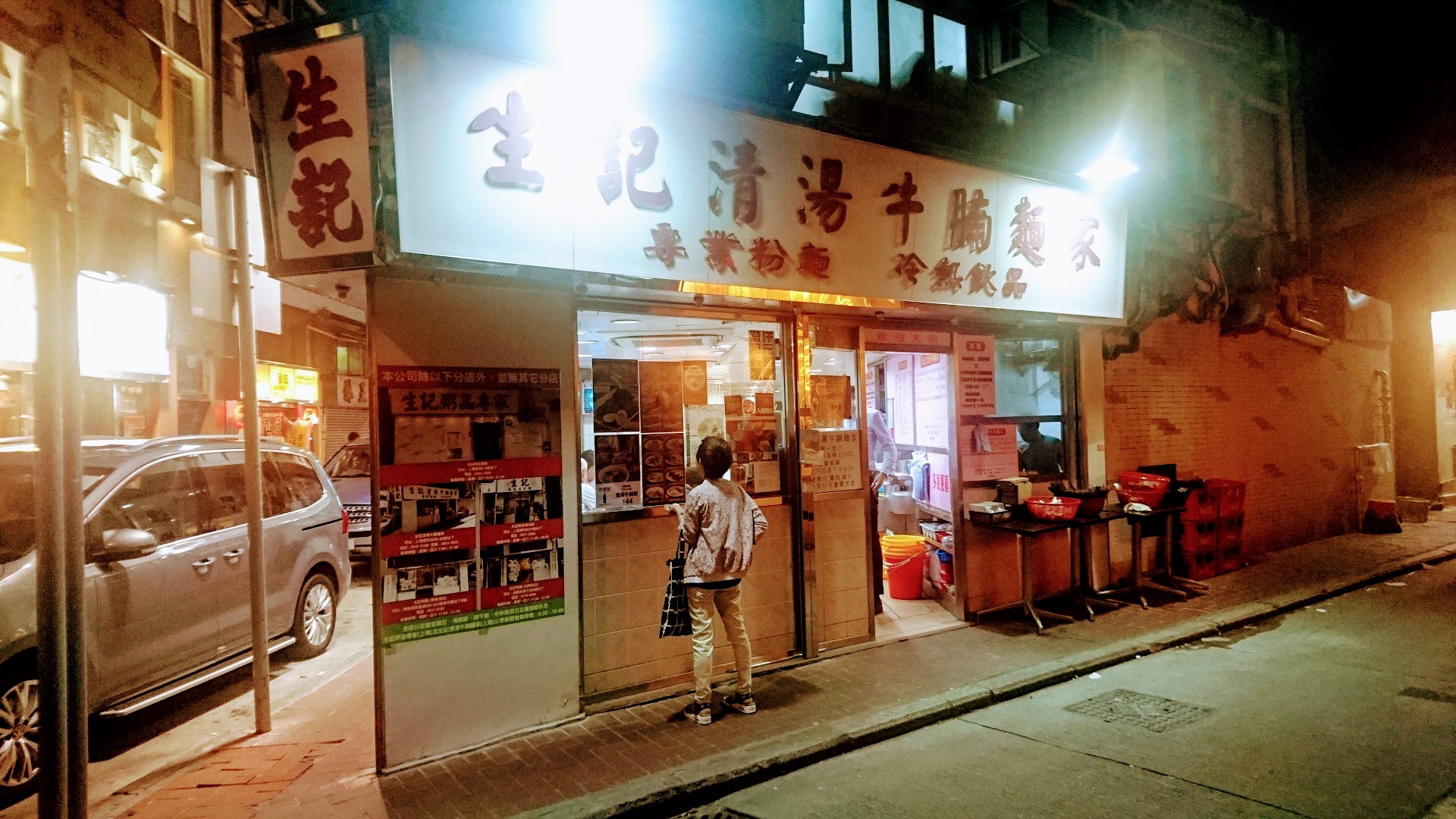
Getting there: Sham Shui Po MTR Station (Tsuen Wan Line, yellow) — Exit A2 or C1 puts you within 3 minutes of the market. At 5 AM, the MTR is already running (first train ~5:48 AM from most stations) — but to arrive truly at 5 AM, a taxi from Tsim Sha Tsui costs roughly HK$40–60 (~USD $5–8) with minimal traffic. Uber/HK taxi apps work reliably.
Realistic food budget per person:
- Char siu portion: HK$60
- Congee bowl + fried dough stick: HK$45
- Soy pudding: HK$15
- Soy milk: HK$12
- Total: ~HK$132 (~USD $17)
No booking required for any market stall. Everything is walk-up, cash preferred (small bills). Most vendors do not accept Octopus card or WeChat Pay — bring HK$200 in cash to be comfortable. No entrance fee for the market.
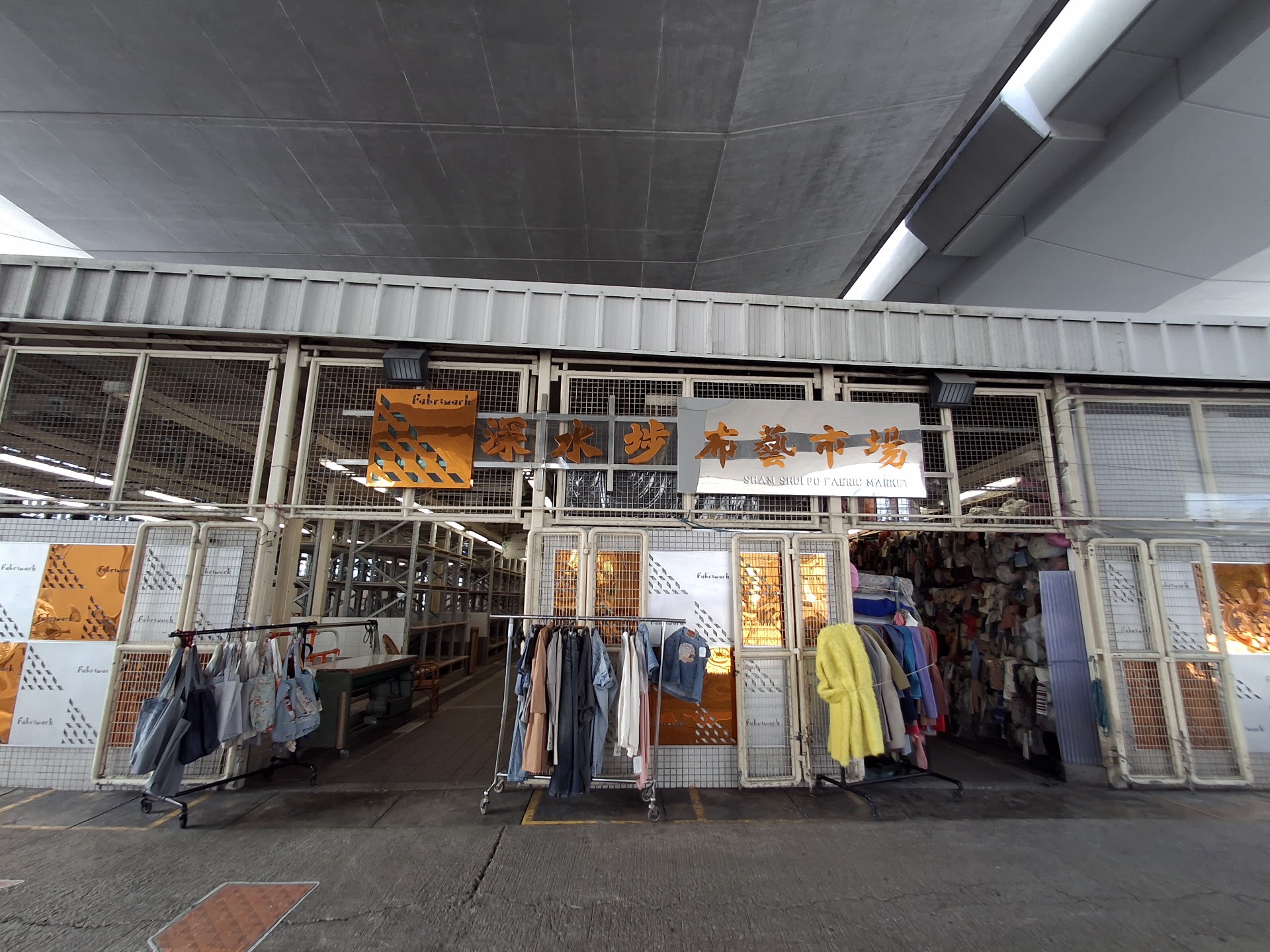
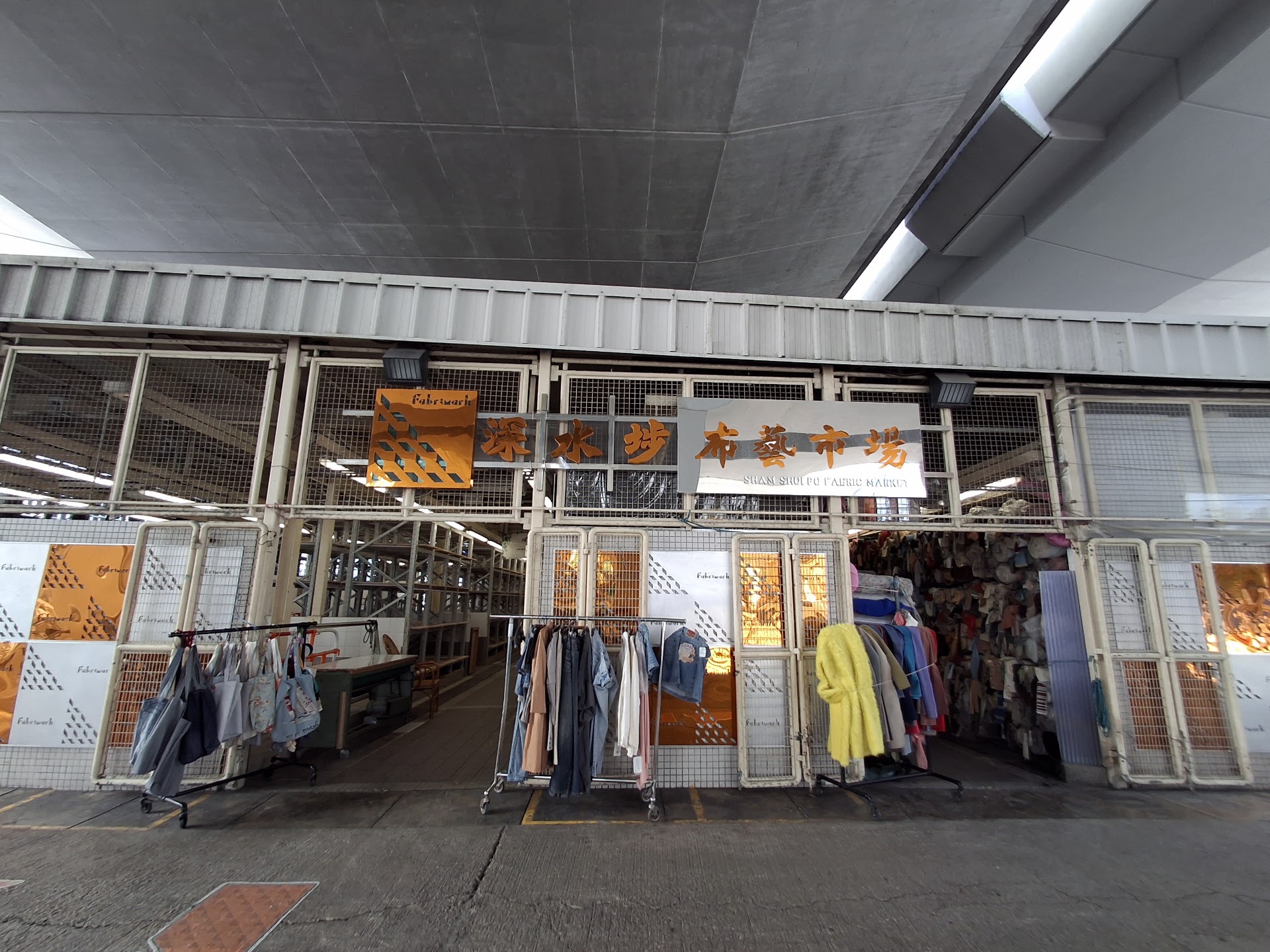
Combining with the neighborhood: After 9 AM, Sham Shui Po transitions into its electronics and fabric market persona along Apliu Street and Ki Lung Street. Worth an extra hour if you’re into components, vintage textiles, or Lo So Shing Fong alley’s secondhand clothing.
Must-Know Tips
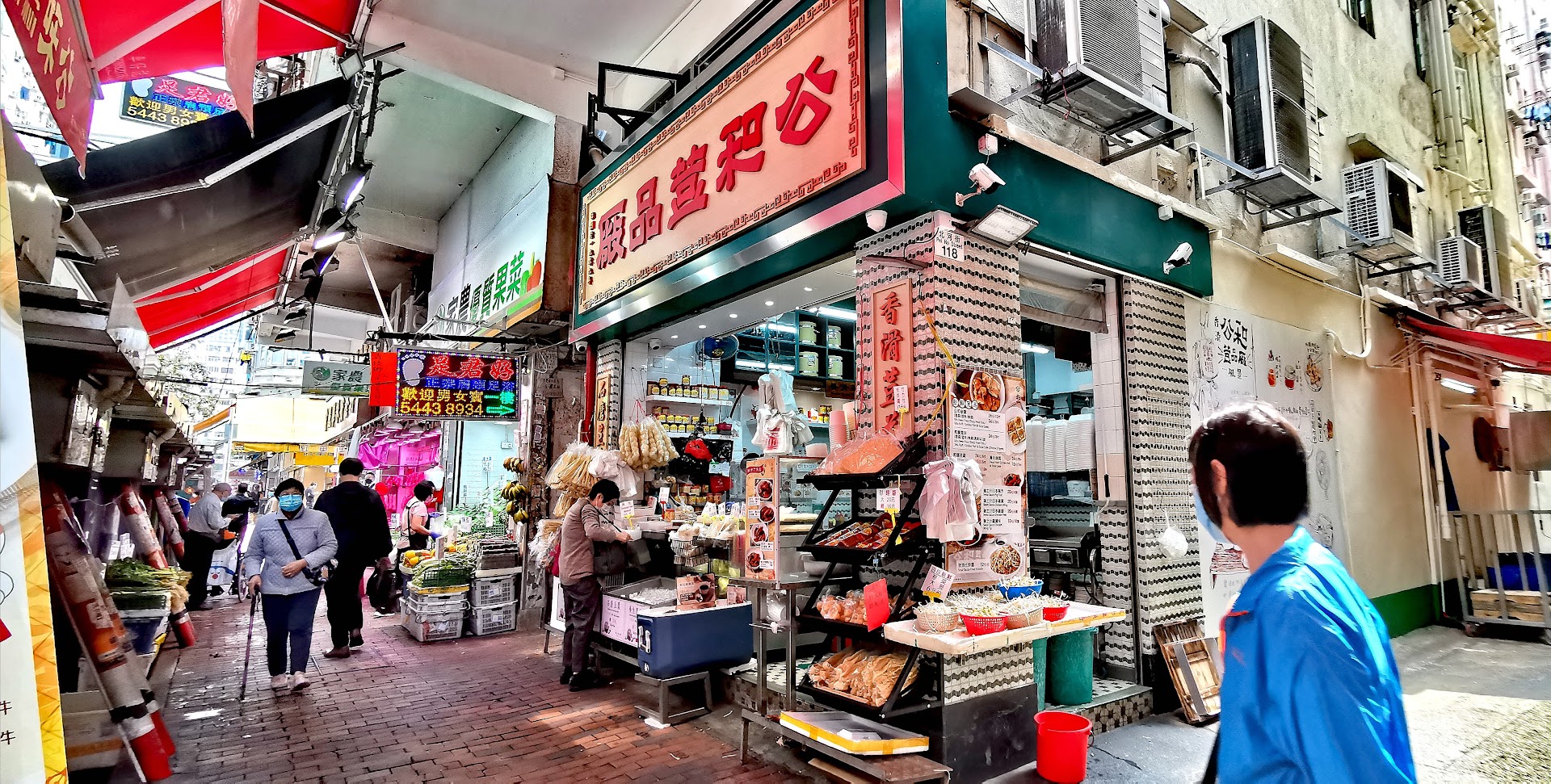
- 🕔 Aim for 5:00 AM sharp — the char siu stall at Ki Lung Street sells the pork neck cut first, and it’s gone by 6 AM without fail. Set the alarm, not the snooze.
- 💵 Cash only, small bills — HK$10, $20, $50 notes. Vendors won’t refuse $100 but they’ll give you a look. ATMs are available at the MTR station.
- 📷 Ask before photographing vendors directly — most will nod yes if you make eye contact first. Don’t photograph without acknowledgment. Wide shots of the market floor are fair game.
- 👟 Wear closed-toe shoes — the market floor is wet, occasionally iced, and densely trafficked with hand trolleys. Sandals are a genuine hazard at 5 AM.
- 🗣️ Cantonese basics open doors — m̀h goi (excuse me / thank you) and gei dō chín? (how much?) go a long way. Mandarin works at some stalls, English at very few before 8 AM.
- 🌧️ Check the typhoon signal — Hong Kong’s weather bureau issues T1–T10 warnings. If a T3 or above is posted, markets may close or operate at reduced capacity. Check the HKO app the night before.
Closing
Sham Shui Po at 5 AM is one of those places that resets your sense of what a city actually is. Not the skyline, not the harbor light — but a fishmonger and a congee bowl and the specific fluorescent hum of a market that has never stopped moving. It’s unhurried in the way that only deeply habitual things are: no one is rushing because everyone knows exactly where they are and what comes next. That knowledge feels like something worth showing up early for.
The one actionable takeaway: Book a taxi the night before, set your alarm for 4:30 AM, and walk into Ki Lung Street before the city wakes up. The char siu is ready. The congee is on. Everything else will follow.
🏨 Where to Stay
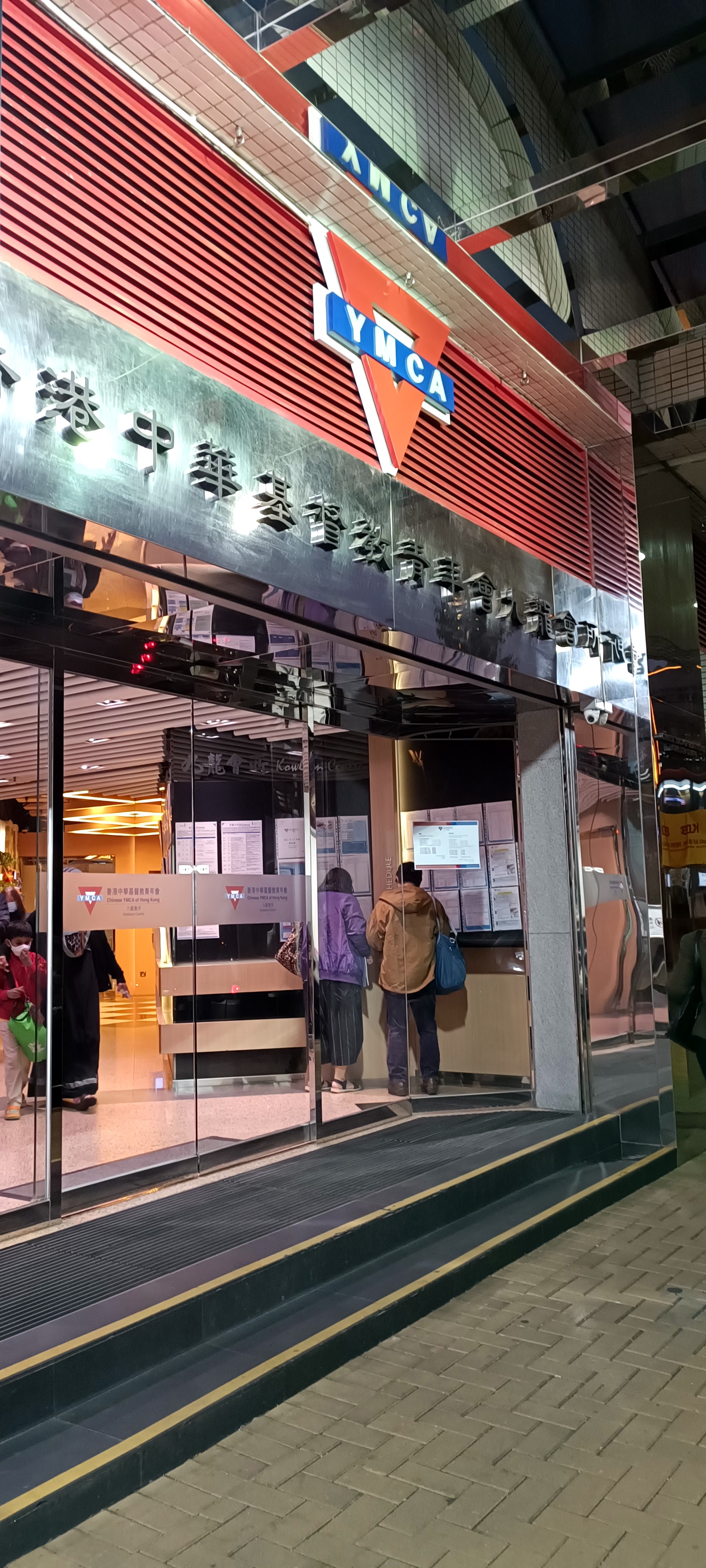
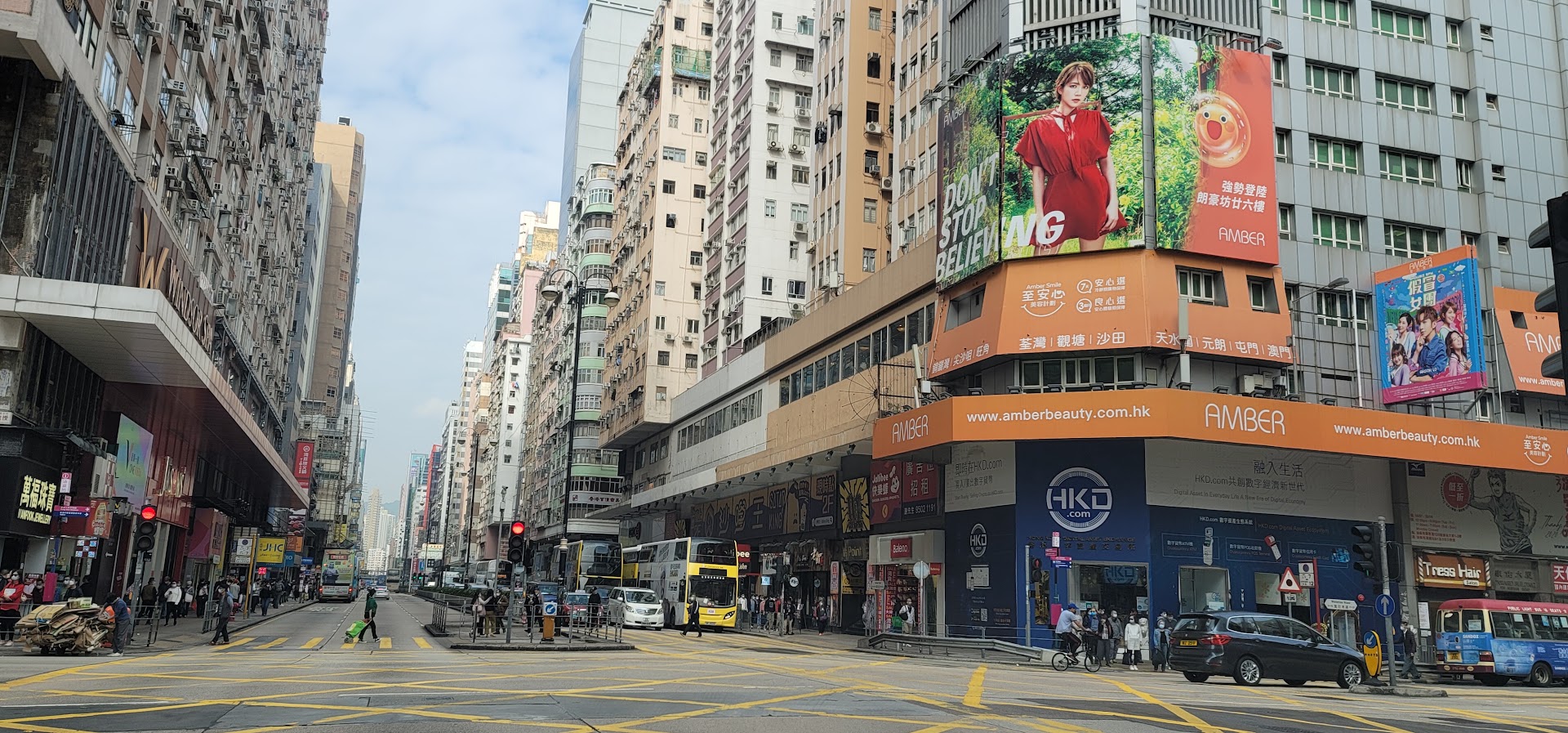 The Cityview - Chinese YMCA of Hong Kong⭐ 4.0 · 8.5/10 (26,274) · $109 /night
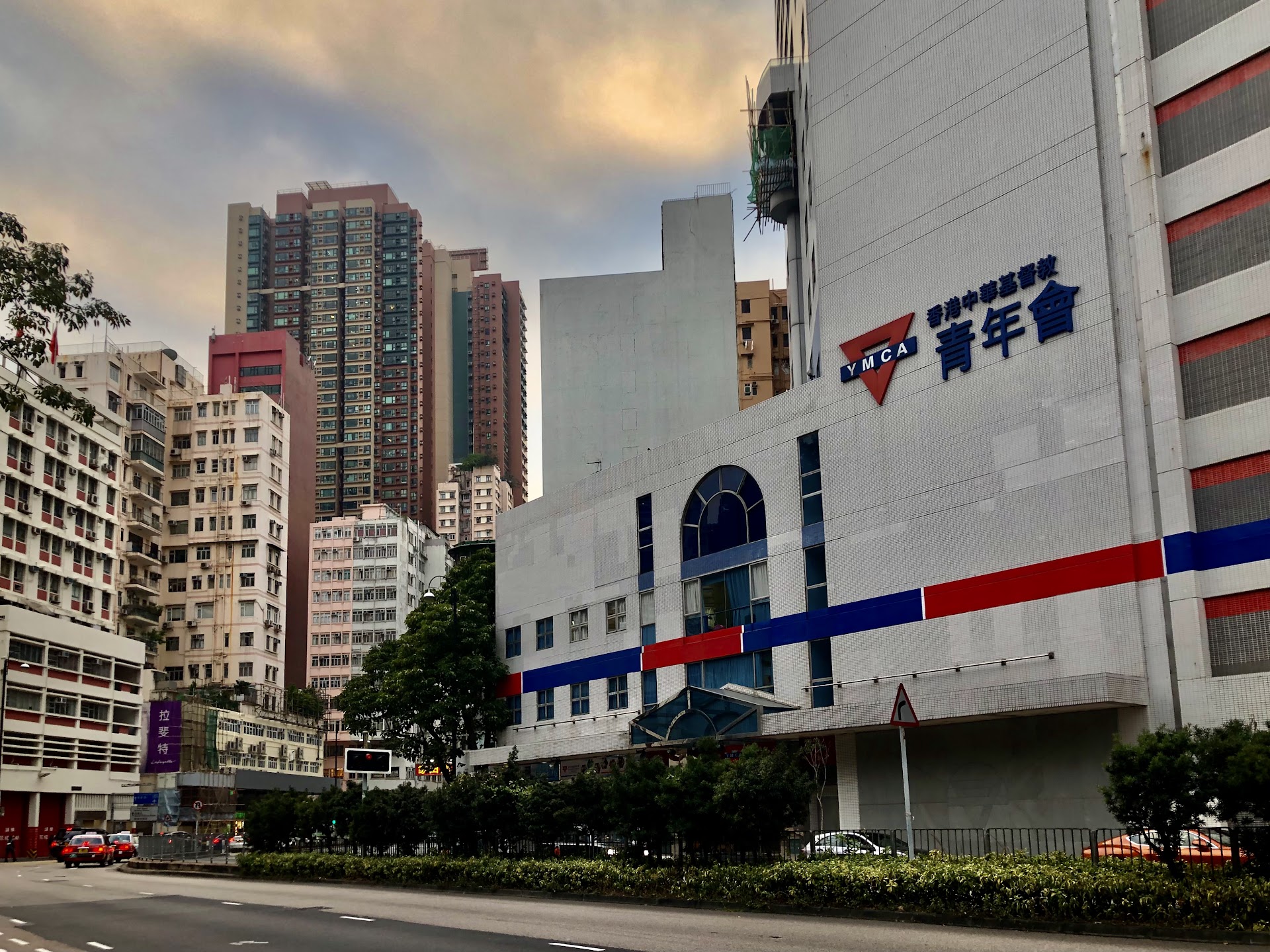 Royal Plaza Hotel⭐ 5.0 · 8.7/10 (58,175) · $127 /night
 Cordis, Hong Kong⭐ 5.0 · 8.9/10 (15,494) · $137 /night
Agoda affiliate link — clicks go to the price-comparison page.