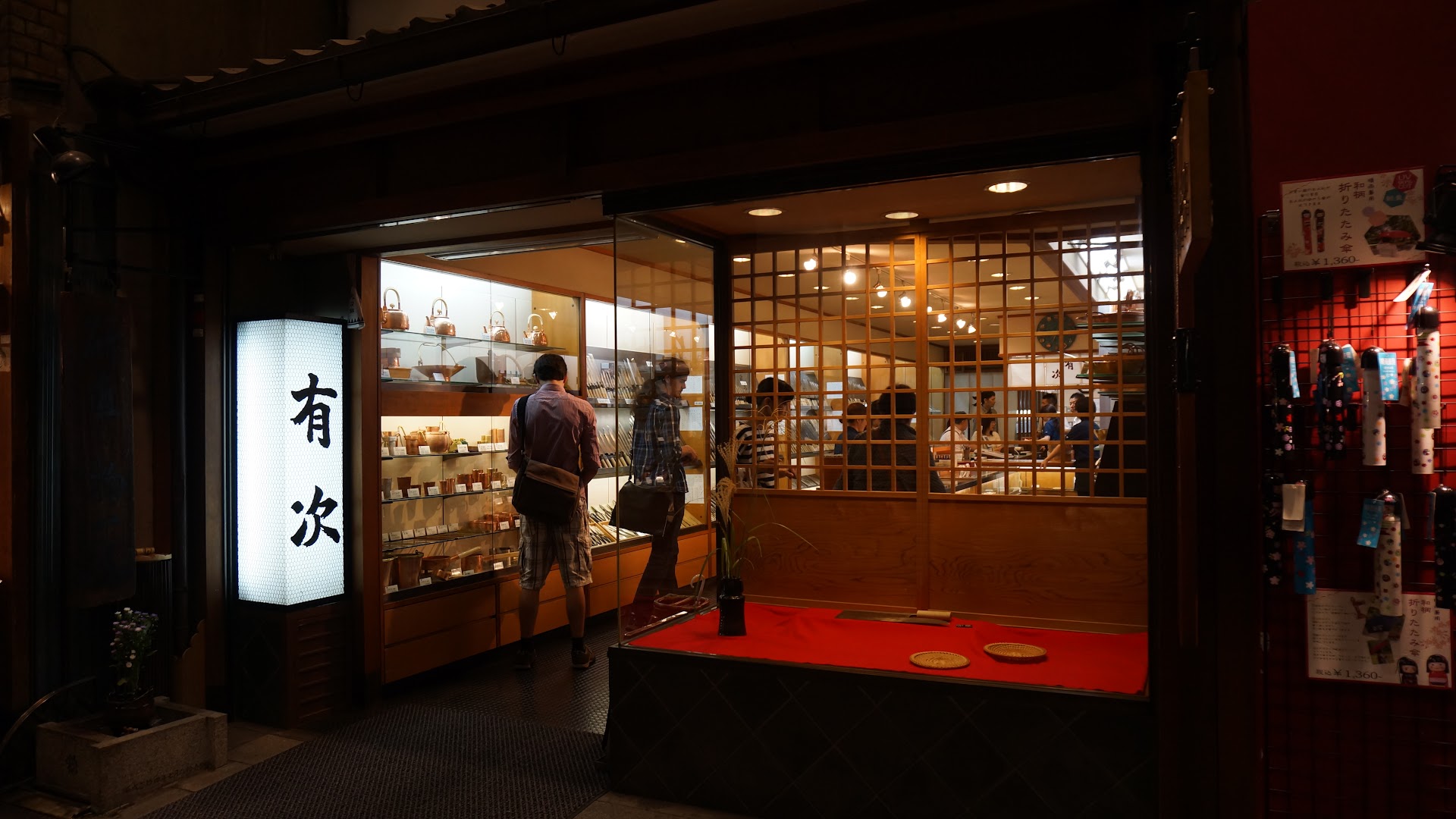
Kyoto hides its best hours before the city wakes up. At 6 AM, Nishiki Market — a 400-year-old covered food lane running four blocks through central Kyoto — belongs to the vendors, the regulars, and the smell of fresh tofu steaming in cold air. Come early, and you’ll see what the market actually is. Come at noon, and you’ll see what it performs.
Best Timing
Nishiki Market runs at its quietest between 5:30 AM and 8:00 AM, when a handful of vendors open early for local shoppers and restaurant buyers. The lanterns are still lit, the lane is nearly empty, and the light filtering through the covered arcade carries that particular amber quality unique to early mornings in old wooden cities. Most tourist foot traffic doesn’t arrive until after 10 AM, and by midday the lane is shoulder-to-shoulder. If you’re visiting between October and March, the cold air actually enhances the experience — steam rises visibly off tofu and hot soup, and the vendors move briskly. Late spring (April–May) brings more crowds but also beautiful pre-heat mornings. Avoid major national holidays if you want any version of solitude.
The best single month is November: clear skies, cool air that makes hot food taste better, and the surrounding Kyoto streets are touched by autumn color without being overrun by peak foliage crowds.
Core Experiences
Nishiki Tōfu — Yuba and Fresh Block Tofu at the Corner Stall
At the eastern entrance of the market on Teramachi, a small tofu stall has been stacking pale white blocks since before dawn. This is where Kyoto’s kaiseki restaurants send their kitchen runners early — the tofu is made the same morning and sold by the block or ladled out as yuba (tofu skin skimmed from simmering soy milk). The vendor wraps blocks in washi paper and ties them with twine. Nothing here is for Instagram; it’s entirely for eating. The yuba, draped warm over a small dish and hit with a drop of soy sauce, is the kind of simple thing that recalibrates your taste for the rest of the day.
- 📍 Eastern Nishiki entrance, near Teramachi-dori · 💰 Yuba portion ¥200–¥400 (~$1.30–$2.60) · ⏰ Opens ~5:30 AM, sells out by 9 AM · ⭐ 4.8
- What locals know: Ask for nama yuba (raw/fresh) rather than the dried variety sold later in the day — it’s a completely different product.
Nishiki Tamago — Dashi Egg on a Stick
One of the market’s most recognized morning snacks is the tamagoyaki — rolled egg cooked with dashi broth — sold hot on a wooden skewer from a narrow grill stall roughly mid-market. The exterior is lightly caramelized, the interior custardy and faintly sweet. It’s a ¥150 breakfast that takes 45 seconds to eat and stays with you for hours. The vendor flips the rolls by hand over a long rectangular pan, pressing and folding in practiced motions that look mechanical until you realize there’s no machine involved. A small crowd of three or four regulars often gathers here at 6 AM, not because it’s rare, but because it’s reliable.
- 📍 Mid-market, roughly between Gokomachi and Yanaginobanba · 💰 ¥150–¥200 (~$1–$1.30) · ⏰ 6:00 AM onward · ⭐ 4.6
- What locals know: The first batch out of the pan (around 6 AM) has the best texture — later rolls sometimes sit and steam in their own heat, softening the outer crust.
Aritsugu — Carbon Steel Knives and the Sound of a Whetstone
About halfway down the lane, Aritsugu has been forging kitchen knives since 1560. At dawn, the shutters are only half-open, and inside a single craftsperson is usually sharpening or finishing a blade. The shop smells of metal and oil. The knives on display — yanagiba, deba, nakiri — are working tools, not souvenirs, and the prices reflect that (¥10,000–¥80,000+). You don’t need to buy anything to spend twenty minutes here. The staff engrave names in Japanese characters on blades purchased in-store, a service that takes about fifteen minutes and costs nothing extra. For anyone who cooks seriously, this is the stop that justifies the early alarm.
- 📍 Nishiki Market, mid-section · 💰 Knives from ¥10,000 (~$65); engraving free · ⏰ Opens 9:00 AM (worth returning to after your dawn walk) · ⭐ 4.9
- What locals know: Kyoto chefs buy the deba (fish knife) here specifically — ask to see the in-house forged line, not the displayed stock.
Nishiki Waffle — Matcha and Miso Caramel Street Waffles
A compact waffle stand near the western end of the market presses coin-shaped waffles in cast-iron molds, with fillings that rotate seasonally but almost always include matcha cream and shiro miso caramel. The miso caramel version is the one worth pausing for: the salt from the miso cuts the sweetness in a way that makes a single waffle feel complete rather than indulgent. The stand is run by two people, and they keep the pace deliberate — each waffle pressed for exactly the right time, not rushed because there’s a line. At 6 AM there rarely is one.
- 📍 Western section, near Nishi-Oji end · 💰 ¥300–¥450 (~$2–$3) per waffle · ⏰ 6:30 AM–5:30 PM · ⭐ 4.5
- What locals know: The miso caramel sells faster than it’s restocked — if the sign is out, ask anyway; they often have one more batch warming.
Kinse Ryokan Alley — The Lantern-Lit Back Exit
At the far western end of Nishiki, a narrow side exit drops you onto a back alley flanked by a traditional inn (ryokan) and a row of low wooden buildings. At 6 AM this alley is completely still — no vendors, no foot traffic, just old wooden facades and the soft orange wash of paper lanterns that stay lit until around 7:30 AM. It’s the frame that makes the whole morning make sense: you’ve walked a medieval food lane, eaten warm egg and fresh tofu, and now you’re standing in a Kyoto back alley that looks, improbably, unchanged. The inn’s small garden gate is sometimes open; look in without entering. It costs nothing and lasts about five minutes, but it’s the image you’ll actually remember.
- 📍 Western Nishiki exit, alley running south toward Shijo-dori · 💰 Free · ⏰ Best 5:45–7:30 AM (lanterns still lit) · ⭐ 4.7
- What locals know: Walk south toward Shijo and you’ll pass a small standing coffee counter that opens at 7 AM — cash only, excellent drip coffee.
Recommended Route
This is a 2.5-hour slow walk, built for savoring rather than checking boxes.
- 6:00 AM — Enter from Teramachi (eastern end). Stop at the tofu stall first while the blocks are freshest. Buy yuba if it’s available (~10 minutes).
- 6:20 AM — Walk west, pausing at vendor setups. Most stalls open between 6 and 7 AM — watch the unpacking, the ice being arranged, the fish being laid out. No need to rush.
- 6:40 AM — Tamagoyaki stall, mid-market. Eat it standing. One stick is enough.
- 7:00 AM — Continue west. Aritsugu is still shuttered (opens at 9), but look in the window. Make a note to return if knives are on your list.
- 7:15 AM — Waffle stand. Miso caramel. Find a wall to lean against and eat without moving.
- 7:30 AM — Reach the western exit. Take the back alley south. Lanterns still lit. Walk slowly.
- 7:45 AM — Coffee at the standing counter on Shijo-dori. Sit on the street step if available.
- 8:15 AM → Return to Nishiki if you want to see it fully awake, or head directly to Gion (10-minute walk) before it fills up.
Total walking distance: ~1.2 km in market + alley. Pace is slow. Wear flat, comfortable shoes — the lane is cobblestone in sections.
Budget · Transport · Booking
Total morning spend (food + coffee): ¥900–¥1,400 (~$6–$9). There’s no entrance fee to Nishiki Market.
Getting there:
- 🚇 Subway: Karasuma-Oike Station (Karasuma Line + Tozai Line), Exit 5 — 5-minute walk east to Nishiki’s Teramachi entrance.
- 🚇 Keihan/Hankyu: Gion-Shijo or Kyoto-Kawaramachi, 6-minute walk west.
- 🍴 Taxis don’t need to be pre-booked; flagging one at 5:45 AM in central Kyoto is straightforward.
No advance booking required for anything in this morning walk. Aritsugu knife engraving is walk-in only; arrive before noon to avoid a wait.
Full-day budget (including transport from Osaka or within Kyoto, lunch, and one market purchase): ¥4,000–¥8,000 (~$26–$52) per person, excluding knife purchases.
Must-Know Tips
- 🕕 6 AM is the window. By 9 AM the market feels different — more stalls are open but the stillness is gone. If the quiet morning is why you came, don’t sleep in.
- 💴 Bring cash. Most dawn vendors are cash-only. ¥2,000 in coins and small bills covers everything. ATMs inside 7-Eleven (one block from Teramachi entrance) are 24-hour.
- 📷 Ask before you photograph vendors. A small bow and a gesture toward your camera goes a long way. Most vendors will nod; some will wave you off. Respect it.
- 👟 Wear flat shoes. The covered arcade has sections of old stone and uneven tile. Nothing dangerous, but heels are a mistake.
- 🌧️ Rain is fine, actually. The market is fully covered, so a wet morning in Kyoto means empty streets outside and dry lanes inside — often the best conditions of all.
- 🥢 Eat on the move. Nishiki is one of the few Kyoto food spaces where standing and eating in the lane is normal and expected. Don’t look for a table; there isn’t one.
Closing
Nishiki at 6 AM is a different city — the city before it performs for anyone. The tofu vendor doesn’t look up when you walk past. The egg stall doesn’t have a sign in English. The lanterns in the back alley were lit for no one in particular. That’s what makes it worth the early alarm: for two hours, the market operates on its own terms, and you’re just passing through it.
Set the alarm for 5:45 AM. Walk in from the east. Eat something warm before the crowds arrive. The rest of Kyoto will be there when you get back.
🏨 Where to Stay
 HOTEL FORZA KYOTO SHIJO KAWARAMACHI⭐ 4.0 · 9.1/10 (7,780) · $56 /night
 Cross Hotel Kyoto⭐ 4.0 · 9.2/10 (11,397) · $111 /night
 CANDEO HOTELS Kyoto Karasuma Rokkaku⭐ 4.0 · 8.9/10 (2,555) · $94 /night
Agoda affiliate link — clicks go to the price-comparison page.