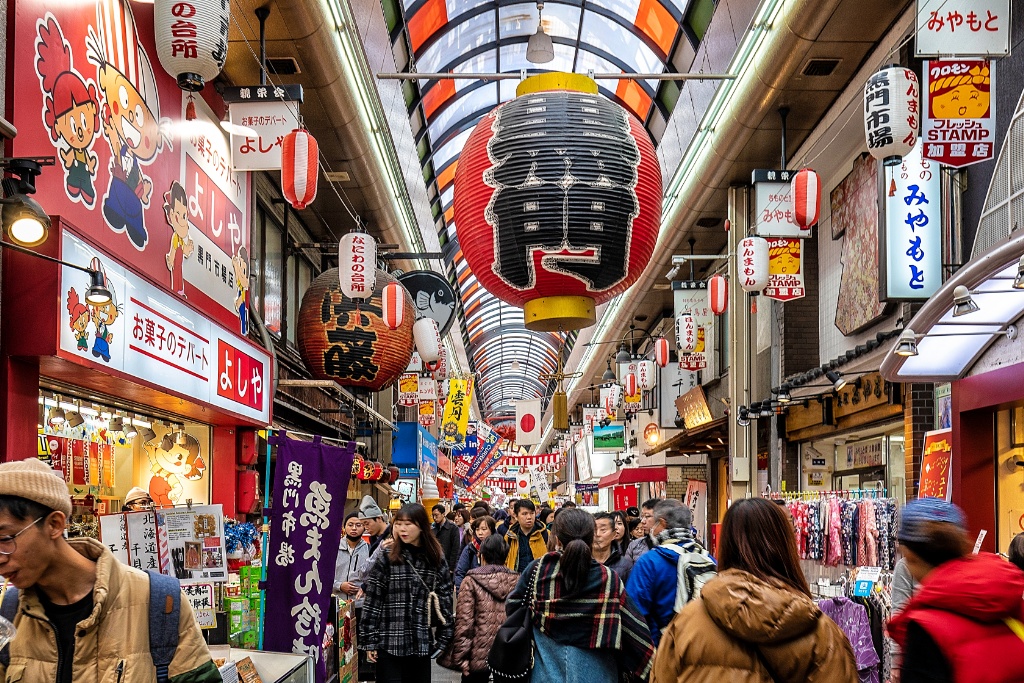
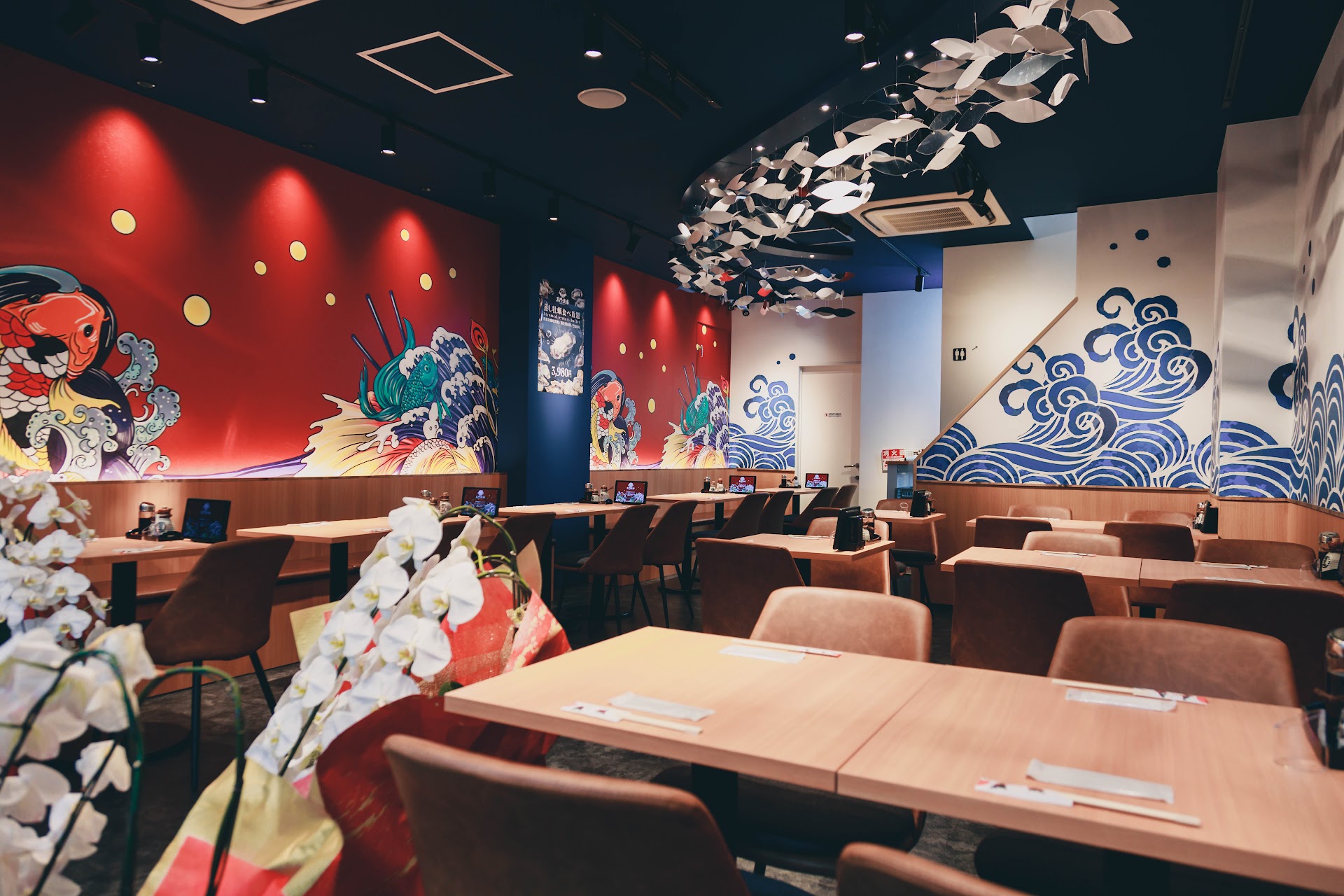
Osaka’s Kuromon Ichiba doesn’t belong to midday tourists. It belongs to the hour before them — when the covered arcade is still half-shadow, the grills are just catching heat, and the vendors are arranging their catch with the quiet focus of people who’ve done this ten thousand times. Arrive at 7 AM and you’ll find a different market entirely.
Best Timing
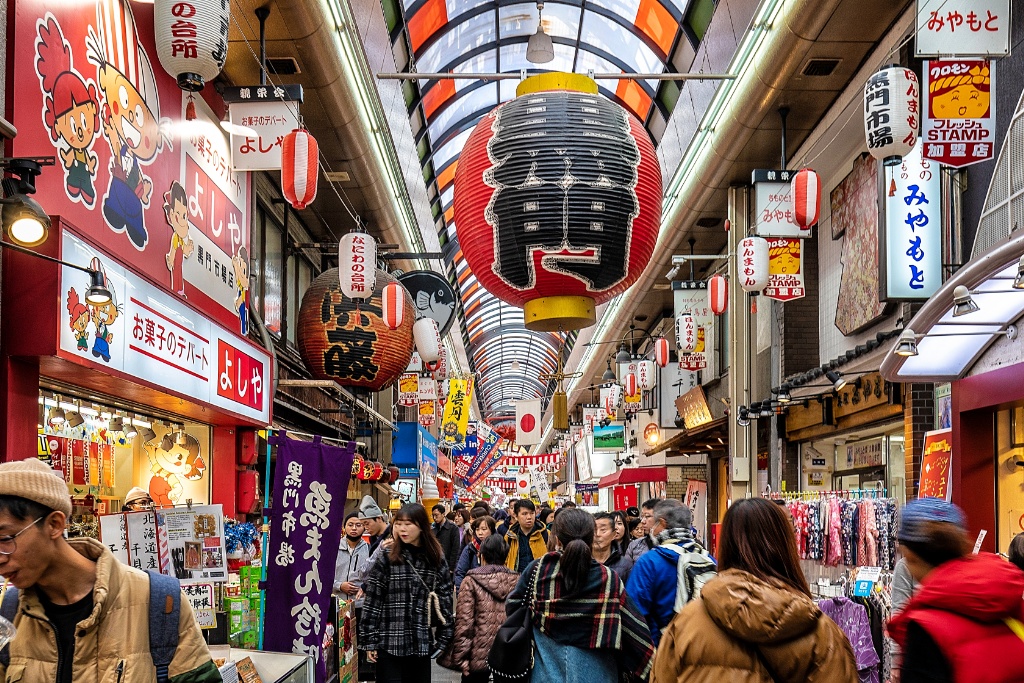
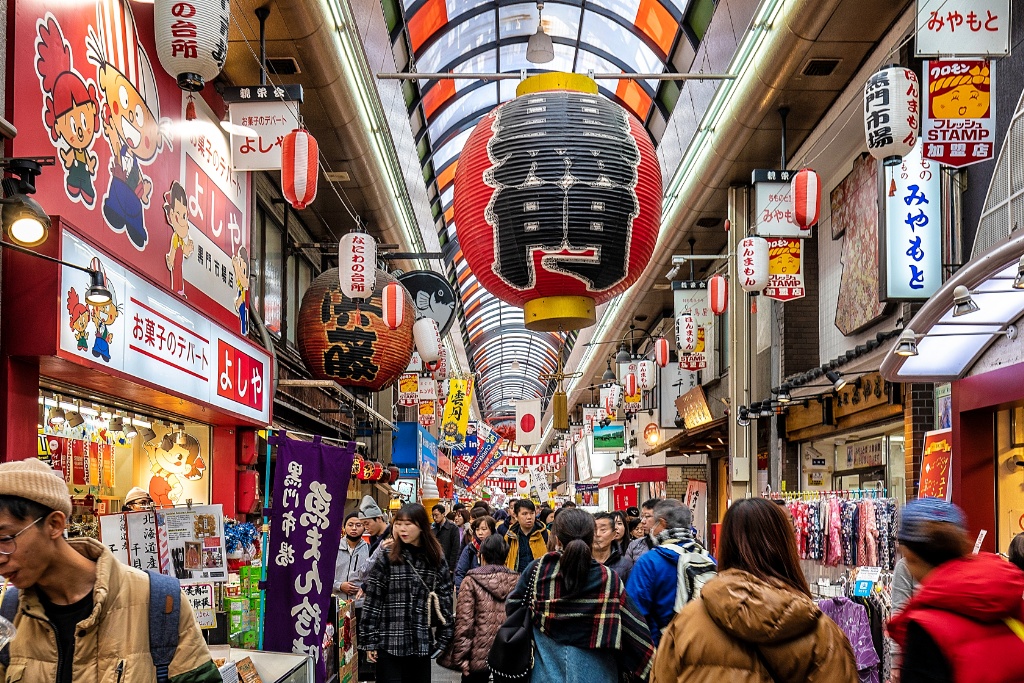
Kuromon Ichiba officially opens as early as 5:30–6:00 AM for some stalls, but the sweet spot is 7:00–9:00 AM. The tuna counter is at full display, the grilled seafood smells are already threading through the arcade, and the vendors are genuinely happy to talk — because there’s no line behind you yet. Foot traffic builds sharply after 10 AM and hits peak congestion around noon, when prices at the eat-in counters also nudge upward.
The market runs year-round, but October through April offers the most comfortable walking temperatures. Summer mornings (June–August) are already humid by 7 AM, so go early or not at all. Avoid Golden Week (late April to early May) and Obon (mid-August) unless you enjoy shoulder-to-shoulder crowds even at dawn. A weekday morning in autumn is the quietest the market will ever be.
Core Experiences
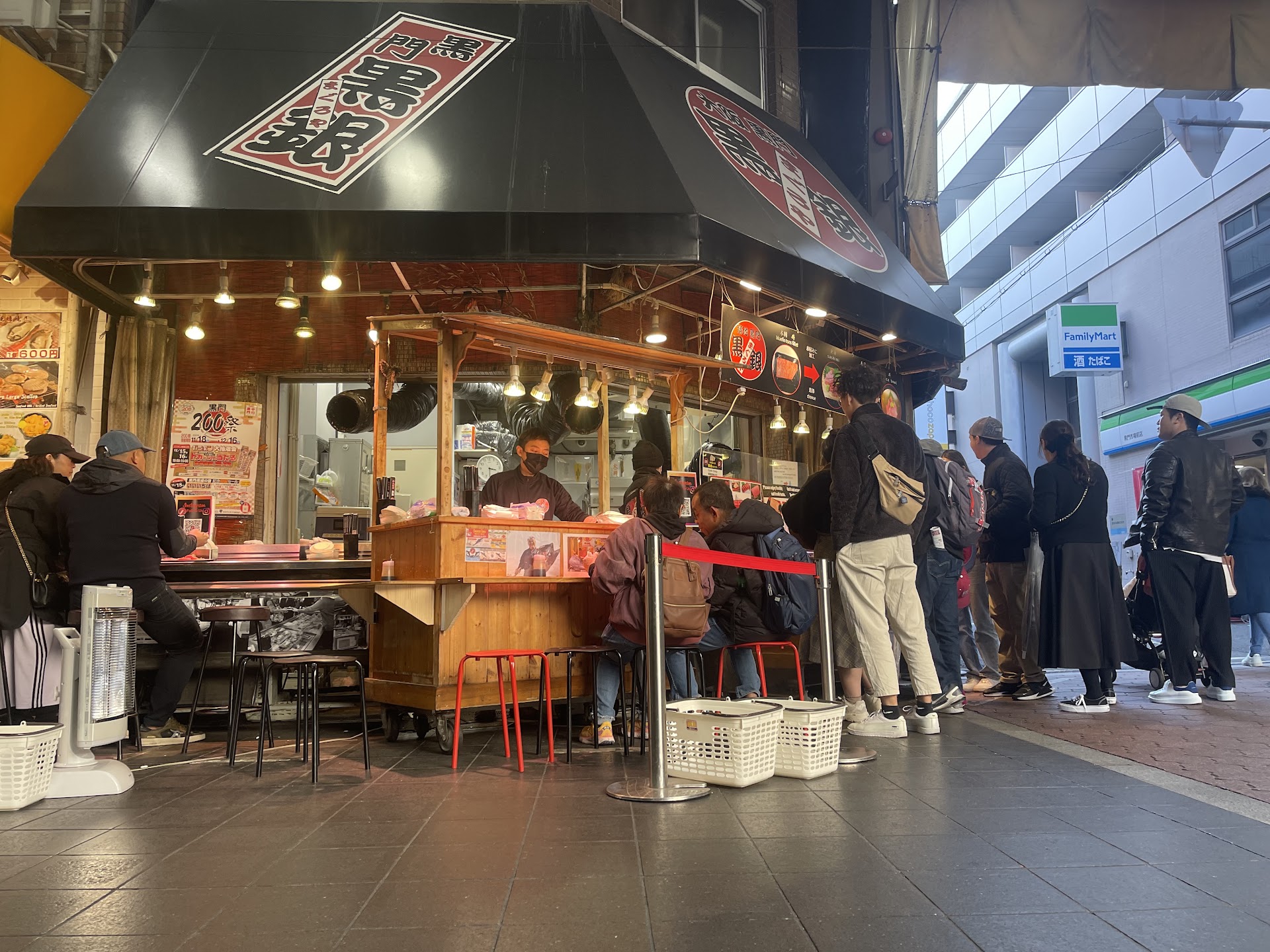
The Tuna Counter (Maguro-ya)
Near the center of the 580-meter covered arcade, several fishmongers specialize in whole tuna — and one or two of them lay out fresh cuts starting at 6:30 AM. By 7 AM, thick ruby slabs of bluefin (hon-maguro) and yellowfin are already labeled and waiting. Watching the counter staff work through a whole loin with the focused efficiency of surgeons is worth the walk alone. The eat-in portions — tuna sashimi over rice, or a small tray of nigiri — are typically priced well below what you’d pay at a dedicated sushi restaurant, and the fish moved this early hasn’t sat under a heat lamp.
- 📍 Kuromon Ichiba, roughly between entrances 2 and 5 · 💰 ¥800–¥1,800 for a sashimi set · ⏰ 6:30 AM–5:00 PM (some stalls) · ⭐ 4.7
- What locals know: Ask for hon-maguro no akami (lean bluefin) early — it sells out first, before the tourist wave hits.
The Tofu Seller at Dawn
One of Kuromon’s most quietly beloved fixtures is a tofu vendor who sets up before sunrise — blocks of fresh silken and firm tofu, yuba (tofu skin), and cold soy milk portioned into small cups. The stall is humble: a flat cart, a chilled display, a hand-lettered sign. But the tofu is made the same morning, and a cup of their cold soy milk at 7 AM, while the arcade is still largely empty, is one of those Osaka moments that doesn’t photograph well but lands perfectly in memory. Silken tofu served with a dab of soy and grated ginger costs almost nothing.
- 📍 West entrance area of Kuromon Ichiba · 💰 ¥150–¥400 · ⏰ Opens ~5:30 AM, sells out by mid-morning · ⭐ 4.5
- What locals know: The yuba (tofu skin) sheets go fast — grab them early to take back to your accommodation; they keep for a day.
Grilled Scallop Stall
The smell hits you before the stall comes into view: butter, brine, and live charcoal, drifting through the arcade at a volume that makes it difficult to keep walking. Several vendors along Kuromon grill scallops and other shellfish to order, but the ones that run charcoal (not gas) are the ones to find — identifiable by the darker, more complex smoke rising off the grates. A single large scallop in its shell, grilled with a touch of soy and butter and handed to you on a wooden pick, costs ¥400–¥600 and takes about 90 seconds to eat standing at the stall edge. At 7 AM, there’s no queue. At noon, there’s always one.
- 📍 Multiple stalls along central Kuromon arcade · 💰 ¥400–¥600 per scallop · ⏰ 7:00 AM–6:00 PM · ⭐ 4.8
- What locals know: Charcoal stalls are worth the extra ¥50–¥100 over gas-grilled versions — look for the darker smoke and visible charcoal beds under the grates.
Tamagoyaki Counter
Osaka’s tamagoyaki — the rolled egg that is dashi-forward, barely sweet, and softer than Tokyo’s firmer style — is one of the best arguments for arriving at a market when it opens. A dedicated tamagoyaki vendor near the east end of Kuromon makes fresh rolls starting at 6:30 AM, slicing them to order and handing them over on a small stick. The interior is still warm. The texture is custardy rather than bouncy. A single portion runs ¥300–¥500 and pairs unreasonably well with the cold soy milk from the tofu stall two minutes away. This is a breakfast of parts, assembled as you walk.
- 📍 East section of Kuromon Ichiba · 💰 ¥300–¥500 · ⏰ 6:30 AM–sell-out (usually by 11 AM) · ⭐ 4.6
- What locals know: Osaka tamagoyaki is savory-first, not sweet — if you’re expecting the sweeter Tokyo style, order a taste before committing to a full portion.
The Pickles and Tsukemono Stall
Toward the western end of the arcade, a family-run tsukemono (Japanese pickles) stall arranges ceramic bowls of fermenting vegetables with the care of a florist. Pickled cucumber, eggplant, daikon, and seasonal vegetables in miso or salt brine — many of them made in small batches, some of them fermenting for weeks before they reach the bowl. Tasting is expected and encouraged. The vendor — often an older woman who has run this stall for decades — will sometimes explain the fermentation method in a mix of Osaka-ben dialect and patient gesture if you point and look curious. Small vacuum-packed portions make excellent, non-fragile souvenirs.
- 📍 West end of Kuromon Ichiba arcade · 💰 ¥400–¥1,200 for take-home packs · ⏰ 7:00 AM–5:00 PM · ⭐ 4.4
- What locals know: The miso-pickled eggplant (nasu no misozuke) is one of Kuromon’s best-kept condiment secrets — richer than salt-brined versions and worth the extra ¥200.
Recommended Route
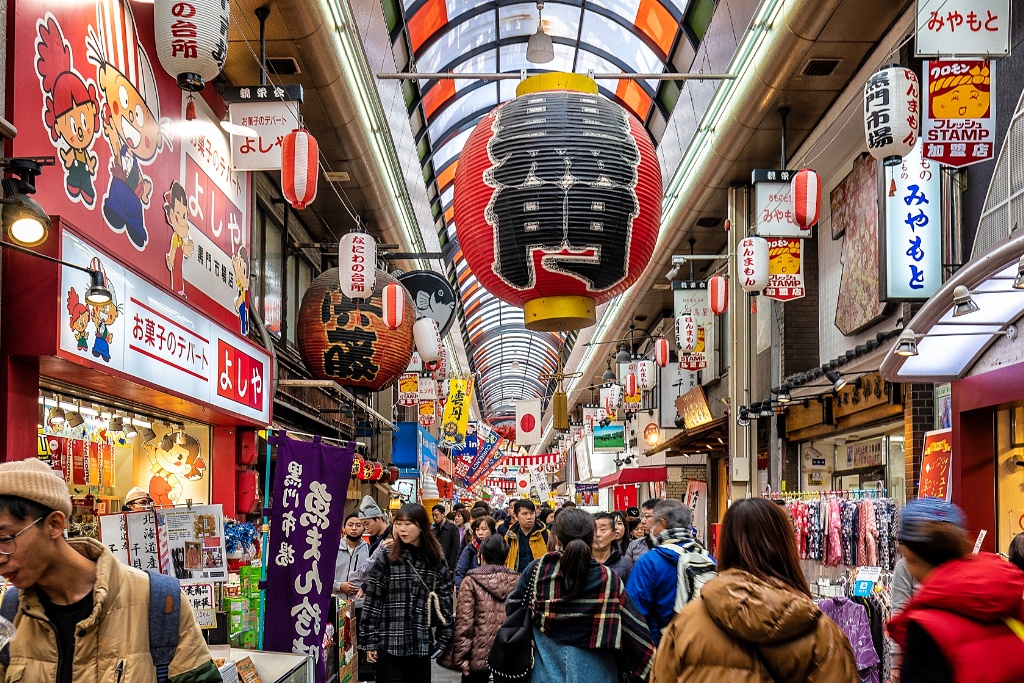
This half-morning sequence keeps the walk logical and ensures you hit the early-sell-out items before they’re gone.
7:00 AM — Enter from the Nippombashi end (south entrance). Walk slowly west toward the tofu vendor, who sets up earliest. Pick up a cup of cold soy milk or a small silken tofu to start. (~10 min)
7:15 AM — Continue west, then cut back east through the central section toward the tuna counter. The display is at peak fullness. If eating in, a small sashimi tray here makes an exceptional first meal. (~20 min, including eat time)
7:40 AM — Move toward the grilled scallop stalls in the mid-arcade section. No queue yet. Order one, eat standing, watch the grill. (~10 min)
7:55 AM — Walk east toward the tamagoyaki counter. Pick up a fresh roll, still warm. Walk and eat. (~10 min)
8:10 AM — Loop back west to the tsukemono stall. This is the browsing-and-tasting stop — take your time, try the miso eggplant, pick up take-home portions if you want them. (~15–20 min)
8:30 AM — Exit and walk 8 minutes north to Dotonbori for a coffee before the canal fills with tourists. Total time in market: roughly 90 minutes. Total walking in arcade: the full 580-meter length, twice.
Budget · Transport · Booking
Kuromon Ichiba is free to enter — there are no gates or admission fees. The costs are entirely in what you eat and buy.
- 🍴 Eating budget: ¥1,500–¥3,000 covers a full tasting-walk breakfast (tofu, scallop, tamagoyaki, sashimi)
- 🎁 Souvenirs: ¥500–¥2,000 for tsukemono take-home packs
- 🚇 Getting there: Nearest subway is Nippombashi Station (Sakaisuji Line or Sennichimae Line) — Exit 10 puts you at the south entrance in 3 minutes on foot. From Namba Station it’s a 10-minute walk north along Nipponbashi-suji.
- 💰 Cash or card: Most stalls are cash-preferred, especially at this hour. Bring ¥3,000–¥5,000 in cash. A few larger stalls now accept IC cards (Suica/ICOCA) but don’t count on it.
- 📅 Advance booking: None required. This is a public market. No reservations, no tickets. Simply show up early.
Must-Know Tips
- 🕖 7 AM is not a suggestion. The two early-sell-out items — fresh tofu and warm tamagoyaki — are gone by mid-morning. Set an alarm.
- 💴 Small bills matter. Most stalls charge ¥300–¥800 per item. Carrying ¥10,000 notes will slow down every transaction and slightly annoy every vendor.
- 🗣️ Language: Basic pointing + ikura desu ka? (how much?) gets you through 90% of transactions. Vendors here are accustomed to foreign visitors and won’t be impatient.
- 📷 Photography etiquette: The market itself is fair game. Ask (gesture first) before photographing vendors or their work close-up — a nod usually follows. Avoid slowing the flow during lunch rush if you return later.
- 🧴 Hands and napkins: Stalls hand you small napkins with grilled items, but bring your own mini-pack of tissues. The grilled scallop leaves butter on your fingers.
- 🔄 Closed days: Most stalls close on Wednesdays — several prominent vendors specifically close mid-week. Check the Kuromon Ichiba website for the current weekly schedule before your visit.
Closing
Kuromon Ichiba at 7 AM is the version of the market that doesn’t appear in the highlight reels — no crowds pressing toward the cameras, no theater of abundance performed for tourists. Just vendors quietly building their displays, smoke rising off the first grills, and the steady, unhurried logic of a market that has been doing exactly this since 1902. It’s the Osaka that knows it doesn’t need to perform.
The actionable takeaway: book your accommodation within a 15-minute walk of Nippombashi Station, set your alarm for 6:45 AM on your first full day in Osaka, and walk to Kuromon before you do anything else. Breakfast will cost ¥1,500 and be better than most meals that cost three times as much.
🏨 Where to Stay
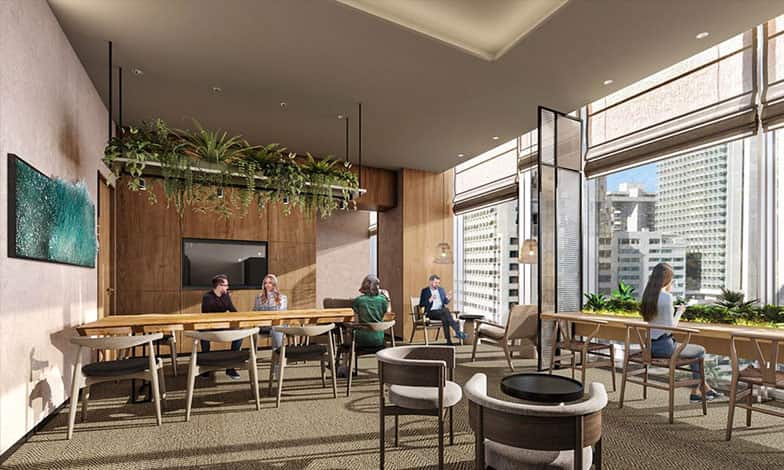 Hotel Hankyu GRAN RESPIRE OSAKA⭐ 5.0 · 8.8/10 (5,143) · $108 /night
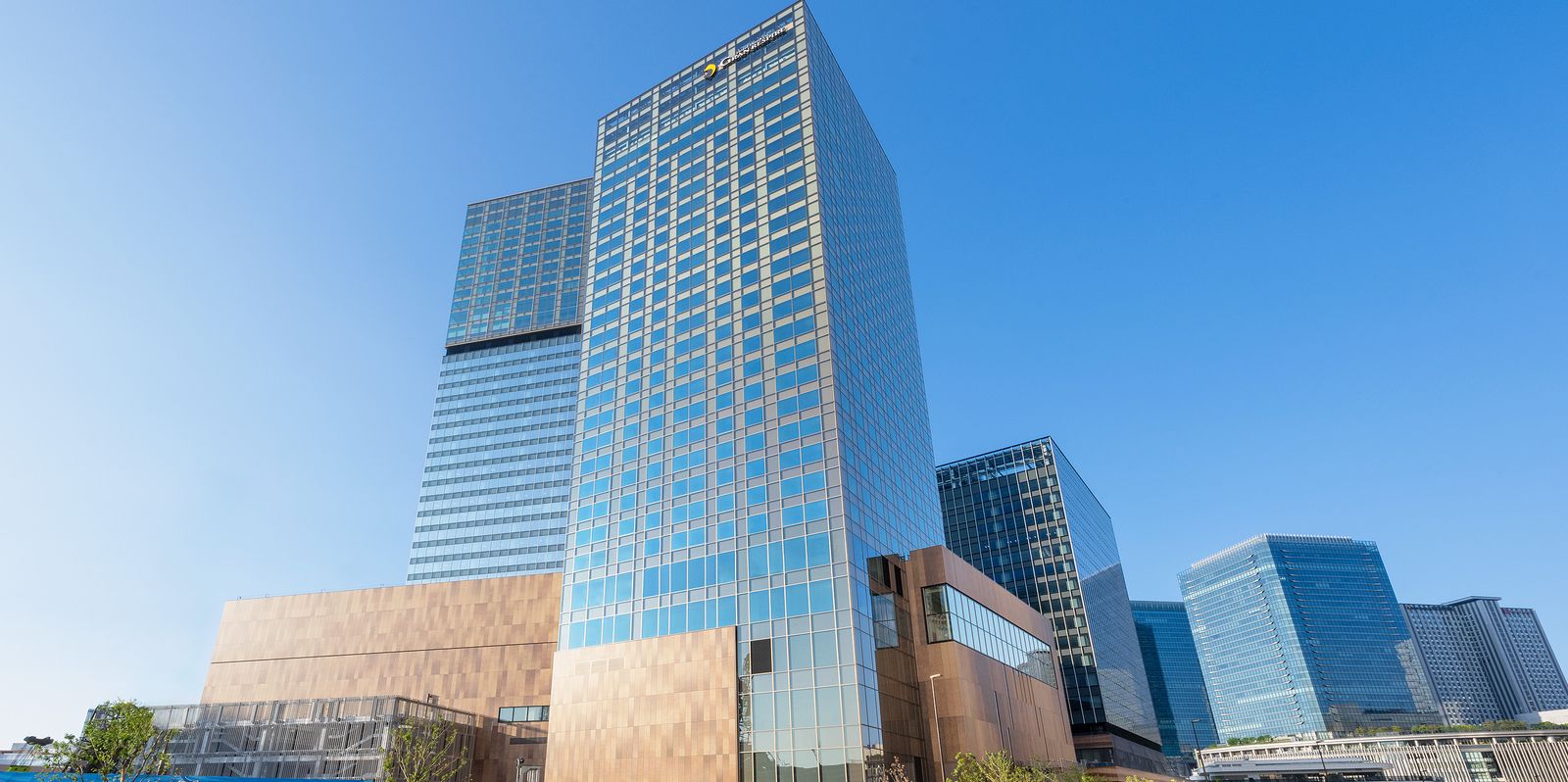 APA Hotel & Resort Osaka Umeda Eki Tower⭐ 3.0 · 8.5/10 (33,551) · $64 /night
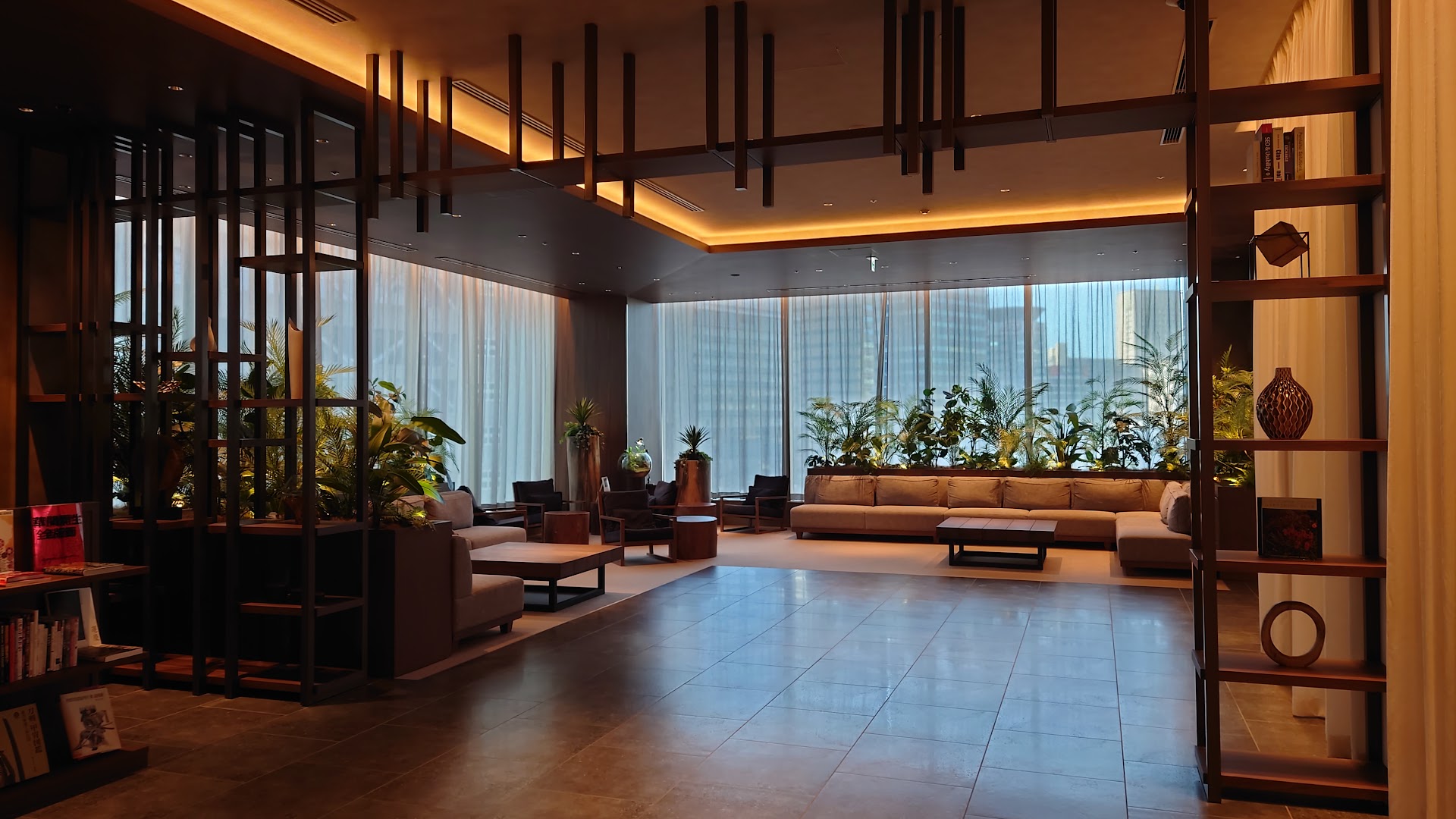 CANDEO HOTELS Osaka The Tower⭐ 5.0 · 8.9/10 (9,524) · $128 /night
Agoda affiliate link — clicks go to the price-comparison page.