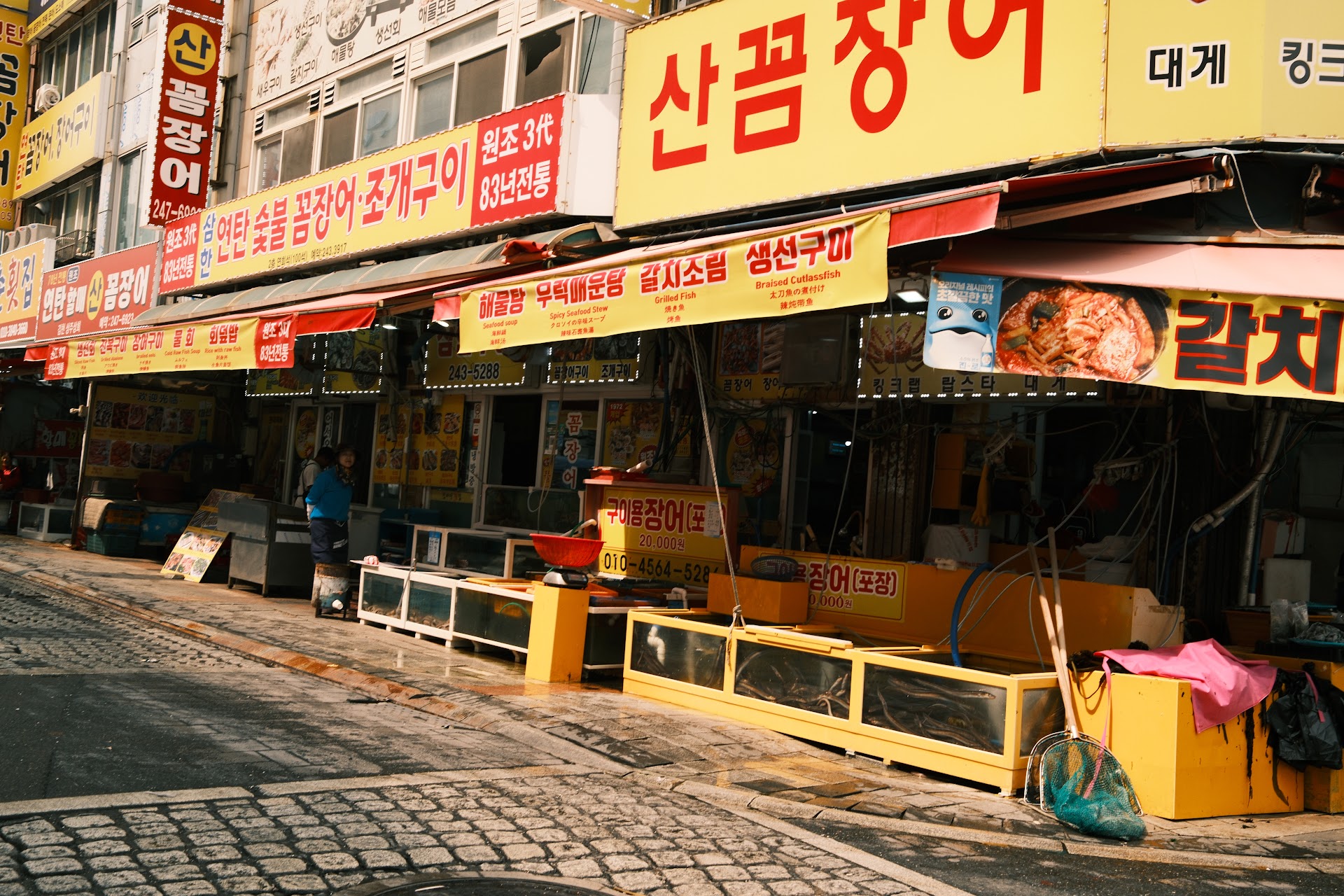
Before the tourist buses arrive, before the restaurants flip their signs, Jagalchi Market belongs to the fishermen. This is Busan at 5 AM — Korea’s largest seafood market in its rawest, most cinematic hour, when the catch comes off the boats and the haenyeo women arrange their morning wares under the first pale light off Namhang Bridge.
Best Timing
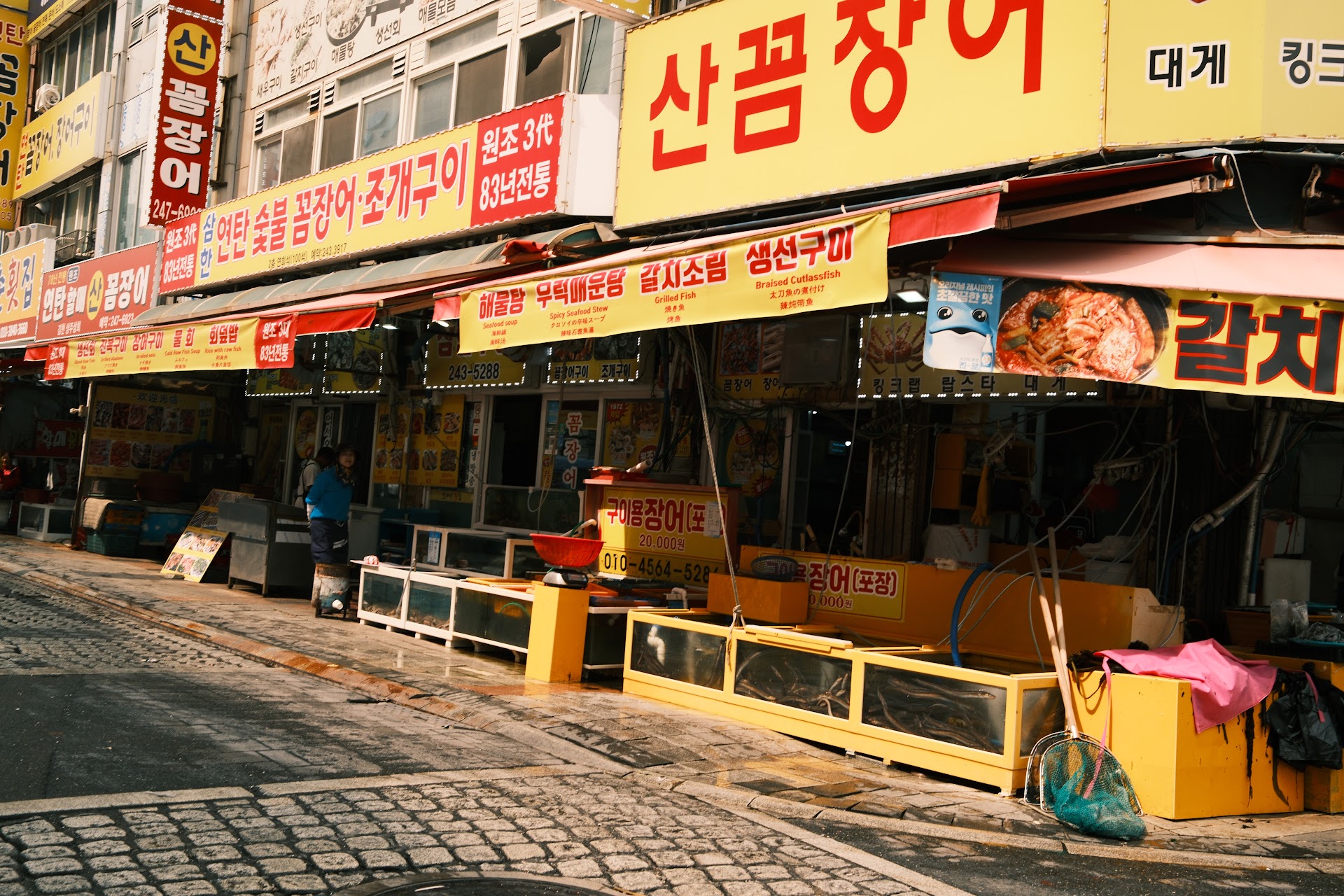
The window that makes Jagalchi worth an early alarm is narrow: 4:45 AM to 7:00 AM. That’s when the overnight fishing boats dock along the wharf and crew members wheel trolleys of live fish, octopus, and shellfish directly onto the market floor. By 8 AM, the wholesale rush tapers off and the first guided tour groups begin filtering in. By 10 AM, it’s a different place entirely — busier, louder, and stripped of that particular quiet that makes the early hour so striking.
Season matters too. October through March brings the clearest morning skies and the coldest, freshest catches — snow crab season peaks November to February, and the light off Namhang Bridge is sharpest on cold, dry mornings. Summer visits (June–August) are viable but expect sea mist until 7 AM and higher humidity. Avoid major Korean holidays (Chuseok, Seollal) when the market closes or runs on skeleton hours.
Core Experiences
The Morning Unloading Dock
The southeastern wharf edge of Jagalchi — just past the main building’s rear exit — is where the night’s work lands. Fishermen in rubber overalls haul crates of live flounder, sea bream, and spiky sea urchin off low wooden boats that have been out since dusk. The language here is gesture and habit: a quick nod, a price called out in Busan dialect, a crate stacked and wheeled away in under thirty seconds. It’s not a spectacle arranged for cameras; it’s logistics, and that’s exactly what makes it compelling to watch. The smell is strong — brine and diesel and something deeply oceanic — and the concrete is slick, so watch footing near the water’s edge.
- 📍 Jagalchi Wharf rear dock, 52 Jagalchihaean-ro, Nam-gu, Busan
- 💰 Free to observe
- ⏰ Active 4:30 AM – 7:00 AM
- ⭐ 4.7
- 💡 What locals know: Stay to the left of the main ramp — the wholesale buyers move fast down the center and won’t slow for anyone lingering.
Haenyeo Stalls (Indoor Ground Floor)
Just inside the main Jagalchi building’s ground-floor entrance, a row of older women — haenyeo, the traditional Korean female divers — set up low tables before sunrise. What they sell is hyperlocal and often unlabeled: small piles of sea cucumber, abalone pulled that morning, handfuls of spiky sea urchin (성게) in their shells. Some stalls have been run by the same family for over 40 years. The pace here is unhurried; a vendor will crack open a uni shell and offer a taste before any transaction is discussed. Most prices are negotiated in cash, not posted, and quantities are small — this isn’t a bulk wholesale scene, it’s a neighborhood ritual.
- 📍 Jagalchi Market Building, 1F stall row, 52 Jagalchihaean-ro, Nam-gu
- 💰 Sea urchin ~₩8,000–12,000 for a portion; abalone from ₩15,000
- ⏰ Stalls from ~5:00 AM; most pack up by 9:00 AM
- ⭐ 4.8
- 💡 What locals know: Point and hold up fingers for quantity — most haenyeo vendors don’t speak English, but they’re practiced at this exchange and patient.
Ganjang Gejang Breakfast
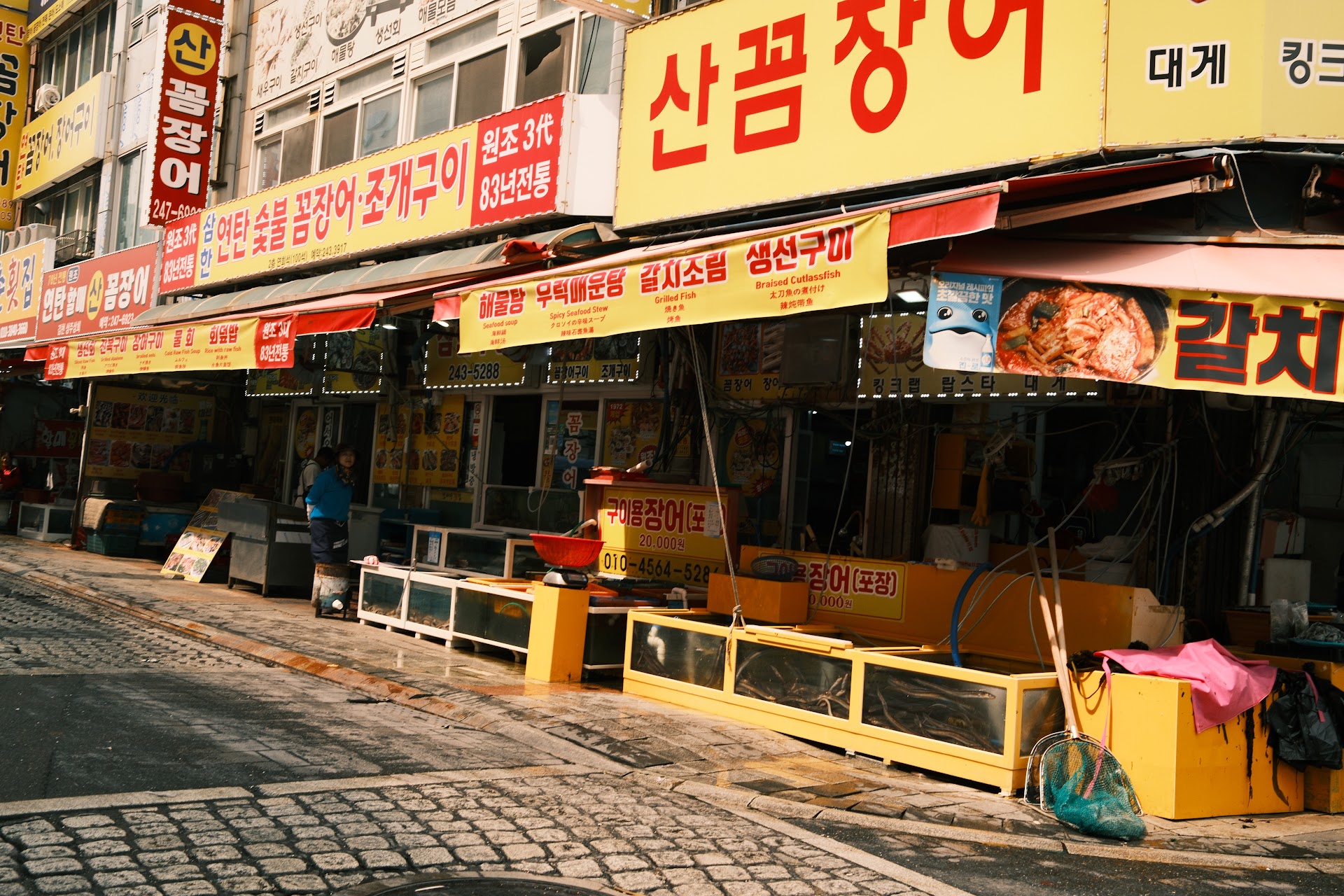
Ganjang gejang — raw crab marinated in soy sauce, salt, and garlic — is sometimes called “rice thief” (밥도둑) in Korean, because one spoonful makes you eat three bowls of rice. A handful of pojangmacha-style stalls and small sit-down spots near the market’s north exit open before 6 AM specifically to feed the market workers. A standard breakfast set includes a bowl of steamed rice, a piece of gejang, a bowl of doenjang jjigae, and a few banchan (side dishes). The crab is cold, silky, intensely savory — nothing like the sweet-chili versions served to tourists later in the day. This is the market’s insider meal, and it costs roughly the same as a convenience store breakfast.
- 📍 Stalls clustered on Jagalchihaean-ro, north side of the market building
- 💰 Full breakfast set ₩9,000–13,000 per person
- ⏰ Open from ~5:30 AM
- ⭐ 4.6
- 💡 What locals know: Order extra rice (공기밥 추가, gong-gi-bap chuga) for ₩1,000 — you will want it.
Grilled Mackerel Alley
A narrow alley running parallel to the waterfront, just west of the main Jagalchi building, holds six or seven open-air grills that begin firing charcoal before dawn. By 5:30 AM, the smell of godeungeo (고등어 — mackerel) being pressed flat on wire grates over direct heat drifts across the entire waterfront. A whole grilled mackerel, served with pickled radish and a small bowl of miyeok-guk (seaweed soup), runs about ₩12,000–16,000. The fish are purchased from the adjacent wholesale floor that morning — the supply chain here is measured in steps, not hours. Seating is plastic stools, and the grills smoke freely, so lighter-colored clothing will absorb the smell.
- 📍 West alley off Jagalchihaean-ro, between the main building and Gukje Market side
- 💰 Whole grilled mackerel set ₩12,000–16,000
- ⏰ Grills lit from ~5:00 AM; busiest 6:00–8:30 AM
- ⭐ 4.5
- 💡 What locals know: Ask for “kkori-jjok” (꼬리쪽 — the tail end); some vendors consider it the fattiest, best-seasoned cut.
Namhang Bridge Golden-Hour Viewpoint
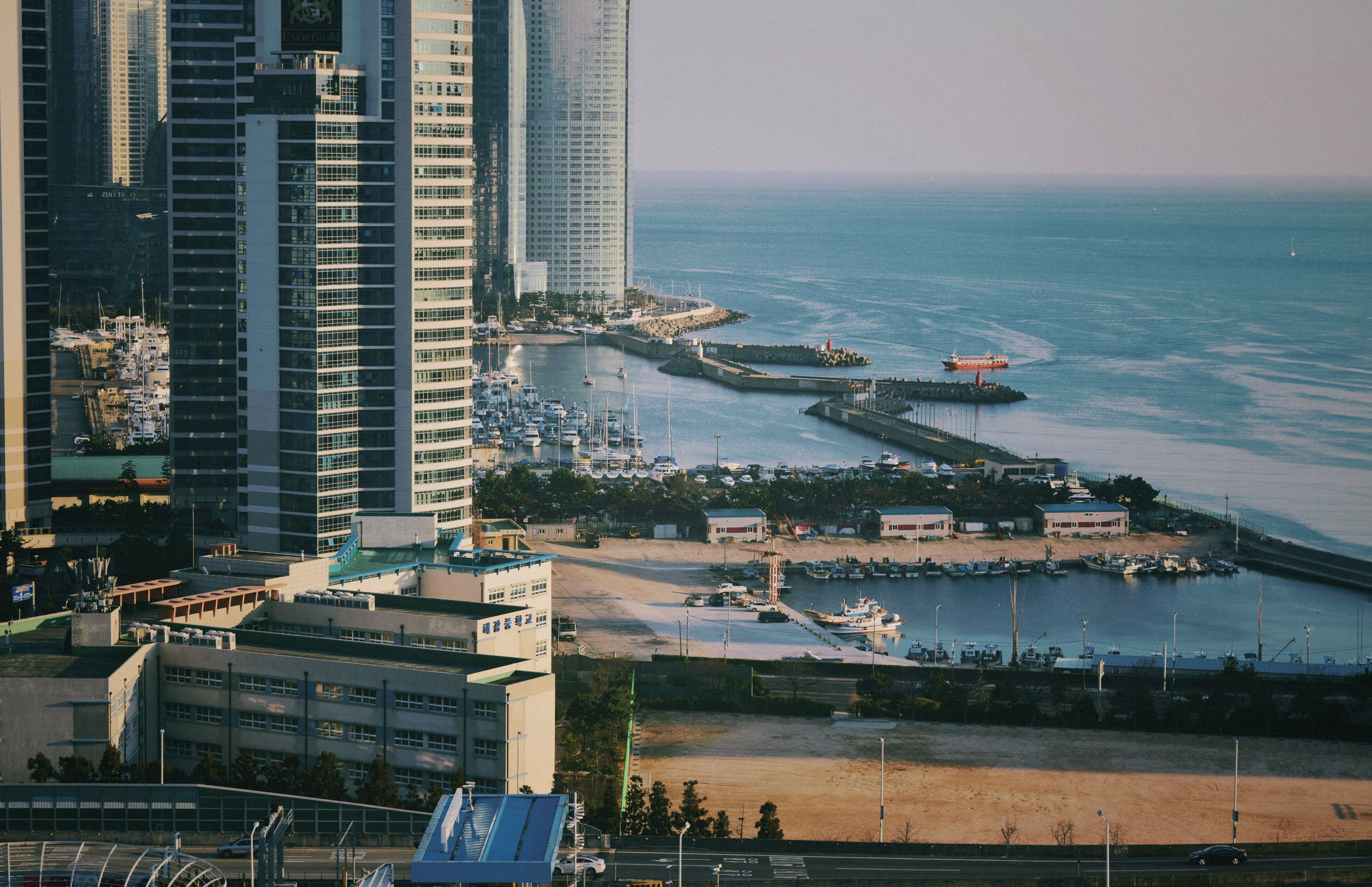
At the southern end of Jagalchi, a short five-minute walk brings you to the waterfront promenade facing Namhang Bridge — Busan’s lesser-photographed but arguably more beautiful bridge compared to the famous Gwangan. Between 6:00 and 7:00 AM, as the sun clears the hills east of the port, the bridge and the fishing boats moored below catch a low amber light that doesn’t exist at any other hour. The water is flat, the traffic is light, and the city behind the bridge is still mostly asleep. This is the cinematic case for getting up before 5 AM — not just the market itself, but this view from its edge.
- 📍 Jagalchi Waterfront Promenade, south end near Namhang Bridge, Nam-gu, Busan
- 💰 Free
- ⏰ Best light 6:00–7:15 AM (check sunrise time seasonally)
- ⭐ 4.9
- 💡 What locals know: The best angle is from the small stone jetty jutting off the promenade — wider frame, less obstruction from parked trucks.
Recommended Route
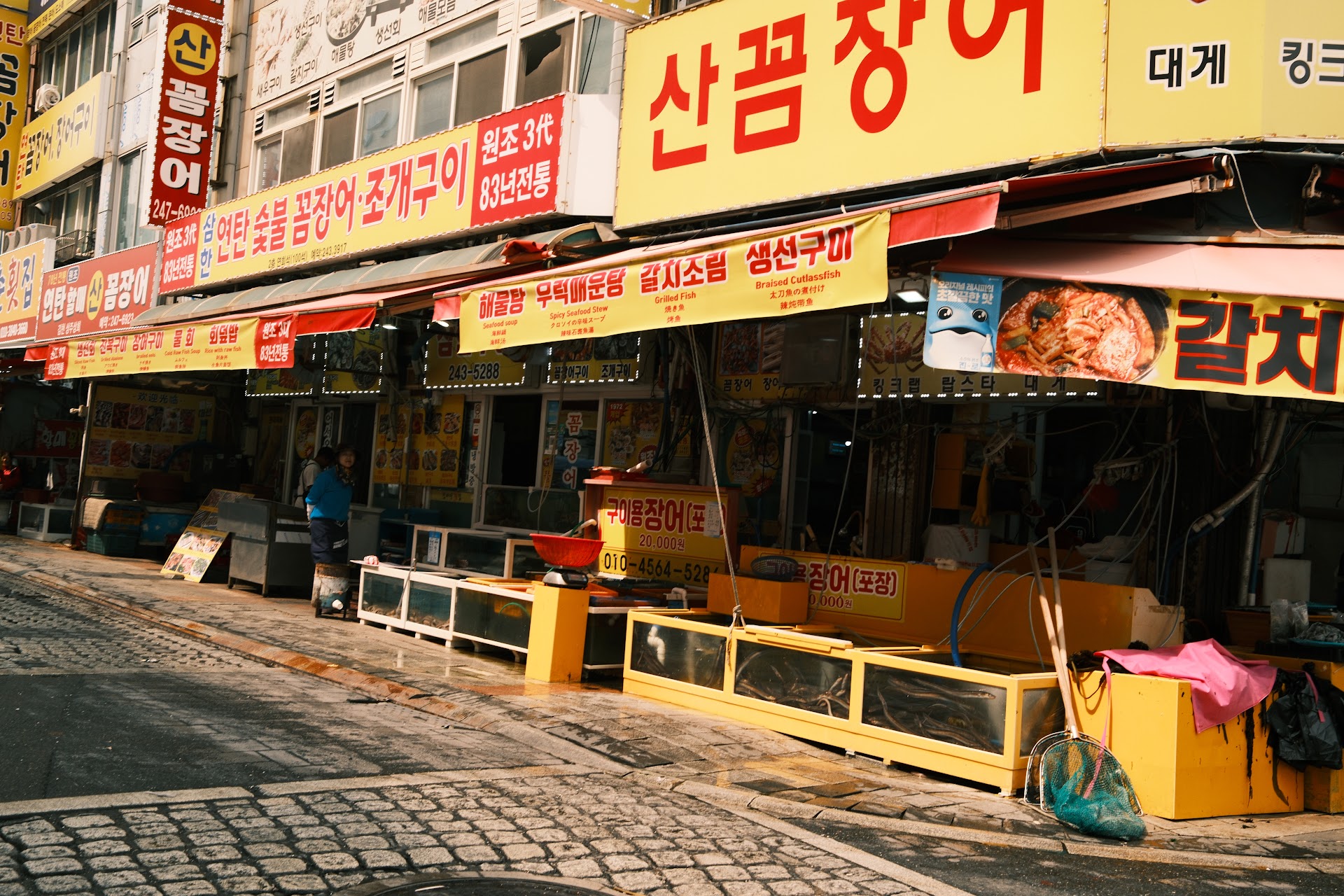
This is a self-guided half-day dawn walk that covers all five spots in roughly three hours.
4:45 AM — Arrive at Jagalchi Wharf rear dock. Boats are mid-unload; position near the left ramp and watch the wholesale exchange. Allow 30–40 minutes here. The light is pre-dawn, so skip photos unless shooting with a fast prime lens — this stop is about atmosphere, not frames.
5:20 AM — Enter the main Jagalchi building (ground floor, rear entrance stays open 24/7 during market days). Walk the haenyeo stall row. Budget 20–30 minutes; buy a sea urchin portion if the mood strikes — ₩10,000 well spent.
5:50 AM — Head north exit to the ganjang gejang breakfast stalls. Sit down, order a full set, eat slowly. This is the anchor meal of the morning — allow 45 minutes minimum. ₩10,000–13,000.
6:45 AM — Walk west into Grilled Mackerel Alley. The grills are at peak smoke and heat by this point. A mackerel set here works as a second, lighter course — or take it as the main meal if skipping the gejang. 20–30 minutes.
7:15 AM — Walk south along the waterfront promenade to the Namhang Bridge viewpoint. This is the payoff: the bridge in full golden-hour light, the last fishing boats returning, the market sounds fading behind. Stay 20–30 minutes. By 7:45 AM, the light has shifted and the tourist foot traffic begins.
Total walk distance: approximately 1.2 km between all five stops — flat, paved, manageable in any footwear.
Budget · Transport · Booking
Budget per person (all-in for the morning):
- Sea urchin taste at haenyeo stall: ~₩10,000
- Ganjang gejang breakfast set: ~₩11,000
- Grilled mackerel set: ~₩14,000
- Coffee from a nearby convenience store: ~₩2,000
- Total: ₩35,000–40,000 (~$26–30 USD)
Getting there:
- 🚇 Jagalchi Station (Metro Line 1, orange line), Exit 10. 3-minute walk to the market building.
- At 4:30–5:00 AM, the metro is not yet running (first trains ~5:30 AM on Line 1). Taxi is the practical option — Busan taxis are metered, clean, and affordable. From Seomyeon (~15 min): ₩7,000–9,000. From Haeundae (~30 min): ₩18,000–24,000.
- Kakao T app works in Busan and allows English-language booking.
Booking: Nothing at Jagalchi requires advance reservation. Stalls operate on a first-come, first-served basis. No entrance fees anywhere on this route.
Must-Know Tips
- 💰 Bring cash. Most haenyeo stalls and pojangmacha breakfast spots are cash-only. ₩50,000 in small bills is more than enough for the morning.
- 👟 Wear shoes you don’t mind ruining. The wharf and market floor are wet, fishy, and occasionally slippery. Open-toed sandals are a firm no.
- 📷 Ask before photographing vendors directly. Pointing at your camera and making eye contact gets a yes or no quickly — haenyeo vendors in particular have mixed feelings about being photographed at work. Landscape/market-floor shots are generally fine.
- 🌡️ Dress for the water. Even in summer, the waterfront at 5 AM is 4–6°C cooler than it will be at noon. A light layer pays off before sunrise.
- 🗣️ A few words go a long way: “Eolma-eyo?” (얼마예요?) = How much? / “Mashisseo!” (맛있어!) = It’s delicious. / “Gamsahamnida” (감사합니다) = Thank you. These three phrases cover almost every interaction in this market.
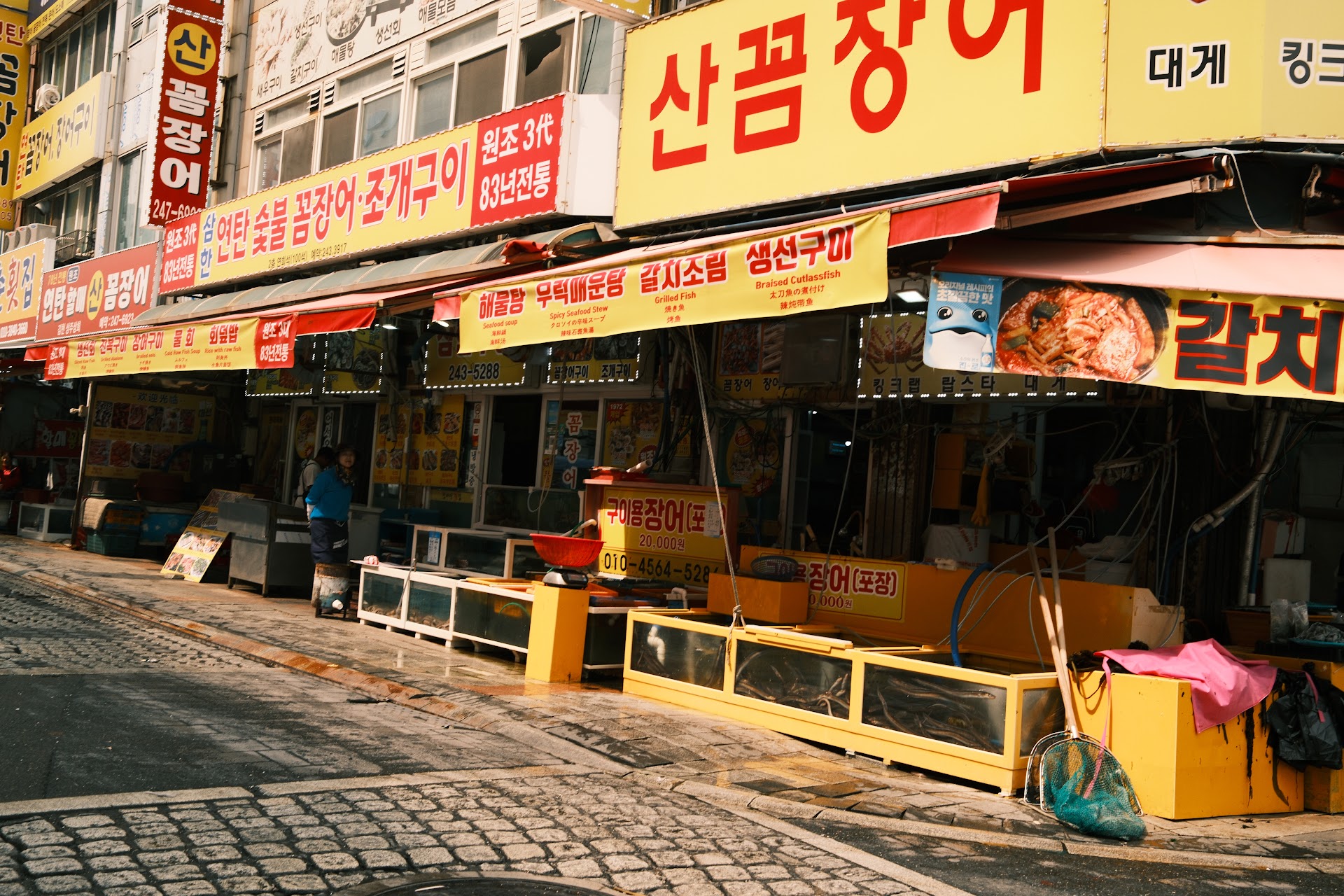
- 🚫 Don’t touch the tanks. Live fish tanks line the indoor corridors — vendors are particular about customers disturbing the water or the animals. Look, don’t handle.
Closing
What Jagalchi at 5 AM offers isn’t a tourist experience — it’s a brief, unrepeatable window into the working life of a port city that has been selling fish off these docks for over a century. The haenyeo, the fishermen, the charcoal grills, the amber light off the bridge — none of it is staged for visitors, and that’s the entire point. It exists whether anyone shows up with a camera or not.
The actionable takeaway: set the alarm for 4:30 AM, take a taxi, arrive before the boats finish unloading. Everything else — the breakfast, the bridge, the walk back in the warming light — follows naturally from that one decision.
🏨 Where to Stay
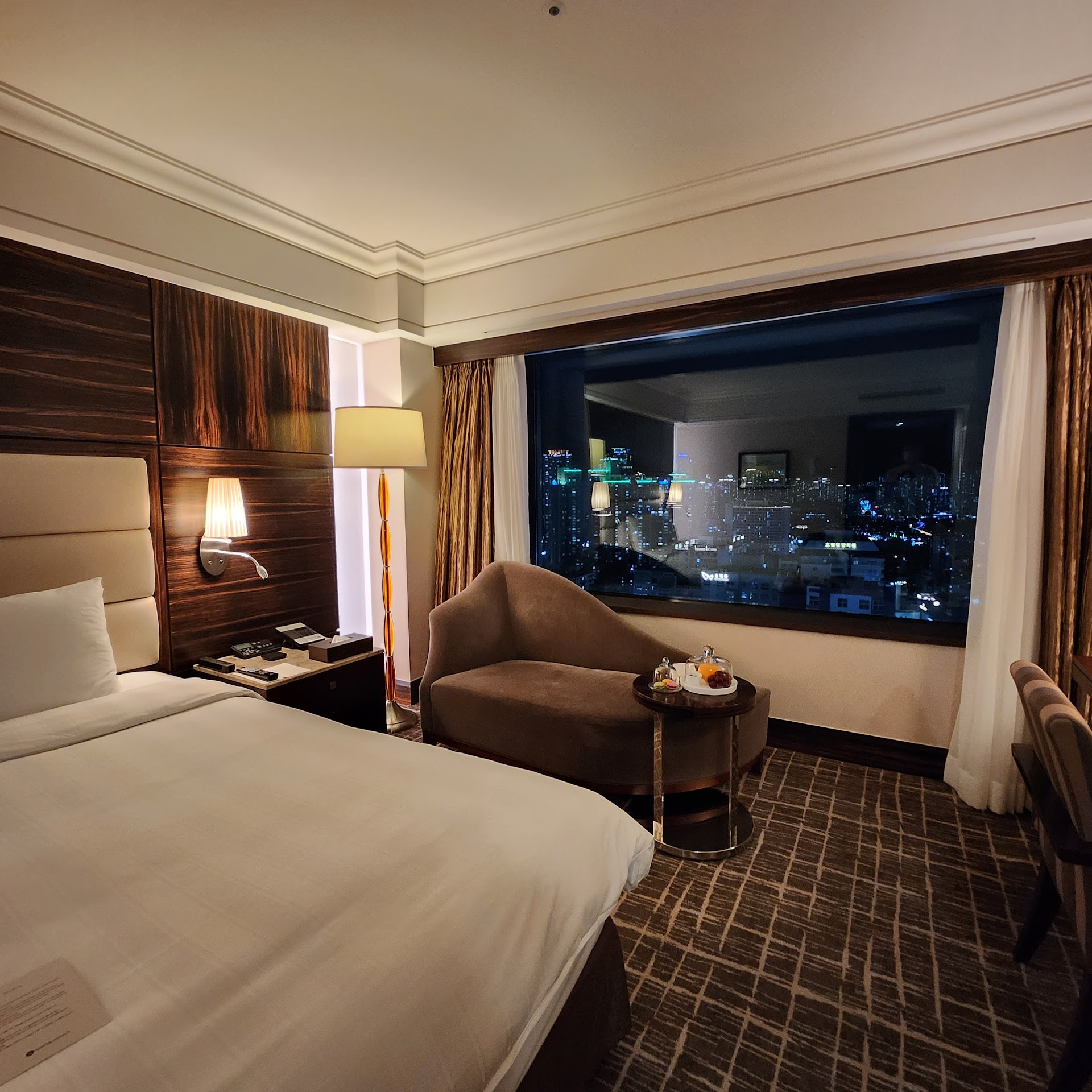 Lotte Hotel Busan⭐ 5.0 · 9.0/10 (13,656) · $140 /night
![[Agoda Pick] Lala Vianco Business Hotel](/topics/busan-jagalchi-market-dawn-seafood-walk/hotel_lobby.jpg) [Agoda Pick] Lala Vianco Business Hotel⭐ 3.0 · 8.8/10 (2,069) · $39 /night
[Agoda Pick] Lala Vianco Business Hotel⭐ 3.0 · 8.8/10 (2,069) · $39 /night
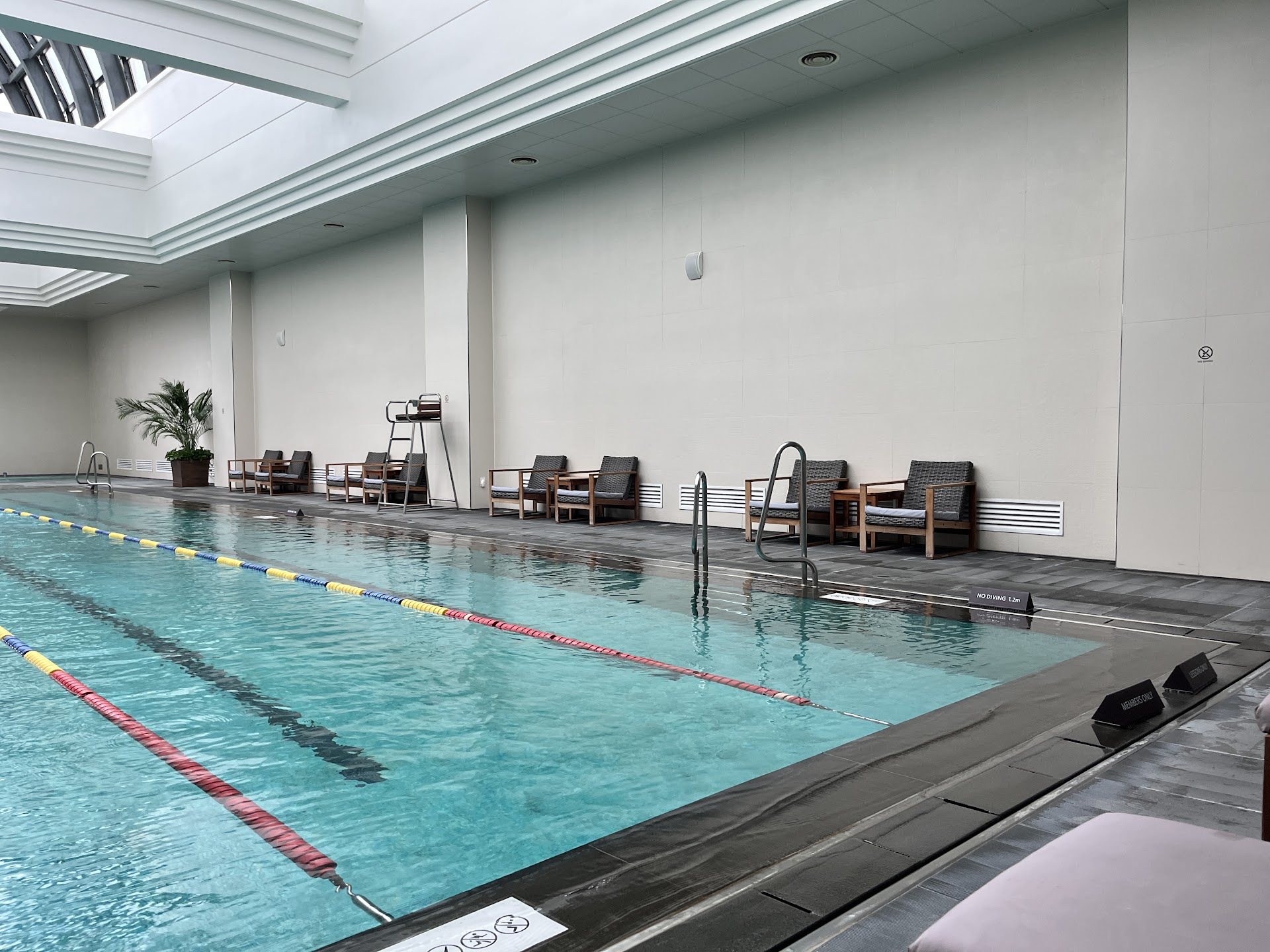 Sota suite busan seomyeon⭐ 3.0 · 8.7/10 (1,738) · $109 /night
Agoda affiliate link — clicks go to the price-comparison page.