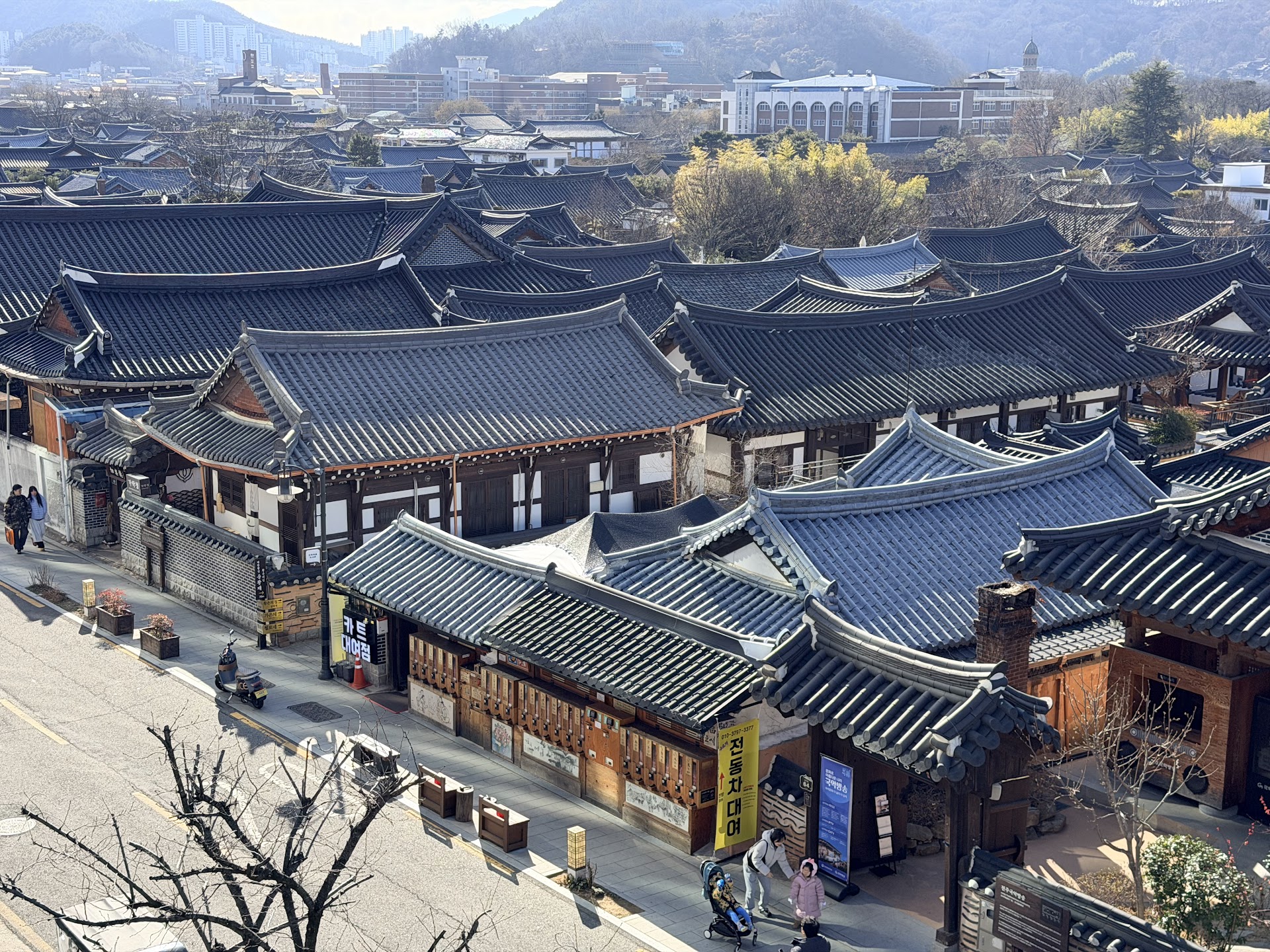
Before the tour buses roll in and the bibimbap Instagram queue forms, Jeonju’s Nambu Traditional Market belongs entirely to the people who’ve been coming here for decades. Arrive at 5 AM and the city feels like a different place — lantern light spilling onto stone corridors, the smell of doenjang and sesame oil rising before sunrise, vendors arranging hand-cut vegetables with the quiet focus of people who’ve done this their whole lives.
Best Timing
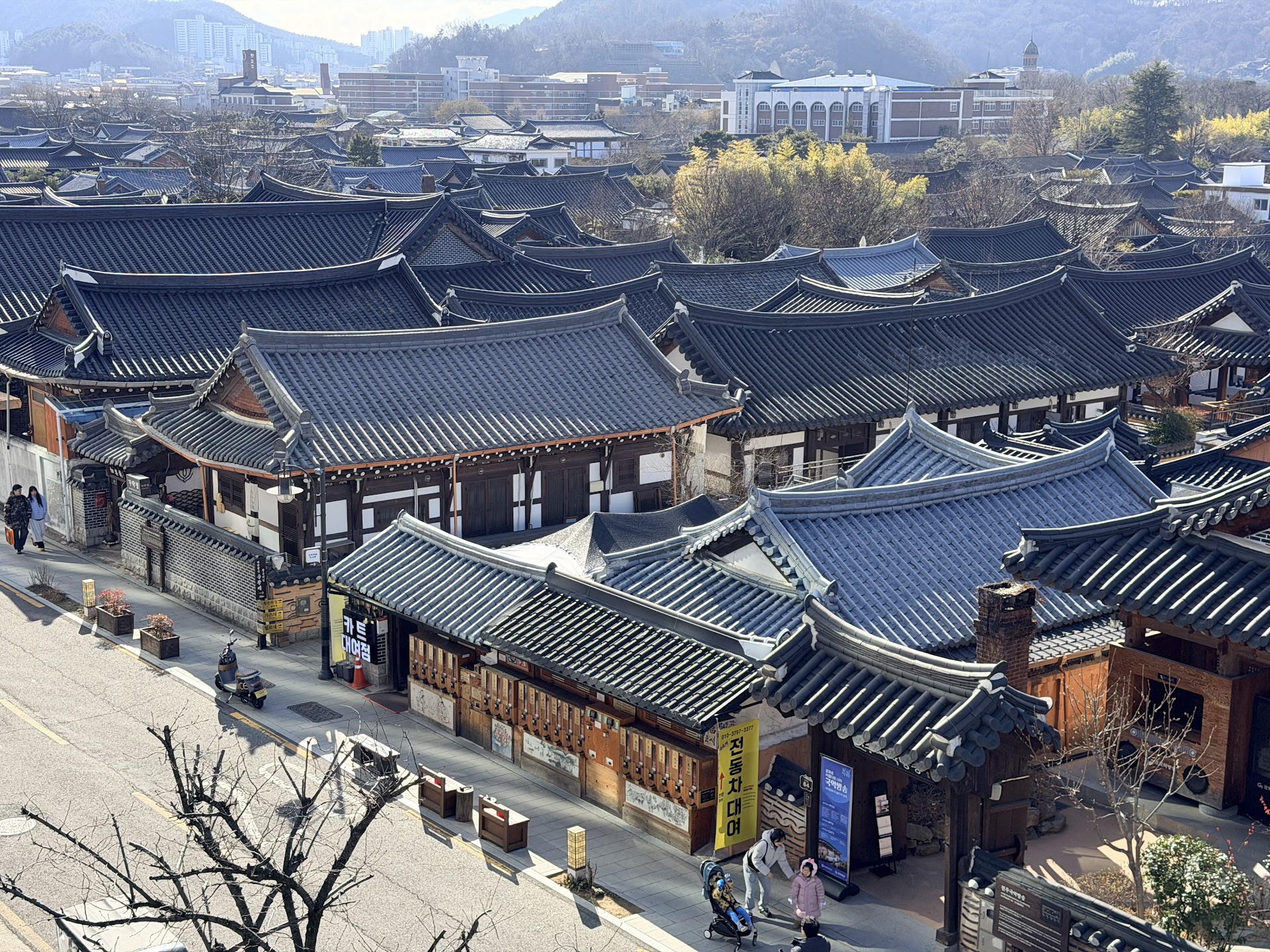
The honest window is 4:45 AM to 7:00 AM. That’s when the market operates on its own terms — neighbourhood regulars, taxi drivers finishing night shifts, and a handful of early-rising Hanok Village guests who figured out that the real meal is here, not in a tourist café. By 8:00 AM the atmosphere shifts noticeably; by 9:30 AM the day-trip crowds from Seoul arrive and the stall queues stretch into the corridor.
The best months to visit are March through May and September through November, when mornings are cool enough that a bowl of kongnamul-guk feels exactly right and the walk between stalls is comfortable in a light jacket. Summer (June–August) is fine but humid; arrive even earlier — closer to 4:30 AM — to beat the heat. January and February are cold but atmospheric, with vendors wrapped in heavy coats and steam rising dramatically from every pot.
Core Experiences
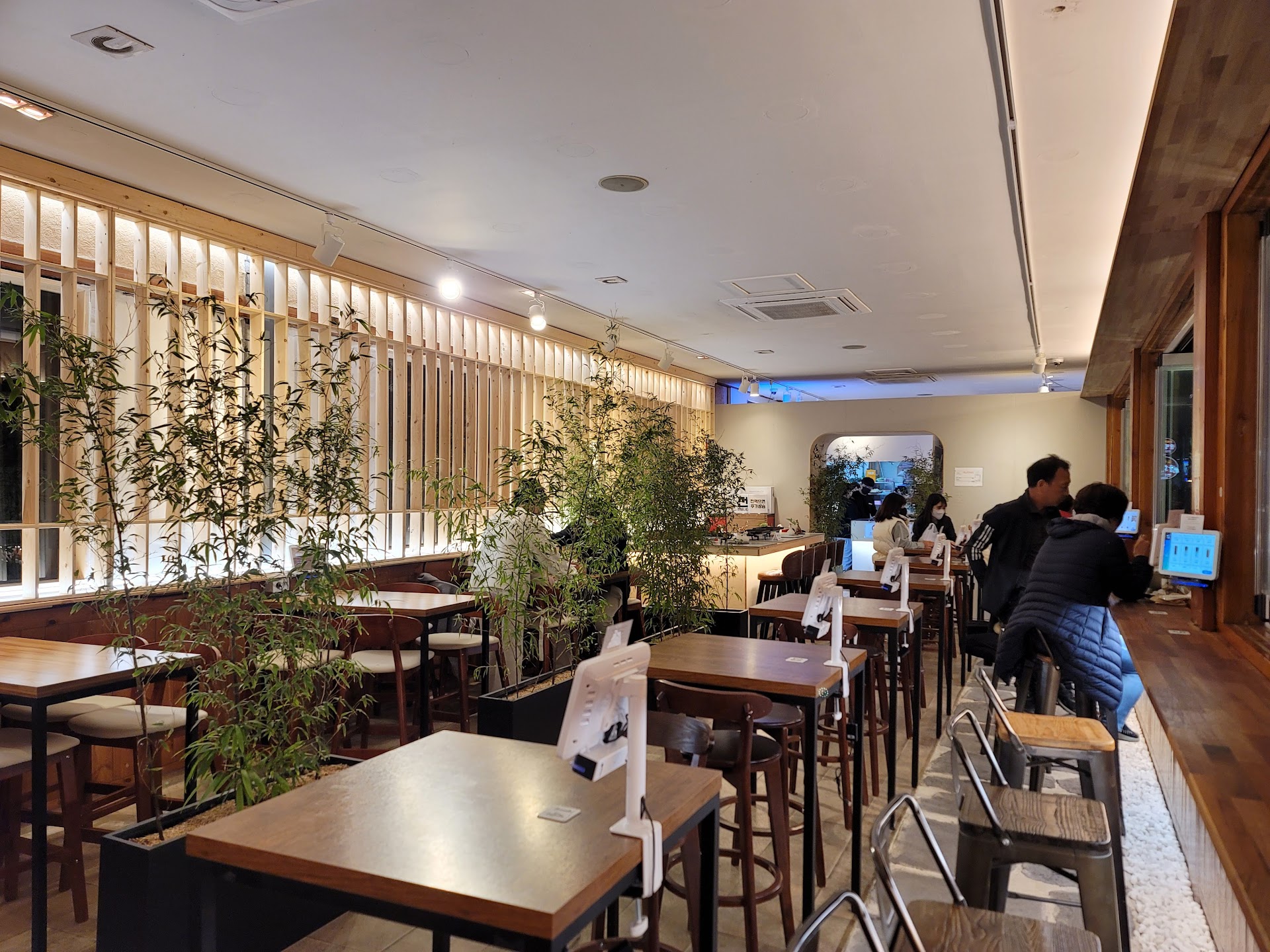
Woo Ga Bibimbap Alley (우가비빔밥골목)
This isn’t a single restaurant — it’s a lane of five or six family-run stalls that have collectively fed Jeonju since the 1970s. At dawn, the first vendors are already pressing warm dolsot bowls and ladling house-made gochujang that ferments in back-courtyard crocks. The bibimbap here uses namul (seasoned vegetables) prepared fresh each morning: spinach, bellflower root, bracken fern, and julienned cucumber, all lightly seasoned and arranged by hand. The rice arrives hot from clay pots. It’s not a performance for cameras — it’s breakfast as a daily habit.
- 📍 Inside Nambu Traditional Market, Central Corridor · 💰 7,000–9,000 KRW (≈ $5–7) · ⏰ Opens 5:00 AM, last orders around 10:00 AM · ⭐ 4.7
- What locals know: Ask for extra gochujang on the side and mix slowly — the vendors will watch and nudge the ratio if you’re doing it wrong. It’s the most useful cooking lesson money can’t buy.
Kongnamul Guk-bap Corner (콩나물국밥 코너)
Jeonju’s lesser-known morning staple, kongnamul guk-bap — soybean sprout soup with rice — has been the market worker’s pre-dawn meal for generations. At the corner stall near the north entrance, a single pot of anchovy-and-kelp broth simmers from 4:30 AM onwards, topped with blanched kongnamul, a raw egg cracked in tableside, and a scattering of green onion. The ritual is precise: stir the egg into the hot broth, add a pinch of the house kimchi, eat fast. Total time at the table: twelve minutes. That’s the pace.
- 📍 North entrance corridor, Nambu Market · 💰 5,000–6,000 KRW (≈ $4–5) · ⏰ 4:30 AM – 9:00 AM · ⭐ 4.5
- What locals know: The raw egg is not optional — it’s the protein the dish is built around. Don’t skip it, and don’t wait too long to stir or it scrambles on the bottom.
Jeon (Korean Pancake) Stalls — the Early Row
By 5:15 AM, the griddles along the market’s eastern row are already hot. Haemul pajeon (seafood and green onion pancake), kimchi jeon, and bindaetteok (mung bean pancake) hit the iron in rounds — the smell carries forty meters before the stall is even visible. These aren’t afternoon snacks. At this hour, they’re being cut and packaged for market workers’ breakfast bags, or eaten standing at the counter with a cup of instant coffee poured from a thermos. The exterior crunch, the yielding interior, the dipping sauce made with soy and rice vinegar — it’s a textbook example of why Korean street food at its simplest is also at its best.
- 📍 Eastern corridor row, Nambu Market · 💰 3,000–5,000 KRW per pancake (≈ $2–4) · ⏰ 5:00 AM – noon · ⭐ 4.6
- What locals know: Bindaetteok is the most filling and the most local choice. Haemul pajeon photographs better but bindaetteok is what the vendor’s family eats.
Nambu Market Fresh Produce Hall
Beyond the hot food stalls, the produce hall opens at 5:00 AM sharp with vendors unloading from overnight trucks. The floor is a mosaic of colour — persimmons and dried jujubes in autumn, chrysanthemum greens and spring onions in spring, stacked sacks of dried red pepper and perilla seed oil in every season. This is where Jeonju’s home cooks and restaurant owners source their ingredients, and watching a chef haggle over the weight of dried mushrooms while a vendor hand-ties bundles of scallions is a genuine, unscripted slice of how the city feeds itself.
- 📍 Central hall, Nambu Traditional Market · 💰 Free to walk through; produce prices vary · ⏰ 5:00 AM – 6:00 PM · ⭐ 4.4
- What locals know: The best prices are in the first hour — vendors are motivated to move early stock and will often round down without being asked.
Sikhye and Traditional Drink Cart
Near the southern exit, a small cart has dispensed cold sikhye — a sweet, slightly fermented rice drink with floating grains of cooked rice — every morning for over two decades. It’s the palate reset between savory bites: mildly sweet, faintly alcoholic in the way kombucha is, and served in a white styrofoam cup that is decidedly not photogenic and entirely correct. Alongside it: omija-cha (five-flavor berry tea, tart and floral) and a rotating seasonal punch. These aren’t tourist novelties — they’re the drinks the vendors themselves walk over for at 6 AM.
- 📍 Southern exit area, Nambu Market · 💰 1,500–2,500 KRW (≈ $1–2) · ⏰ 5:30 AM – noon · ⭐ 4.5
- What locals know: Sikhye is served cold even in winter — this is non-negotiable, apparently. The rice grains at the bottom are meant to be eaten, not left.
Recommended Route
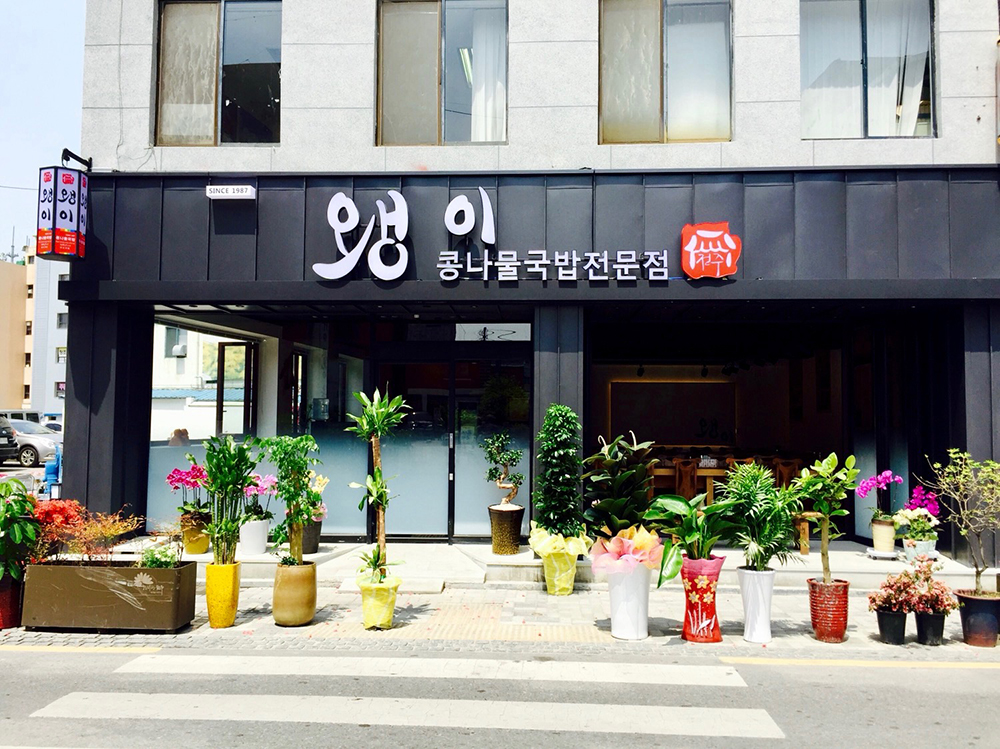
This is a loose, unhurried walk — not a sprint. Block out two to two-and-a-half hours from arrival to exit.
- 4:50 AM — Arrive at the north entrance. The market is already lit and active. Take five minutes to orient and let the atmosphere settle in before eating anything.
- 5:00 AM — Head to the Kongnamul Guk-bap Corner for the first bowl. Eat at the counter. This takes about fifteen minutes.
- 5:20 AM — Walk the eastern corridor to the Jeon stalls. Pick up one bindaetteok and one haemul pajeon to share, eaten standing. Add five minutes to browse the adjacent dried goods vendors.
- 5:45 AM — Move to the Produce Hall as it hits peak early activity. No agenda here — just observe the transactions, the stacking, the sorting. Twenty minutes is enough.
- 6:10 AM — Find the Sikhye cart near the south exit for a drink and a slow pause. The market is slightly louder now; this is the transition point.
- 6:30 AM — Make the short walk (under five minutes) into the Bibimbap Alley corridor. Stalls are fully operational and the first tourist wave hasn’t landed yet. Sit down for a proper dolsot bowl. Take time here — this is the anchor meal.
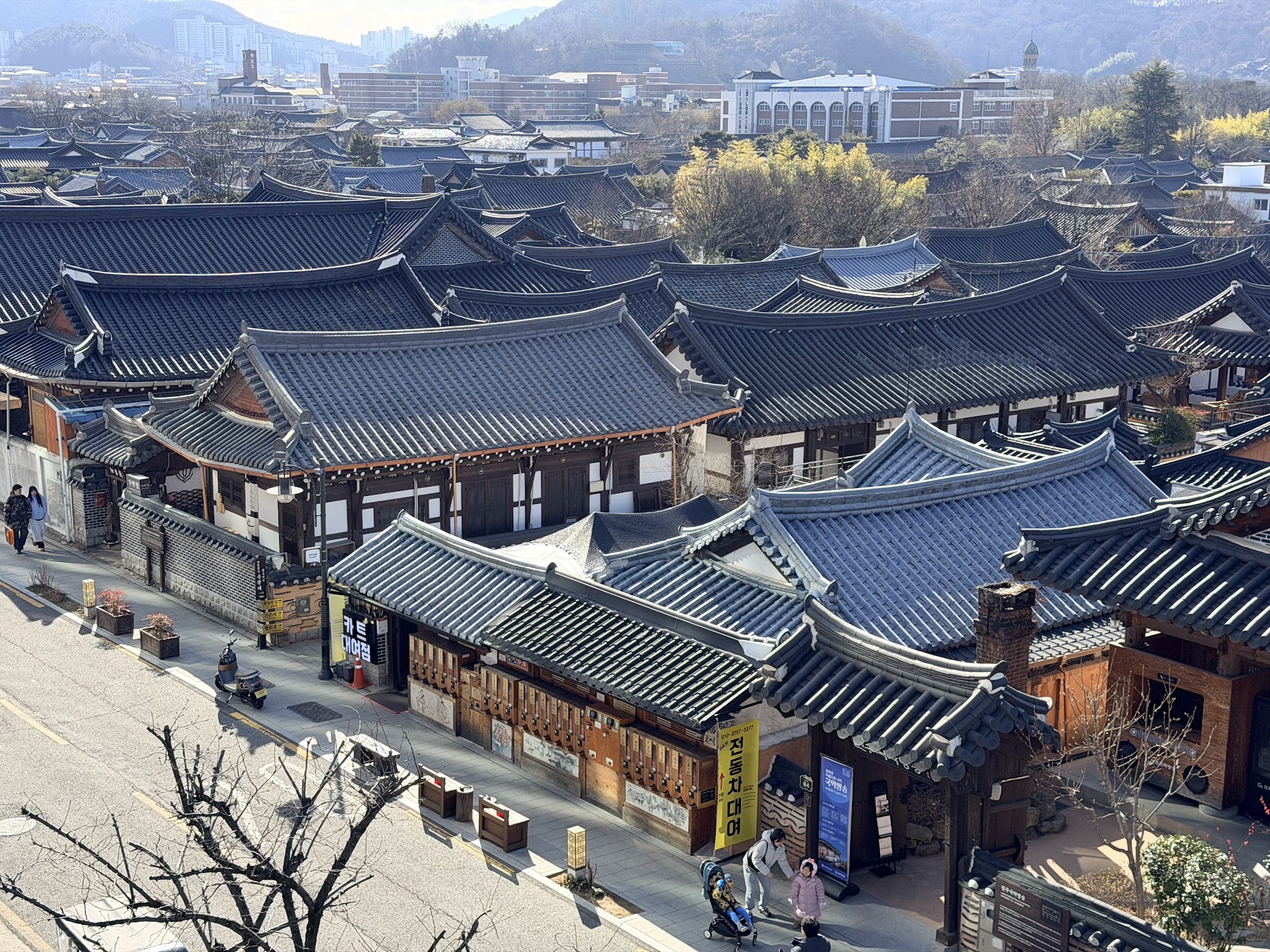
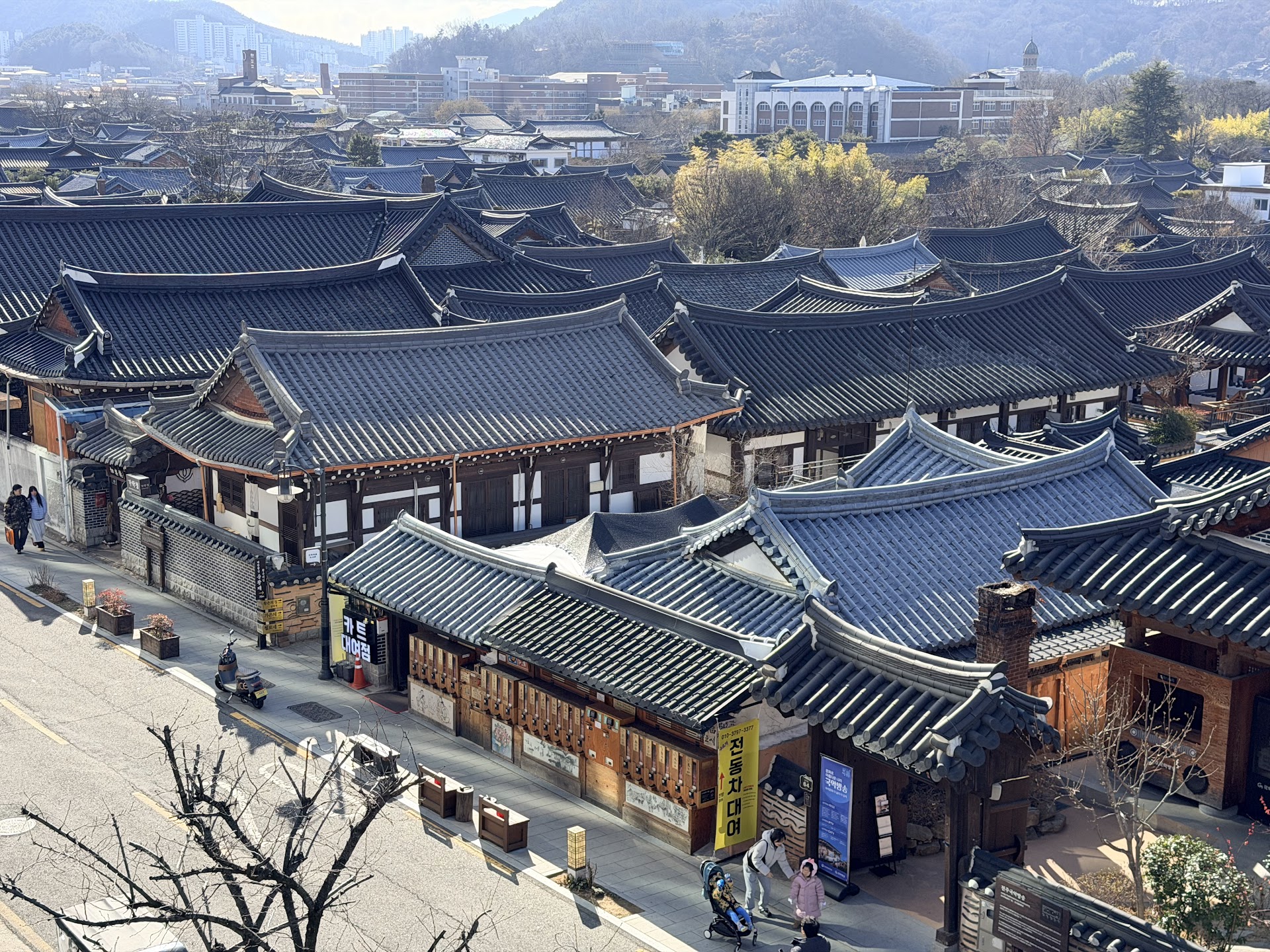
- 7:15 AM — Exit south toward Jeonju Hanok Village, a ten-minute walk, before the alley queue forms.
Budget · Transport · Booking
Total budget for the morning: 20,000–28,000 KRW (≈ $15–21), covering one rice soup, one to two pancakes, one bibimbap, one drink, and incidentals.
- 🚇 From Seoul: KTX to Jeonju Station takes approximately 1 hour 50 minutes from Yongsan Station; first train departs around 5:30 AM, arriving too late for the true dawn hour. The practical move is to stay in Jeonju the night before — budget guesthouses in Hanok Village start around 40,000–60,000 KRW per night (≈ $30–45).
- 🚇 From Jeonju Station to the market: Taxi takes eight minutes and costs approximately 5,000–6,000 KRW. City bus routes 119 and 544 also serve the area but don’t run frequently before 6 AM.
- 🍴 No reservations needed for any of the dawn stalls — it’s first-come, counter service. For Hanok Village restaurants later in the day, some popular bibimbap spots (Gajok Hoegwan, Gungmul Bibimbap) take reservations and fill quickly on weekends.
- 💰 Cash is strongly preferred at the early-morning stalls. A few accept cards, but not all, and the transactions are faster in cash. Bring at least 30,000 KRW in small bills.
Must-Know Tips
- 🕐 The 5–6 AM window is genuinely different from 7–8 AM. Not marginally — structurally. Fewer people, calmer vendors, more direct interaction, lower ambient noise. If the early alarm is the barrier, set it anyway.
- 💵 Prices are listed in Korean won with no English signage at most dawn stalls. Pointing and holding up fingers for quantity works without any language. Vendors are accustomed to non-Korean visitors even at this hour.
- 📷 Photography etiquette: Brief, unobtrusive shots are fine. Extended camera setup or flash at close range is not welcomed by vendors who are working, not performing. Shoot from mid-distance and ask (miming works) before pointing a camera at someone’s face.
- 👟 Wear shoes that handle wet floors — the market hoses down corridors in the early hours and the stone can be slippery. Waterproof sneakers or low boots are better than sandals.
- 🌧️ Rain does not close the market — it’s covered throughout. A light rain actually thins the tourist crowd further while keeping vendors fully operational. It’s a legitimate upgrade.
- ☕ There are no specialty coffee options at this hour in or near the market. Instant coffee from thermos carts is available and is what everyone drinks. Embrace it or bring your own.
Closing
Jeonju’s Nambu Market at 5 AM is not a secret exactly — locals know it because it’s been there for six centuries — but it operates on a frequency that most travel itineraries miss entirely. It’s a market that exists to feed a city, not to be visited, and that distinction is palpable in every quiet transaction, every steaming bowl, every vendor who doesn’t look up when you walk past because they’re working. That’s the experience: not being catered to, but being allowed to witness something real.
If there’s one actionable takeaway: book your Jeonju accommodation for the night before, set the alarm for 4:45 AM, and skip breakfast at the guesthouse. The market will take care of it.
🏨 Where to Stay
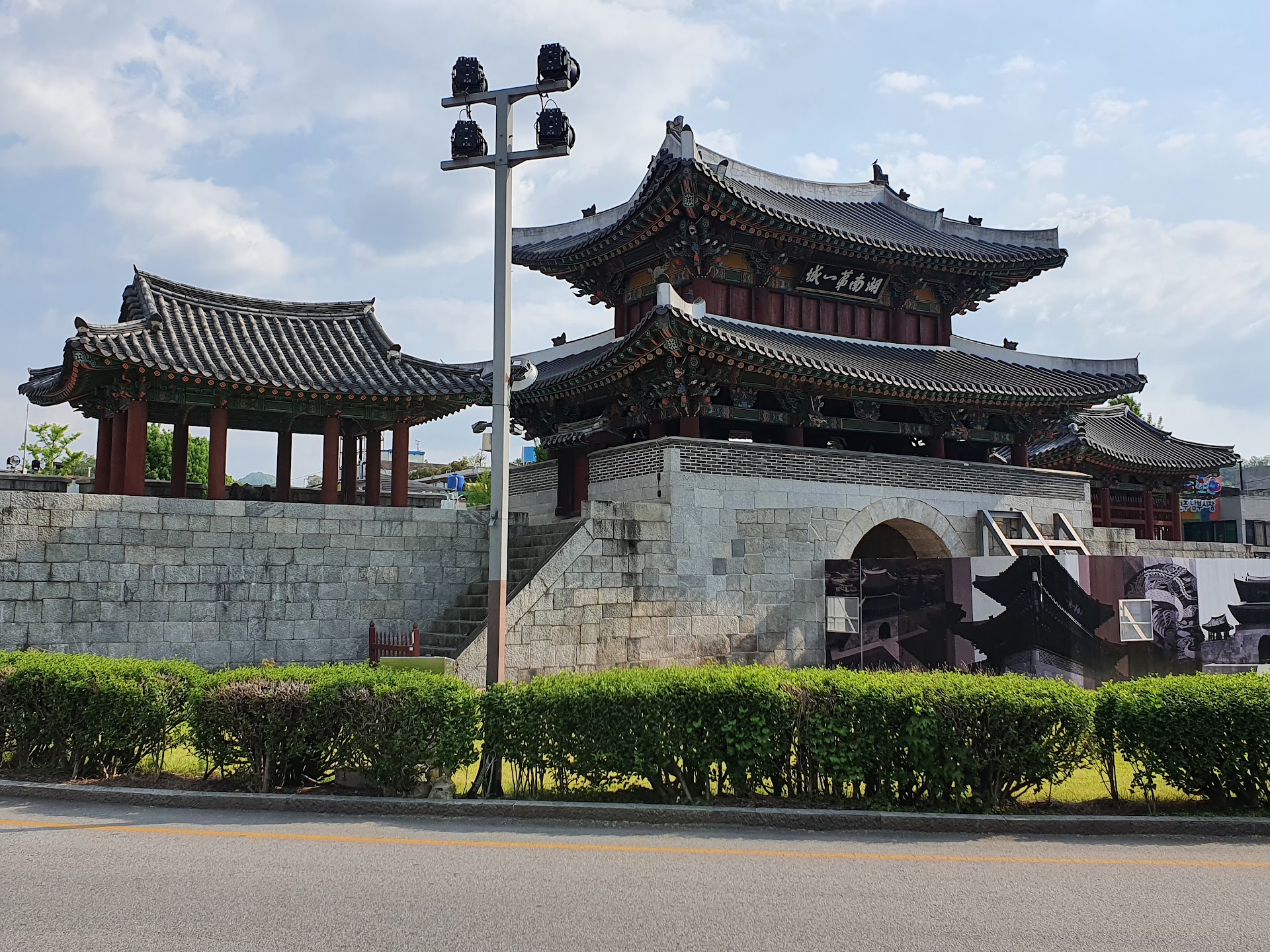 Pungnamheon Old House in Jeonju Hanok Village⭐ 2.5 · 9.1/10 (1,131) · $39 /night
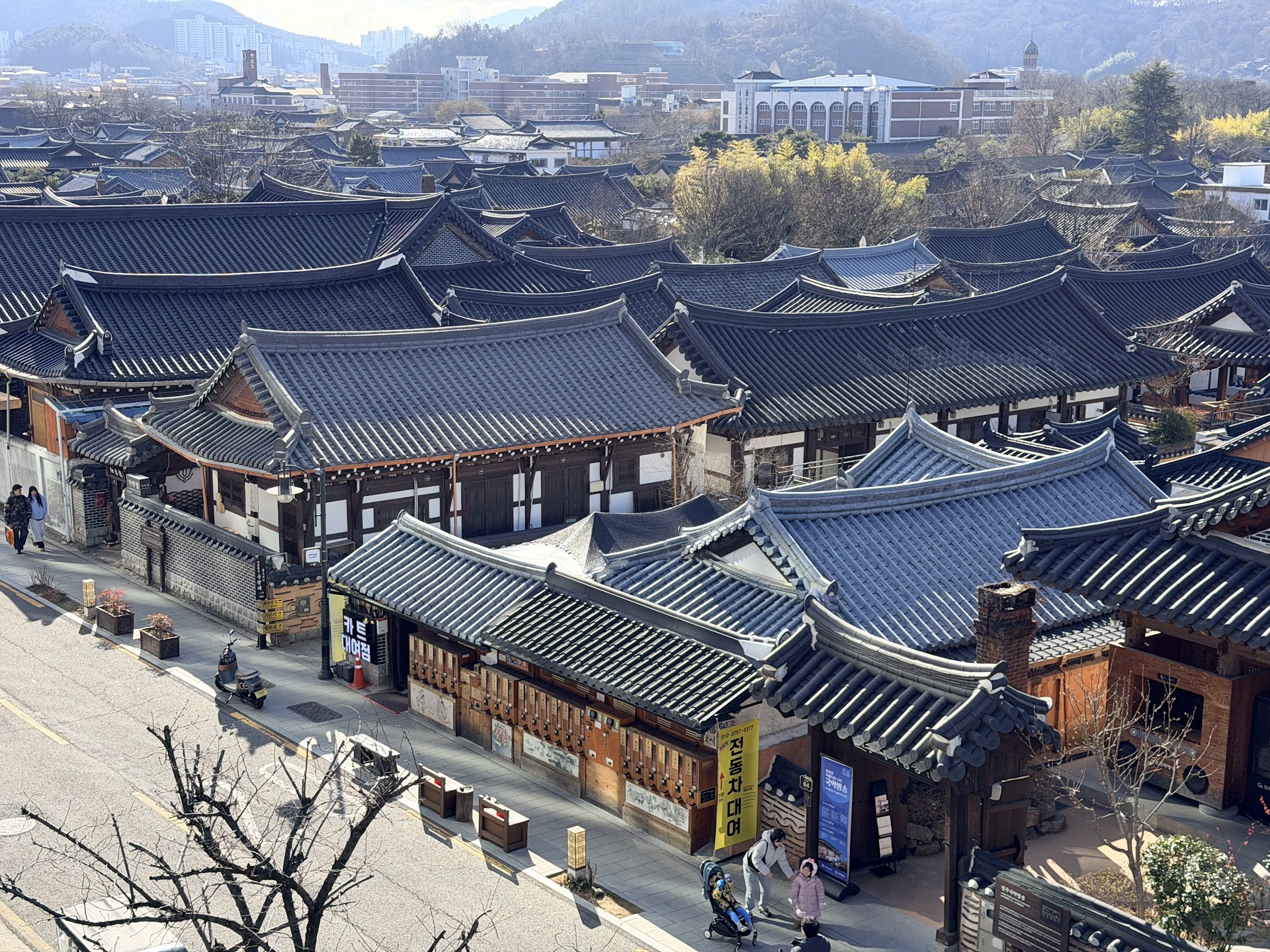 Haneulae Jeonju Hanok Village Accommodation⭐ 3.0 · 9.2/10 (315) · $39 /night
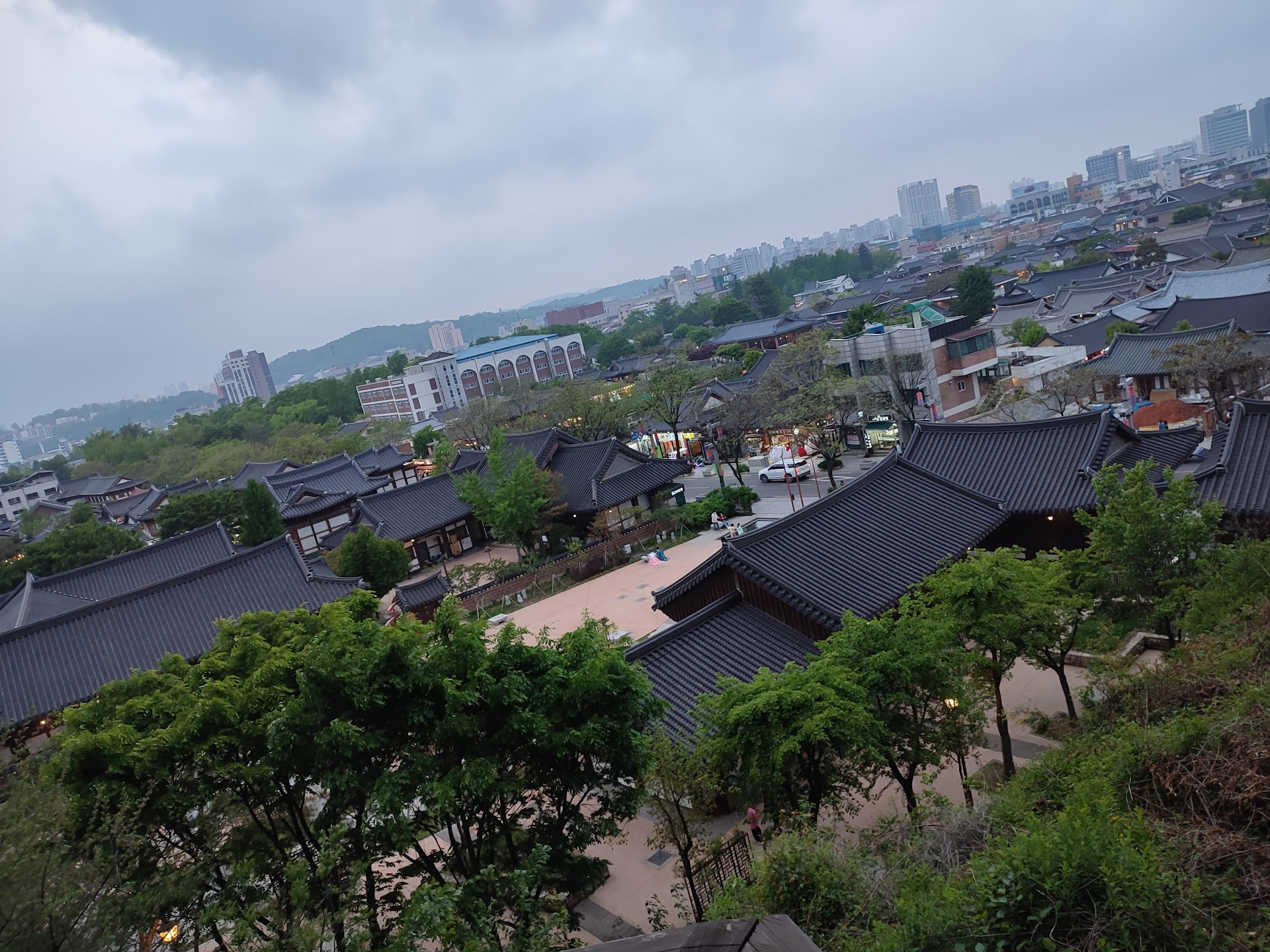 Jeonju Hanok Maeul Deoksugoong⭐ 3.5 · 9.0/10 (707) · $23 /night
Agoda affiliate link — clicks go to the price-comparison page.