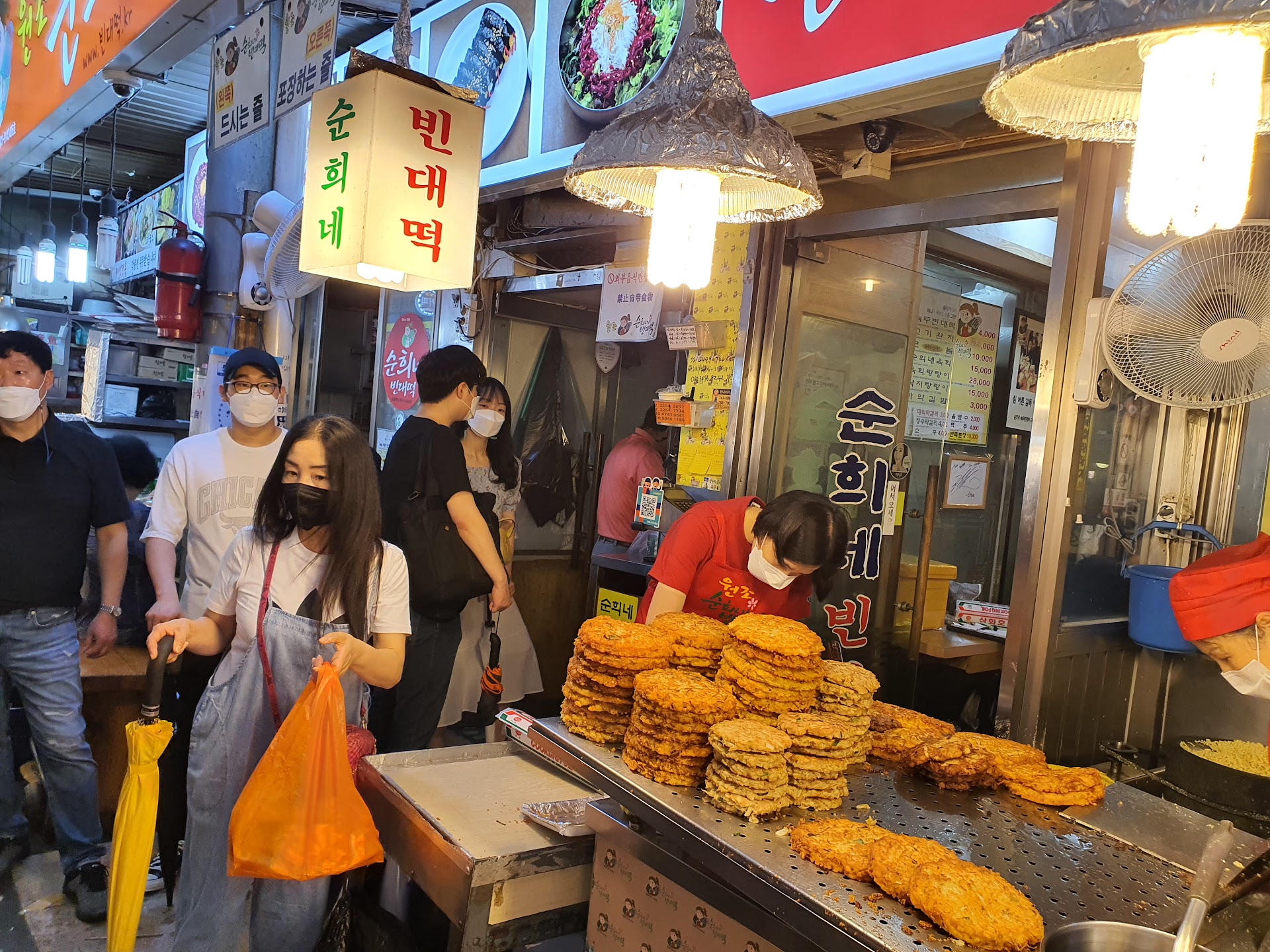
Seoul keeps a secret behind its neon and its noise — and it’s best heard at 5 AM, when the rest of the city is still asleep. Gwangjang Market, tucked between Jongno-3-ga and Jongno-5-ga in the heart of the old quarter, has been waking up this early for more than 120 years. Step inside before sunrise and you’ll find a version of this city that no tourism board photographs, and most visitors never see.
Best Timing
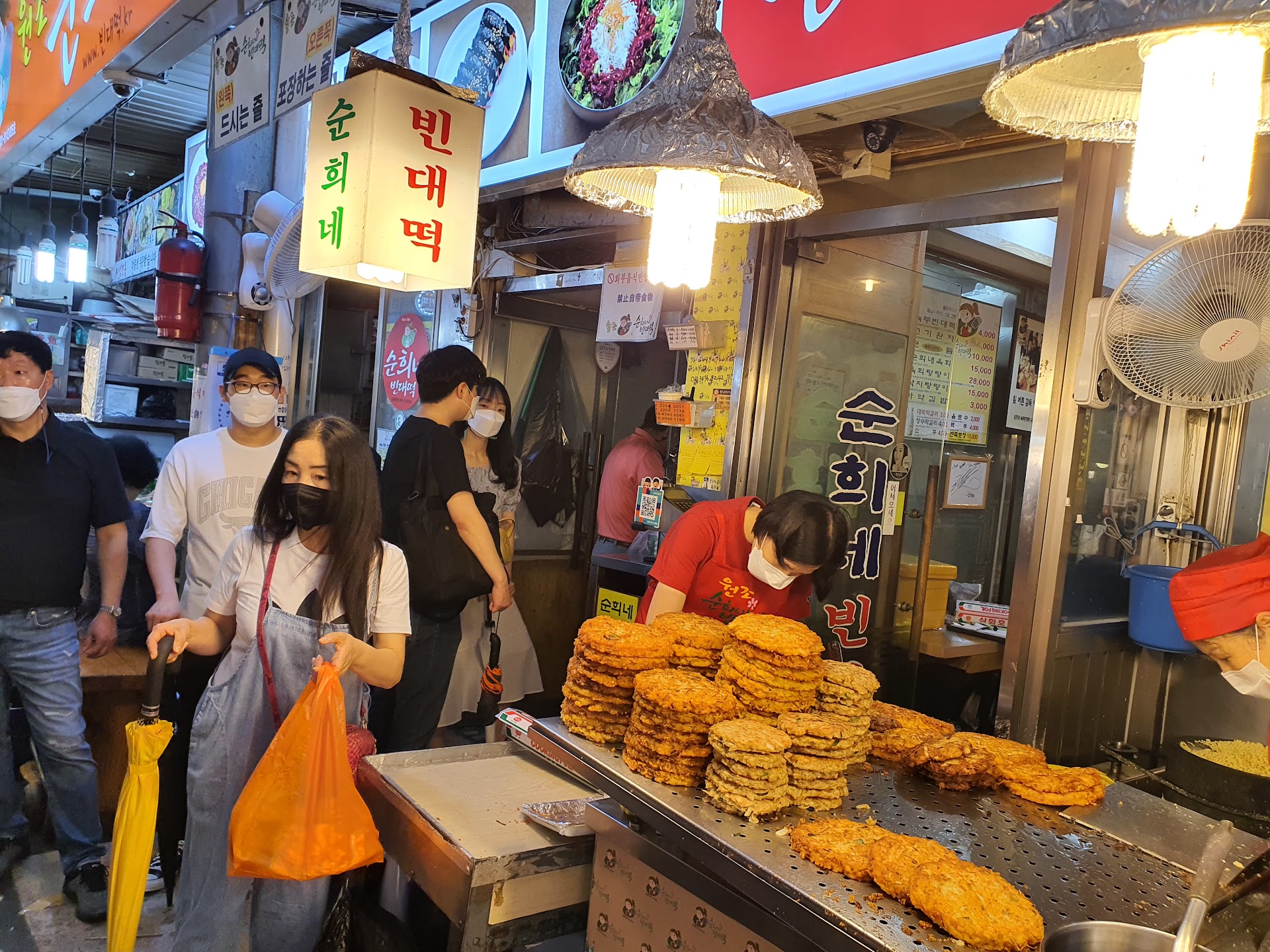
The single best window is 4:30 AM to 7:00 AM. That’s when the market belongs to the people who run it — silk merchants unrolling bolts of fabric across wooden tables, gimbap ajummas pressing the first rolls of the morning, bindaetteok griddles already spitting oil before the sun clears the rooftops. By 9 AM the crowds begin to arrive, and by noon the atmosphere most visitors experience is a louder, warmer, altogether different thing.
For weather, late April through early June and mid-September through October offer the best combination of mild air and low humidity. Winter mornings (December–February) are bitterly cold but photogenic — steam rising off broth pots makes the dawn light look almost cinematic. Avoid the July–August monsoon window if possible; the indoor lanes get humid and the fabric vendors sometimes stay home.
Core Experiences
The Silk and Fabric Row
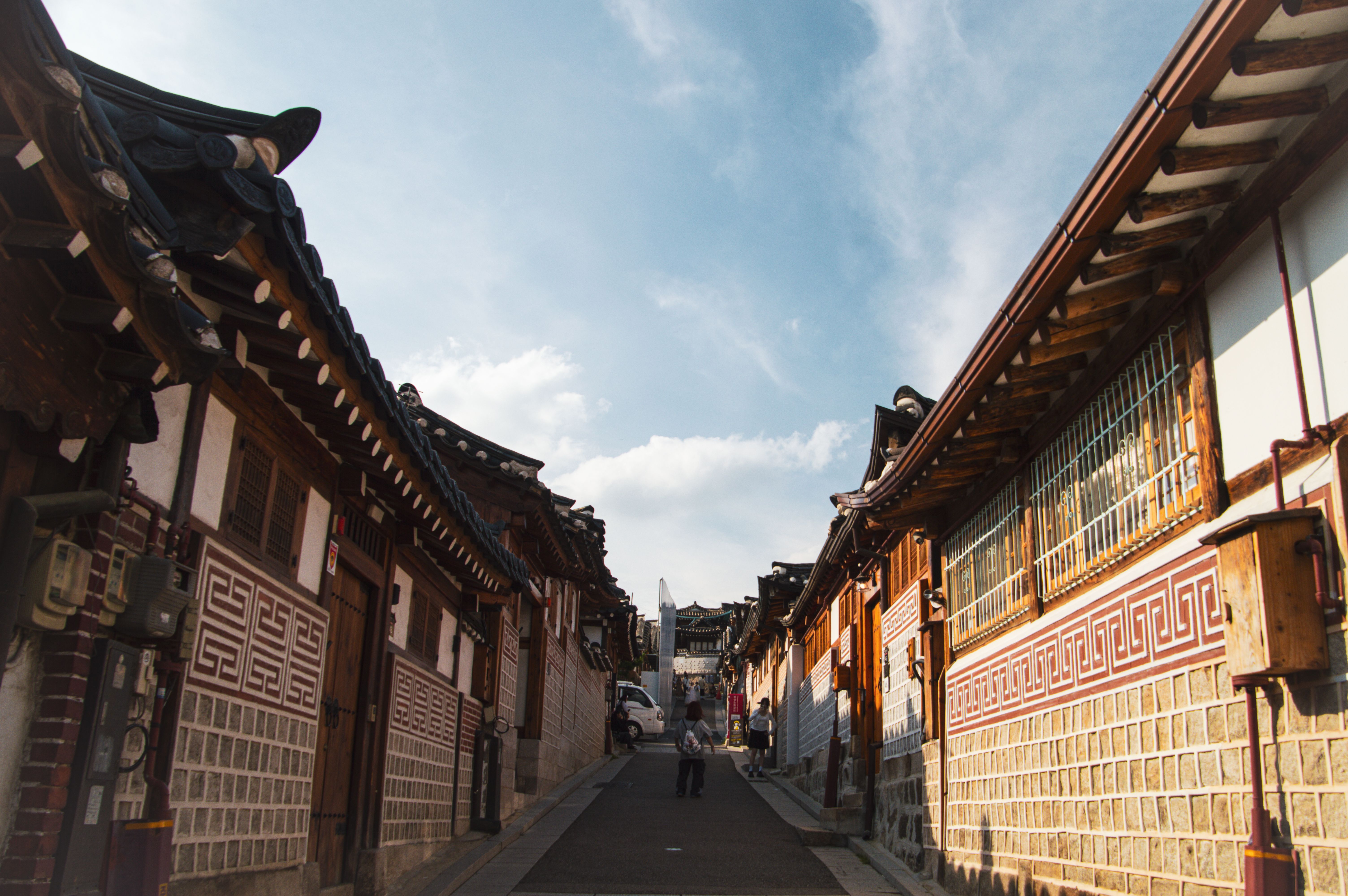
Before a single tourist arrives, the textile merchants of Gwangjang are already at work. This is one of Korea’s last functioning wholesale fabric markets, and the pre-dawn hour is when the real commerce happens — bolts of silk, linen, and hanbok fabric stacked ceiling-high, merchants negotiating in low voices under fluorescent light. The alley running through the second floor is narrow enough that you brush fabric on both sides; the colors at this hour, deep indigo and persimmon orange against white fluorescent light, are something a noon visit will never give you.
- 📍 Gwangjang Market 2F Fabric Section, 88 Changgyeonggung-ro, Jongno-gu
- 💰 Browsing free; fabric sold by the meter from approx. ₩8,000–₩40,000/m (~$6–$30)
- ⏰ Vendors begin arriving from 4:30 AM; peak wholesale activity 5–7 AM
- ⭐ 4.7
What locals know: Bring cash and a phone translator — most wholesale vendors don’t speak English, but they’re used to pointing at bolts and tapping numbers into a calculator.
Bindaetteok Griddles (Mung Bean Pancakes)
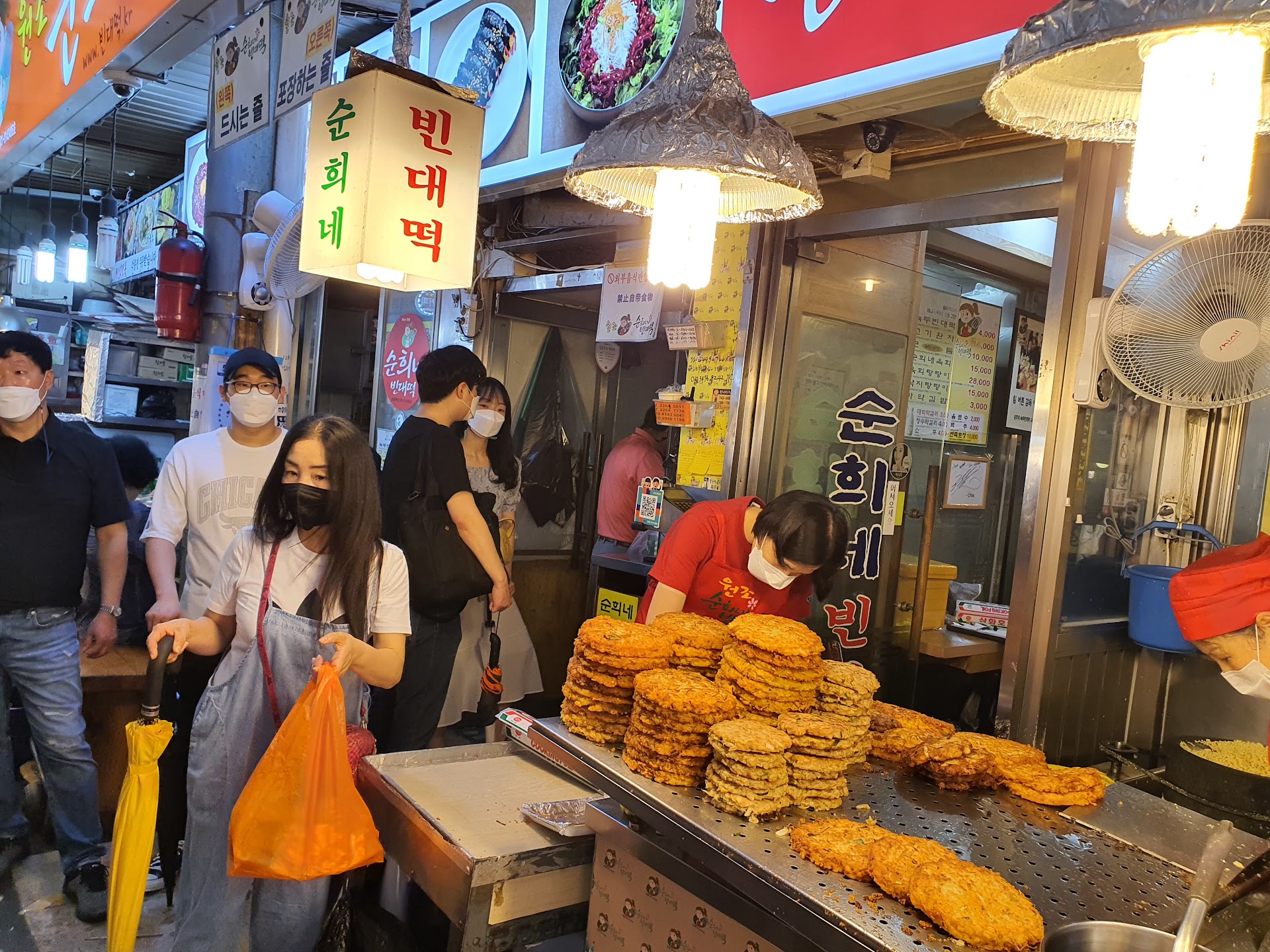
The smell hits you before the sight does — a deep, savory richness of ground mung bean batter hitting a cast-iron griddle slicked with perilla oil. Bindaetteok is Gwangjang’s most iconic dish and arguably its oldest continuous street food. The women who work these griddles often learned from their mothers, who learned from theirs, and the recipe hasn’t moved much in decades. Order one fresh off the pan; it arrives in a paper sleeve, crispy at the edges, soft and beany at the center, served with a dish of soy-vinegar dipping sauce. At 5 AM you share the counter with delivery drivers and market porters, which is exactly the point.
- 📍 Main ground-floor food alley, Gwangjang Market, Jongno-gu
- 💰 ₩4,000–₩5,000 per pancake (~$3)
- ⏰ Several stalls open from 5:00 AM
- ⭐ 4.8
What locals know: Ask for it extra-crispy (바삭하게) — the vendors will press it a little longer on the griddle and the difference is significant.
Mayak Gimbap Stalls
The name means “narcotic rice rolls” — a local joke about how addictive they are, and not an exaggeration. Gwangjang’s mayak gimbap are thumbnail-sized rolls of seasoned rice, carrot, spinach, and pickled radish wrapped in seaweed, served with a mustard-soy dipping sauce that balances sweet, tangy, and sharp in a single bowl. The most famous stall, Boksun Halmeoni, has had a line since before most people remember, but at 5 AM the queue is short and the grandmother working the counter has time to nod. Each order is about ten tiny rolls; most people eat two or three orders standing at the counter.
- 📍 Stall 7-1, Ground Floor Food Row, Gwangjang Market (look for handwritten sign)
- 💰 ₩3,000 per order of
10 rolls ($2.20) - ⏰ Opens 5:30 AM most mornings; sells out by mid-morning
- ⭐ 4.9
What locals know: The dipping sauce is the whole point — don’t skip it, and don’t ask for a fork. Toothpicks and the sauce dish are the intended utensil here.
Yukhoe (Korean Beef Tartare) Counter
This is the dish that surprises first-time visitors: raw beef, julienned fine, dressed in sesame oil, soy, garlic, and Asian pear, topped with a raw egg yolk and a scatter of pine nuts. Yukhoe at Gwangjang is not a restaurant dish presented on a white plate — it arrives on a shallow brass tray at a counter with six stools, and the beef is cut to order from a block the vendor keeps behind a glass case. The fat-to-lean ratio at reputable stalls is calibrated for sweetness, not richness. It’s best eaten before 7 AM when the beef is freshest from the morning delivery.
- 📍 Yukhoe vendors cluster near the northern entrance, Gwangjang Market
- 💰 ₩12,000–₩18,000 per portion (~$9–$13)
- ⏰ Available from approximately 5:30 AM at stalls that open early; freshest before 8 AM
- ⭐ 4.6
What locals know: Choose a stall where the vendor cuts the meat in front of you — visible prep is the quality signal here, not a sign or a rating.
Sundae and Broth Soup Corner
For those who want something warming before the sun has fully risen, the sundae stalls in the western corner of the market offer bowls of blood sausage soup (sundaeguk) served with rice, a dish of coarse salt and pepper, and a small plate of sliced offal and sausage on the side. The broth is milky-white from long-simmered pork bones, deeply savory, and meant to be eaten fast while still steaming. Sundae — Korean blood sausage stuffed with glass noodles and barley — has a dense, slightly earthy flavor that pairs with the broth in a way that makes immediate sense at 5 AM in a cold market hall. This is the breakfast Gwangjang workers eat before the market opens to the public.
- 📍 Western food hall, Gwangjang Market, near the Jongno-5-ga exit
- 💰 ₩7,000–₩9,000 per bowl with rice (~$5–$7)
- ⏰ Open from 5:00 AM
- ⭐ 4.5
What locals know: Add a splash of doenjang (fermented soybean paste) if the vendor offers it — it deepens the broth flavor considerably. Not every stall volunteers this option; ask.
Recommended Route
Here’s a half-day morning walk built around the pre-dawn window:
04:45 — Arrive at Gwangjang Market via Jongno-5-ga Station (Line 1, Exit 8). The walk from the exit to the main entrance is about 3 minutes. The fabric row on the second floor is already active.
05:00–05:30 — Walk the Silk and Fabric Row on the second floor. No agenda needed — just observe the wholesale transactions, the textures, the light. 30 minutes is enough.
05:30 — Head down to the ground-floor food alley. Start at the Mayak Gimbap stall — the line is shortest now. Two orders and a coffee from a nearby vending machine: ₩6,000 total.
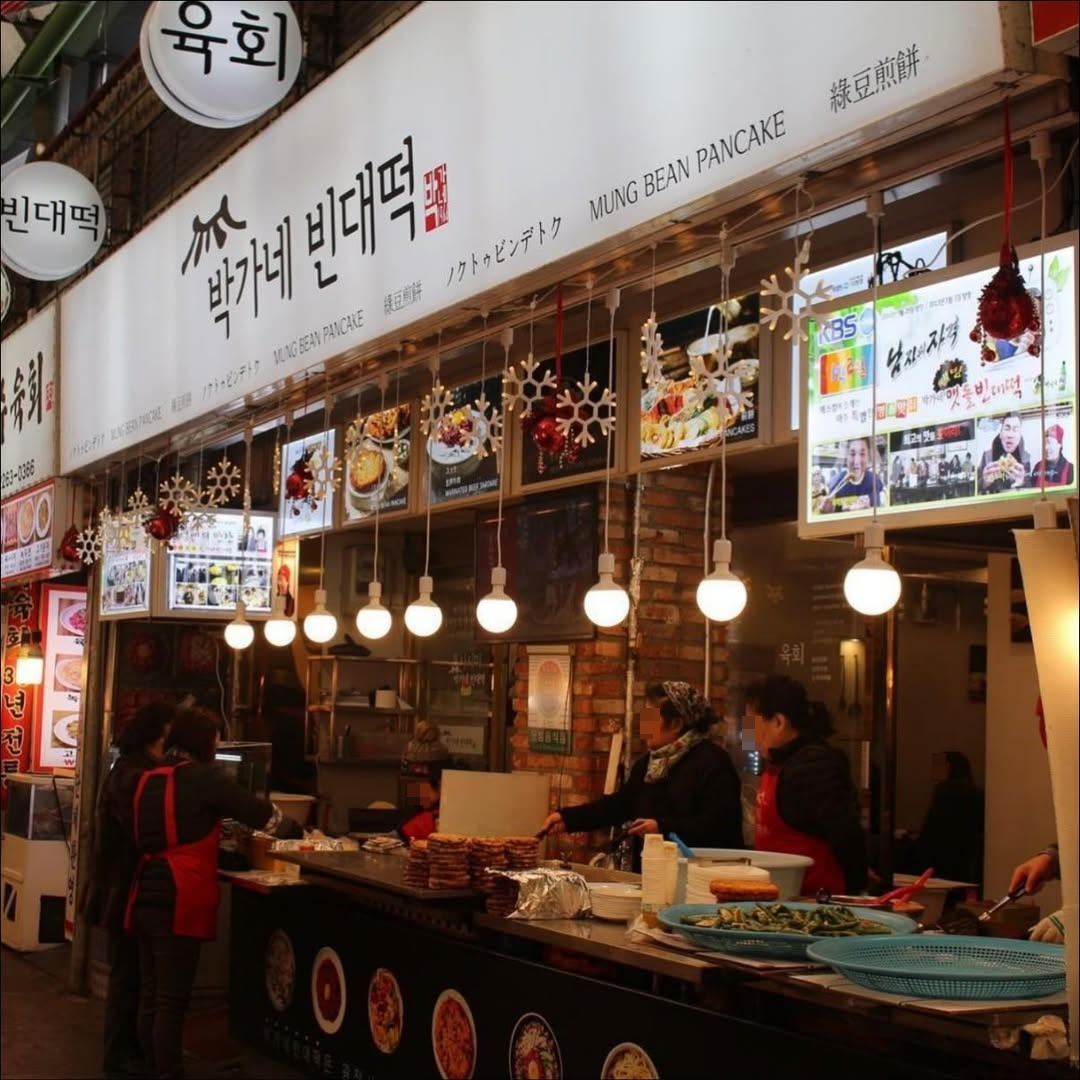
06:00 — Move to a Bindaetteok griddle — look for the ones with the most oil stains on the floor around them (a reliable sign of volume and experience). One pancake, eaten at the counter.
06:30 — Sit at a Yukhoe counter for the beef tartare. This is the sit-down moment of the morning — take your time.
07:15 — Walk to the western hall for Sundaeguk broth soup as the market starts to shift from wholesale quiet to early retail noise. This is the transition you can feel rather than hear.
08:00 — Exit via Jongno-3-ga Station (8-minute walk northwest) and head into a quiet Ikseon-dong alley for coffee before the city fully wakes.
Total walking distance inside market: approximately 600 meters. Total time: 3 hours 15 minutes.
Budget · Transport · Booking
Transport:
- 🚇 Subway Line 1 to Jongno-5-ga Station, Exit 8 — easiest access, 3-minute walk to market
- Alternatively, Jongno-3-ga Station (Lines 1/3/5) for a slightly longer approach from the northwest
- Taxi from Myeongdong or Insadong: approximately ₩5,000–₩8,000 ($4–$6)
- Avoid driving — no practical parking nearby at dawn
Realistic food budget for this morning route:
- 🍴 Mayak gimbap (2 orders): ₩6,000
- 🍴 Bindaetteok (1 pancake): ₩5,000
- 🍴 Yukhoe (1 portion): ₩15,000
- 🍴 Sundaeguk bowl: ₩8,000
- ☕ Vending machine coffee: ₩1,000
- Total: approx. ₩35,000 (~$26)
Booking: No reservations needed or possible for any of these stalls — all are walk-up, cash-preferred counters. Bring Korean won in small bills (₩1,000 and ₩5,000 notes). Some vendors accept KakaoPay or local QR payment; fewer accept foreign credit cards at the pre-dawn hour.
Entrance: The market itself has no admission fee.
Must-Know Tips
- 💰 Cash is king before 7 AM. Many stall vendors don’t have card readers running this early. Withdraw won from a 7-Eleven ATM (accepts foreign cards) the night before.
- 📸 Ask before photographing vendors directly. The fabric merchants especially are working, not performing — a nod before raising a phone goes a long way.
- 👟 Wear shoes you don’t mind getting oil on. The bindaetteok alley floor is slick with cooking oil before dawn and the market drains run slow.
- 🌡️ Layer for the early cold. Even in May, 5 AM inside a market hall with open loading doors runs 10–12°C (50–54°F). A light jacket is not optional.
- 🗣️ Google Translate camera mode. Most food stalls have handwritten menus in Korean only. The camera translate function handles this well in real time.
- ⏰ The magic window closes around 7:30 AM. After that, tour groups begin to arrive, stall owners shift into performance mode, and prices at some tourist-facing counters quietly nudge upward.
Closing
Gwangjang Market at 5 AM is one of those places that makes a city feel honest — not curated for outsiders, not performing its own history, just running on a rhythm that predates the tourism industry by about a century. The silk merchants don’t look up when someone walks by. The gimbap rolls keep coming. The broth stays hot. There’s something grounding about watching a city feed itself before it’s fully awake, and Gwangjang does this better than almost anywhere in Seoul.
If there’s one actionable takeaway: set the alarm for 4:30 AM, skip breakfast at the hotel, and be at Jongno-5-ga Station before the sun clears the buildings. Everything worth eating here costs under $30 total, and the experience of having seen Gwangjang this early will make the noon version — which you may still visit — feel like a completely different place.
🏨 Where to Stay
 Mohenic Hotel Seoul Myeongdong⭐ 3.0 · 7.9/10 (8,126) · $81 /night
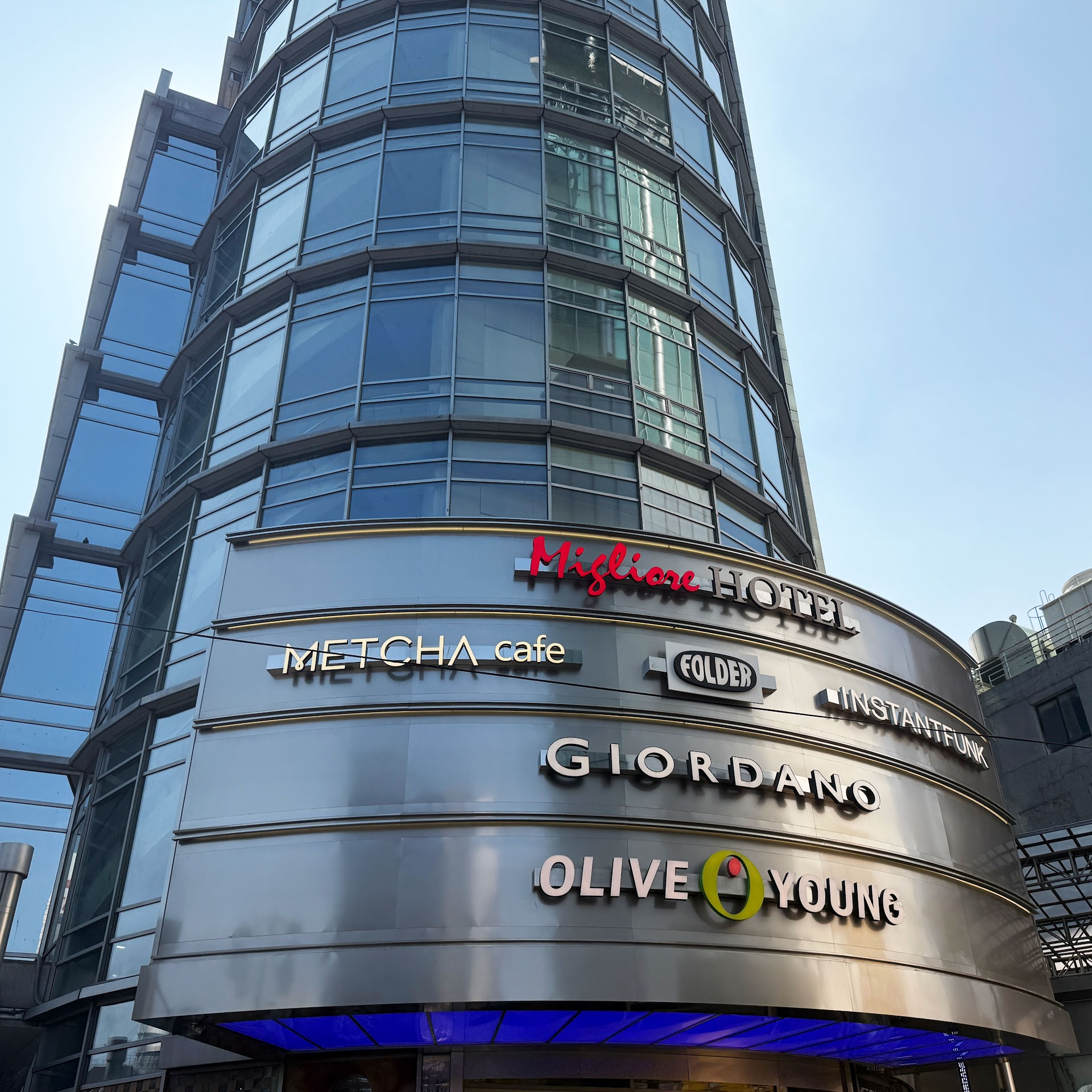 Royal Hotel Seoul Myeongdong⭐ 4.0 · 8.7/10 (10,840) · $194 /night
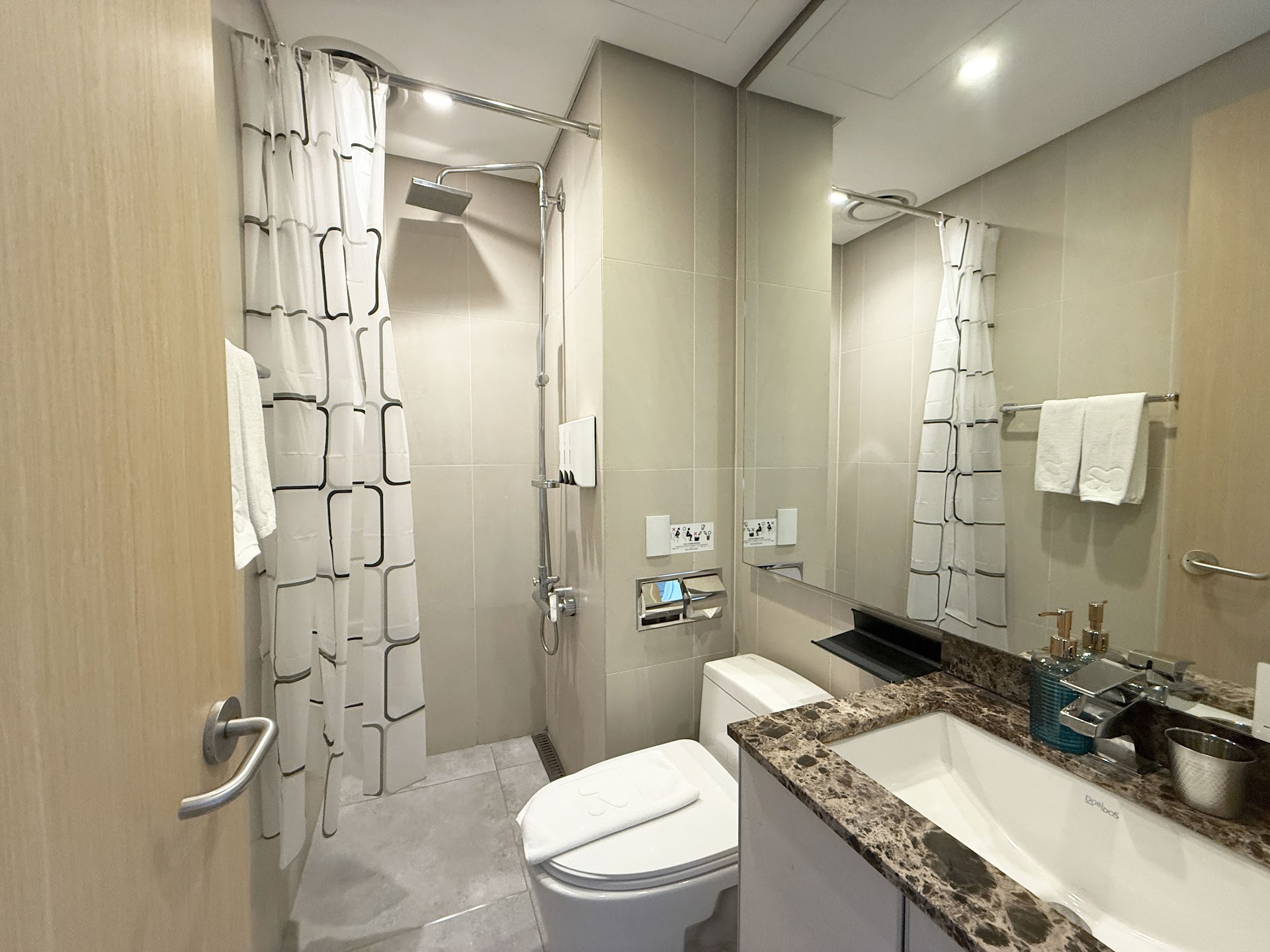 President Hotel⭐ 4.0 · 8.4/10 (15,050) · $141 /night
Agoda affiliate link — clicks go to the price-comparison page.