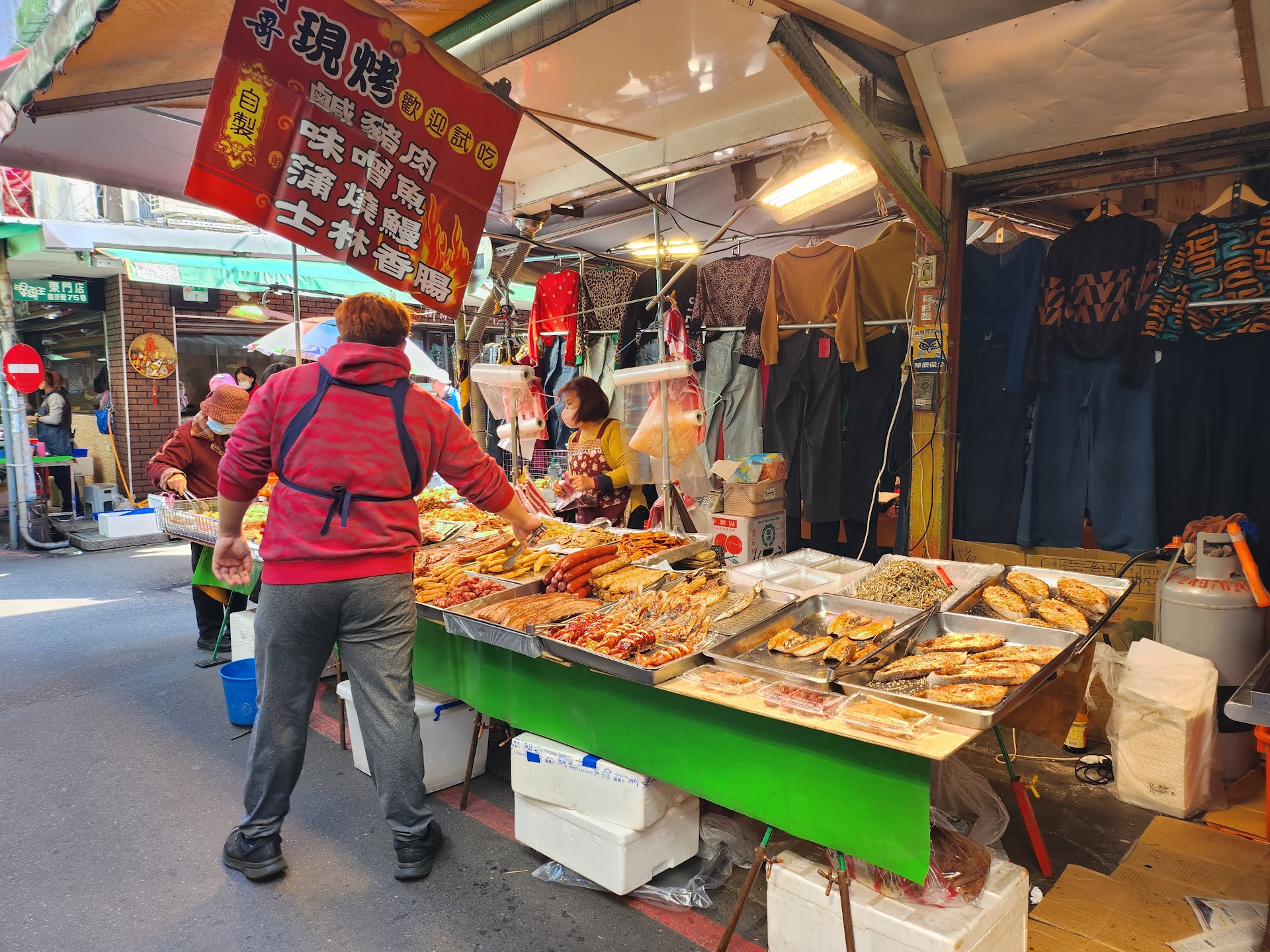
The city of Taipei holds its breath before 6 AM. Streets that will soon flood with scooters and breakfast queues sit quiet, and in the old Dongmen neighborhood, a different kind of morning is already well underway. Dongmen Market is where the city’s oldest rituals play out in near silence — steam rising, ladles dipping, regulars saying nothing because they’ve been here a thousand times before.
Best Timing
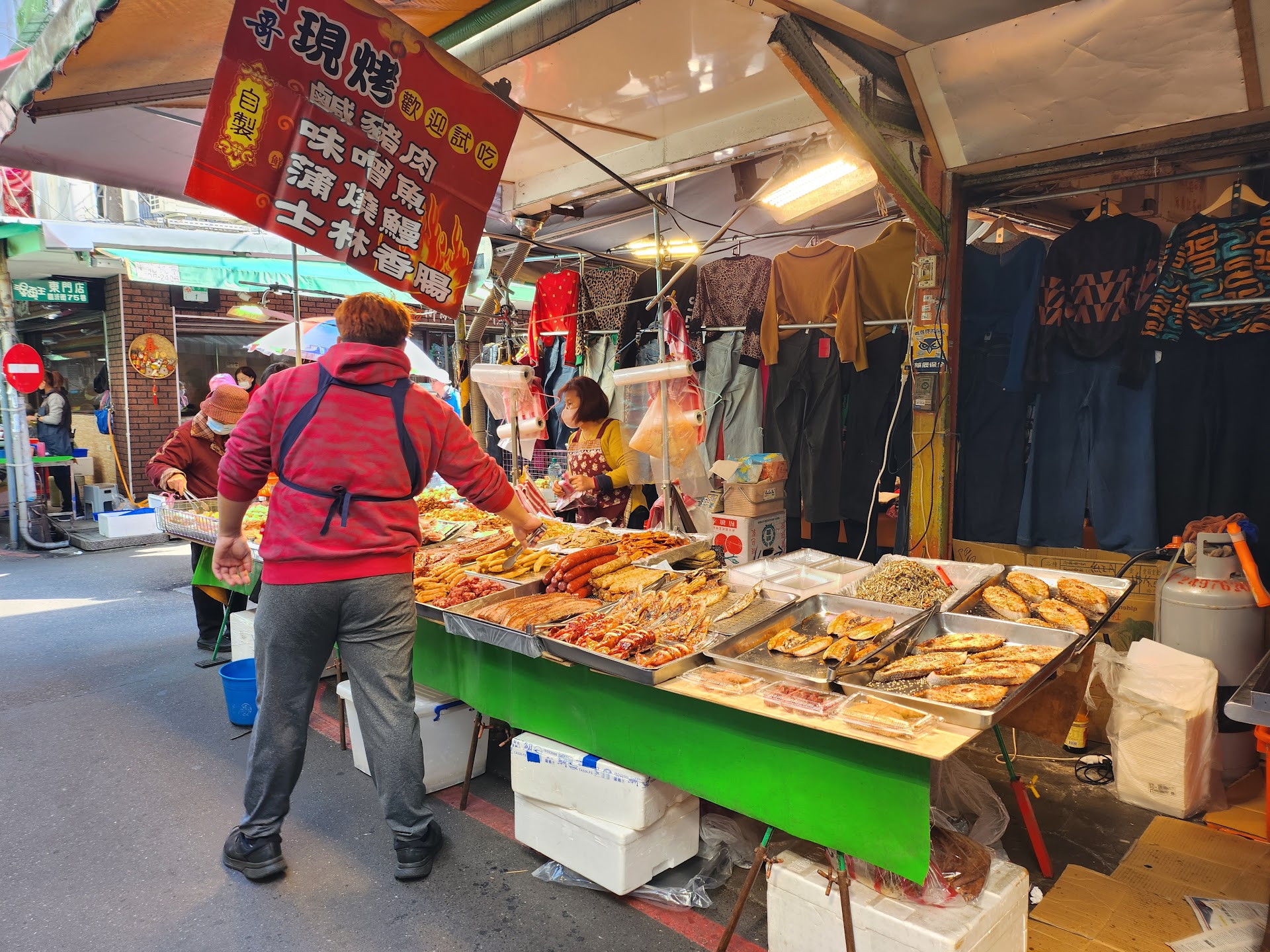
Dongmen Market rewards the genuinely early. The sweet spot is 5:30 AM to 7:30 AM — vendors have fired their pots, the douhua is fresh and hot, and the regulars have claimed their plastic stools before the mid-morning crowd drifts in. By 9:00 AM, the character shifts: prices inch up at a few stalls, the best douhua often sells out, and the narrow aisles start to feel more like a weekend browse than a living, working market.
The best months to visit are October through March, when Taipei’s humidity drops and morning temperatures sit between 15°C and 22°C (59°F–72°F). Carrying an umbrella is worth it year-round — Taipei drizzles without much warning — but the cool-season mornings make standing over a steaming tofu pot feel exactly right. Avoid Chinese New Year week (late January to mid-February), when most vendors take a multi-day break and the market runs at half capacity.
Core Experiences
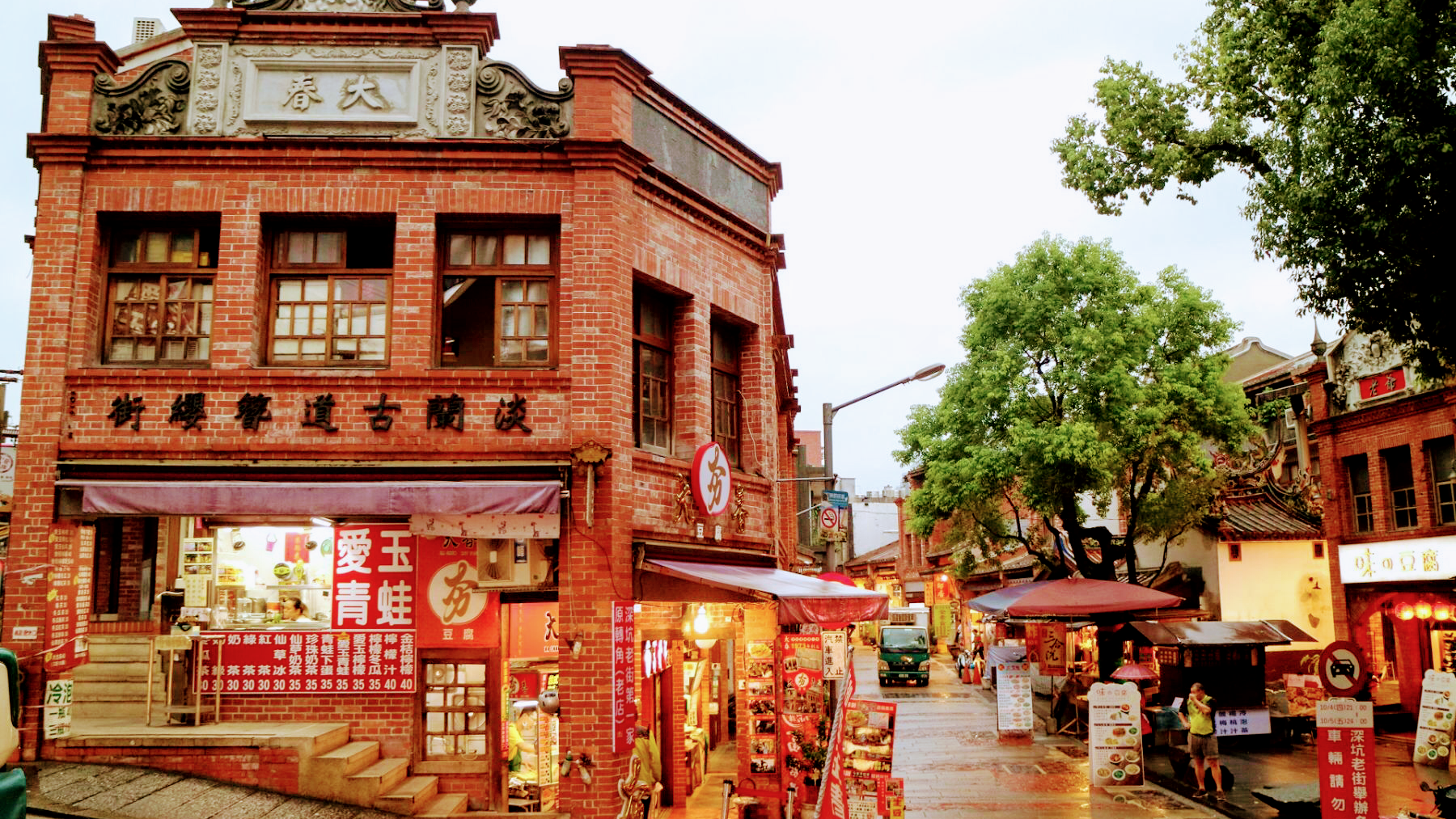
Douhua Stall at the Market’s Heart
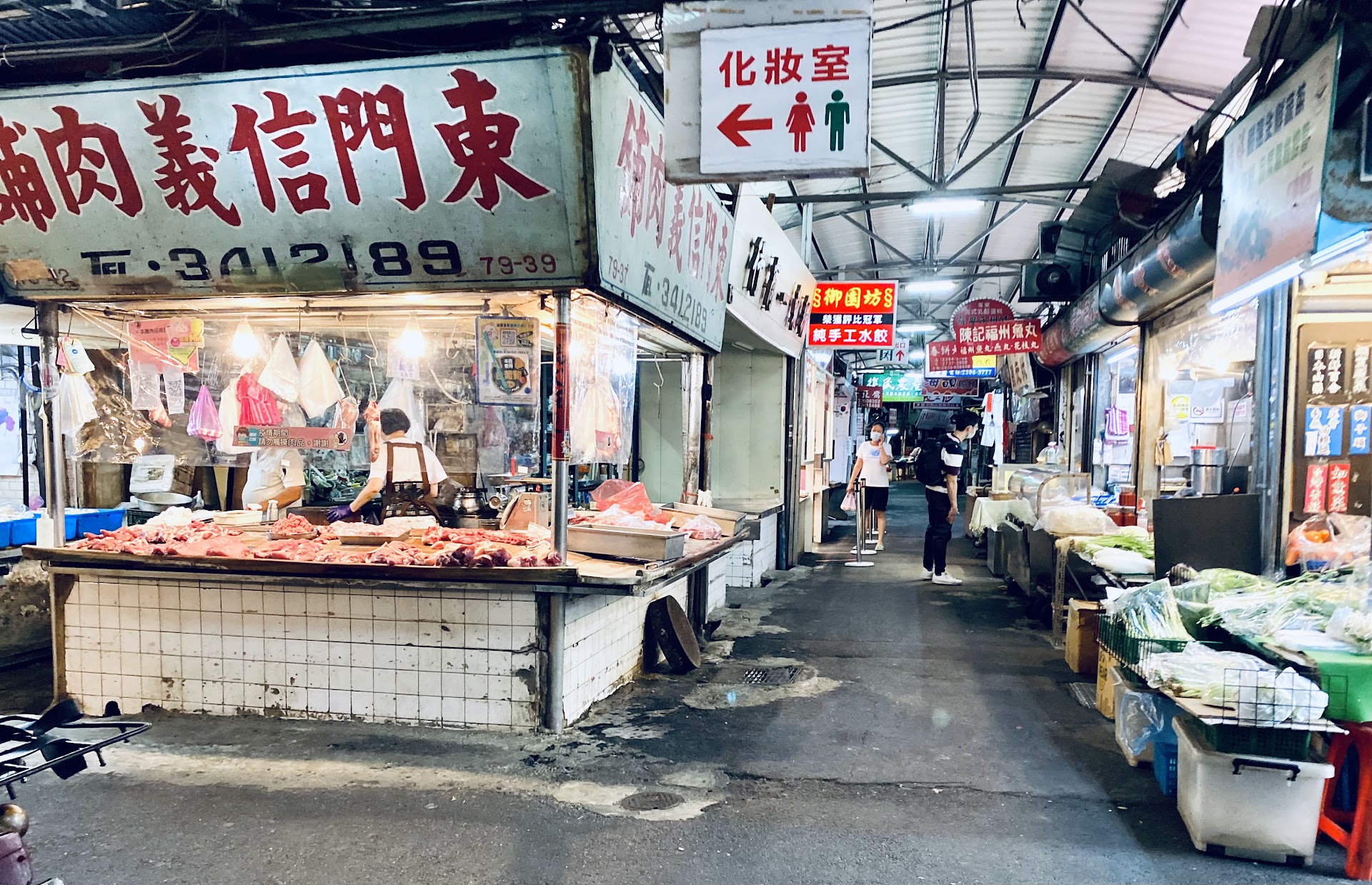
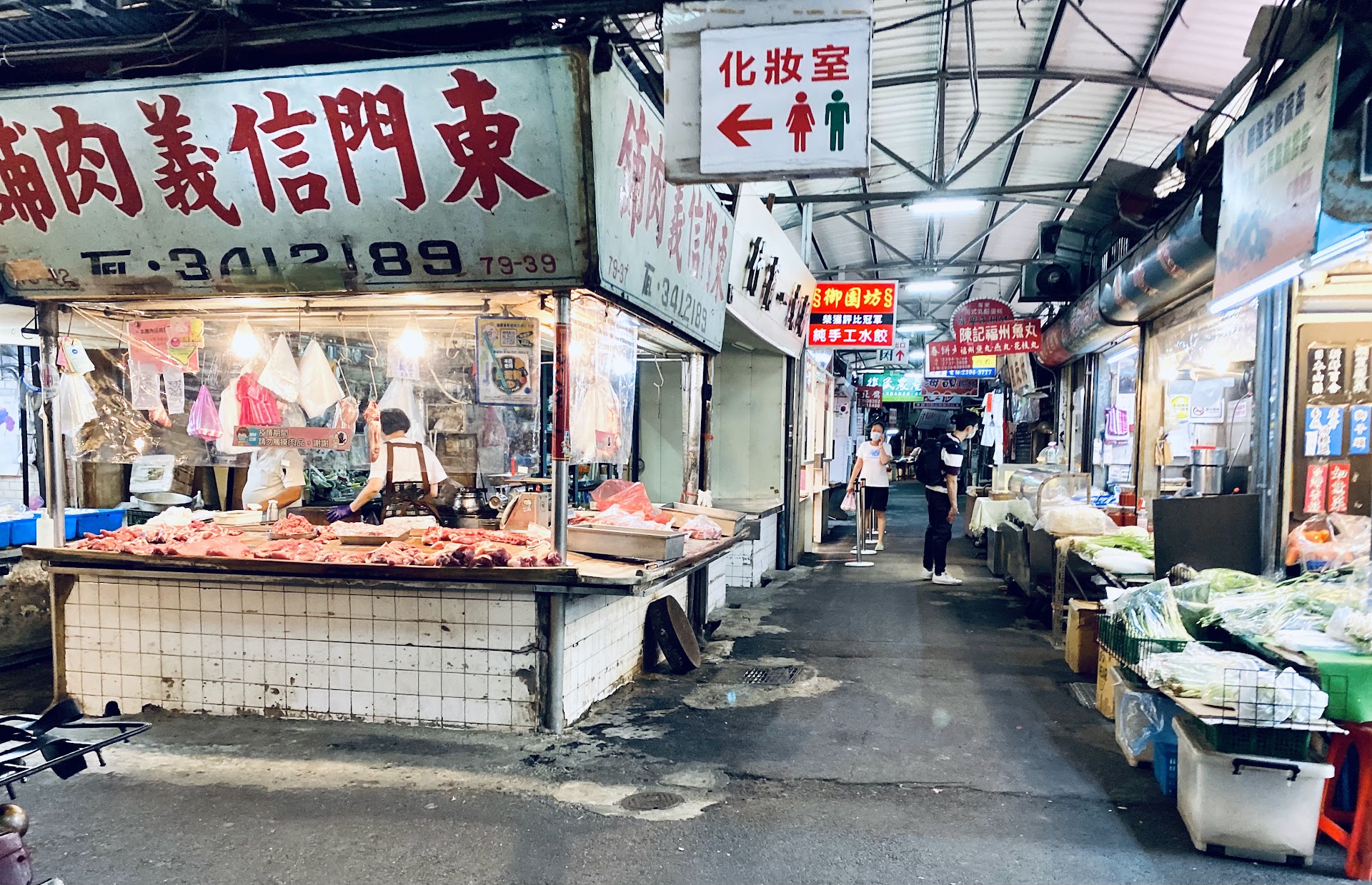
Step into the central hall of Dongmen Market before the fluorescent lights have fully warmed up, and the first thing to find is the douhua vendor — a small operation, two or three people, working a cart that has occupied roughly the same spot for decades. Fresh soybean curd is ladled into shallow bowls and topped with a thin syrup of brown sugar, sometimes a spoonful of peanuts or taro balls, depending on the day. The texture is the point: it trembles. It is barely set, closer to silk than to any tofu found in a Western grocery store. Regulars eat standing, or perched on a low plastic stool, finishing in under four minutes and disappearing back into their morning.
- 📍 Dongmen Market central hall, Da’an District, Taipei · 💰 NT$25–45 (approx. USD $0.80–$1.40) · ⏰ Opens ~5:00 AM, sells out by 8:30 AM · ⭐ 4.8
- What locals know: Ask for “xiao wan” (small bowl) if this is the first stop — there are four more ahead.
Fresh Soy Milk Counter
Two stalls down from the douhua cart, a single gas burner keeps a wide pot of freshly pressed soy milk at just below a simmer. This is not the shelf-stable carton version. The liquid is ivory-colored, faintly sweet without added sugar, and carries a clean nuttiness that disappears the moment it’s been sitting too long. The vendor pours it into handled plastic cups or, for regulars, directly into the thermoses they bring from home. A youtiao — a long, oil-fried dough stick — can be ordered alongside for dipping. The combination is one of the definitive Taiwanese breakfasts, and at this price point, skipping it would be difficult to justify.
- 📍 Dongmen Market inner aisle, Da’an District · 💰 NT$20–35 (approx. USD $0.65–$1.10) · ⏰ 5:30 AM–9:00 AM · ⭐ 4.7
- What locals know: Unsweetened (“wu tang”) is the default for regulars — specify if a sweeter version is preferred.
Wet Vegetable Market (Produce Vendors)
The outer ring of Dongmen Market belongs to the produce sellers — older vendors, mostly, who have been sourcing from the same farms in Yilan and Taichung for years. Bundles of morning glory, purple sweet potato leaves, and seasonal greens are stacked on low tables under cool white light. The haggling here is not aggressive; it’s more of a shorthand negotiation between people who’ve been doing this for a very long time. Prices are set by the half-jin (250g), and the sheer variety of greens visible before 7 AM says something specific about what Taiwanese home cooks actually use — not the curated selection in a supermarket, but everything, the bitter and the soft and the almost-weed-like.
- 📍 Outer ring, Dongmen Market, Xinyi Road entrance · 💰 NT$30–80 per bundle (approx. USD $1–$2.50) · ⏰ 5:00 AM–10:00 AM · ⭐ 4.5
- What locals know: Vendors often throw in a handful of herbs — scallion tops, small chilies — if purchasing two or more items.
Steamed Bun (Baozi) Counter
Near the Xinyi Road entrance, a bamboo steamer stack releases clouds of white vapor from around 5:45 AM. The baozi here are classic in form — slightly domed, soft white dough, filled with either pork and cabbage or a lightly sweetened red bean paste. They are not the restaurant version, plump and photogenic. These are working-person breakfast buns: dense enough to carry through a long morning, priced so that buying two is an obvious choice. The red bean version in particular draws a small but loyal group who time their arrival for the first batch.
- 📍 Xinyi Road side, Dongmen Market · 💰 NT$15–25 per bun (approx. USD $0.50–$0.80) · ⏰ 5:45 AM–9:30 AM (first batch often gone by 7 AM) · ⭐ 4.6
- What locals know: Arrive at 5:45 AM sharp for the first-batch buns — the dough is noticeably lighter before the steamer temperature drops between rounds.
Tofu Skin (Yuba) and Dried Goods Corner
In the quieter back section of the market, a vendor sells dried and semi-dried tofu products: sheets of yuba (tofu skin), pressed tofu blocks marinated in five-spice, and fermented tofu in small clay jars. The selection doesn’t change much week to week, and neither do the customers — mostly home cooks who stop here before the rest of their week’s produce shopping. The five-spice pressed tofu (lu doufu) in particular is worth attention: dark brown on the outside, firm enough to slice thin, with a deep savory intensity that makes it a complete breakfast on its own over plain rice. Sample portions are sometimes offered without asking.
- 📍 Back aisle, Dongmen Market, Da’an District · 💰 NT$50–120 per portion (approx. USD $1.60–$3.80) · ⏰ 5:30 AM–11:00 AM · ⭐ 4.5
- What locals know: The fermented tofu (chou doufu variant in jars) is an acquired taste — try a small portion before committing to a full jar.
Recommended Route
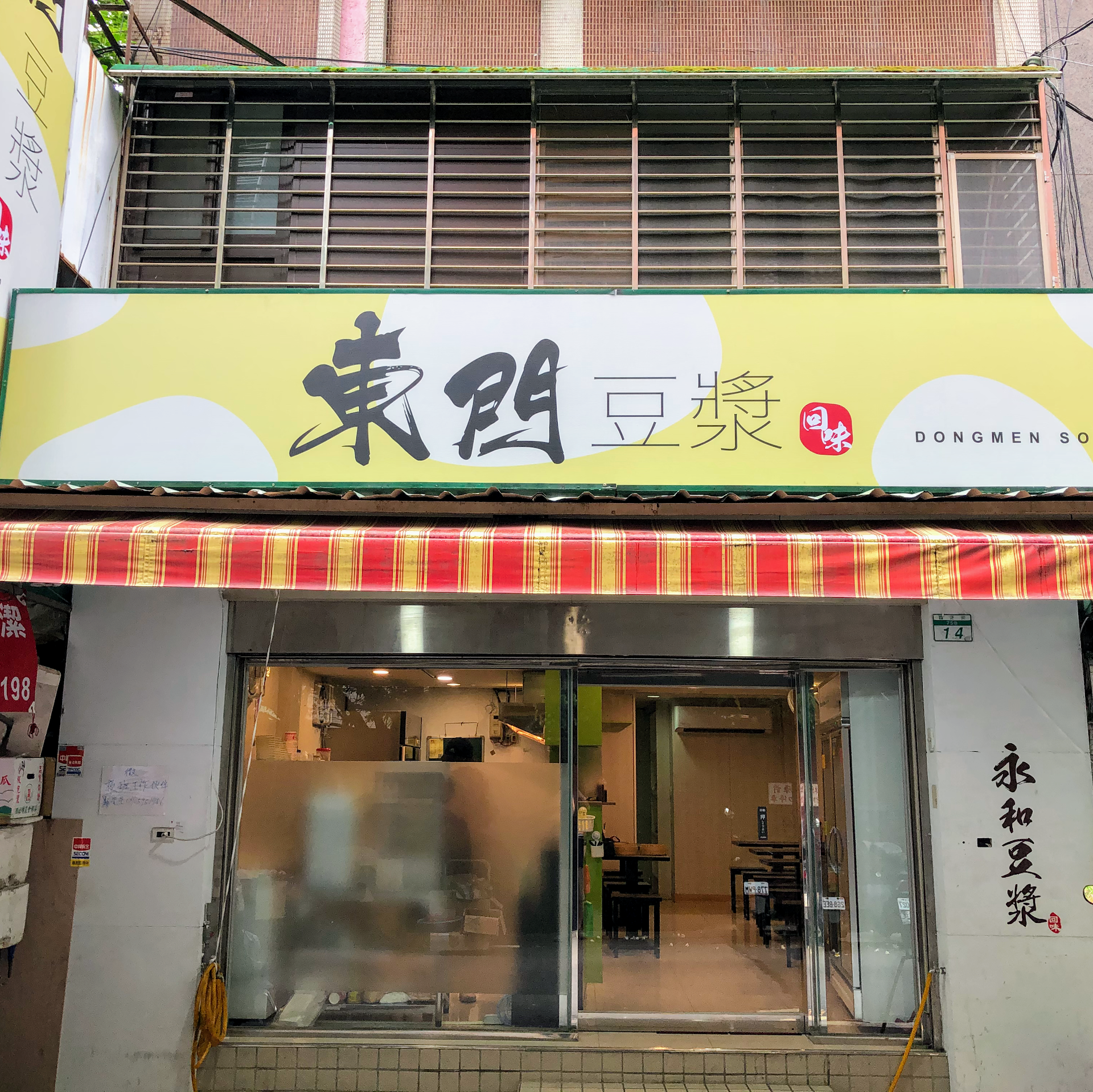
This is a half-day morning wander. Block out roughly 3 hours to move unhurriedly.
- 5:30 AM — Arrive at Dongmen Market via Dongmen MRT Station (Exit 5, 4-minute walk). The market is already active.
- 5:35 AM — Head directly to the Douhua Stall in the central hall while the first batch is fresh. Eat on-site (10 min).
- 5:50 AM — Move two stalls over to the Fresh Soy Milk Counter. Order one cup with a youtiao. Eat standing. (10 min)
- 6:05 AM — Walk the Wet Vegetable Market outer ring. No agenda needed — watch, observe the vendor rhythms. (20 min)
- 6:30 AM — Reach the Baozi Counter near the Xinyi Road entrance for a second-round breakfast bun. First batch is still available. (10 min)
- 6:45 AM — Wander toward the Tofu Skin and Dried Goods Corner in the back aisle. Browse, sample if offered, buy pressed tofu to take back. (20 min)
- 7:10 AM — Exit via Xinyi Road. The surrounding Yongkang Street neighborhood is worth a slow 20-minute walk as coffee shops begin to open. Full light hits by 7:30 AM.
- 8:00 AM — Optional: Yongkang Beef Noodle area (a 7-minute walk) for a mid-morning bowl, though most beef noodle spots open at 10 AM. Use the time for a coffee at a nearby third-wave café.
Budget · Transport · Booking
Total food spend at the market: NT$100–200 (approx. USD $3–$6.50) for a full morning of eating across all five stops. Bring small cash — most vendors do not take card, and a few don’t take the larger NT$1,000 bill early in the morning.
Getting there:
- 🚇 MRT Dongmen Station (Red/Green Line interchange) — Exit 5, 4-minute flat walk to the market entrance on Xinyi Road Section 2.
- From Taipei Main Station: 6 minutes on the Red Line (NT$20/approx. USD $0.65).
- From Ximending area: Green Line south to Dongmen, 8 minutes.
- Taxi or Uber from central Taipei: approximately NT$120–160 (USD $4–$5) at that hour, with no surge.
No reservations needed for any market vendor. Everything is walk-up and pay-on-the-spot. No advance booking, no tickets, no line management apps.
Total half-morning budget (transport + all food + coffee nearby): approximately USD $10–$15 per person.
Must-Know Tips
- 💰 Bring small bills and coins. Most vendors prefer exact or near-exact change before 7 AM. NT$100 and NT$50 bills are ideal; NT$10 coins are always welcome.
- ⏰ 5:30–6:30 AM is the golden window. After 7:30 AM, the douhua and first-batch baozi are typically sold out, and the atmospheric quiet is replaced by a louder mid-morning crowd.
- 🍴 Don’t fill up at the first stop. The douhua is the opener, not the main event — pace across all five spots, and the total will still feel light by 7 AM.
- 📍 The market address is 9 Xinyi Road Section 2, Da’an District (信義路二段9號). Google Maps labels it “東門市場” — use the Chinese characters for accuracy.
- 📷 Photography etiquette: Most vendors are accustomed to cameras but appreciate a nod before pointing a lens at them directly. Wide shots of the stalls are generally unproblematic; close portrait-style shots, ask first.
- 🌧️ Carry a compact umbrella. Taipei drizzles year-round, and the outer produce ring of the market has only partial covered walkways.
Closing
Dongmen Market at dawn is not a destination in the tourism-reel sense. No landmark, no view, no spectacle. What’s there instead is the specific texture of a city before it performs for anyone — the sound of a ladle against a clay pot, the smell of soy milk at a low simmer, regulars eating fast and leaving quietly. It is, in the most literal sense, a place that locals keep to themselves — not out of secrecy, but simply because no one thought it worth broadcasting.
The actionable takeaway: set an alarm for 5:15 AM, take the Red Line to Dongmen, and walk in with NT$200 in small bills. Everything else follows naturally.
🏨 Where to Stay
 小穩居-Hermit Dorm-聖雄商旅⭐ 3.0 · 8.0/10 (134) · $51 /night
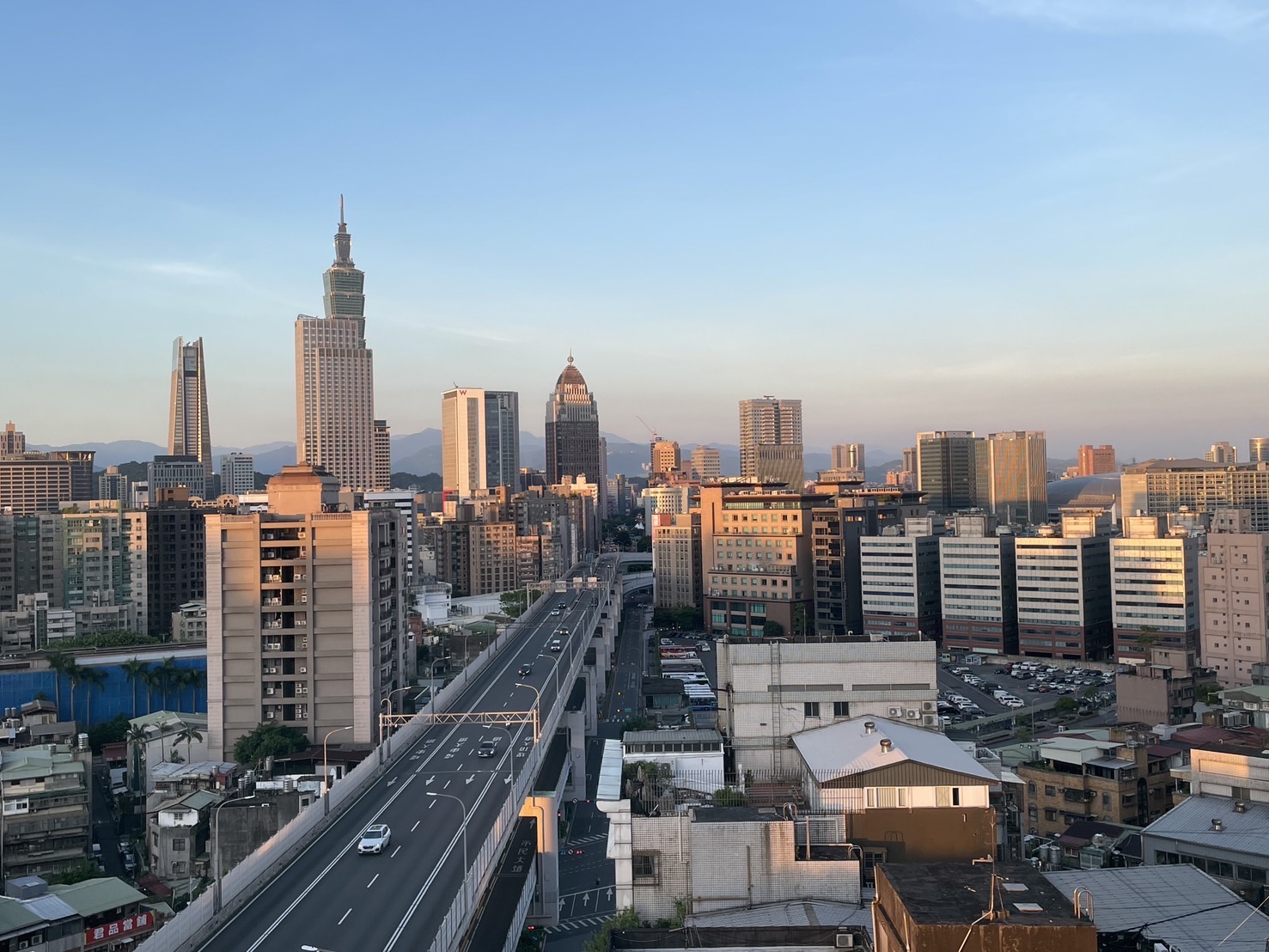 Park Taipei Hotel⭐ 4.0 · 8.7/10 (20,634) · $130 /night
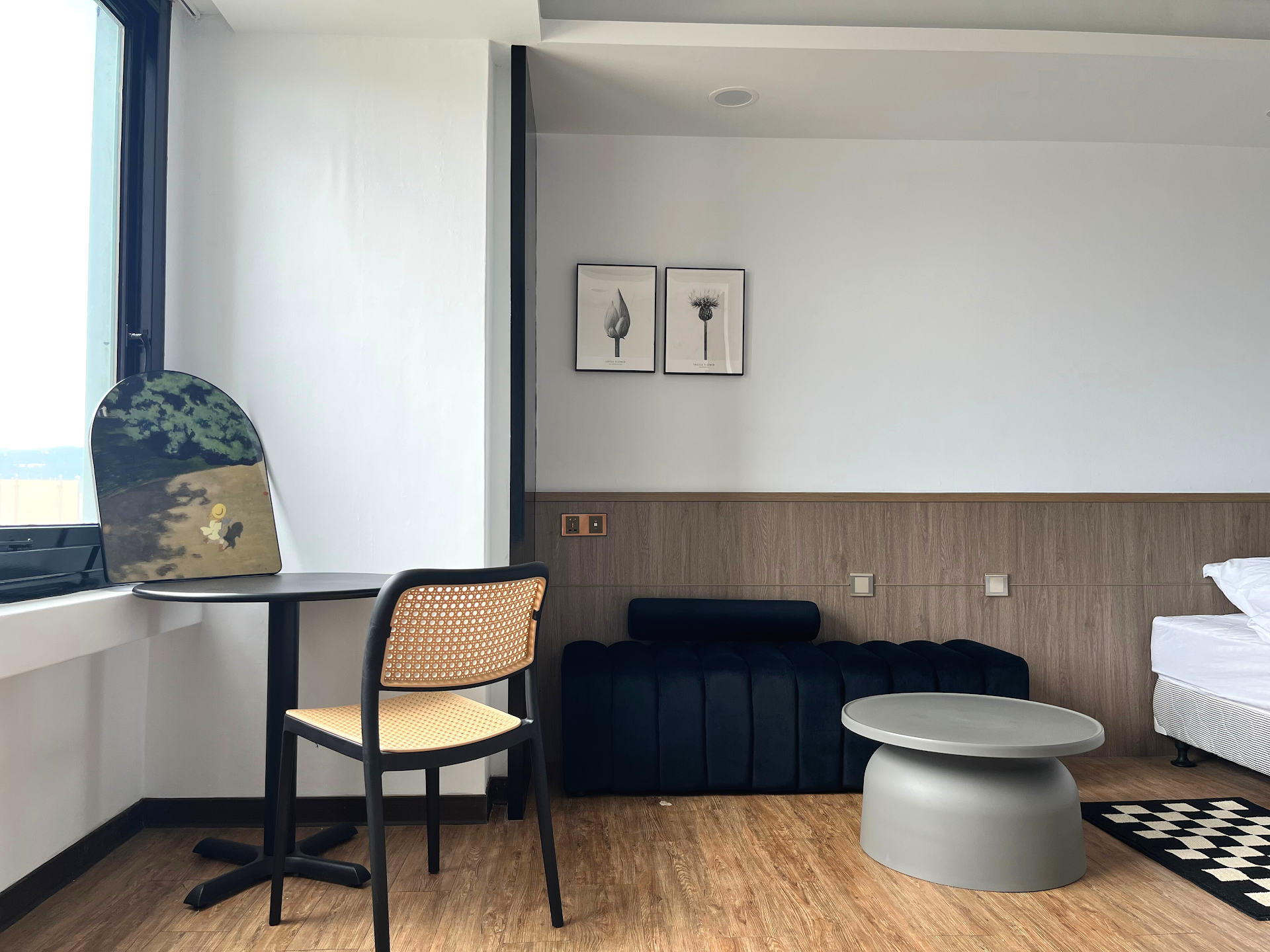 Miramar Garden Hotel⭐ 5.0 · 8.7/10 (12,382) · $113 /night
Agoda affiliate link — clicks go to the price-comparison page.