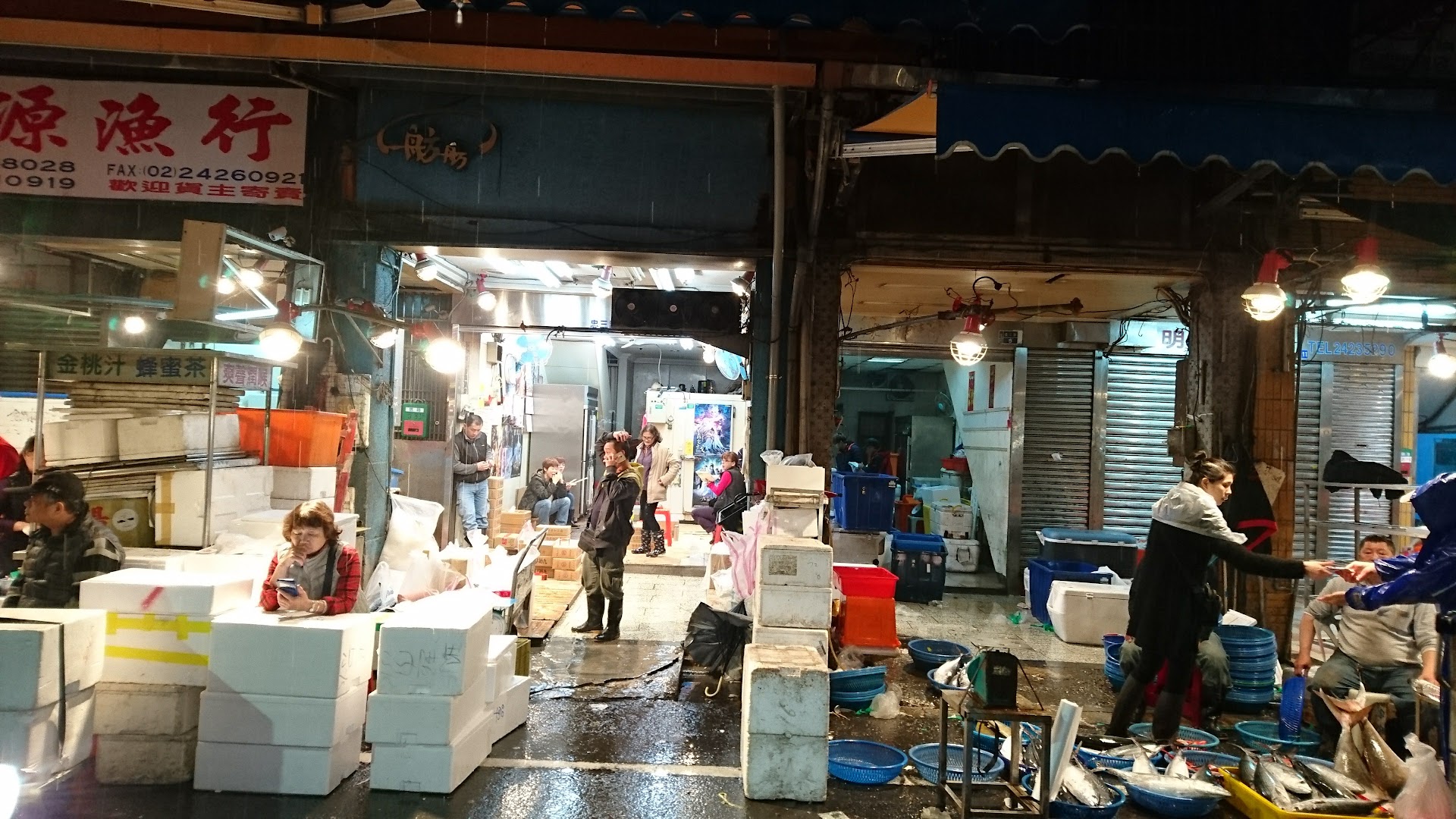
Keelung’s 崁仔頂 wholesale fish market doesn’t wait for anyone. By the time most visitors in Taiwan are ordering their first coffee, this narrow neon-lit alley has already auctioned off a trawler’s worth of catches, hosed down the ice-slicked lanes, and gone quiet. Here’s what happens when you show up before the city wakes up.
Best Timing
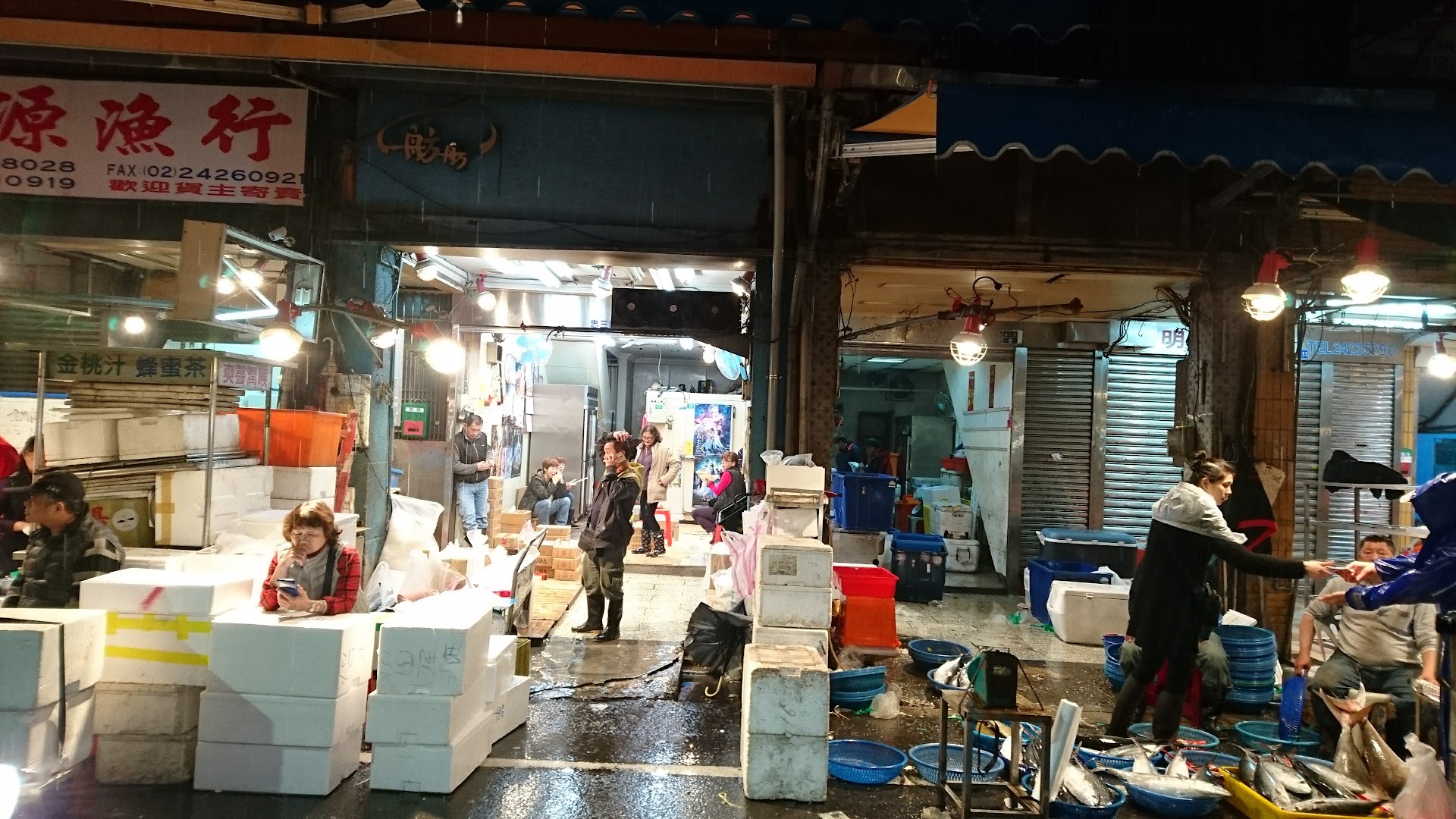
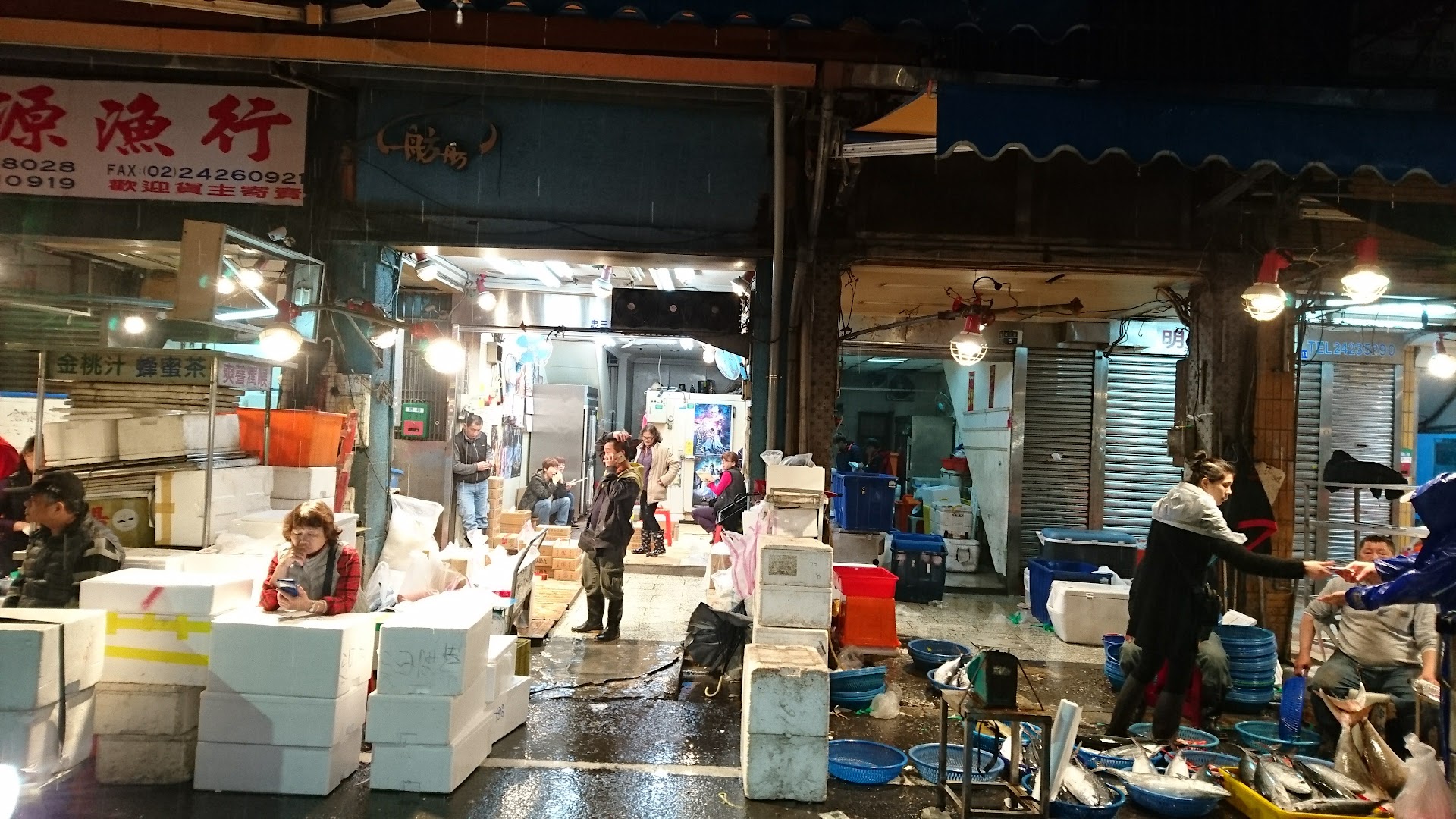
The market runs on fishermen’s hours, which means the action peaks between 2 AM and 5 AM. If you want to catch the full theater — the shouted bids, the Styrofoam crates stacked shoulder-high, the fluorescent light bouncing off wet concrete — aim to arrive by 3:30 AM. By 6 AM, the wholesale phase is winding down. By 7 AM, it’s largely over, the lanes hosed clean, the vendors gone. What’s left is the tail end of the morning: a few noodle stalls serving the workers who just finished their shift, and a market that looks like any other alley.
In terms of seasons, October through March offers cooler, more comfortable pre-dawn temperatures — hovering between 15°C and 20°C (60–68°F). The summer months (June–August) are humid even at 3 AM, so dress accordingly. Rain is frequent in Keelung year-round — the city is one of the wettest in Taiwan — so pack a compact umbrella or a light waterproof layer. Weekday visits tend to be more active than weekends, when fishing traffic slows slightly.
Core Experiences
崁仔頂 Alley — The Auction Lane
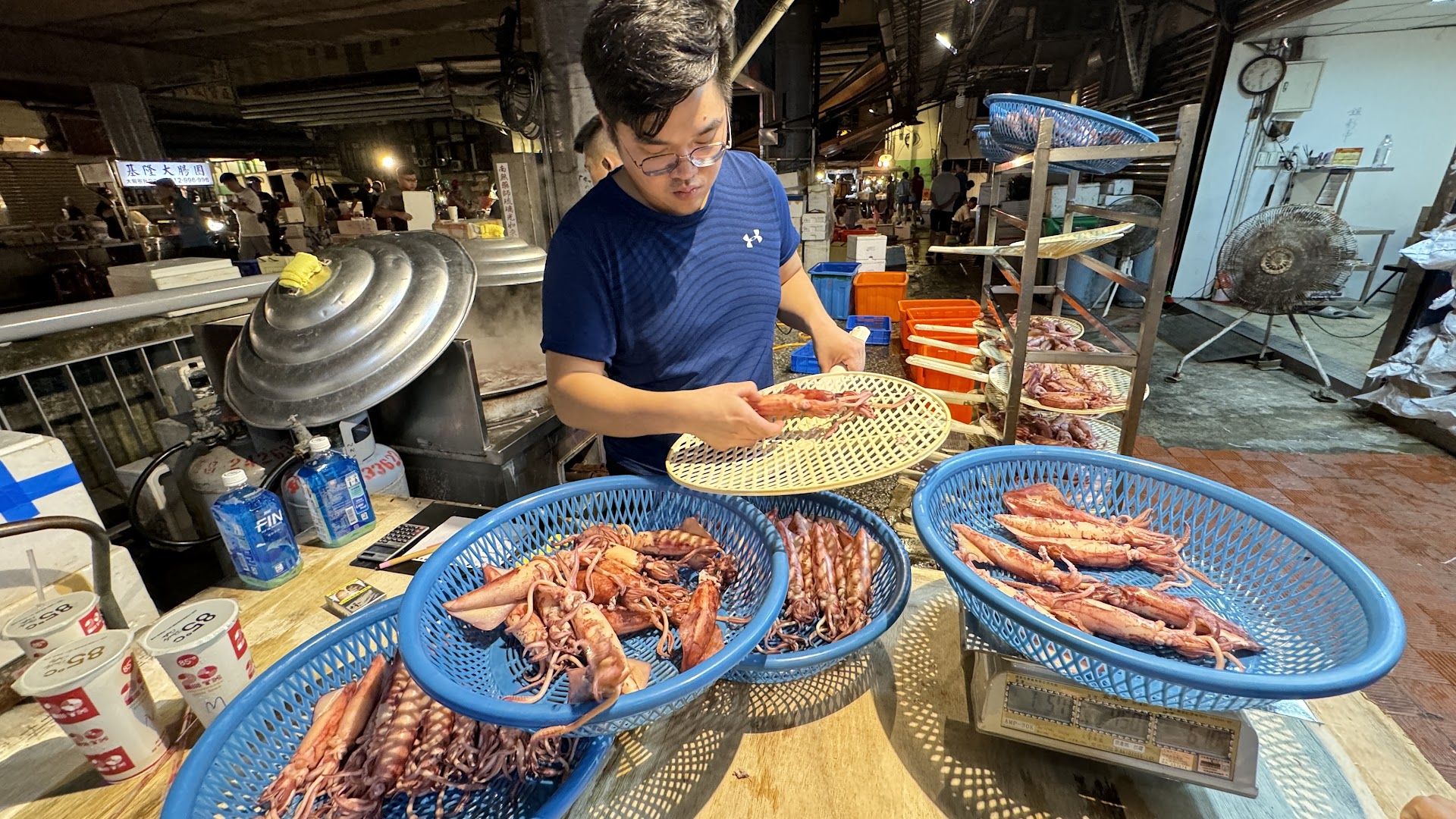
The heart of the market is a single alley — barely wide enough for two carts to pass — stretching about 200 meters through the Rensan District. In the pre-dawn hours, it transforms into one of northern Taiwan’s most intense commercial spaces: wholesalers in rubber aprons crouching over crates of grouper, squid, and live crabs, bidding in rapid Taiwanese Hokkien while buyers with flashlights inspect the catch. The neon signs of the surrounding buildings cast everything in a hazy amber-green glow. It’s loud, wet, and completely alive in a way that feels like it belongs to another era. This is where Taipei’s seafood restaurants source their daily menus — the freshness standard here sets the pace for the whole city’s kitchens.
- 📍 Rensan 1st Road, Rensan District, Keelung City · 💰 Free to walk through · ⏰ Active 2 AM – 6 AM daily · ⭐ 4.8
- What locals know: Stand to the side of the main lane rather than the center — carts move fast and without warning, and the workers don’t slow down for observers.
Keelung Harbor Pre-Dawn Dock
A three-minute walk from the auction lane, the Keelung harbor dock is where the trawlers unload before the bidding begins. Watching the transition — nets hoisted, crates sorted by species, ice poured in layers — gives context to everything happening in the alley. The smell is briny and metallic; the lighting is industrial and unromantic. But there’s something quietly extraordinary about watching the night’s catch become the morning’s market in real time. Fishing boats from the northeastern coast, some returning from overnight runs to the waters off Jilong Island, tie up here between 1 AM and 4 AM. The dock itself is open to the public, though you’ll want rubber-soled shoes — the surfaces are perpetually slick.
- 📍 Keelung Harbor Fishermen’s Wharf, Zhongzheng District, Keelung · 💰 Free · ⏰ Boat arrivals 1 AM – 4 AM · ⭐ 4.5
- What locals know: Arrive right as a trawler ties up (you can sometimes spot their lights approaching from the harbor entrance) for the most active unloading scenes.
Market-Edge Noodle Stalls
At the boundary where the auction lane meets the street, a handful of stalls set up specifically for the workers finishing their night shift. The signature dish is 虱目魚湯麵 (milkfish soup noodles) — a bowl of thin rice noodles in a clean, lightly sweet fish broth, often topped with a braised egg and a few slices of fish cake. It costs around NT$60–80 (roughly $2 USD) and it’s the kind of food that makes sense only at 5 AM: warming, simple, exactly enough. A few stalls also serve 豬血湯 (pig blood soup) and braised offal for the regulars. The stalls are cash-only and have no signage in English — just point to what others are eating.
- 📍 Junction of Rensan 1st and 2nd Roads, Keelung · 💰 NT$60–100 per bowl · ⏰ 3 AM – 7 AM · ⭐ 4.6
- What locals know: The stall with the longest line of rubber-aproned workers is almost always the one with the best broth — follow the crowd, not the signage.
Chongsheng Market Outer Ring
Ringing the edge of the 崁仔頂 wholesale zone is the Chongsheng Market outer ring — a cluster of retail seafood vendors who buy from the auction and sell directly to Keelung residents and restaurant scouts by 5 AM. This is where the market shifts from wholesale chaos to something more approachable. Whole fish are displayed on ice under bare bulbs, prices marked on handwritten cards in NT$ per jin (600g). Live clams, sea urchin, and seasonal catch like 白帶魚 (hairtail fish) are piled in shallow trays. Even if you’re not buying, walking this outer ring at first light — as the sky begins to lighten over the harbor — is one of the more memorable 20 minutes available in Keelung.
- 📍 Chongsheng Market, Rensan District, Keelung City · 💰 Retail seafood from NT$100/portion · ⏰ 5 AM – 9 AM · ⭐ 4.4
- What locals know: Vendors here are accustomed to restaurant buyers and will often explain what’s freshest that morning — a few basic Mandarin numbers go a long way.
Keelung Miaokou Night Market (Dawn Tail End)
About a 10-minute walk from the fish market, Keelung Miaokou — one of Taiwan’s most famous street food clusters — has a handful of stalls that stay open through the night and into dawn. By 5–6 AM, most of the night market has closed, but a few permanent stalls remain: notably the 鼎邊趖 (rice flour soup, a Keelung specialty) vendors and one or two sesame oil chicken noodle spots. It’s a quieter, emptier version of what the market looks like at 10 PM, which — for early risers who just spent two hours at the fish auction — feels like a calm reward. The Miaokou square is anchored by the Dianji Temple, its incense already burning at dawn, a natural end point to the morning walk.
- 📍 Ren 3rd Road, Rensan District, Keelung City (near Dianji Temple) · 💰 NT$50–120 per snack · ⏰ Select stalls open through 6 AM · ⭐ 4.7
- What locals know: The 鼎邊趖 stall closest to the temple steps is often the first to open and the last to close — it’s been run by the same family for over 40 years.
Recommended Route
This is a short, tight loop — all five spots are within a 15-minute walk of each other. Plan on 3:00 AM – 7:00 AM to see the full arc.
- 3:00 AM — Arrive at Keelung Harbor Pre-Dawn Dock. Watch trawlers unload for 20–30 minutes. (Take a taxi from Taipei — about NT$600–800; the train doesn’t run this early.)
- 3:30 AM — Walk 3 minutes to 崁仔頂 Alley. The auction is at peak intensity. Stay for 45–60 minutes. Move slowly, stay to the edges, and let the rhythm of the bidding unfold around you.
- 4:30 AM — Duck into one of the Market-Edge Noodle Stalls at the lane’s junction. Order a bowl of milkfish soup noodles. Eat standing or on a plastic stool. Budget 20 minutes.
- 5:00 AM — Loop to the Chongsheng Market Outer Ring as dawn light begins. Browse the retail seafood display. The sky over the harbor will be shifting from black to grey-blue around this time — worth pausing at the harbor-facing side of the market for the view.
- 5:30 AM — Walk 10 minutes to Keelung Miaokou. Catch the tail end of the 鼎邊趖 stall’s morning service. Visit Dianji Temple while the incense is fresh.
- 6:30 AM — Head back toward Keelung Station for the first trains back to Taipei (departing approximately every 30 minutes from 6 AM onward, about 40 minutes to Taipei Main Station).
Budget · Transport · Booking
Getting there: No advance booking required for any of the market areas — they’re fully public. From Taipei, a taxi or rideshare (Uber) is the only practical option before 5:30 AM, costing NT$600–900 (about $19–28 USD) depending on traffic. After 6 AM, the Taiwan Railways (TRA) Keelung line runs frequently; a one-way fare from Taipei Main Station is NT$41 (~$1.30 USD).
On the ground:
- Milkfish noodles at market stalls: NT$60–100
- Snacks at Miaokou: NT$50–150
- Retail seafood at Chongsheng Market (to take away): NT$100–300
- Dianji Temple: free
Realistic total spend: NT$300–600 (~$10–19 USD) for the full morning including food, excluding transport. It’s one of the most cost-efficient mornings available in northern Taiwan.
No reservations needed anywhere. Cash is strongly preferred at market stalls and noodle vendors; only larger Miaokou stalls may accept mobile payment (LINE Pay / JKO Pay). ATMs are available at Keelung Station and 7-Eleven branches nearby.
Must-Know Tips
- 🕒 Arrival time is everything. Come after 6 AM and the market is effectively over — the wholesale action is done, stalls are cleaned, and the alley looks like any other back street. Set the alarm for 3 AM.
- 👟 Wear shoes you don’t care about. The auction lane is perpetually wet — water, melting ice, and fish runoff cover the concrete. Rubber-soled shoes or waterproof boots are strongly recommended.
- 💵 Bring small bills (NT$100 and NT$50 notes). Stall vendors rarely have change for NT$500 notes at 4 AM. Cash only at essentially every stop on this route.
- 📷 Photography is tolerated, not welcomed. Workers are busy and moving fast. Keep your camera or phone close to your body, shoot from the side of the lane rather than the middle, and don’t use flash toward the vendors. A brief nod of acknowledgment before photographing someone goes a long way.
- 🌧️ Assume rain. Keelung receives over 200 rain days per year. A compact waterproof jacket or umbrella is worth the bag space regardless of the forecast.
- 🚖 Book your return taxi in advance. If you plan to leave by 6 AM, pre-arrange a pickup through Uber or a local taxi app — street hails in Keelung before sunrise are unreliable.
Closing
There’s a specific quality to a city at 4 AM that no guidebook can fully prepare you for: the absence of performance, the sense that what’s unfolding is real work rather than experience-design. Keelung’s 崁仔頂 is that kind of place — a wholesale fish market that has run on its own logic for decades, indifferent to tourism, timed to the tides. Showing up in the dark, following the sound of bidding down a wet alley, and ending the morning with a bowl of milkfish noodles as the sky turns pale is one of Taiwan’s most honest travel experiences.
The actionable takeaway: Book a taxi from Taipei for a 3:00 AM Keelung arrival, pack waterproof shoes and cash, and be back on the train before 7 AM — you’ll have seen something that the rest of the day’s visitors will completely miss.
🏨 Where to Stay
 Capital Hotel Songshan⭐ 4.0 · 8.3/10 (9,884) · $61 /night
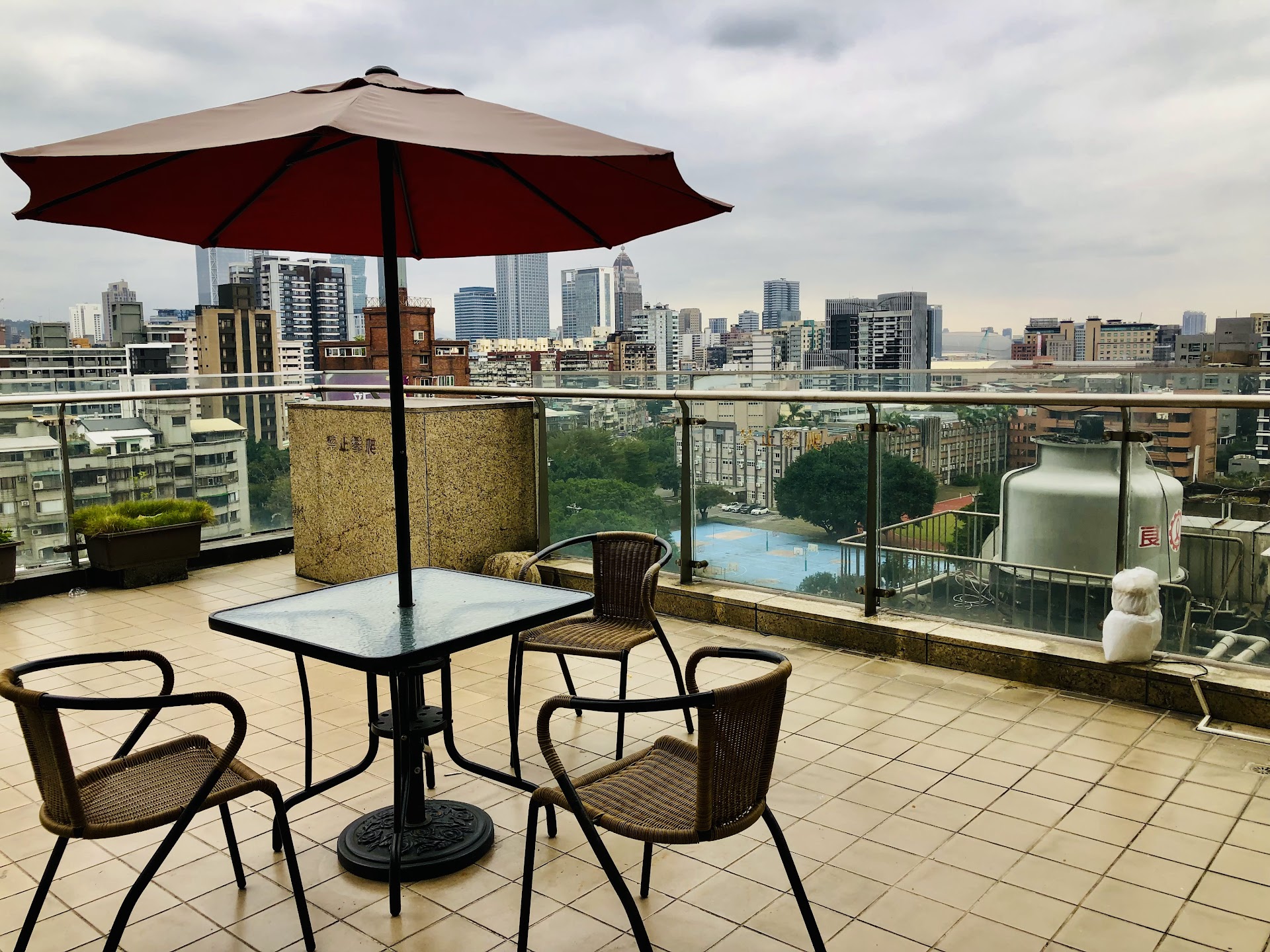 千尋墨問民宿 QIAN XUN MO WEN B&B⭐ 4.0 · 9.4/10 (95) · $106 /night
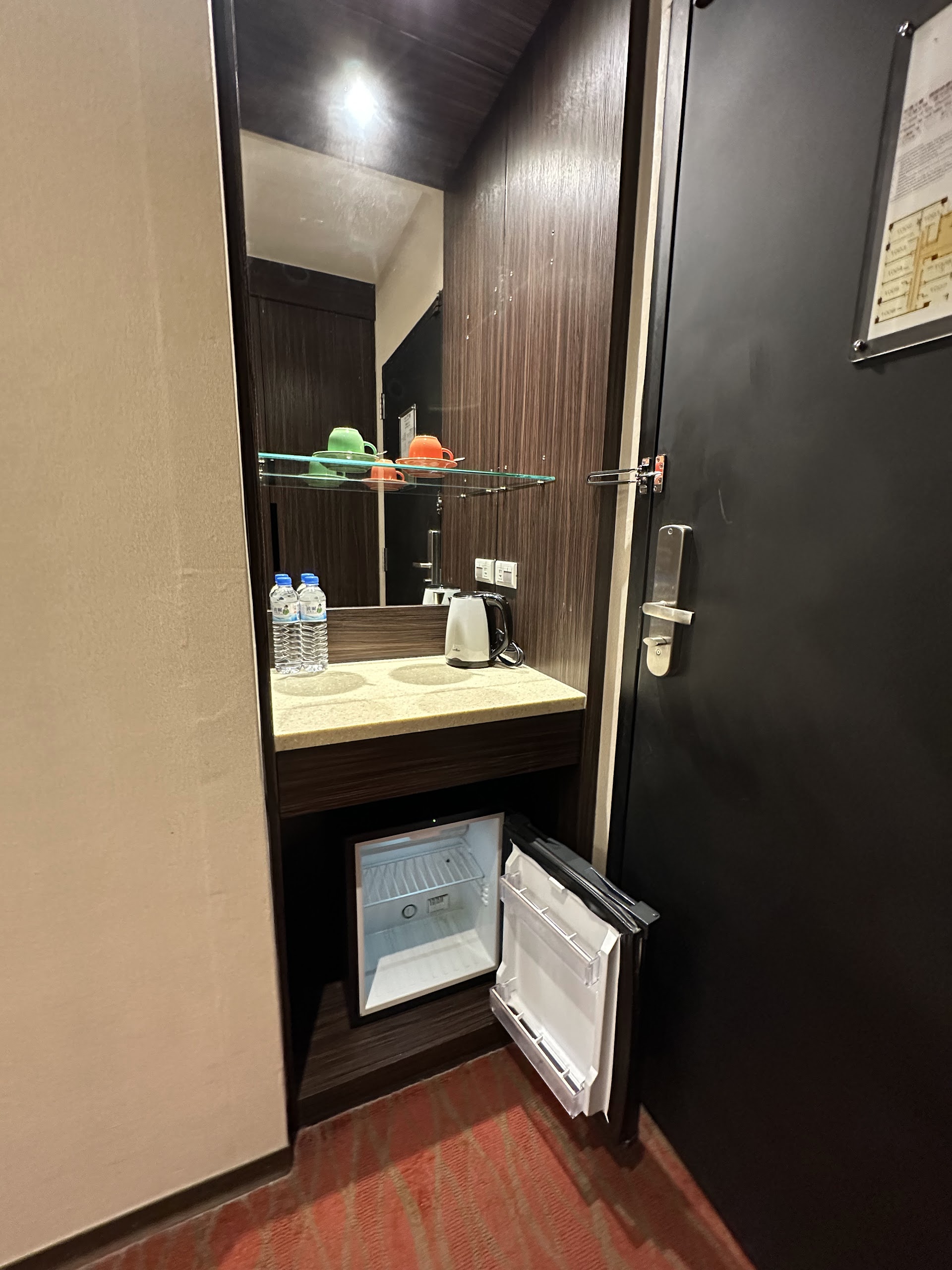 小穩居-Hermit Dorm-聖雄商旅⭐ 3.0 · 8.1/10 (153) · $50 /night
Agoda affiliate link — clicks go to the price-comparison page.