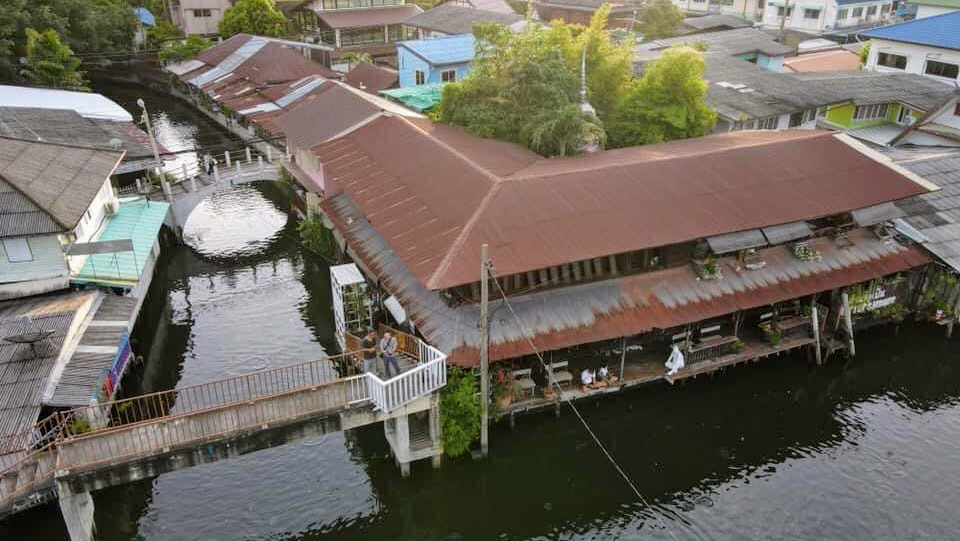
Bangkok doesn’t ease into the morning — it erupts. But at Khlong Toei Market, the largest wet market in Thailand, there’s a brief window around 5 AM when the city belongs entirely to the people who feed it. This is a walk through that window: the low light, the wet concrete, the first steam rising off a bowl of noodle soup before most visitors have set an alarm.
Best Timing
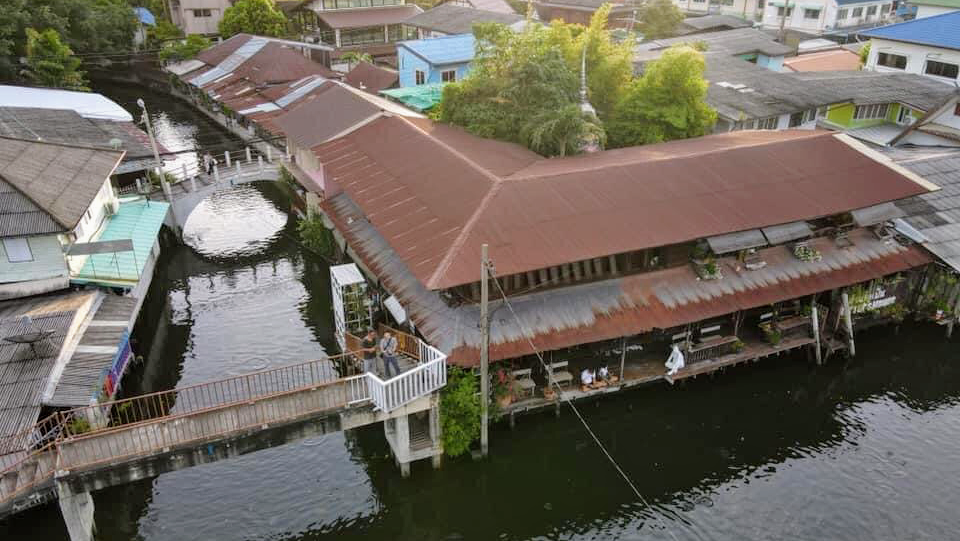
The sweet spot is 4:45 AM to 7:00 AM. By 4:30 AM, the wholesale traders are already deep into transactions — whole fish, stacked crates of morning glory, sacks of dried chilies. By 7:30 AM the retail crowd thickens and the narrow lanes fill shoulder-to-shoulder. Come in that narrow early window and you get the market at its most honest: working, unhurried, and lit by a mix of fluorescent tubes and the first grey-blue of dawn filtering through the corrugated roof panels.
November through February is the most comfortable stretch temperature-wise — lows around 24°C (75°F), low humidity. March through May is brutal by 8 AM, so the pre-dawn entry matters even more. Avoid national holidays and the days surrounding Songkran (mid-April) when wholesale supply chains pause and stall counts drop sharply.
Core Experiences
Fishmonger Row
The eastern edge of Khlong Toei is where the night’s catch lands first. Vendors sort reef fish, river prawns, live crabs, and squid under buzzing strip lights, working fast before the ice starts losing its grip. The smell is briny and immediate — this is exactly the sensory reality that no polished tourism reel includes, and it’s worth it. Watching a fishmonger fillet a snakehead fish in four practiced strokes is a kind of performance. Retail buyers — restaurant owners, home cooks from the neighborhood — are already haggling by 5:15 AM, pointing at specific fish with the familiarity of people who’ve done this every morning for twenty years.
- 📍 Eastern section, Khlong Toei Market, Khlong Toei District · 💰 Fish by weight — river prawns from ฿80/kg, sea bass from ฿120/kg · ⏰ 4:00 AM – 8:00 AM · ⭐ 4.7
- What locals know: The very best selection — largest fish, most variety — is gone by 6:00 AM. If you want to buy, arrive before 5:30 AM.
Fresh Herb and Produce Stalls
One lane west of the fish section, the produce tables are a lesson in Thai cooking fundamentals laid out in the open. Lemongrass bundled in fists, kaffir lime leaves stacked in perfect pyramids, galangal sliced fresh, pandan in long green ropes. The vendors here are almost exclusively women, many of them second or third generation at the same stall location. The color at this hour — deep greens, acid yellow, burnt orange turmeric root — is remarkable even in low light. This is where Bangkok’s restaurant kitchens source the aromatics that define the city’s flavor, bought in volumes that would last a home cook a month.
- 📍 Central produce lanes, Khlong Toei Market · 💰 Lemongrass ฿10/bunch, kaffir lime leaves ฿15/bag, galangal ฿20/piece · ⏰ 4:30 AM – 9:00 AM · ⭐ 4.6
- What locals know: Vendors will let you smell and touch before buying. A small purchase — even ฿20 of herbs — opens up genuine conversation about what each ingredient is used for.
Jok (Rice Porridge) Stall, Stall 7
Around 5:30 AM, when the cold of the early hour is still in your bones, the rice porridge stalls become the gravitational center of the market. Jok — Thai-style congee — comes thick and gently spiced, topped with minced pork, a soft poached egg, slivers of ginger, and a fistful of fried garlic. The stall that draws the longest line from the vendors themselves (always the most reliable signal) sits near the northern entrance and has been operated by the same family for over 30 years. The bowls are small, the price is low, and the ritual of eating here at 5:30 AM while the market hums around you is something that can’t be staged.
- 📍 Northern entrance area, Khlong Toei Market · 💰 ฿35–50 per bowl (pork, egg, or combined) · ⏰ 4:30 AM – 8:00 AM (sells out) · ⭐ 4.8
- What locals know: Order the khao tom mu (rice soup with pork) and add a raw egg dropped in at the table — it finishes cooking in the residual heat of the broth. Point and hold up fingers for quantity; no English needed.
Dried Goods and Spice Section
Deeper into the market, past the produce and meat stalls, a covered section houses Bangkok’s most concentrated dry goods market. Floor-to-ceiling shelves and open sacks of dried shrimp, tamarind paste, palm sugar blocks, shrimp paste in sealed tubs, five-spice powder, dried chilies ranked by heat level. The light is dimmer here and the pace is slower — this section doesn’t peak until 6:30 AM when restaurant supply buyers arrive. For the independent traveler, it’s the best place to buy genuinely local pantry staples at wholesale-adjacent prices. The tamarind paste and dried chilies here are fresher and significantly cheaper than airport shops or tourist markets like Chatuchak.
- 📍 Interior western section, Khlong Toei Market · 💰 Dried shrimp ฿60–120/100g, palm sugar ฿40/block, tamarind paste ฿25/pack · ⏰ 5:00 AM – 11:00 AM · ⭐ 4.5
- What locals know: Bring a small bag and buy only what you can fit in checked luggage — shrimp paste is sealed but customs regulations vary by country. Palm sugar and dried chilies travel easily.
Noodle Soup Alley
On the southeastern perimeter, a narrow lane of noodle stalls runs parallel to Ratchadaphisek Road. By 6:00 AM these stalls are at full speed — propane burners cranked high, stock pots at a rolling boil, cooks pulling noodles to order. The dominant dish here is kuay teow moo — pork noodle soup — in clear broth with rice noodles, pork balls, thin-sliced loin, bean sprouts, and a set of table condiments (fish sauce, sugar, chili flakes, chili vinegar) that allow complete personal calibration. Some stalls offer yen ta fo, a pink-broth noodle with tofu and seafood that’s polarizing and worth trying once. At ฿40–60 a bowl, this is the working breakfast of every vendor in the market.
- 📍 Southeastern perimeter lane, near Ratchadaphisek Rd, Khlong Toei Market · 💰 ฿40–60 per bowl · ⏰ 5:30 AM – 10:00 AM · ⭐ 4.7
- What locals know: The condiment set is meant to be used — don’t eat it straight from the bowl. Start with a half-spoon of fish sauce and a pinch of sugar; adjust from there. That’s how locals do it.
Recommended Route
This is a 2.5-hour loop that can be done entirely on foot inside the market.
- 4:45 AM — Arrive at the northern entrance (Rama IV Rd side). The wholesale energy is at its peak. Walk slowly east toward Fishmonger Row and spend 20 minutes observing the sorting and selling.
- 5:10 AM — Move west into the Fresh Herb and Produce section. The color and smell here is worth slowing down for. Budget 15 minutes.
- 5:30 AM — Head to the Jok stall near the northern entrance for breakfast. Sit, eat slowly, let the market move around you. 25–30 minutes.
- 6:15 AM — Walk the interior to the Dried Goods and Spice section. Browse and buy at your own pace. 30 minutes.
- 6:50 AM — Exit toward the southeastern perimeter for a bowl of noodle soup before the stalls fill. 30 minutes including eating.
- 7:20 AM — The market starts to shift from wholesale to retail; crowds build. Good time to exit back toward Rama IV Rd for a taxi or MRT.
Total distance inside the market: approximately 1.2 km of walking, all flat, covered sections.
Budget · Transport · Booking
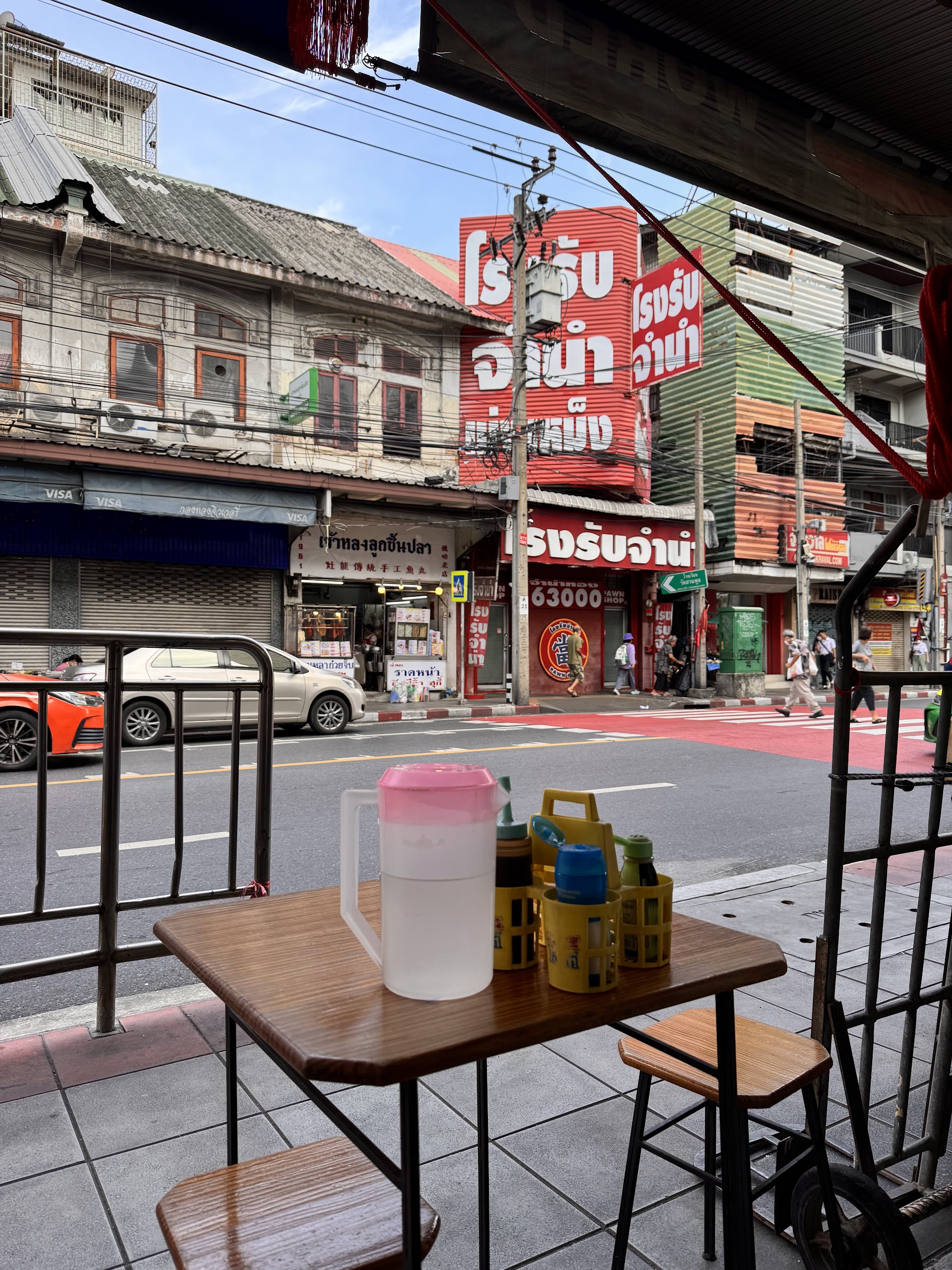
Getting there: The closest MRT station is Khlong Toei Station (Blue Line), a 7-minute walk to the market’s eastern entrance. At 4:45 AM the MRT isn’t running (first trains at ~6:00 AM), so most early visitors take a Grab taxi or metered taxi — budget ฿80–150 from Sukhumvit depending on traffic, which is essentially zero at this hour.
No booking required. The market is free to enter and operates on cash only for nearly all vendors.
Realistic day budget:
- Jok (rice porridge): ฿50
- Noodle soup bowl: ฿50
- Dried goods / herbs to take home: ฿100–200
- Round-trip taxi: ฿200–280
- Total: ฿400–580 (approximately $11–16 USD)
No advance reservations are needed for anything at Khlong Toei. The only constraint is time — arrive too late and the best stalls are done.
Must-Know Tips
- 💰 Cash only, small bills. Most stalls don’t accept cards or QR payment from foreign accounts. Carry ฿500–1,000 in small denominations (฿20, ฿50 notes).
- 👟 Wear shoes you don’t mind getting wet. The floors are hosed down regularly — sandals mean wet feet on wet concrete mixed with fish water. Closed shoes only.
- 📷 Ask before photographing vendors directly. A smile, a nod toward your camera, and waiting for a response takes three seconds and is universally appreciated. Wide shots of the market itself are fine anywhere.
- 🌡️ Bring a layer if you go before 6 AM. At 5 AM in the covered sections, it can feel surprisingly cool — the ice from the fish stalls and the shade of the roof keep temperatures 3–4°C below ambient.
- 🗣️ Thai numbers go a long way. Learning: หนึ่ง (neung/1), สอง (song/2), สาม (sam/3) plus pointing gets most transactions done faster than searching for a translation app.
- 🚫 Skip the perimeter tourist stalls. A handful of stalls near the main entrance sell pre-packaged snacks at tourist prices. The value and authenticity both drop sharply once you see English signs — walk past them and go deeper into the market.
Closing
Khlong Toei at 5 AM is a Bangkok that functions on its own terms — not for cameras, not for visitors, just for the next 10 million meals the city needs to eat. There’s something quietly clarifying about standing in that space before sunrise, holding a bowl of pork noodle soup that costs less than a dollar, while a fishmonger works ten feet away with the focus of someone who has never needed an audience. It’s the city at its most real.
If there’s one actionable thing to take from this: set the alarm for 4:30 AM, book a Grab the night before, and go on your first full day in Bangkok — before the rest of the trip has a chance to fill your calendar. The market doesn’t wait, and neither does the light.
🏨 Where to Stay
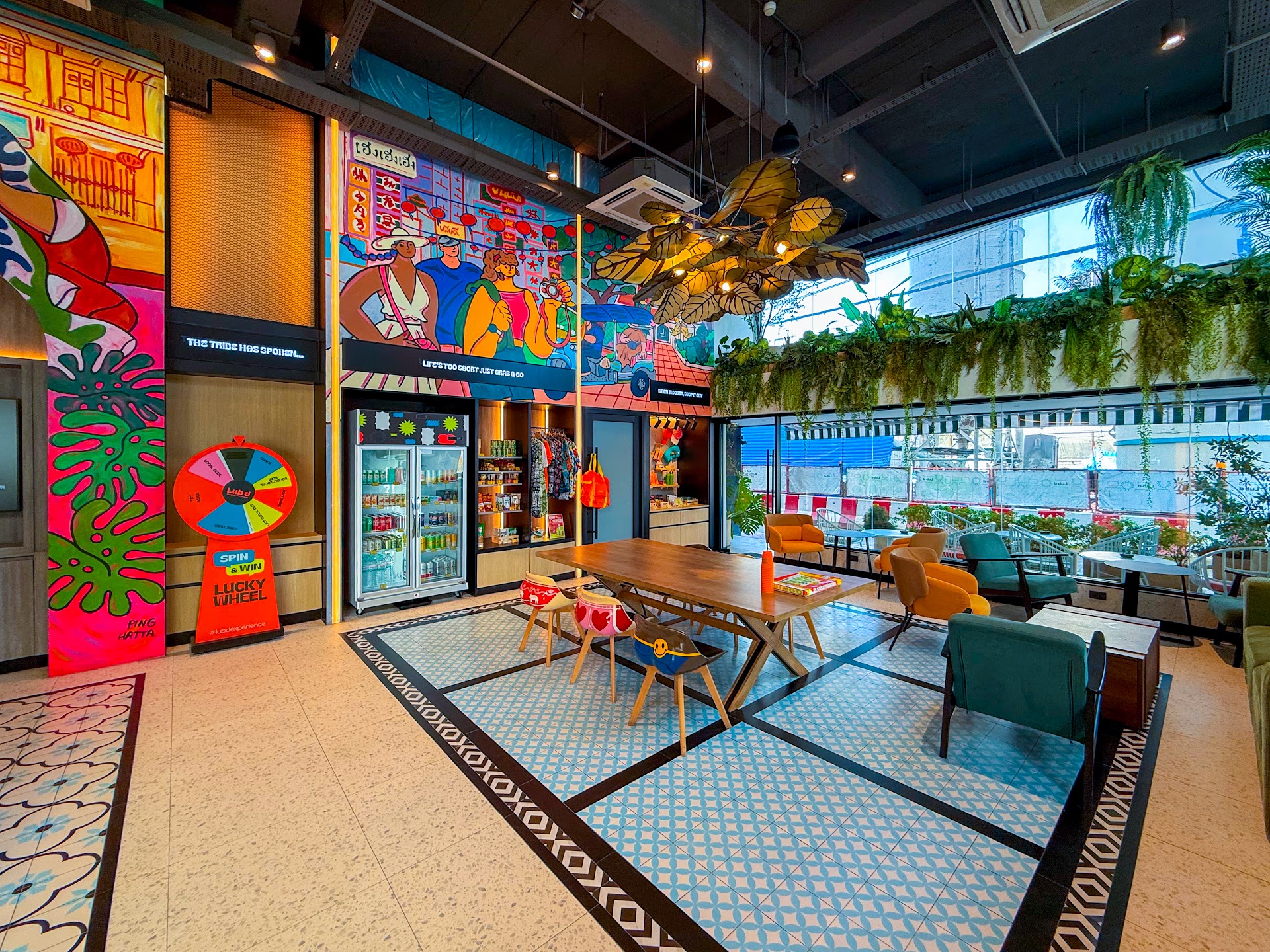
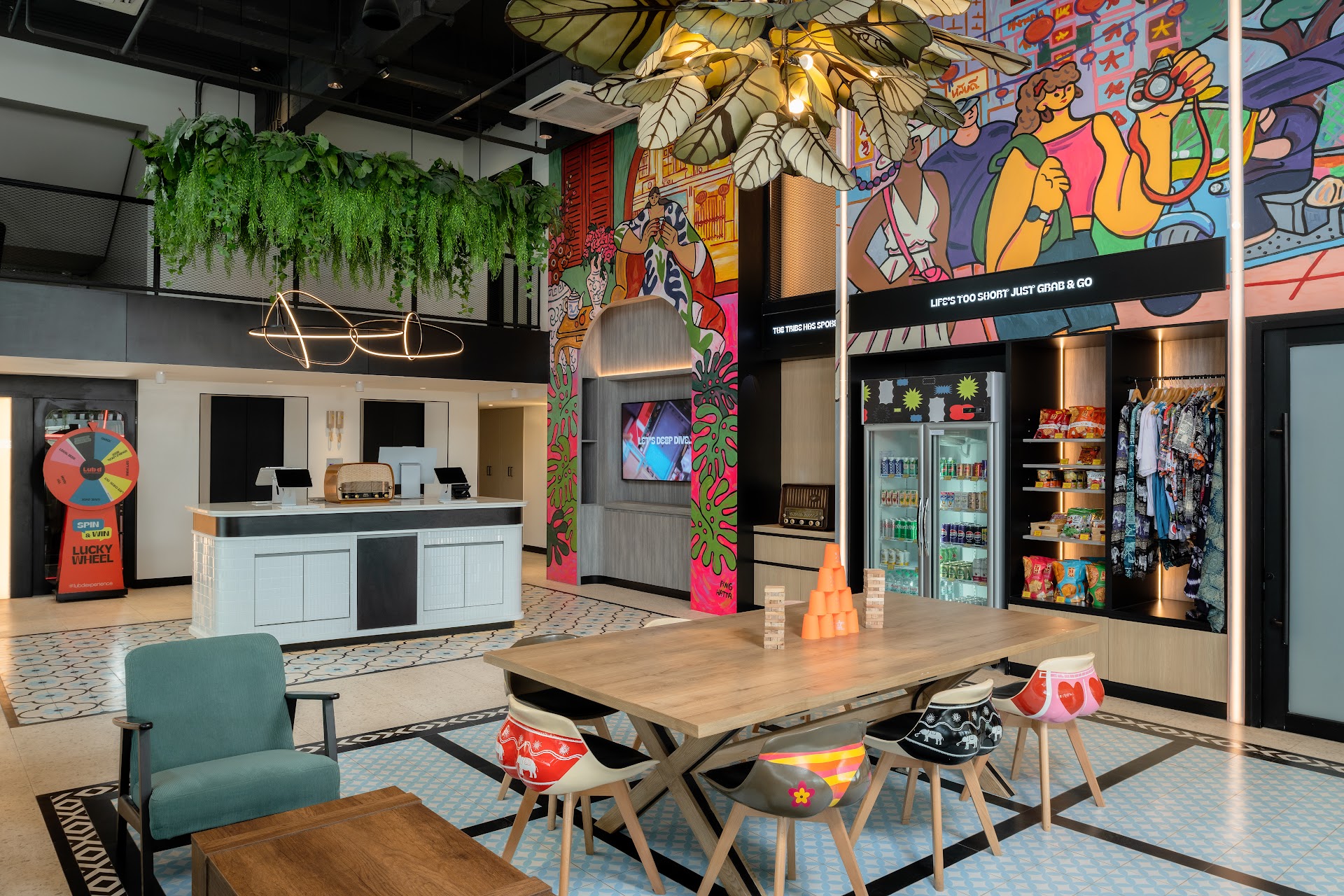 Lub d Bangkok Chinatown⭐ 3.0 · 9.2/10 (2,240) · $31 /night
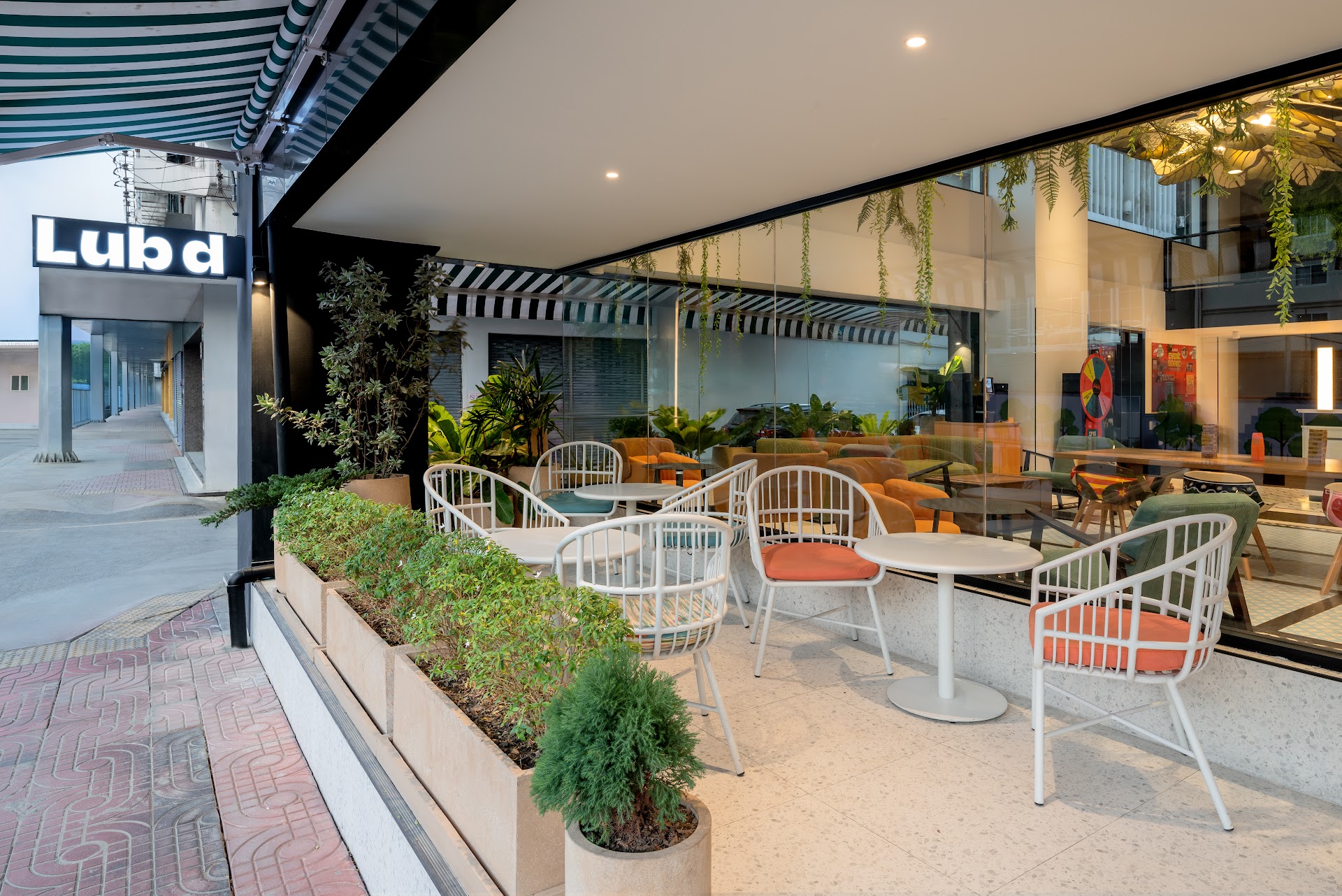 Sleep Withinn Hotel⭐ 3.5 · 7.7/10 (3,032) · $21 /night
 Lamphuhouse Bangkok⭐ 3.0 · 7.6/10 (136) · $16 /night
Agoda affiliate link — clicks go to the price-comparison page.