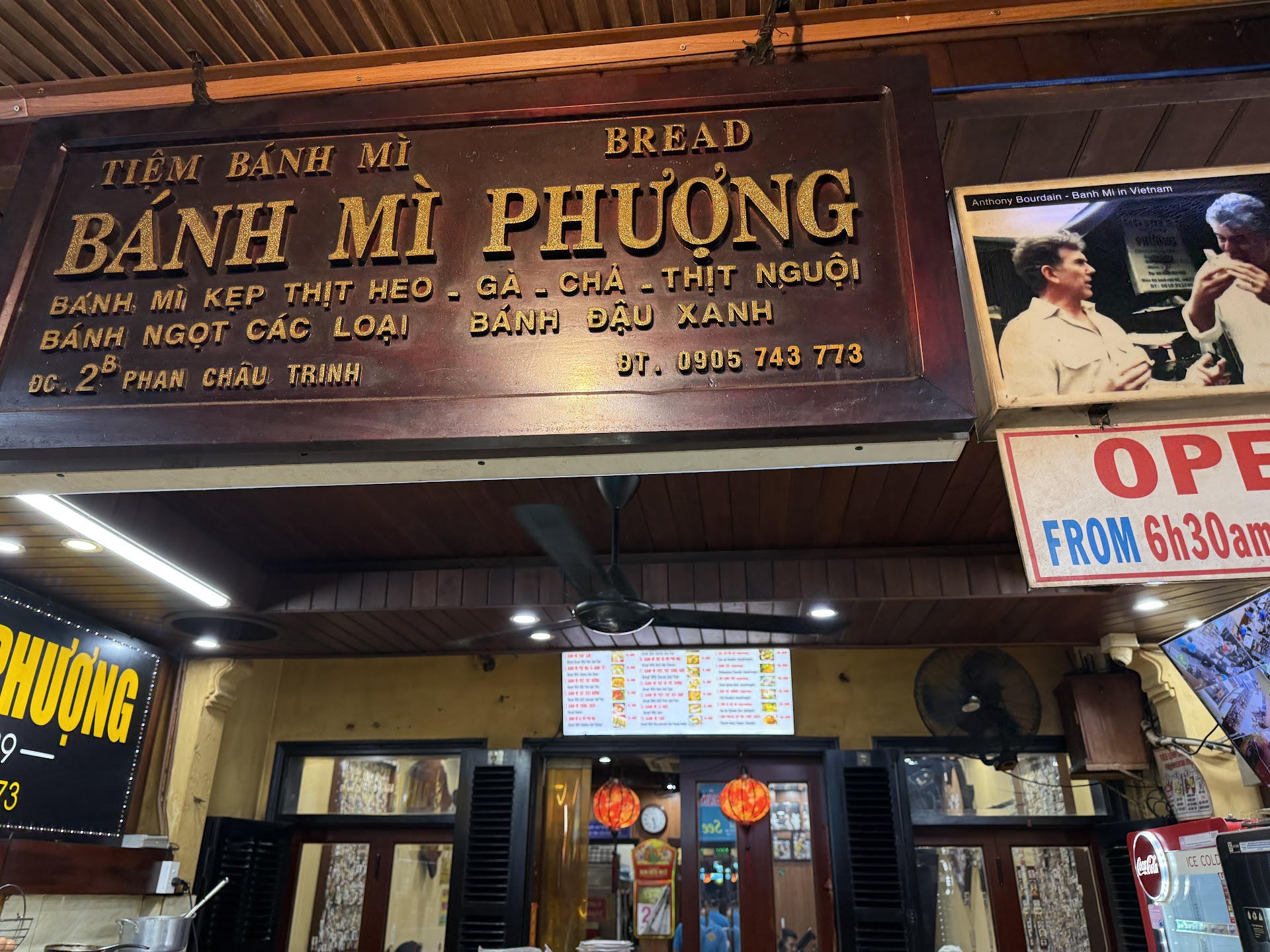
Before the lanterns are lit for the tourists, Hội An belongs to someone else entirely. At 5 AM, inside the Central Market and the narrow alley just behind it, bakers are sliding baguettes out of clay ovens, vendors are stacking towers of fresh herbs, and the air carries the kind of warm, yeasty smell that no travel reel has ever quite captured. This is the working heart of one of Vietnam’s most photographed towns — and it runs on a clock most visitors never see.
Best Timing
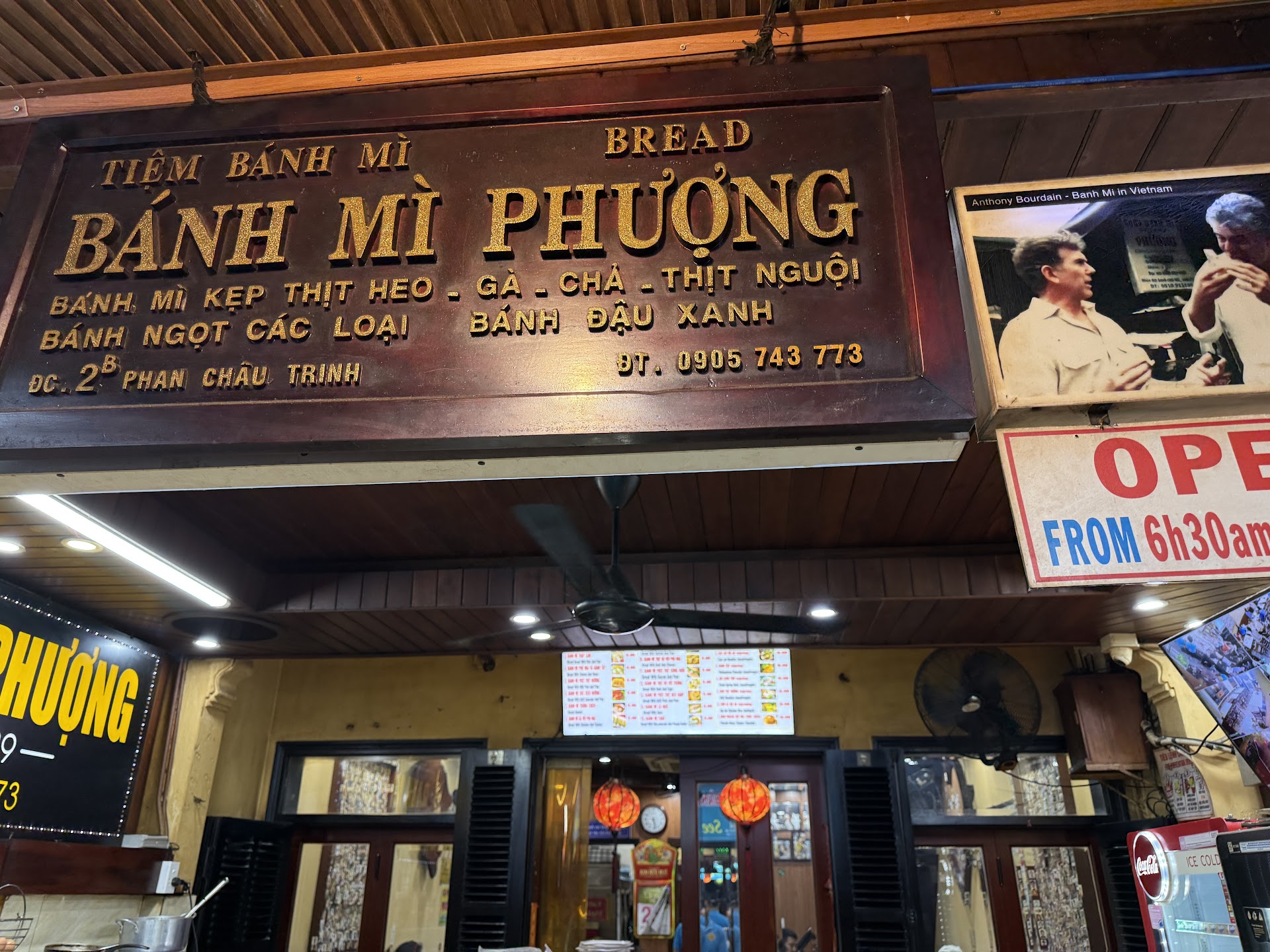
The sweet spot is 4:45 AM to 7:00 AM. Arrive before 5 AM and the stalls are still setting up — vendors arrange produce by the glow of clip-on LED lamps, bánh mì carts wheel into position, and the broth pots start their low, rolling simmer. By 6:30 AM the market is at full hum; by 7:30 AM the first tour groups appear and the atmosphere shifts. The whole window you want is roughly 90 minutes, so a 4:50 AM arrival is ideal.
For weather, February through April is the most comfortable: dry air, mild mornings around 22–24°C (72–75°F), and the soft pre-dawn light that photographers chase. Avoid October and November — Hội An floods regularly during typhoon season and the market can be disrupted. Tuesday and Friday are the busiest market mornings (traditional trading days), which means more vendors and more energy, but also slightly more foot traffic even at dawn.
Core Experiences
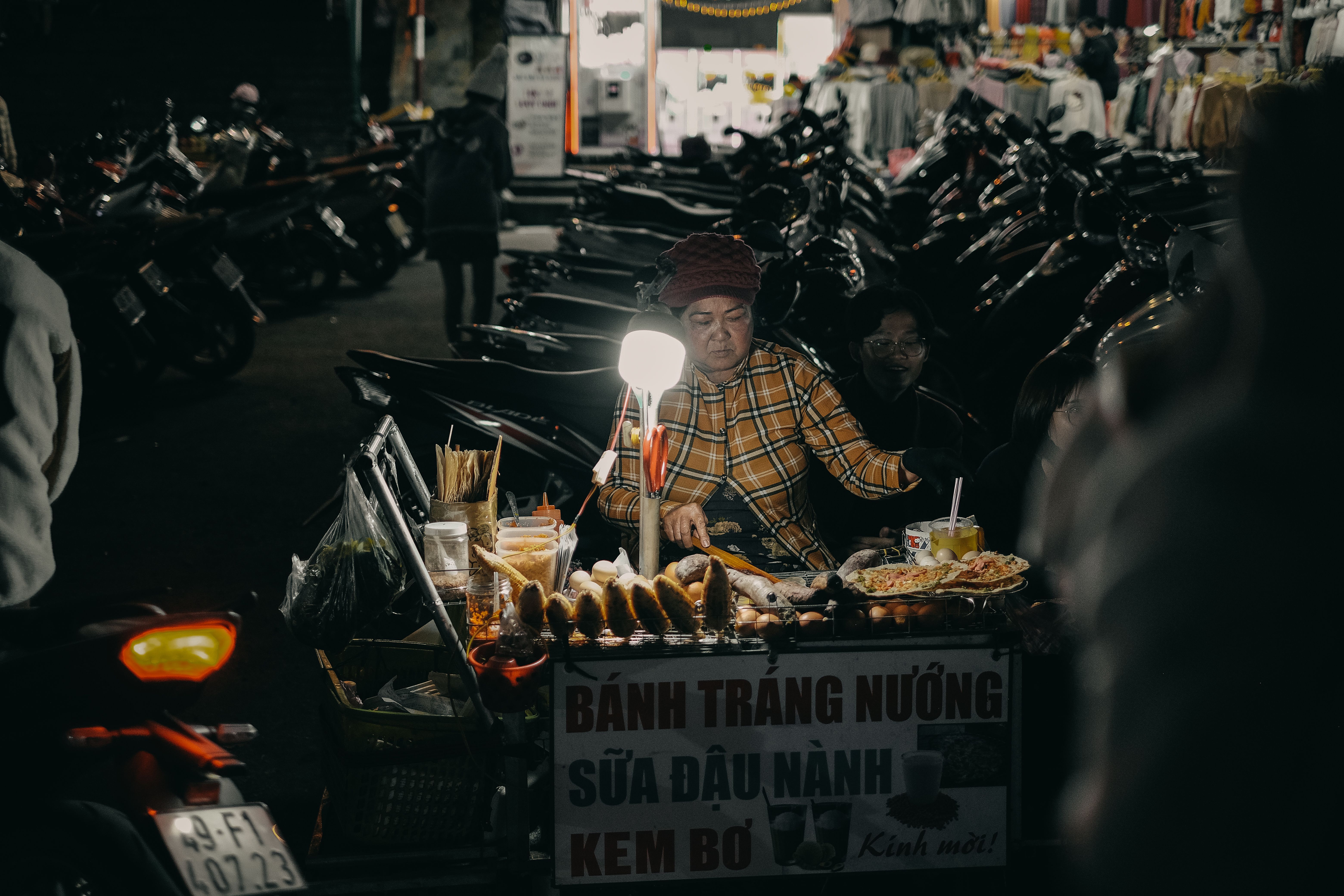
Bà Hiền’s Bánh Mì Cart
This cart has held the same corner position — just inside the north entrance of Hội An Central Market on Trần Phú Street — for over 25 years. Bà Hiền (or whoever is working her cart that morning) moves with the efficiency of someone who has assembled thousands of baguettes before dawn. The bread arrives from a local bakery two streets away, still warm enough to steam when split. The filling is the classic central Vietnamese build: house-made pâté, pickled daikon and carrot, sliced pork roll, a smear of butter, fresh cilantro, and a few slices of jalapeño if you nod yes. The crust crackles. The inside is soft. It costs less than a dollar fifty and it is, without qualification, one of the most satisfying things on the menu of this entire town.
- 📍 North entrance, Hội An Central Market, Trần Phú Street · 💰 25,000–35,000 VND (~$1–1.50) · ⏰ 4:30 AM – 8:00 AM · ⭐ 4.8
- What locals know: Point at the pâté and say “thêm pâté” (more pâté) — the default portion is conservative for first-timers.
Phở Gà & Cháo Stalls (Row C, Central Market)
Deep inside the covered market, past the vegetable sellers and the towers of dragonfruit, a row of four or five women run side-by-side soup stalls from folding tables and propane burners. The specialty here is phở gà — chicken pho, not beef — with a broth that has been going since 3 AM, golden and clean with star anise and ginger. Next to it: cháo, a rice congee ladled over shredded chicken and topped with fried shallots and a drizzle of ginger fish sauce. Both dishes are served in plastic bowls with a side of fresh herbs you tear yourself. The women who run these stalls do not speak much English, but they do understand a held-up index finger (one bowl) and a thumbs-up.
- 📍 Row C, interior section, Hội An Central Market · 💰 30,000–45,000 VND (~$1.25–1.90) · ⏰ 4:00 AM – 9:00 AM · ⭐ 4.6
- What locals know: The cháo sells out faster than the phở — if you want it, go before 6:30 AM.
The Bánh Mì Bakery Alley (Ngõ Bà Triệu Lane)
One block east of the market’s main entrance, a short unnamed lane runs between two old shophouses. This is where the bread actually comes from. Two family-run bakeries operate wood-fired and gas-assisted ovens starting at 3:30 AM, and by 5 AM the lane is stacked with wire racks of baguettes cooling in the open air. The smell here — warm wheat, a faint char, something almost buttery — is exactly what the video title promises. Neither bakery has a sign in English. The one on the left (green door, single bare bulb outside) sells individual baguettes to walk-in customers for 5,000 VND each. The bread is made to a French-influenced recipe introduced during the colonial period and quietly perfected over generations.
- 📍 Ngõ Bà Triệu lane,
80m east of Central Market north entrance · 💰 5,000 VND per baguette ($0.20) · ⏰ Baking from 3:30 AM; walk-in sales from ~5:00 AM · ⭐ 4.7 - What locals know: Come back at 5:15 AM for the second pull from the oven — the first batch goes almost entirely to the market cart vendors.
Herb & Produce Vendors (South Hall, Central Market)
The south end of the market is the vegetable and herb section, and at dawn it is as close to sensory overload as a quiet place can get. Vendors unpack bundles of rau răm (Vietnamese coriander), húng quế (Thai basil), kinh giới (lemon balm), banana blossoms, lotus stems, and morning glory in neat parallel rows under fluorescent lights. The colors — deep purple shallots, white garlic bulbs, neon-green herbs against wet concrete — are genuinely stunning in the low light. This is also where you get a ground-level sense of how the local kitchen actually works: which herbs go together, what a real bunch of cilantro looks like versus the stuff sold at a tourist-facing stall, and how a market economy moves without receipts.
- 📍 South Hall, Hội An Central Market, off Nguyễn Hoàng Street · 💰 Free to wander; herbs from 5,000–15,000 VND per bundle · ⏰ 4:00 AM – 10:00 AM · ⭐ 4.5
- What locals know: Vendors here prefer you not to touch produce before buying — point, they pick, they hand it to you. Nod and smile and the interaction is warm.
Cà Phê Vợt (Sock Coffee) Corner, Near Market Gate
About 40 meters from the market’s west gate, a man named Chú Thành — or someone very like him, this corner has had a sock-coffee vendor for at least 30 years — brews cà phê vợt from a stained cloth filter the size of a gym sock. He presses coarse-ground robusta through the filter into a tin pot, then pours it over ice or condensed milk depending on how you gesture. The result is dense, slightly bitter, with a roasted-grain depth that the drip-filter cafés around the Old Town don’t replicate. There is no menu, no sign, no app listing. There are four plastic stools and, usually, four regulars who sit here every single morning.
- 📍 West gate area, Hội An Central Market, near junction with Nguyễn Thái Học St · 💰 15,000–20,000 VND (~$0.60–0.85) · ⏰ ~4:30 AM – 8:00 AM (sells out when the coffee is gone) · ⭐ 4.9
- What locals know: “Cà phê đá” = iced coffee, “cà phê sữa đá” = iced coffee with condensed milk. Two words and you’ll get exactly what you want.
Recommended Route
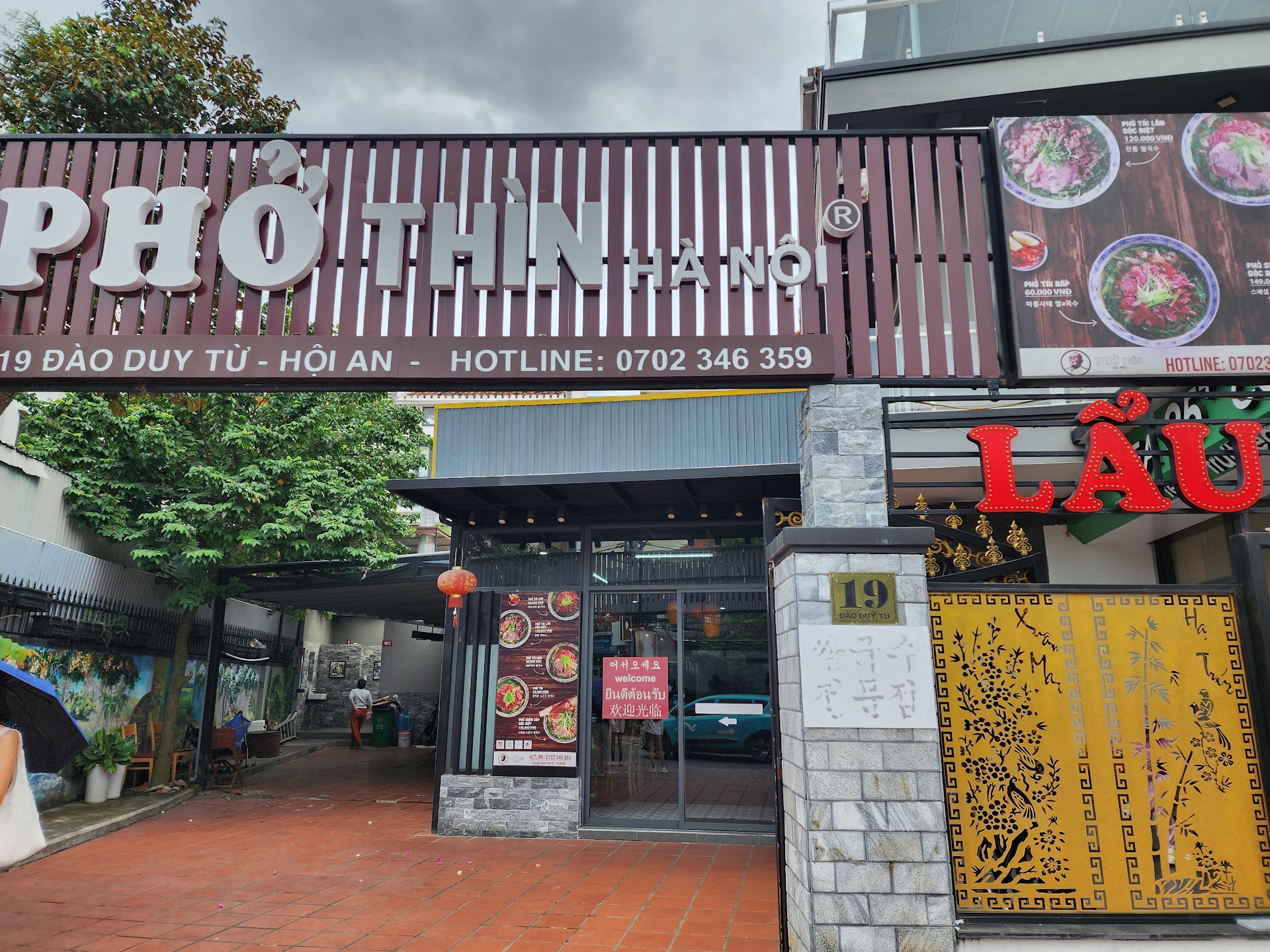
This is a 90-minute on-foot wander, no transport needed. Wear comfortable shoes — the market floor is wet in the early hours.
4:50 AM — Arrive at the north entrance of Hội An Central Market on Trần Phú Street. Walk slowly through the outer perimeter where vendors are still setting up. Don’t rush.
5:00 AM — Stop at Bà Hiền’s bánh mì cart. Order one sandwich. Eat it standing up, watching the market come to life around you. (~10 minutes)
5:15 AM — Walk the short block east to Ngõ Bà Triệu lane. Stand in the bakery alley and absorb the smell of fresh bread. Buy a plain baguette if you want. (~10 minutes)
5:30 AM — Return to the market interior and head to Row C for a bowl of phở gà or cháo. Sit, eat slowly. This is the meal. (~20 minutes)
6:00 AM — Wander through the South Hall herb and produce section. No agenda — just look, smell, photograph if the vendors are comfortable. (~15 minutes)
6:20 AM — Exit via the west gate and find the cà phê vợt corner. Sit on a plastic stool, drink slowly, watch the motorbikes start to multiply on the street. (~15 minutes)
6:40 AM — Walk back along Nguyễn Thái Học Street toward the Old Town. By now the light is golden. The tourists won’t arrive for another hour.
Budget · Transport · Booking
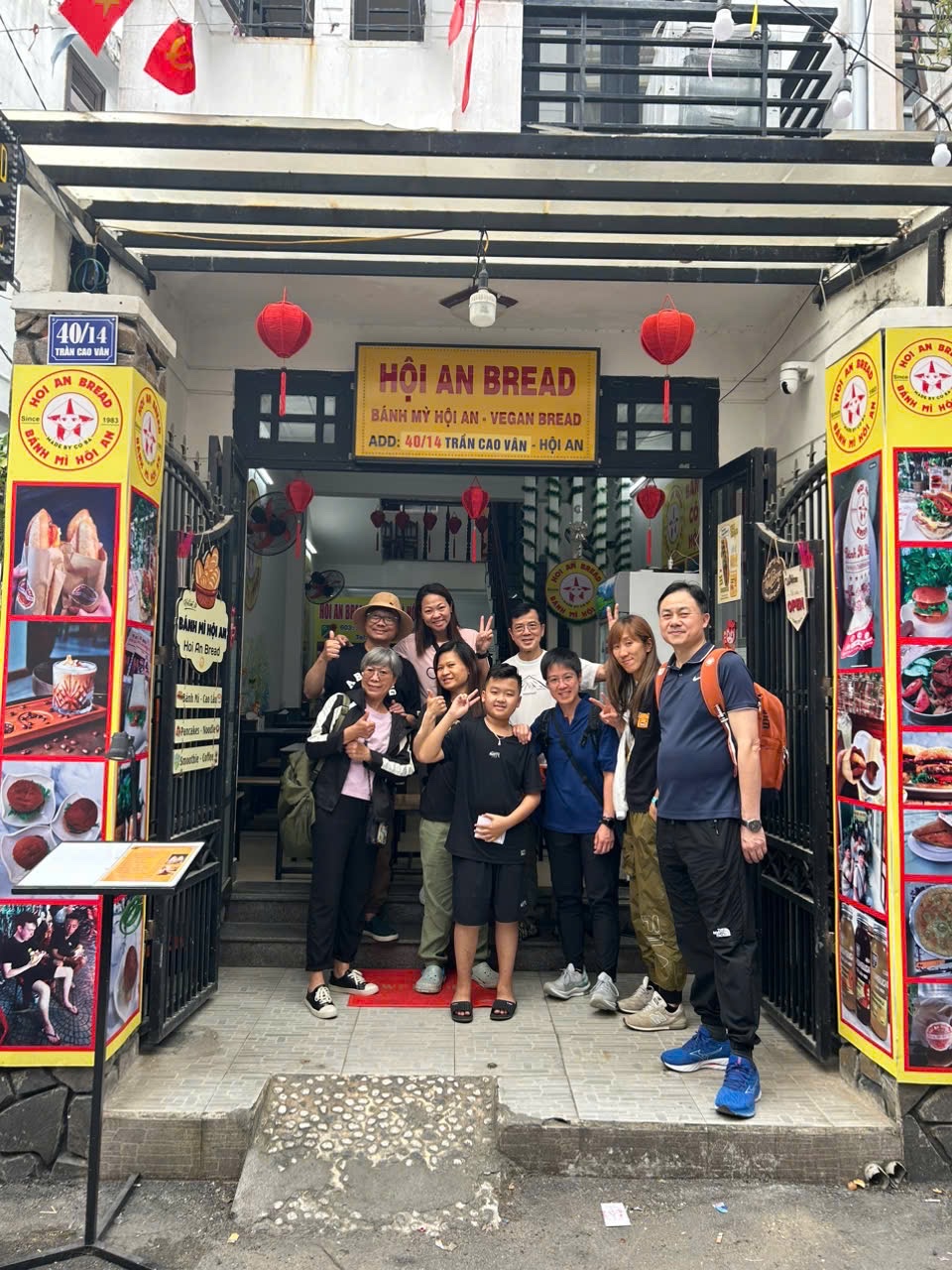
Total morning budget: $5–8 USD covers everything — bánh mì, a soup bowl, coffee, and a baguette to carry home.
| Item | Cost |
|---|---|
| Bánh mì (Bà Hiền) | ~$1.25 |
| Phở gà or cháo | ~$1.75 |
| Cà phê vợt | ~$0.75 |
| Baguette from bakery lane | ~$0.20 |
| Total | ~$4–5 |
Getting there: Hội An Central Market is in the Old Town, roughly 2 km from most guesthouses in the An Hội area. At 4:45 AM, a Grab motorbike taxi costs about 25,000–35,000 VND ($1–1.50). Many small hotels are within 10–15 minute walking distance. Cycling is possible — Hội An is flat and bike rentals are 50,000–80,000 VND/day from most guesthouses.
Booking: Nothing here requires a reservation. This is a cash economy — bring small bills (5,000, 10,000, 20,000 VND). ATMs are available near the market on Trần Phú Street if needed. No entrance fee for the market itself.
Must-Know Tips
- 💰 Cash only, small bills. Vendors at this hour don’t carry change for 200,000 VND notes. Carry 5K and 10K bills.
- 📸 Ask before photographing vendors. A smile and a gesture toward your camera works well. Most vendors are fine with it; a few are not. Respect the no.
- 👕 Dress light but not beachwear. This is a working market and a practical space. Shorts are fine; a light layer helps against the pre-dawn chill (18–22°C in cooler months).
- 🌧️ Check the rain forecast. The outdoor sections of the market get genuinely wet when it rains. A small packable rain jacket is worth carrying October through January.
- 🕐 Don’t linger past 7:15 AM. The Old Town tour groups arrive and the entire atmosphere of the market shifts. The magic window is real and finite.
- 🗣️ Learn three words: “Bao nhiêu?” (how much?), “Ngon quá” (so delicious), and “Cảm ơn” (thank you). Using them will get you smiles all morning.
Closing
There is a version of Hội An that runs on tourist hours — lantern festivals, cooking classes, tailor shops opening at 9 AM. And then there is this version: the one that starts at 4:30 AM in a lit-up market, where a woman has been making the same sandwich for 25 years and a man pours coffee through a cloth filter into a tin pot and no one is performing anything for anyone. It’s not hidden, exactly — it’s just early. Set an alarm, skip the hotel breakfast, and walk toward the smell of warm bread. The city will reward you for showing up before the crowds do.
Actionable takeaway: Book accommodation within 15 minutes’ walk of the Old Town market, set your alarm for 4:40 AM on your first full day, and arrive at the north market entrance before 5 AM. Everything else on this list will follow naturally.
🏨 Where to Stay
 The Signature Hoi An⭐ 5.0 · 9.2/10 (2,297) · $85 /night
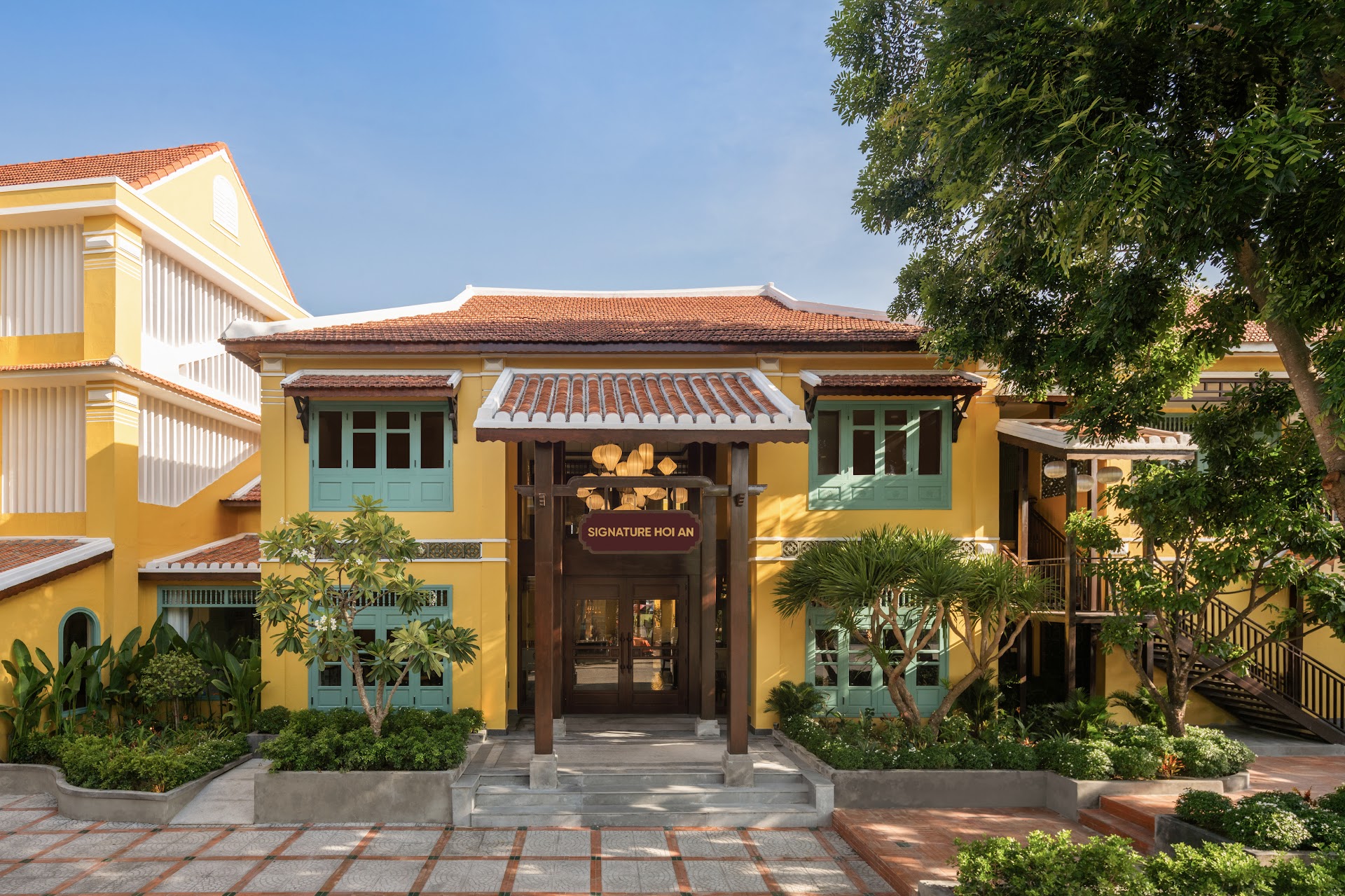 Ancient Town Hotel⭐ 4.0 · 9.1/10 (820) · $30 /night
 Lantana Boutique Hoi An Hotel⭐ 4.0 · 9.0/10 (3,473) · $62 /night
Agoda affiliate link — clicks go to the price-comparison page.