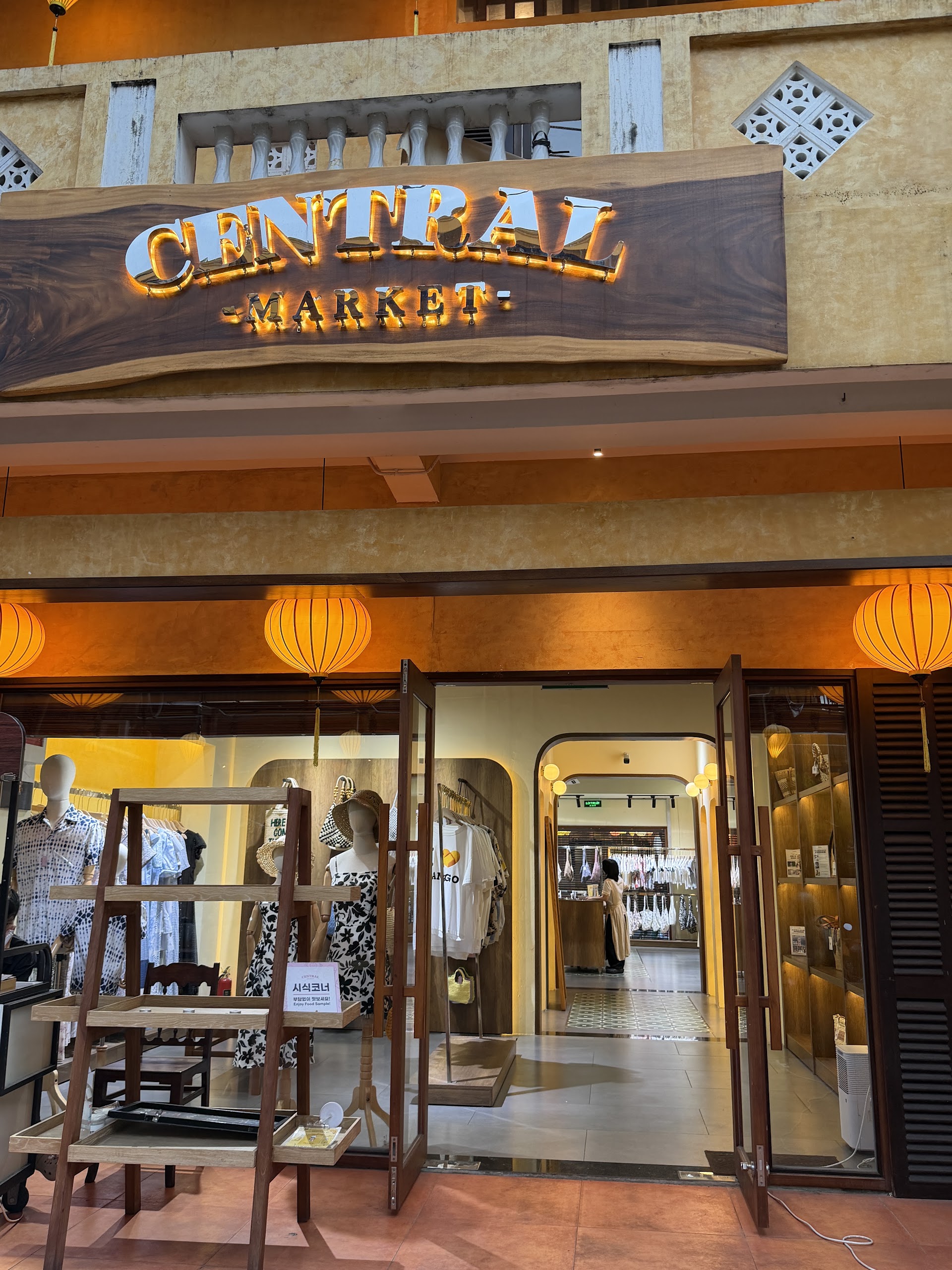
The Hội An alley that smells like fresh bread at 5 AM
Before the lanterns are lit for tourists and the tailors roll up their shutters, Hội An belongs to someone else entirely. At 5 AM, the Central Market district runs on charcoal smoke, lamplight, and the unmistakable yeast-and-butter scent of bánh mì baking in cast-iron molds — and if you show up then, you’ll see a version of this ancient trading town that most visitors never find.
Best Timing
The single best window is 4:45 AM to 7:30 AM, year-round. Hội An’s Central Market lane vendors begin setup around 4:30 AM; by 8 AM the tour groups arrive and the quiet is gone. The cooler dry season — November through February — makes the early wake-up far more comfortable, with temperatures around 20–24°C and low humidity. March through August works too, but expect warmth even before dawn; bring a light layer for the ceiling fans in the covered market stalls.
Crowd patterns matter here: weekdays are noticeably calmer than weekends, when domestic Vietnamese day-trippers from Đà Nẵng (45 minutes north) fill the lanes by 7 AM. If you’re visiting on a weekend, push your alarm even earlier — 4:30 AM gets you ahead of everyone.
Core Experiences
Hội An Central Market (Chợ Hội An)
The covered Central Market is the anchor of the whole morning. Under its corrugated roof, vendors lay out towers of fresh herbs — rau răm, húng quế, kinh giới — with a precision that looks almost architectural in the low sodium light. The floor is wet from the morning hose-down; the air smells of lemongrass and fish sauce warming on small burners. This is where the town’s restaurant kitchens source their ingredients before 6 AM, so what you see here is not a performance for visitors — it’s the real supply chain of Hội An’s food scene in motion.
- 📍 Trần Phú St & Nguyễn Huệ St intersection, Hội An Old Town · 💰 Free entry · ⏰ Opens ~4:00 AM, best before 7:00 AM · ⭐ 4.7
- What locals know: The northeast corner of the market (near the river-facing entrance) has the freshest produce because those vendors unload river-barge deliveries first. Head there first.
Bánh Mì Cart Alley (Hẻm Bánh Mì)
About 90 meters west of the market’s main entrance, a narrow lane — barely wide enough for a motorbike — hosts three or four bánh mì carts that have been operating before sunrise for decades. The bread itself is baked in small batches in cylindrical cast-iron presses over charcoal; the crust shatters audibly when you break it. Fillings at this hour are straightforward: pâté, headcheese, pickled daikon, fresh cucumber, a smear of chili sauce. No fusion, no avocado, no Instagram-optimized plating. Just the thing itself, handed to you in a sheet of newspaper, costing less than a dollar.
- 📍 Hẻm 3, off Trần Phú St (look for charcoal smoke), Hội An · 💰 15,000–25,000 VND (~$0.60–$1.00) · ⏰ 4:30 AM – 7:00 AM, sell out by 7:30 AM · ⭐ 4.8
- What locals know: The cart on the far left (closest to the river) uses butter from a small dairy in Đà Lạt — the bread has a noticeably richer crumb. Arrive before 6 AM or the pâté runs out.
Hội An Ancient Town River Walk (Bạch Đằng Riverside)
Two blocks south, the Thu Bồn River sits dark and still at 5 AM. Wooden fishing boats — painted blue and rust-red — are moored along Bạch Đằng Street, and a handful of older residents do their morning tai chi on the embankment while the sky shifts from black to deep indigo. The famous Japanese Covered Bridge is a five-minute walk west along this riverbank; at this hour, there is genuinely no one on it. The lanterns that line the Old Town eaves begin to glow against the pre-dawn sky here in a way that no midday photograph captures.
- 📍 Bạch Đằng St, along Thu Bồn River, Hội An · 💰 Free · ⏰ Best 5:00–6:30 AM · ⭐ 4.9
- What locals know: Facing east at around 5:45 AM (Nov–Feb), the rising light hits the water and the boat hulls simultaneously — the best unobstructed photograph spot is from the small wooden pier near the Bach Dang Wharf boat landing.
Cô Loan Xôi Stall (Sticky Rice Corner)
If bánh mì is the headliner, xôi — Vietnamese sticky rice — is the quietly essential supporting act. Cô Loan has run her stall on a street corner near the market for over twenty years, setting up by 4:00 AM and selling out completely by 7:00 AM. The xôi comes piled into a banana leaf: purple sticky rice with mung bean paste, a scattering of fried shallots, and a drizzle of coconut cream. It is dense, sweet-savory, and genuinely filling. Locals on motorbikes stop, order without getting off, and eat on the move.
- 📍 Corner of Hoàng Diệu & Phan Châu Trinh St, Hội An · 💰 10,000–20,000 VND (~$0.40–$0.80) · ⏰ ~4:00 AM – 7:00 AM (sells out) · ⭐ 4.6
- What locals know: Ask for xôi lá cẩm (purple sticky rice) specifically — the plain white version is good but the purple has more depth. Point and hold up fingers for quantity if the language barrier feels daunting.
Hội An Flower Market (Chợ Hoa Sáng)
In the final stretch of the morning, about 200 meters northeast of the Central Market, a pop-up flower market assembles on the sidewalk between roughly 5:00 and 7:30 AM. Vendors from outlying villages cycle in with buckets of marigolds, chrysanthemums, and lotus blooms balanced on rear racks. The flowers are destined for ancestor altars and temple offerings throughout town — not boutique vases — so the prices are practical and the mood is matter-of-fact. In the early light, the yellow and orange of the marigolds against the old mustard-yellow plaster walls is the kind of color palette that no filter improves.
- 📍 Nguyễn Thị Minh Khai St, near the north entrance of Chợ Hội An · 💰 Free to browse; bundles 10,000–50,000 VND · ⏰ 5:00 AM – 7:30 AM daily · ⭐ 4.5
- What locals know: The widest selection and freshest stems arrive between 5:15 and 5:45 AM. By 7 AM, vendors begin packing the unsold blooms back onto their bikes.
Recommended Route
Half-day itinerary — block out 3 hours, starting at 4:45 AM:
- 4:45 AM — Arrive at Chợ Hội An (Central Market). Walk the interior perimeter, northeast corner first. (~25 min)
- 5:10 AM — Head west on Trần Phú St to Hẻm Bánh Mì. Order at the left-side cart, eat while walking. (~20 min)
- 5:30 AM — Walk south 2 blocks to Bạch Đằng Riverside. Stroll east toward the Japanese Bridge. Watch the sky change. (~30 min, photography stop)
- 6:00 AM — Double back northeast on foot (8 min walk) to Cô Loan’s xôi corner. Eat on the curb. (~15 min)
- 6:15 AM — Walk 3 minutes northeast to the Flower Market on Nguyễn Thị Minh Khai St. Browse; photograph the marigold vendors. (~30 min)
- 6:45 AM — Return to your accommodation or find a café before the first tourist wave at 7:30 AM.
Total walking distance: approximately 1.8 km on flat ground. No hills, no difficult terrain.
Budget · Transport · Booking
No advance booking required for any of these stops. Everything is walk-up, cash only.
| Item | Estimated Cost |
|---|---|
| Bánh mì (1 sandwich) | $0.60–$1.00 |
| Xôi sticky rice (1 portion) | $0.40–$0.80 |
| Market browsing | Free |
| Flower market | Free to browse |
| Total food budget | $1.50–$3.00 |
Getting there: Hội An Old Town is car-free in the central lanes. From most Old Town hotels, walking is the only option — and, at 5 AM, it’s also the most atmospheric one. From outside the Old Town, a grab bike (Vietnam’s equivalent of Uber Moto) costs roughly 25,000–40,000 VND from Đà Nẵng’s airport is a separate trip (~45 min, ~$8–10 by private car or $5 by shared shuttle). There is no public bus that runs at 4:45 AM.
Cash is essential. None of these vendors accept cards or digital payment. Bring small bills — 10,000 and 20,000 VND notes are ideal. ATMs are available on Trần Hưng Đạo St (open 24 hours).
Must-Know Tips
- 🕓 Set two alarms. The 4:45 AM window is not flexible — the bánh mì carts genuinely sell out, and the riverside is only deserted before 6:30 AM.
- 💵 Small bills only. Vendors rarely have change for 200,000 VND (~$8). Withdraw cash the night before and break it at a convenience store.
- 👟 Wear shoes you don’t mind getting damp. The market floors are hosed down before vendors set up; sandals work but closed-toe shoes stay cleaner.
- 📷 Ask before photographing vendors close-up. A smile and a gesture toward your camera usually gets a nod. Don’t photograph people eating without permission.
- 🌧️ Check the forecast. Hội An floods quickly in heavy rain (October–November is peak rainy season). The market operates in light rain, but heavy downpours close the riverside walk.
- 🗣️ Learn two phrases: Cảm ơn (thank you, pronounced “cahm uhn”) and Bao nhiêu? (how much?). Vendors appreciate the effort and it often results in a friendlier interaction.
Closing
Hội An at 5 AM is the town before it becomes a backdrop — a working place where bread burns on charcoal and flowers are sold for altars, not decoration. The tourist version of Hội An is genuinely beautiful; the pre-dawn version is something rarer: a city going about its actual life, indifferent to the gaze of visitors, and all the more worth watching for it.
The one actionable takeaway: set that alarm, walk out of your hotel before 5 AM, and follow the smell of smoke and bread. Everything on this route is within a ten-minute walk of the Old Town center — no planning required beyond showing up early.
🏨 Where to Stay
 The Signature Hoi An⭐ 5.0 · 9.2/10 (2,376) · $132 /night
 Emerald Hoi An Riverside Resort⭐ 4.0 · 8.8/10 (6,288) · $74 /night
 Son Hoi An Boutique Hotel & Spa⭐ 4.0 · 9.0/10 (3,713) · $62 /night
Agoda affiliate link — clicks go to the price-comparison page.