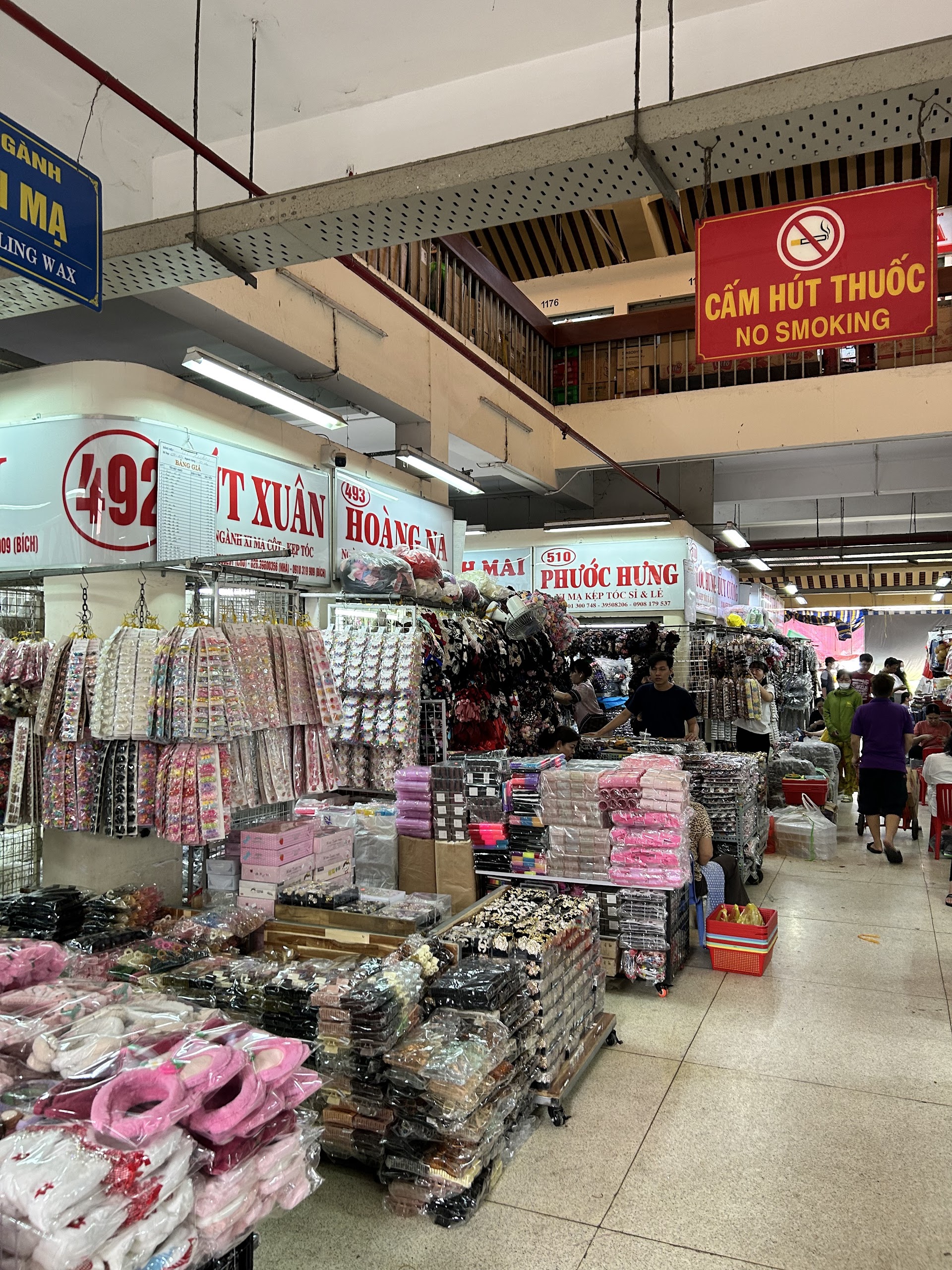
The city of Ho Chi Minh City — Saigon to anyone who lives there — doesn’t ease into its mornings. It erupts. And nowhere does that eruption happen earlier, louder, or more beautifully than at Binh Tay Market in the Cho Lon district, where the first crates of dried chilies hit the ground before 4 AM, and by the time the rest of the city is rubbing its eyes, an entire wholesale economy has already done half a day’s work.
This is not a tourist market. It is the market that feeds the markets. Here’s what that looks like from street level.
Best Timing
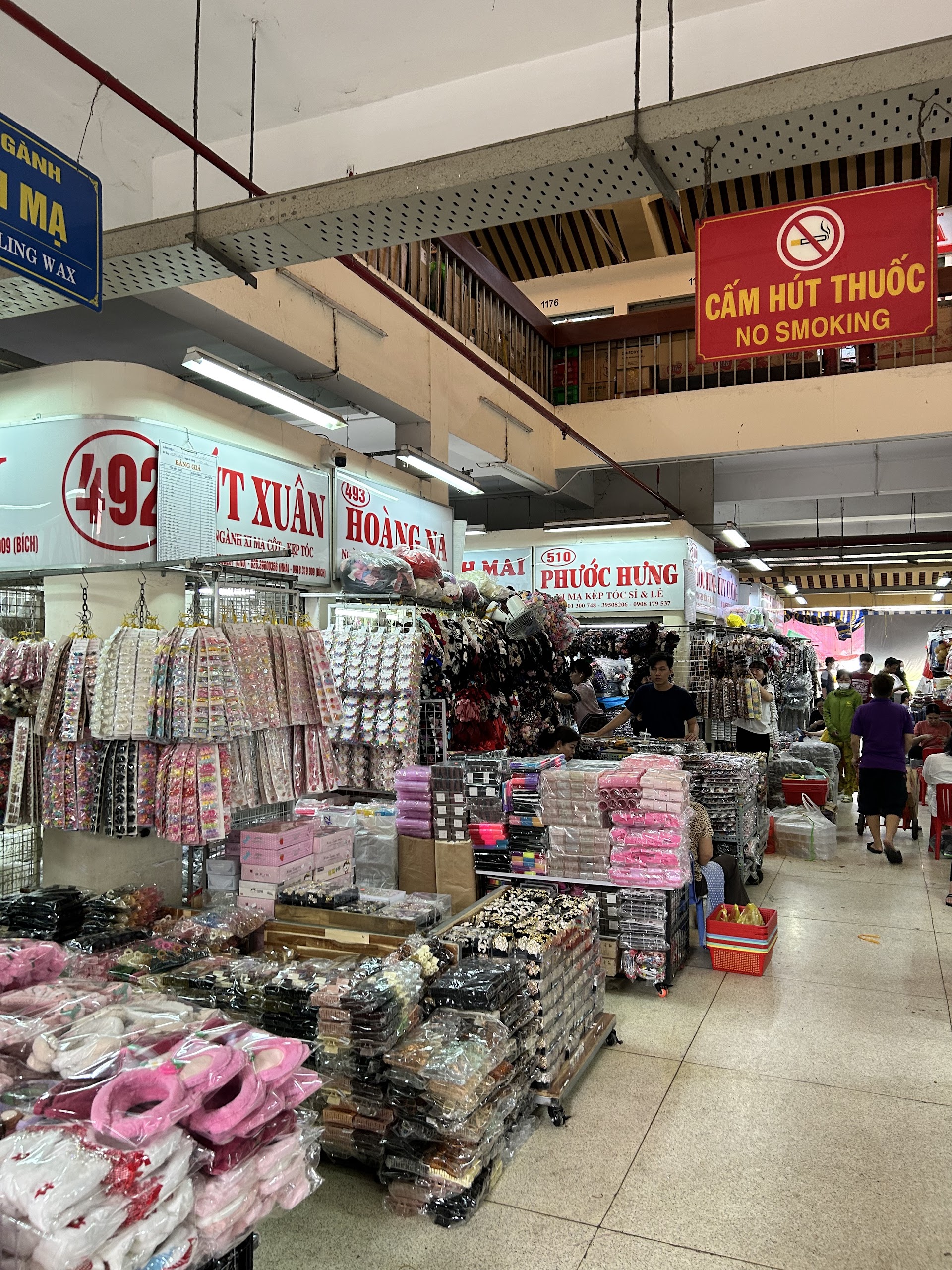
The single best window to experience Binh Tay at its most alive is 4:00 AM to 6:30 AM. Arrive any later and the wholesale rush — the part that makes this place extraordinary — is already winding down. Traders begin loading pallets of dried noodles, star anise, and fermented shrimp paste onto motorbike carts as early as 3:30 AM. By 7 AM, the lanes are still busy, but the electric pre-dawn energy has softened into something closer to a regular morning market.
The best months to visit are November through April, during Vietnam’s dry season. Humidity is lower, mornings are cooler (around 24–27°C / 75–80°F), and the walk from the street into the market’s covered arcades is far more comfortable. Rainy season (May–October) doesn’t make the market inaccessible — vendors are set up regardless of weather — but puddles and slick floors make the pre-dawn navigation trickier. Weekdays, particularly Tuesday through Friday, see the heaviest wholesale traffic. Weekends slow slightly as retail buyers thin out.
Core Experiences
The Spice Arcade — Dried Goods and Wholesale Fragrance
Step through the main gate on Tháp Mười Street before sunrise and the first thing that registers isn’t visual — it’s olfactory. The inner arcade dedicated to dried spices is a dense corridor of open sacks: star anise, cinnamon bark, dried galangal, white pepper, and blends that don’t have names in English. Vendors sit on low stools sorting and bagging by lamplight, working with the practiced calm of people who have done this exact thing every morning for twenty years. The pre-dawn light — warm incandescent bulbs against the dark — makes every pile of spice look like a painting. This is the sensory heart of Binh Tay, and it rewards slow movement and eye contact.
- 📍 Main arcade, enter from Tháp Mười St, Cho Lon, District 6 · 💰 Retail: $0.50–$4 per small bag · ⏰ 3:30 AM – 8:00 AM (peak action 4–6 AM) · ⭐ 4.7
- What locals know: Bring small bills (20,000–50,000 VND notes). Most vendors don’t have change for large bills at this hour, and many will simply wave you away rather than make change for 500,000 VND.
Binh Tay Bánh Mì Carts — The 4 AM Breakfast Run
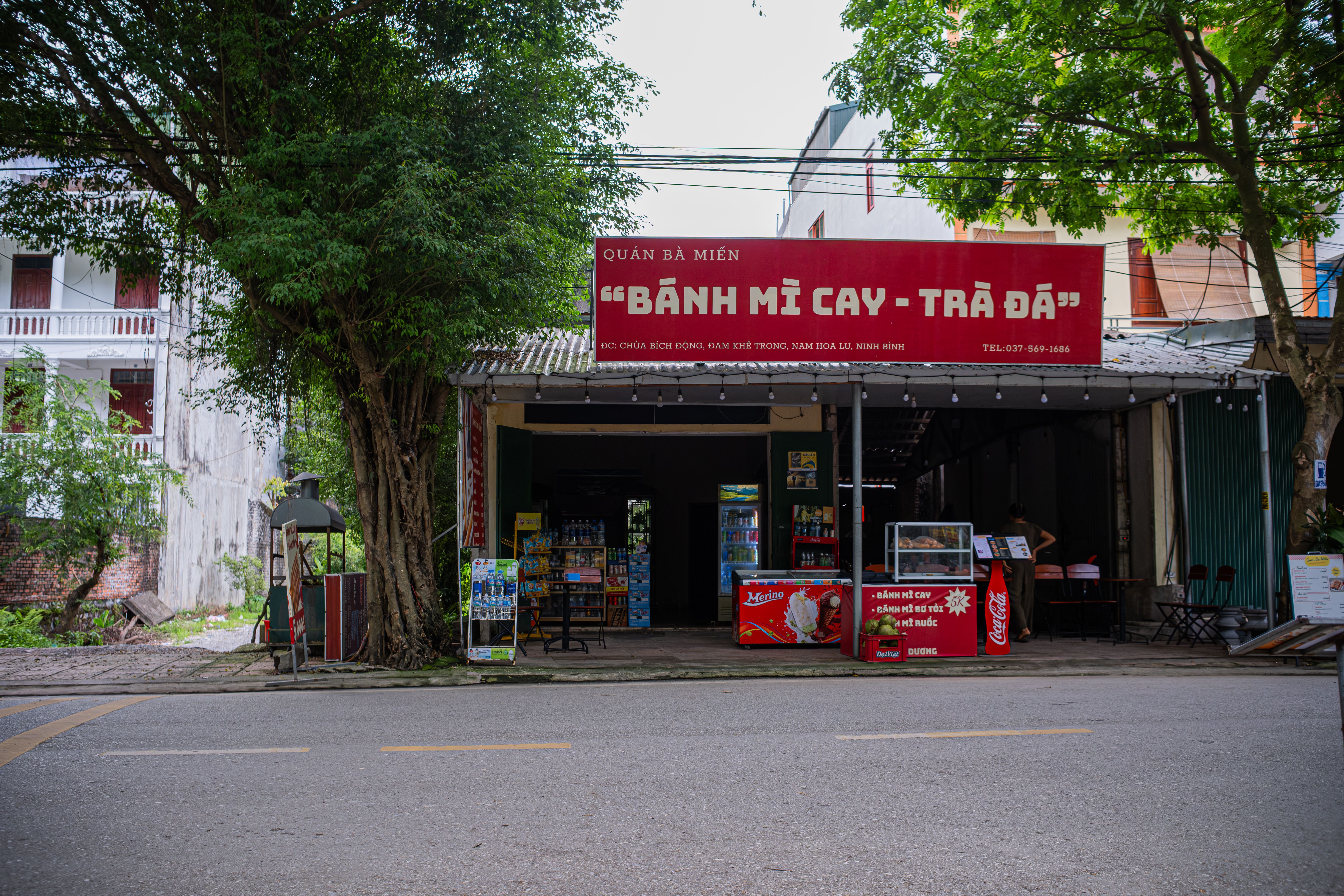
On the outer perimeter of the market, a cluster of bánh mì carts appears around 4 AM, positioned precisely to intercept traders arriving on motorbikes. These are not the Instagram-photographed bánh mì of District 1. They are utilitarian, fast, and better for it — baguettes baked fresh the night before, pâté applied with a practiced swipe, pickled daikon and carrot dropped in without ceremony. A sandwich costs 15,000–20,000 VND (roughly $0.60–$0.80 USD). The vendors move fast. There is no menu; the configuration is fixed and the only question is how many you want. Order two. Eat one at the cart and carry one.
- 📍 Outer perimeter, northwest corner near Lão Tử St · 💰 $0.60–$0.80 per sandwich · ⏰ 4:00 AM – 7:00 AM · ⭐ 4.5
- What locals know: The carts closest to the motorbike parking see the highest turnover and therefore the freshest restocking of fillings. The outer ring carts, aimed at foot traffic, tend to go slower and run out of pâté earlier.
Dried Noodle Wholesale Hall — Where Pho Begins
Tucked into the eastern hall of the market is what amounts to a warehouse-within-a-market for dried rice noodles and egg noodles. Pallets of banh pho, bun, mien (glass noodles), and mi egg noodles are stacked ceiling-high, and distributors from across the city arrive here to load their restaurant supplies. It’s a working logistics floor, not a photo opportunity — but watching it operate gives a completely different understanding of how Ho Chi Minh City’s thousands of pho and bun bo Hue shops actually function. The volume is staggering: a single vendor here might move 300–500 kg of dried noodles before 6 AM.
- 📍 Eastern hall, Binh Tay Market interior, accessible from the Hải Thượng Lãn Ông entrance · 💰 Not retail-facing; observe rather than buy · ⏰ 3:30 AM – 6:30 AM · ⭐ 4.4
- What locals know: Stay to the sides of the main aisle. Motorbike carts loaded with noodle boxes move through the central lane at speed and won’t slow down — this is a working floor, not a pedestrian zone.
Cho Lon Street Congee Stalls — Cháo Huynh Hoa Row
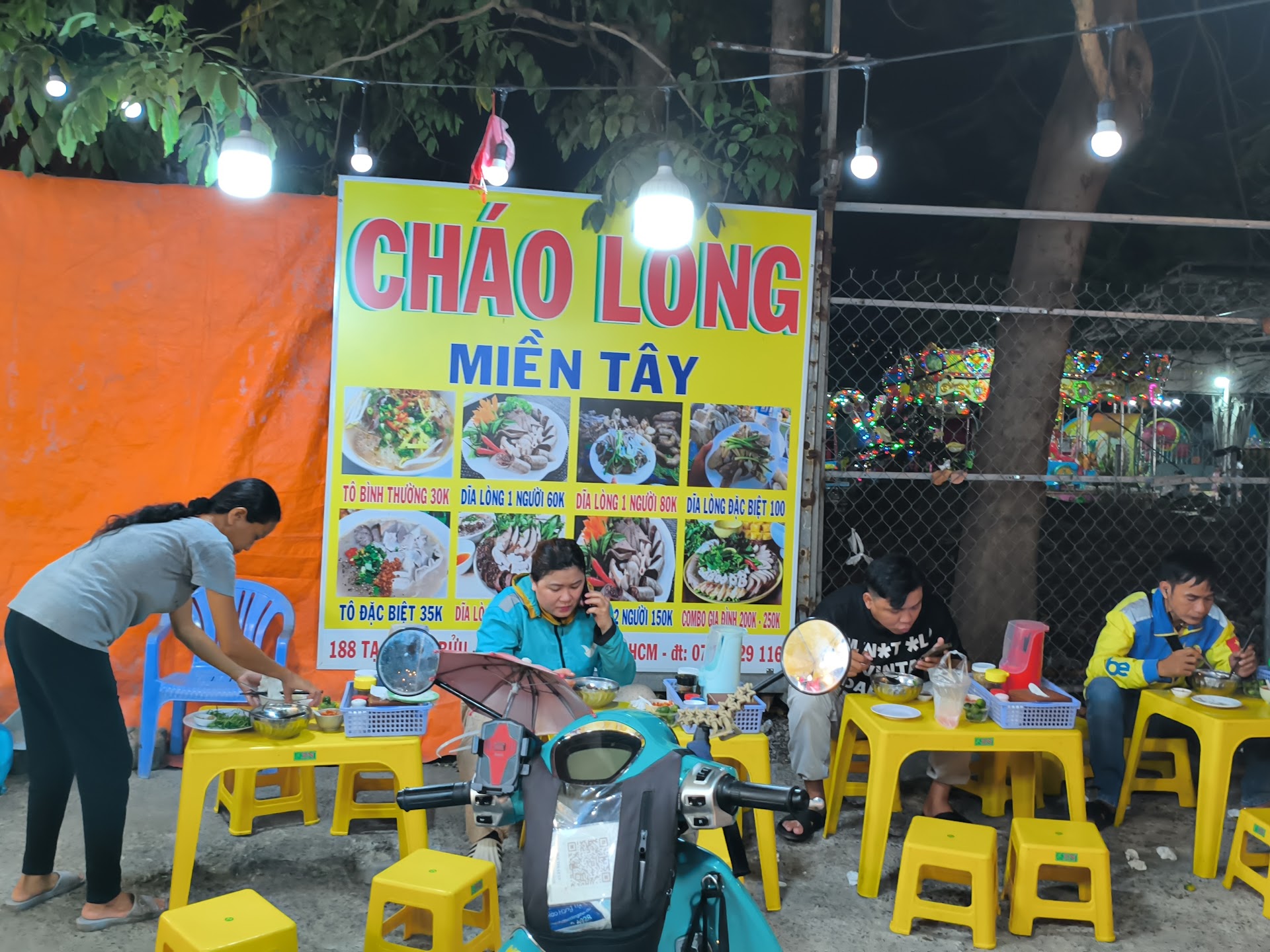
A five-minute walk south from Binh Tay’s main gate, along Triệu Quang Phục Street, a row of open-front congee stalls has been running since before dawn for decades. The specialty is cháo lòng — pork organ congee — thick and silky, served with a side of fried dough crullers (dầu cháo quẩy) and a small dish of ginger. At 4:30–5:30 AM, these stools are filled almost entirely with market workers on break: drivers, sorters, warehouse staff. A bowl costs 30,000–45,000 VND (about $1.20–$1.80). The stalls are lit by fluorescent strips and run on a system of wordless efficiency — sit down, a bowl arrives, you eat, you pay, you leave.
- 📍 Triệu Quang Phục St, 5-min walk south of Binh Tay main gate, District 5 · 💰 $1.20–$1.80 per bowl · ⏰ 4:00 AM – 9:00 AM · ⭐ 4.6
- What locals know: Point at what the person next to you is eating. The menu board exists but is in Vietnamese and moves fast. Pointing is not rude here — it’s the expected language of a market-hour breakfast.
The Central Courtyard — Binh Tay’s Architectural Surprise
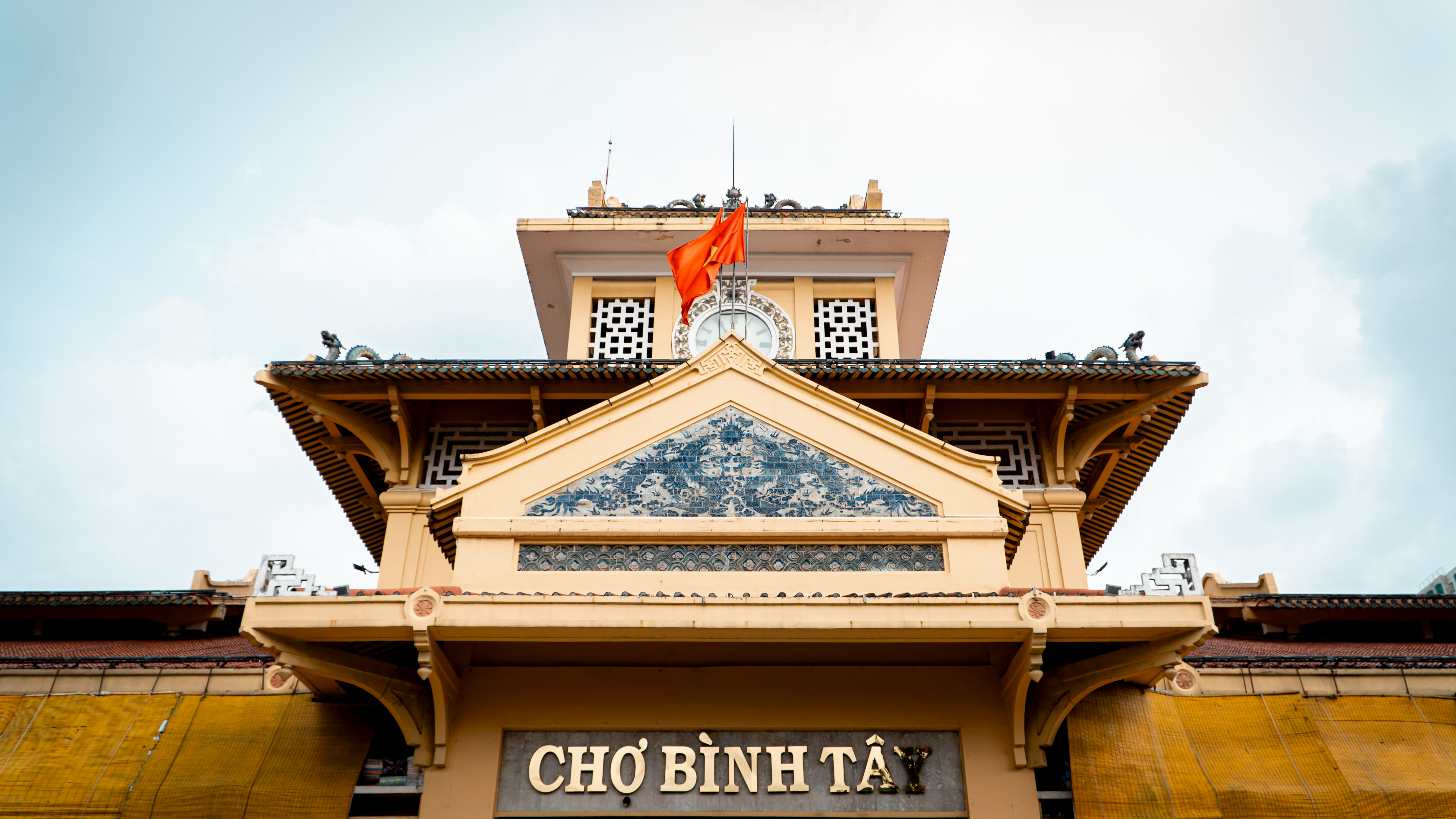
Binh Tay Market was built in 1928 and its central courtyard — visible once you push through the outer arcade rows — is one of the most architecturally striking spaces in Ho Chi Minh City that most visitors never see. The Chinese-influenced roof tiles, the circular clock tower, the tiered eaves — all of it was restored between 2016 and 2019 and is in far better condition than expected. At first light, as natural illumination begins to edge out the artificial, the courtyard takes on a quality that’s almost cinematic. Vendors set up around its perimeter. The central fountain runs. Pigeons do what pigeons do. It’s a genuine moment of calm inside a building that is otherwise operating at full velocity.
- 📍 Cho Lon, 57A Tháp Mười, District 6, Ho Chi Minh City · 💰 Free to enter · ⏰ Open 24 hrs; courtyard accessible from ~5 AM with natural light · ⭐ 4.8
- What locals know: The courtyard is often empty between 4–5 AM when everyone is focused on loading and unloading. This is the best window for quiet observation and photography before foot traffic increases.
Recommended Route
This is a half-day, early-riser itinerary. It works best if accommodation is in District 1 (a 20–30 minute Grab ride) or District 5/6 (a 10-minute walk or 5-minute ride).
- 3:45 AM — Grab or taxi from District 1. Traffic is essentially nonexistent; the ride is smooth and fast. Drop off at the Tháp Mười St main entrance.
- 4:00 AM — Enter Binh Tay and walk directly to the Spice Arcade (northwest interior). Spend 20–25 minutes moving slowly through the fragrance corridor. No rush. Let the scale register.
- 4:30 AM — Cross to the Dried Noodle Wholesale Hall (eastern arcade). 15 minutes, observational only. Stay to the sides.
- 4:50 AM — Exit to the outer perimeter northwest corner and pick up a bánh mì from the cart vendors. Eat while walking or standing at the cart. 10–15 minutes.
- 5:15 AM — Return inside for the Central Courtyard. By this point, pre-dawn light is beginning to shift. 20–30 minutes here.
- 5:45 AM — Walk south 5 minutes to Triệu Quang Phục Street for cháo lòng congee. Sit for 30–40 minutes. This is the unhurried part of the morning.
- 6:30 AM — Walk or Grab back. If you have energy, Hải Thượng Lãn Ông Street — Ho Chi Minh City’s traditional Chinese medicine street — is waking up by 7:00 AM and is worth a slow pass on the way back.
Total active time: approximately 2.5 hours in and around the market.
Budget · Transport · Booking
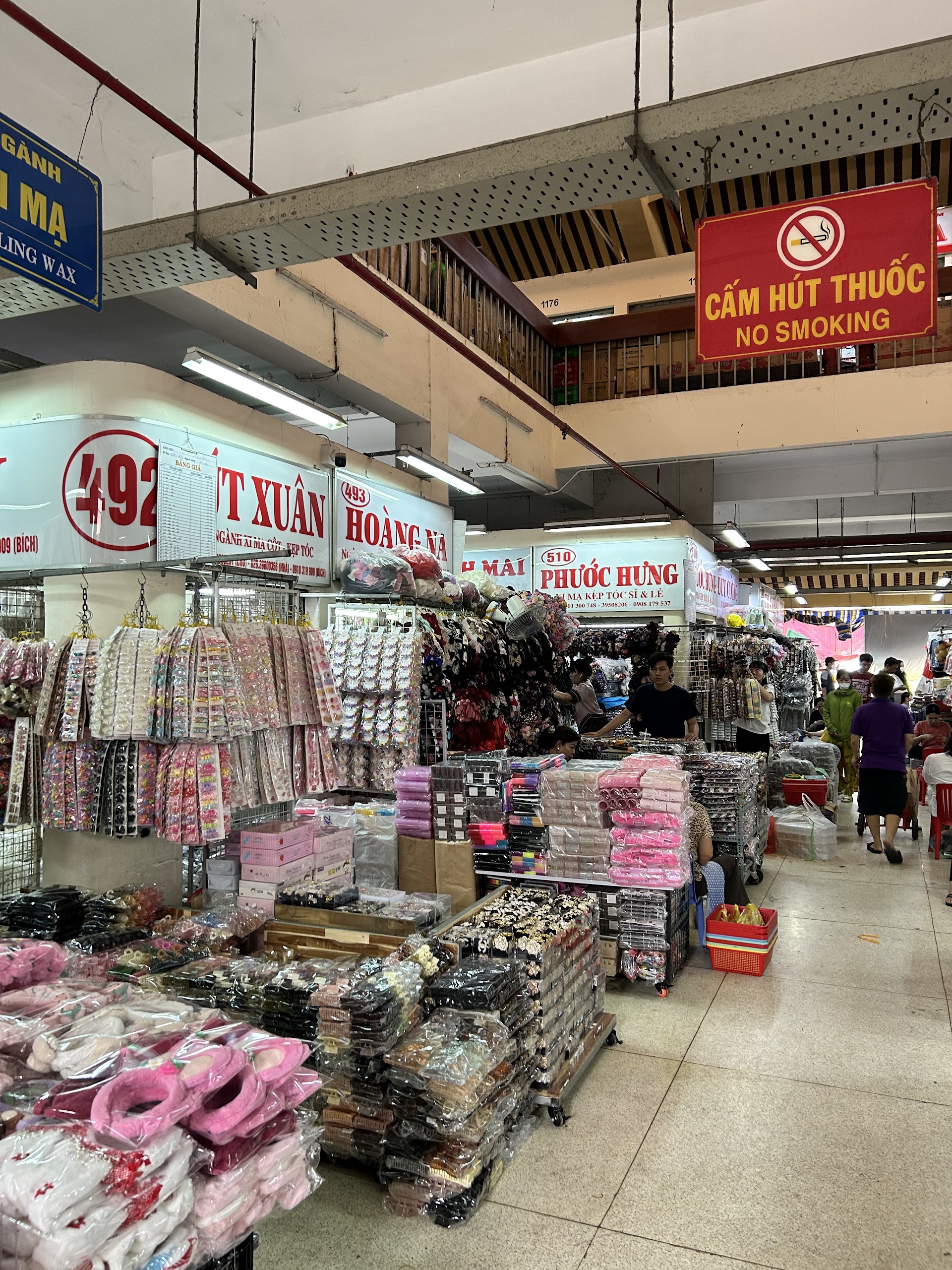
No advance booking required for any part of this itinerary. Binh Tay Market is a public wholesale and retail market — walk in.
- 🚇 Transport: Grab (ride-hailing) from District 1 to Binh Tay runs approximately 50,000–80,000 VND ($2–$3.20) each way at 4 AM with no surge. Taxis are also available but less predictable on price without a fixed-rate agreement.
- 🍴 Food: Bánh mì $0.80 + cháo lòng $1.50 = under $2.50 for a full pre-dawn breakfast
- 💰 Spice/souvenir purchases: Budget $5–$15 if buying retail spice bags to take home. Dried star anise and cinnamon travel well in vacuum bags.
- 💰 Total half-day budget (transport + food + small purchases): $10–$20 USD per person, comfortably.
- Cash is essential. Almost no stalls at this hour accept card or mobile payment from foreigners. Withdraw VND from an ATM the night before. Smaller bills preferred.
Must-Know Tips
- 🌅 Arrive before 4:30 AM or accept a diminished experience. The wholesale energy — the thing that makes this different from every other market — peaks between 4:00 and 6:00 AM and fades fast. Sleeping in until 7 AM means arriving for the tail end.
- 👟 Closed-toe shoes only. The floors are wet, there are forklifts and loaded carts moving at speed, and sandals are a liability. Bring footwear you don’t mind getting dirty.
- 📷 Ask before pointing a camera at individuals. Vendors are working, not posing. A gesture toward your camera and a questioning look is usually enough to get a nod or a head shake. Respect the head shake.
- 💵 Small bills only — 20,000 and 50,000 VND notes. Larger bills create friction at this hour.
- 🗣️ A few words go a long way: “Bao nhiêu?” (How much?) and “Cảm ơn” (Thank you) are universally appreciated and will noticeably warm interactions.
- 🚫 Do not block the loading lanes. This is an active logistics floor. Motorbike carts, hand trucks, and pallets have the right of way — not the visitor. Stay aware of what’s moving behind you.
Closing
Binh Tay at 4 AM is one of those places that recalibrates something. In a city of 9 million people and 80,000 restaurants, this is where the food chain actually starts — the spices, the noodles, the ingredients that will appear in bowls and plates across Ho Chi Minh City by lunchtime. Standing in the spice corridor while the city sleeps, with incandescent light warming sacks of star anise and the sound of crates being stacked in the dark, is as close as a visitor gets to seeing the city’s real infrastructure.
The actionable takeaway: set your alarm for 3:30 AM, book a Grab the night before, and bring cash, closed-toe shoes, and no agenda beyond walking slowly and paying attention. Everything else takes care of itself.
🏨 Where to Stay
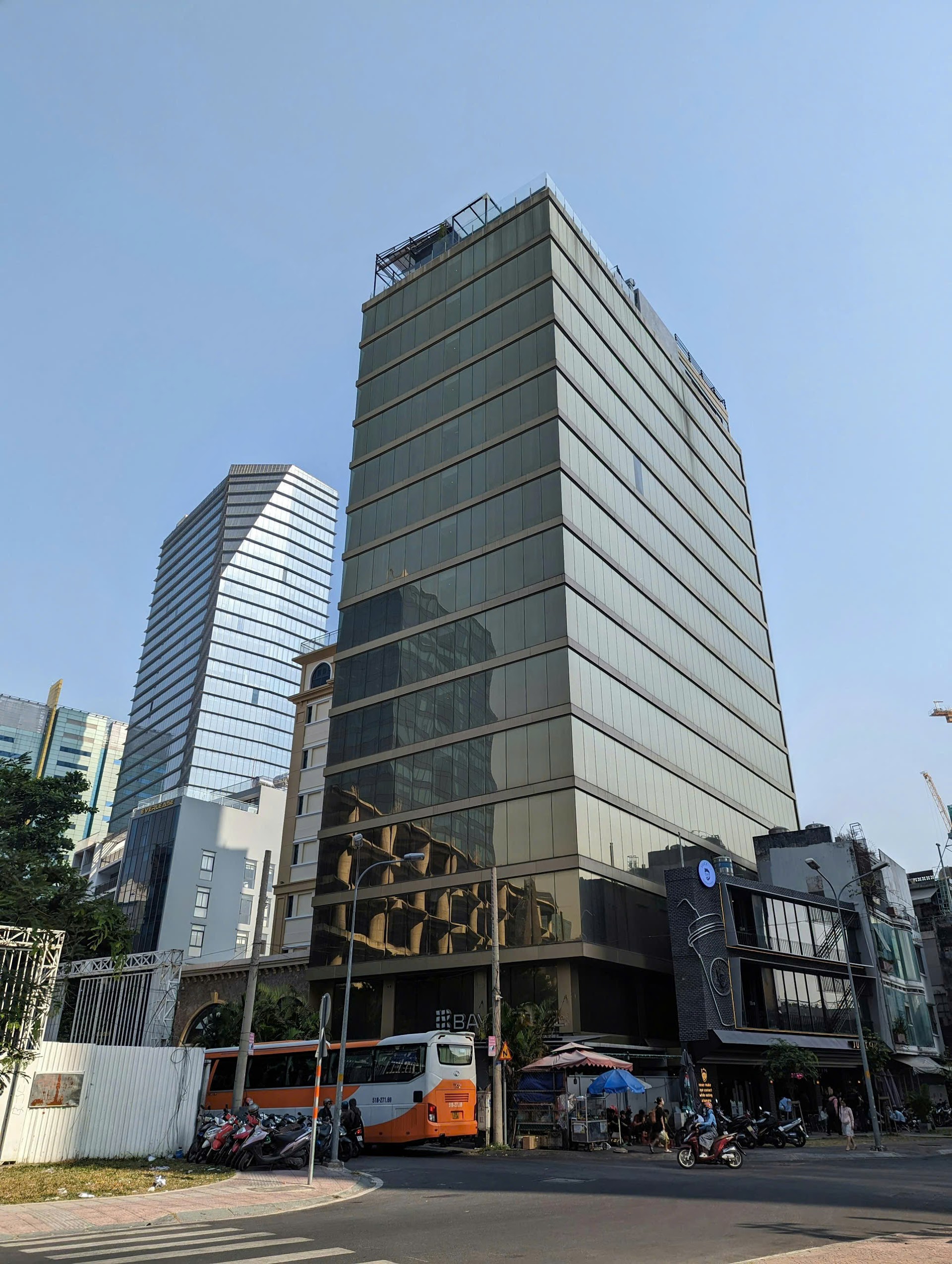
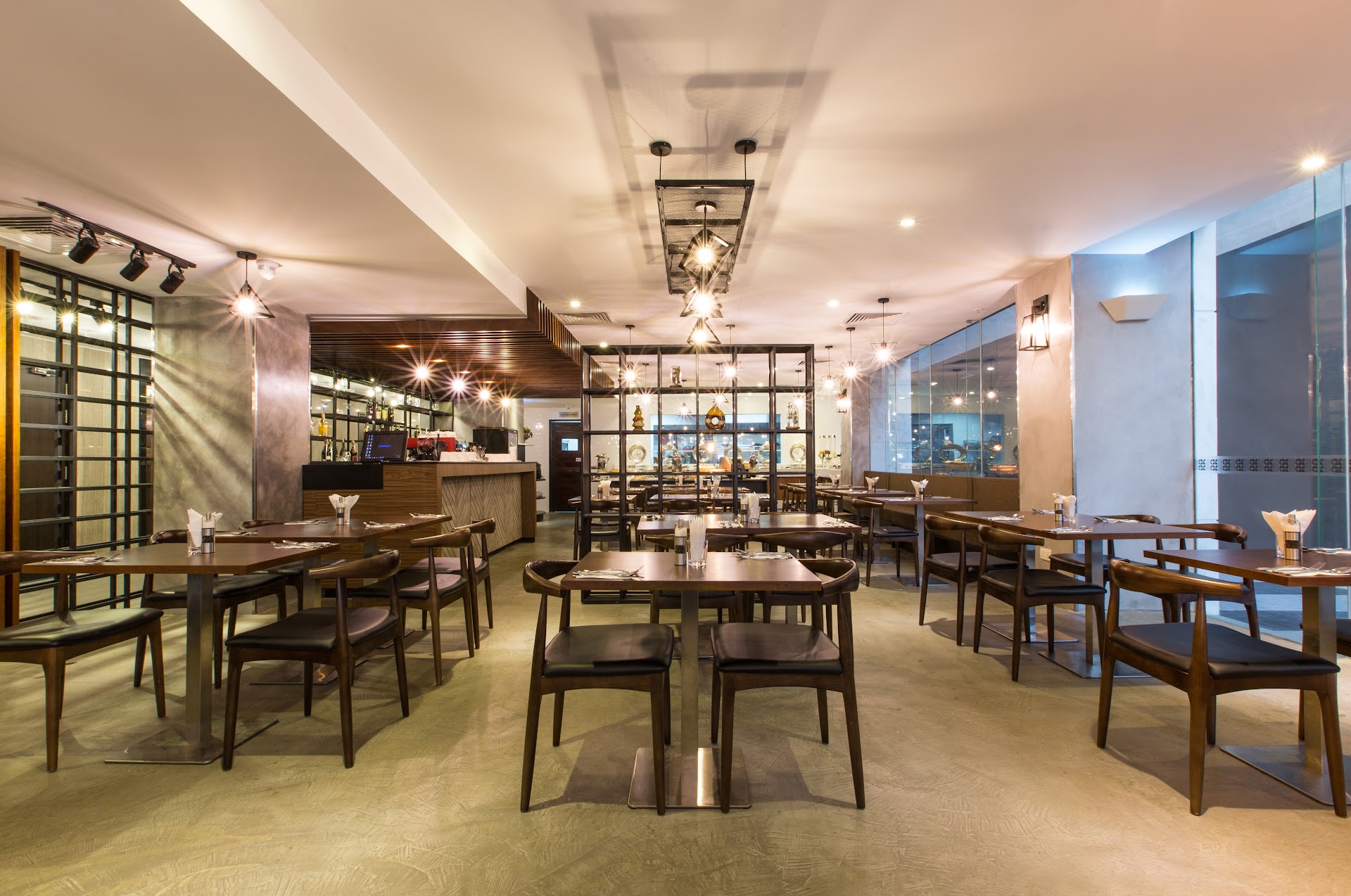 Bay Hotel Ho Chi Minh⭐ 4.0 · 8.3/10 (4,636) · $50 /night
 Riverside Hotel Saigon⭐ 3.0 · 7.9/10 (5,434) · $32 /night
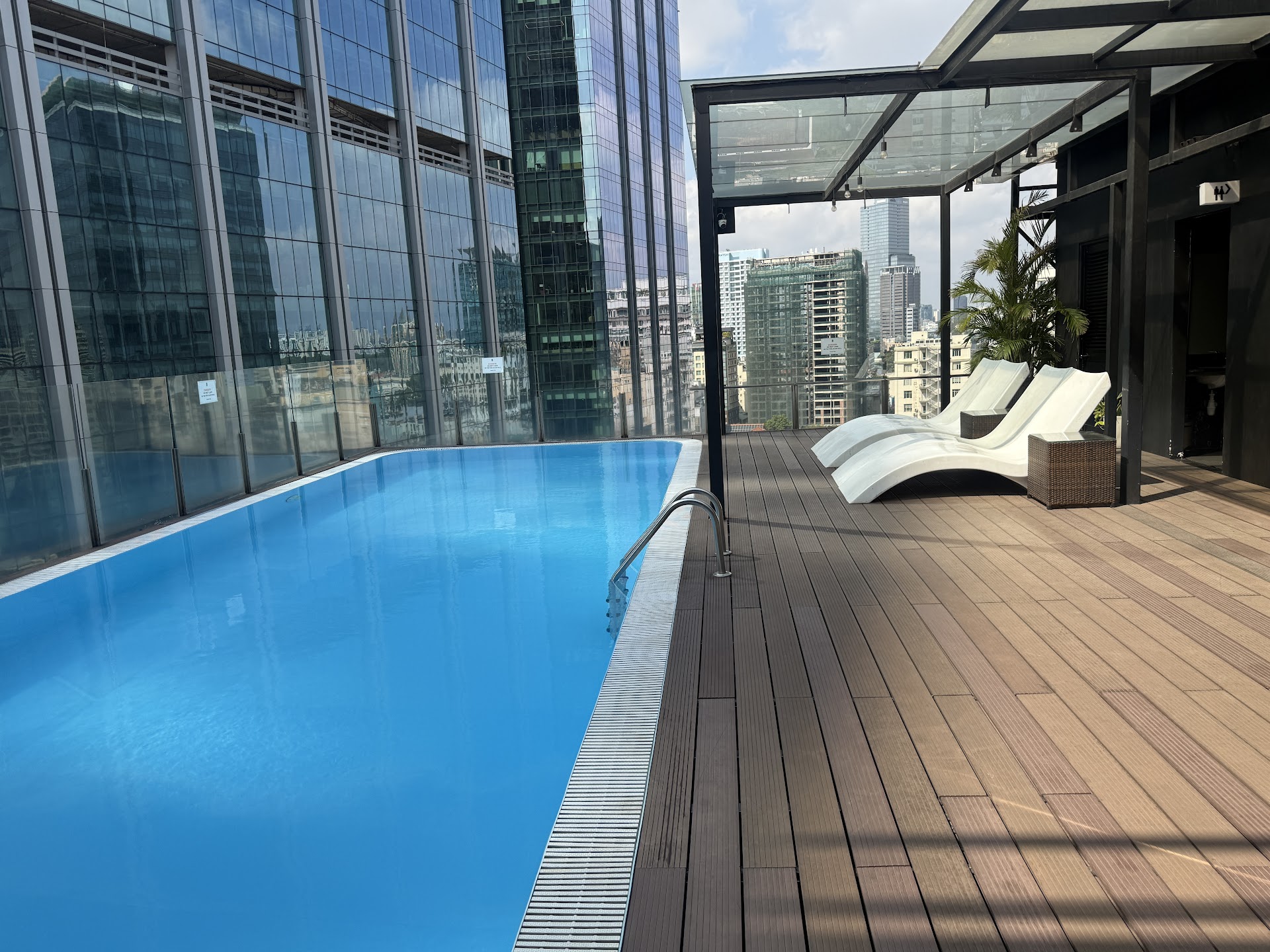 Royal Hotel Saigon⭐ 4.0 · 8.2/10 (3,453) · $66 /night
Agoda affiliate link — clicks go to the price-comparison page.