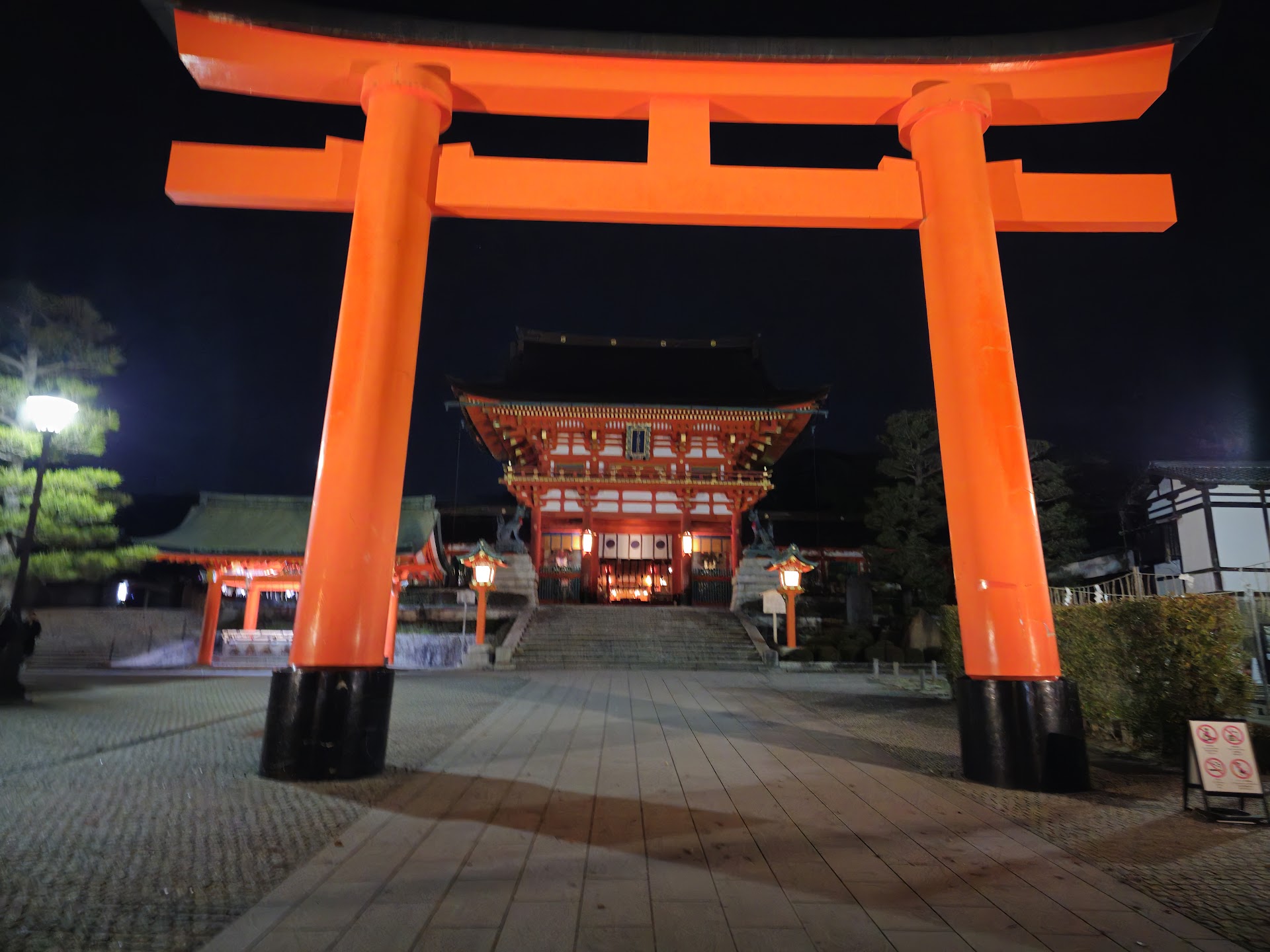
Kyoto gets all the shrine photos, but Fushimi — the city’s historic sake-brewing quarter — holds one of the most walkable, rewarding food routes in Japan. Most visitors pass through on their way to Fushimi Inari and never look left. Here’s the half-day route that changes that.
Best Timing
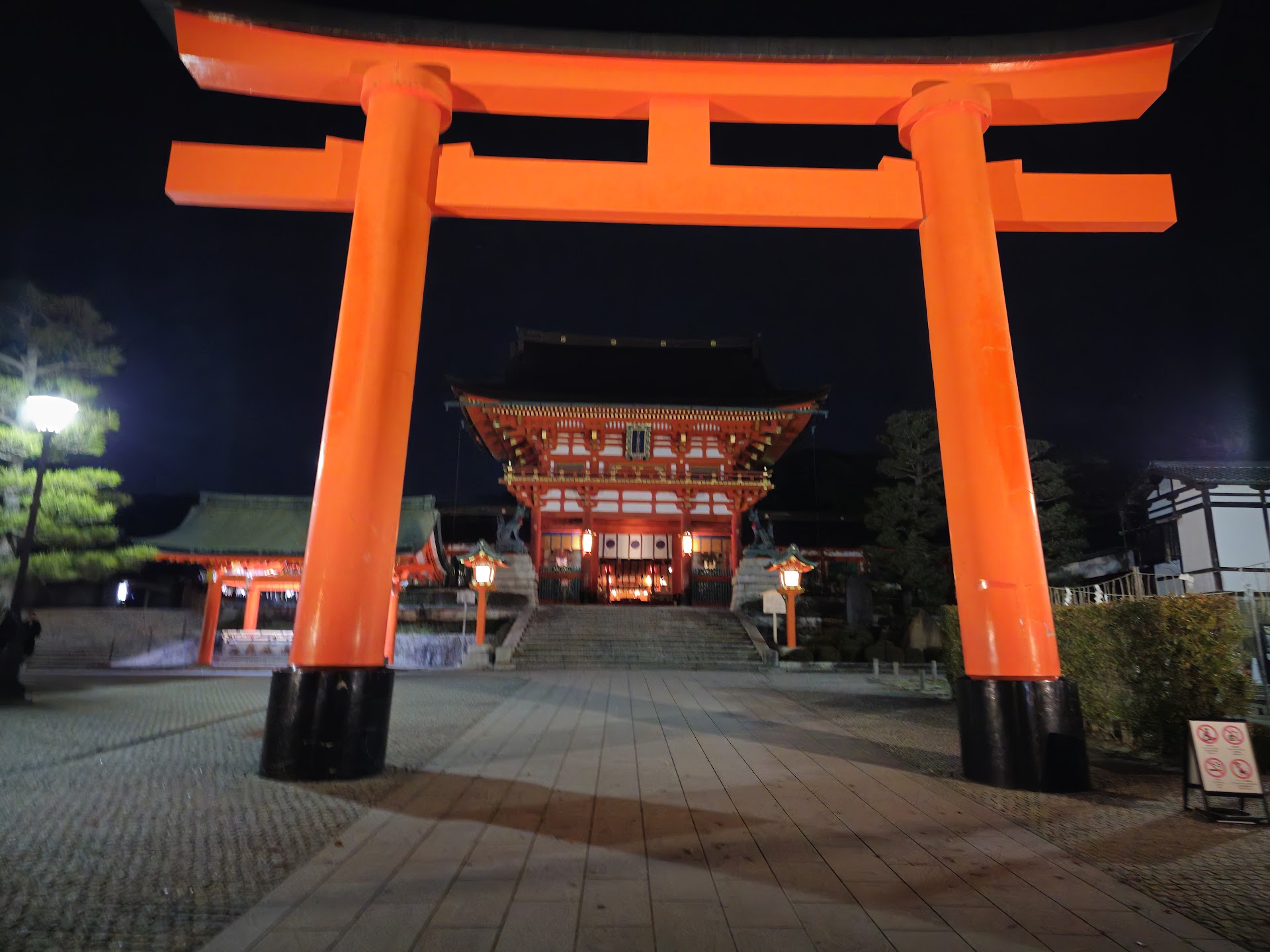
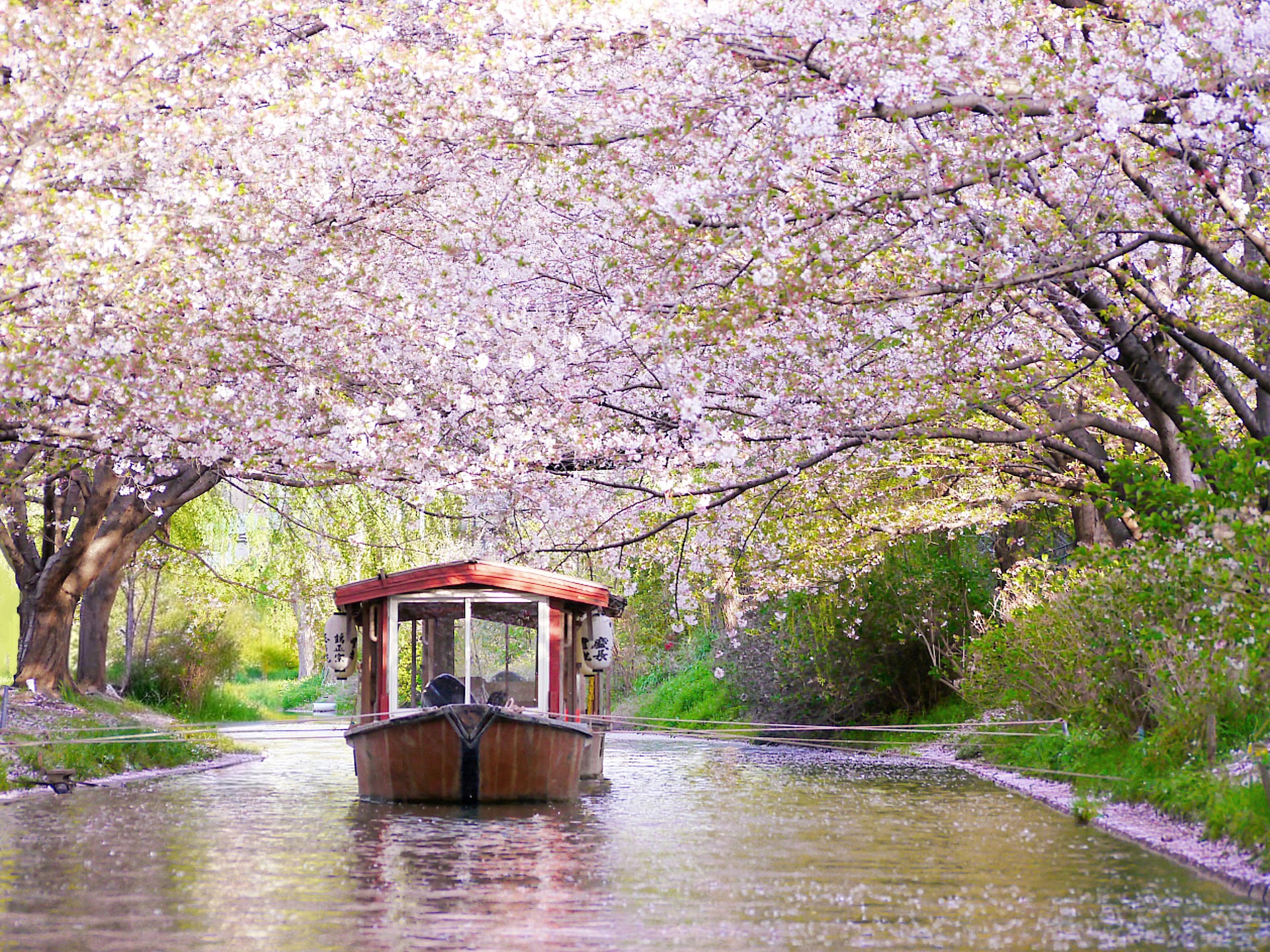
Fushimi rewards early risers. Sunday mornings between 7:00 and 11:00 AM are the sweet spot: tofu shops are freshly stocked, brewery tasting rooms haven’t hit their midday rush, and the Horikawa Canal catches soft morning light before tour groups arrive. The neighborhood runs quietest from October through early December and again in late February through March — cherry blossoms line the canal banks in late March and draw crowds, so go the weekend before peak bloom if you want the scenery without the elbow-to-elbow conditions.
Summer (July–August) is workable but humid — block out the route for mornings only and skip afternoon outdoor seating. Avoid the Fushimi Inari overlap window: 10:00–14:00 on weekends is when shrine overflow crowds spill into the surrounding streets. Starting at 7:30 AM puts you two stops ahead of that wave.
Core Experiences
Yodobashi Morning Tofu (Fushimi Tofu Stall)
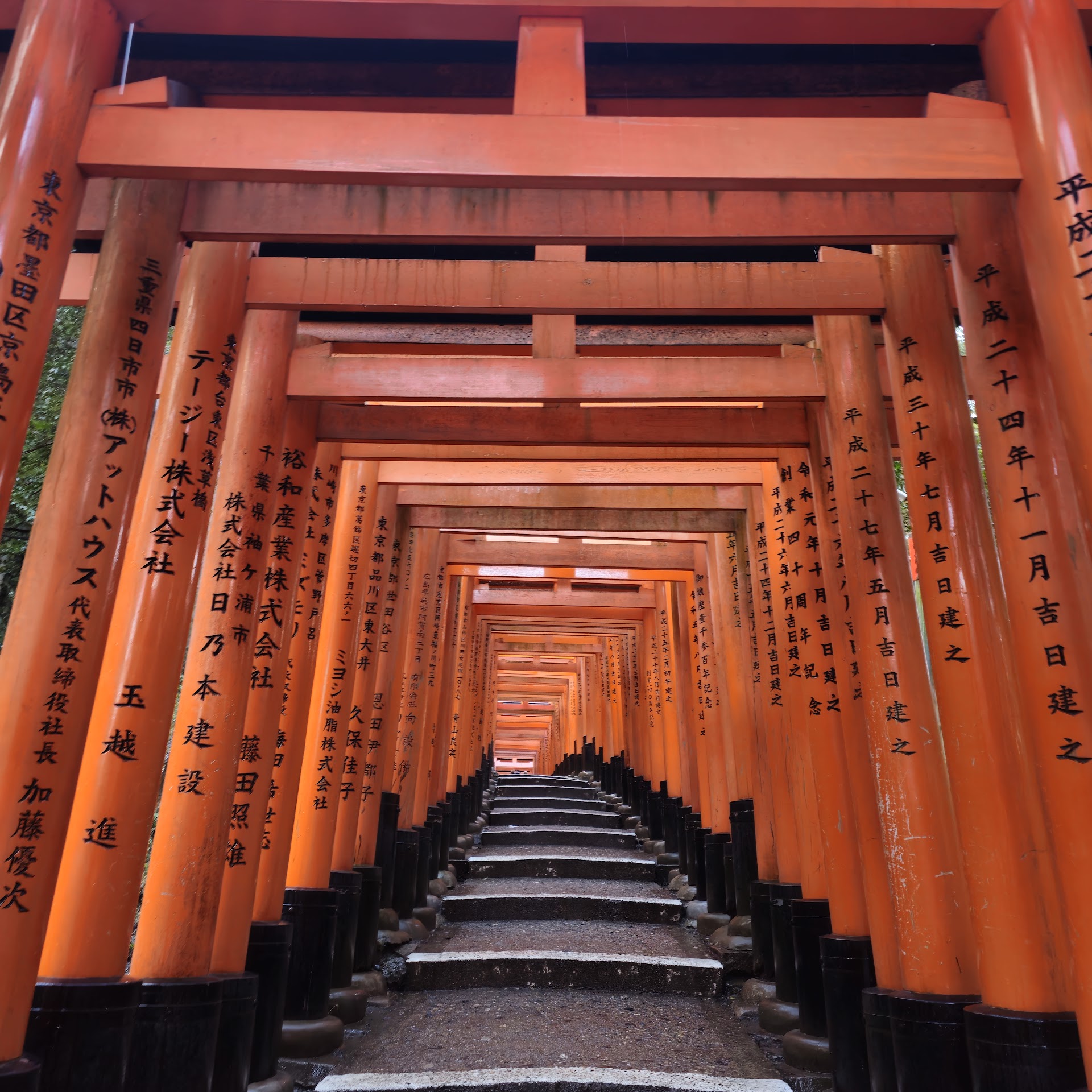
The route opens at a small tofu producer that has supplied local restaurants and households in Fushimi for decades. The stall sets out fresh silken tofu, yudofu (hot tofu in dashi), and thick agedashi blocks by 7:30 AM — all made with the same soft underground water that feeds the sake breweries a few blocks north. The canal-side setting is unhurried at this hour: a few regulars, wooden stools, styrofoam cups of warm soy milk. It’s not a tourist destination, which is exactly the point. Order the yudofu set (~$4) and take the corner stool facing the water.
- 📍 Fushimi-ku, near Teradamachi Canal, Kyoto · 💰 $3–$6 · ⏰ 7:30 AM – noon (closed Tue) · ⭐ 4.4
- What locals know: Ask for “nigari tofu” — the firmer, unpackaged block they keep behind the counter. It sells out by 9 AM.
Gekkeikan Okura Sake Museum
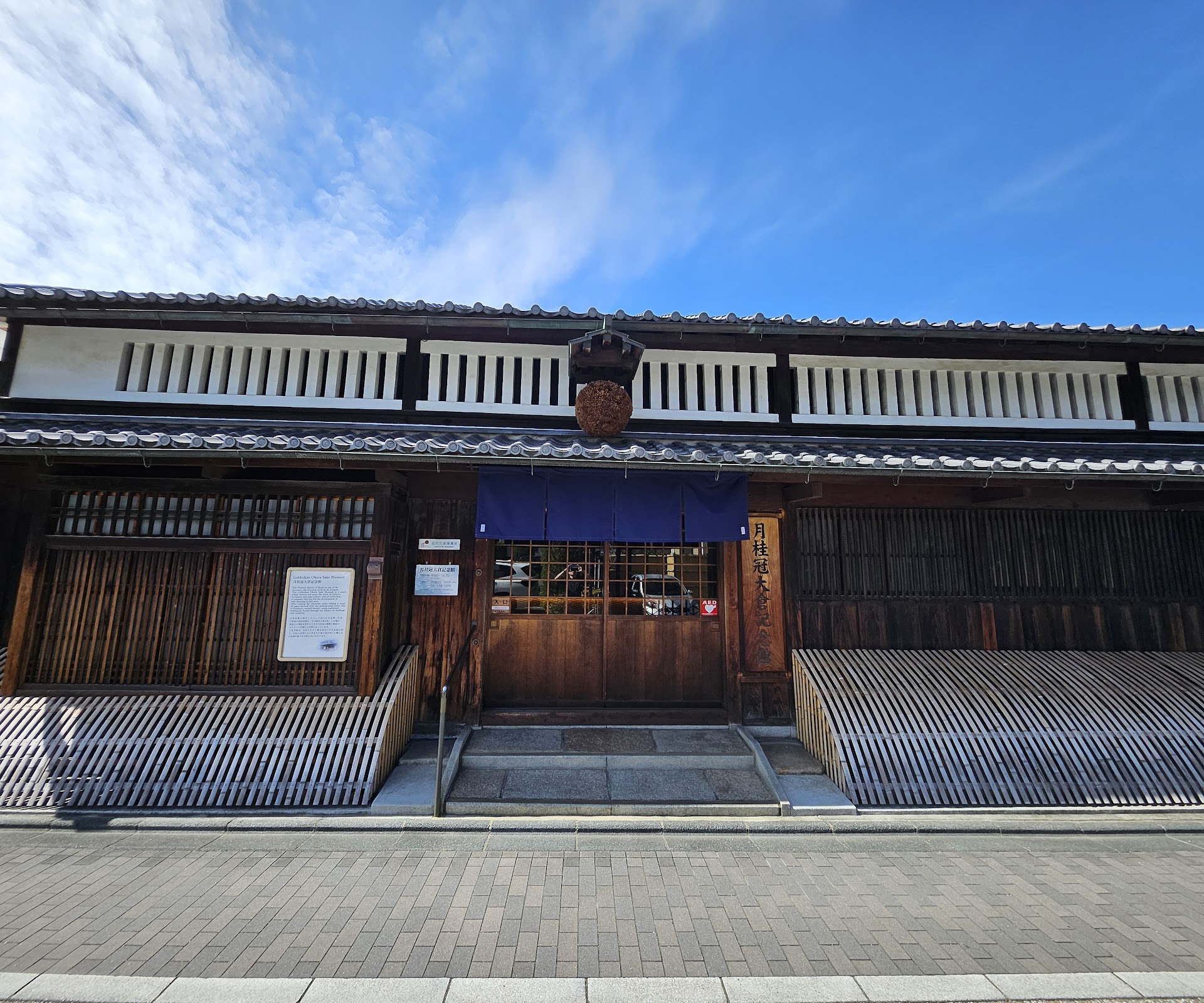
Gekkeikan is one of Japan’s oldest active sake producers, founded in 1637, and their Okura museum in Fushimi is the most practical brewing education you’ll find in Kyoto — compact (45 minutes is plenty), genuinely informative, and the tasting at the end is honest rather than ceremonial. The warehouse interior still smells of cedar and fermentation; cedar-barrel displays line walls that have been in use since the Edo period. The ¥600 (~$4) entry includes three tasting samples. Focus on the junmai daiginjo — it’s cleaner and more interesting than the flagship bottle sold at every konbini.
- 📍 247 Minamihama-cho, Fushimi-ku, Kyoto · 💰 $4 entry, tastings included · ⏰ 9:00 AM – 4:30 PM (closed Mon) · ⭐ 4.5
- What locals know: The kurabito bento (brewery worker’s lunch box, $9) sold at the gift shop counter is made by a local caterer and is significantly better than it looks. Worth picking up for the canal stop later.
Toba-kaido Market Street Stalls
Running parallel to the canal, this narrow shopping street comes alive by 9:30 AM on weekends with a mix of permanent produce stalls, rotating weekend vendors, and a handful of standing-only snack counters. It’s not a tourist market — the crowd skews local and older, shopping for pickles, dried fish, and seasonal vegetables. The food stops to prioritize: tsukemono (pickled vegetables) from Nishimura Pickles (a sour-sweet Kyoto turnip pickle called senmaizuke, $3 for a small bag) and the taiyaki counter two stalls east that fills its fish-shaped cakes with red bean or custard to order ($2). Block out 20 minutes here; it moves slowly and that’s fine.
- 📍 Toba-kaido, Fushimi-ku, Kyoto · 💰 $2–$8 per item · ⏰ Weekends 9:00 AM – 1:00 PM (most stalls) · ⭐ 4.3
- What locals know: The vendor at the north end of the street sells sudachi ponzu by the bottle — it’s significantly cheaper here than at Nishiki Market and travels well in a carry-on.
Horikawa Canal Lunch Bench
This is less a single restaurant and more a deliberate pause built into the route. The stone benches along the Horikawa Canal, roughly between Chushojima and Momoyama stations, are where Fushimi residents eat packed lunches on weekends. The canal here is narrow and tree-lined — wisteria in May, maple in November — and the foot traffic stays light compared to the shrine path. If you picked up the kurabito bento at Gekkeikan or snacks at the market, eat here. There are a few vending machines nearby for cold tea or canned coffee. The “bench lunch” concept is built into Fushimi’s pace; no restaurant can replicate it.
- 📍 Horikawa Canal towpath, between Chushojima and Momoyama, Fushimi-ku · 💰 $0 (BYO from stops above) · ⏰ Accessible all day · ⭐ 4.6
- What locals know: The section just south of the Teradamachi bridge gets afternoon shade starting around noon — useful in summer. In spring, the overhanging branches here are significantly more photogenic than the main shrine path.
Torisei Honten Riverside Izakaya
The route closes at Torisei, a Fushimi institution since 1927, originally a sake retailer that became a full izakaya over decades. The lunch service starts at 11:30 AM and fills quickly on weekends — arrive by 11:15 to get a riverside seat. The specialty is yakitori using Kyoto Kujo negi (green onion) and the house tebasaki (chicken wings), both grilled over binchōtan charcoal. A full lunch — two skewers, a small sake flight of local Fushimi brands, and miso soup — runs about $18–$24 per person. The interior is dark cedar and paper lanterns; the outdoor riverside terrace is the better seat in good weather.
- 📍 176 Kamitobachisuicho, Fushimi-ku, Kyoto · 💰 $18–$24/person · ⏰ 11:30 AM – 2:30 PM (lunch), 5:00 PM – 10:00 PM (dinner) · ⭐ 4.7
- What locals know: Order the “Fushimi flight” (three local sake pours, ~$8) rather than individual bottles — the staff picks what’s currently pouring well, which rotates seasonally.
Recommended Route
This is a Sunday morning half-day route, designed to run 7:30 AM to 1:00 PM with minimal backtracking.
- 7:30 AM — Start at the Fushimi Tofu Stall. Breakfast here: yudofu set, soy milk. (~30 min)
- 8:15 AM — Walk 8 min north along the canal to Gekkeikan Okura Sake Museum. Spend 45 min inside; pick up the kurabito bento at the gift counter on your way out.
- 9:15 AM — Walk 6 min to Toba-kaido Market Street. Browse stalls, pick up pickles and taiyaki. (~20–25 min)
- 10:00 AM — Walk 4 min to the Horikawa Canal bench section. Eat your bento here, take your time. (~30–40 min)
- 10:45 AM — Walk 10 min south toward Torisei Honten. You’ll arrive slightly before lunch service opens — use the time to walk the canal one more block and turn back.
- 11:15 AM — Queue at Torisei Honten for riverside lunch. Finish by 1:00 PM.
- 1:00 PM — Walk 7 min to Chushojima Station (Kintetsu Kyoto Line) for onward travel.
Total walking: approximately 2.5 km / 1.6 miles. Mostly flat, all paved or stone-path.
Budget · Transport · Booking
Getting there: From Kyoto Station, take the Kintetsu Kyoto Line to Momoyama-御陵 or Chushojima Station — about 10–12 minutes, ¥280 (~$2). Alternatively, the Keihan Main Line to Chushojima works from Osaka. Taxis and rideshare are unnecessary for this route.
Day budget per person (food + entry):
- Tofu breakfast: ~$4–6
- Gekkeikan entry + bento: ~$13
- Market stalls (pickles, taiyaki): ~$6–8
- Torisei lunch + sake flight: ~$22–28
- Total: $45–$55/person (excluding transport)
Booking: Torisei Honten does take reservations for weekend lunch — book 3–5 days ahead via their website or Tabelog if you want the riverside terrace specifically. Walk-ins are possible but terrace seats go first. Gekkeikan Okura is walk-in only; no booking required. All other stops are cash-and-go.
Cash vs. card: The market stalls and tofu counter are cash only. Gekkeikan and Torisei accept cards. Carry at least ¥3,000 (~$20) in cash for the morning stops.
Must-Know Tips
- 🕖 Go early on Sundays. The 7:30–10:00 AM window is when Fushimi runs at its own pace, before Fushimi Inari shrine overflow reaches the side streets. By 11 AM, crowds visibly increase.
- 💴 Bring cash for the first two stops. The tofu stall and market vendors don’t take cards. ¥3,000 covers breakfast and market snacks comfortably.
- 📷 Photography etiquette at Gekkeikan: The warehouse interior allows photos, but the working production area (visible from a glass partition) has a no-photo policy. The courtyard and barrel display walls are fully open.
- 🍶 On sake tastings: Fushimi sake is generally softer and slightly sweeter than Nada (Kobe-style) sake — if you’ve tried sake elsewhere and found it sharp, Fushimi’s water-influenced style is worth a second look. Ask for junmai over honjozo if you prefer no added alcohol.
- 🥾 Footwear: The canal towpath has uneven stone sections. Comfortable walking shoes; avoid sandals without back straps.
- 🌧️ Rain plan: Gekkeikan and Torisei both work well on a rainy day. The market stalls have limited cover — skip or shorten that stop if it’s raining hard and add time at the museum instead.
Closing
Fushimi is the kind of neighborhood that only works if you show up with time rather than a checklist — the pleasure is in the pace, the canal light, the smell of cedar and fermentation drifting down a lane you almost walked past. It’s not a hidden gem in the travel-content sense; it’s a working district that happens to be walkable, affordable, and genuinely good to eat in. The route above is built so you leave with more than photos: a real sense of how one Kyoto neighborhood spends a Sunday morning.
Actionable takeaway: Book Torisei for 11:30 AM this Sunday, set your alarm for 7:00 AM, and walk the rest of the route into it. The half-day window is enough — and the canal bench is the best lunch seat in Fushimi.
🏨 Where to Stay
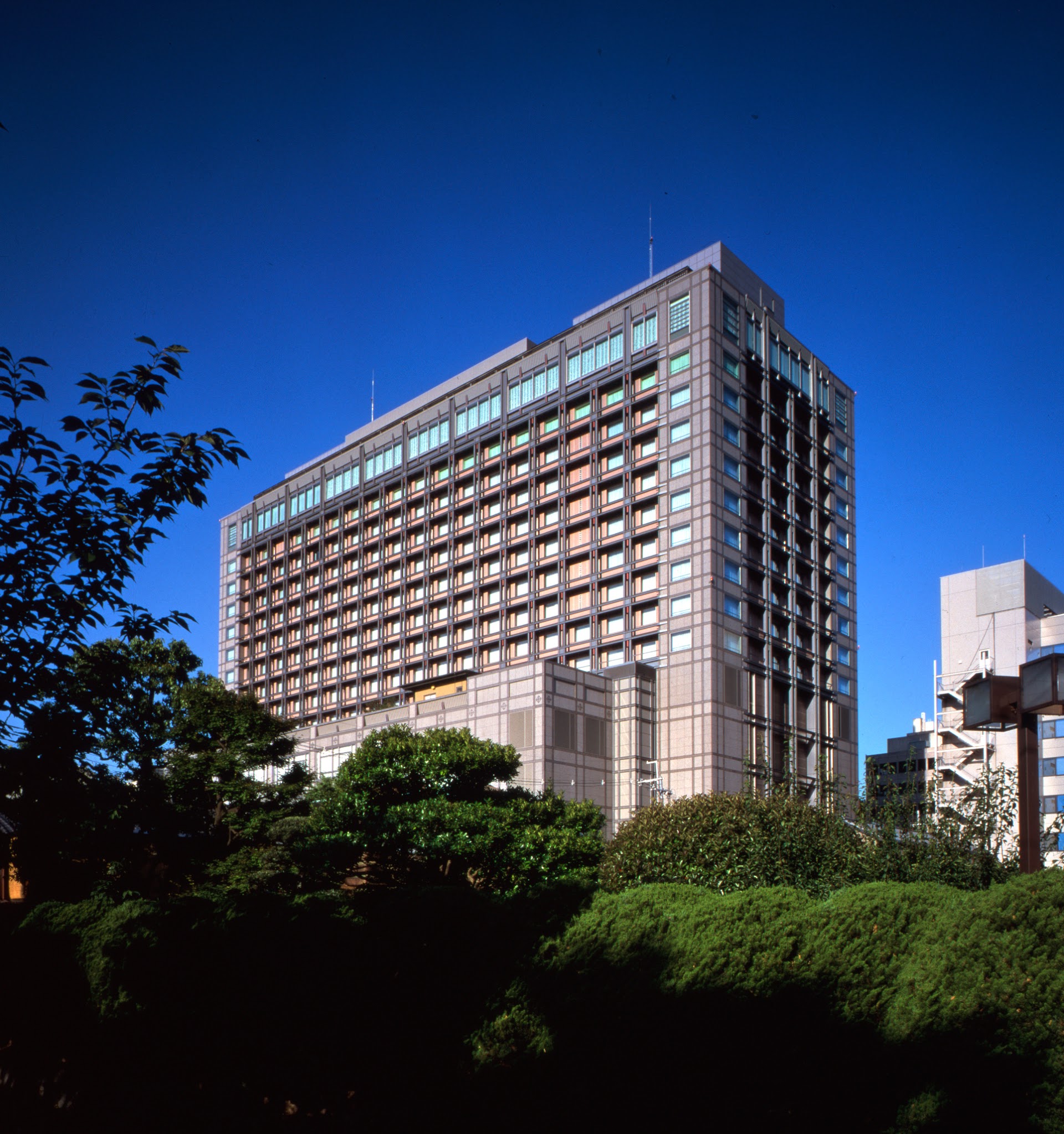
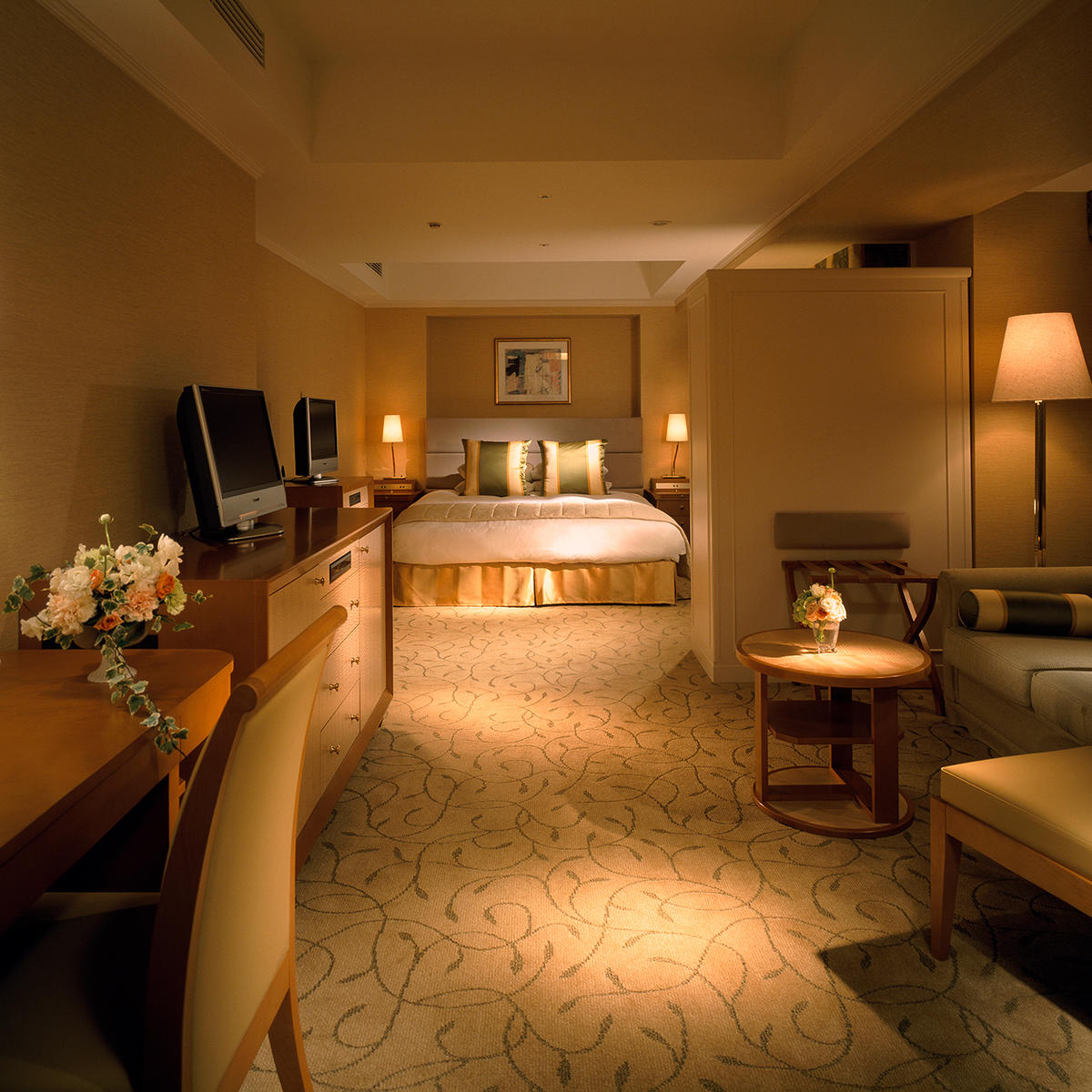 Hotel Okura Kyoto⭐ 5.0 · 8.9/10 (3,272) · $102 /night
 HOTEL FORZA KYOTO SHIJO KAWARAMACHI⭐ 4.0 · 9.1/10 (7,636) · $50 /night
 Hotel Gracery Kyoto Sanjo⭐ 4.0 · 9.0/10 (9,938) · $75 /night
Agoda affiliate link — clicks go to the price-comparison page.