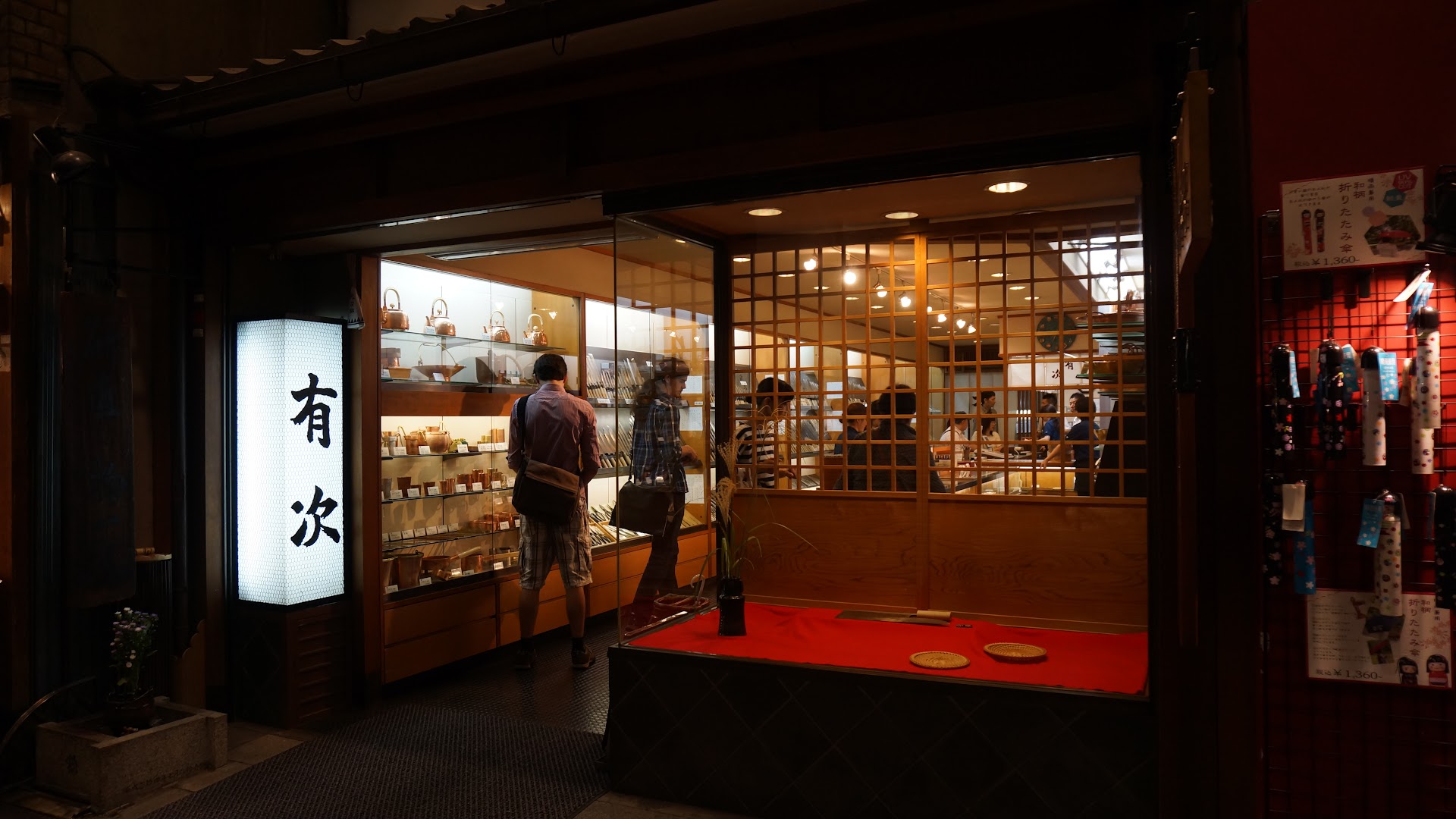
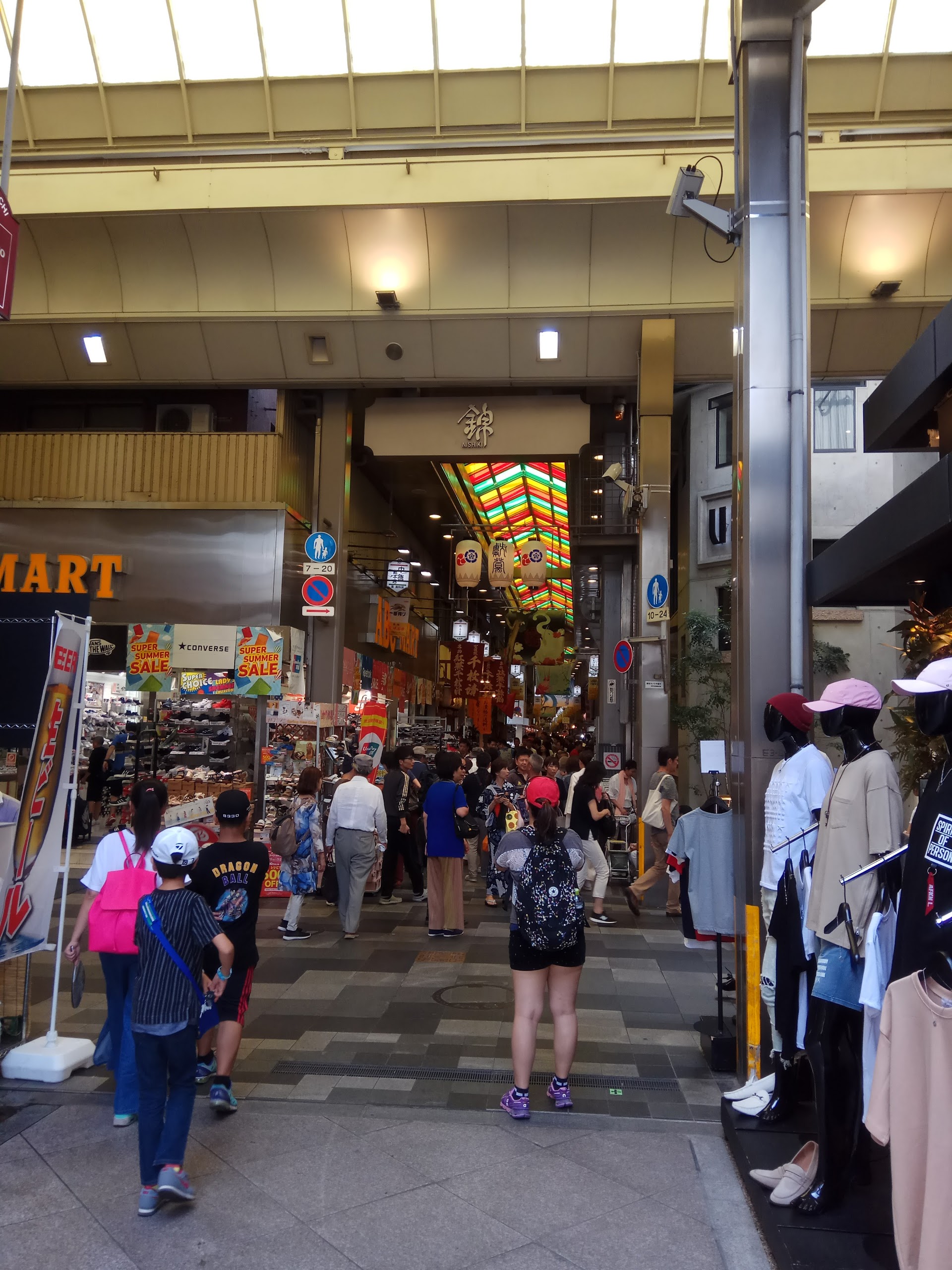
Before most of Kyoto has poured its first cup of tea, Nishiki Market is already wide awake. This narrow, covered lane in the heart of the city — nicknamed “Kyoto’s Kitchen” — has been feeding the city for more than four centuries, and the hour before 8 AM is when it still belongs entirely to the people who work it.
Best Timing
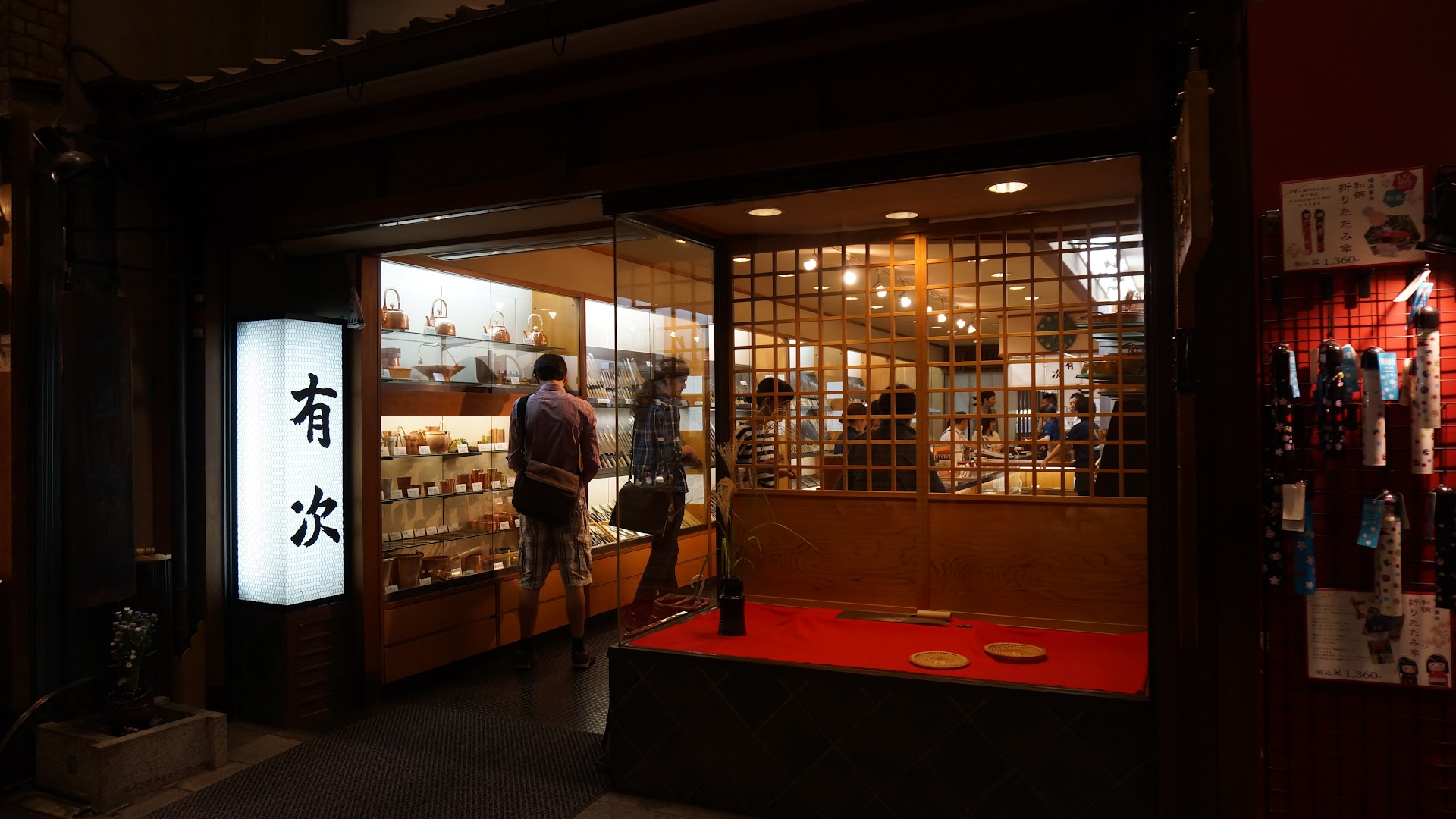
Nishiki Market stretches roughly 400 meters through central Kyoto, running parallel to Shijo-dori between Teramachi and Nishikikoji. Most stalls open between 6:30 and 7:00 AM, and the first hour is categorically different from what arrives by mid-morning. Vendors are restocking trays by hand, the air carries the sharp smell of pickled daikon and steaming dashi broth, and foot traffic is light enough to actually stop and look at things.
In terms of seasons, late March through early May and October through November offer the most comfortable morning temperatures — cool enough to walk slowly, clear enough for soft natural light to filter through the market’s translucent roof panels. Summer mornings (June–August) are humid but worth the effort; winter mornings (December–February) are cold but atmospheric, with vendors wrapped in aprons over layered clothes. Whatever the month, aim to arrive no later than 7:15 AM if an unhurried experience is the goal. By 9:30, the lane starts to fill; by 10:30, it’s shoulder-to-shoulder.
Core Experiences
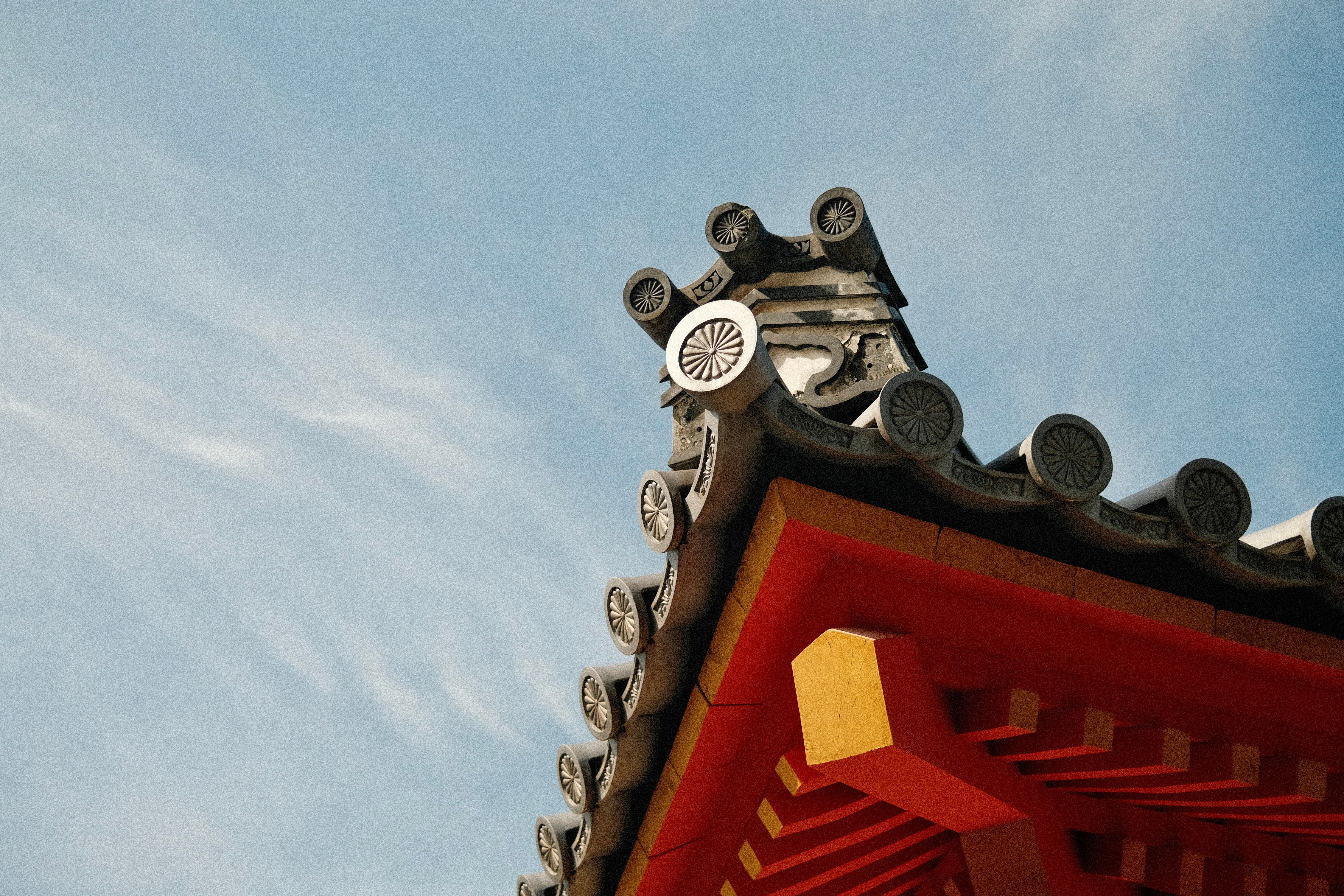
Aritsugu — the knife and kitchenware stall that opens at dawn
At the western end of the market, Aritsugu has been making blades in Kyoto since 1560. The morning light catches the steel of the knives laid out in rows, and the craftspeople who open the shop are unhurried in a way that shifts once tourists arrive. This is not a place to browse quickly — the weight and balance of a handmade deba or nakiri knife deserves a moment. Even if buying nothing, watching the early-morning setup is a window into how seriously Kyoto takes its kitchen culture. The shop also stocks hand-hammered copper pots, wooden chopstick rests, and graters — all functional, none of it performative.
- 📍 Nishiki Market, Nakagyo-ku, Kyoto (near Teramachi end) · 💰 Knives from ¥3,000 (
$20); handmade pieces from ¥15,000 ($100) · ⏰ Opens ~8:00 AM, closes 5:30 PM · ⭐ 4.7 - What locals know: The staff will engrave a name on a knife purchased in-store — ask at the counter; it takes about 10 minutes and there’s no extra fee for simple kanji.
Daiyasu — tofu and yuba straight from the morning batch
A few steps east, Daiyasu draws a small line of regulars before most visitors have even found the market entrance. The specialty is fresh yuba — the delicate skin that forms on the surface of heated soy milk — pulled and served warm with a dab of soy sauce or wasabi. The tofu blocks here are dense and cool, made that morning, nothing like the shelf-stable version found outside Japan. A small portion of warm yuba costs around ¥300 (~$2), making it one of the best-value things in the market. The vendor rarely speaks much, but a nod and a point at the yuba tray communicates everything needed.
- 📍 Nishiki Market, mid-section, Nakagyo-ku · 💰 Yuba portion ¥300–¥500 (
$2–$3.50); firm tofu block ¥200 ($1.30) · ⏰ Opens 7:00 AM · ⭐ 4.6 - What locals know: Arrive within the first hour of opening for the warmest yuba — later batches are still good, but that first pull of the morning has a silkier texture that regulars specifically time their visit around.
Kyoto Tsukemono Stalls — the pickled vegetable counter
No single stall defines this category better than the cluster of tsukemono vendors near the center of the market. Kyoto pickles — known as kyo-tsukemono — are a distinct culinary tradition: lighter, more nuanced, and far less vinegary than what’s common elsewhere in Japan. Vendors arrange shallow wooden trays of bright purple turnip (kabu), pale green cucumber, and deep amber miso-cured eggplant, and most offer small samples on toothpicks without being asked. The colors under morning light are remarkable — terracotta, jade, and gold arranged by hand before 7 AM. Buying a small container to eat while walking is entirely acceptable and quietly encouraged.
- 📍 Central section of Nishiki Market, Nakagyo-ku · 💰 Small takeaway containers ¥400–¥800 (~$2.70–$5.50) · ⏰ 7:00–8:00 AM setup; some stalls open as early as 6:30 AM · ⭐ 4.5
- What locals know: The purple turnip (senmai-zuke) is a Kyoto specialty cured with kelp and rice vinegar — it’s available throughout the city, but the market versions are fresher and noticeably brighter in flavor than what’s sold in supermarkets.
Fushimi Sake Tasting Corner — a morning pour that makes sense here
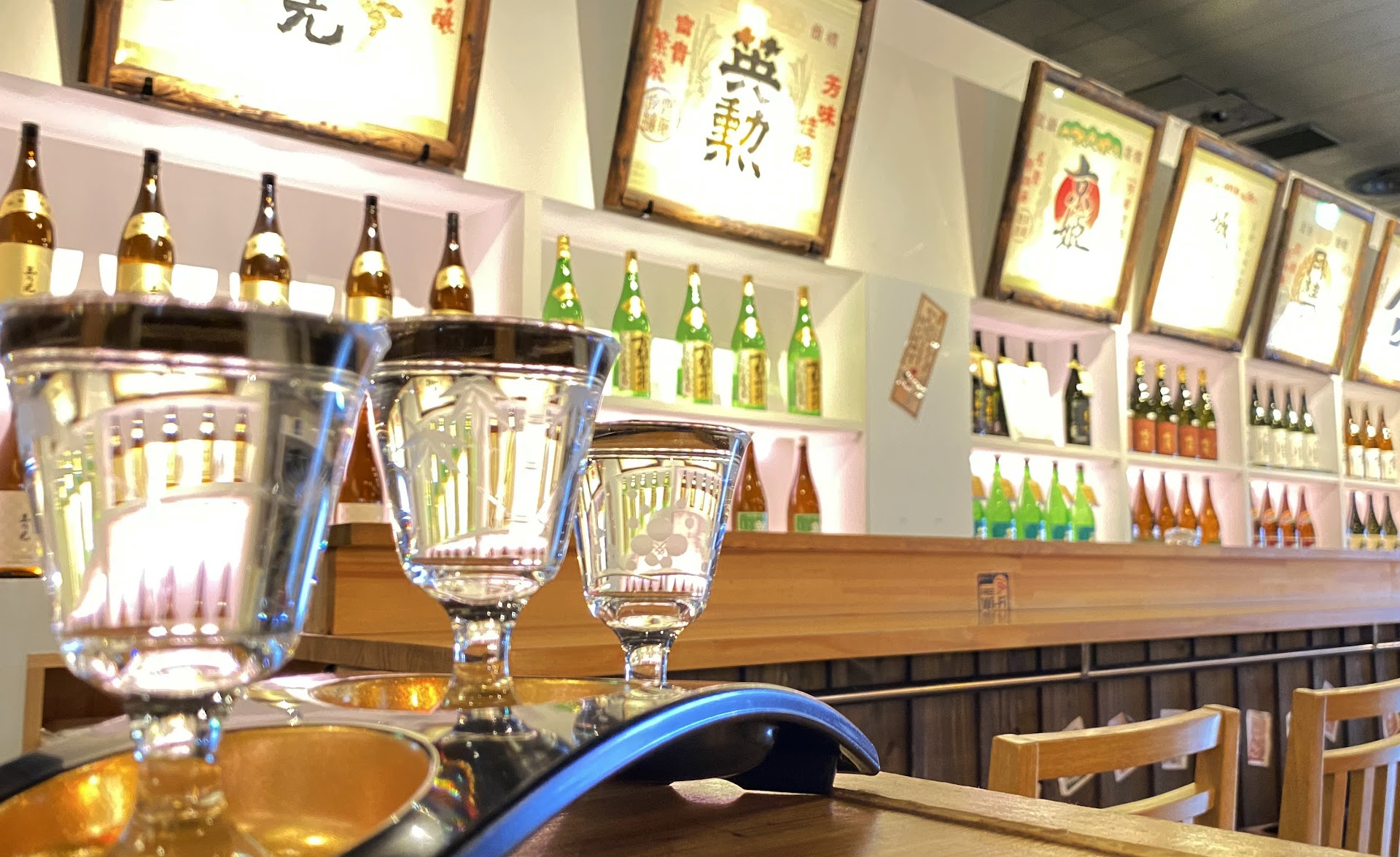
It may seem counterintuitive to taste sake before 9 AM, but the small sake counter near the eastern stretch of Nishiki operates exactly on that logic — and Kyoto’s serious sake culture backs it up. The vendor pours small cups (ochoko) of dry junmai from Fushimi, Kyoto’s brewing district, for around ¥200–¥300 a cup. In the quiet of the early market, with vendors calling softly to each other and the smell of pickles in the air, a small cold pour of clean local sake feels entirely appropriate. The vendor typically offers two or three varieties side by side, and brief tasting notes are written in Japanese on small cards propped against each bottle.
- 📍 Eastern section of Nishiki Market, near Kawaramachi · 💰 ¥200–¥400 per cup (~$1.30–$2.70) · ⏰ Opens around 8:00 AM · ⭐ 4.4
- What locals know: Fushimi water is naturally soft, which produces sake with a clean, slightly sweet finish — ask for junmai (pure rice, no added alcohol) for the most honest expression of the local style.
Nishiki Tenmangu Shrine — the small shrine at the market’s end
At the very eastern end of the market, tucked behind a narrow torii gate, sits Nishiki Tenmangu — a shrine so small and so embedded in the urban fabric that it’s easy to walk past without registering it as sacred ground. In the early morning, before the market noise builds, the shrine is genuinely quiet: incense smoke drifts up through wooden lattices, the stone fox guardians are misted with morning dew, and a handful of vendors stop to clap twice before opening their stalls. It’s a place where the market’s working culture and Kyoto’s devotional life overlap without ceremony or performance. The water basin at the entrance is functional — rinse hands, stand still for a moment, take in what four centuries of daily market life looks like at ground level.
- 📍 Nishikikoji-dori at Teramachi, Nakagyo-ku · 💰 Free · ⏰ Open at dawn · ⭐ 4.6
- What locals know: The shrine is dedicated to Sugawara no Michizane, patron of scholars — students leave wooden ema (votive plaques) here before exams. The morning visit before the market fills up is when the shrine is at its most honest.
Recommended Route
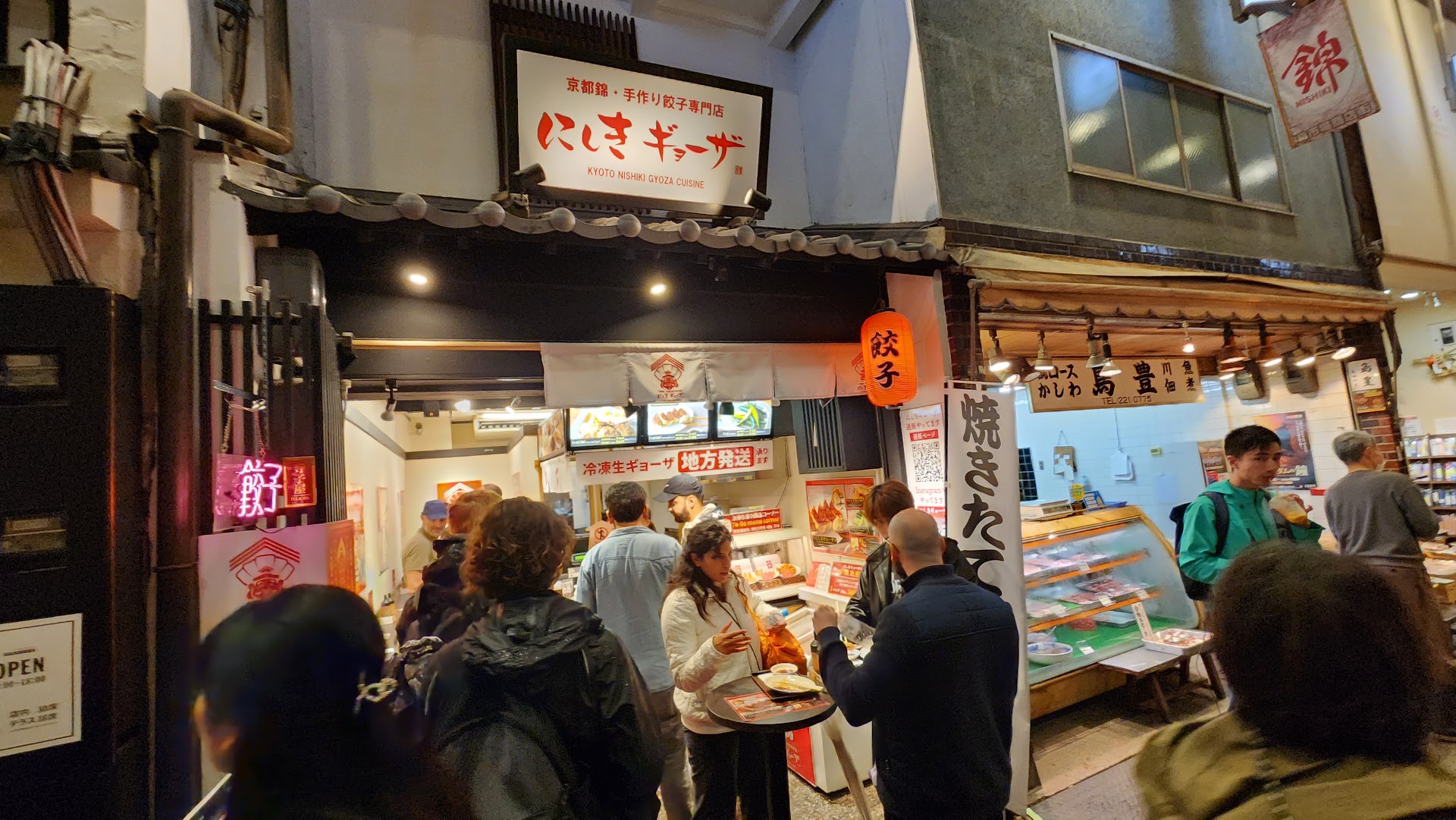
This half-day walk works best starting before 7:30 AM. The entire route is flat and the market itself is only 400 meters long, so all five stops fit comfortably within two hours if the pace is unhurried.
07:00 — Arrive at the Teramachi (east) entrance. Begin at Nishiki Tenmangu Shrine while the vendors are still setting up around you. 5 minutes.
07:10 — Walk west into the market. The tsukemono stalls are among the first to be fully arranged. Sample the senmai-zuke and pick up a small container. 15–20 minutes.
07:35 — Continue west to Daiyasu for warm yuba. Eat standing at the counter. 10 minutes.
07:50 — The Fushimi sake counter opens around 8. If timing works, stop here for a small pour before the pace shifts. 10 minutes.
08:10 — Reach Aritsugu at the western end. Browse slowly; this is the stop that rewards patience. 20–25 minutes.
08:40 — Walk back east at a slower pace. The market is noticeably busier now but still manageable. Exit at Teramachi and walk three minutes south to Shijo-dori for coffee at a kissaten (traditional coffee shop) before the city fully wakes.
Total time: approximately 1.5–2 hours inside the market.
Budget · Transport · Booking
Nishiki Market requires no entrance fee and no advance booking for any of the stalls described here. All transactions are cash-preferred — many small vendors don’t accept cards, so bring ¥3,000–¥5,000 in small bills for a comfortable morning.
Estimated spend per person:
- Yuba (Daiyasu): ¥300–¥500
- Tsukemono to go: ¥400–¥800
- Sake tasting: ¥400–¥600
- Aritsugu (browsing only): ¥0; a small knife or tool: ¥3,000+
- Total for food/drink stops: ¥1,100–¥1,900 (~$7.50–$13)
Getting there: The nearest subway station is Shijo Station on the Karasuma Line (2-minute walk). From Kyoto Station, take the Karasuma subway line north — 3 stops, 5 minutes, ¥220 (~$1.50). No taxis or ride-shares needed. The market is not accessible by car.
No reservations are required for any morning market stop. Aritsugu engravings are walk-in only.
Must-Know Tips
- 🕐 Arrive by 7:15 AM — the atmosphere before 8 AM is qualitatively different from what follows. The vendors are focused, the light is soft, and the lane is wide enough to stop and look.
- 💴 Carry cash — most small stalls are cash-only. ¥1,000 and ¥500 coins are most useful; larger bills can be hard to break early in the morning.
- 📸 Ask before photographing vendors — a nod and a gesture toward your camera is usually enough. Most are fine with it before the crowds arrive; attitudes shift when the market is busy.
- 🧺 Bring a small bag — tsukemono containers and knife purchases are wrapped but not always in carry-friendly packaging. A light tote fits the pace of the walk.
- 🗣️ Japanese basics help — “Kore wa nan desu ka?” (What is this?) and “Hitotsu kudasai” (One, please) open most interactions. Vendors at Nishiki are used to international visitors but appreciate the effort.
- 🚫 Don’t eat while walking — it’s considered poor form in this part of Kyoto. The market has a few small standing areas; use them, or wait until seated elsewhere.
Closing
Nishiki Market in the early morning is what the phrase “city kitchen” actually means when it’s still true — before it becomes a backdrop for content, before the lane fills and the noise rises and the tofu cools. The vendors who set out their trays at 6:30 AM are continuing something that has happened on this exact stretch of lane for generations, and the quiet hour before the crowds find it is when that continuity is most visible.
If Kyoto is on the itinerary, block out the first morning for this. Not the famous temple at golden hour, not the matcha café with the line — the market, early, before the city catches up.
🏨 Where to Stay
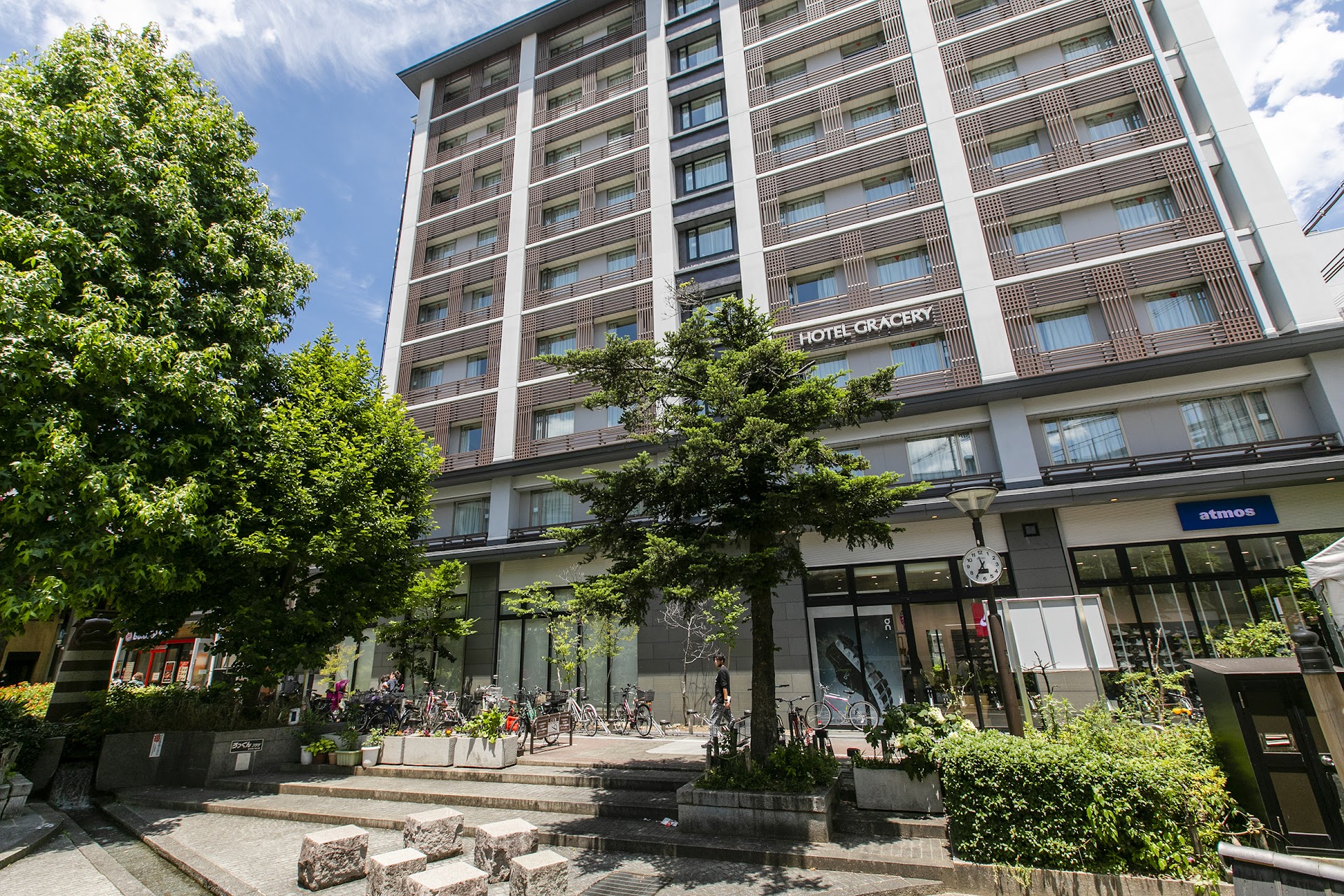
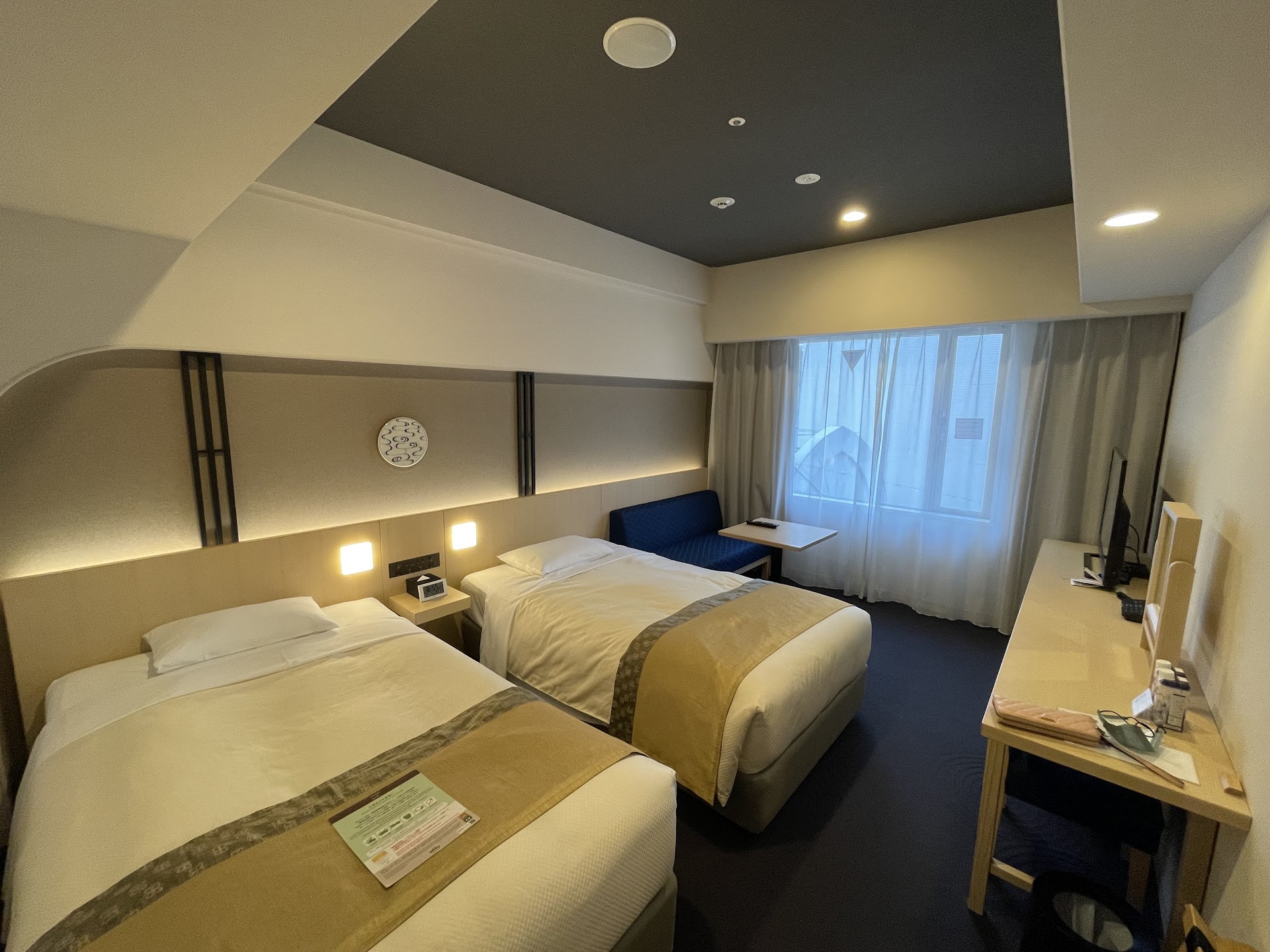 Hotel Gracery Kyoto Sanjo⭐ 4.0 · 8.9/10 (9,955) · $66 /night
 Cross Hotel Kyoto⭐ 4.0 · 9.2/10 (11,344) · $181 /night
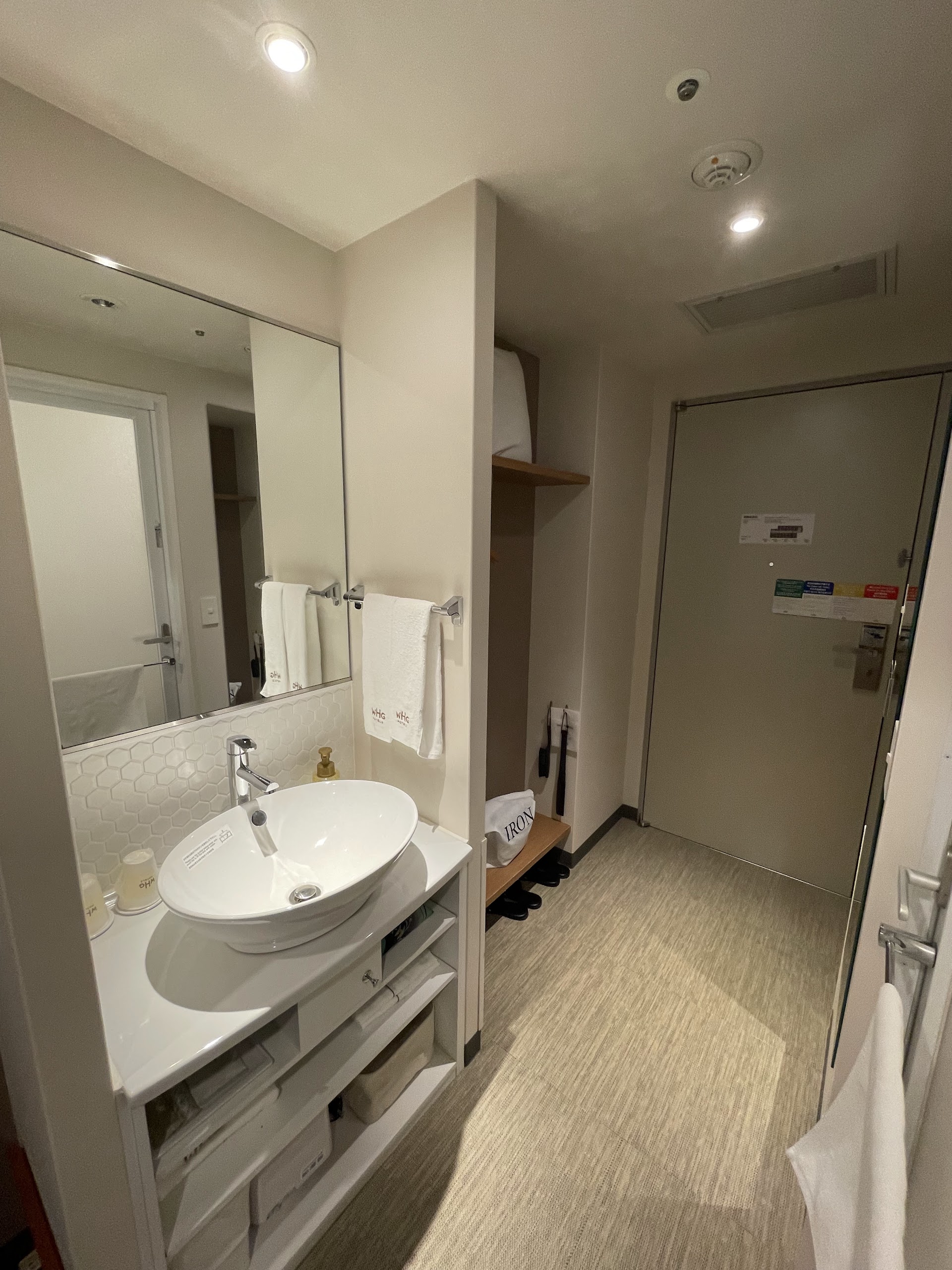 Hotel Resol Kyoto Kawaramachi Sanjo⭐ 3.5 · 8.9/10 (4,726) · $128 /night
Agoda affiliate link — clicks go to the price-comparison page.