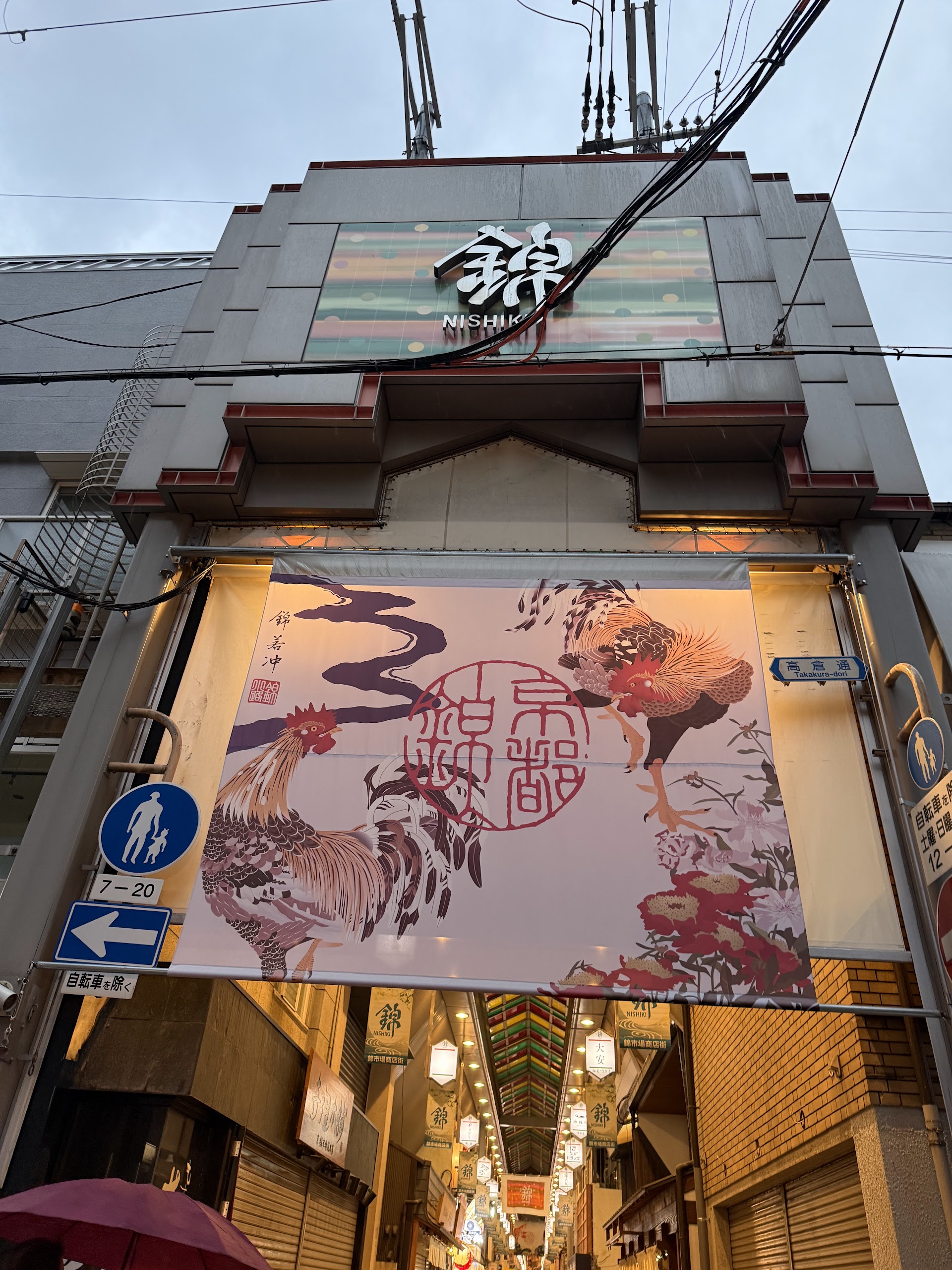
Kyoto has no shortage of places to eat well, but few put that many good decisions in one narrow corridor. Nishiki Market — five blocks, roughly 390 meters, more than a hundred vendors — is the city’s most concentrated food walk, and the morning hours are when it actually earns that reputation. Here’s the route worth getting up early for.
Best Timing
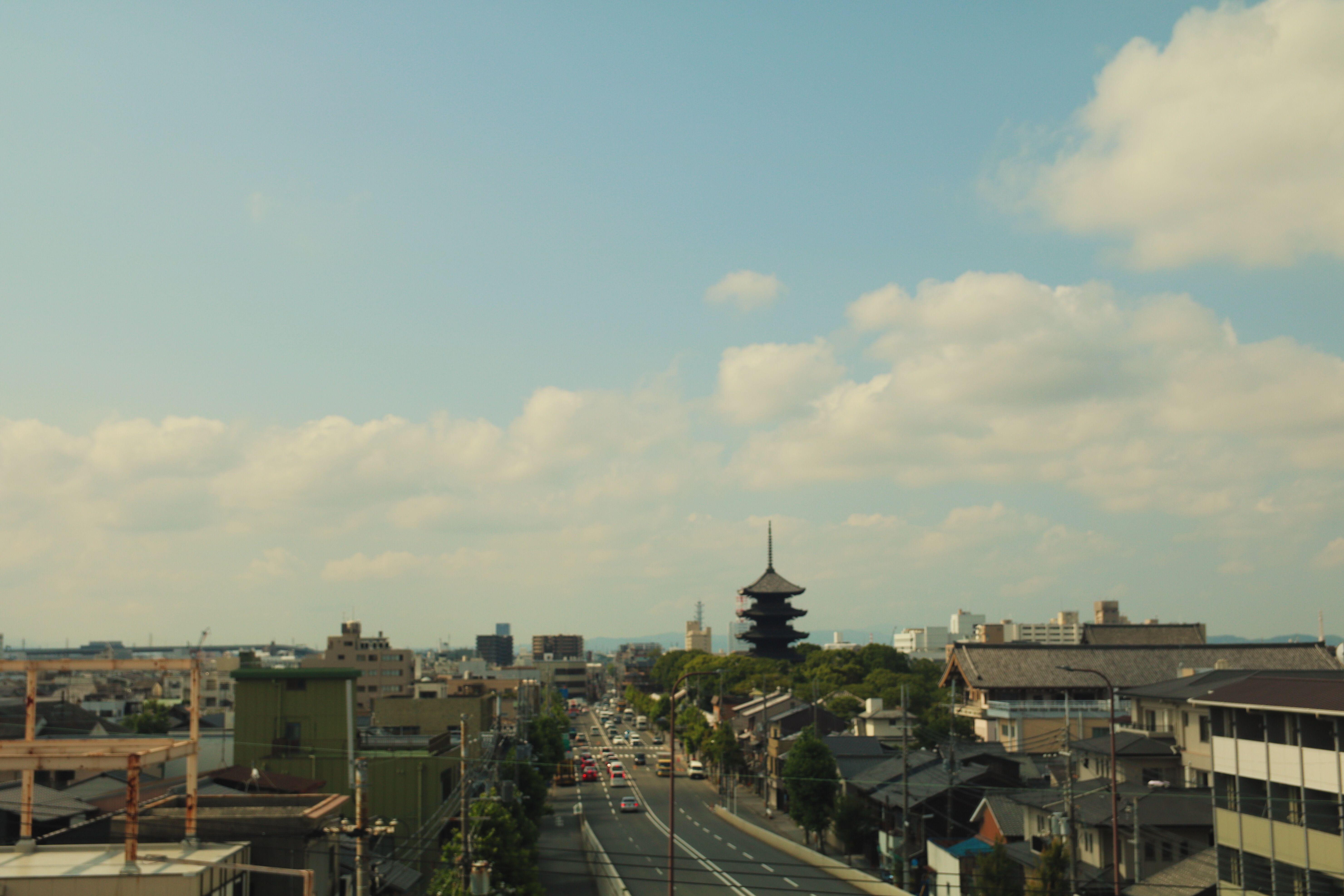
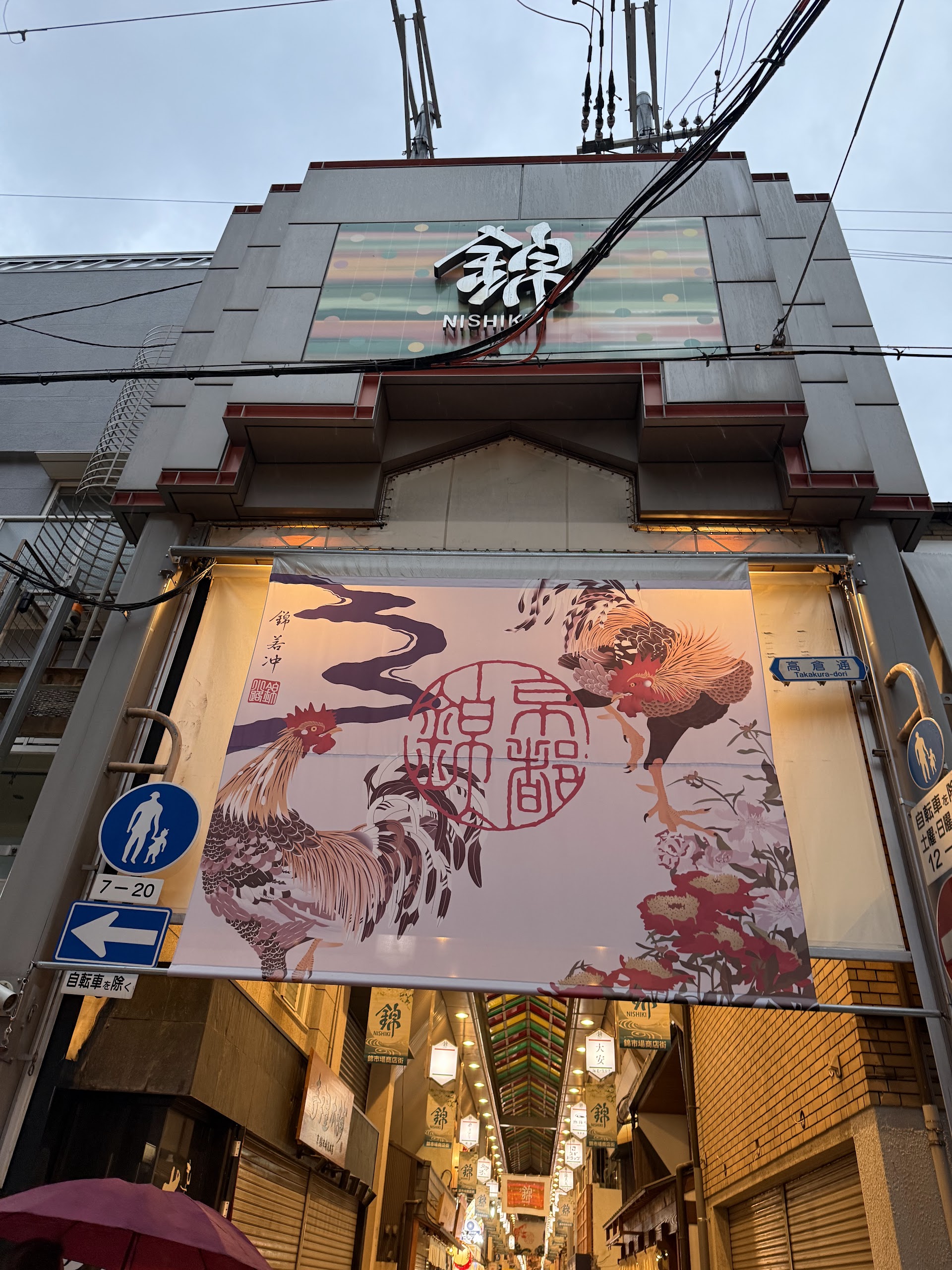
Nishiki Market runs roughly east–west through central Kyoto, parallel to Shijo-dori, and it technically opens from around 9:00 AM, though many prepared-food stalls are ready closer to 10:00 AM. The sweet spot for this route is arriving at the western entrance between 8:30 and 9:00 AM — the corridor is dramatically quieter, light filters through the covered arcade at a low angle, and the pickled-vegetable shops are already setting out their morning displays. By 11:30 AM the market narrows psychologically: tour groups fill the center lane and you’ll spend more time shuffling than eating.
Seasonally, March through May and October through November are the easiest visits weather-wise. Summer (July–August) brings heat and humidity into the covered arcade that makes lingering uncomfortable; winter mornings (December–February) are cold but crowd-free and often the most photogenic, with vendors in padded aprons and steam rising from broths. Rain is rarely a reason to skip — the arcade roof covers the full length.
Core Experiences
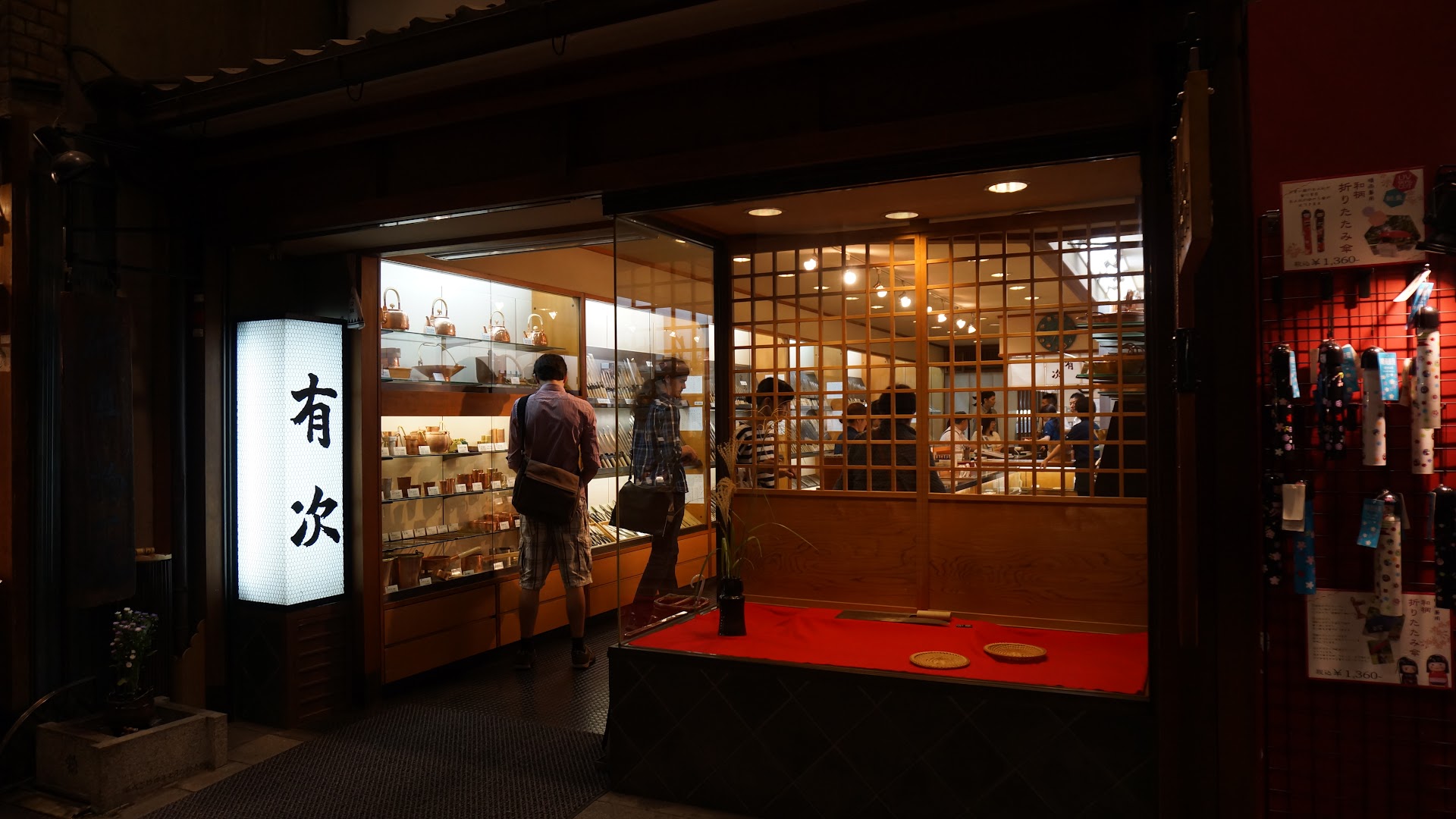
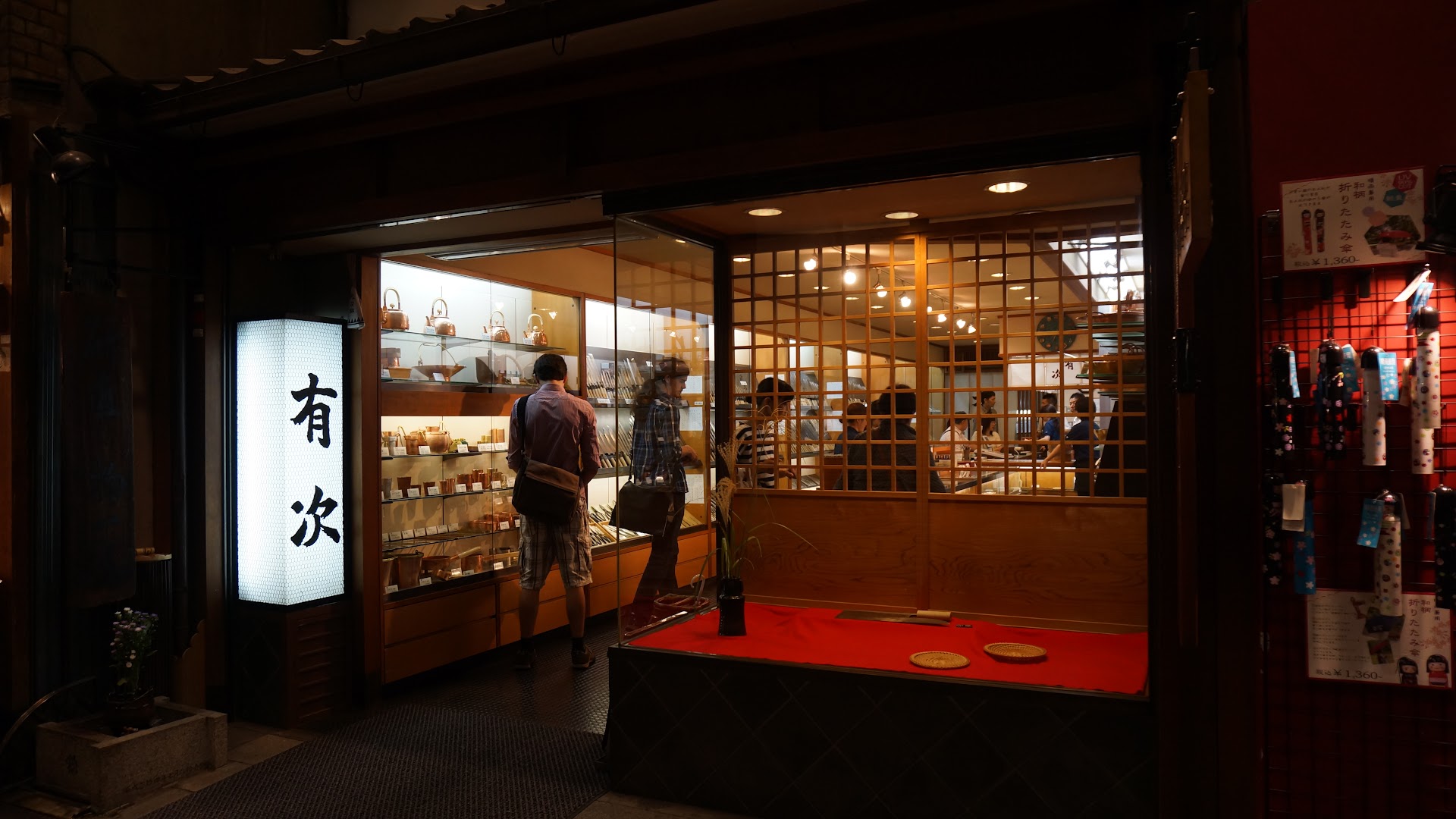
Aritsugu — The Knife Shop That Opens the Walk
Before the eating begins, the western end of Nishiki is anchored by Aritsugu, a knife and kitchen tool shop that has been operating since 1560. It’s not a food stop, but it sets the tone: this market takes craft seriously. The narrow shop smells of iron and wood, and the staff will engrave a name into a blade while you wait. Even if knives aren’t on the shopping list, the window display of copper pots and hand-forged steel is a worthwhile sixty seconds.
- 📍 Nishiki Market, western end (near Nishiki-koji and Gokomachi intersection)
- 💰 Knives from ¥5,000 (~$33); browsing is free
- ⏰ Opens 9:00 AM, closed Wednesdays
- ⭐ 4.7
What regulars know: ask to see the deba (fish-breaking) knives on the lower shelf — they’re the ones most staff actually use at home and they’re better value than the display pieces up front.
Nishiki Waffle — Matcha and Kinako Street Waffles
A few stalls east of Aritsugu, the small Nishiki Waffle stand produces thin, crisp-edged waffles in flavors that track exactly with what Kyoto does best: matcha cream, kinako (roasted soybean flour), and red bean paste. These are not thick Belgian waffles — they’re closer to a folded crepe in texture, hot off the iron, wrapped in paper and meant to be eaten walking. This is Stop 1 for eating: it’s light, it costs very little, and it calibrates your palate for what’s ahead.
- 📍 Mid-western section of the arcade
- 💰 ¥400–¥600 (~$2.60–$4) per waffle
- ⏰ From 9:30 AM most days
- ⭐ 4.4
What regulars know: the kinako + black sesame combination isn’t always on the posted menu — ask for it specifically, especially on weekday mornings when they have more flexibility.
Nishiki Tenmangu Shrine — The Market’s Quiet Midpoint
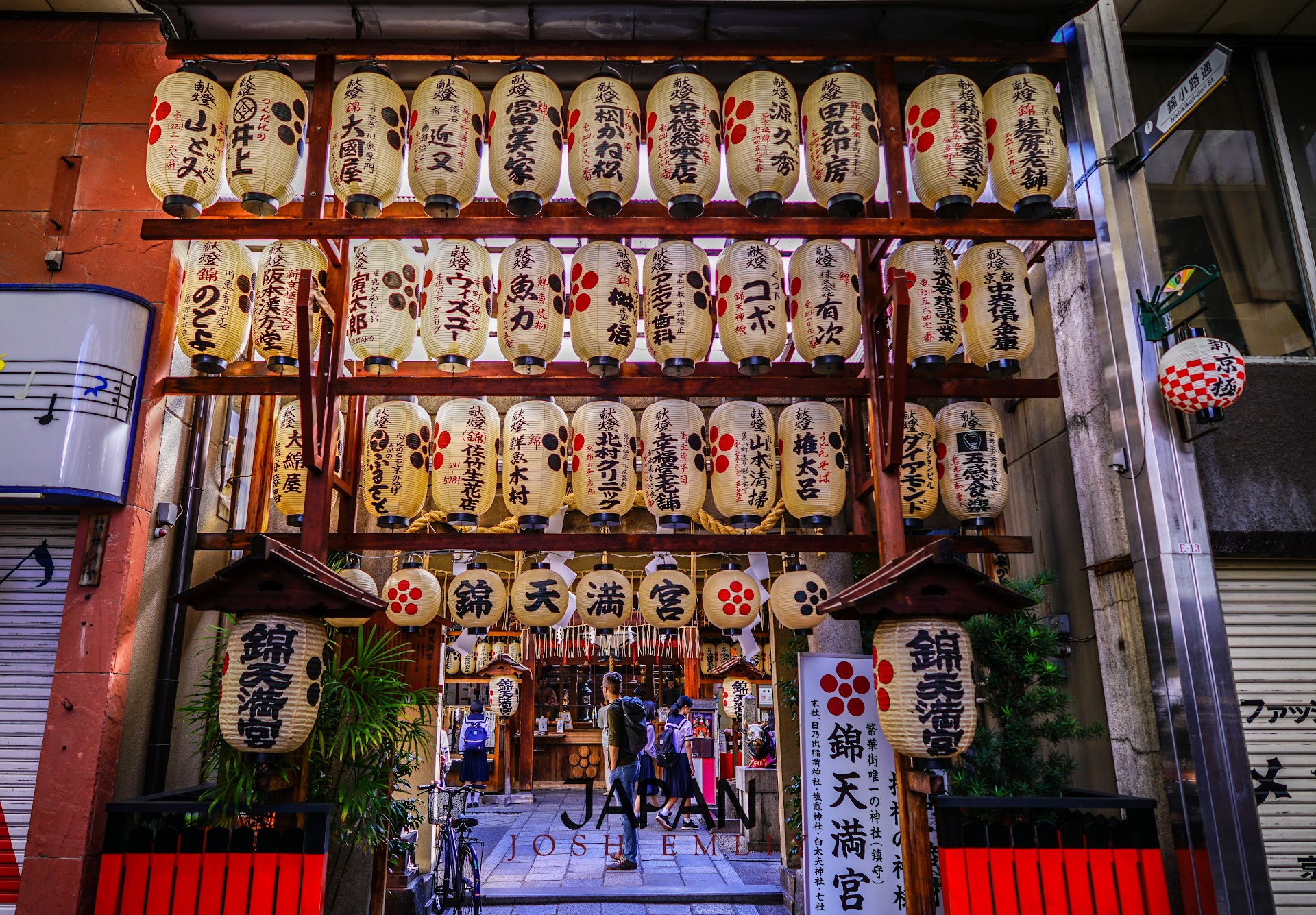
Embedded directly into the arcade, Nishiki Tenmangu Shrine is easy to miss if you’re focused on food stalls — which would be a mistake. The small shrine dedicated to Sugawara no Michizane (the deity of scholarship) sits behind a torii gate flanked by ceramic fox figures, and the contrast between the covered market bustle and the pocket of incense-scented quiet is genuinely striking. Block out five minutes here. There’s a hand-washing station and, on most mornings, vendors selling omamori (amulets) and small ceramic items that make more considered souvenirs than the market’s souvenir stalls.
- 📍 Center of Nishiki Market, accessible directly from the arcade
- 💰 Free to enter; amulets from ¥500 (~$3.30)
- ⏰ Grounds accessible from early morning
- ⭐ 4.5
What regulars know: the small water-fortune station (mizumikuji) — you place a slip of paper in the water basin to reveal your fortune — is a low-key ritual that takes thirty seconds and is genuinely fun. Skip it only if you’re in a rush.
Yaoyasu — Pickled Vegetables and the Honest Kyoto Pantry
Yaoyasu is one of the market’s longer-standing tsukemono (pickled vegetable) shops, and it represents what Kyoto’s food culture is actually built on rather than what gets photographed for travel content. The shop displays shibazuke (purple, brine-cured cucumber and eggplant), suguki (fermented turnip with a sharp, almost funky depth), and seasonal pickles in large barrels and trays. Most vendors here offer small samples without being asked — accept them, because the flavor range is wider than the visual similarity between jars suggests. Shibazuke is mild and mildly sweet; suguki is polarizing in the best way.
- 📍 Eastern-central section of the arcade
- 💰 Small packs from ¥500 (~$3.30); tasting is free
- ⏰ Opens 9:00 AM
- ⭐ 4.6
What regulars know: suguki is the pickle most worth buying for its rarity outside Kyoto — it’s produced by a specific fermentation process using Kyoto turnips and doesn’t travel as a concept the way matcha does. Buy a vacuum pack if you’re flying home within five days.
Fushimi Sake Tasting Stall — The Eastern End Reward
The eastern end of Nishiki opens onto Teramachi Street, and just before the exit, a small standing stall offers pours from Fushimi-produced sake — Kyoto’s dedicated brewing district, roughly 30 minutes south by train. This isn’t a sit-down bar; it’s a counter with ceramic cups, a rotating selection of junmai, ginjo, and nigori (unfiltered) styles, and a vendor who can explain the difference in two sentences. On a morning route, a single small pour of nigori — cloudy, slightly sweet, low heat — is the right call. Think of it as punctuation at the end of the walk.
- 📍 Eastern end of Nishiki Market, near Teramachi-dori exit
- 💰 Single pours from ¥300–¥600 (~$2–$4)
- ⏰ From approximately 10:00 AM (confirm on the day)
- ⭐ 4.5
What regulars know: nigori is the approachable entry point, but if you’re willing to say “something drier,” the vendor will usually produce something from a back shelf that’s more interesting than the tourist-facing lineup.
Recommended Route
This is a half-morning route designed to be complete by 11:00 AM before crowds peak.
- 8:30 AM — Enter at the western end (Gokomachi side). Browse Aritsugu’s window; go inside if knives are on the list. (~15 min)
- 8:50 AM — Walk east two minutes to Nishiki Waffle. Order one waffle, eat it standing. (~10 min)
- 9:05 AM — Continue east at a slow pace, noting stall displays. Pause at Nishiki Tenmangu Shrine for the water-fortune ritual. (~10 min)
- 9:20 AM — Stop at Yaoyasu for tsukemono tasting. Buy what compels you. (~15 min)
- 9:40 AM — Continue to the eastern end. Arrive at the sake stall when it opens (~10:00 AM); use the gap to browse the Teramachi arcade briefly. (~20 min at the stall)
- 10:10 AM — Exit onto Teramachi-dori. The walk from west entrance to east exit is roughly 390 meters / 7 minutes at browsing pace, 15–20 minutes with stops.
- 10:15 AM — Optional: walk five minutes south to Nishiki Tenmangu’s main Tenjin shrine or north to Shijo-dori for coffee before the city fully wakes up.
Total route time: approximately 1.5–2 hours, including all stops.
Budget · Transport · Booking
Getting there: Nishiki Market is a 3-minute walk from Karasuma Station (Hankyu line) or a 5-minute walk from Shijo Station (Karasuma subway line). No need for taxis.
Food and drink budget for the full route:
- Nishiki Waffle: ¥500
- Tsukemono (small pack to take home): ¥800
- Sake tasting: ¥400
- Misc snacks / additional purchases: ¥1,000
- Realistic total: ¥2,700–¥4,000 (~$18–$27)
Knife purchase at Aritsugu: optional, ¥5,000+ — budget separately if planned.
No advance booking required for any stop on this route. The market is walk-in only; no reservations, no timed entries. The sole exception is if you’re planning a knife-engraving at Aritsugu during a busy period — a short wait (10–20 min) is typical after 11:00 AM on weekends.
IC card (Suica or ICOCA) covers all transit. Cash is still strongly preferred by most Nishiki vendors — bring ¥5,000–¥10,000 in small bills.
Must-Know Tips
- 💰 Carry cash in small denominations. Many stalls don’t accept cards or have card minimums of ¥1,000+. ¥500 and ¥1,000 coins and bills are the working currency of this market.
- ⏰ Arrive before 9:30 AM on weekends. Weekend crowds start building by 10:00 AM and become genuinely difficult by noon. Weekday mornings are the most manageable experience by a significant margin.
- 🍴 Eat standing, not walking. The arcade is narrow — roughly 3–4 meters wide — and eating while moving creates bottlenecks. Most vendors have a small ledge or standing space; use it.
- 📍 The market runs east–west; start from the west (Gokomachi) end. Walking west-to-east means you end near Teramachi-dori and Pontocho, making it easy to continue into a broader Kyoto morning.
- 🚫 Photography inside stalls: ask first. Photographing displays and the arcade is generally fine; pointing a camera at staff or their prep area without a nod first is not.
- 🛍 Vacuum-packed tsukemono and matcha-based sweets travel well. Fresh items (grilled skewers, hot tofu) do not — eat those on-site rather than planning to save them.
Closing
Nishiki Market at 9:00 AM is one of those Kyoto moments that holds up without any romanticism added. The corridor is functional and old, the food is specific and good, and the pace — before the crowds arrive — lets the place be what it actually is: a working food market that has fed this city for four centuries. It’s not a performance; it’s a pantry.
The actionable takeaway: block out 7:00–11:00 AM on day one of your Kyoto trip, walk Nishiki before you do anything else, and let the city’s food logic set the table for the rest of your itinerary. Everything tastes better when you know where it comes from.
🏨 Where to Stay
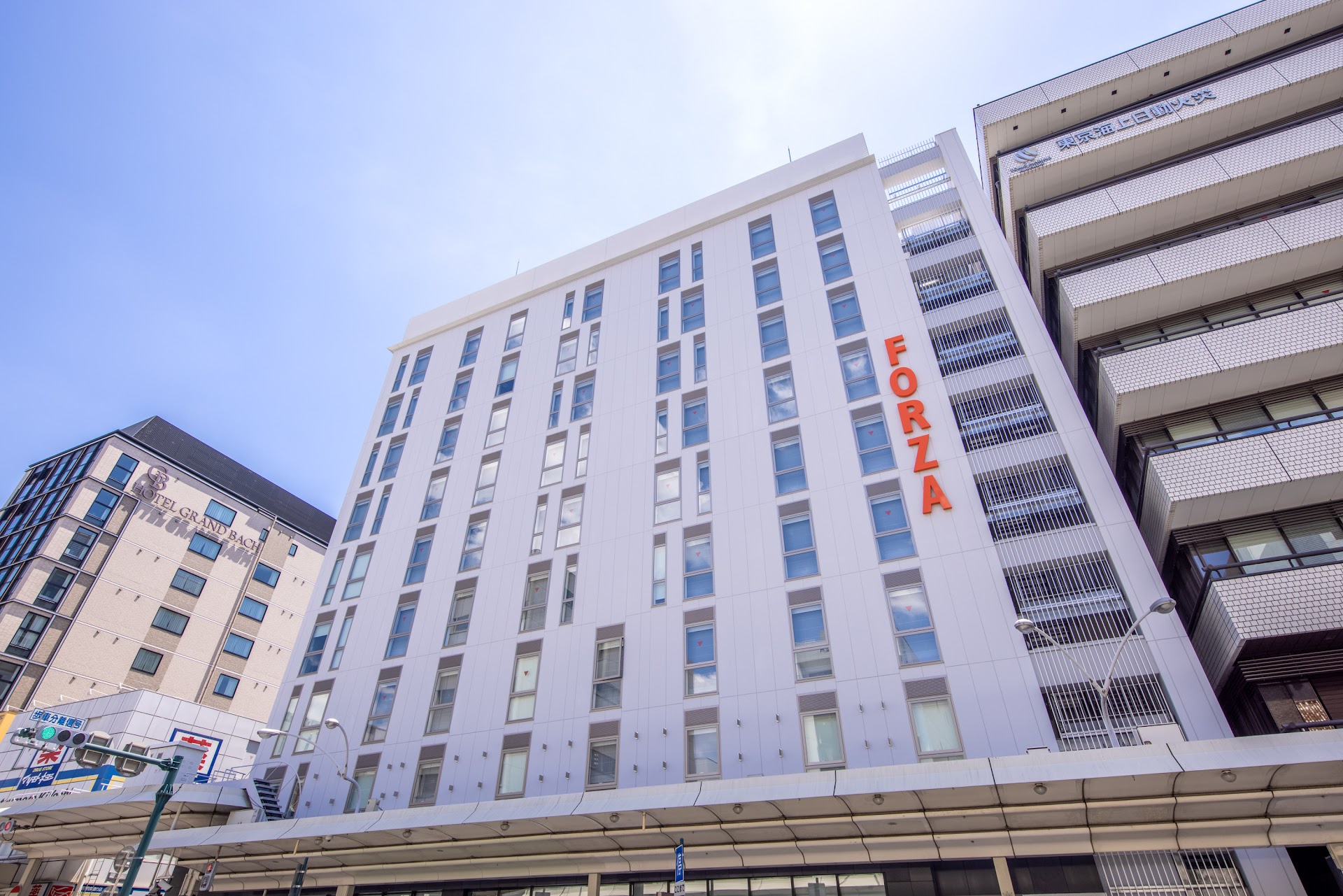
 HOTEL FORZA KYOTO SHIJO KAWARAMACHI⭐ 4.0 · 9.1/10 (7,629) · $52 /night
 CANDEO HOTELS Kyoto Karasuma Rokkaku⭐ 4.0 · 8.9/10 (2,495) · $103 /night
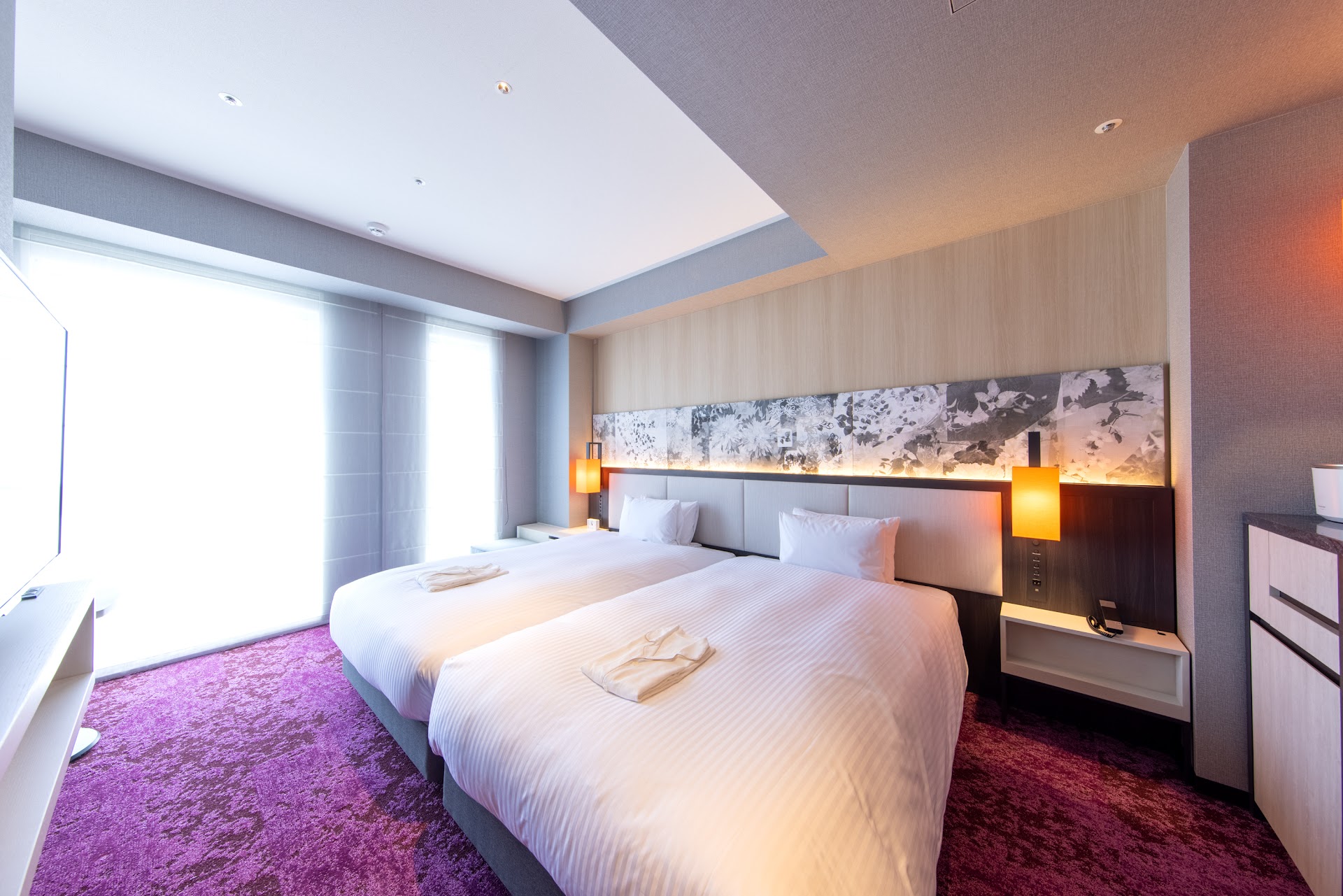 Hotel Resol Trinity Kyoto⭐ 4.0 · 8.8/10 (8,282) · $78 /night
Agoda affiliate link — clicks go to the price-comparison page.