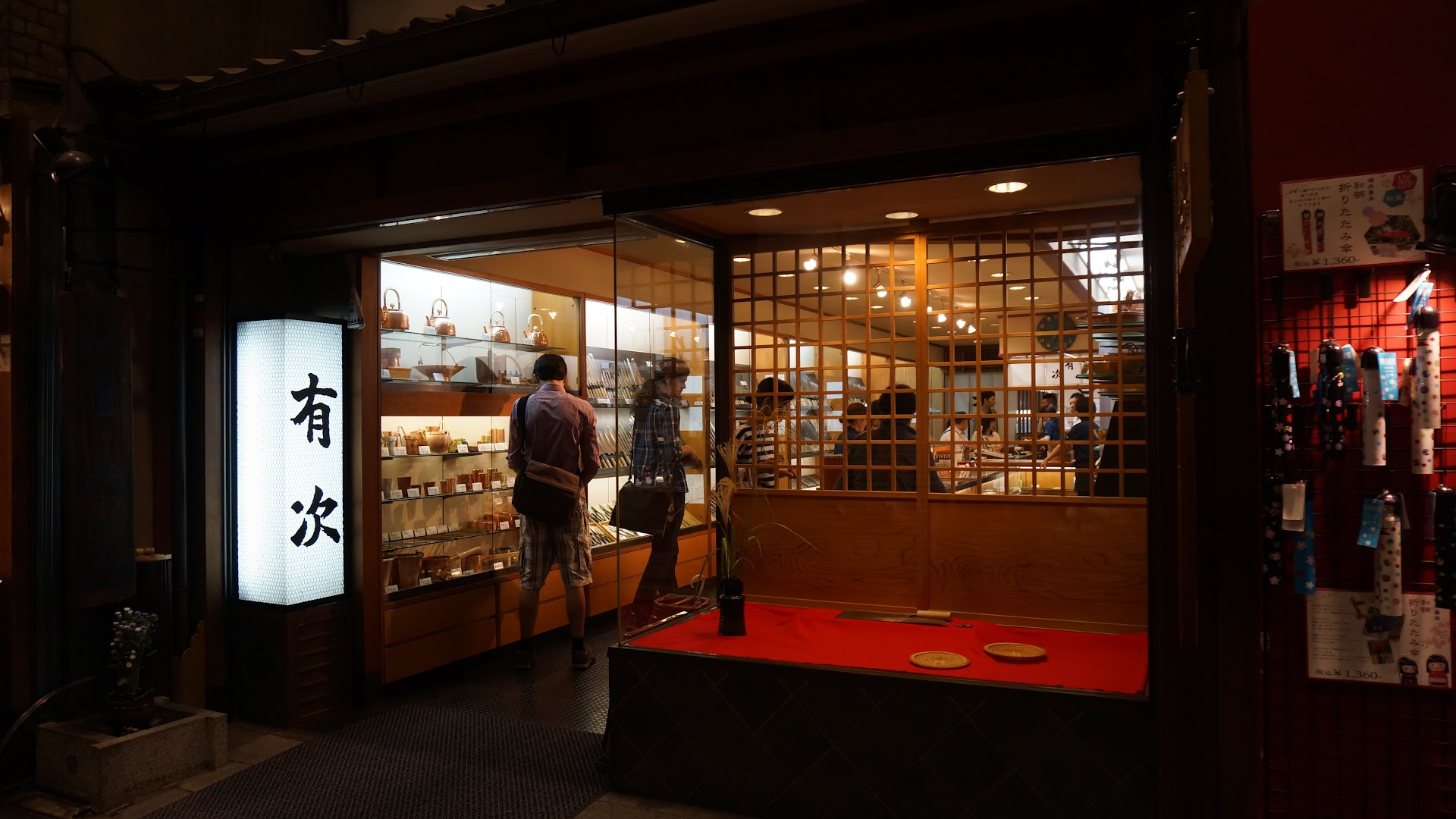
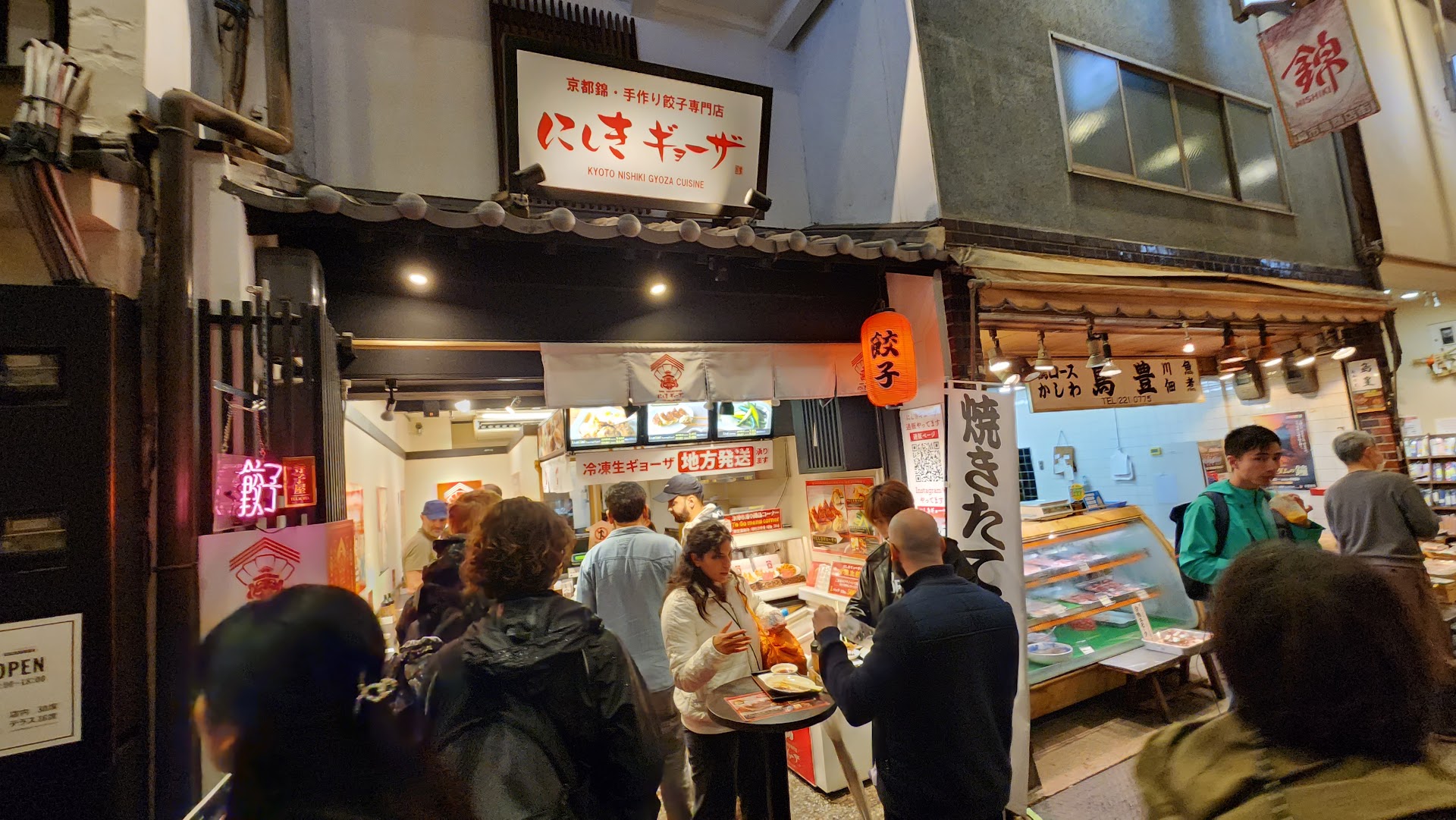
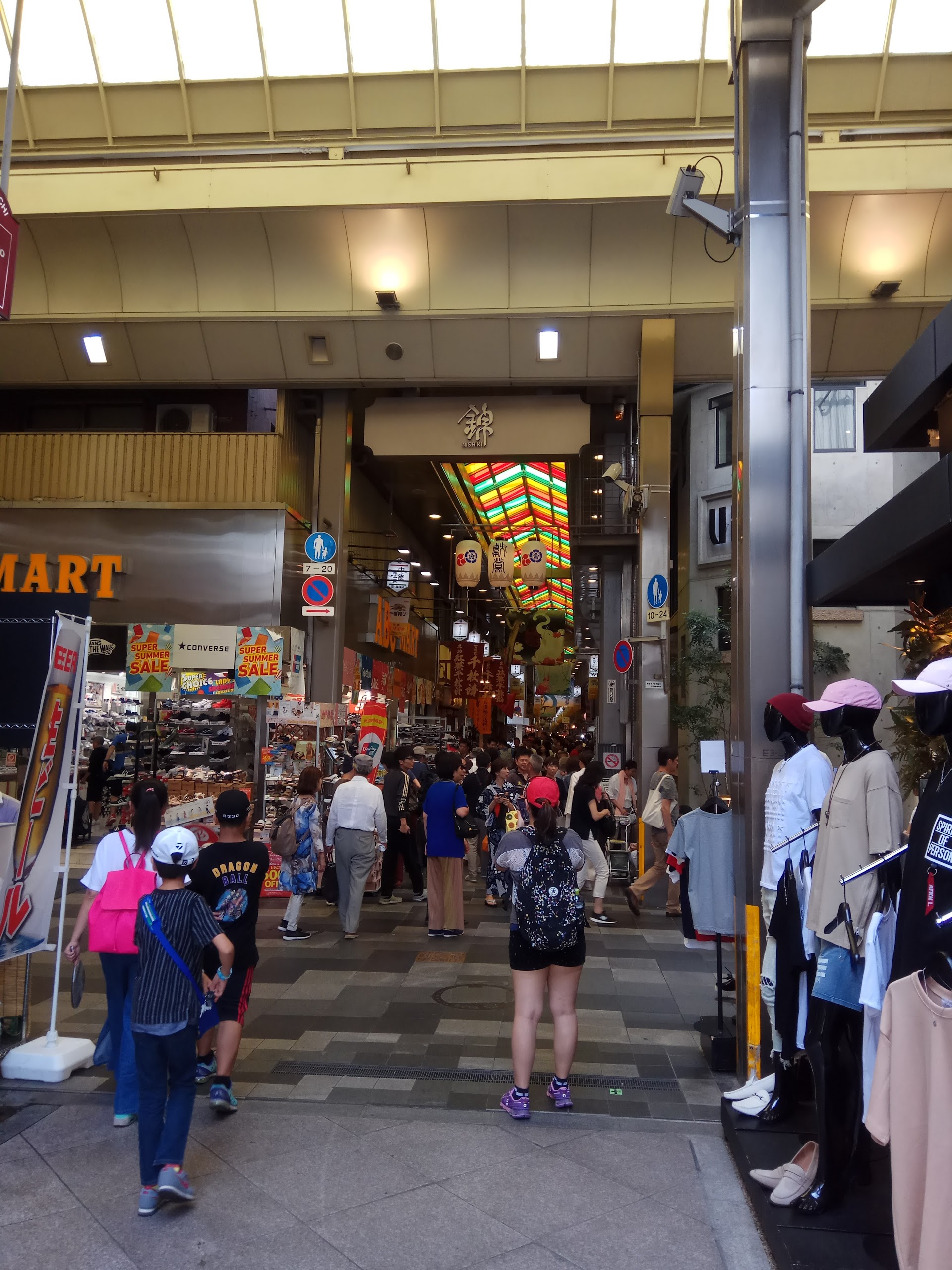
Kyoto has a thousand reasons to wake up early, but Nishiki Market at dawn might be the most delicious one. This five-block covered arcade — locals call it “Kyoto’s Kitchen” — transforms before 9 AM into something most tourists never see: quiet stalls, fresh stock, and vendors who actually have time to talk. Here’s the route worth setting your alarm for.
Best Timing
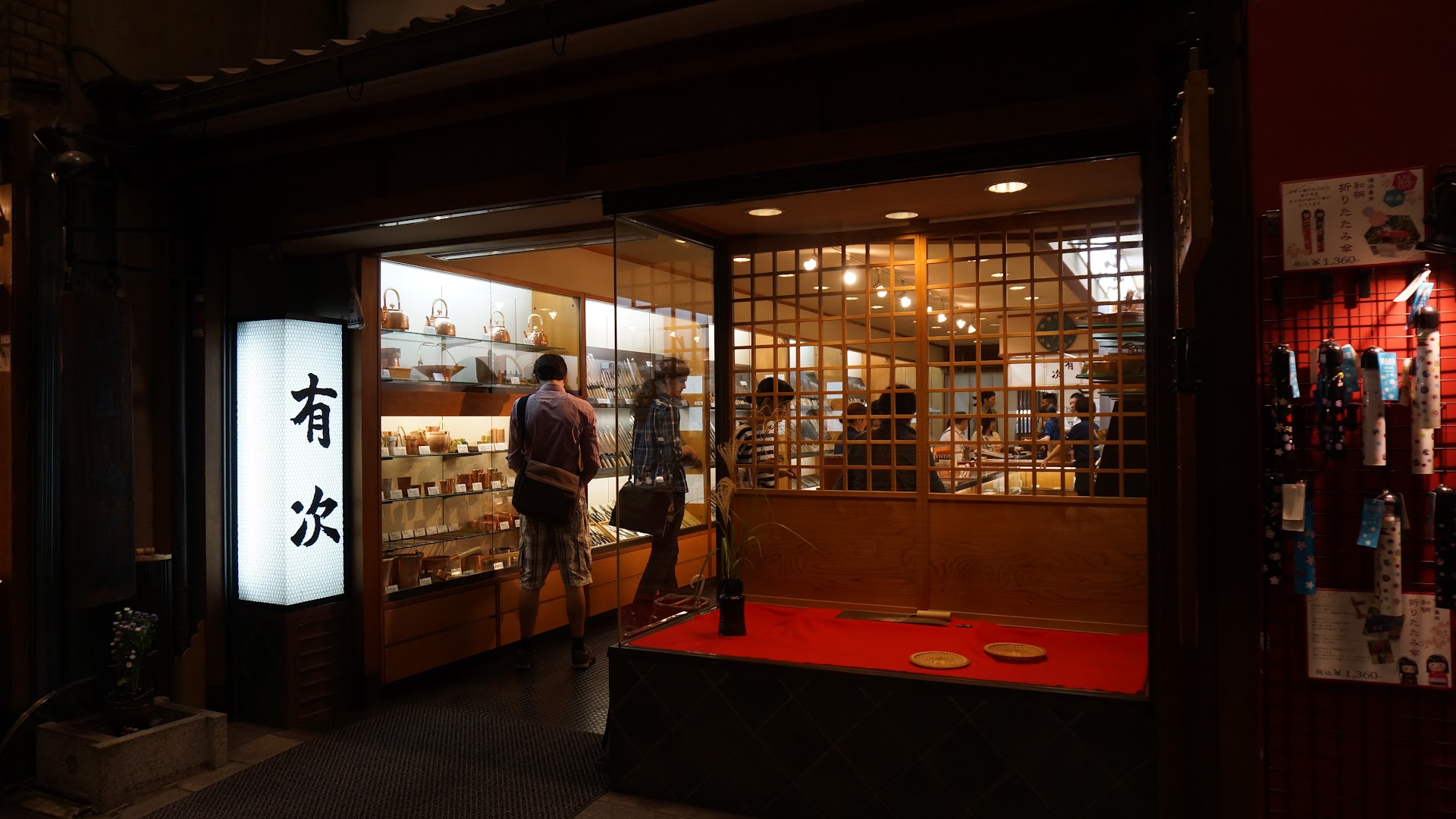
The single best window to walk Nishiki is 7:00 AM to 9:00 AM, Tuesday through Sunday. The market officially opens around 9 AM for most stalls, but the food vendors — pickles, tofu, skewers, tamagoyaki — are prepping and selling from as early as 6:30 or 7:00. That first hour is when the produce is freshest, the crowds are nonexistent, and the light filtering through the arcade ceiling is genuinely beautiful. By 10 AM on a weekend, the corridor is shoulder-to-shoulder.
In terms of seasons, April and November bring the most visitors to Kyoto overall, which means Nishiki gets overwhelming by mid-morning. If you’re visiting during cherry blossom season or fall foliage, the 7 AM start isn’t optional — it’s essential. Summer (July–August) is hot and humid; go early anyway, and hydrate. Winter mornings (December–February) are cold but uncrowded, and the market feels intimate in a way that’s worth the chill.
Core Experiences
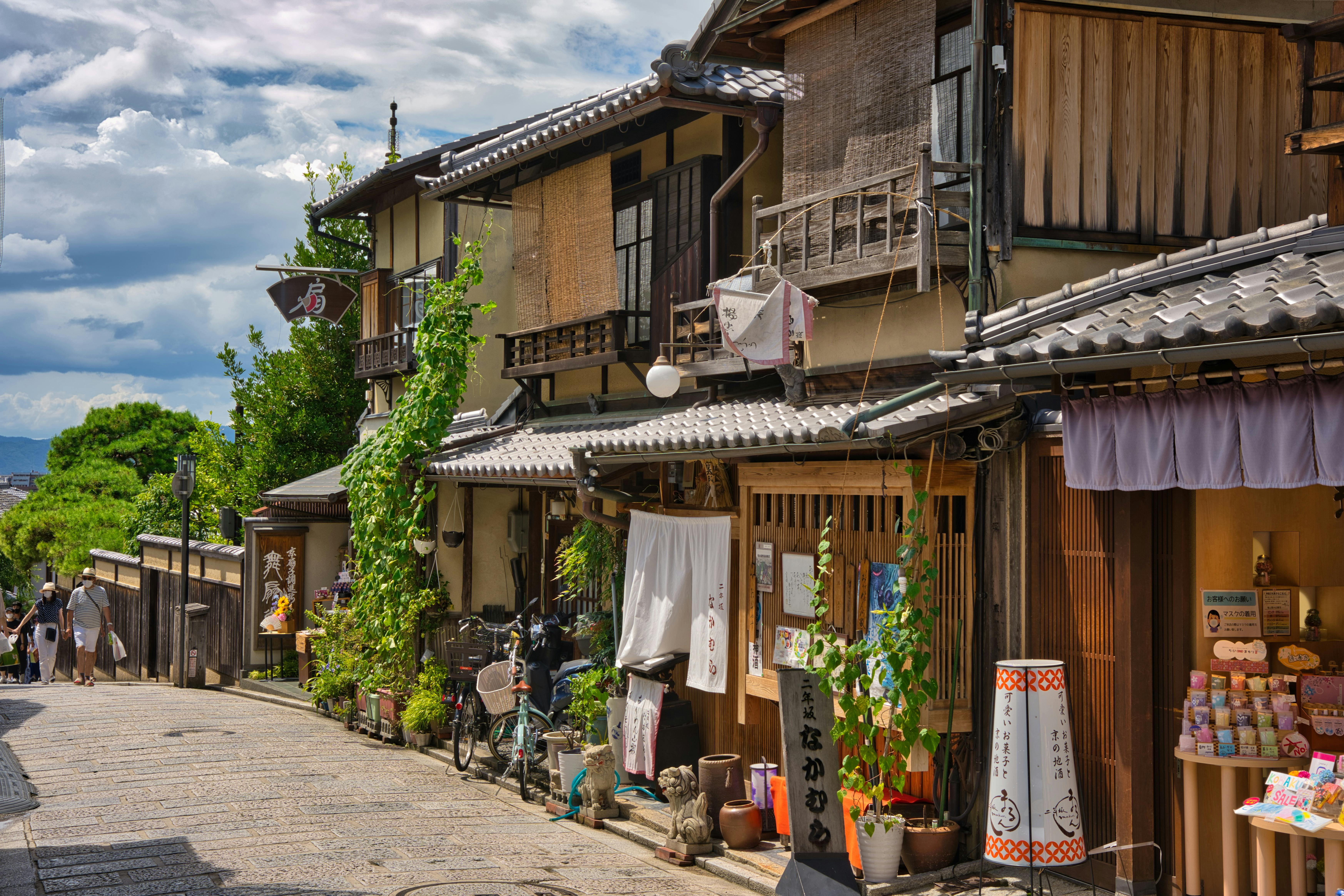
Aritsugu — The Knife Shop That Opens Early
Most people walk past Aritsugu thinking it’s just a hardware store. It isn’t. Founded in 1560, this is one of Japan’s most respected knife and kitchen tool makers, and the narrow shop is packed floor to ceiling with hand-forged blades, copper pots, and bamboo strainers. Come here first, before your hands smell like pickles. The craftspeople behind the counter will engrave a name on a blade while you wait — budget 20 minutes if you’re buying. Even if you’re not purchasing, it’s worth a five-minute stop to understand what “kitchen culture” means in Kyoto.
- 📍 Nishiki Market, near the Teramachi (east) entrance · 💰 Knife engraving from
¥500 ($3.30); knives from ¥3,000–¥50,000+ ($20–$330+) · ⏰ Opens ~9 AM but accessible from ~8 AM on market days · ⭐ 4.8 - What locals know: Ask for the copper tamagoyaki pan in the back — it’s a practical, affordable souvenir that actually gets used.
Nishiki Wafu — Tamagoyaki-on-a-Stick
This is the stop most likely to have a short line even at 7:30 AM, and it’s worth every second of the wait. Tamagoyaki — rolled egg omelet — is grilled fresh on small rectangular pans right in front of you, skewered on a wooden stick, and handed over warm. At Nishiki Wafu, versions come sweet (dashi-forward) or savory, and the portion is exactly right for a market snack. It costs around ¥250–¥350 ($1.65–$2.30) per stick. Watch the cook flip the layers with the kind of precise, unhurried confidence that only comes from doing something ten thousand times.
- 📍 Mid-market, roughly Block 3 · 💰 ¥250–¥350 (~$1.65–$2.30) per stick · ⏰ From ~7:30 AM · ⭐ 4.6
- What locals know: Order the savory version with the dashi broth inside — it’s less sweet and better balanced than the tourist-default sweet style.
Daiyasu Tofu — Fresh Soy Milk and Cold Tofu
Daiyasu is a small tofu and soy milk shop that has been operating in the market for generations. The soy milk here is served warm in a paper cup for about ¥150 ($1.00), and it tastes nothing like the carton version at the grocery store — richer, slightly beany, with a clean finish. The cold silken tofu, sold by the block for roughly ¥300–¥450 ($2–$3), is so fresh it barely holds its shape. This is a standing-only, eat-it-now stop. The vendor slices tofu in the mornings and sells out before noon most days. Arrive before 8 AM on weekends.
- 📍 West-side section of the market, Block 2 · 💰 Soy milk ¥150 (
$1); tofu block ¥300–¥450 ($2–$3) · ⏰ Opens 7:00 AM, sells out by midday · ⭐ 4.7 - What locals know: The warm soy milk comes unsweetened by default — ask for a dash of salt, not sugar, to bring out the flavor the way regulars take it.
Kyoto Tsukemono — Pickles Worth the Sample
Nishiki has half a dozen pickle shops, but the ones worth stopping at are the ones that let you sample before you buy — and Kyoto Tsukemono (the cluster of dedicated pickle vendors around Block 3–4) does exactly that. Kyoto-style pickles (tsukemono) are milder and less vinegary than their Osaka or Tokyo counterparts. Look for suguki (turnip pickled in salt, slightly funky, acquired taste), shibazuke (shiso-cured cucumber and eggplant, vivid purple), and senmaizuke (paper-thin pickled turnip slices, almost translucent). A small sampler bag runs about ¥400–¥700 ($2.65–$4.65).
- 📍 Blocks 3–4, central market corridor · 💰 Sample bags ¥400–¥700 (
$2.65–$4.65); larger gift boxes ¥1,200+ ($8+) · ⏰ From ~8:30 AM · ⭐ 4.5 - What locals know: If a vendor offers you a sample of suguki and you like it, buy it there — suguki is specific to Kyoto and doesn’t travel or export as well as the milder types.
Fushimi Sake Stall — Morning Tasting at the Market Bar
Yes, sake at 8 AM. It’s more normal here than it sounds, and the small sake tasting counter tucked near the Karasuma (west) end of the market is an underrated stop. Kyoto’s Fushimi district produces some of Japan’s best sake, and a few vendors in Nishiki pour small tasting cups (about 30–50 ml) for ¥100–¥200 ($0.65–$1.30) each. Morning tasting is a practical choice — your palate is clean, the market is quiet, and the vendor has time to explain the difference between a junmai and a daiginjo without talking over a crowd. It’s a two-minute education and a very good two-minute experience.
- 📍 Near Karasuma (west) end, Block 1–2 · 💰 Tasting cups ¥100–¥200 (~$0.65–$1.30); bottles from ¥1,500 ($10) · ⏰ From ~8:00 AM · ⭐ 4.6
- What locals know: Ask for a junmai ginjo from Fushimi specifically — it’s the regional style and pairs better with the food you’ve just eaten than a standard table sake.
Recommended Route
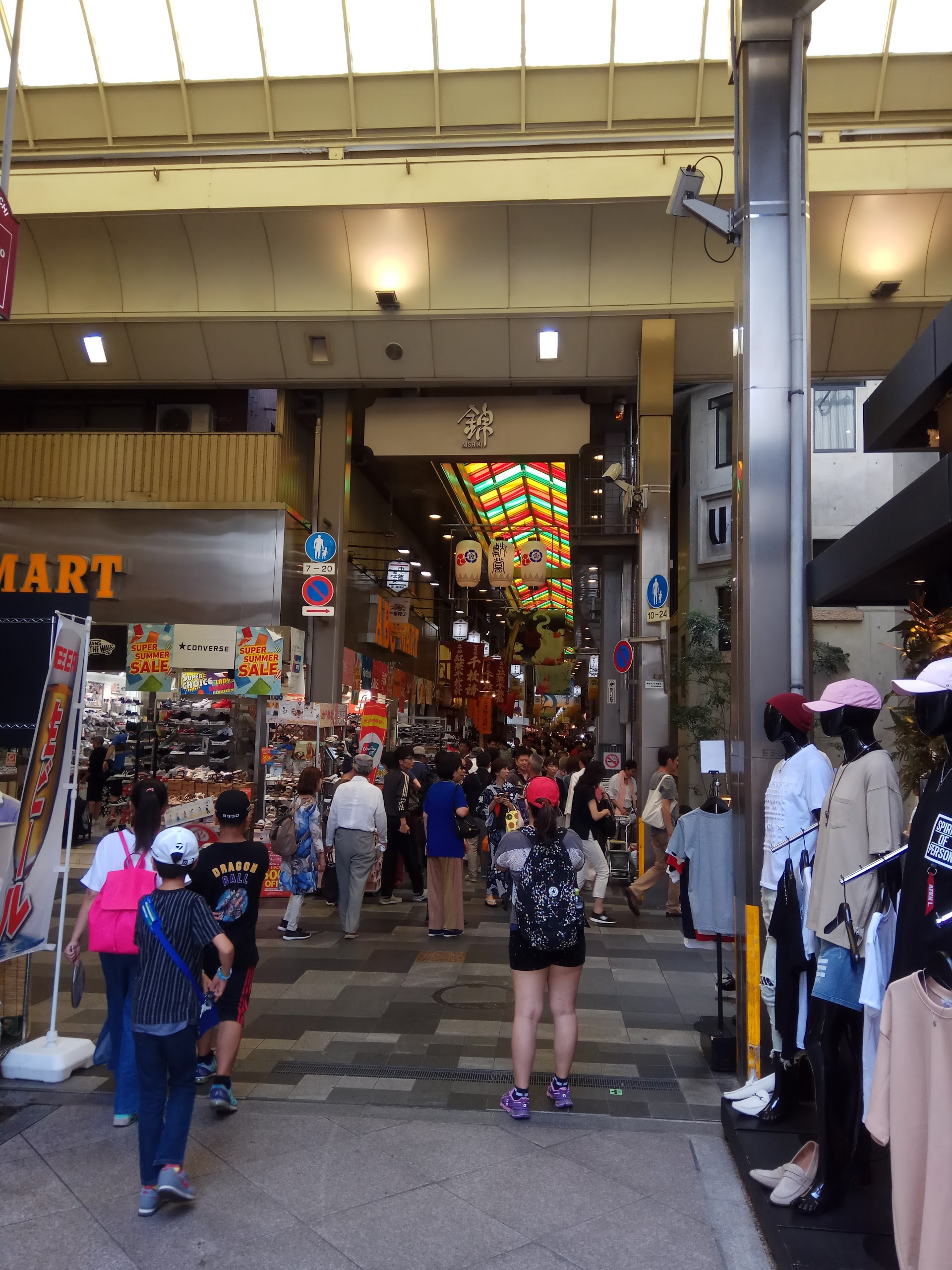
This is a two-hour morning loop, best started on an empty stomach.
- 7:00 AM — Enter Nishiki from the Teramachi (east) end. Start at Aritsugu — browse, no pressure to buy, just calibrate your pace. (~10 min)
- 7:15 AM — Walk west through Block 3. Stop at Daiyasu Tofu for a warm cup of soy milk. Drink it standing at the counter. (~10 min)
- 7:30 AM — Continue to Nishiki Wafu for tamagoyaki on a stick. Eat while walking — that’s the etiquette. (~10 min)
- 7:45 AM — Reach Blocks 3–4 for the Kyoto Tsukemono vendors. Sample freely, buy one small bag. (~15 min)
- 8:05 AM — Push to the Karasuma (west) end for the Fushimi Sake Stall. One tasting cup, one conversation. (~10 min)
- 8:20 AM — Walk back east through the corridor — it’ll be noticeably busier now. Grab anything you missed.
- 9:00 AM — Exit toward Nishiki Tenmangu shrine (just north of the market’s east end) for a quiet five-minute stop before the tourist wave fully arrives.
Total walking distance inside the market: about 400 meters end-to-end. The whole loop including browsing is under two hours.
Budget · Transport · Booking
Total food spend for this route: ¥1,300–¥2,200 ($8.60–$14.60) per person, depending on whether you buy a pickle gift box or a sake bottle.
- 🚇 Getting there: Take the Hankyu Kyoto Line to Karasuma Station (west end of market) or the Kyoto Municipal Subway Karasuma Line to Shijo Station (same exit area). From Kyoto Station, it’s about 10 minutes by subway, ¥230 (~$1.55).
- 🍴 Market food budget: ¥1,000–¥1,500 ($6.65–$10) covers soy milk + tamagoyaki + pickle sample. Add ¥200–¥500 for sake tasting.
- 💰 Souvenirs: Knife from Aritsugu starts at ¥3,000 (
$20); pickle gift box ¥1,200+ ($8); sake bottle ¥1,500+ (~$10). - Advance booking: None required for the market itself. No reservations, no tickets. Just show up early.
- Cash: Most stalls are cash only. Bring ¥3,000–¥5,000 in small bills. The nearest 7-Eleven ATM (accepts foreign cards) is on Shijo-dori, one block south.
Must-Know Tips
- 💰 Cash is non-negotiable. The majority of Nishiki stalls do not accept credit cards. ¥3,000–¥5,000 in hand before you enter.
- ⏰ The market closes early. Most stalls shut down by 6 PM, some as early as 5 PM. This is not a dinner destination — it’s a morning and lunchtime spot.
- 📸 Photography is welcome in the corridor, but ask before shooting at stalls. A quick nod or gesture before pointing a camera is standard courtesy and almost always rewarded with a yes.
- 🗣️ Basic Japanese goes a long way. “Kore hitotsu kudasai” (one of this, please) and “oishii” (delicious) — two phrases that visibly change the interaction at every single stall.
- 🧺 Bring a small tote bag. Plastic bags from vendors are being phased out across Japan, and several Nishiki stalls have already stopped offering them. A compact reusable bag is practical and appreciated.
- 🥢 Eat standing, walk slowly, don’t block the corridor. Nishiki is only about 3–4 meters wide. Eating while walking (aruki-gui) is officially discouraged city-wide, but at market stalls with a counter, eating at the stall and moving on is the accepted norm. Stay to the side.
Closing
Nishiki Market before 9 AM is what the rest of the day in Kyoto aspires to be: unhurried, specific, and real. The soy milk is warm, the tamagoyaki vendor is focused, and the pickle samples are genuinely educational. It’s not a hidden secret — it’s just a timing decision that most visitors don’t make. Block out two hours on your first or second morning in Kyoto, enter from the east, and work your way west with an empty stomach and small bills in your pocket. The honest verdict: the early alarm is worth it every time.
🏨 Where to Stay
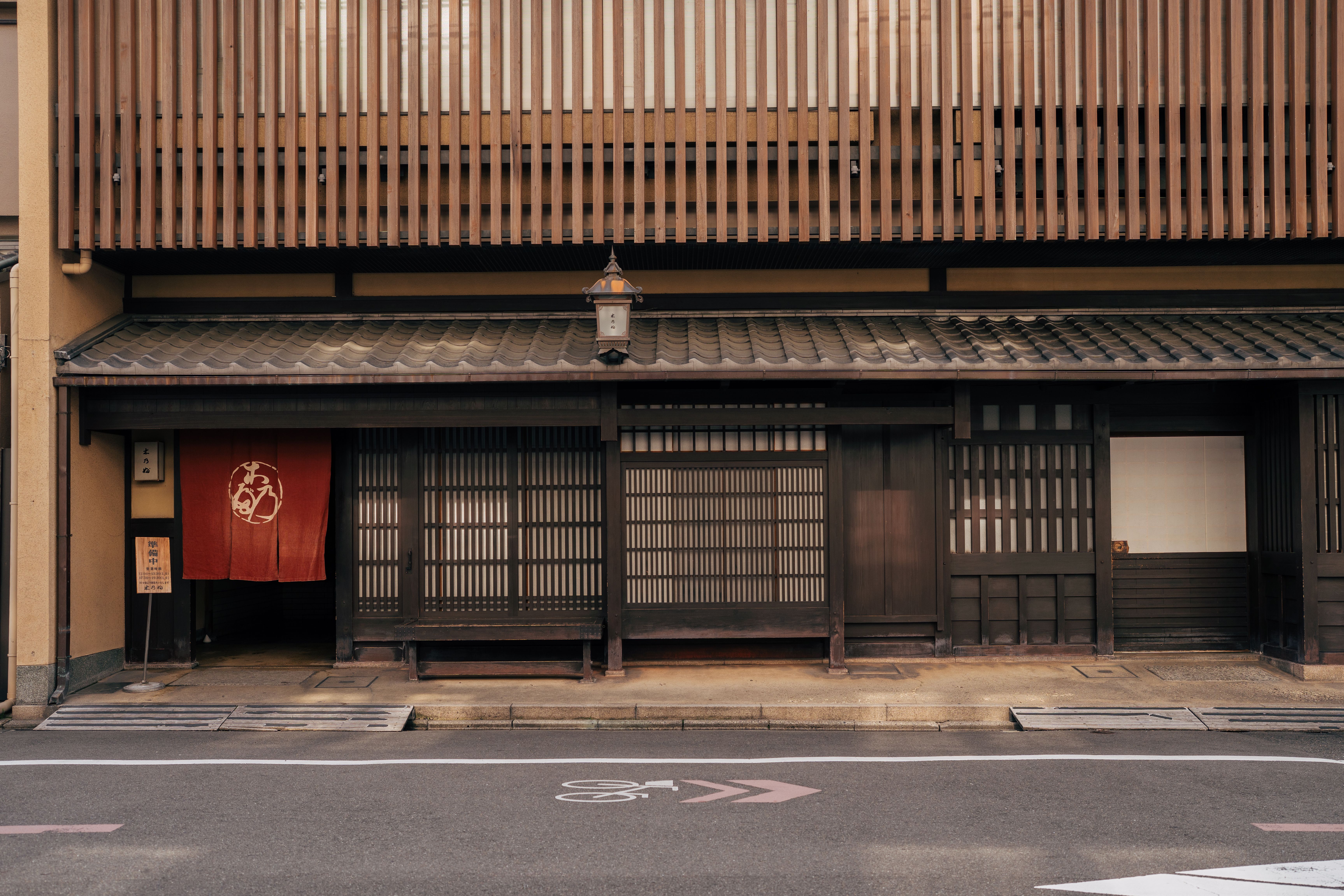 HOTEL FORZA KYOTO SHIJO KAWARAMACHI⭐ 4.0 · 9.1/10 (7,571) · $57 /night
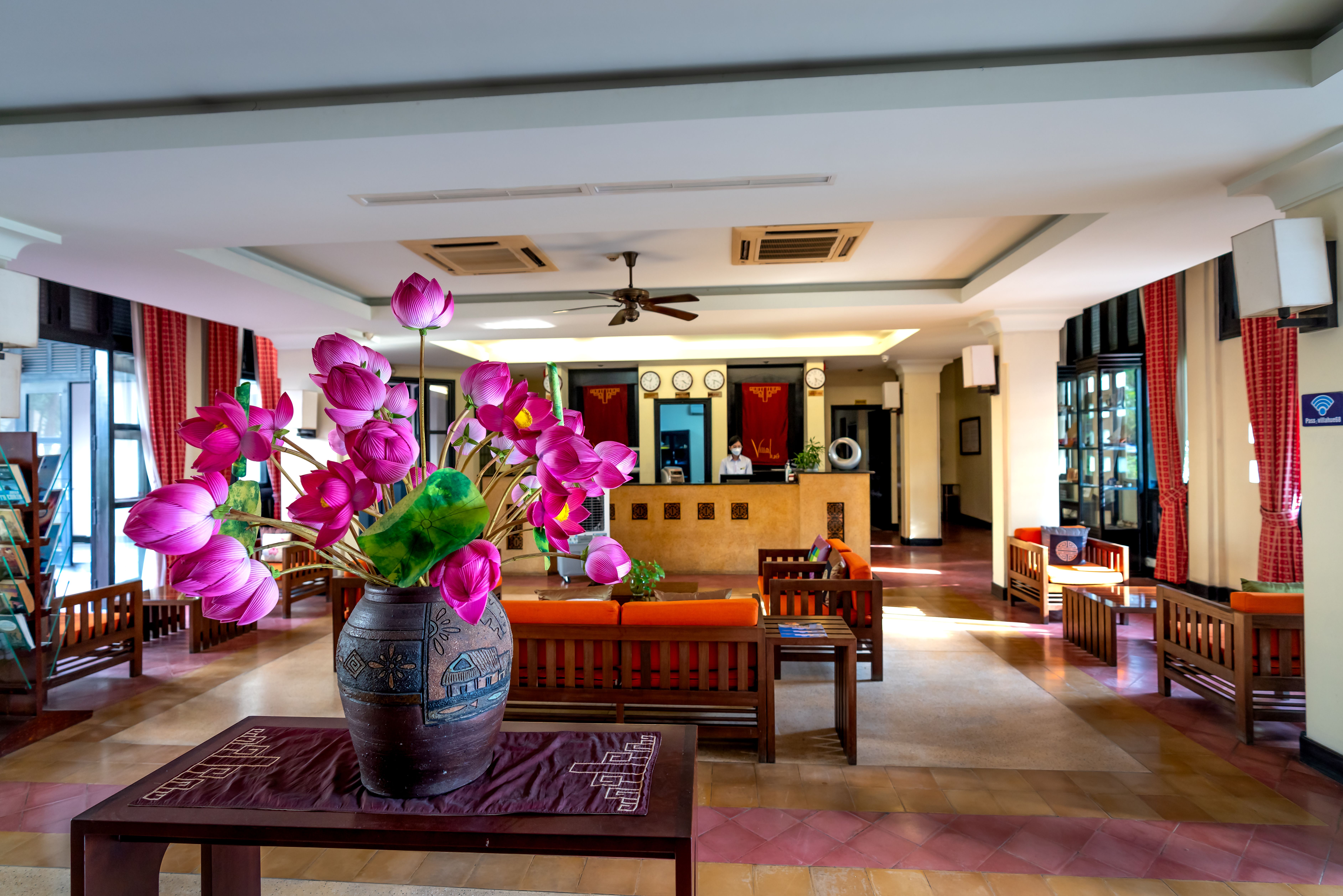 CANDEO HOTELS Kyoto Karasuma Rokkaku⭐ 4.0 · 8.9/10 (2,472) · $87 /night
 Hotel Resol Kyoto Kawaramachi Sanjo⭐ 3.5 · 8.9/10 (4,689) · $80 /night
Agoda affiliate link — clicks go to the price-comparison page.