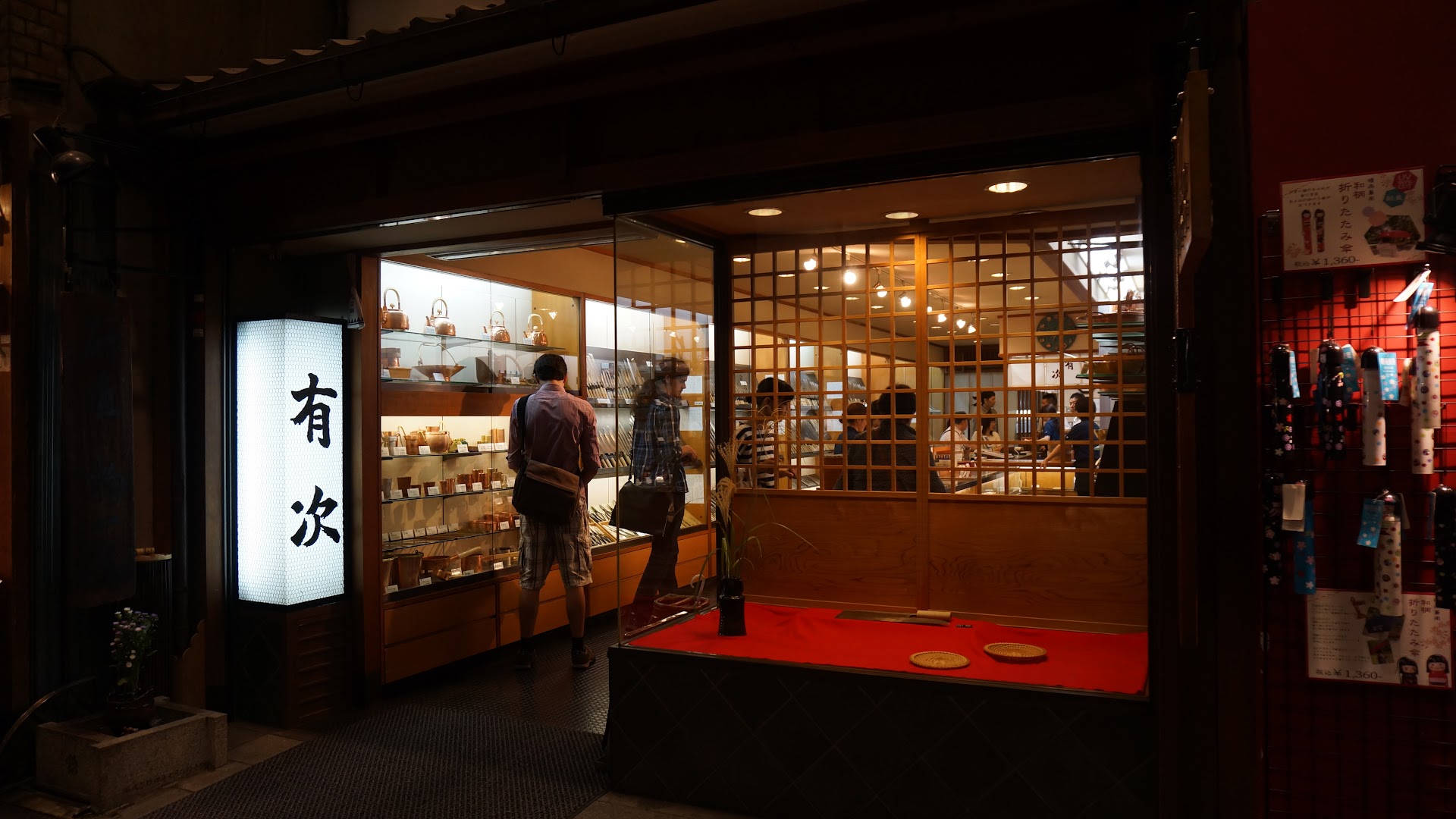
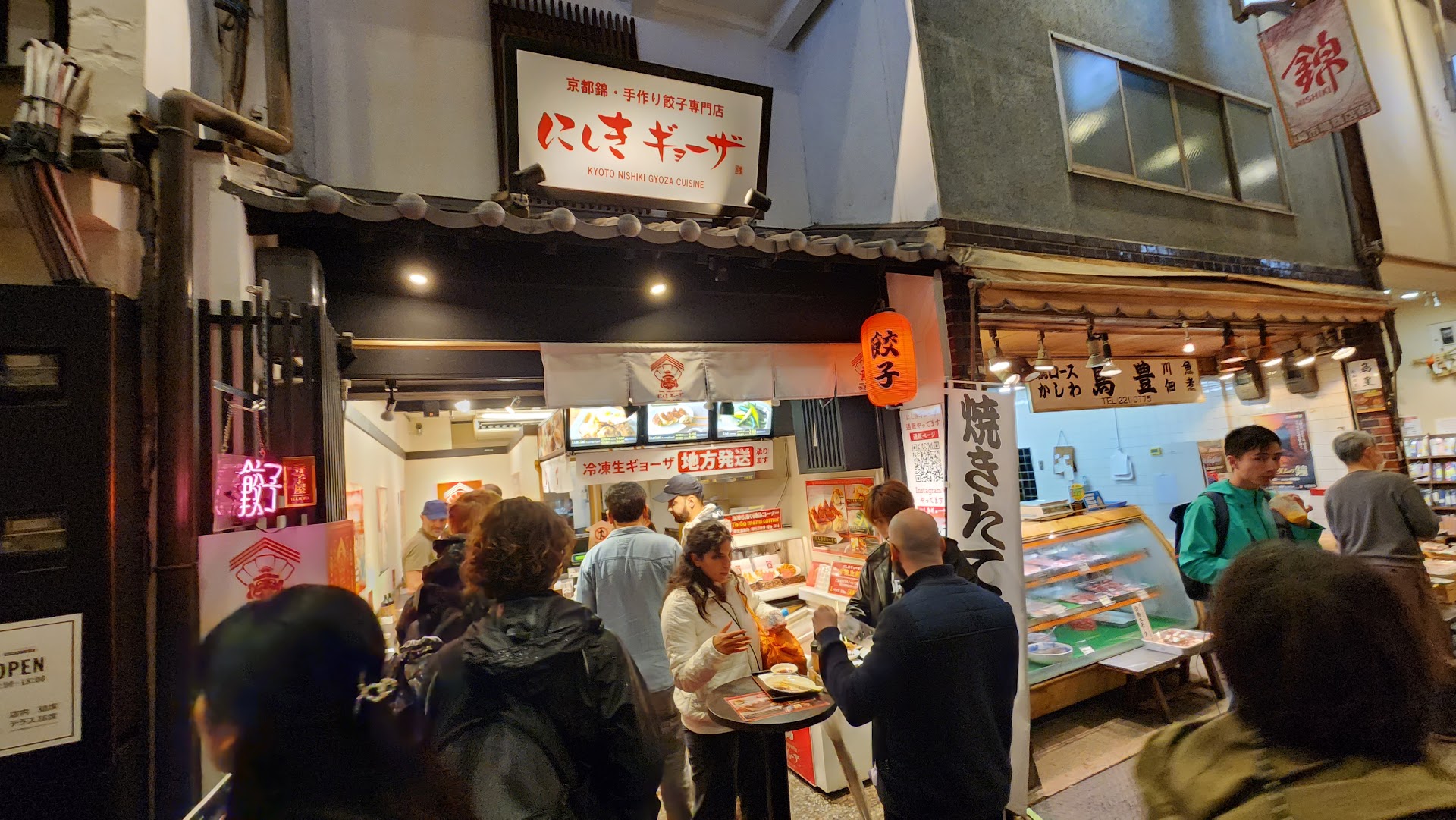
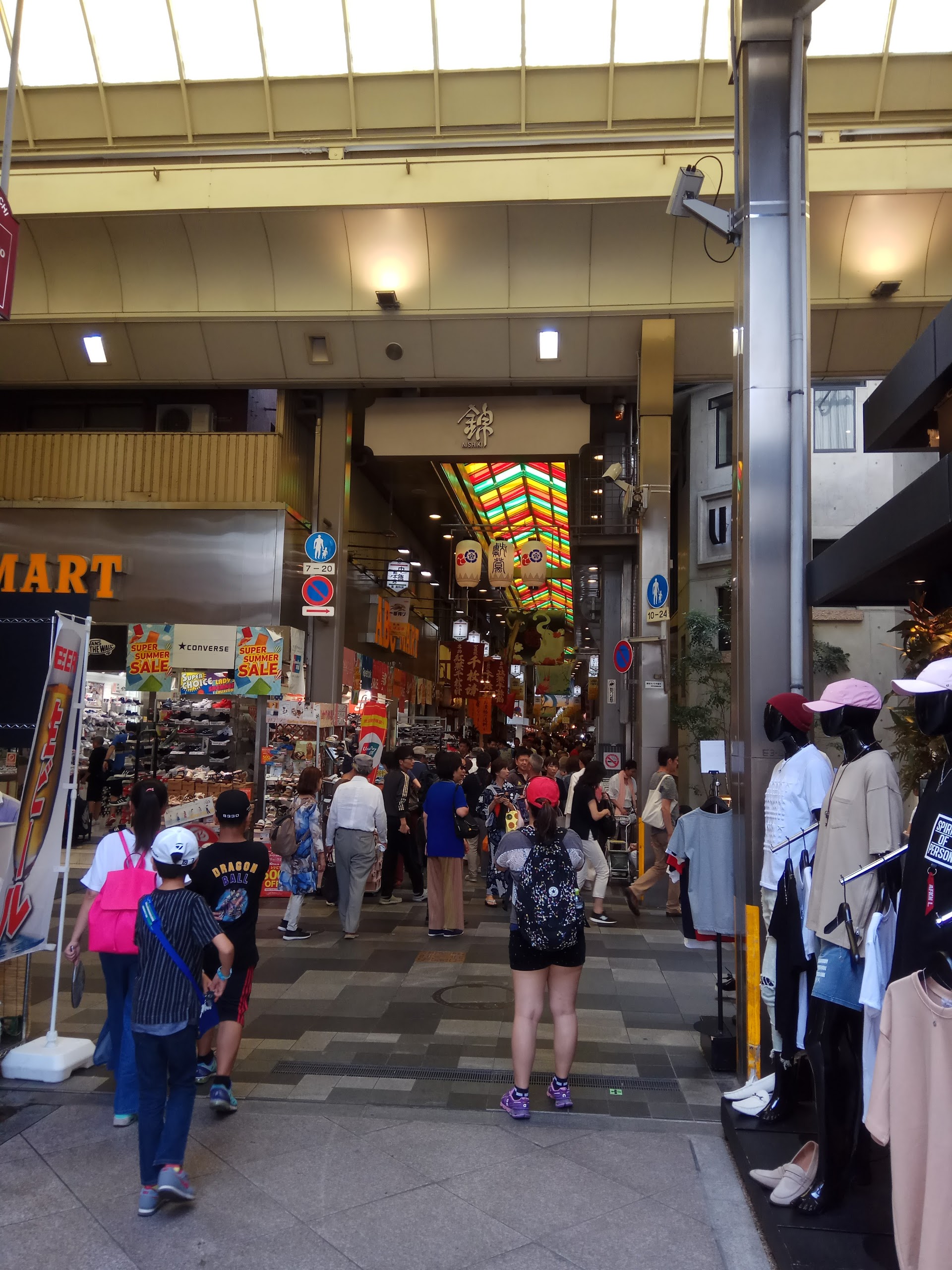
Kyoto has no shortage of beautiful distractions, but Nishiki Market — a 400-year-old covered food lane barely wide enough for two people to pass — is one of the few places in Japan where the food, the history, and the timing all collide in the same 180 meters. Get there before the tour buses do, and you’ll have one of the most satisfying morning walks in the entire country.
Best Timing
Nishiki Market sits in the heart of downtown Kyoto, stretching between Teramachi and Takakura streets in the Nakagyō ward. Most stalls open between 7:00 and 9:00 AM, and the sweet spot for a crowd-free walk is 7:00–9:30 AM. By 10:30 AM, tour groups from nearby hotels begin to fill the lane, and by noon it’s shoulder-to-shoulder. Spring (late March to early May) and autumn (mid-October to mid-November) bring the heaviest tourist traffic to Kyoto overall, so arriving early matters even more during those windows. Summer mornings — June through August — are humid but manageable before 9 AM, and the market crowd stays lighter on weekday mornings year-round.
The market also runs differently on different days: a handful of vendors take Wednesdays off, so if you’re planning around a specific stall, confirm their schedule. Cash is still king at most stalls, though a growing number now accept IC cards (Suica, Pasmo) and select credit cards.
Core Experiences
Daiki Suisan Kaiten Sushi
Stand-up sushi at 8 AM sounds unusual until you’re doing it. Daiki Suisan operates a small counter near the Teramachi entrance where fresh nigiri is plated fast and eaten faster — the pace matches the market perfectly. The fish quality punches well above the price point: fatty tuna (toro), sweet shrimp, and seasonal white fish cycle through depending on the morning’s delivery. There’s no seating, no reservation, no ceremony — just a clean counter, good rice, and the hum of the market warming up around you. It’s the kind of stop that earns a permanent place in a Kyoto morning routine.
- 📍 Nishiki Market, near Teramachi entrance, Nakagyō-ku, Kyoto · 💰 ~$8–14 per person (3–4 pieces) · ⏰ Opens ~9:00 AM · ⭐ 4.5
- What locals know: Go within the first 30 minutes of opening — the toro sells out fast and isn’t restocked mid-morning.
Nishiki Warai Tamagoyaki
There’s a reason this stall always has a line. Tamagoyaki — the rolled egg omelette that defines Japanese breakfast culture — is sold here on skewers, freshly griddled to order, with a choice of dashi-sweet or slightly savory. The version at Nishiki Warai leans on Kyoto-style dashi: lighter, more delicate, and noticeably less sweet than the Osaka version. Each skewer costs about $2–3, and it’s genuinely one of the best single bites in the market. The cook rhythm is satisfying to watch: eggs poured, rolled, pressed, sliced, skewered — all in under two minutes. Block out five minutes here and eat it while it’s still warm.
- 📍 Mid-lane section, Nishiki Market · 💰 ~$2–3 per skewer · ⏰ Opens ~8:00 AM · ⭐ 4.7
- What locals know: Ask for the dashi-heavy version if it’s offered — it’s not always on the signboard but the cook will understand “dashi tsuyome” (だし強め).
Aritsugu Knife Shop
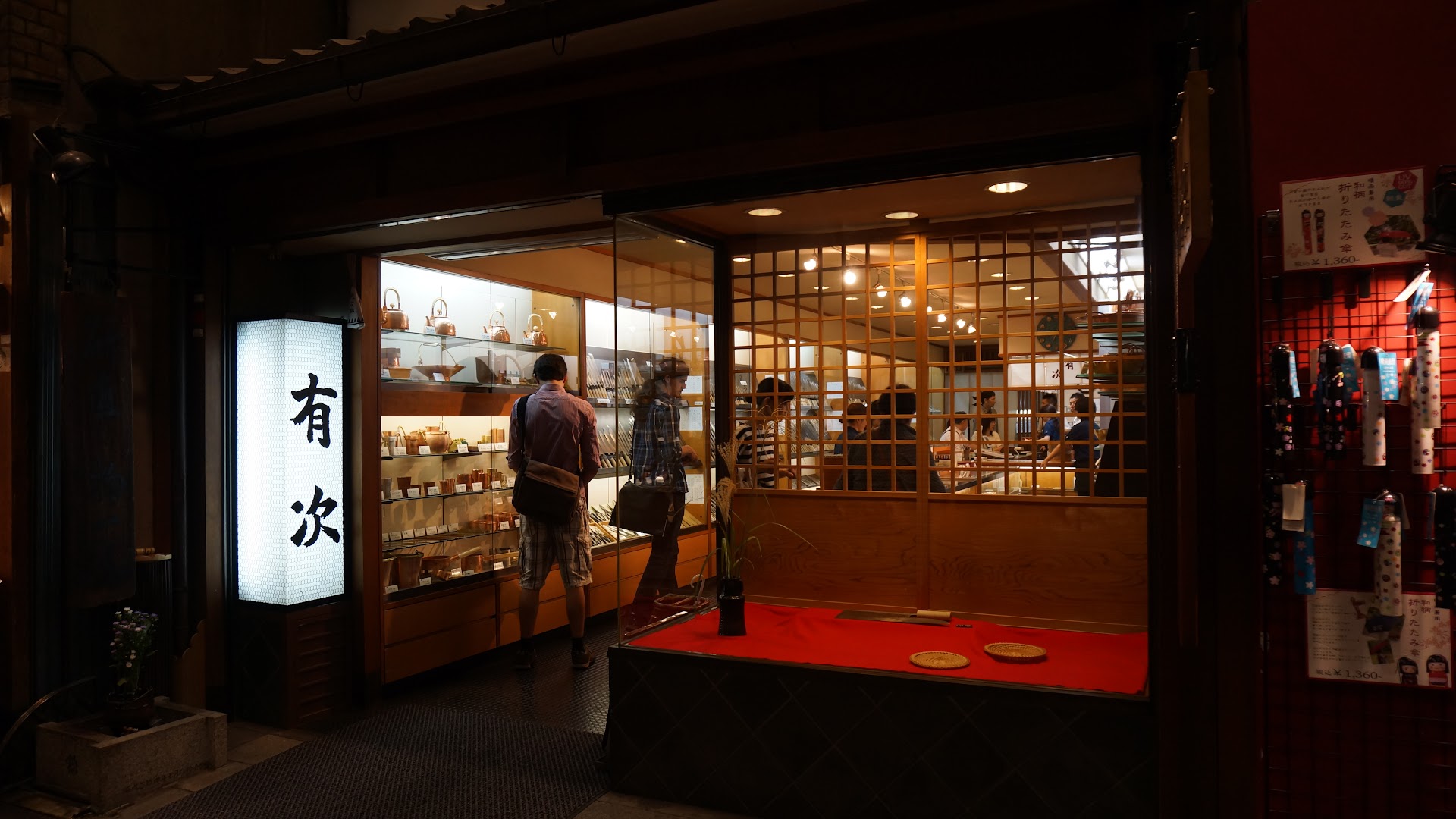
About halfway through the market, Aritsugu stops the walk cold — in the best possible way. This knife and cookware shop has been operating since 1560, originally as a sword maker for the Imperial household. Today, it sells hand-forged kitchen knives, copper pots, and tamago pans that are used in professional kitchens across Japan. The blades on display range from $40 utility knives to $400+ custom pieces, and the staff will engrave a name in kanji on the spot for a modest fee. Even if a knife purchase isn’t on the agenda, the shop itself — narrow, cool, smelling faintly of metal and oil — is worth the five-minute stop.
- 📍 Nishiki Market, mid-section · 💰 Knives from ~$40; engraving ~$10 · ⏰ 9:00 AM–5:30 PM (closed irregular days) · ⭐ 4.8
- What locals know: The small copper tamagoyaki pan ($30–50 range) is one of the most practical and packable souvenirs in the market — lighter than a knife and carry-on friendly.
Nishiki Tenjin Shrine (Nishiki Tenmangu)
Tucked at the eastern end of the market, Nishiki Tenmangu is a small Shinto shrine that most visitors walk past without noticing. Dedicated to Sugawara no Michizane — the deity of learning and scholarship — the shrine has a stone torii gate right off the market lane and a compact inner courtyard that feels genuinely quiet even at 9 AM. There’s a unique hand-washing ritual here: water flows through the mouth of a stone dragon, and it’s considered good luck to touch the knob (a “nadeushi” or rub-the-ox statue nearby). Entry is free. The contrast between the commercial energy of the market and the stillness of this courtyard is striking, and the stone fox guardians at the gate make for a clean photograph in morning light.
- 📍 Eastern end of Nishiki Market, near Teramachi arcade · 💰 Free entry · ⏰ Open daily, dawn to dusk · ⭐ 4.6
- What locals know: The shrine sells small omamori (charm pouches) specifically for academic success — a thoughtful, inexpensive gift at around $5.
Kyoto Pickle Shop (Tsukemono Stalls)
Kyoto-style pickles — tsukemono — are distinct from what you’ll find elsewhere in Japan. They’re lighter on salt, often seasoned with rice bran (nuka) or koji, and built to complement the clean, delicate flavor profile of Kyoto cuisine. The cluster of pickle vendors in the middle section of Nishiki offer free samples openly, and the range is staggering: thinly sliced turnip (kabu), cucumber with yuzu peel, eggplant in sweet miso, and mountain vegetables pickled in sake lees. A small container for home costs $4–8 and travels reasonably well in carry-on luggage (sealed, under 3.4 oz liquid-equivalent). This is one of the most genuinely local purchases in the market — the kind of thing Kyoto households stock weekly.
- 📍 Mid-lane, multiple vendors · 💰 ~$4–8 per container · ⏰ Varies by vendor, most open by 8:30 AM · ⭐ 4.6
- What locals know: Ask to sample the nuka-zuke (rice-bran pickles) specifically — they’re the most Kyoto-specific variety and rarely available outside the Kansai region.
Recommended Route
This route runs west to east through Nishiki Market, which is the calmer direction in the morning (tour groups tend to enter from the Teramachi east end later in the day). Block out 2.5 hours total.
- 7:00 AM — Arrive at the Takakura (west) entrance. The market is quiet; a few vendors are still setting up. Walk east slowly, orienting yourself.
- 7:15 AM — Kyoto Pickle Shop: sample freely, buy one container to bring home. (~15 min)
- 7:35 AM — Continue east to Aritsugu Knife Shop (opens 9 AM — note this for a return visit or check if they open earlier on your date). Browse the window display now; return later if interested. (~5 min pass-through)
- 7:45 AM — Nishiki Warai Tamagoyaki: join the line (usually short before 8:30 AM), order one skewer, eat immediately. (~10 min)
- 8:00 AM — Continue east, checking smaller stalls along the way — grilled mochi, fresh tofu, dried seafood. No obligation, just look.
- 8:30 AM — Nishiki Tenjin Shrine: step in, take a moment, photograph the stone fox and torii. (~10 min)
- 8:45 AM — Daiki Suisan Kaiten Sushi: the counter is now open; grab 3–4 pieces and eat standing. (~15 min)
- 9:05 AM — Walk back west through the market at a slower pace. Return to Aritsugu if the knife shop is now open. (~30 min browse)
- 9:35 AM — Exit to Takakura. The market is noticeably fuller now — you beat it.
Total walking distance within the market: approximately 360 meters end to end.
Budget · Transport · Booking
Getting there: Nishiki Market is a 5-minute walk from Shijo Station (Hankyu Kyoto Line or Karasuma subway line). From Kyoto Station, take the subway Karasuma Line to Shijo (5 min, ~$1.50) or walk 20 minutes north. No taxis needed.
Budget breakdown for this route:
- 🍴 Tamagoyaki skewer: ~$3
- 🍴 Sushi (3–4 pieces): ~$10
- 🛍 Pickles (1 container): ~$6
- 🛍 Optional knife/pan at Aritsugu: $30–400+
- ⛩ Shrine entry: free
- 🚇 Subway from Kyoto Station: ~$1.50 each way
Realistic total (food + transport, no shopping): $25–35 per person. Add $50+ if you buy a knife or pan.
No advance booking required for any food stall. Aritsugu doesn’t take reservations — it’s walk-in only. If you want a name engraved on a knife, allow 20–30 minutes in-store.
Must-Know Tips
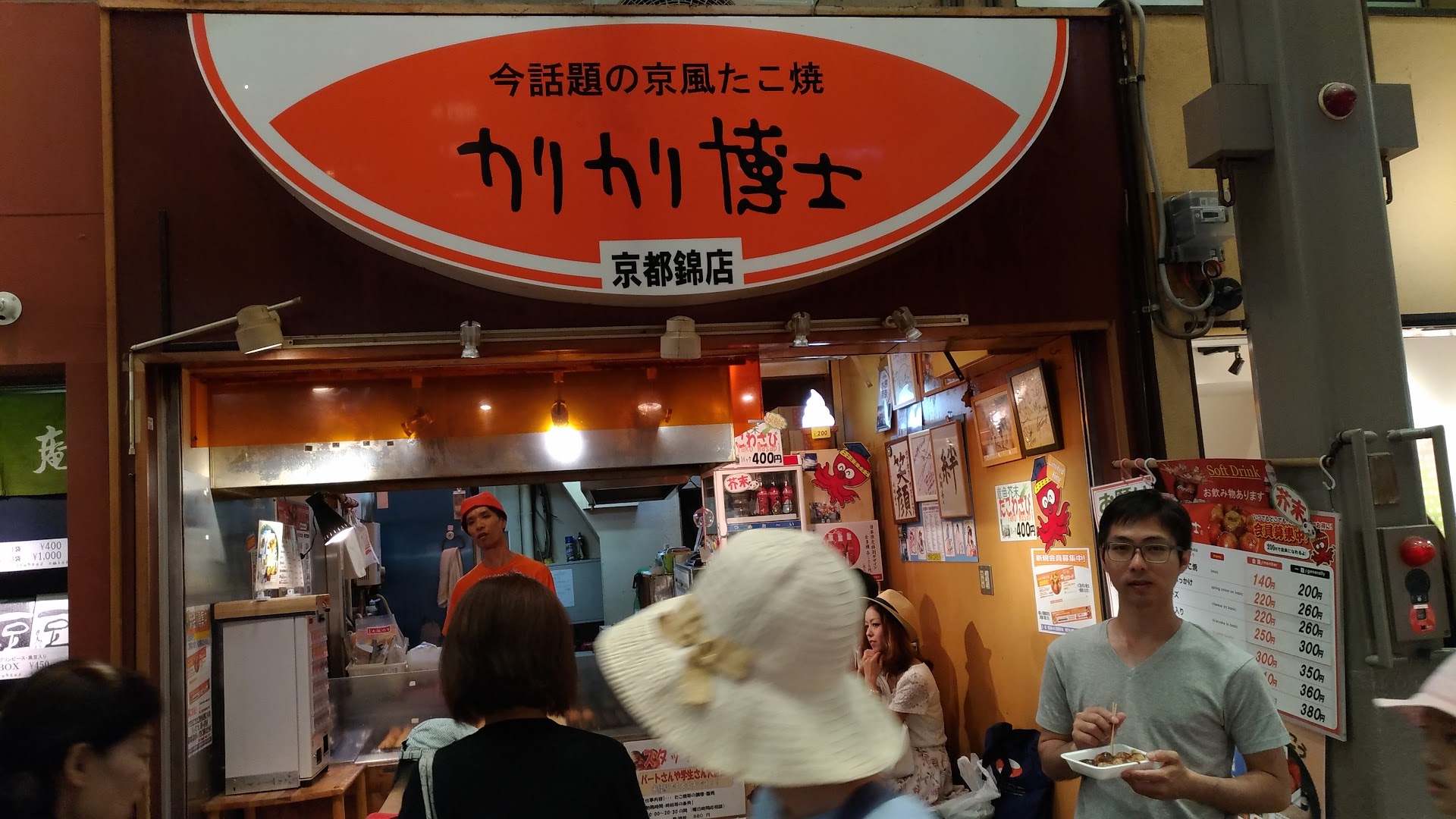
- 🕖 Go before 9:30 AM. After that, the lane narrows psychologically — tour groups fill it fast and the food experience suffers.
- 💴 Bring cash (yen). Most stalls still prefer it. The nearest ATM is inside the 7-Eleven on Shijo-dori, a 3-minute walk from the west entrance.
- 📵 Eating while walking is discouraged (there are signs). Most vendors with standing food provide a small counter or step to eat at — use it.
- 🌧 Rain is a non-issue. The entire market is covered. It’s actually a good rainy-day backup in Kyoto when outdoor sites feel grim.
- 📷 Photography is generally fine inside the market, but ask before photographing vendors or their preparation — a quick gesture and a smile goes a long way.
- 🧳 Pickles and packaged foods travel well but check customs rules for your home country. Most dried and sealed products clear US customs without issue; fresh produce does not.
Closing
Nishiki Market is one of those places that rewards the early riser in a way that few tourist sites in Japan actually deliver on. The promise is real: arrive at 7 AM and you get a functional, beautiful, genuinely local food corridor that’s been running for four centuries. The pickles are serious, the tamagoyaki is worth the $3, and the knife shop alone makes the detour worthwhile even if you never buy anything. Walk it before the crowds show up — the route above gives you everything you need to do exactly that.
Actionable takeaway: Screenshot the route times above, convert $25 into yen before you leave your hotel, and aim to be at the Takakura entrance no later than 7:15 AM. Everything else will fall into place.
🏨 Where to Stay
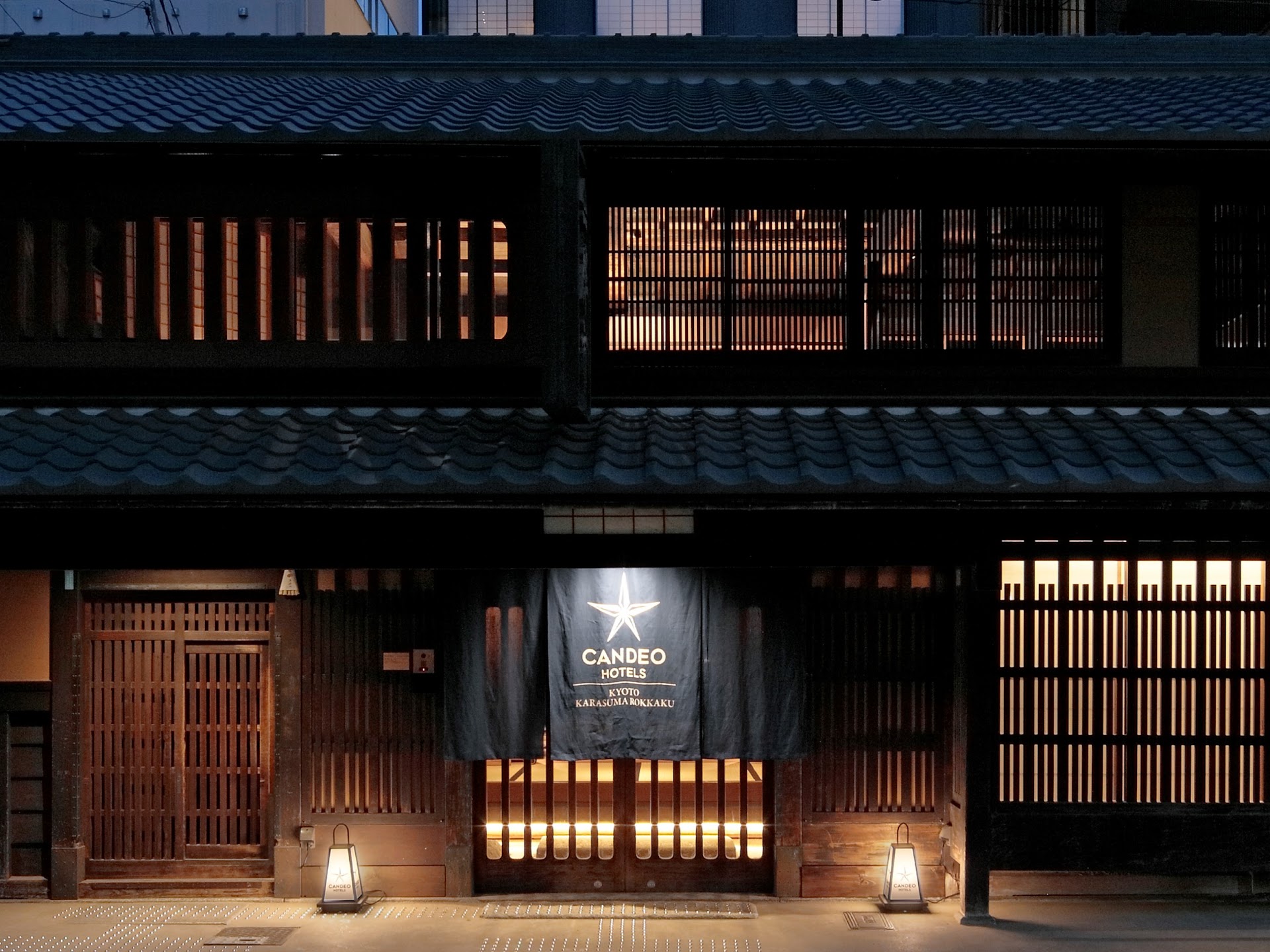
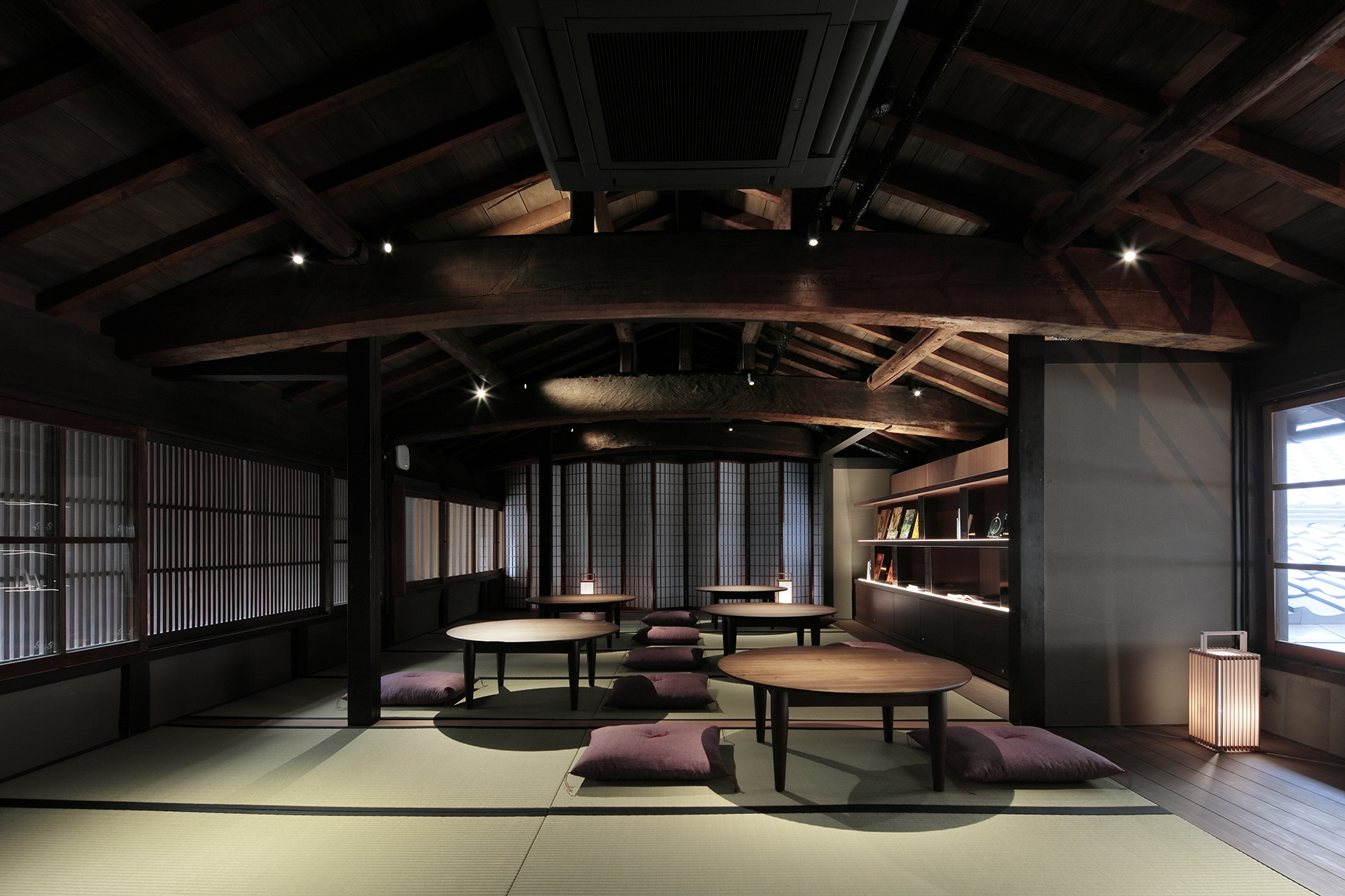 CANDEO HOTELS Kyoto Karasuma Rokkaku⭐ 4.0 · 8.9/10 (2,493) · $132 /night
 HOTEL FORZA KYOTO SHIJO KAWARAMACHI⭐ 4.0 · 9.1/10 (7,627) · $83 /night
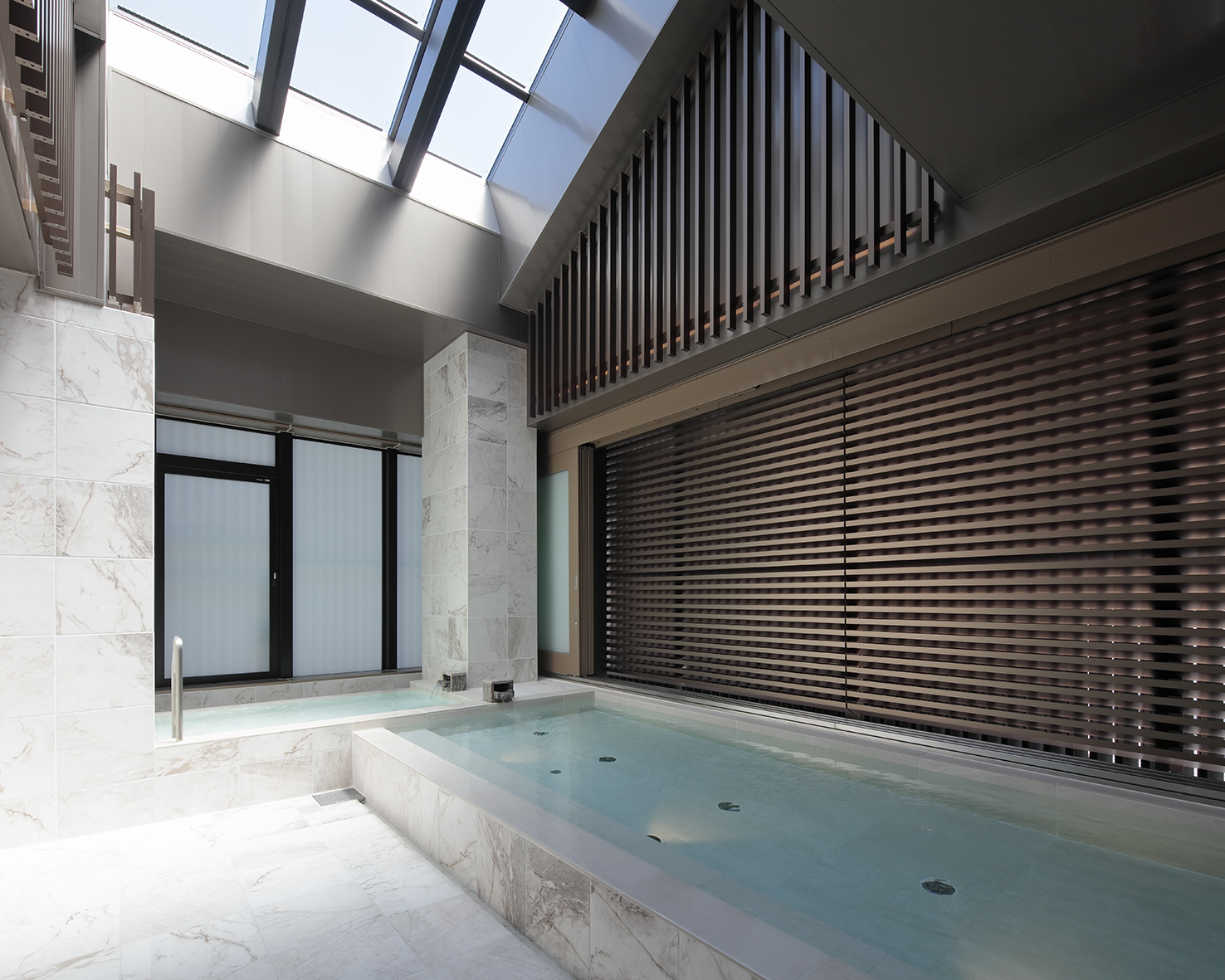 Hotel Resol Kyoto Kawaramachi Sanjo⭐ 3.5 · 8.9/10 (4,714) · $141 /night
Agoda affiliate link — clicks go to the price-comparison page.