Osaka doesn’t wait for daylight to come alive — it saves its best performance for after dark, and nowhere proves that more than Dotonbori. This is the evening street food route that skips the souvenir stalls and takes you exactly where locals line up after 7 PM, in the order that makes sense on foot.
Best Timing
The sweet spot for this route is Thursday through Sunday, starting between 6:30 and 7:00 PM. That window puts you ahead of the full weekend rush while catching the neon reflections on the Dotonbori canal at their most photogenic — just past golden hour, before the crowds make navigation a shoulder-to-shoulder grind. Late spring (April–May) and early autumn (September–October) offer the most comfortable walking temperatures, typically 18–24°C (64–75°F). Summer evenings are humid and busy; winter nights are manageable but some outdoor stalls reduce hours after 10 PM.
Plan to be moving by 6:45 PM at the latest. The first two stops on this route see their longest queues between 8:00 and 9:30 PM. Hit them early, and you’ll be through in under 20 minutes each. Arrive after 9 PM and you’re looking at 40-minute waits — or you’re eating cold.
Core Experiences
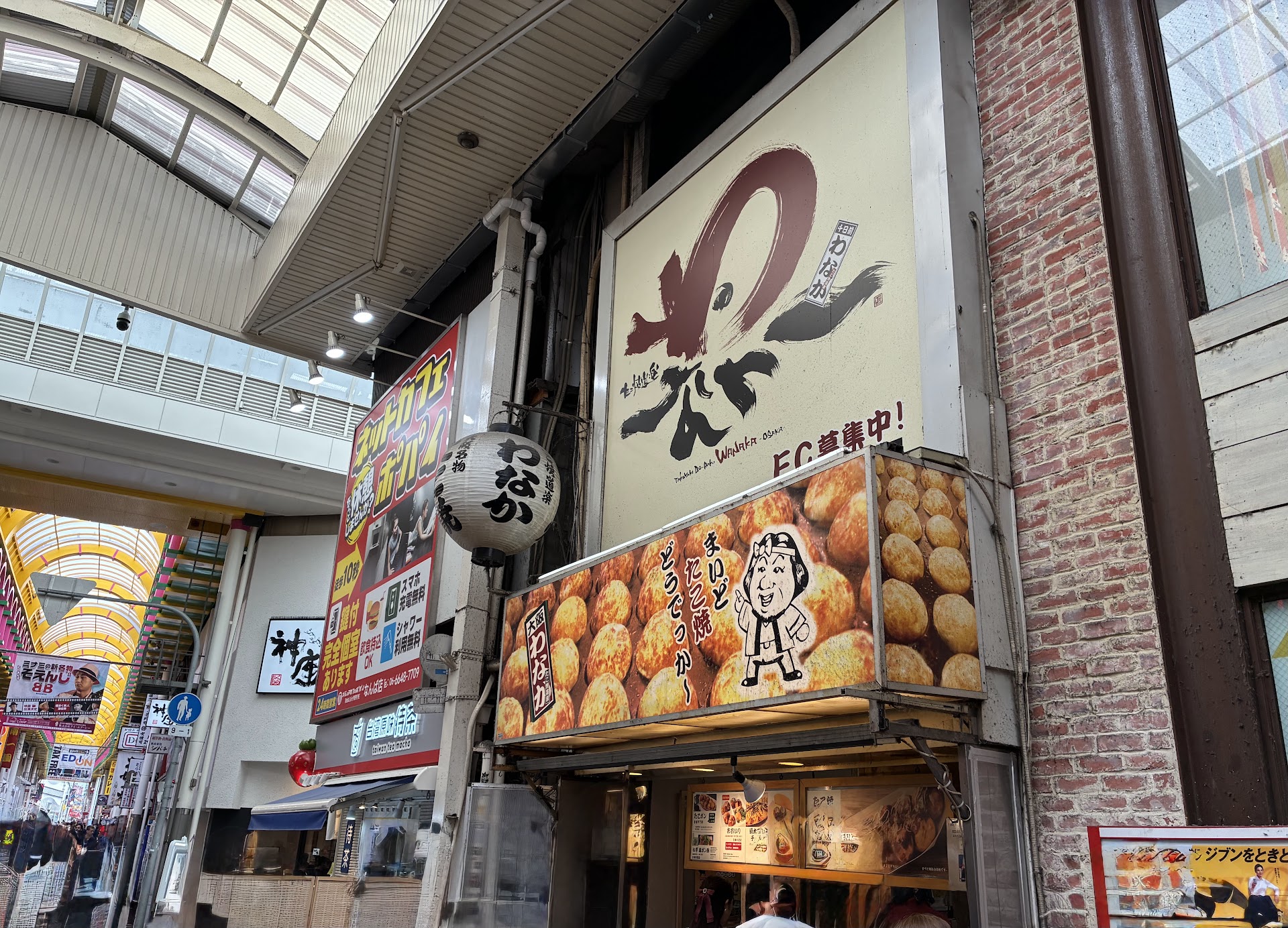
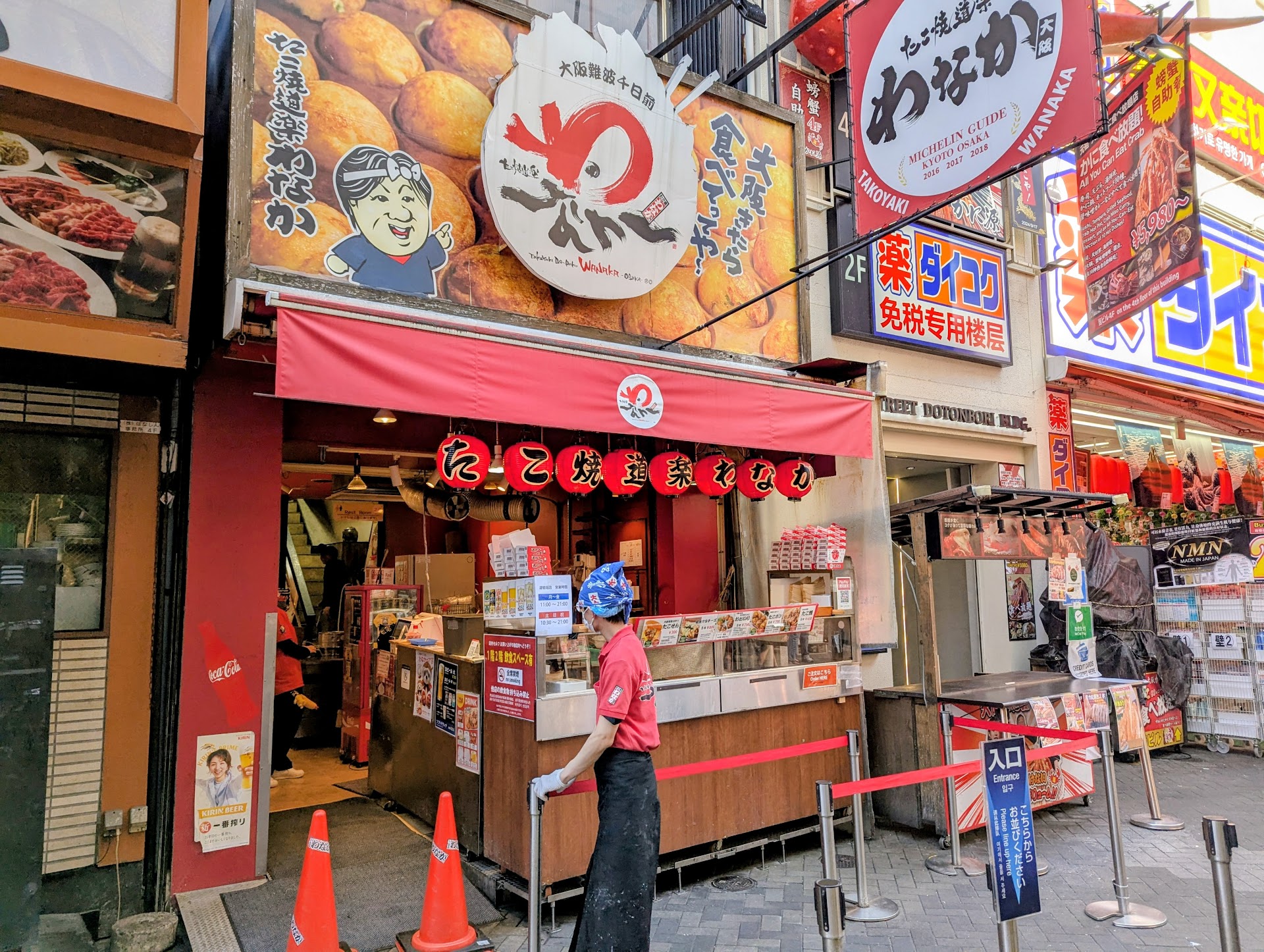
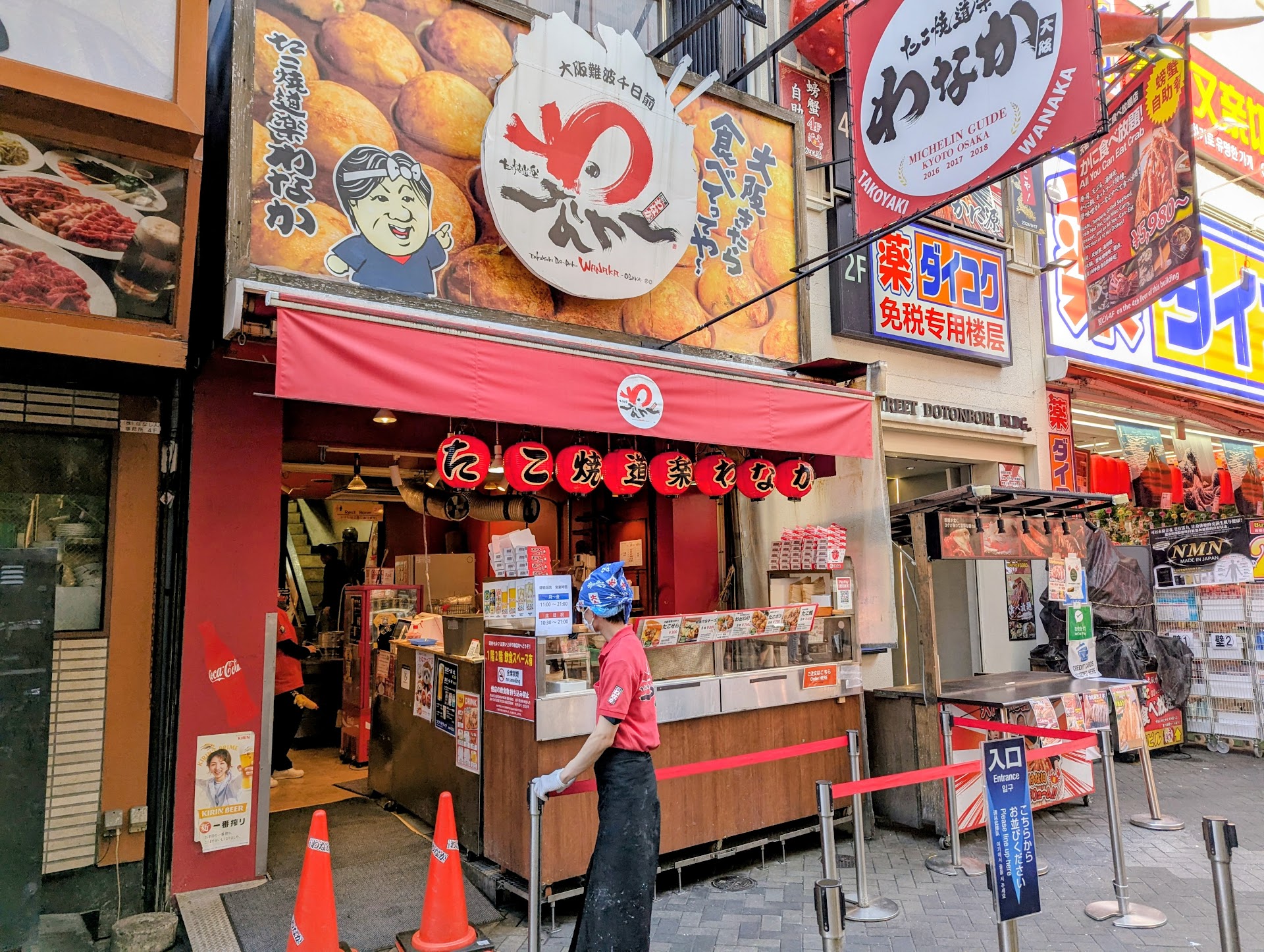
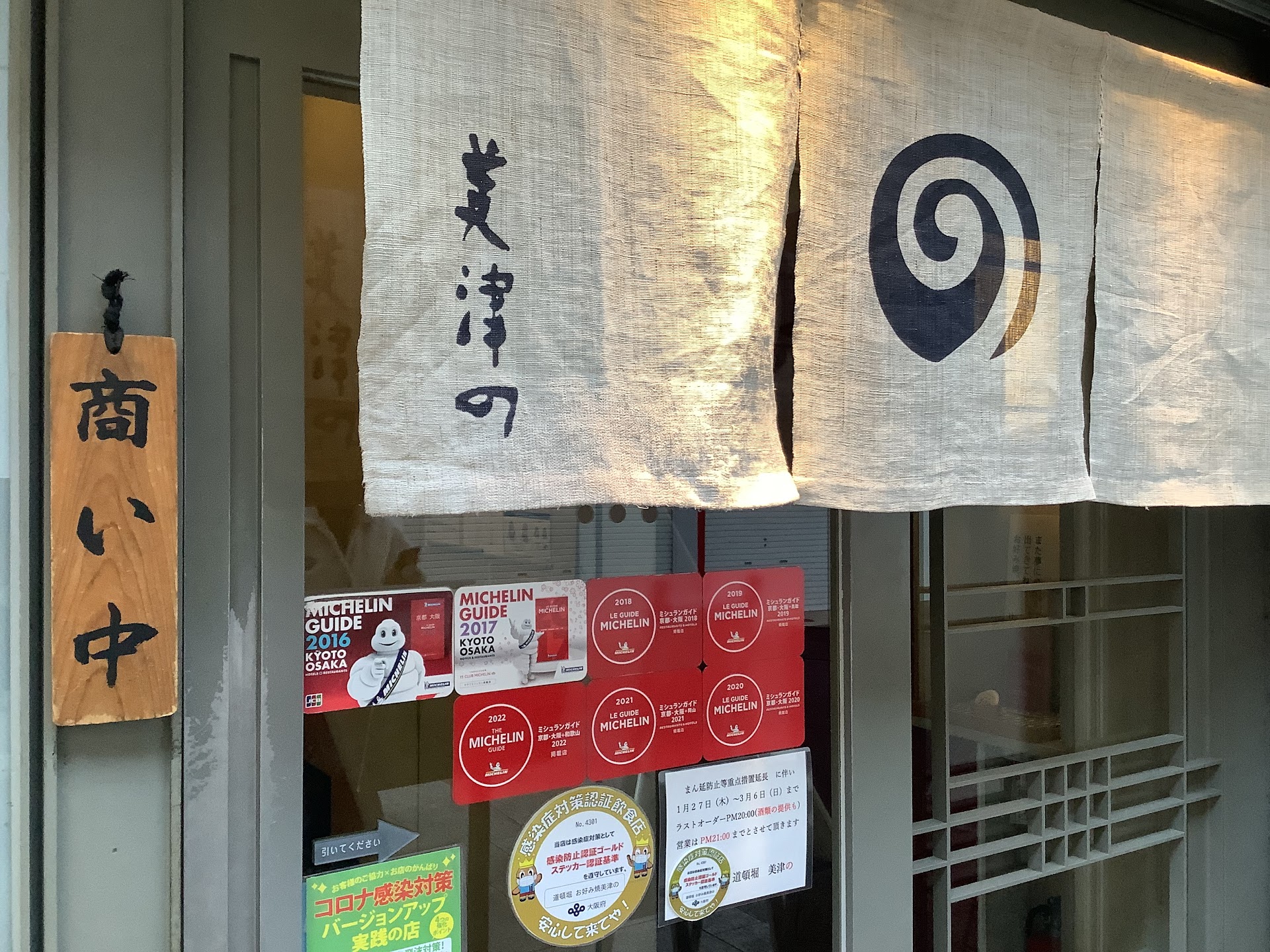
Wanaka Takoyaki
Takoyaki is Osaka’s most honest street food — cheap, hot, and unforgiving of bad ingredients. Wanaka, tucked just off the main Dotonbori strip on Soemoncho, has been pressing octopus balls on the same cast-iron griddle since 1986. The batter is thinner here than at the tourist counters out front on the canal, and the octopus chunks are noticeably larger. Watch the cook spin each ball in a single practiced rotation — it’s fast, mechanical, and worth pausing to observe. The toppings stay classic: bonito flakes, aonori seaweed, okonomiyaki sauce, and a drizzle of kewpie mayo that disappears into the heat before you lift the skewer.
- 📍 1-7-11 Soemoncho, Chuo-ku, Osaka · 🚇 2-min walk from Namba Station (exit 14)
- 💰 ¥600–¥750 (~$4–$5) for 8 pieces
- ⏰ Daily 11:00 AM – 11:00 PM
- ⭐ 4.6
What locals know: Order the plain soy sauce version alongside the classic — it’s not on the English menu but a single word, “ponzu,” gets you there. The contrast between the two is the real Wanaka experience.
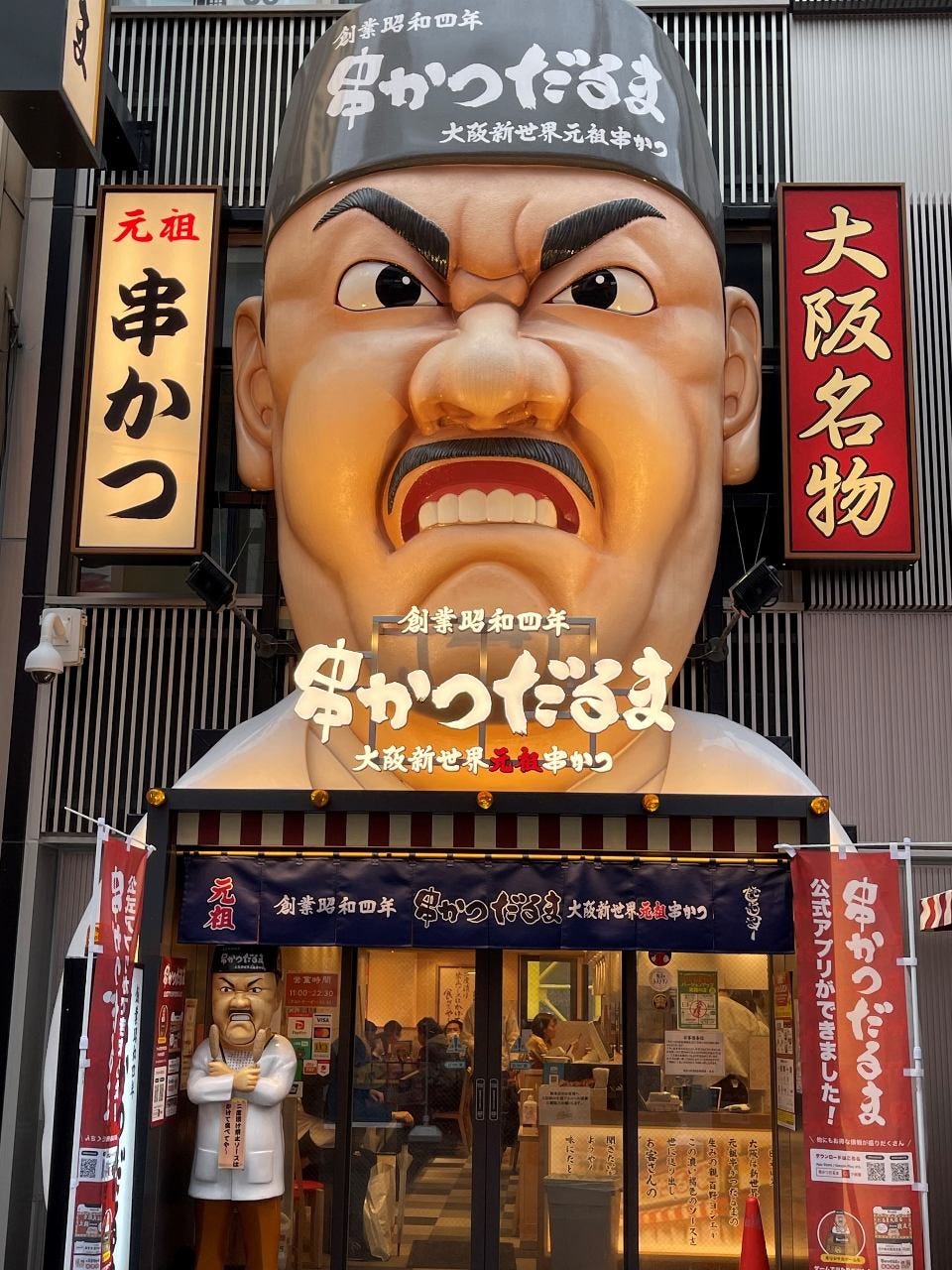
Daruma Kushikatsu
Kushikatsu — skewered, panko-breaded, deep-fried everything — was invented in Osaka’s Shinsekai district, but Daruma’s Dotonbori outpost brings the tradition to the canal neighborhood without the detour. The menu runs long: pork loin, lotus root, shrimp, quail egg, cheese-stuffed shishito pepper. The frying oil is clean, the crust is thin rather than bready, and the communal dipping sauce (tangy Worcestershire-style) is the defining flavor. The rule is printed on every table and enforced without exception: no double-dipping. Use the provided shredded cabbage to ladle sauce onto your skewer if the first dip wasn’t enough.
- 📍 1-6-4 Dotonbori, Chuo-ku, Osaka · 🚇 3-min walk from Namba Station (exit 11)
- 💰 ¥100–¥250 (~$0.70–$1.70) per skewer; typical meal of 8–10 skewers runs $10–$15
- ⏰ Daily 11:00 AM – 10:30 PM (last order 10:00 PM)
- ⭐ 4.5
What locals know: Sit at the counter facing the fryer rather than the booth tables — the skewers reach you hotter, and you can point at the next item you want without waiting for table service.
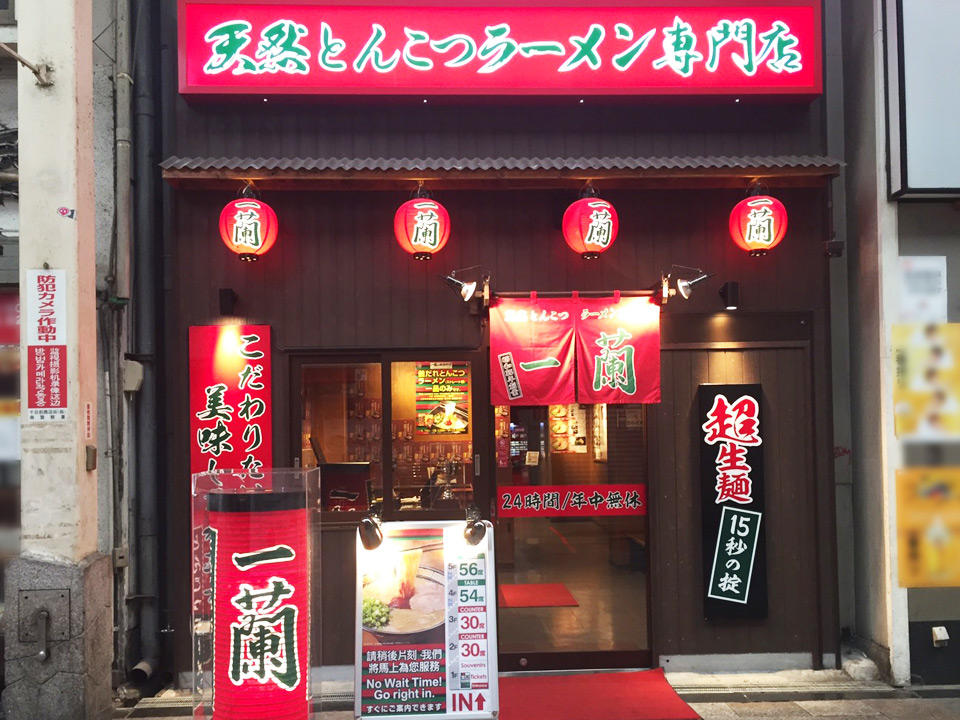
Ichiran Ramen (Dotonbori Branch)
By stop three, you need something hot and restorative before the heavier second half of the route. Ichiran’s Dotonbori location is famous for its individual booth system — each diner gets a small wooden partition, a paper order form, and a direct window to the kitchen. The ramen itself is tonkotsu: deeply porky broth, thin straight noodles, a firm-set half-boiled egg, and a signature red secret sauce whose heat level you dial in on the order form (scale of 0–5; locals typically choose 2 or 3). This is a solo-eating format by design, but groups simply request adjacent booths at check-in.
- 📍 7-18 Soemoncho, Chuo-ku, Osaka (basement level)
- 💰 ¥980–¥1,500 (~$6.50–$10) depending on toppings
- ⏰ Open 24 hours
- ⭐ 4.4
What locals know: The “kae-dama” system lets you add a fresh noodle portion to your remaining broth for ¥150 — press the button on the partition when your bowl is almost empty. Don’t pour the broth out before you decide.
Matsuri Okonomiyaki
Okonomiyaki is often translated as “Japanese savory pancake,” which undersells it. At Matsuri, a small sit-down counter on the north side of Dotonbori, the Osaka-style version — where all ingredients are mixed into the batter before cooking, as opposed to the layered Hiroshima style — arrives thick, caramelized at the edges, and finished table-side on a personal iron griddle. The most-ordered combination is pork belly and mochi; the scallop and shrimp variant is worth the slight upcharge. The cook brings it 80% finished and you hold it at temperature yourself, which means every bite is exactly as hot as you want it.
- 📍 2-3-14 Dotonbori, Chuo-ku, Osaka
- 💰 ¥1,100–¥1,600 (~$7.50–$11) per okonomiyaki
- ⏰ 5:00 PM – 11:30 PM (weekends from 3:00 PM)
- ⭐ 4.7
What locals know: The small jar of pickled ginger on the table is a palate reset between bites, not a garnish — use it generously, especially when switching from the pork to a seafood version.
Crêpe & Mochi Dessert Alley (Tazaemon-bashi)
The bridge at Tazaemon-bashi, connecting the south end of Dotonbori to Shinsaibashi’s outer edge, has developed into a compact dessert corridor over the past decade. Three stalls in a 40-meter stretch compete for the late-night sweet slot: one does paper-thin crepes rolled to order with seasonal fillings (strawberry-matcha cream is the standing queue item), one offers kakigori shaved ice in flavors that change monthly, and the third is the reason to come — a mochi and warabi stall that switches its soft-serve rotation every few weeks. Go for the hojicha soft serve on fresh-pressed mochi rice cracker when available; it’s the cleanest ending to a fried-forward evening.
- 📍 Tazaemon-bashi bridge area, between Dotonbori and Shinsaibashi
- 💰 ¥350–¥700 (~$2.30–$4.70) per item
- ⏰ Stalls typically open 4:00 PM – midnight (varies by vendor)
- ⭐ 4.5
What locals know: The crepe stall on the east side of the bridge has a shorter queue than the west-side one and uses the same batter — walk past the first sign you see.
Recommended Route
This entire route runs approximately 3.5 hours at a relaxed pace, covering about 1.8 km total walking. Start by 6:45 PM to stay ahead of peak queues.
- 6:45 PM — Arrive at Namba Station exit 14. Walk 2 min to Wanaka Takoyaki (Soemoncho). Queue + eating: 20–25 min.
- 7:15 PM — Walk 4 min west along Soemoncho to Daruma Kushikatsu on Dotonbori. Order 8–10 skewers at the counter. Budget 30 min.
- 7:50 PM — Walk back east 3 min to Ichiran Ramen (basement, Soemoncho). Ramen + optional kae-dama: 25–35 min.
- 8:30 PM — Walk north 4 min along the canal to Matsuri Okonomiyaki. Table-side cooking experience: 40–45 min.
- 9:20 PM — Walk south 6 min to the Tazaemon-bashi dessert corridor. Browse and pick a dessert: 15–20 min.
- 9:45 PM — Walk or take one subway stop back to Namba for transport connections.
Best detour (optional): Before the route starts, walk the Dotonbori canal promenade from the Ebisubashi bridge toward the west at 6:30 PM — the neon reflections are at their peak, and it positions you correctly for Stop 1 without backtracking.
Budget · Transport · Booking
Per-person food budget for the full route:
- Wanaka Takoyaki: ~$4–$5
- Daruma Kushikatsu (8 skewers): ~$10–$12
- Ichiran Ramen (base + one kae-dama): ~$8–$10
- Matsuri Okonomiyaki: ~$9–$11
- Tazaemon-bashi dessert: ~$3–$5
- Total: $34–$43 USD per person (all cash, realistic)
Transport: The route is entirely walkable from Namba Station, served by the Osaka Metro Midosuji Line (direct from Shin-Osaka, 9 min, ¥280) and the Kintetsu Namba Line (from Kyoto via express, ~45 min). No taxis needed for the route itself.
Booking: None of the five stops require reservations. Ichiran and Daruma are queue-based by design. Matsuri Okonomiyaki can see 20-minute waits on Friday and Saturday after 8 PM — if your group is 4+, arrive by 7:45 PM to get seated in the first turn. All stops accept cash only or IC card for Ichiran; bring yen for the street stalls.
Day-pass option: Osaka’s 1-day Metro pass (¥820, ~$5.50) is worth it only if you plan to visit Shinsekai or Tennoji before this evening route — for the route alone, a single Midosuji ride is sufficient.
Must-Know Tips
- 💰 Carry ¥5,000–¥8,000 in cash (~$33–$53). Street stalls and small counters in Dotonbori are overwhelmingly cash-only; the nearest 7-Eleven ATM (international cards accepted) is at Namba Station’s underground concourse.
- 🍴 Pace the route — don’t rush to eat everything at once. Takoyaki and kushikatsu are best eaten standing and immediately; ramen and okonomiyaki deserve a seated break. Split the route into “moving” and “sitting” meals mentally.
- 📍 The Glico Running Man sign is not a food destination. It’s a 30-second photo stop on the Ebisubashi bridge — get your shot on the way in, then put the phone away and follow the route map.
- 🕐 Avoid arriving at all five stops on a Saturday after 8:30 PM. Queue times roughly double on peak Saturday evenings. If Saturday is your only option, start the route at 6:15 PM instead.
- 🚫 No double-dipping at Daruma — it’s a house rule, not a suggestion. The communal sauce is shared with every diner at the bar; use the cabbage ladle method or ask for a personal sauce cup (“betsu no sauce” gets the point across).
- 🌧️ If it’s raining: Wanaka, Daruma, and Ichiran all have indoor or covered seating. Matsuri is fully indoor. Only the Tazaemon-bashi dessert stalls are exposed — hold that stop for a drier night or grab a crepe under the bridge awning.
Closing
Dotonbori at night is loud, bright, and easy to lose a good hour wandering in the wrong direction toward overpriced crab-claw restaurants designed for visitors. This route is the alternative: a 1.8-kilometer walk built around what the neighborhood actually tastes like after dark, priced honestly, and sequenced so you’re not full before the best stop. Block out 3.5 hours starting at 6:45 PM, bring cash, and let the route do the rest — Osaka earns every minute of it.
🏨 Where to Stay
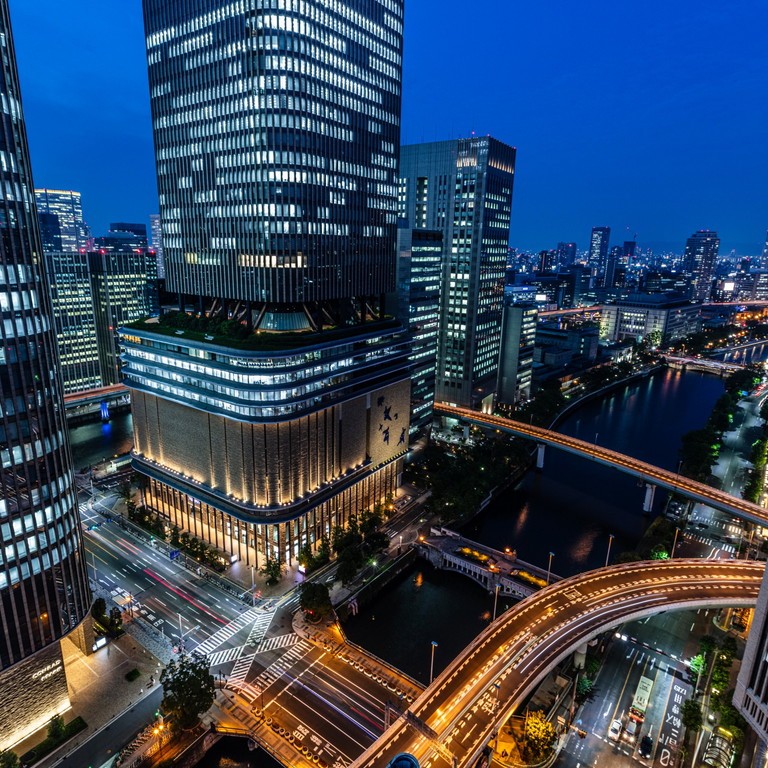 APA Hotel Osaka Higobashi Ekimae - All Rooms Non-Smoking⭐ 3.5 · 8.3/10 (22,122) · $71 /night
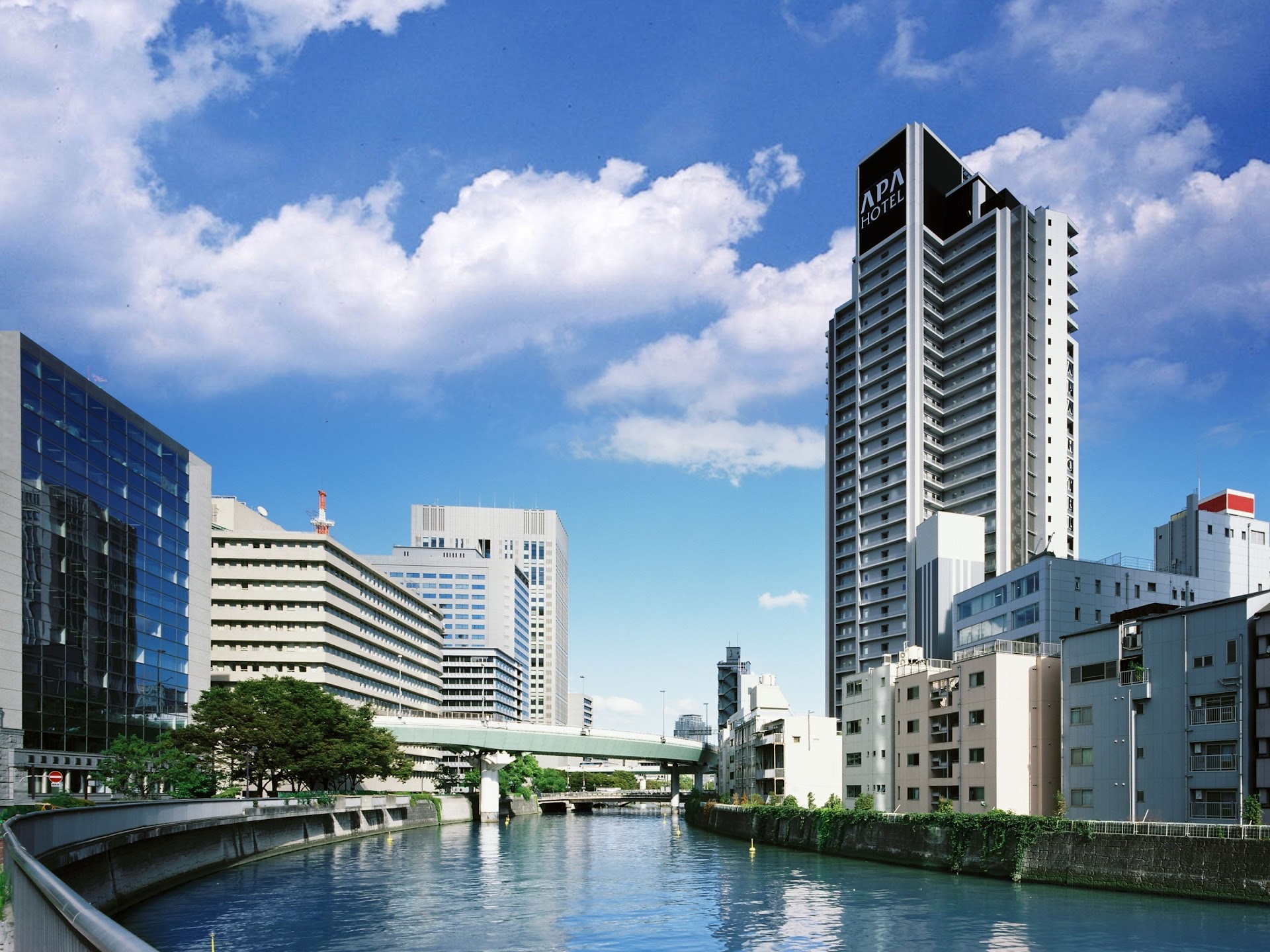 APA Hotel & Resort Osaka Umeda Eki Tower⭐ 3.0 · 8.5/10 (33,018) · $98 /night
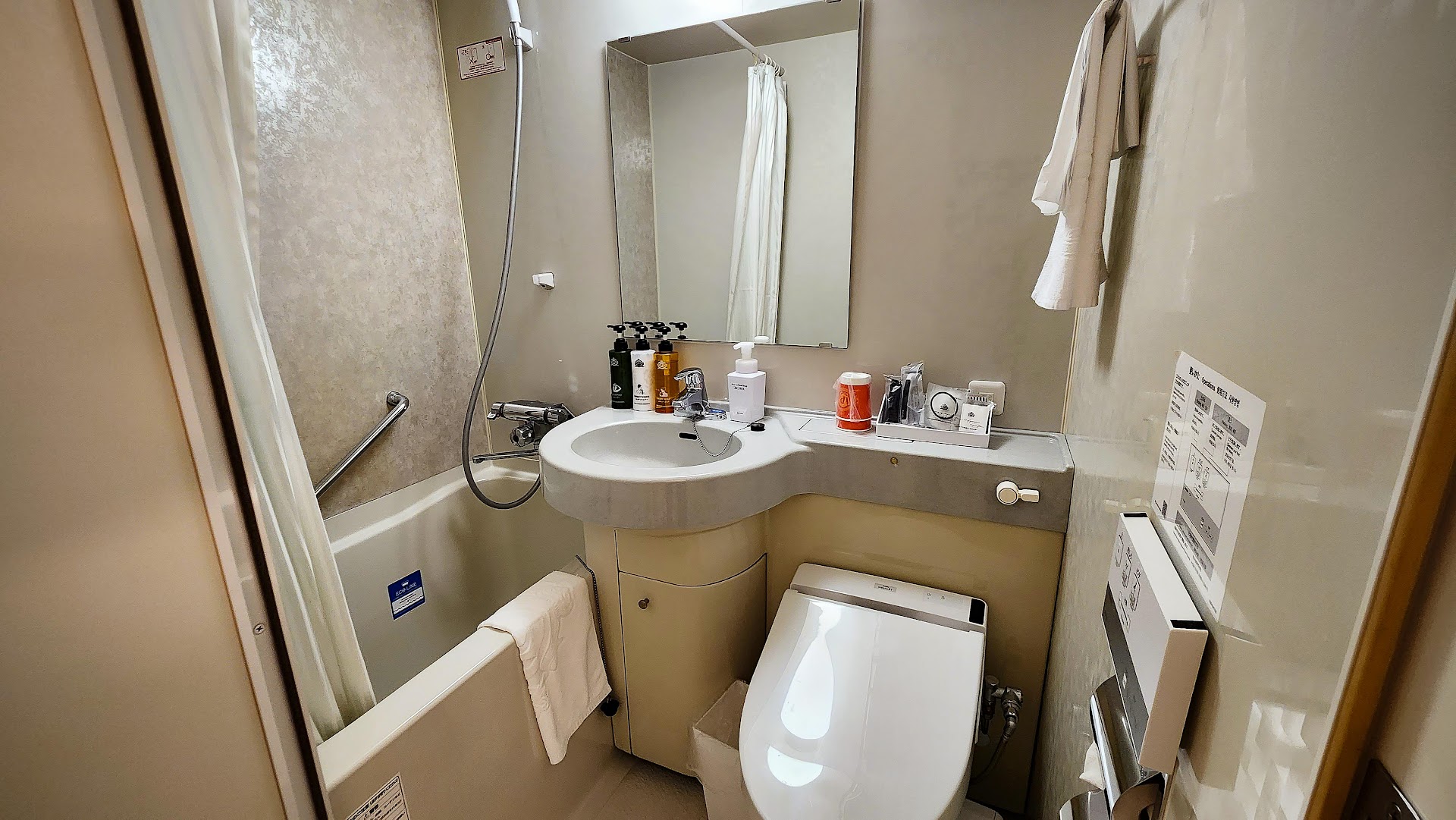 ibis Osaka Umeda⭐ 3.0 · 8.6/10 (2,729) · $105 /night
Agoda affiliate link — clicks go to the price-comparison page.