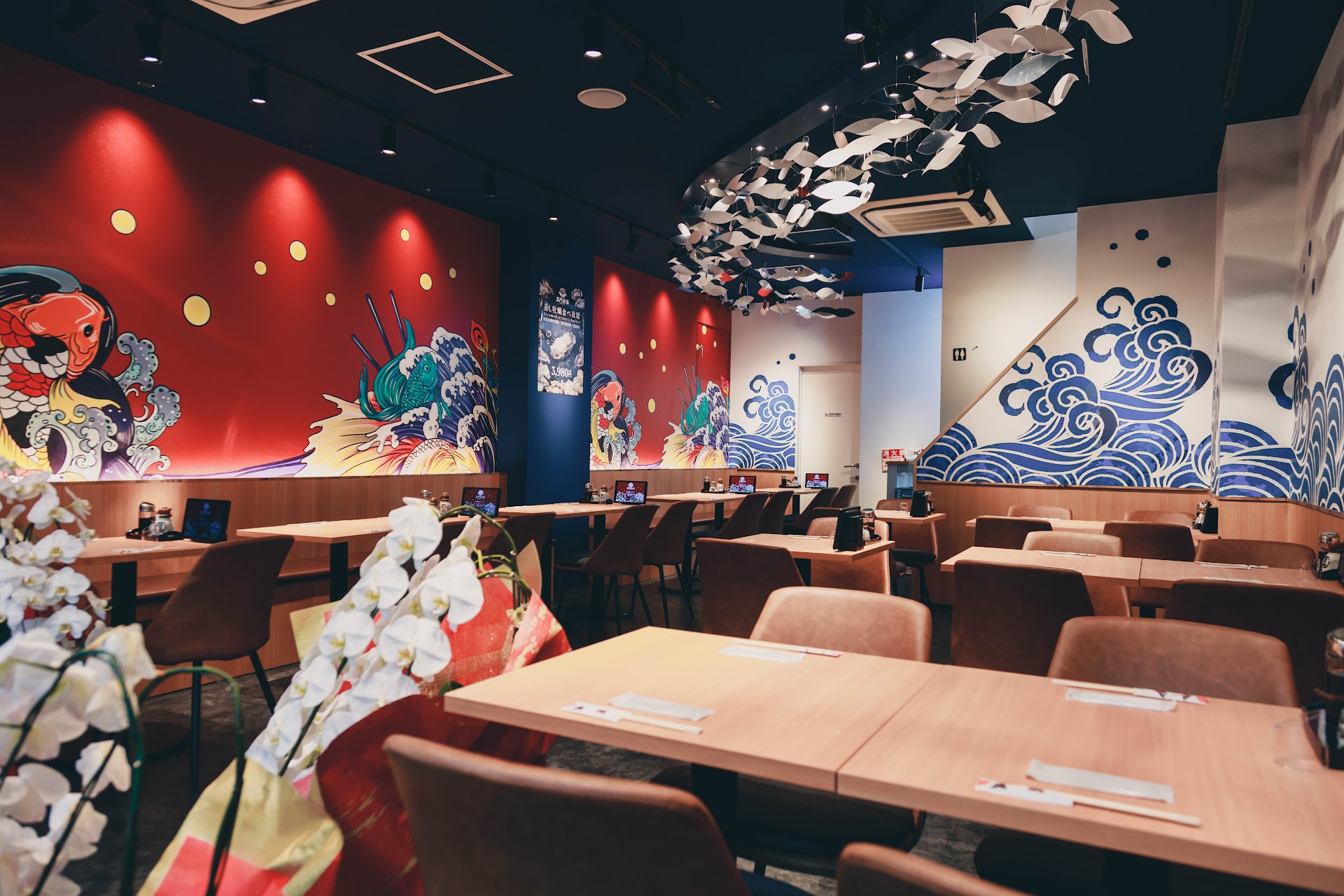
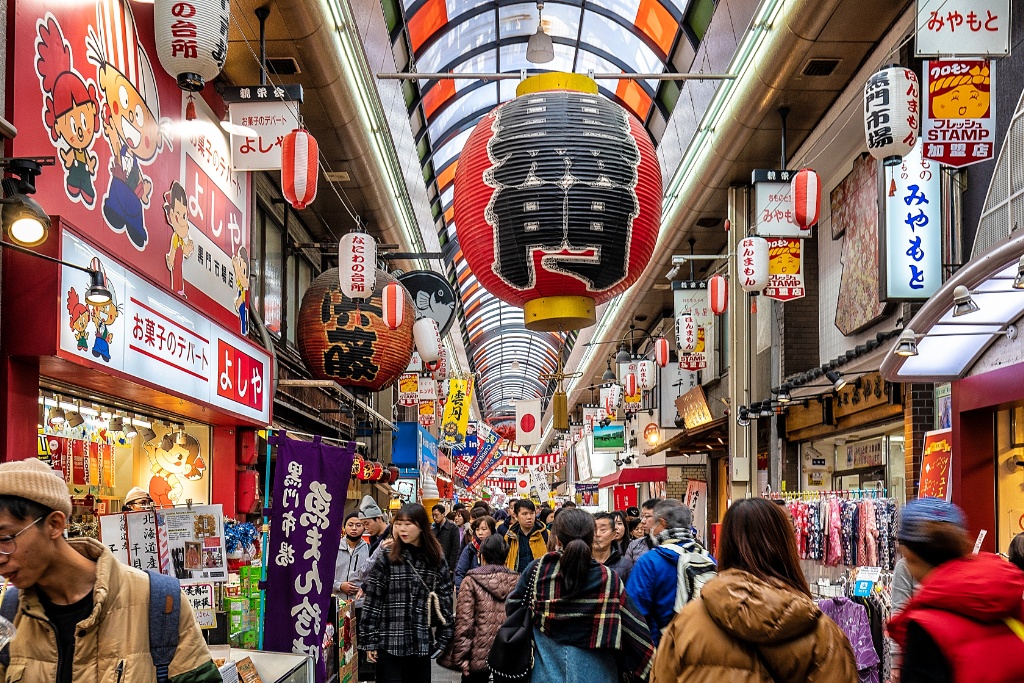
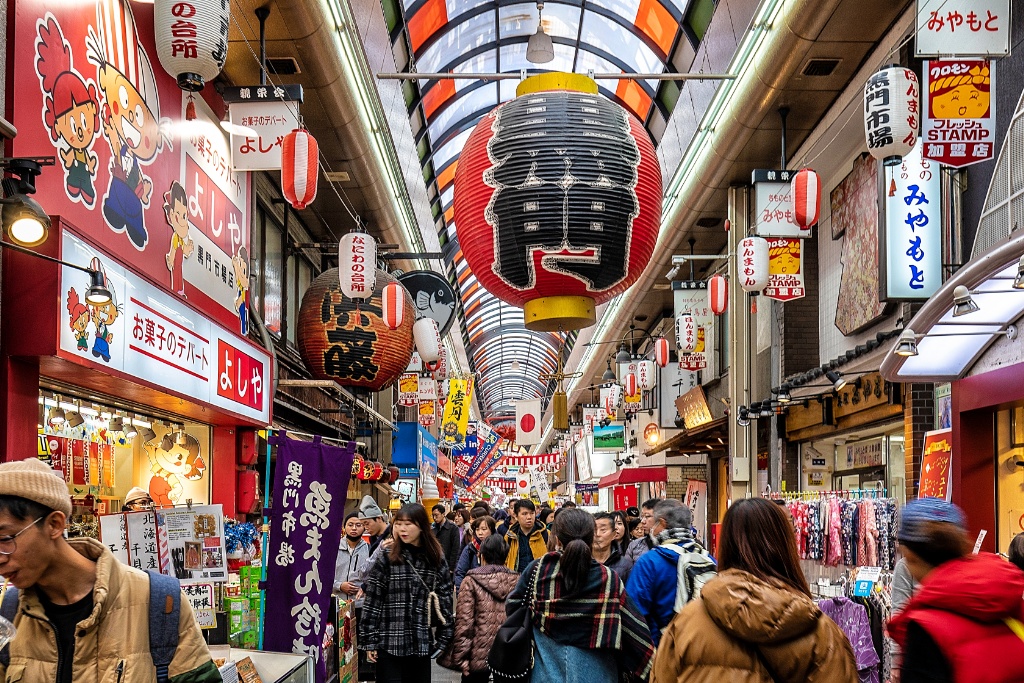
Osaka’s Kuromon Ichiba has been feeding the city for 170 years — and if you walk in without a plan, you’ll spend an hour circling the same stalls and leave full of samples but confused about what was actually worth it. Here’s the route we’d actually walk: six timed stops, honest verdicts, and every price you need before you go.
Best Timing
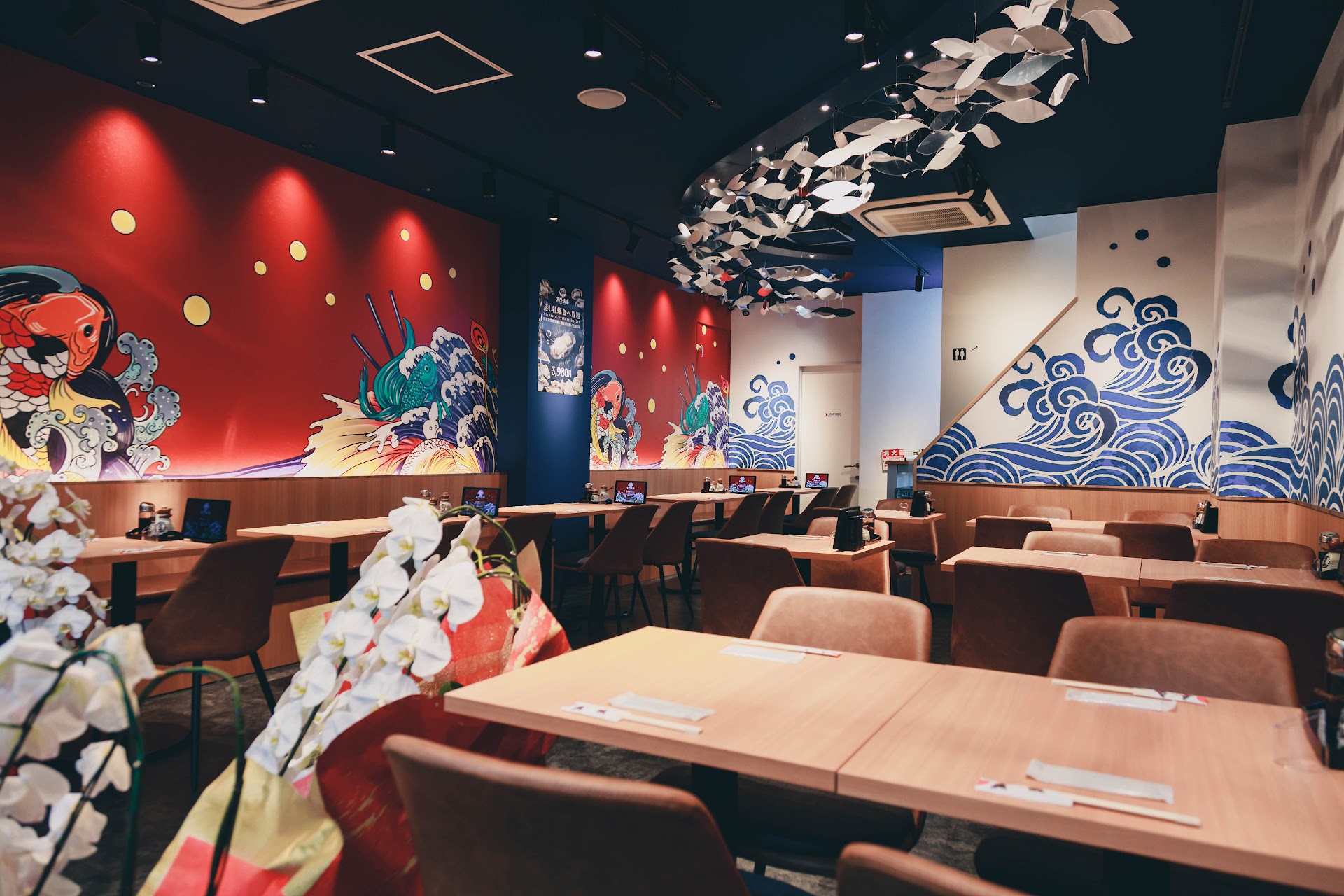
The market officially opens around 8:00 AM, but the serious stalls — the ones with fresh shellfish on ice and croquettes frying in hot oil — are ready by 9:00 AM. Aim to arrive between 8:30 and 9:00 AM to beat the tour groups that flood in after 10:30. By noon, the covered arcade is packed shoulder-to-shoulder and most of the freshest items are already gone.
Year-round, Kuromon is worth the trip, but October through April offers the most comfortable walking weather — Osaka summers are genuinely brutal, and a covered market with open-flame grills in July humidity is its own kind of endurance test. Spring (late March to early May) brings a pleasant morning chill and some of the best seasonal seafood. Block out two to three hours for this route — not because the market is large, but because eating slowly and actually tasting things is the point.
Core Experiences
Yamato Rotisserie Crab Croquettes
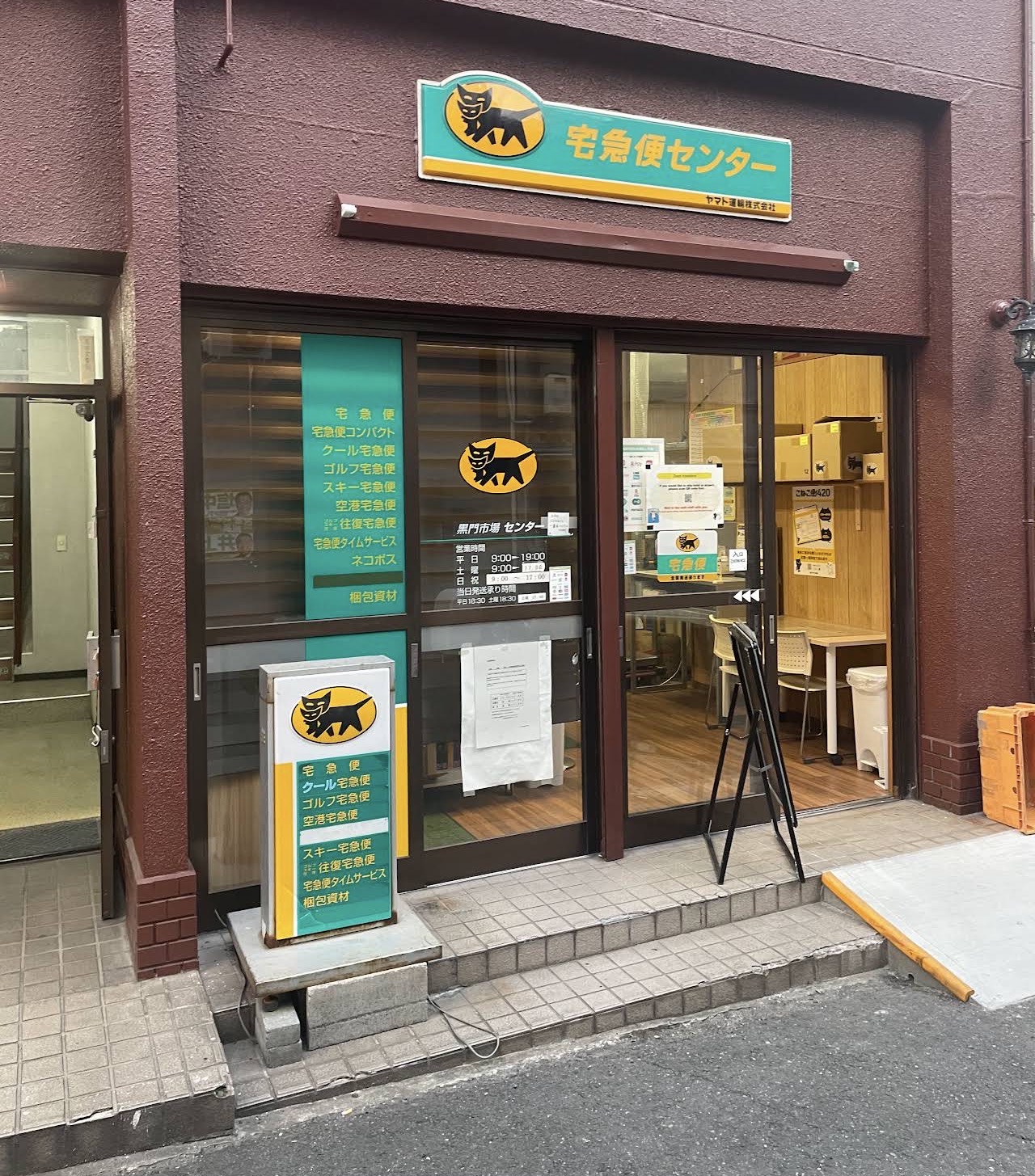
Near the Namba end of the arcade, Yamato’s counter is usually the first to pull a crowd. The crab croquettes here are fried to order — a thin, crispy shell giving way to a creamy, sweet crab filling that’s closer to bisque than stuffing. One croquette is enough to reset your expectations for everything else you’ll eat that morning. The stall runs out by 11:00 AM on weekends; go early or accept that it’s gone.
- 📍 Kuromon Ichiba, near Namba-end entrance · 💰 ¥400–¥500 (~$2.70–$3.40 USD) per piece · ⏰ Opens 9:00 AM, sold out by 11:00 AM weekends · ⭐ 4.7
- What locals know: Point at the freshly pulled tray — the ones that’ve been sitting five minutes are still fine, but the just-fried batch is noticeably better.
Uoriki Fresh Oyster Bar
Uoriki has been shucking oysters at the same spot for decades, and the setup is wonderfully no-nonsense: a bed of crushed ice, a folding table, and oysters from Hyogo, Hiroshima, or Hokkaido depending on the season. At ¥300–¥500 per oyster (~$2–$3.40 USD), these are not cheap by market standards, but the quality is consistent and the vendor will tell you exactly where each one came from that morning. Eat them standing at the counter with a squeeze of lemon — that’s the move.
- 📍 Mid-arcade, west side · 💰 ¥300–¥500 (~$2–$3.40 USD) per oyster · ⏰ 8:00 AM – 6:00 PM (closed Wednesdays) · ⭐ 4.6
- What locals know: Ask for the Hokkaido variety when it’s in season (Oct–Feb) — they’re noticeably creamier than the Hiroshima ones and the price difference is minimal.
Maruhama Uni Toast
This is the stop that tends to end up in every Kuromon photo, and it earns the attention. Maruhama offers sea urchin (uni) served on thick, lightly toasted milk bread — a ¥1,500–¥2,000 (~$10–$13.50 USD) plate that sounds expensive until you’re standing there eating it. The uni is fresh and mild, not aggressively briny, and the toast acts as a neutral canvas. The line moves faster than it looks; expect a 10–15 minute wait on a weekday morning.
- 📍 Central arcade, east side · 💰 ¥1,500–¥2,000 (~$10–$13.50 USD) · ⏰ 9:00 AM – sell-out (usually by noon) · ⭐ 4.8
- What locals know: The portion looks small but the uni is dense — it’s genuinely filling. Don’t stack it right after the oysters; give yourself 20 minutes.
Kintaro Tamagoyaki
Tamagoyaki — rolled Japanese omelette — sounds simple until you watch Kintaro’s vendor build it in a rectangular copper pan over an open flame. The result is warm, slightly sweet, and custardy in the center. At ¥300–¥600 (~$2–$4 USD) depending on size, it’s one of the best-value stops on this route and a good palate reset between richer bites. The shop also sells dashi-forward versions for those who prefer savory over sweet — worth asking which is fresher that morning.
- 📍 Near eastern entrance · 💰 ¥300–¥600 (~$2–$4 USD) · ⏰ 8:30 AM – 6:00 PM · ⭐ 4.5
- What locals know: The sweet version is for eating on the spot; the savory dashi roll is better cold and travels well if you’re heading back to the hotel.
Nakamura Butcher Wagyu Skewers
Nakamura is a proper butcher shop that started grilling wagyu skewers at the counter as a way to move cuts that weren’t moving as slabs, and it became the reason many people come to Kuromon in the first place. The A4–A5 wagyu skewer runs ¥800–¥1,200 (~$5.50–$8 USD) and is seasoned with nothing but salt and a few seconds over high heat. The fat-to-lean ratio is visible; the crust is audible. It’s the kind of thing that makes the whole morning feel justified.
- 📍 West-central arcade · 💰 ¥800–¥1,200 (~$5.50–$8 USD) per skewer · ⏰ 9:00 AM – 5:30 PM · ⭐ 4.9
- What locals know: Ask for the skewer “as-is” without sauce — the meat has enough marbling that sauce is genuinely redundant and masks the flavor.
Recommended Route
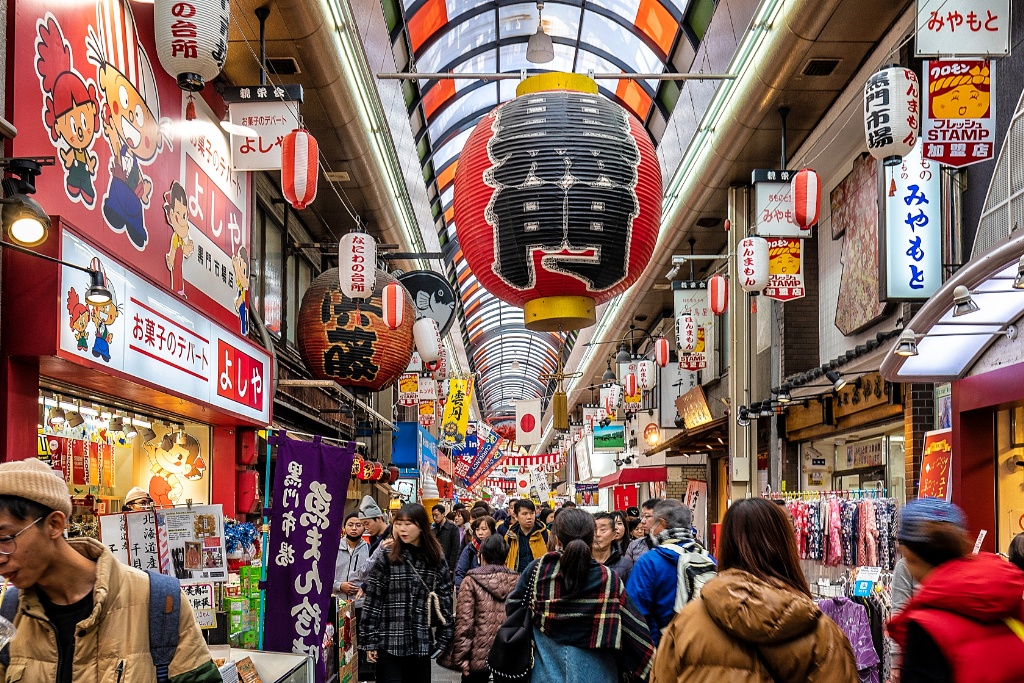
Here’s how to walk Kuromon in a single efficient loop without backtracking or waiting in three lines simultaneously.
8:45 AM — Enter from the Namba-end (south) entrance on Nipponbashi Street. Head immediately to Yamato for the crab croquettes before the line builds. Eat while walking north.
9:10 AM — Uoriki oysters, mid-arcade west side. Two oysters is the sweet spot; three and you’ll be too full for what’s ahead. (~5 min walk, ~10 min stop)
9:25 AM — Continue north to Maruhama for the uni toast. Join the queue now — by the time you reach the front, the toast will be worth the 12-minute wait. (~3 min walk, ~15 min with queue)
9:45 AM — Double back slightly south to Kintaro for tamagoyaki — this is your palate reset. Eat it slowly. (~4 min walk, ~8 min stop)
10:00 AM — Nakamura wagyu skewer, west-central arcade. This is the finale. Order one skewer, find a standing spot by the wall, and eat it without distraction. (~3 min walk, ~10 min stop)
10:15 AM — Exit north toward Nipponbashi Station or loop back south toward Namba. The whole route is roughly 400 meters end-to-end; the entire morning from entry to exit is comfortably under 2 hours at this pace.
Budget · Transport · Booking
Total food cost for this route: ¥3,300–¥4,800 per person ($22–$32 USD), including all five stops at mid-range portions. Budget ¥5,000–¥6,000 ($34–$41 USD) per person if you add drinks or pick up market items to take home.
Getting there:
- 🚇 Nipponbashi Station (Sennichimae Line / Sakaisuji Line) — 2-minute walk to north entrance
- 🚇 Namba Station (multiple lines) — 7-minute walk to south entrance
- No parking; don’t drive. Osaka’s transit is faster than any ride-share to this neighborhood.
Entrance fee: None. Kuromon Ichiba is a public covered market — free to enter.
Booking: No reservations needed or accepted for any stall on this route. The wagyu at Nakamura occasionally sells specific cuts in advance for omakase-style counters, but the skewer counter is walk-up only. Arrive before 9:30 AM to avoid waits longer than 15 minutes at any stop.
Cash vs. card: Bring cash (yen). The majority of stalls at Kuromon are cash-only, and the nearest 7-Eleven ATM (which accepts international cards) is a 3-minute walk south of the Namba entrance.
Must-Know Tips
- 🕗 Go early — really. The market gets visibly more crowded every 15 minutes after 10:00 AM. The 9:00 AM window is qualitatively different from the 11:00 AM window.
- 💴 Bring ¥5,000–¥6,000 in cash before you arrive. Don’t count on finding an ATM inside the arcade.
- 🦪 Uni and oysters run out. If Maruhama’s uni toast or Uoriki’s top oyster variety is on your list, treat them as first stops, not last.
- 📸 Photography is generally fine at stalls, but ask before pointing a camera at vendors who are mid-prep — a quick nod goes a long way and usually gets you a better shot anyway.
- 🗣️ Basic Japanese phrases help. “Kore wo hitotsu kudasai” (one of these, please) covers 90% of interactions. Vendors near Kuromon are used to non-Japanese speakers and most have picture menus or can point at prices.
- 🥡 Don’t graze randomly. The market is 170 stalls long. Without a route, it’s easy to fill up on free samples and miss the actual standout bites listed above.
Closing
Kuromon Ichiba isn’t a tourist trap dressed up as a local market — it genuinely is both, and that’s fine. The crab croquettes are real, the wagyu is real, the oysters were in the ocean yesterday. What it requires is a plan, an early alarm, and the willingness to eat three things before 10:00 AM. The market rewards that commitment with one of the most efficient, memorable food mornings available anywhere in Osaka.
The actionable takeaway: Save this route, set your alarm for 8:30 AM, bring cash, and walk in from the Namba-end entrance. Two hours, five stops, roughly $30 per person — that’s the morning, mapped.
🏨 Where to Stay
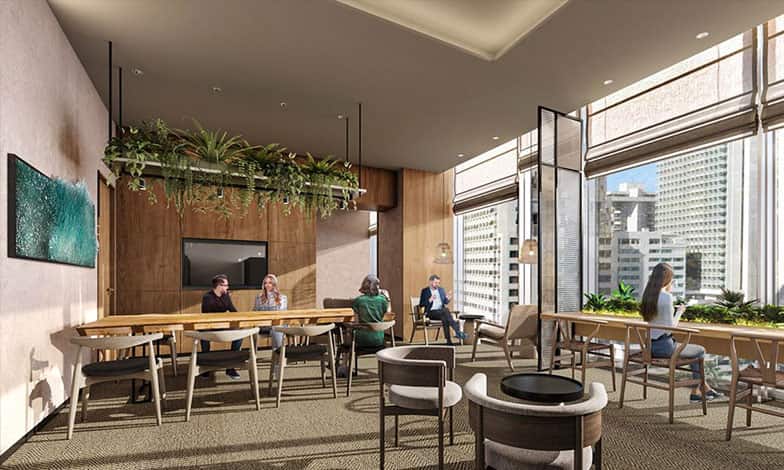 Hotel Hankyu GRAN RESPIRE OSAKA⭐ 5.0 · 8.8/10 (4,747) · $101 /night
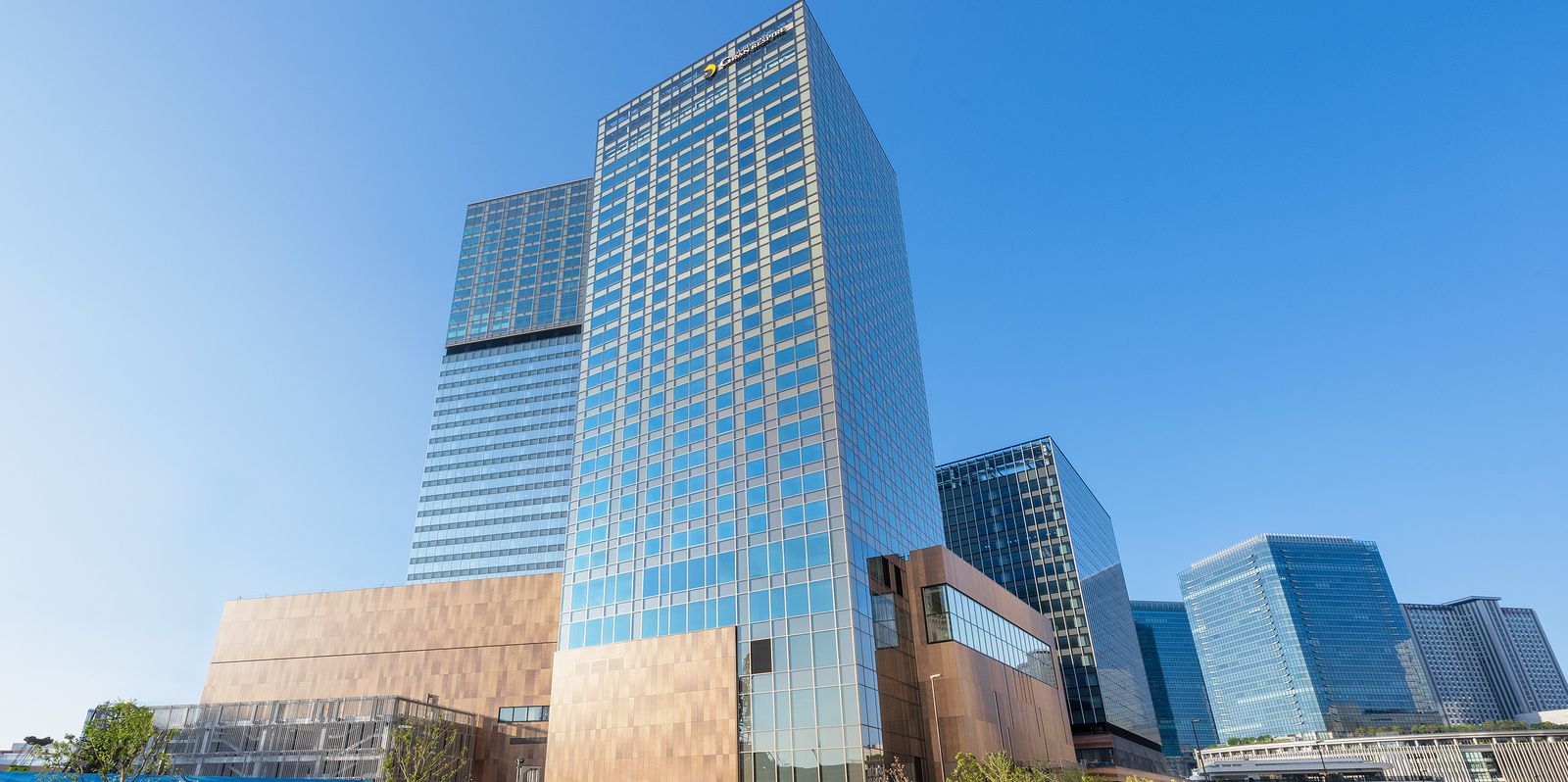 APA Hotel & Resort Osaka Umeda Eki Tower⭐ 3.0 · 8.5/10 (32,970) · $68 /night
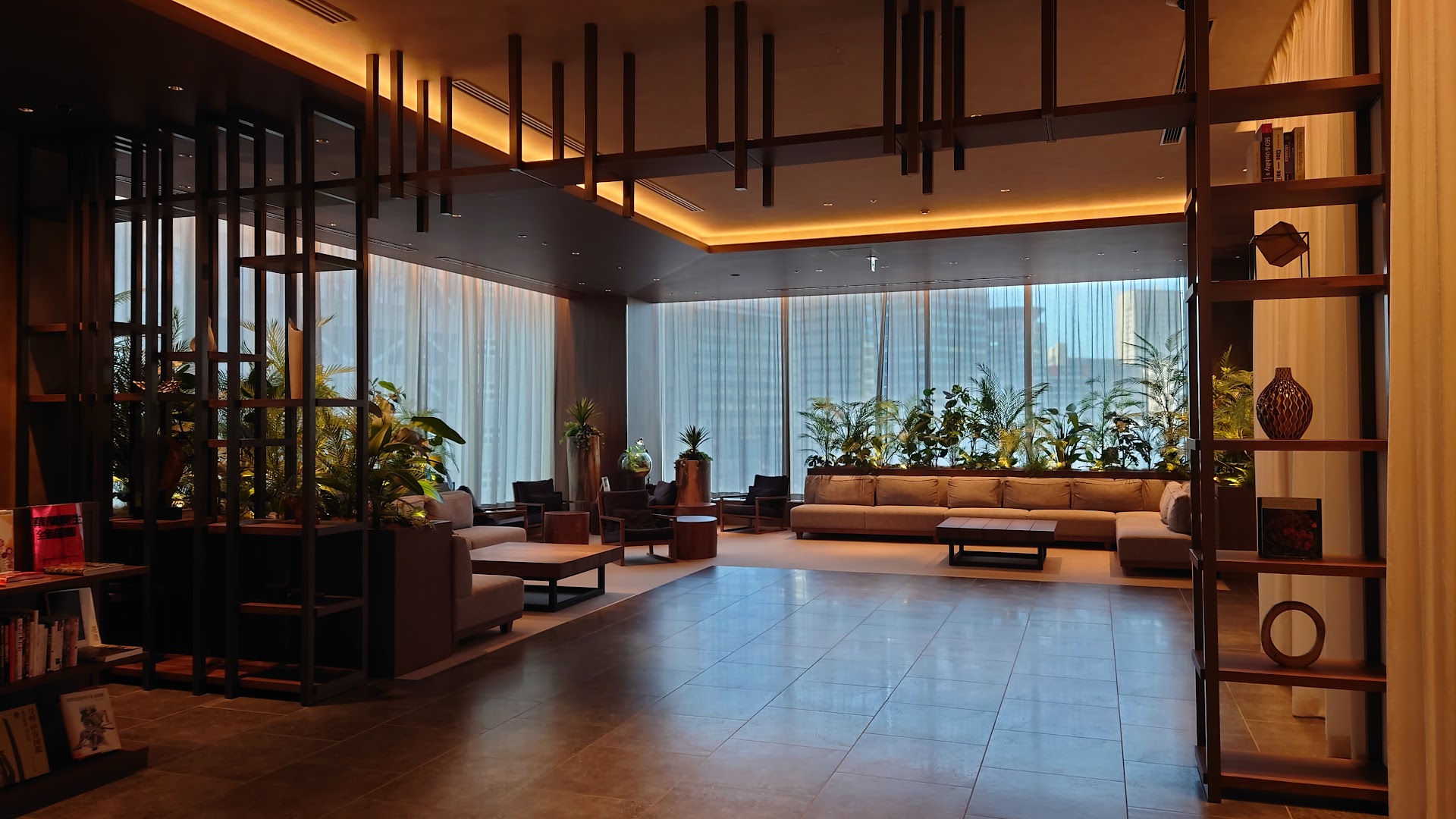 Hotel Villa Fontaine Grand Osaka Umeda⭐ 4.0 · 9.0/10 (6,486) · $98 /night
Agoda affiliate link — clicks go to the price-comparison page.