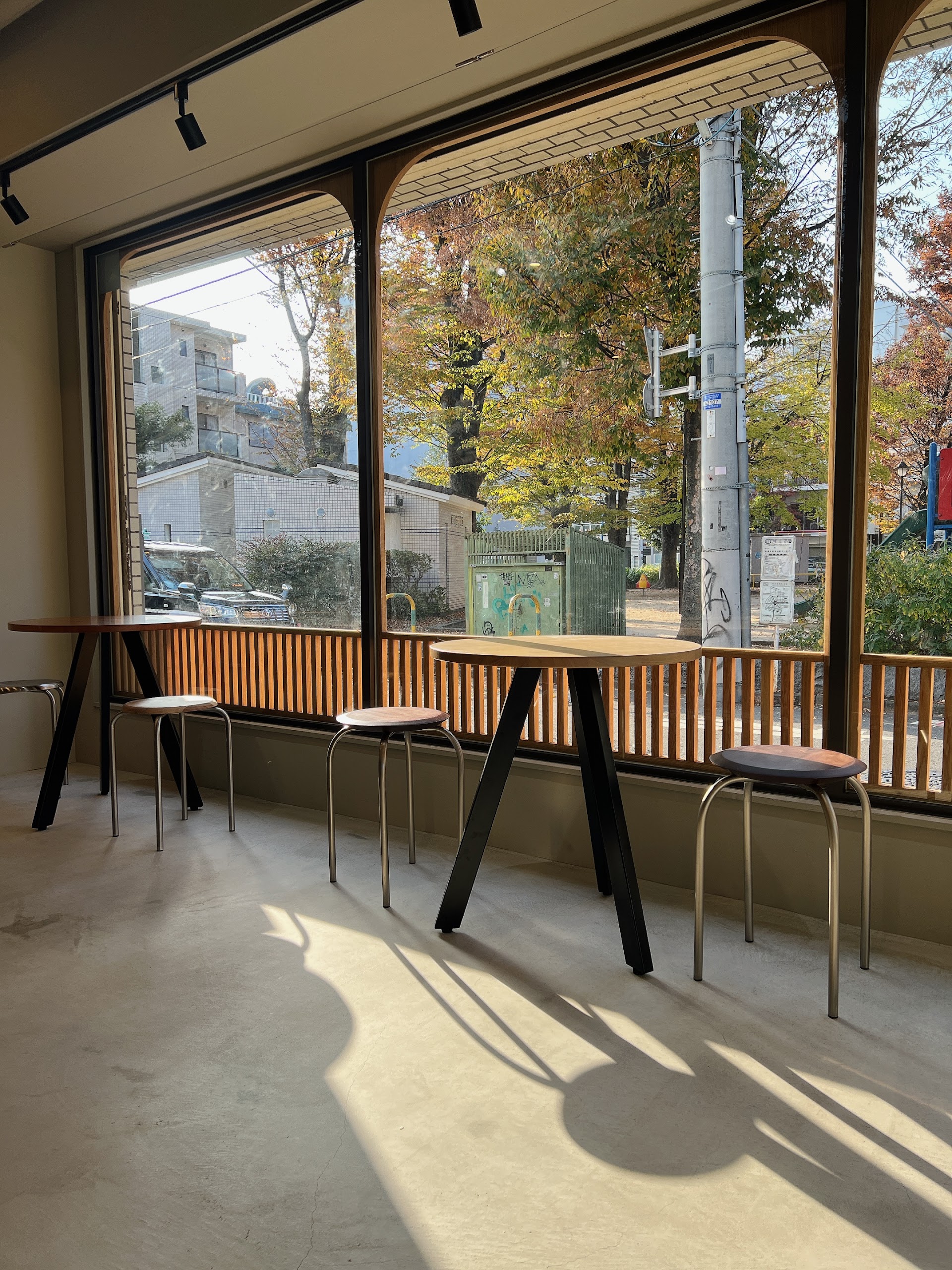
Tokyo has no shortage of coffee culture, but most visitors never make it past Shibuya or Shimokitazawa. Head northwest on the Chuo Line to Koenji, and you’ll find something rarer: a neighborhood where time slowed down somewhere around 1978 and never quite sped back up. The kissaten here — Japan’s old-school sit-down coffee shops — have been serving hand-dripped coffee and buttered toast to the same regulars for decades, and they’re still not on the tourist radar. Here’s the walkable route we mapped so you can spend a morning doing exactly what the locals do.
Best Timing
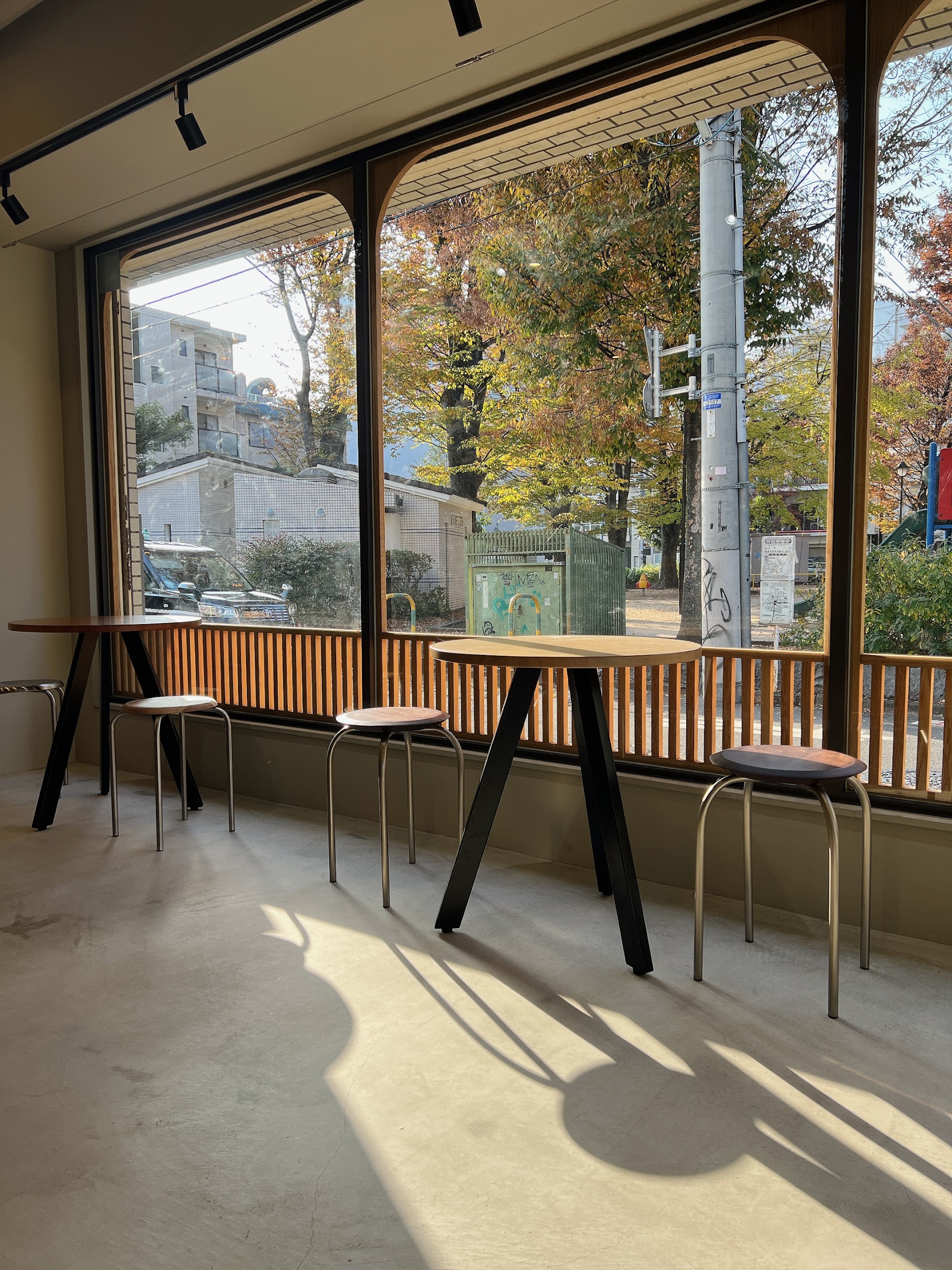
Koenji’s kissaten culture is a morning ritual. Arrive between 8:00 and 11:00 AM to experience the “morning set” (モーニングセット) — a deeply Japanese institution where a cup of coffee comes with free or discounted toast, a boiled egg, and sometimes a small salad. Most of these shops are tiny, with counter seating and four or five tables, so hitting them before the late-morning rush means you’ll actually get a seat. Weekdays are quieter; Saturday mornings draw a local crowd but rarely overflow.
In terms of seasons, spring (late March–May) and autumn (October–November) are the best windows. Koenji’s covered shopping arcades mean rain is never a dealbreaker, but clear mornings in April — when the sakura along the Zenpukuji River are just past peak — make the walk between stops genuinely beautiful. Avoid the heat and humidity of July and August if you can; the narrow, low-ceilinged interiors of these cafés can feel stifling without good airflow.
Core Experiences
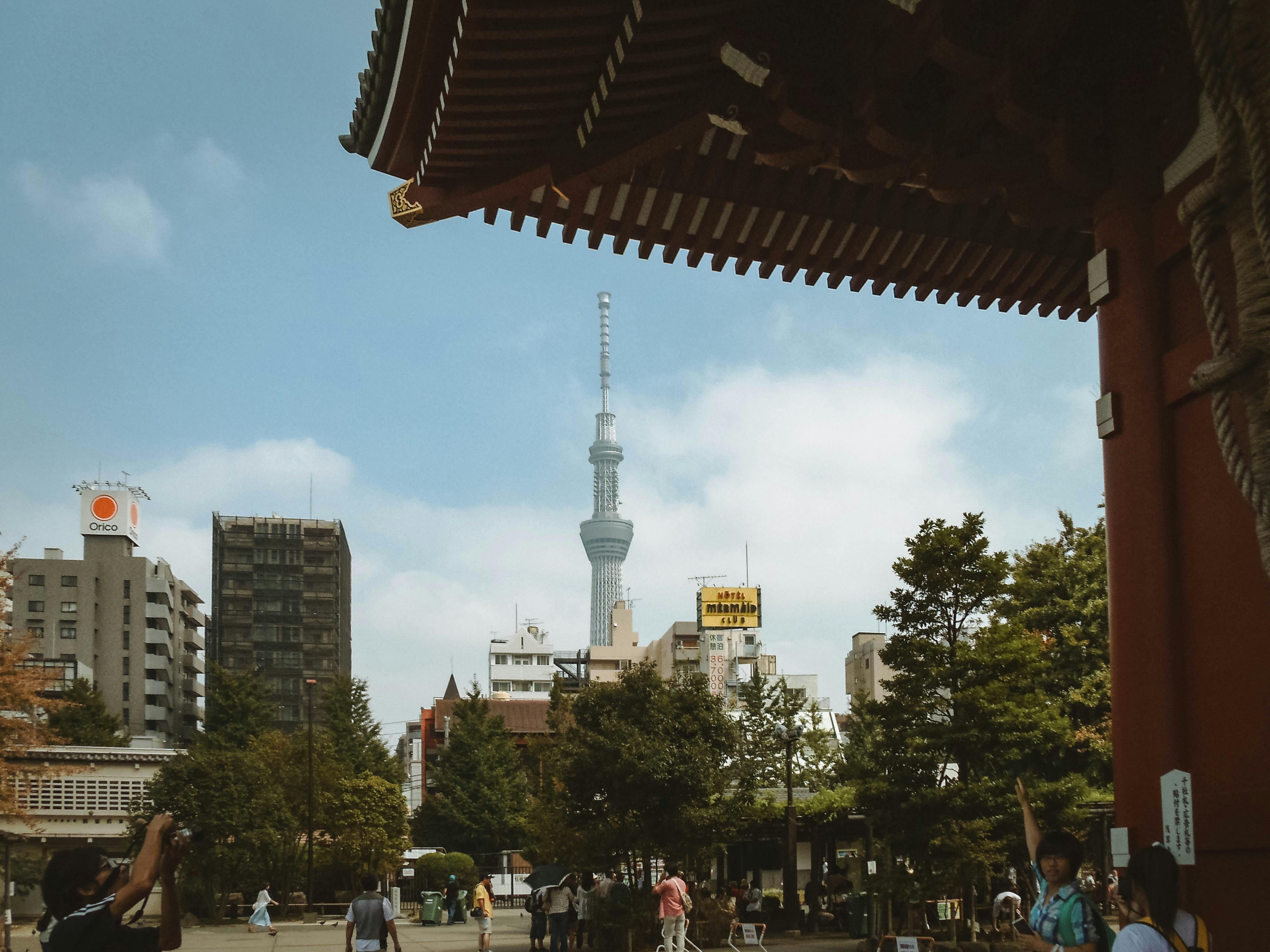
Café Nekoya
Step through the low wooden door at Nekoya and the first thing you notice is the smell — decades of roasted coffee soaked into the walls, the counter, the ceiling. This is a one-room shop run by a man in his seventies who has been sourcing and roasting his own beans since the 1980s. There are no menus on the wall, just a handwritten card near the register listing three or four coffees by roast level and the morning set. The pour-over takes about four minutes; the wait is part of the experience. Cats, as the name hints, appear frequently — ceramic ones on shelves, a live one who may or may not occupy the stool next to you.
- 📍 2-chome, Koenji-Kita, Suginami-ku, Tokyo · 🚶 4 min walk from Koenji Station north exit
- 💰 Coffee ¥550–¥680 · Morning set ¥750
- ⏰ Mon–Sat 8:00–14:00, closed Sun
- ⭐ 4.7
What locals know: Order the dark roast (深煎り) and ask for it without sugar — the owner will nod approvingly and take a little extra care with the pour.
Saboru
Saboru is Koenji’s most storied kissaten, a two-story wood-paneled cave packed with mismatched furniture, vintage jazz posters, and plants that have been growing since the shop opened in 1955. The interior is genuinely theatrical — dim Edison bulbs, a low ceiling hung with antique lamps, walls so dense with objects they feel like a still-life painting. It draws a mixed crowd: elderly regulars reading newspapers, young creatives nursing a single coffee for two hours, and the occasional record-store employee on a break. The coffee is classic Japanese-style: full-bodied, slightly bitter, served in heavy ceramic cups.
- 📍 2-19-3 Koenji-Minami, Suginami-ku, Tokyo
- 💰 Coffee ¥500–¥650 · Toast set ¥800
- ⏰ Daily 11:00–23:00 (no morning set; opens late by kissaten standards)
- ⭐ 4.5
What locals know: The upstairs loft seats are first-come, best-view — arrive right at 11:00 to claim a window spot above the street.
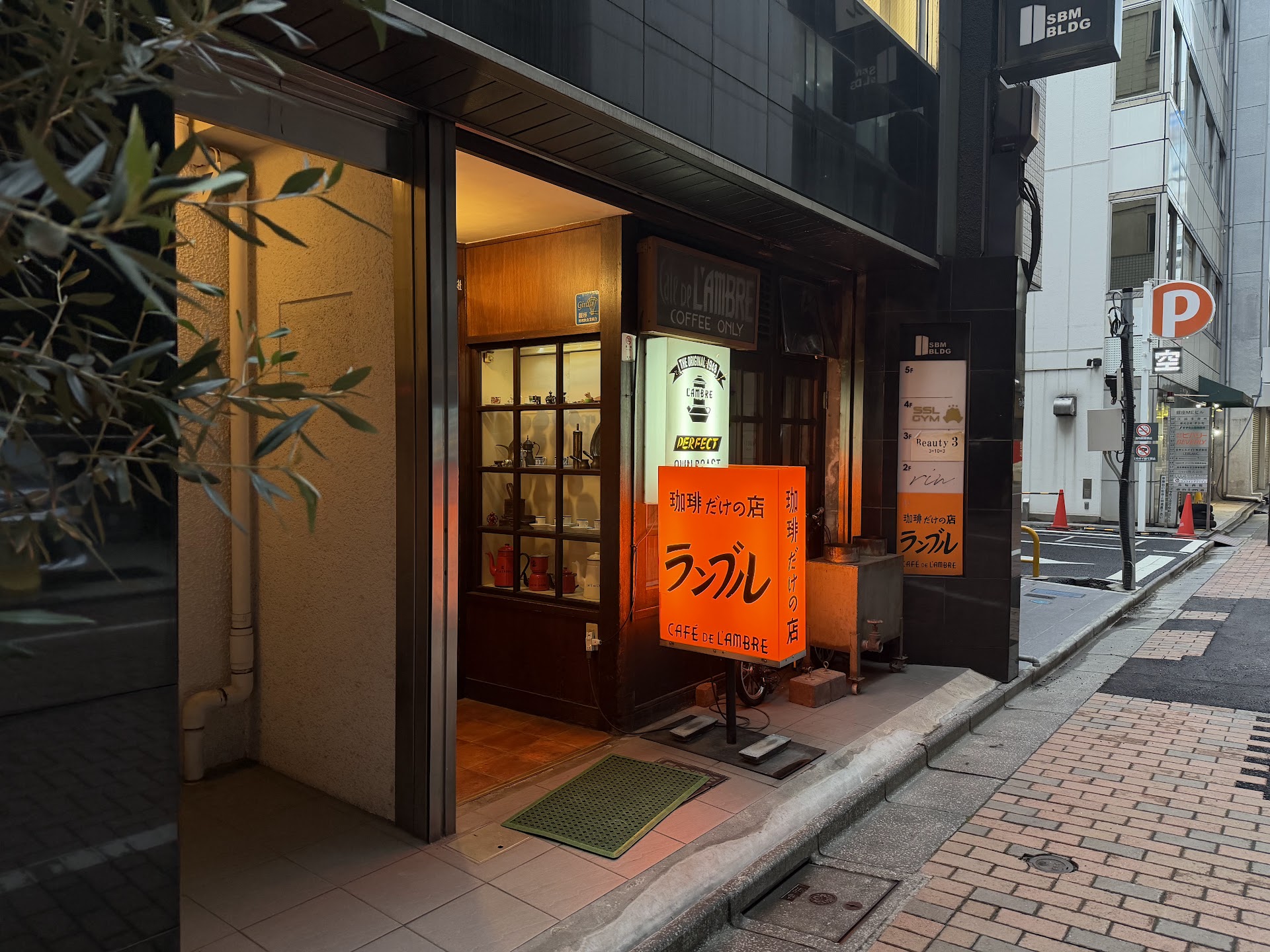
Café de L’Ambre (Koenji branch)
The original Café de L’Ambre in Ginza is legendary, but the Koenji branch carries the same philosophy: aged beans, minimal décor, coffee treated with the seriousness of fine wine. The owner’s approach involves resting certain beans for years — sometimes decades — to develop deeper, smoother profiles. This isn’t a place to rush. The seating is sparse, the lighting is soft, and the menu is a single laminated sheet. Order the house blend and a slice of the dense, barely-sweet castella cake that arrives on a small lacquered tray.
- 📍 Koenji-Minami 3-chome, Suginami-ku, Tokyo · 🚶 7 min walk from Koenji Station south exit
- 💰 Coffee ¥700–¥1,200 (aged blends cost more) · Castella ¥400
- ⏰ Wed–Mon 10:00–19:00, closed Tue
- ⭐ 4.8
What locals know: The aged blend menu rotates monthly — ask the staff what’s freshest that week rather than defaulting to the house blend.
Jazz Kissa Noa
Jazz kissa (ジャズ喫茶) are a specific subgenre of kissaten built around listening — not background music, but vinyl played loud enough that conversation is secondary. Noa is Koenji’s best surviving example: a basement room lined with thousands of LPs, a pair of vintage Altec Lansing speakers, and a proprietor who selects each record with the care of a curator. The coffee is good but not the point. Come here to sit in the dark, drink something bitter and hot, and let a 1962 Miles Davis record wash over you at a volume you’d never permit at home.
- 📍 Koenji-Kita 2-chome, Suginami-ku, Tokyo · 🚶 5 min walk from Koenji Station north exit
- 💰 Coffee ¥600 · Cover charge ¥200 (first drink)
- ⏰ Tue–Sun 13:00–22:00, closed Mon
- ⭐ 4.6
What locals know: Talking loudly is considered disrespectful — keep conversation to a minimum and you’ll earn a warm reception from the regulars.
Kissaten Aoi
Aoi is the smallest stop on this route — six counter seats and two tables, a hand-painted sign above the door, and a menu that has not meaningfully changed since 1983. The specialty here is the egg salad sandwich (玉子サンド): thick-cut white bread, a filling that’s more custard than salad, crusts removed and quartered with precision. Pair it with the house coffee, a medium roast that’s smooth enough to drink without milk even if you usually can’t. The owner, a woman in her sixties, runs the shop solo and somehow maintains a pace that makes everything feel unhurried.
- 📍 Koenji-Minami 2-chome, Suginami-ku, Tokyo · 🚶 3 min walk from Koenji Station south exit
- 💰 Coffee ¥480 · Egg salad sandwich set ¥900
- ⏰ Mon, Wed–Sat 9:00–14:00, closed Tue & Sun
- ⭐ 4.6
What locals know: The egg salad sandwiches sell out by 12:30 most days — go before noon to guarantee one.
Recommended Route
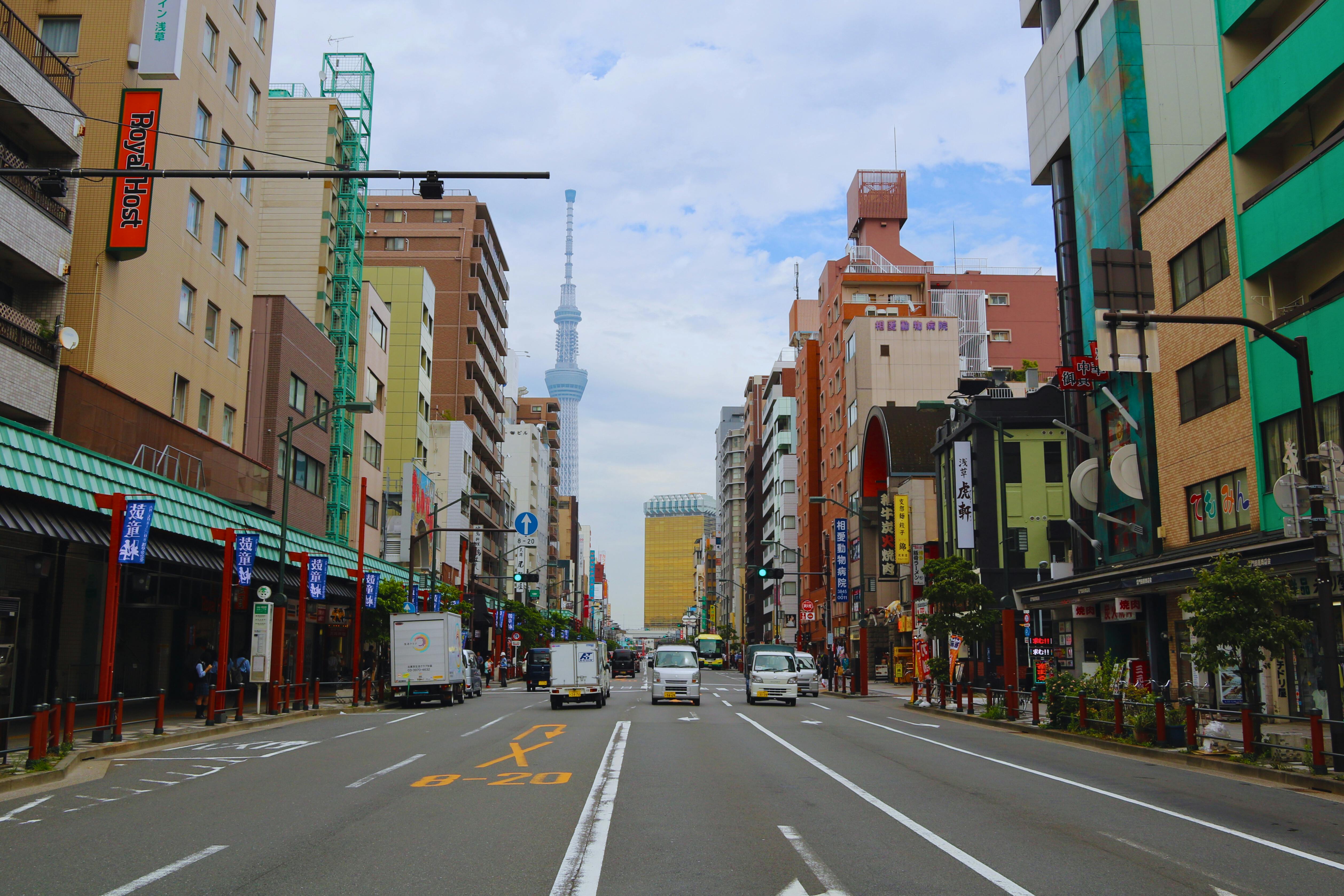
This route runs best as a weekday morning, starting no later than 8:30 AM. All five stops are within a 25-minute walk of each other, centered on Koenji Station on the JR Chuo Line.
- 08:30 — Start at Café Nekoya (north exit, 4 min walk). Morning set, dark roast. Block out 30–40 minutes.
- 09:20 — Walk south through Koenji’s covered Pal shopping arcade (~8 min) to Kissaten Aoi. Order the egg salad sandwich set. 30–40 minutes.
- 10:10 — Short walk east (~5 min) to Café de L’Ambre. This is your slow stop — sit with the aged blend and the castella, no rush. 40–50 minutes.
- 11:10 — Walk back toward the station (~6 min) and drop into Saboru when it opens at 11:00. Grab the upstairs loft if it’s free. 30–40 minutes.
- 12:00 — Finish at Jazz Kissa Noa (opens 13:00 — use this gap to browse the used record shops and vintage clothing stores that line Koenji’s side streets). Settle in downstairs with a coffee and a record. 45–60 minutes.
- 14:00 — Route complete. Total walking: approximately 35 minutes spread across the morning.
Budget · Transport · Booking
Getting there: Koenji Station is on the JR Chuo Line, 10 minutes from Shinjuku (¥170) and 20 minutes from Tokyo Station (¥220). IC card (Suica or Pasmo) is the easiest way to pay. No subway connections needed — all five stops are walkable from the station.
Per-stop costs (approximate):
- Coffee per stop: ¥480–¥700
- Morning sets / food: ¥750–¥900
- Jazz Kissa Noa cover: ¥200
Realistic total for the full route: ¥4,500–¥6,000 (roughly $30–$40 USD), including transport from central Tokyo and a light snack at each stop.
Booking: None of these shops take reservations — kissaten culture is walk-in only. Saboru and Jazz Kissa Noa are the two most likely to have a short wait on weekends; arriving within the first 15 minutes of opening eliminates that risk. Cash is strongly preferred at all five stops; Café de L’Ambre and Saboru may accept IC card payments, but bring ¥6,000 in cash to be safe.
Must-Know Tips
- 💴 Bring cash. At least three of these five shops are cash-only. ATMs are available at the 7-Eleven near the south exit of Koenji Station.
- ⏰ Go on a weekday if you can. Saturday mornings are lively but the smallest shops (Nekoya, Aoi) fill up fast — you may wait 10–15 minutes for a seat.
- 📵 Keep your phone down at Jazz Kissa Noa. Photography is discouraged and phone calls are out of the question. Treat it like a concert.
- 🗣️ Basic Japanese goes a long way. “モーニングセットをひとつ” (one morning set, please) and “おいくらですか” (how much?) will cover most interactions. English menus exist only at Saboru.
- 🧥 Dress for sitting still. The AC in these small spaces ranges from nonexistent to aggressive — a light layer handles both possibilities.
- 🗺️ Don’t skip the walk. The 10-minute detour through Koenji’s covered arcades between stops is itself worth the trip — used record stores, vintage kimono shops, and independent booksellers line every block.
Closing
Koenji’s kissaten aren’t trying to be discovered. They’ve survived precisely because they’ve never chased attention — same menu, same hours, same owner pouring the same roast for the same regulars who’ve been coming since before most travel apps existed. Spending a morning on this route is less about ticking off five coffee shops and more about slowing down to a rhythm that most of Tokyo has long since abandoned.
The actionable takeaway: plan this for a Tuesday through Friday morning, leave the hotel by 8:15, and build nothing into your afternoon. The route runs itself.
🏨 Where to Stay
 Mitsui Garden Hotel Nihonbashi Premier / Tokyo⭐ 5.0 · 8.9/10 (7,729) · $267 /night
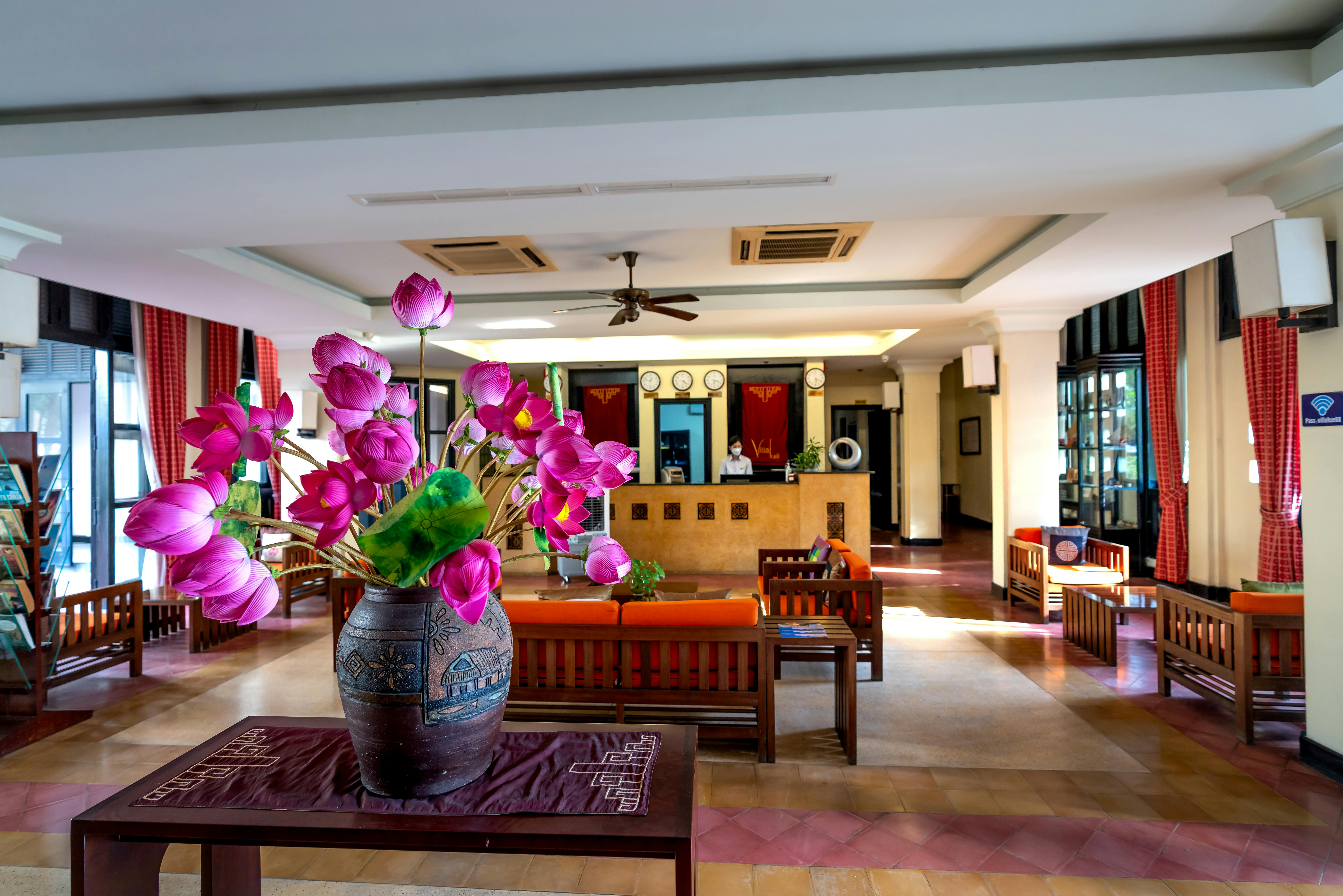 Hotel Villa Fontaine Grand Tokyo-Shiodome⭐ 4.0 · 8.7/10 (14,788) · $160 /night
 Imperial Hotel Tokyo⭐ 5.0 · 9.2/10 (3,204) · $327 /night
Agoda affiliate link — clicks go to the price-comparison page.