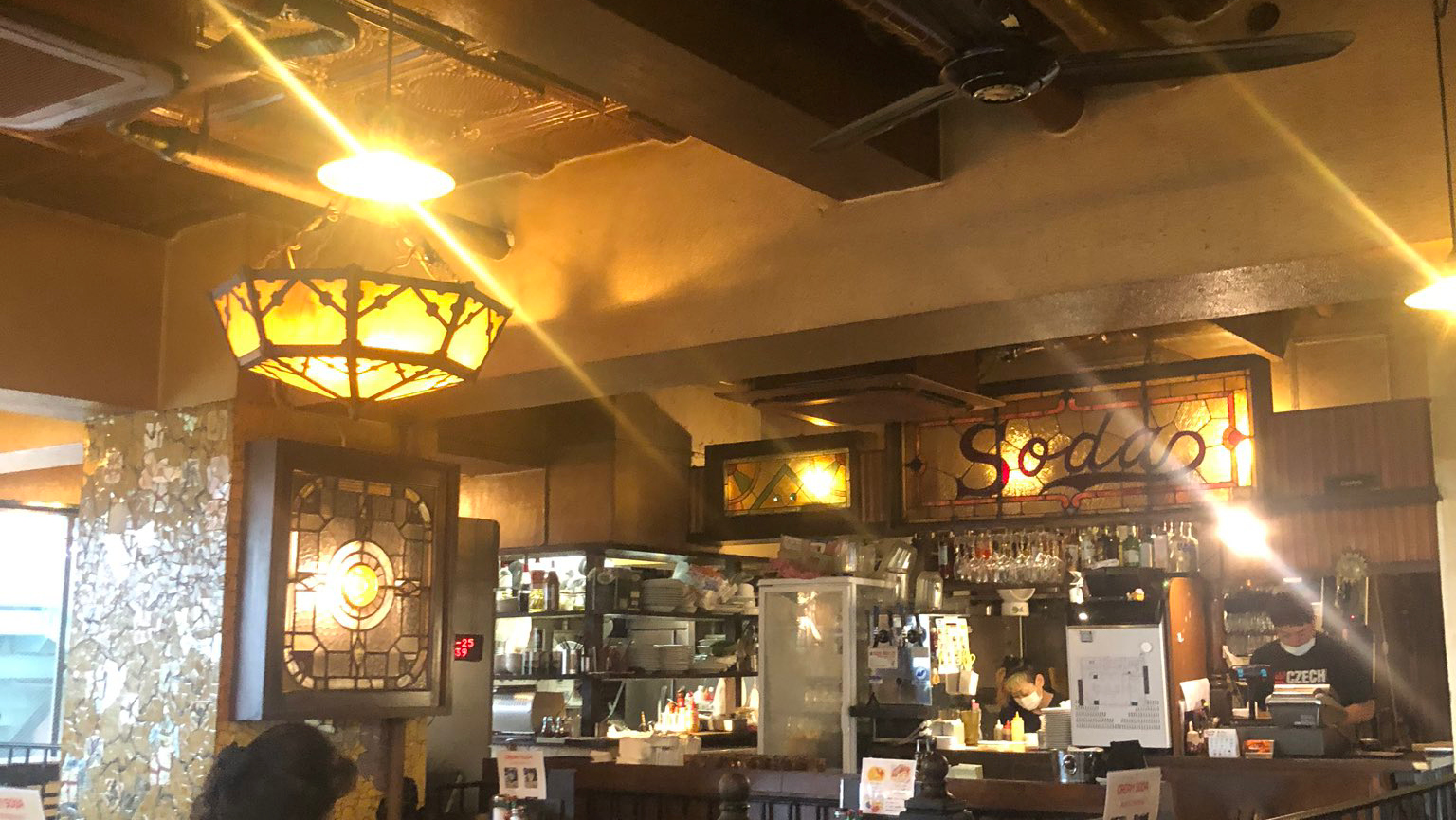
Koenji doesn’t show up in most Tokyo itineraries, and that’s exactly why it’s worth the detour. Tucked along the Chuo Line about 20 minutes west of Shinjuku, this neighborhood has quietly preserved a pocket of mid-century kissaten — Japan’s old-school, sit-down coffee houses — that survived the Starbucks wave by simply refusing to change. Here’s the walkable route we’d hand you the morning before you go.
Best Timing
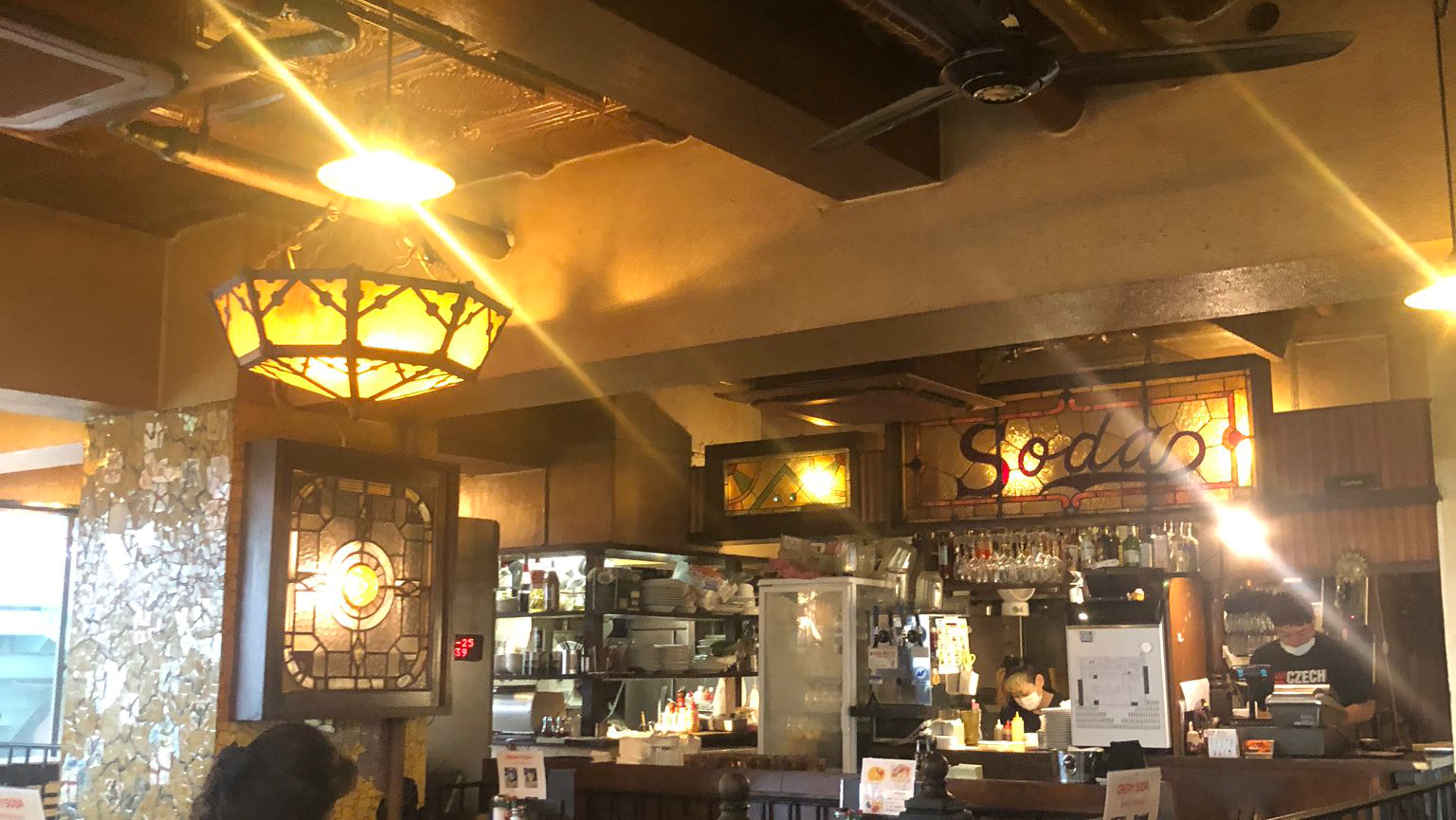
Weekday mornings between 7:00 AM and 10:30 AM are the sweet spot. Most kissaten open early specifically for the neighborhood’s working crowd, and by 11 AM the narrow shotengai (shopping street) picks up foot traffic that turns a 10-minute stroll into a 25-minute shuffle. April and October offer the most pleasant walking weather — mild, low humidity, with morning light that makes the faded signage and wood-panel interiors glow. Avoid Sundays if you can; several of the older spots close one weekend day and don’t always update their posted hours online.
Rain is not a dealbreaker here. The Koenji kissaten belt is largely covered by shotengai arcades, so a drizzly Tuesday morning can actually be one of the most atmospheric times to sit with a hand-drip and watch the shutters roll up on the vintage record shops next door.
Core Experiences
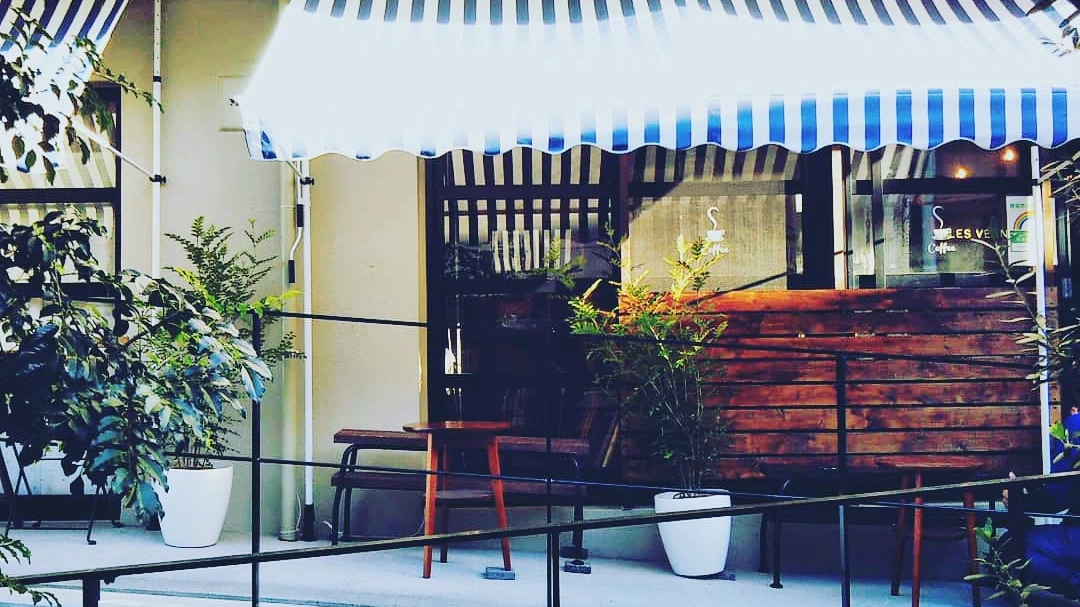
Café Lion (Café らいおん)
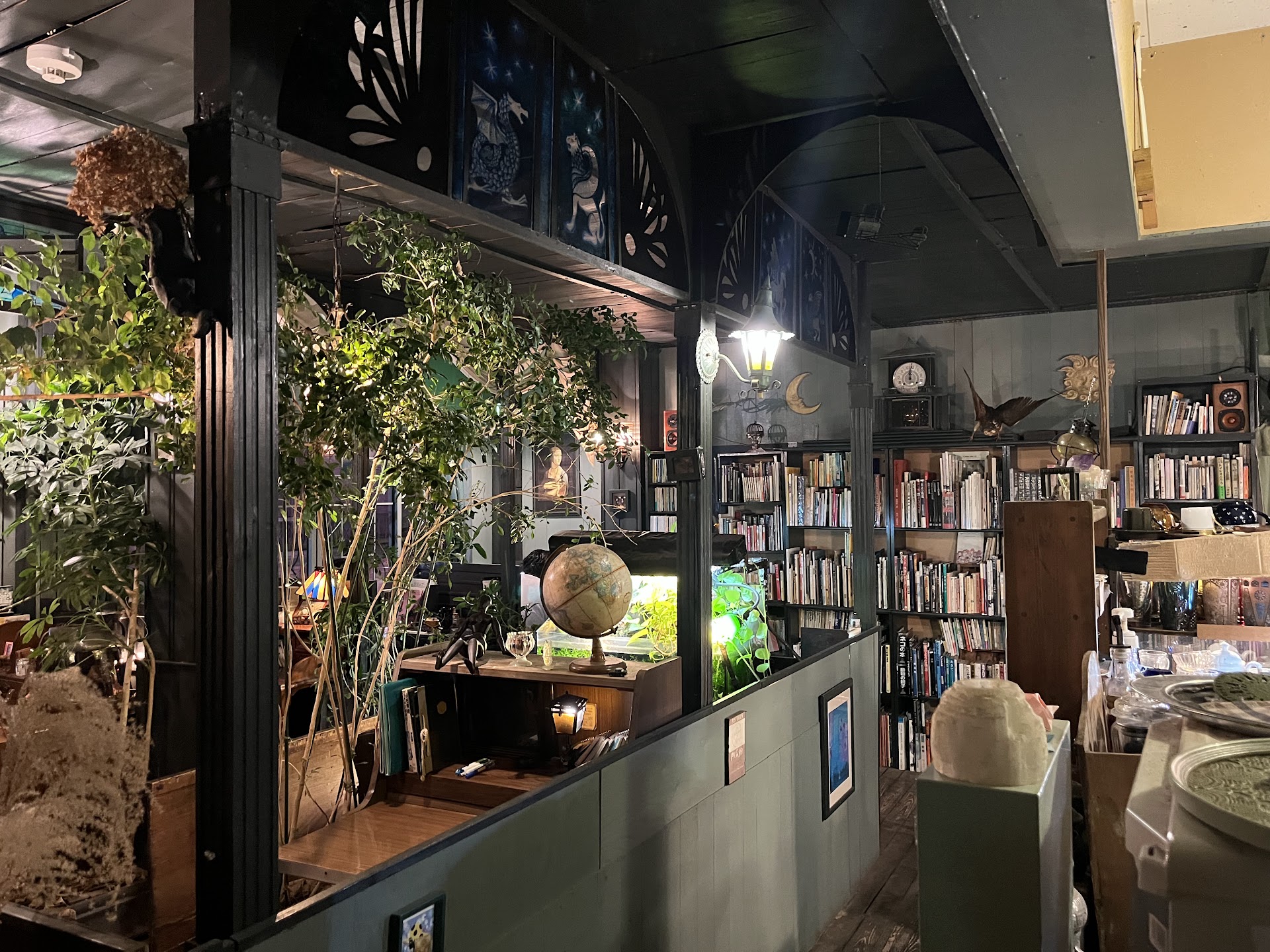
This is the anchor stop — the one that makes the whole route click. Café Lion has been operating out of a narrow two-story building near Koenji Station’s north exit since the mid-1970s, and the interior looks like time stopped somewhere around 1978: lacquered wood counters, a wall of reel-to-reel tape equipment that still gets used, and mismatched chairs that somehow form a coherent whole. The coffee is the house blend — medium roast, served at the right temperature — but the real reason to sit down is the atmosphere. Order the morning set (モーニングセット): coffee plus thick-cut toast with butter, around $7–8 USD total. The owner brews each cup individually.
- 📍 ~3-minute walk from Koenji Station north exit, covered shotengai · 💰 $7–10 USD · ⏰ 7:30 AM–6:00 PM (closed Thursdays) · ⭐ 4.7
- What locals know: The counter seats facing the brewing station book up fast after 8:30 AM on weekdays — arrive early or take the upstairs table by the window.
Ladrio (ラドリオ)
Ladrio sits just off the main covered arcade on a quieter side street, marked by a hand-painted sign that’s been sun-faded to a warm amber. It’s one of the few kissaten in this stretch that still does iced Vienna coffee (ウインナーコーヒー) the old way — a thick espresso base with a generous spoonful of hand-whipped cream that you let dissolve at your own pace, not a rush of dairy from a can. The room holds maybe 12 people, walls lined with jazz LPs and framed concert posters from the 1960s. Weekday mornings here feel genuinely unhurried. Budget $8–11 USD for a drink and a small toast set.
- 📍 3-minute walk from Café Lion, side street off Pal Shopping Street · 💰 $8–11 USD · ⏰ 8:00 AM–7:00 PM (closed Tuesdays) · ⭐ 4.6
- What locals know: The Vienna coffee is technically listed as a dessert drink — it’s not on the morning set menu, so you’ll order it separately. Worth the extra $3.
Café Münchën (カフェ ミュンヘン)
Münchën is the outlier in the best way. Where the other kissaten are intimate and almost hushed, this one fills a wider ground-floor space with booths, a long bar counter, and a vintage Faema espresso machine that still runs every morning. The menu leans slightly more substantial — beyond coffee, there’s curry rice available from opening and a thick, eggy French toast that regulars have been ordering the same way for 30 years. Prices are honest: coffee from $4.50 USD, a full curry-and-coffee set around $12–14 USD. The lighting is dim even at 9 AM, and that’s not an accident — it’s the right mood for a two-cup morning.
- 📍 5-minute walk from Ladrio, near the south side of Koenji Pal · 💰 $4.50–14 USD · ⏰ 7:00 AM–8:00 PM (open daily) · ⭐ 4.5
- What locals know: The booth in the back-left corner has a view of the open kitchen prep area — worth requesting if you want to watch the morning service rhythm.
Jazzmen Coffee (ジャズメン珈琲)
The name tells you what to expect, and Jazzmen delivers without overplaying it. The playlist rotates between Blue Note-era hard bop and mid-century West Coast jazz at a volume that fills the room without demanding attention. The coffee program here is the most deliberately considered of the route: the owner sources beans from a small roaster in Shimokitazawa and hand-grinds per order. The signature is a deep city roast single-origin drip, usually Ethiopian or Guatemalan, priced at $9–11 USD for a proper ceramic cup with a small sweet on the side. The space is tiny — seven seats total — and feels more like a listening room than a café.
- 📍 4-minute walk from Münchën, north of the train tracks · 💰 $9–11 USD · ⏰ 9:00 AM–5:00 PM (closed Mondays and Fridays) · ⭐ 4.8
- What locals know: Check the chalkboard outside before entering — the bean changes weekly and the owner writes tasting notes in Japanese and rough English.
Kissaten Mojo (喫茶モジョ)
Mojo is the newest of the five stops, opened in 2017 by a couple who wanted to build a kissaten from scratch rather than inherit one — and the care shows. The furniture is sourced from estate sales across Tokyo, the cups are mismatched ceramics from defunct coffee houses in Osaka and Sapporo, and the menu is deliberately short: three coffee preparations, two toast options, one dessert (a barely-sweet cream anmitsu that changes seasonally). It earns its place on the route because it shows what happens when the kissaten tradition is chosen rather than just preserved. Coffee runs $7–9 USD; the full set with anmitsu is closer to $14 USD.
- 📍 6-minute walk from Jazzmen, near Koenji’s south shopping exit · 💰 $7–14 USD · ⏰ 8:30 AM–5:30 PM (closed Wednesdays) · ⭐ 4.6
- What locals know: The seasonal anmitsu sells out most days before noon — it’s not listed as limited, but ask when you arrive.
Recommended Route
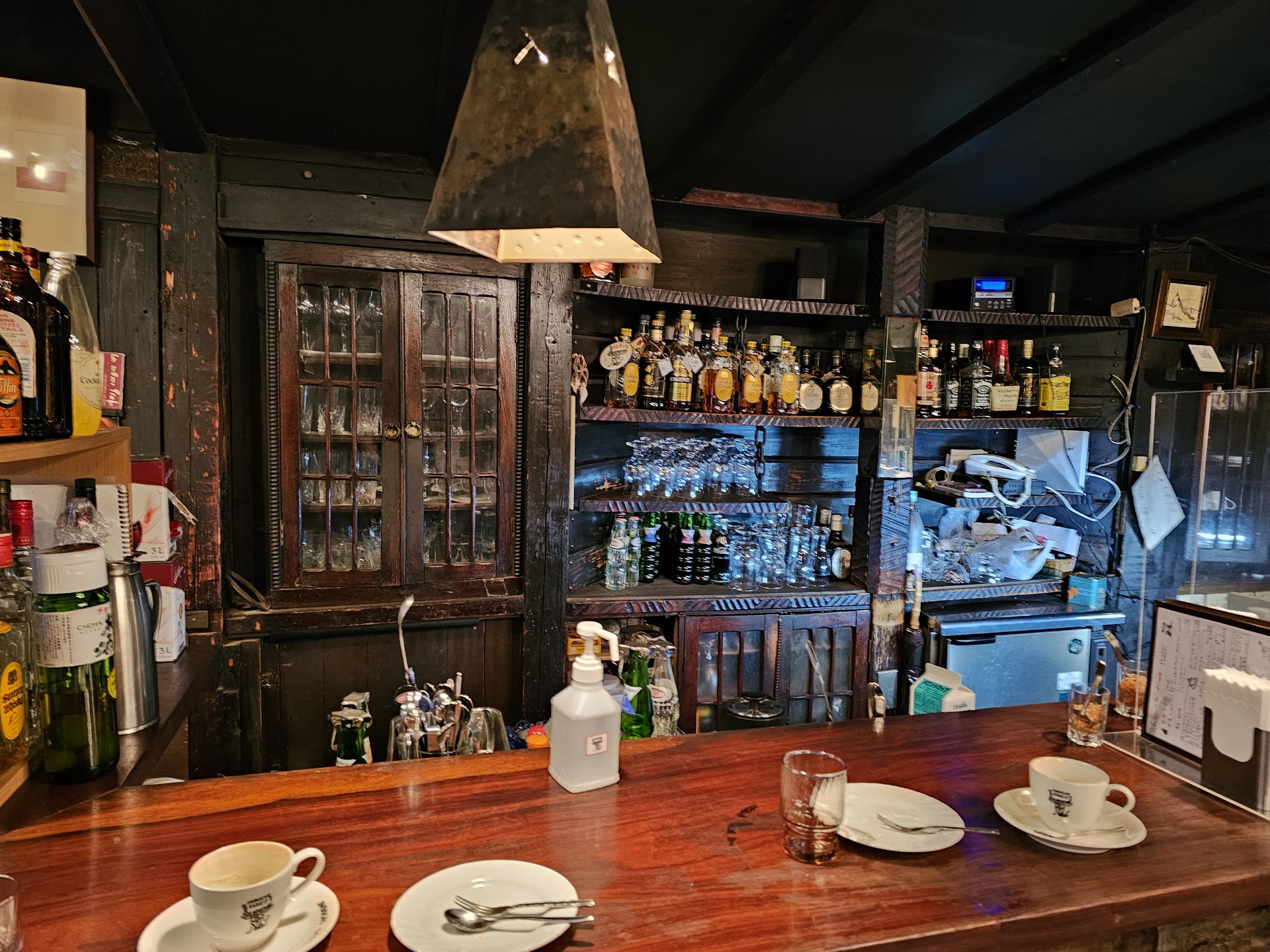
Here’s the half-day itinerary timed for a weekday. Block out 4 to 4.5 hours total.
- 7:20 AM — Arrive at Koenji Station (north exit), JR Chuo Line from Shinjuku (~17 min)
- 7:30 AM — Stop 1: Café Lion — Morning set, ~45 minutes. Settle in, order early, take the counter seat if available.
- 8:30 AM — 3-min walk → Stop 2: Ladrio — Vienna coffee, ~30 minutes. Keep it to one drink; you have four stops left.
- 9:10 AM — 3-min walk → Stop 3: Café Münchën — Coffee only, or the French toast if you skipped breakfast. ~35 minutes.
- 9:55 AM — 5-min walk → Stop 4: Jazzmen Coffee — Single-origin drip, ~40 minutes. Sit, listen, go slowly.
- 10:45 AM — 4-min walk → Stop 5: Kissaten Mojo — Final coffee and the anmitsu if available. ~40 minutes.
- 11:30 AM — Walk back to Koenji Station (~8 minutes), or continue into the vintage clothing stretch on Look Street before heading back.
Total walking distance across the full route: approximately 1.4 km.
Budget · Transport · Booking
Transport: Koenji is on the JR Chuo Line. From Shinjuku, it’s ¥170 (~$1.15 USD) one way, 17 minutes. IC card (Suica or Pasmo) strongly recommended — no cash queuing at the machine. From Tokyo Station, budget ¥230 (~$1.55 USD) and 28 minutes.
Coffee budget per stop: $7–14 USD depending on whether you add food. Going through all five stops with modest food additions, a realistic total lands between $40–55 USD for the morning.
No advance booking required at any of these spots — kissaten culture is walk-in only and would consider reservations out of character. The one exception: if you’re going with a group of 4 or more, Münchën and Mojo may appreciate a same-day call in the morning, though neither requires it.
Cash: Carry it. Three of the five stops are cash-only, and the two that accept cards (Münchën and Mojo) have a ¥1,000 minimum. The nearest convenience store ATM (7-Eleven, accepting foreign cards) is a 2-minute walk from Koenji Station’s south exit.
Must-Know Tips
- 💰 Bring ¥5,000–8,000 in small bills. ¥1,000 notes preferred — several of these counters don’t keep much change before 10 AM.
- ⏰ Closures are irregular. Independently owned kissaten sometimes close for personal reasons with no online notice. Follow up with Google Maps reviews from the past week rather than relying on stated hours.
- 🍴 The morning set ends at 10 or 10:30 AM at most spots — confirm when you sit down, not after you’ve looked at the menu for 10 minutes.
- 📷 Photography etiquette: Most owners are fine with quiet phone photography of your drink and the interior, but ask before pointing a camera at the owner or staff, and don’t use flash. Several of these spaces have hand-lettered signs asking for no video.
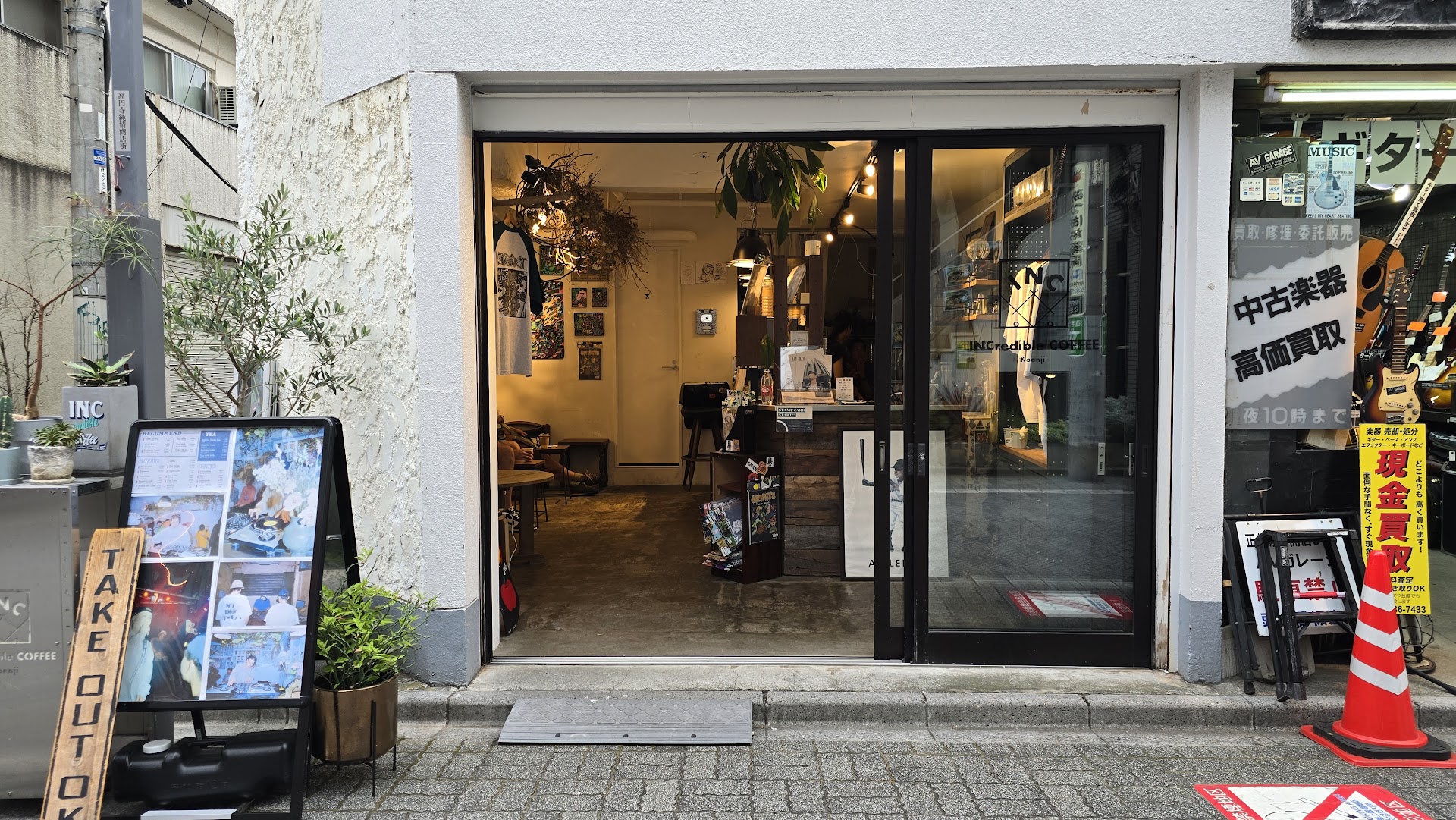
- 🗣️ Basic Japanese goes a long way. “Hotto kohii, hitotsu onegaishimasu” (hot coffee, one please) is enough for every stop on this route. English menus exist at Münchën and Mojo; the others are Japanese only but picture menus are usually available on request.
- 🚇 Don’t rush the transfers. This route is designed to be walked at kissaten pace — one coffee, sit fully, leave when ready. Treating it as a coffee crawl sprint misses the point entirely.
Closing
Koenji’s kissaten belt isn’t a museum piece and it isn’t a trend — it’s just a neighborhood that kept doing what it was doing while the rest of Tokyo moved on. The value here is in the pace: a weekday morning spent moving slowly between small rooms, watching owners do the same thing they’ve done for 30 or 40 years, and drinking coffee that was prepared specifically for you. That’s not something most Tokyo itineraries leave room for, which is exactly the argument for rerouting yours.
Actionable takeaway: Book a Chuo Line ticket for a weekday morning, leave Shinjuku by 7:10 AM, and be at Café Lion’s counter before 7:30. Everything else follows from there.
🏨 Where to Stay
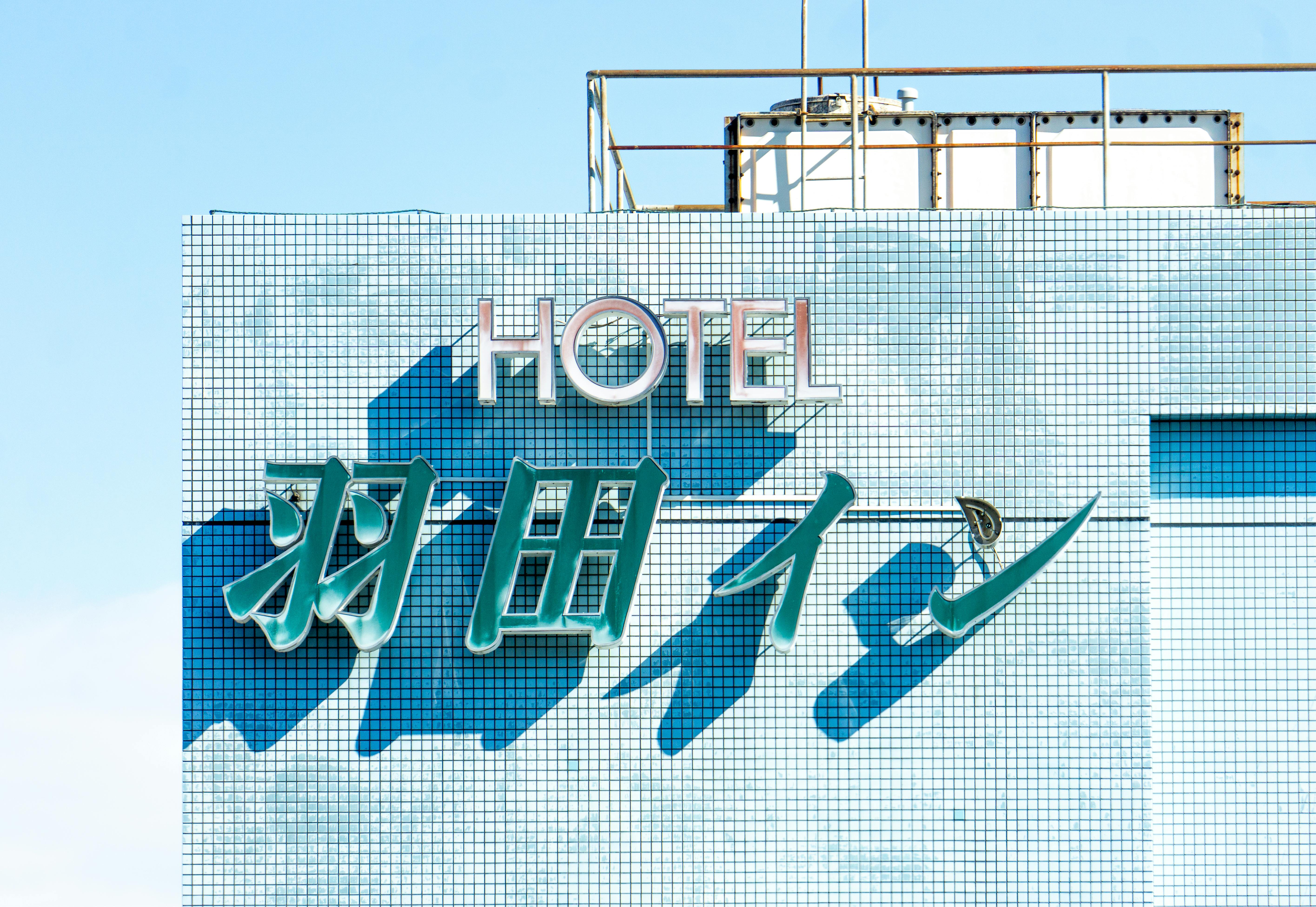 Mitsui Garden Hotel Nihonbashi Premier / Tokyo⭐ 5.0 · 8.9/10 (7,731) · $290 /night
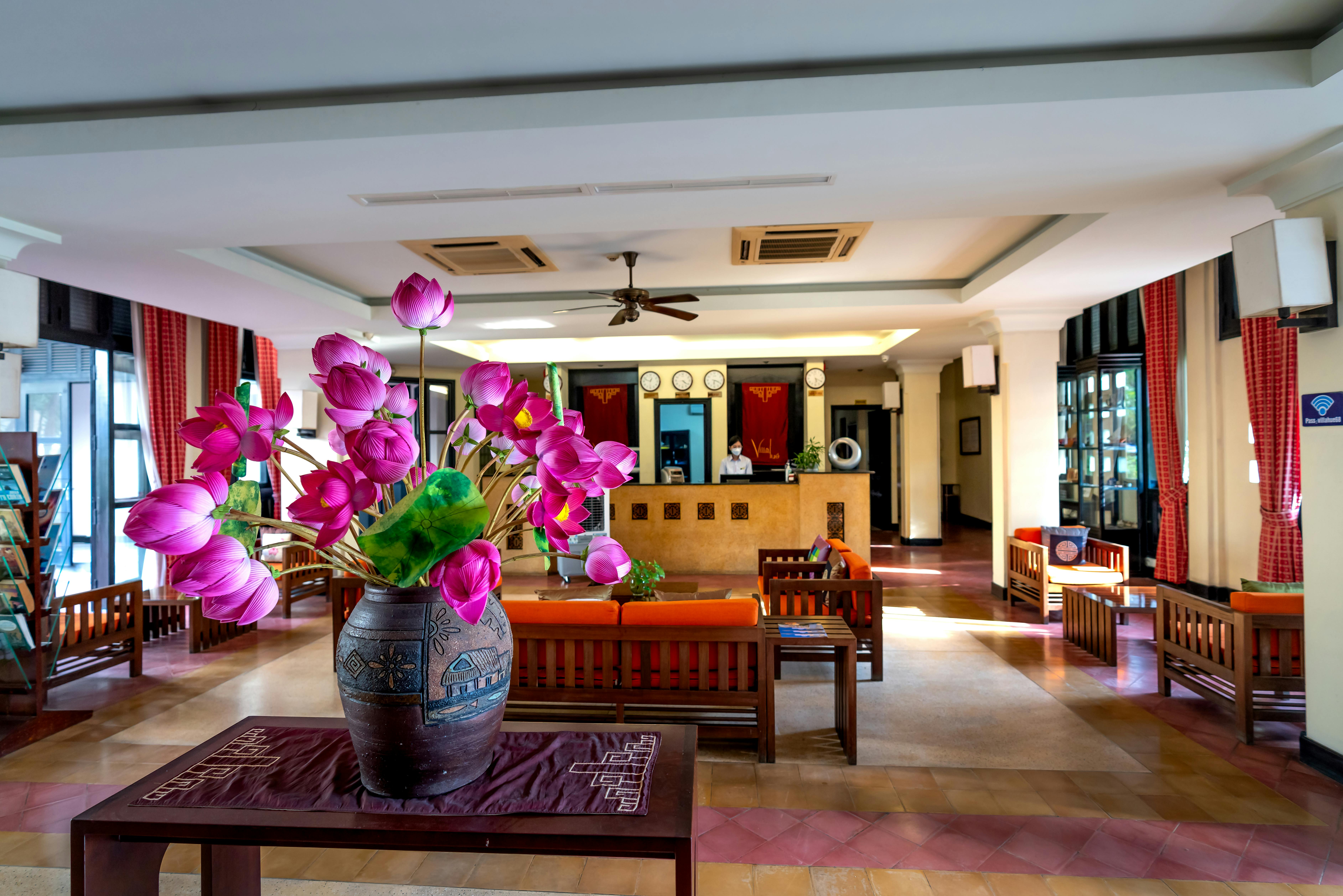 Hotel Villa Fontaine Grand Tokyo-Shiodome⭐ 4.0 · 8.7/10 (14,788) · $247 /night
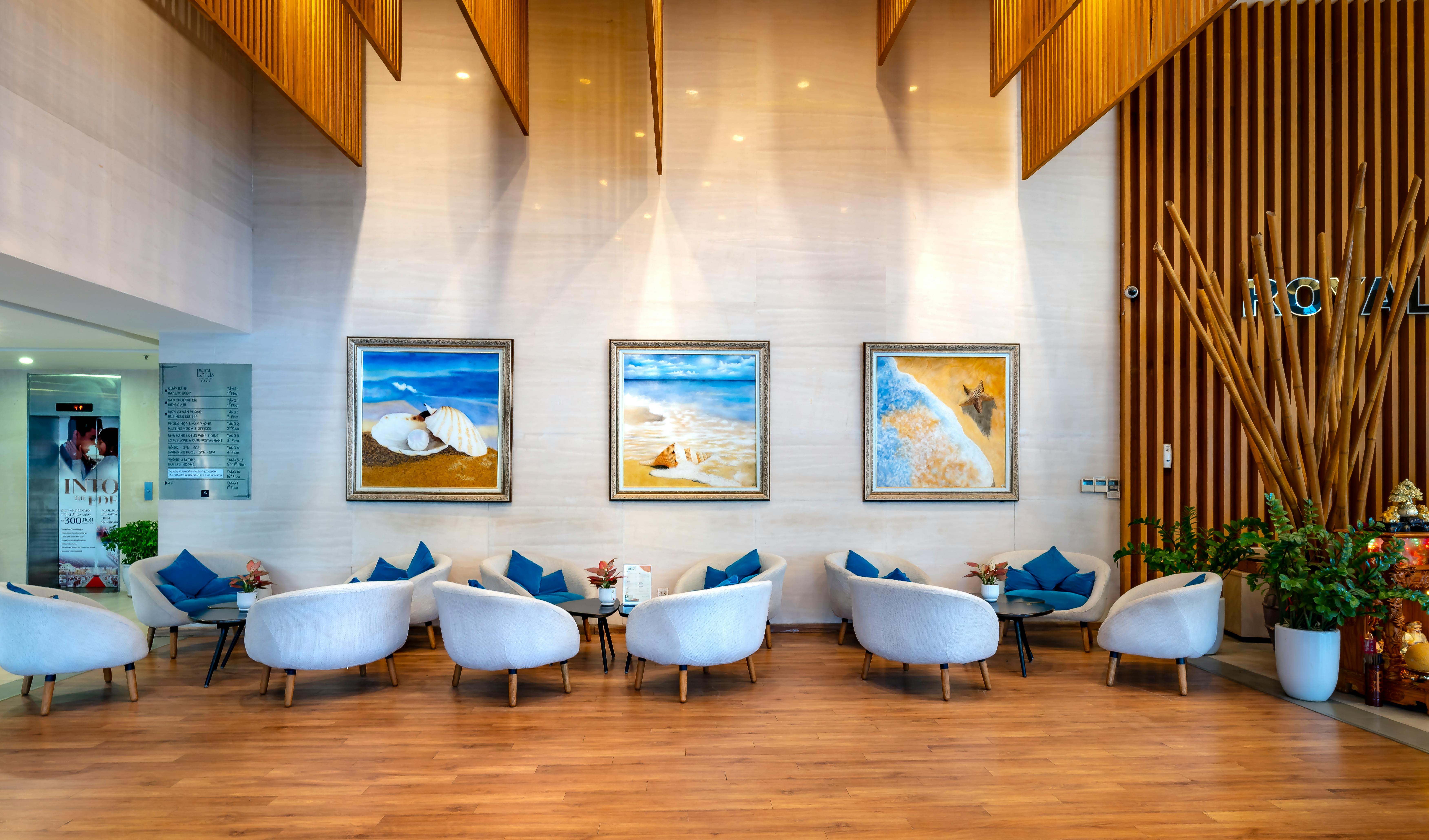 Imperial Hotel Tokyo⭐ 5.0 · 9.2/10 (3,204) · $327 /night
Agoda affiliate link — clicks go to the price-comparison page.