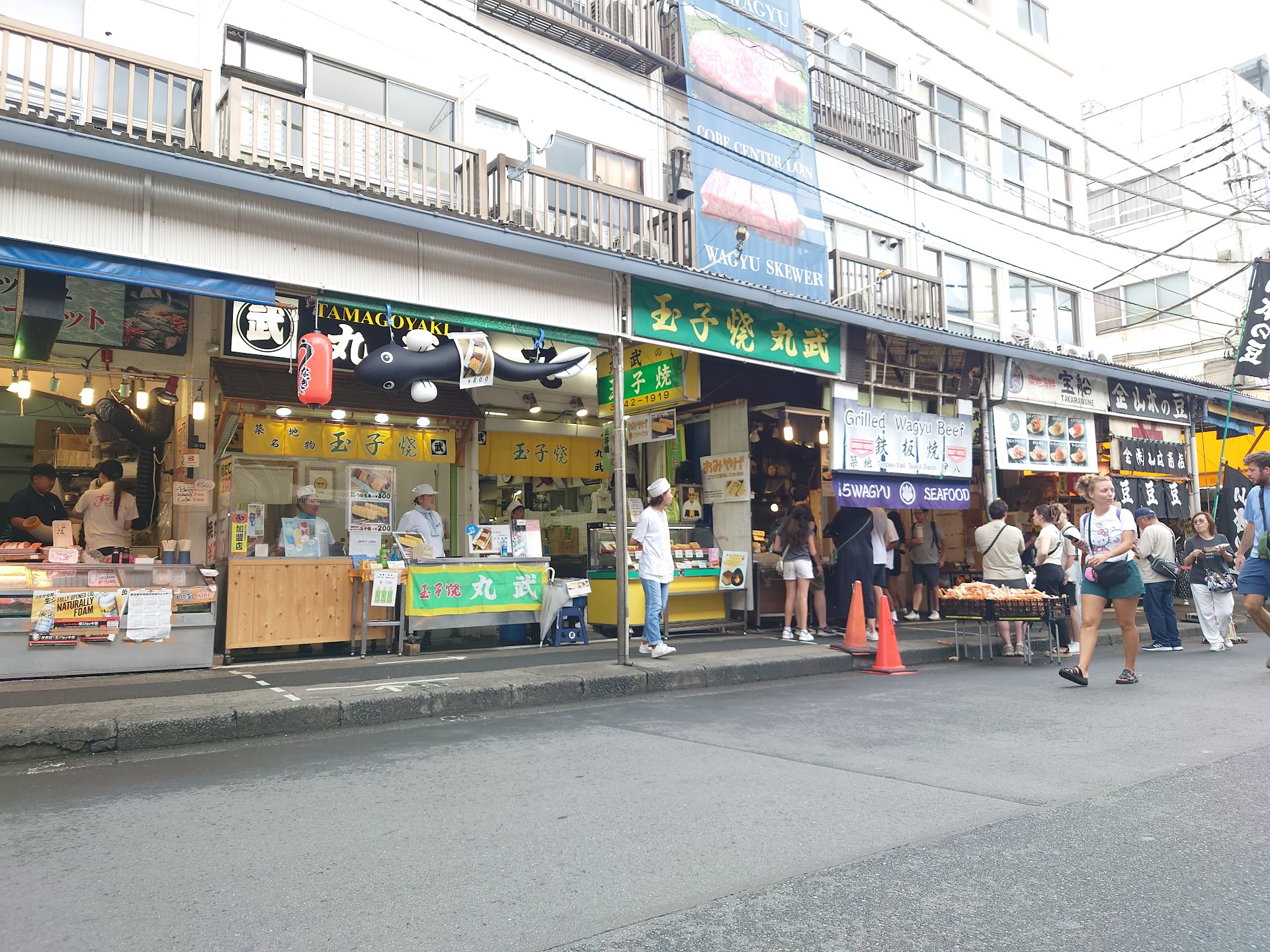
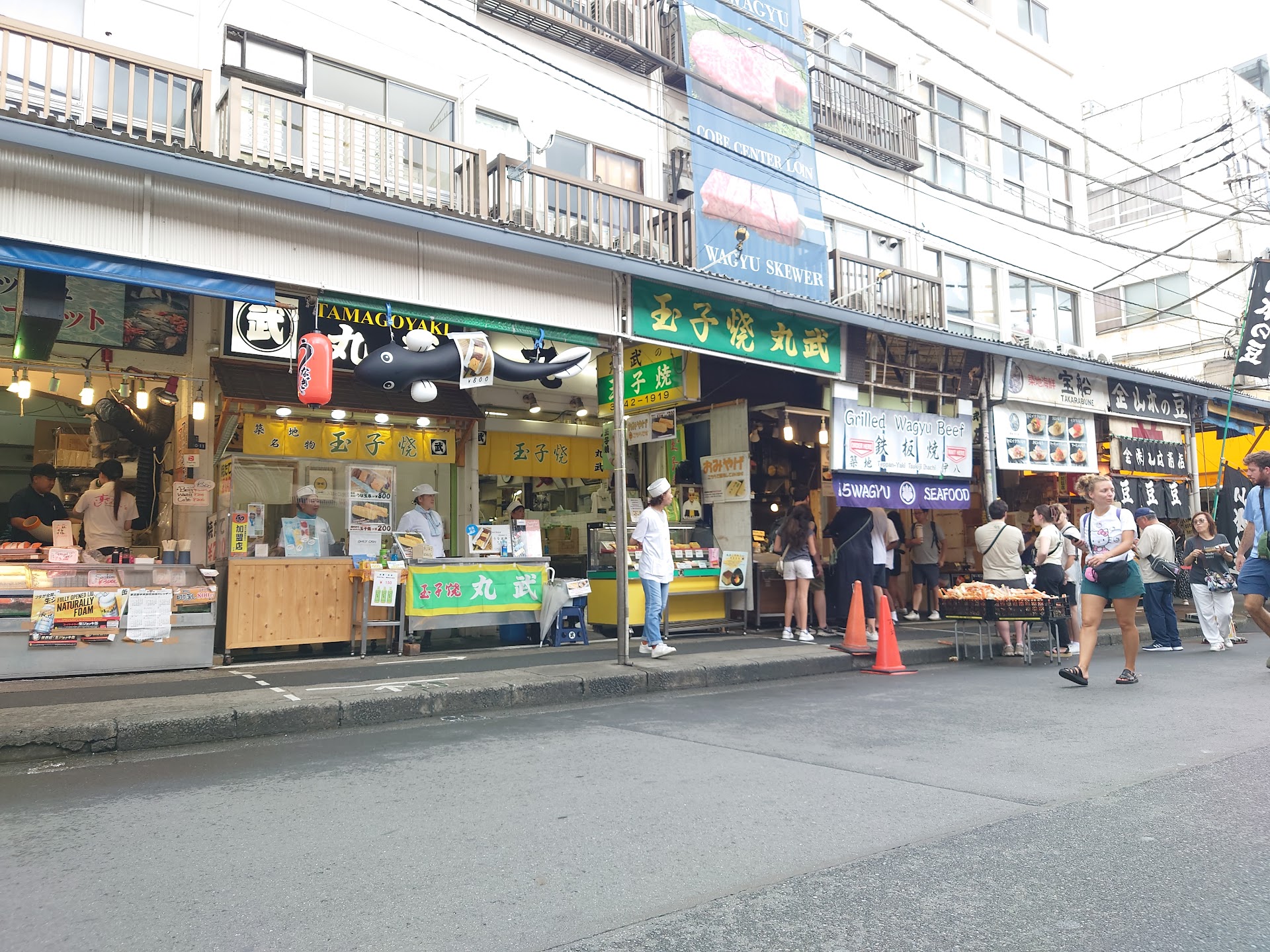
Tokyo’s Tsukiji Outer Market is one of those places that rewards the early riser and punishes the late sleeper. By 9 AM, the lines are long, the tamagoyaki is cooling, and the best uni has sold out. Get there by 7 AM on a weekday, and you have the stalls mostly to yourself — here’s the route we’d actually walk.
Best Timing
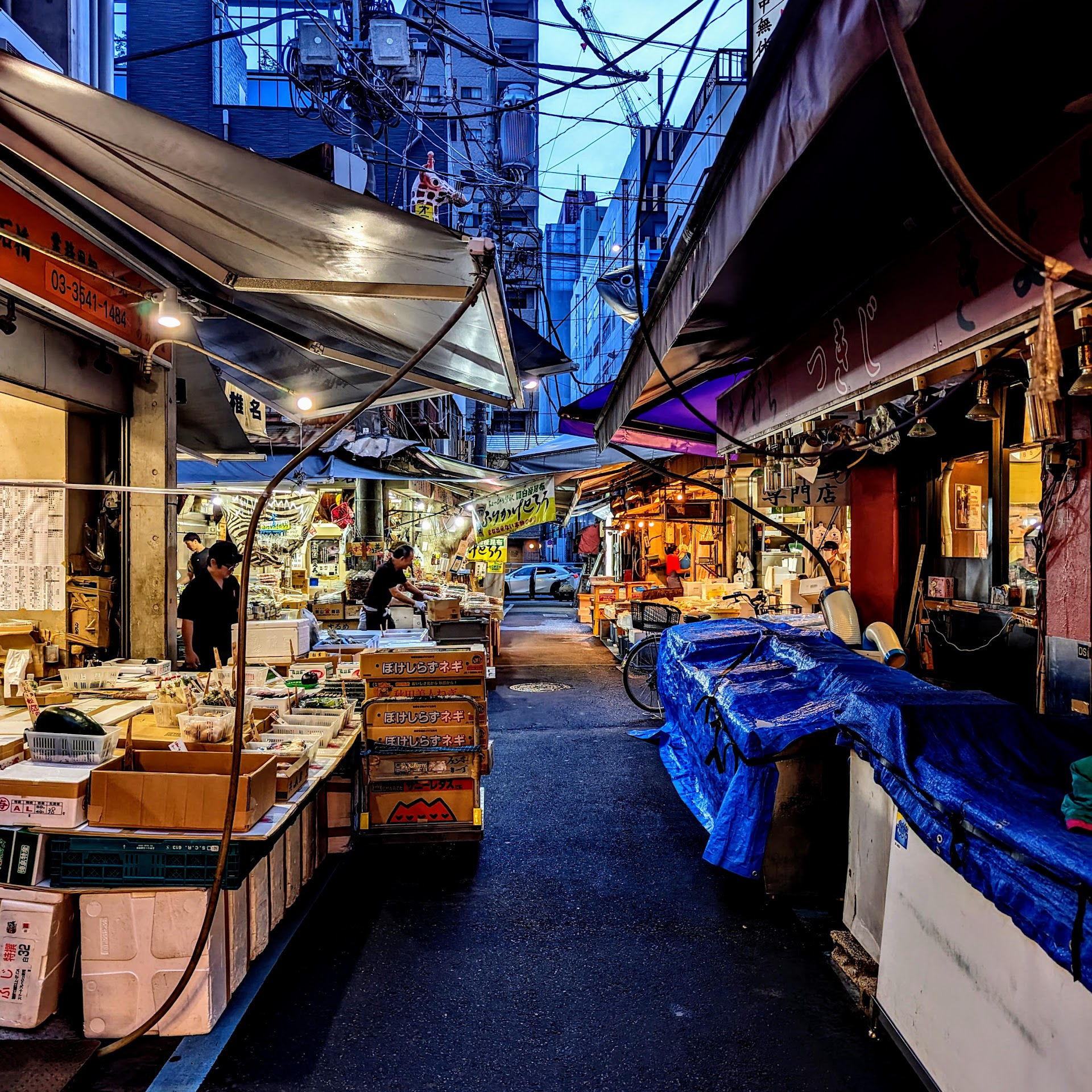
The outer market operates year-round, but the sweet spot for a breakfast run is Tuesday through Saturday, between 6:30 and 9:00 AM. Most stalls open by 6:30 AM and start running low on the best stock — particularly fresh seafood items — by 9:30 AM. Avoid Monday, as many vendors close after the weekend rush, and avoid Sunday entirely if you dislike crowds: it’s the busiest day by far.
Weather-wise, late April through early June and mid-September through November offer the most comfortable walking temperatures (60–75°F / 15–24°C). Summer mornings (July–August) are humid and warm even at dawn, so bring water and dress light. Winter mornings are cold but atmospheric — steam rising off the grills, vendors in thick aprons, the smell of charcoal already in the air by 7 AM.
Core Experiences
Stop 1: Tamagoyaki at Marutake Eggs (丸武)
Tamagoyaki — the sweet, layered Japanese rolled omelette — is Tsukiji’s most iconic street snack, and Marutake is the stall that sets the standard. Watch through the glass as cooks roll thin egg layers over a rectangular pan with practiced speed, building up a thick, custardy block that’s sliced to order and handed over on a small wooden skewer. It’s warm, just sweet enough, and satisfying in a way that a croissant or granola bar simply isn’t at 7 AM. The line moves quickly, and the turnover is constant — this is worth every minute of the wait.
- 📍 4-16-2 Tsukiji, Chuo City, Tokyo (near Market St. entrance, stall row 4)
- 💰 $3–$5 per skewer
- ⏰ Opens 6:30 AM, sells out by 10 AM
- ⭐ 4.8 / 5
What locals know: Ask for the atsuyaki version if it’s available — it’s thicker and slightly richer than the standard cut, and most tourists don’t know to ask.
Stop 2: Fresh Uni on Rice at Yamayuki
If there’s one item at Tsukiji that justifies the early alarm, it’s a small cup of fresh sea urchin (uni) over warm rice from a vendor like Yamayuki. The uni here is briny, creamy, and intensely oceanic — a completely different creature from what most people encounter in restaurant sushi. It’s served in a small plastic cup, eaten standing at a narrow counter or on the edge of the walkway. Portions are small by design; this is a taste, not a meal, and it’s priced accordingly. Stock arrives fresh each morning and is genuinely gone by mid-morning.
- 📍 Tsukiji Outer Market, Row 6 stall area, Chuo City
- 💰 $8–$14 per cup depending on grade
- ⏰ Opens 6:30 AM; Hokkaido uni (top grade) sells out by 8:30 AM
- ⭐ 4.7 / 5
What locals know: Go for the Bafun uni (short-spined sea urchin) over the Murasaki variety if both are available — it has a deeper, sweeter flavor and is considered the premium pick.
Stop 3: Grilled Scallops at Tenfusa
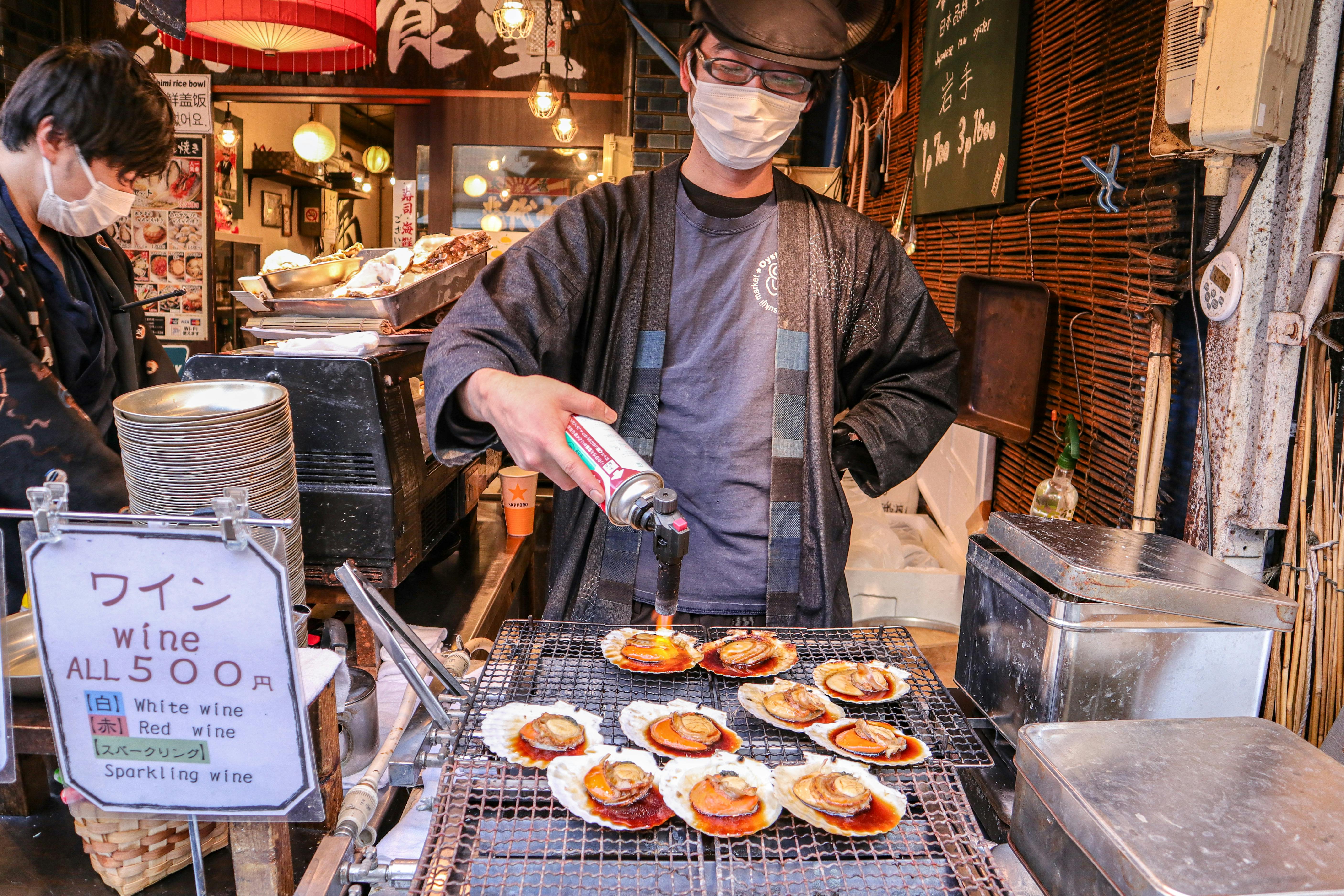
The smell hits you before you see the stall. Tenfusa grills large Hokkaido scallops over open charcoal, basting them with a light soy-butter glaze that caramelizes in the shell as they cook. Each scallop is served in its half-shell, hot enough to burn your fingers if you’re not careful. The texture is firm at the edges, silky at the center — the way a scallop is supposed to taste when it hasn’t traveled far. It’s messy, it’s savory, and it pairs absurdly well with the light morning air. Block out five minutes just to stand there and eat it properly.
- 📍 Tsukiji Outer Market, near Shin-Ohashi Dori crossing
- 💰 $5–$8 per scallop
- ⏰ Opens 7:00 AM
- ⭐ 4.6 / 5
What locals know: Weekday mornings before 8 AM mean no line at this stall — regulars time their route here before the office crowd arrives around 8:30 AM.
Stop 4: Tuna Sashimi Breakfast at Sushi Dai (外市 area)
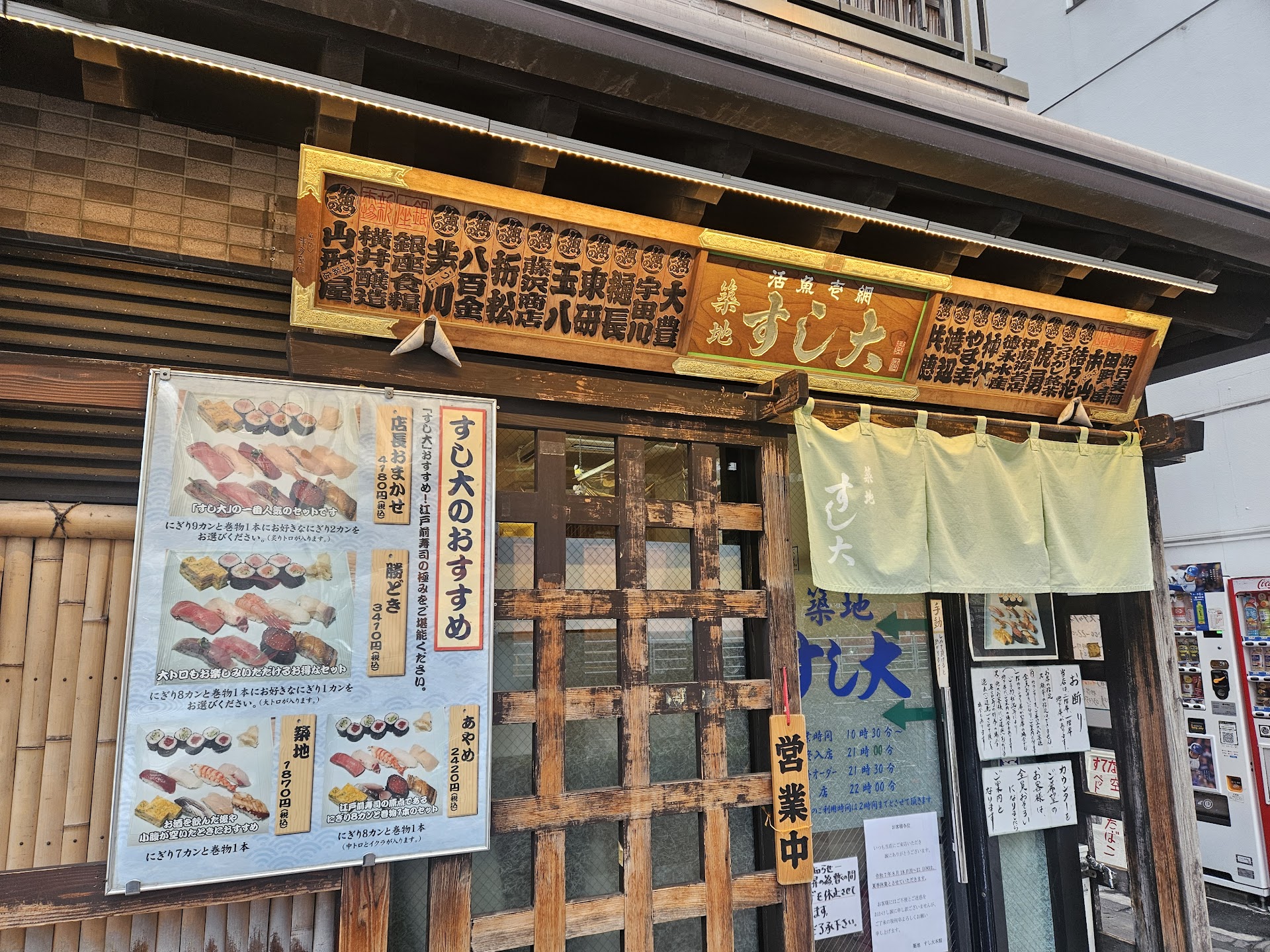
For a sit-down moment in an otherwise stand-and-eat route, the small counter restaurants tucked into Tsukiji’s outer rows serve chef’s choice tuna sashimi sets starting at breakfast hours. Sushi Dai (and its neighbor Daiwa Sushi) are the most talked-about, offering omakase-style breakfast sets where the chef selects the cuts based on what came in that morning. Expect 8–10 pieces over about 30 minutes. The fish is impeccably fresh, the rice is seasoned with precision, and the chefs are happy to explain each piece in limited but enthusiastic English. Lines form early — join by 6:45 AM if you want a seat without a long wait.
- 📍 Tsukiji Outer Market inner lane, Chuo City (look for the handwritten signs)
- 💰 $20–$35 per breakfast omakase set
- ⏰ Opens 6:00 AM; expect a 20–45 min wait after 7:30 AM
- ⭐ 4.9 / 5
What locals know: Bring exact cash in yen — most of these counter spots are cash-only and don’t have ATMs nearby. The nearest 7-Eleven ATM is a 4-minute walk toward Harumi Dori.
Stop 5: Dashi Broth and Pickles at Tsukiji Edoichi
End the route with something warm and restorative. Tsukiji Edoichi is a small provisions shop and standing counter that serves house-made dashi broth alongside a rotating selection of house-pickled vegetables (tsukemono). The broth — made from kombu and katsuobushi — is light, savory, and tastes like the distilled essence of Japanese breakfast cooking. It’s not a main attraction on most tourist itineraries, which is exactly why it’s worth including. After a sequence of rich uni, charred scallops, and fatty tuna, a bowl of clean dashi is the ideal palate reset and the most honest ending to a seafood-heavy morning.
- 📍 Tsukiji Outer Market, Row 2, near the Shin-Ohashi entrance
- 💰 $2–$4 for broth and pickles
- ⏰ Opens 7:00 AM
- ⭐ 4.5 / 5
What locals know: The shop also sells dried kombu and bonito flakes to take home — both are vacuum-sealed and carry-on friendly, and they’re significantly cheaper here than at airport shops.
Recommended Route
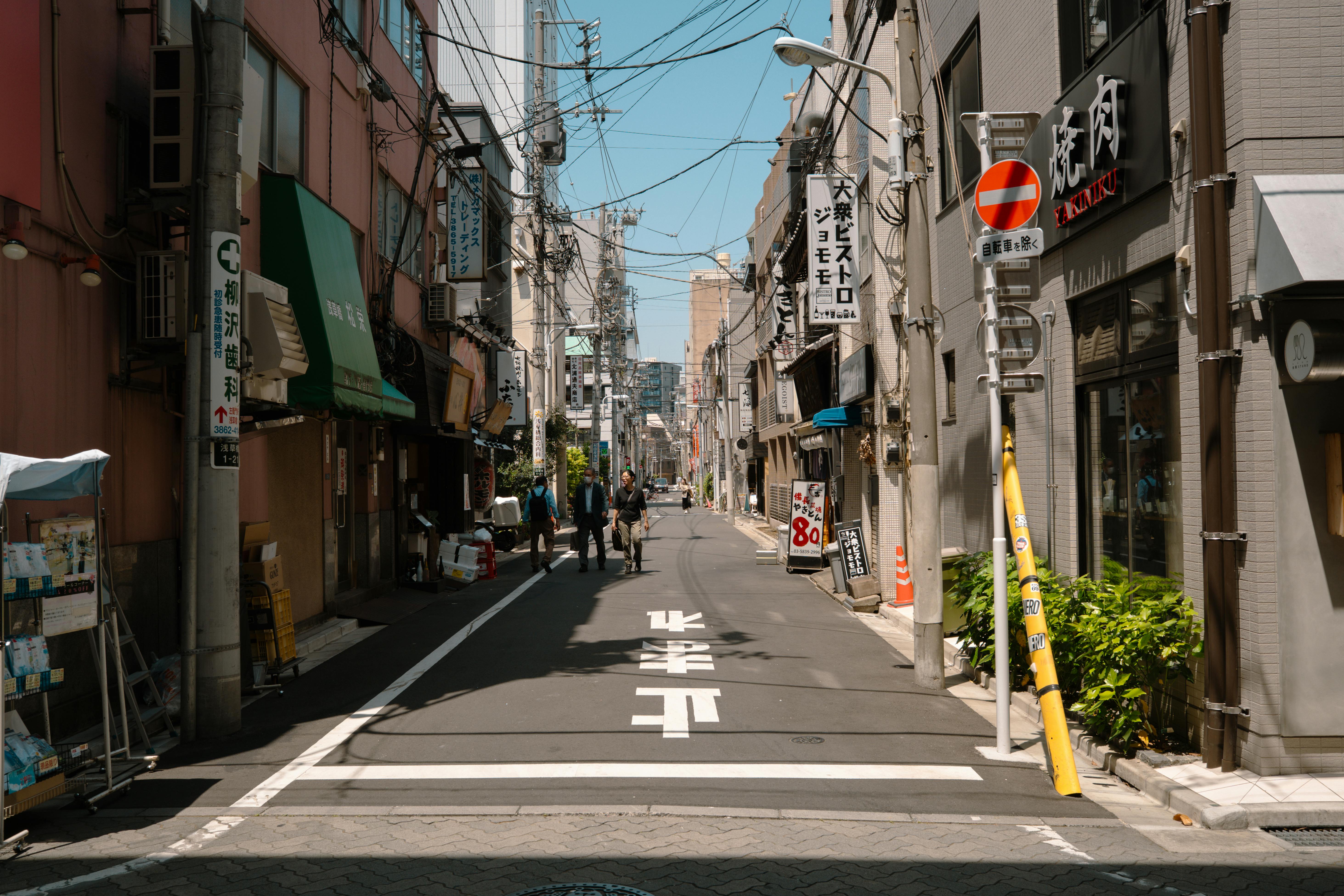
Here’s the route we’d actually walk — timed for a 6:45 AM arrival at Tsukiji Station (Hibiya Line, Exit 1):
- 6:45 AM — Arrive at Tsukiji Outer Market via Tsukiji Station. Head directly to Sushi Dai (Stop 4) and join the line before it builds. Early arrival means a 15–20 min wait instead of 45.
- 7:15 AM — Exit Sushi Dai, walk 3 minutes northwest to Marutake Eggs (Stop 1). Grab a tamagoyaki skewer on the way — eat while walking.
- 7:30 AM — 2-minute walk to Yamayuki (Stop 2). Order the uni on rice. Eat standing at the counter.
- 7:50 AM — 4-minute walk toward Shin-Ohashi Dori to Tenfusa (Stop 3). Grilled scallop — no line at this hour on weekdays.
- 8:10 AM — 5-minute walk back toward the Row 2 entrance to Tsukiji Edoichi (Stop 5). Finish with dashi broth and pickles. Browse the dried goods before leaving.
- 8:30 AM — Done. 7 stalls, 2 hours, under $60 per person.
Total walking distance: approximately 1.2 miles / 2 km across the route. Flat terrain, no stairs. Comfortable in sneakers.
Budget · Transport · Booking
Getting there:
- 🚇 Hibiya Line → Tsukiji Station (Exit 1): 2-minute walk to the market entrance. Most convenient from central Tokyo.
- 🚇 Oedo Line → Tsukijishijo Station: Slightly closer to the inner market rows.
- Taxi from Shinjuku: ~$20–$28, 25 minutes at 6:30 AM with no traffic.
- Avoid driving — street parking near Tsukiji is extremely limited before 9 AM.
Per-person budget breakdown:
- Tamagoyaki skewer: $3–$5
- Uni on rice: $8–$14
- Grilled scallop: $5–$8
- Sashimi breakfast set: $20–$35
- Dashi broth + pickles: $2–$4
- Total: approximately $38–$66 per person
Booking:
- The outer market stalls require no reservations — all walk-in, first-come.
- Sushi Dai and Daiwa Sushi do not take reservations; queue in person. Arriving before 7 AM is the only strategy.
- No entrance fees for the outer market.
Cash vs. card: Bring at least ¥6,000–¥8,000 in cash (roughly $40–$55). Many small stalls are cash-only. The 7-Eleven on Harumi Dori (4-minute walk) has an international ATM.
Must-Know Tips
- 🕕 Go before 7:30 AM on weekdays. The best stock — especially Hokkaido uni and premium tuna cuts — is gone by 9 AM on any day. Weekend lines double by 8 AM.
- 💴 Cash is non-negotiable. At least half the stalls don’t accept cards. Withdraw yen the night before at your hotel or a 7-Eleven ATM.
- 📷 Photography is welcomed at most stalls — but always ask before pointing a camera at a vendor’s face. A quick nod and a gesture goes a long way.
- 🎒 Bring a small bag or tote. If you plan to shop for pantry items (nori, dried fish, kombu), you’ll want hands free for eating.
- 🌧️ Check the rain forecast. Most stalls are semi-covered, but heavy rain makes navigation unpleasant and some vendors close early. A light rain jacket is enough for drizzle.
- 🚫 Don’t visit on a Monday or public holiday. Many vendors take Monday off, and the market is nearly half-empty. Check the official Tsukiji vendor schedule if your visit falls near a Japanese national holiday.
Closing
Tsukiji Outer Market at dawn is one of those rare urban experiences that delivers exactly what it promises: real food, real vendors, no theater. The grills are going, the fish is fresh, and the whole place runs on a rhythm that’s been in place for decades. It’s not Instagram-optimized, and that’s precisely the point.
Actionable takeaway: Set your alarm for 6:00 AM, withdraw cash the night before, and arrive at Tsukiji Station no later than 6:45 AM. Follow this 5-stop route in order, and you’ll be done, full, and back at your hotel before the tourist crowds arrive. Block out 2 hours — no more, no less.
🏨 Where to Stay
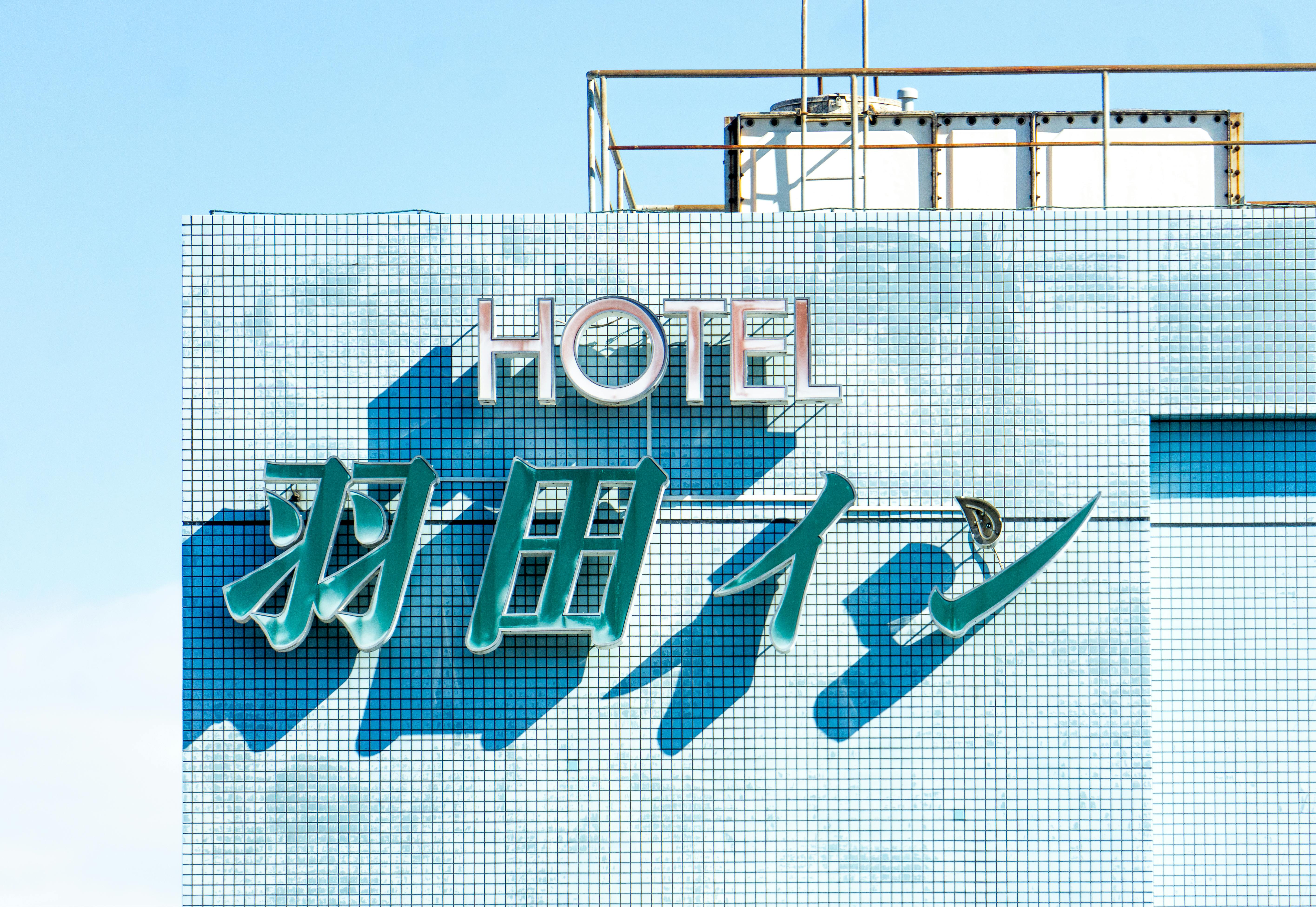 Dormy Inn Premium Ginza Hot Springs⭐ 4.0 · 9.0/10 (5,860) · $130 /night
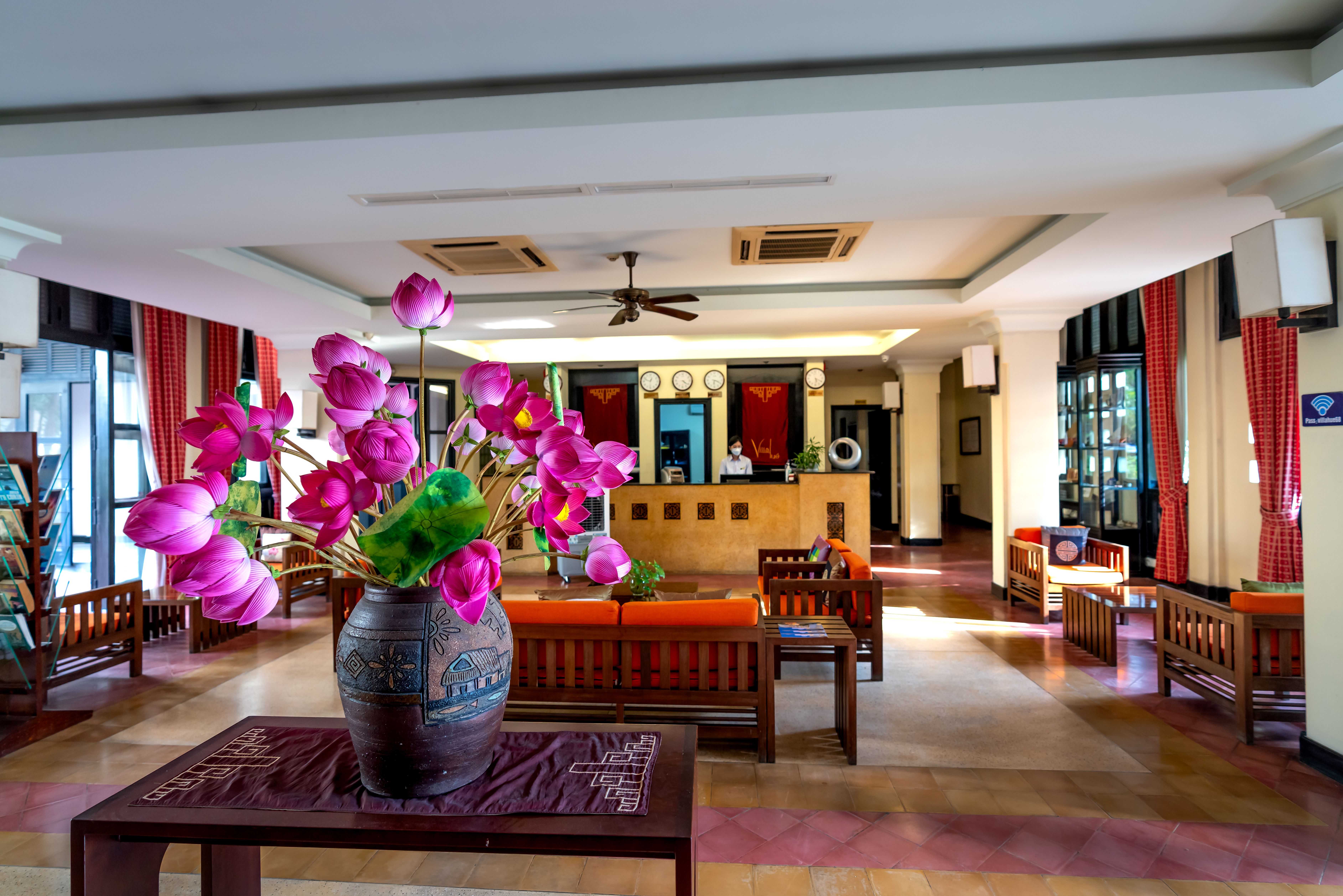 Ginza Capital Hotel Moegi⭐ 4.0 · 8.7/10 (7,831) · $66 /night
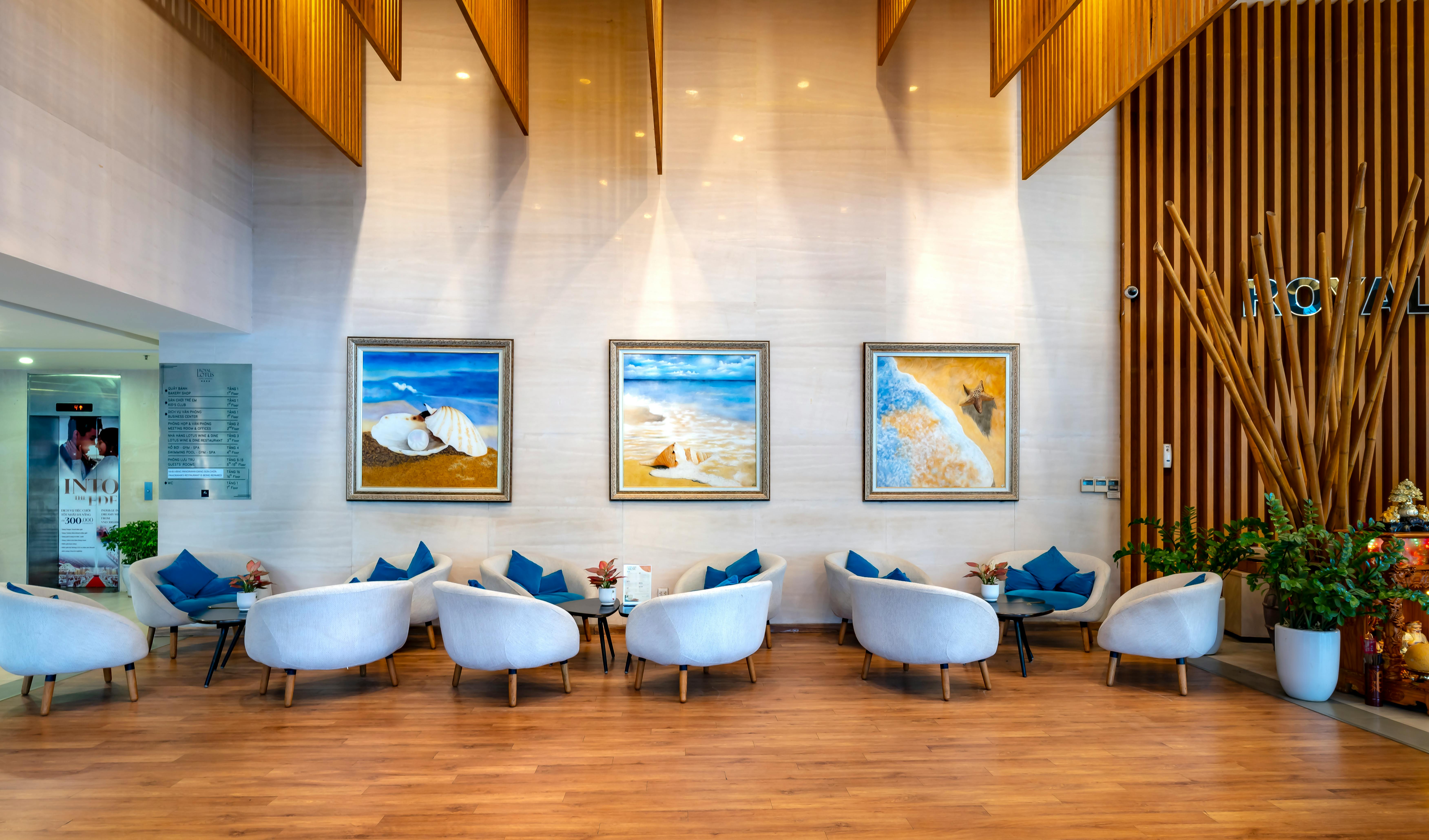 Hotel Sunroute Ginza⭐ 3.5 · 8.5/10 (7,277) · $86 /night
Agoda affiliate link — clicks go to the price-comparison page.