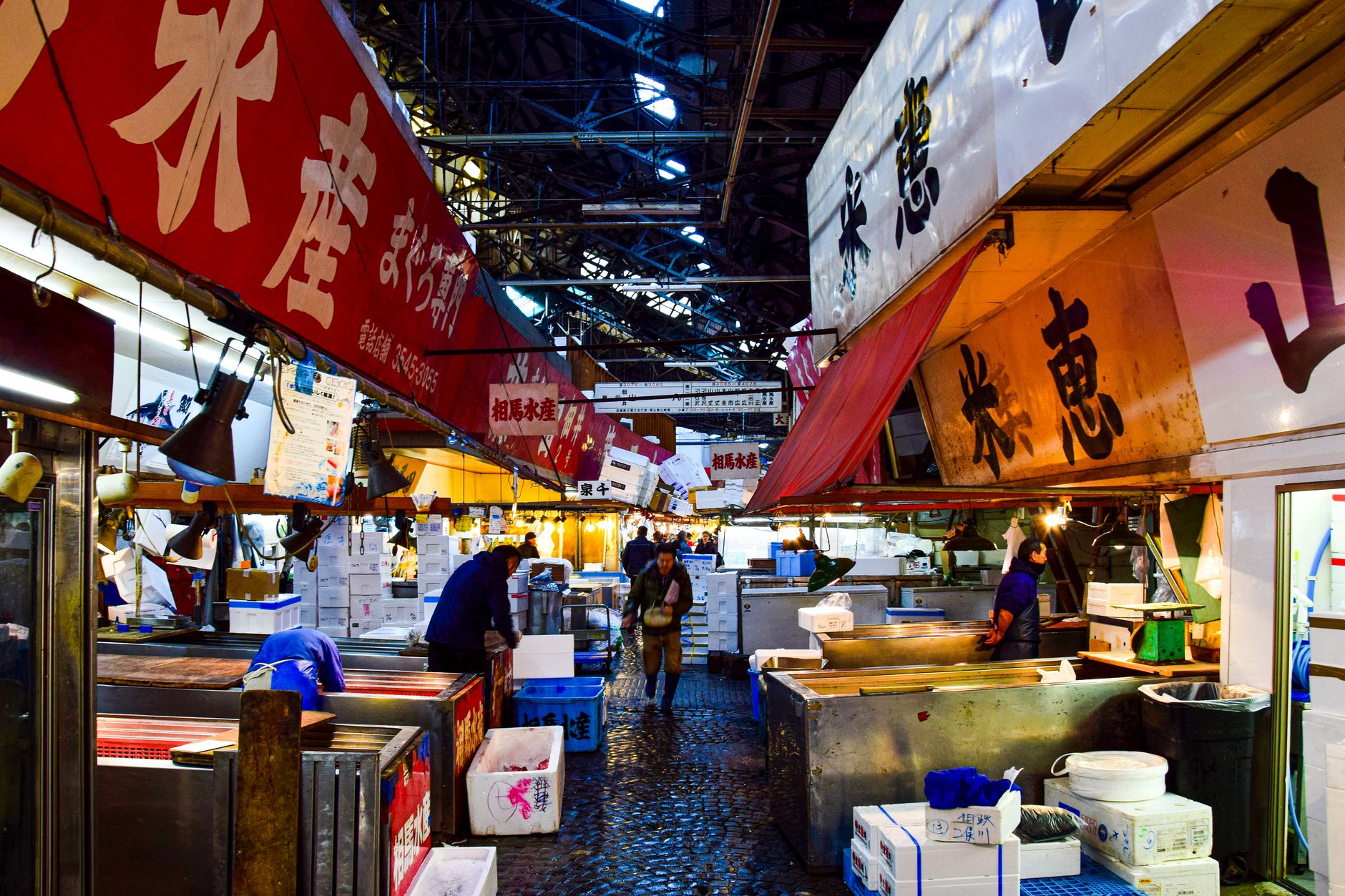
Tokyo’s Tsukiji Outer Market, a name intrinsically linked with unparalleled fresh seafood and a vibrant culinary heritage, still hums with an unmatched energy at dawn. While the iconic inner wholesale market has transitioned to Toyosu, the resilient outer market remains a bustling, sensory-rich labyrinth of stalls, specialty shops, and authentic eateries. It’s a place where tradition and taste not only collide but beautifully intertwine, offering visitors a deep dive into Japan’s profound food culture. Here, you can savor everything from expertly prepared, glistening sashimi to comforting, hot street snacks, witnessing the daily ritual of commerce and gastronomy. Join us as we meticulously navigate the very best of Tsukiji, mapping out a perfect 7 AM food route specifically designed for you to experience this iconic Japanese culinary hub like a seasoned local. We’ll meticulously guide you to the absolute must-try dishes, unveil long-held local secrets, and empower you to make the absolute most of your precious morning in one of Tokyo’s most deliciously captivating districts.
베스트 시기/시간 (Best timing)
To genuinely savor the Tsukiji Outer Market experience and fully immerse yourself in its most authentic, energetic atmosphere, an early morning visit is not just recommended, it’s absolutely essential. We strongly advocate for arriving between 7 AM and 8:30 AM on a weekday. This precise golden window offers several distinct advantages: it allows you to effectively beat the heaviest tourist crowds that typically begin to gather later in the morning, creating a more relaxed and navigable environment. More importantly, arriving at this time means you’ll witness the market in its most vibrant and authentic operational state, right as vendors are diligently preparing, unpacking, and showcasing their freshest daily wares. This is the moment local chefs are making their discerning daily selections, ensuring you get the first pick of fresh delicacies and truly experience the genuine, unhurried rhythm of a working market. While the market does open on weekends, it tends to be overwhelmingly busier, which can significantly detract from a pleasant and relaxed exploration.
When considering Tokyo’s often-variable climate, the most comfortable and enjoyable times for extensive walking and outdoor eating are during the beautiful spring months (March to May) and the crisp, golden autumn (September to November). Mornings in these seasons are typically characterized by cool, invigorating air and brilliantly clear skies, conditions that dramatically enhance your sensory journey through the market’s bustling, aromatic alleyways. Summers, by contrast, can be intensely hot and humid, making an even earlier start (closer to 6:30 AM) highly advisable to avoid discomfort. Winters are cold but frequently sunny, necessitating warm layers but often rewarding visitors with bright, clear days ideal for exploring.
핵심 스폿/메뉴/체험 (Core experiences)
Tsukiji Yamacho
As you step into Tsukiji Outer Market, one of the first and most irresistibly inviting aromas to greet you will be the subtly sweet and savory scent of freshly prepared tamagoyaki. This iconic Japanese rolled omelette is a comforting staple, and no visit to this historic market is truly complete without a taste, particularly from a venerable institution like Tsukiji Yamacho. Here, skilled artisans, often working with incredible speed and precision, tirelessly flip and fold dozens of thin egg layers into perfect, fluffy golden blocks right before your eyes. This mesmerizing process is a spectacle in itself. You have the delightful choice between the subtly sweet version, a popular and comforting snack enjoyed by countless visitors and locals alike, or the savory dashi-infused style, known as dashimaki tamago, which offers a richer, more profound umami-laden flavor. The warm, custardy texture of their tamagoyaki provides an incredibly comforting and authentically Japanese start to your market exploration, representing the profound beauty in the simple perfection of Japanese culinary craft and tradition. 📍 Location: 4 Chome-16-2 Tsukiji, Chuo City, Tokyo (easily identifiable by its open-fronted kitchen and aroma) · 💰 Price: $2-$5 USD per generous piece · ⏰ Hours: 6:00 AM - 2:00 PM (generally daily, though check for occasional unscheduled closures or holiday hours) · ⭐ Rating: 4.7 What locals know: When given the choice, explicitly ask for the dashimaki tamago; its complex, savory broth flavor is considered the more traditional and sophisticated option by many Japanese food enthusiasts.
Kaisendon Marukita
For countless visitors, the unparalleled fresh seafood is the singular, gravitational draw of Tsukiji, and Kaisendon Marukita consistently delivers an unforgettable culinary experience that epitomizes this allure. Here, we encourage you to dive headfirst into a vibrant, artfully crafted bowl of pure ocean freshness with their signature kaisen-don (assorted seafood bowl). Each bowl is nothing short of a breathtaking mosaic of glistening, expertly cut sashimi – typically featuring an opulent selection that might include ruby-red tuna, delicate salmon, creamy sea urchin (uni), shimmering scallops, and glistening ikura (salmon roe) – all meticulously arranged over perfectly seasoned, warm rice. It’s far more than just a meal; it’s a visual masterpiece and a powerful testament to the market’s unparalleled reputation for uncompromising seafood quality. Every delicate, melt-in-your-mouth bite offers an explosive burst of umami and the pristine, unadulterated taste of the sea, solidifying its status as a quintessential Japanese breakfast that you’ll undoubtedly dream about long after your trip concludes. The freshness and presentation are truly beyond compare. 📍 Location: 4 Chome-9-5 Tsukiji, Chuo City, Tokyo (often identifiable by a queue) · 💰 Price: $15-$30 USD per exquisite bowl (varies by selection) · ⏰ Hours: 7:00 AM - 2:00 PM (typically closed Wednesdays and Sundays) · ⭐ Rating: 4.6 What locals know: To minimize your wait and ensure you get the widest selection of seasonal catches, make it a point to arrive before 8 AM, as popular items can sell out quickly.
Tsukiji Unigoro
As your journey through the market progresses, the undeniably enticing aroma of grilling seafood will inevitably draw you deeper into its bustling heart, often leading directly to a culinary gem like Tsukiji Unigoro. For a truly indulgent and utterly satisfying market snack that profoundly highlights the intrinsic simplicity and supreme quality of fresh marine ingredients, this is your definitive destination. They proudly offer an array of freshly grilled seafood skewers, expertly transforming simple catches into sublime, convenient bites. Imagine the delight of plump, naturally sweet scallops lightly seared to perfection, offering a tender resistance, or the intensely creamy, utterly oceanic richness of grilled sea urchin (uni) on a stick, gently charred to bring out its best. The subtle smoky char, combined with the inherently tender, juicy textures of the prime seafood, creates an irresistible treat that is both familiar and exotic. These skewers are a perfect, portable example of Tsukiji’s deep-rooted philosophy: focusing on showcasing natural, unadulterated flavors with minimal fuss, allowing the superior quality of the ingredients to profoundly shine through. 📍 Location: 4 Chome-14-15 Tsukiji, Chuo City, Tokyo (look for the grill smoke and crowds) · 💰 Price: $5-$15 USD per individual skewer (depending on seafood type) · ⏰ Hours: 7:30 AM - 1:00 PM (closed Tuesdays and some national holidays) · ⭐ Rating: 4.5 What locals know: For an unexpectedly delightful and genuinely authentic pairing, seek out a nearby vendor offering warm sake to complement the savory, smoky flavors of your grilled seafood skewer.
Tsukiji Sadakazu
Amidst the vibrant tapestry of predominantly savory delights that define Tsukiji Outer Market, Tsukiji Sadakazu emerges as a refreshing and visually appealing contrast, a sweet oasis. This charming stall specializes in its brilliant display of vibrant seasonal fruits and exquisite fruit daifuku. It’s a colorful respite where you can feast your eyes on beautifully displayed Japanese produce, the selection of which changes dramatically with the seasons. Depending on the time of year you visit, you might find incredibly sweet and juicy Japanese strawberries that burst with flavor, succulently ripe peaches, crisp apples, or sweet persimmons, all presented with typical Japanese artistry. Their specialty, the fruit daifuku, is a delicate mochi ball filled with a fresh, whole piece of fruit and a hint of subtly sweet white bean paste, offering a delightful textural and flavor combination that is both surprising and harmonious. It’s a light, delicate, and perfectly balanced bite, providing a sweet interlude to your savory market journey, a true testament to Japan’s appreciation for seasonal ingredients and refined confections. 📍 Location: 4 Chome-14-18 Tsukiji, Chuo City, Tokyo (often near the main pedestrian thoroughfares) · 💰 Price: $3-$8 USD per item (for fruits or daifuku) · ⏰ Hours: 8:00 AM - 3:00 PM (closed Sundays and some holidays) · ⭐ Rating: 4.8 What locals know: Do not miss trying the strawberry daifuku when in season – its perfect balance of sweet, tart, and chewy textures makes it an immensely popular and highly sought-after local favorite.
Turret Coffee
After the bustling, exhilarating, and often sensory-overloading experience of the market’s vibrant food stalls, a moment of calm and a perfectly brewed cup of coffee are almost always a welcome and necessary respite. Turret Coffee, a distinctively minimalist and stylish café, is conveniently nestled just a short, tranquil walk away from the main market area, offering precisely that serene escape. Renowned for its strong, expertly roasted, and robust coffee, as well as the exceptional skill and friendly demeanor of its baristas, it’s the ideal spot to unwind, reflect on your myriad culinary discoveries, and quietly people-watch the continuous, fascinating flow of market-goers. The cozy, yet chic, atmosphere and their unwavering commitment to quality brews provide a much-needed energizing break, helping you recharge before you enthusiastically continue your Tokyo adventures or confidently head to your next destination. Their deliberate commitment to quality and a clean, uncluttered aesthetic provides a refreshing and sophisticated contrast to the market’s otherwise lively chaos. 📍 Location: 2 Chome-27-20 Tsukiji, Chuo City, Tokyo (a short walk from Tsukiji Station) · 💰 Price: $4-$7 USD per meticulously crafted drink · ⏰ Hours: 7:00 AM - 6:00 PM (closed irregularly, it’s best to check their social media or website ahead) · ⭐ Rating: 4.6 What locals know: For a truly memorable and unique coffee experience, order the ‘Turret Latte’ – its distinctive flavor profile and often artistic presentation make it a highly popular choice among both devoted regulars and curious newcomers alike.
동선 추천 (Recommended route)
Here’s the meticulously crafted route we’d wholeheartedly recommend you actually walk, expertly optimized for both peak taste experiences and efficient time management. This itinerary ensures you hit the very best of Tsukiji Outer Market’s culinary gems within a comfortable and deeply satisfying two-hour window. Our carefully planned path minimizes any unnecessary backtracking, maximizes your opportunity to savor the absolute freshest offerings, and guides you through the market’s bustling pathways with confidence.
- 07:00 AM: Arrive promptly at Tsukiji Market. For the most straightforward and efficient access, we recommend taking the Tokyo Metro Hibiya Line to Tsukiji Station (Exit 1) or the Toei Oedo Line to Tsukiji Shijo Station (Exit A1). From either station, a short, invigorating walk will lead you directly into the vibrant heart of the outer market. Your very first culinary stop: Tsukiji Yamacho.
- 07:15 AM: Stop 1: Tsukiji Yamacho. Step up to the counter and grab a fresh, warm piece of tamagoyaki. Take a moment to truly savor this classic Japanese snack and immerse yourself in observing the incredibly skilled omelette makers at work. Block out a comfortable 15-20 minutes for this delightful introductory experience.
- 07:35 AM: Walk approximately 5 minutes through the lively, aromatic lanes to reach your next destination, Stop 2: Kaisendon Marukita.
- 07:40 AM: Indulge in a spectacular and unforgettable kaisen-don breakfast. This is often a sit-down experience, so allow a generous 30-40 minutes to truly appreciate and enjoy the pristine fresh sashimi.
- 08:20 AM: A brief, invigorating 5-minute walk from the seafood bowls brings you directly to Stop 3: Tsukiji Unigoro.
- 08:25 AM: Treat yourself to your choice of expertly grilled seafood skewers. These are perfectly portioned for eating on the go as you continue to explore. Spend 20-30 minutes here, perhaps trying a couple of different, tempting options.
- 08:50 AM: Head over to Stop 4: Tsukiji Sadakazu, about a pleasant 5-minute walk for something exquisitely sweet.
- 08:55 AM: Refresh your palate with seasonal fruits or a delicate fruit daifuku. Allow 15-20 minutes for this delightful and colorful treat.
- 09:15 AM: Conclude your intensive food tour with a relaxing 5-minute stroll to Stop 5: Turret Coffee.
- 09:20 AM: Enjoy a well-deserved, invigorating coffee break. This stylish café is a fantastic spot to digest, reflect, and soak in the local atmosphere, away from the main bustle. Stay for 20-30 minutes.
- 09:50 AM: Your immersive Tsukiji Outer Market culinary experience triumphantly concludes, leaving you energized, thoroughly satisfied, and with plenty of time for your next exciting Tokyo adventure.
예산·이동·예약 (Budget · transport · booking)
Planning your visit to Tsukiji Outer Market effectively requires a clear and practical understanding of essential logistics. A realistic budget for a fulfilling morning of culinary exploration, which thoughtfully includes several diverse food items and a quality coffee, is typically estimated between $25-$40 USD per person. This comprehensive estimation comfortably accounts for indulging in a couple of savory skewers, a substantial and exquisite seafood bowl (kaisen-don), a comforting tamagoyaki, and a high-quality, artisanal coffee. Beyond the delectable food, local subway fares within the extensive Tokyo network are generally quite inexpensive, usually ranging from $1.50-$2.50 USD per single ride, depending on the specific distance traveled. While a total day budget will naturally fluctuate based on your subsequent activities, allocating approximately $30-$45 USD specifically for the market experience itself is a prudent and highly recommended starting point.
For seamless transport, the Tokyo Metro Hibiya Line to Tsukiji Station (Exit 1) or the Toei Oedo Line to Tsukiji Shijo Station (Exit A1) offer the most direct, convenient, and user-friendly access to the outer market. Both stations are located just a few minutes’ invigorating walk from the bustling heart of the stalls and shops. It is exceptionally important to note that the vast majority of stalls at Tsukiji Outer Market operate on a casual, walk-up, first-come, first-served basis, meaning reservations are generally not required. However, some of the more renowned and popular sit-down restaurants within the broader market area might indeed attract significant queues, especially later in the morning. Therefore, arriving early is always a strategic advantage. We also highly recommend bringing along plenty of cash (Japanese Yen), ideally in smaller denominations, as many smaller, traditional vendors still exclusively operate on a cash-only basis. This preparedness ensures you won’t miss out on any spontaneous, tempting culinary discoveries.
꼭 알아둘 팁 (Must-know tips)
To truly enhance your Tsukiji Outer Market experience and navigate its vibrant intricacies with utmost ease and enjoyment, keep these concrete, actionable tips firmly in mind:
- Go early: We genuinely cannot overstate the importance of this advice. The market is undeniably at its most authentic, vibrant, and rewarding peak, offering the freshest produce and the shortest lines, before 9 AM. Aim decisively for our suggested 7 AM arrival.
- Cash is King: This is a crucial practical point. While some of the larger shops or more modern eateries might accept credit cards, a significant number of small, traditional stalls and street food vendors operate strictly on a cash-only basis. Ensure you have plenty of Japanese Yen on hand, ideally in smaller denominations (like 1,000-yen notes or coins), to facilitate quick and easy transactions and avoid any potential disappointment.
- Wear comfortable shoes: You’ll be undertaking a considerable amount of walking, standing, and gracefully navigating through potentially crowded, and at times, wet or uneven alleyways. Prioritize comfortable, sturdy footwear over fashion – your feet will profoundly thank you.
- Be respectful of the working environment: Remember, Tsukiji is first and foremost a working market, not solely a tourist attraction. Be highly mindful of vendors, their bustling staff, and other diligent shoppers. Avoid blocking pathways, and always politely ask permission before attempting to take close-up photos of food displays, products, or people, especially if it disrupts their work.
- Embrace the ‘eat as you go’ culture: A significant part of the market’s charm lies in its vibrant street food culture. Many items are specifically designed to be enjoyed immediately while strolling, adding to the dynamic and immersive experience. If you find a larger item or need to sit, look for designated eating areas or small counter spaces provided by vendors.
- Come hungry, but pace yourself: There’s an incredibly diverse and tempting variety of food to try. While we encourage you to be adventurous, pace yourself wisely. Consider sharing larger items with your companions to allow you to sample an even broader range of delicious offerings without feeling overly full too quickly.
마무리 (Closing)
Tsukiji Outer Market is profoundly more than just a place to eat; it’s a vibrant, living testament to Tokyo’s enduring culinary heart and a truly immersive cultural experience in itself. The intricate symphony of sounds – vendors calling out, knives chopping, sizzling grills – the intoxicating aromas of fresh seafood, sweet confections, and grilling delicacies, and the sheer abundance of high-quality ingredients collectively create a sensory experience that awakens and delights every single one of your senses. It’s a place where you can tangibly feel the authentic pulse of the city’s food scene, witness centuries-old traditions actively shaping modern gastronomy, and forge a genuine connection with the passionate people who tirelessly work behind the stalls. By diligently following our carefully researched and routed path, you are not merely tasting incredible food; you are actively stepping into a rich cultural tradition, experiencing the authentic rhythm of local life, and collecting cherished memories that are as fresh and vibrant as the day’s finest catch. So, if you’re meticulously planning an unforgettable trip to Tokyo and eagerly seeking a gastronomic adventure that transcends the ordinary, make sure to set that early alarm. Grab this meticulously designed guide, head confidently to Tsukiji Outer Market, and allow your taste buds to fearlessly lead the way through one of the world’s most iconic, delicious, and culturally significant food destinations. We wholeheartedly guarantee it’s a morning you won’t soon forget, filled with extraordinary flavors, captivating sights, and genuine interactions that capture the true, delicious essence of Tokyo.
🏨 Where to Stay
 Millennium Mitsui Garden Hotel Tokyo / Ginza⭐ 5.0 · 8.9/10 (10,649) · $267 /night
 Hotel Villa Fontaine Grand Tokyo-Shiodome⭐ 4.0 · 8.7/10 (14,929) · $92 /night
 Ginza Capital Hotel Moegi⭐ 4.0 · 8.6/10 (7,867) · $70 /night
Agoda affiliate link — clicks go to the price-comparison page.