
Before most of Tokyo has brewed its first cup of coffee, Yanaka Ginza is already alive — quietly, unhurriedly, the way old cities wake up when nobody is watching. This narrow shotengai in the Shitamachi district is one of the few corners of the capital that survived both the 1923 earthquake and the firebombing of World War II, and on a weekday morning before 8 AM, it feels like the city forgot to modernize it on purpose.
Best Timing
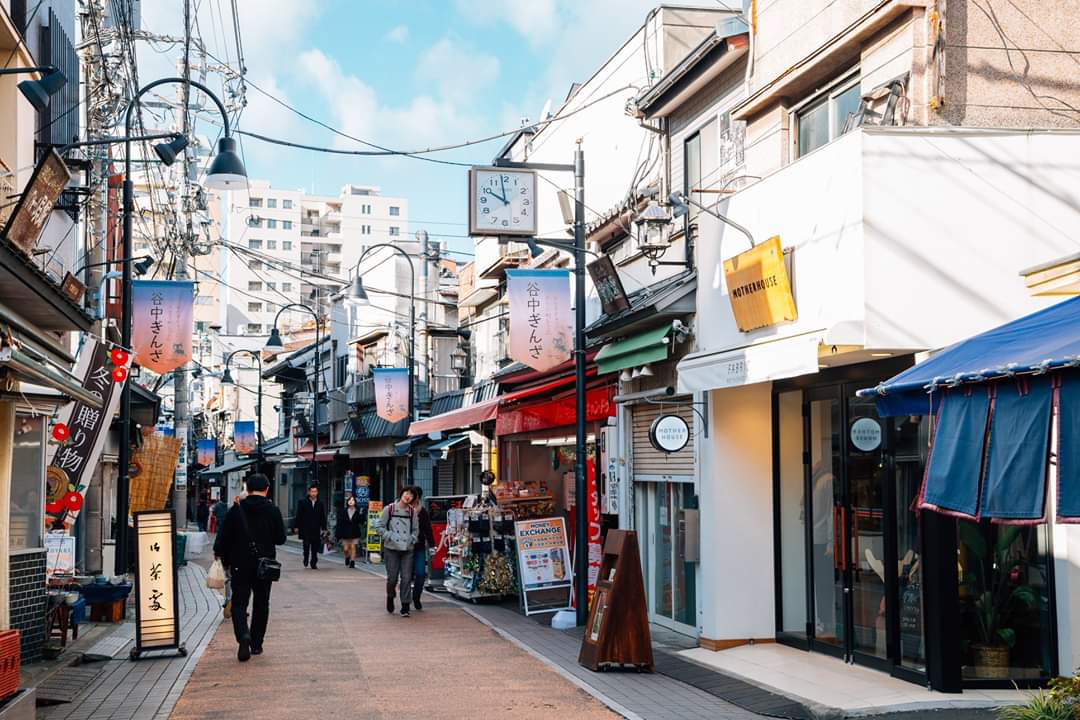
The magic window is 6:45 AM to 9:00 AM, Tuesday through Sunday. Arrive before 7 AM and the alley belongs almost entirely to vendors, delivery cyclists, and a handful of elderly regulars picking up morning tofu or pickled plums. The light at this hour — especially from late May through early July — filters through the narrow lane at a low angle, catching the steam off open vats and the lacquer sheen of ceramic jars lined up on the pavement. Weekday mornings are the quietest; Saturdays pick up noticeably by 9:30 AM when domestic day-trippers arrive.
In terms of seasons, mid-June through early July is underrated. The pre-rainy-season mornings carry a slight haze that softens the alley’s textures beautifully. Avoid Golden Week (late April–early May) entirely — even the 7 AM window fills up fast. Late October through November is the second-best window: crisp air, low humidity, and the zelkova trees lining the approach from Yanaka Cemetery turning amber.
Core Experiences
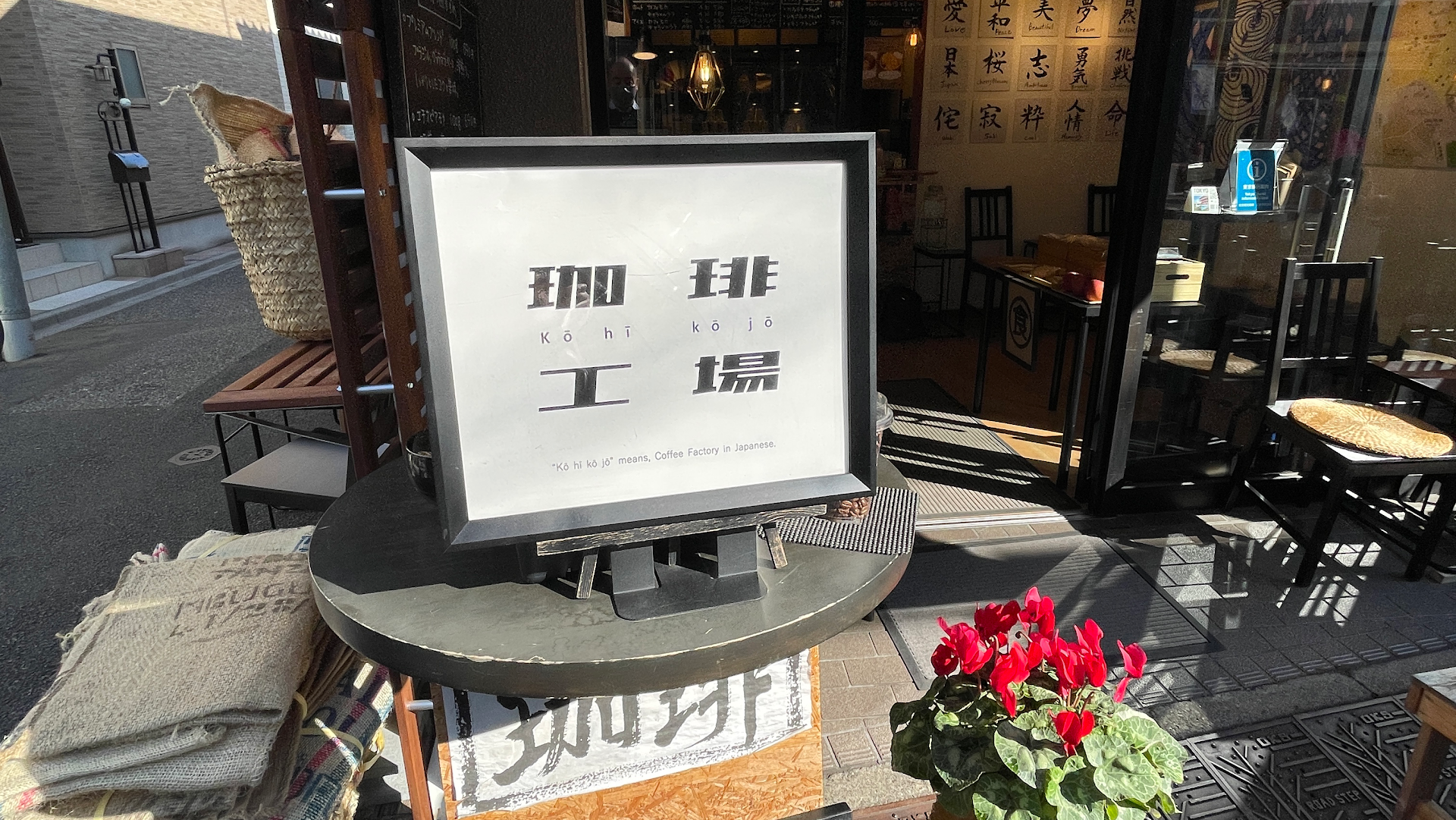
Yanaka Ginza Shotengai (Main Alley)
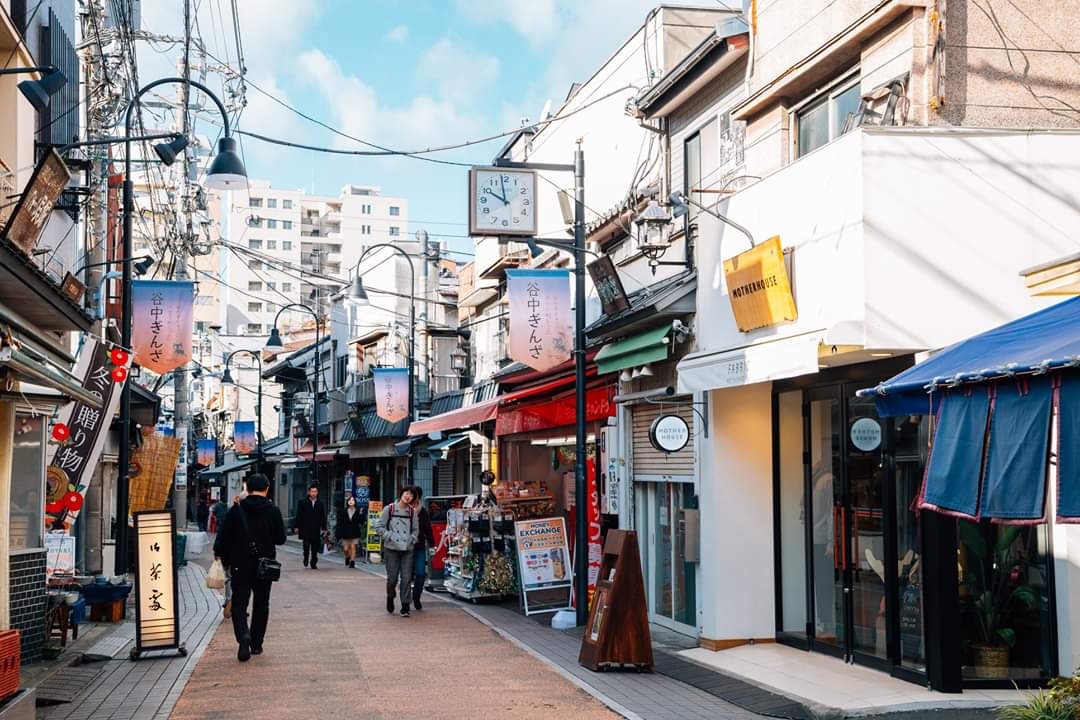
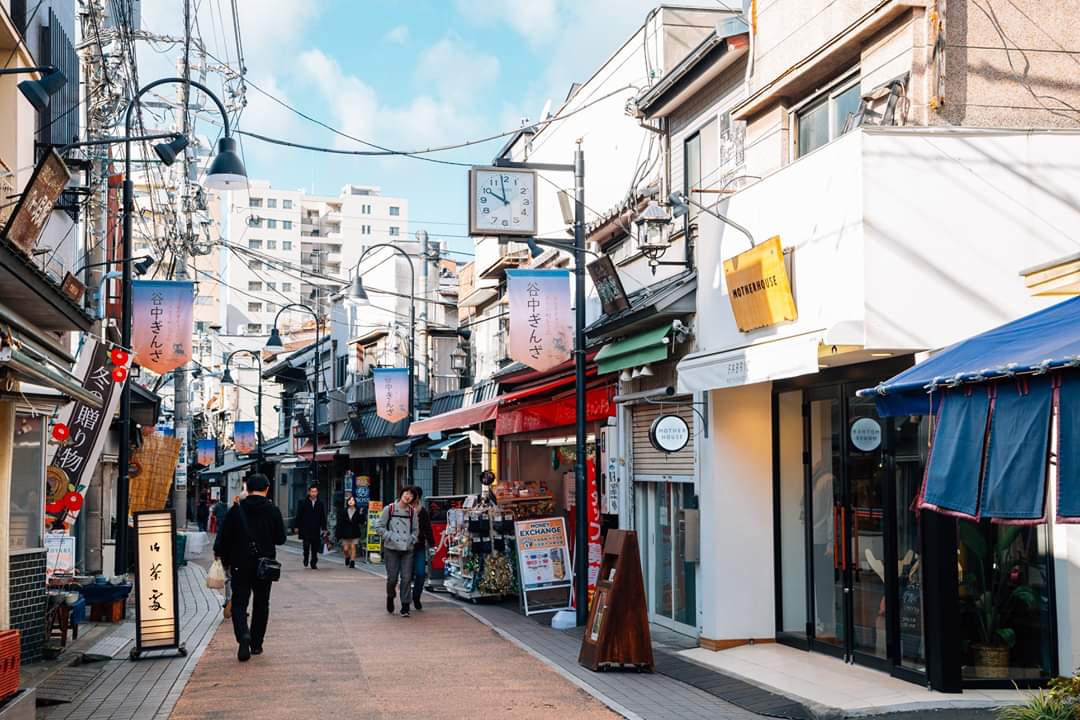
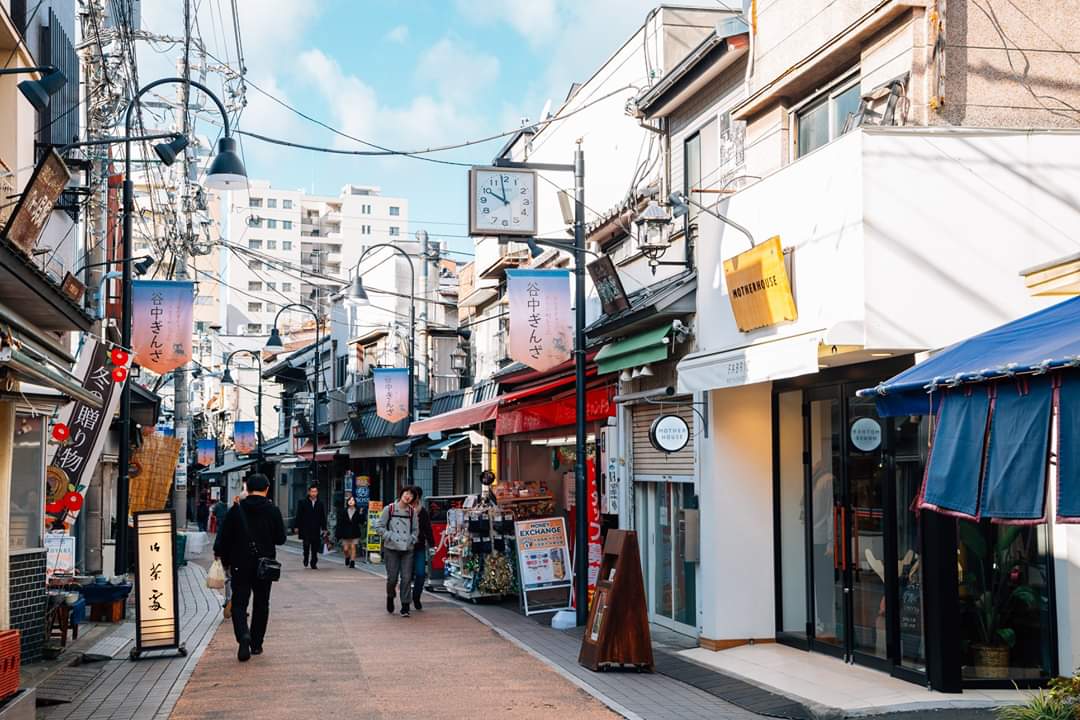
The shotengai itself is the experience. About 170 meters long with roughly 70 small shops pressed together on both sides, it reads less like a tourist street and more like a neighborhood artery that happens to let strangers walk through. At dawn, the metal shutters are still rolling up, one by one — a slow percussion that signals the day starting on its own schedule. The hand-painted signs, the cats (Yanaka is famous for its feral cat colony), the uneven paving stones — none of it has been renovated for Instagram. That’s the point.
- 📍 Yanaka Ginza, Yanaka 3-chome, Taito City, Tokyo · 🚇 5-min walk from Nippori Station (JR lines), West Exit
- 💰 Free to walk · ⏰ Individual shops open 7:00–19:00 (varies by vendor) · ⭐ 4.7
- What locals know: Walk the alley from the Nippori end toward Sendagi — the morning light hits the west-facing shop fronts on the return walk, not the approach.
Kototoi Dango (Yanaka’s oldest rice-cake stall)
A narrow counter operation that has been shaping mitarashi dango since before most cities had zoning laws. By 7:15 AM the charcoal grill is already going, and the smell of caramelizing soy-and-sugar glaze drifts about fifteen meters down the alley. The skewers are three-ball, slightly smaller than the Tokyo average, which means the char-to-center ratio is exactly right. This is a standing-only situation — take your skewer, step to the side, and eat it immediately. There is no “to go” version that tastes the same twenty minutes later.
- 📍 Yanaka Ginza 2-chome, approx. 30m from the Nippori entrance
- 💰 ¥130–¥160 per skewer (~$0.90–$1.10) · ⏰ Opens ~7:00 AM, sells out by noon · ⭐ 4.6
- What locals know: Order the shoyu (soy glaze) skewer first, then the sweet red-bean version — the flavor memory of the savory one makes the second taste better.
Yanaka Tofu Shop (Homemade morning tofu)
There are two tofu shops on the alley; the one worth the stop is the smaller one set back slightly from the street, with fogged-up windows by 6:50 AM that signal the steam tanks are running. The cold silken tofu — served in a plastic container with a small sachet of soy sauce and a pinch of grated ginger — is made same-morning and sells exclusively until stock runs out, usually by 8:30 AM. The texture is closer to warm custard than anything sold in a supermarket. A second product, agedashi-ready firm tofu blocks wrapped in rice paper, goes quickly to local restaurant buyers who stop by on bicycle.
- 📍 Mid-section of Yanaka Ginza, look for the condensation on the windows
- 💰 ¥200–¥380 (~$1.40–$2.60) per container · ⏰ Opens 6:45 AM; sold out by 8:30 AM most days · ⭐ 4.8
- What locals know: Arrive before 7:20 AM if you want the silken variety — it goes faster than the firm blocks and is not restocked mid-morning.
Tsukemono Stall (Seasonal pickles counter)
At the Sendagi end of the alley, an open-front pickle stall arranges its ceramic jars on the pavement each morning in what amounts to a still-life installation. Seasonal tsukemono — white nasu (eggplant) in early summer, myoga ginger, shiso-wrapped umeboshi — get decanted into small tasting cups for regular customers, though first-timers who ask politely are usually included. The owner, who has been running this counter for over three decades, organizes the jars by fermentation age, not flavor — a system that rewards curiosity. Small bags of mixed pickles make exceptional, TSA-compliant gifts.
- 📍 Near the Sendagi (west) end of Yanaka Ginza
- 💰 ¥250–¥800 (~$1.70–$5.50) per small bag · ⏰ Opens 7:30 AM · ⭐ 4.5
- What locals know: Point at a jar and say “kore, chiisai de” (a small one of this) — the owner will pack a taste-size portion rather than the full retail bag if you’re not sure.
Yanaka Cemetery (Morning walk-through)
Directly adjacent to the alley’s Nippori entrance, Yanaka Cemetery is not a detour — it’s the logical opening act. Cover it on the way in, before 7 AM when the light is nearly horizontal and the zelkova-lined central path glows. The cemetery dates to the Edo period and contains the grave of the last Tokugawa shogun; it functions as a public park and morning walking route for the neighborhood. Cats sleep on grave markers. An elderly man does tai chi near the south gate every morning around 6:50 AM, weather permitting. There is no entrance fee, no gate, and no visiting hours.
- 📍 Yanaka Cemetery, enter from Nippori Station West Exit, 3-min walk
- 💰 Free · ⏰ Always open · ⭐ 4.6
- What locals know: The cherry-blossom season (late March) turns the main avenue into one of Tokyo’s most beautiful — and least crowded — hanami spots, because tourist maps route crowds to Ueno Park instead.
Recommended Route
This is a three-hour slow morning. No rushing.
- 06:40 — Arrive Nippori Station (JR Yamanote or Keisei lines). Exit West.
- 06:45 — Enter Yanaka Cemetery from the south path. Walk slowly north. Photograph the zelkova avenue in early light. (~20 min)
- 07:05 — Enter Yanaka Ginza from the Nippori end. Note which stalls are open, which shutters are still down. Walk the full length once without buying anything — just observe.
- 07:20 — Stop at the tofu shop. Silken tofu, eaten on the spot or carried to the cemetery steps.
- 07:40 — Dango skewer at Kototoi. One shoyu, one bean. Stand and eat.
- 08:00 — Browse the tsukemono stall at the Sendagi end. Small tasting, one bag to take home.
- 08:20 — Walk back through the alley. By now, roughly half the shops are open and the light has shifted. The alley sounds different with more people in it.
- 09:00 — Exit toward Sendagi Station (Tokyo Metro Chiyoda Line, 3 min walk) or circle back to Nippori.
Total walking: under 2km. Total time: ~2.5 hours at an unhurried pace.
Budget · Transport · Booking
Getting there: Nippori Station is on the JR Yamanote Line (from Shinjuku ~25 min, ¥216 / ~$1.50) and the Keisei Line (direct from Narita, ~65 min, ¥1,270 / ~$8.80 on the limited express). IC card (Suica or Pasmo) handles everything — no ticket machines needed.
On-site spend:
- Dango (2 skewers): ¥280 (~$1.90)
- Morning tofu: ¥320 (~$2.20)
- Pickles to take home: ¥500 (~$3.40)
- Coffee from a vending machine at the cemetery entrance: ¥130 (~$0.90)
- Total morning: ~¥1,230 / ~$8.50 per person
There is nothing to book in advance. No reservations, no tickets, no timed entries. The only constraint is arrival time — 7 AM is the hard ceiling for the best experience.
If combining with Ueno (20 min walk or 2 stops by metro), budget an additional ¥1,000–¥2,000 for a museum entrance or a sit-down lunch near Ameya-Yokocho.
Must-Know Tips
- ⏰ The 7 AM window is real. The tofu sells out. The dango grill goes cold after lunch. The light is different by 9 AM. This is not a “go whenever” destination — the specific hour is the experience.
- 💴 Cash only at most stalls. Bring ¥2,000–¥3,000 in small bills. The tsukemono and tofu shops do not take IC cards or credit.
- 📸 Photography is welcome in the alley, but ask before shooting vendors. A nod or a held-up camera with a questioning look is understood. Most will say yes or wave you off clearly.
- 🐱 The cats are semi-feral and should not be fed or touched. They are a fixture and a local point of pride — enjoy them from a respectful distance.
- 🌧️ Rain does not cancel the morning. The narrow alley provides some natural shelter, and the mist off the tofu vats in drizzle is arguably better than in clear weather. Bring a compact umbrella.
- 🗣️ No Japanese needed, but a few words go far. “Hitotsu kudasai” (one, please) and “oishii” (delicious) will take care of every transaction on this street and earn a genuine response.
Closing
Yanaka Ginza at 7 AM is what Tokyo looks like when it is not performing for anyone. The vendors are not set up for visitors at that hour — they are set up for their neighborhood, and being allowed to witness that is a quiet privilege worth the early alarm. The alley will still be there at noon, but it will be a different place by then: louder, busier, curated. The version that matters opens before the tourists arrive.
Set the alarm for 6:30 AM, take the Yamanote to Nippori, and walk in from the cemetery end. The rest will take care of itself.
🏨 Where to Stay
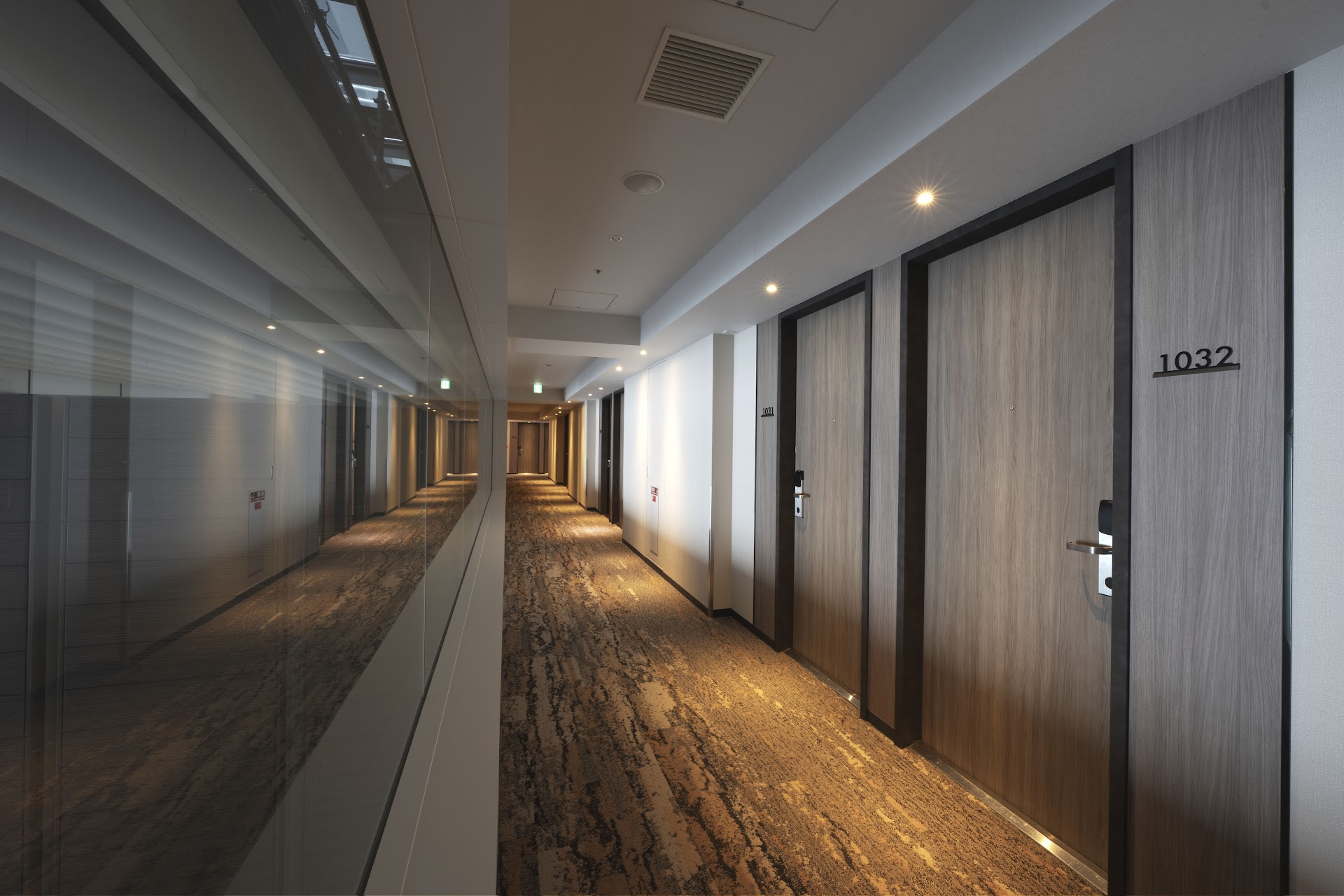 Hotel Villa Fontaine Grand Tokyo-Shiodome⭐ 4.0 · 8.7/10 (15,056) · $108 /night
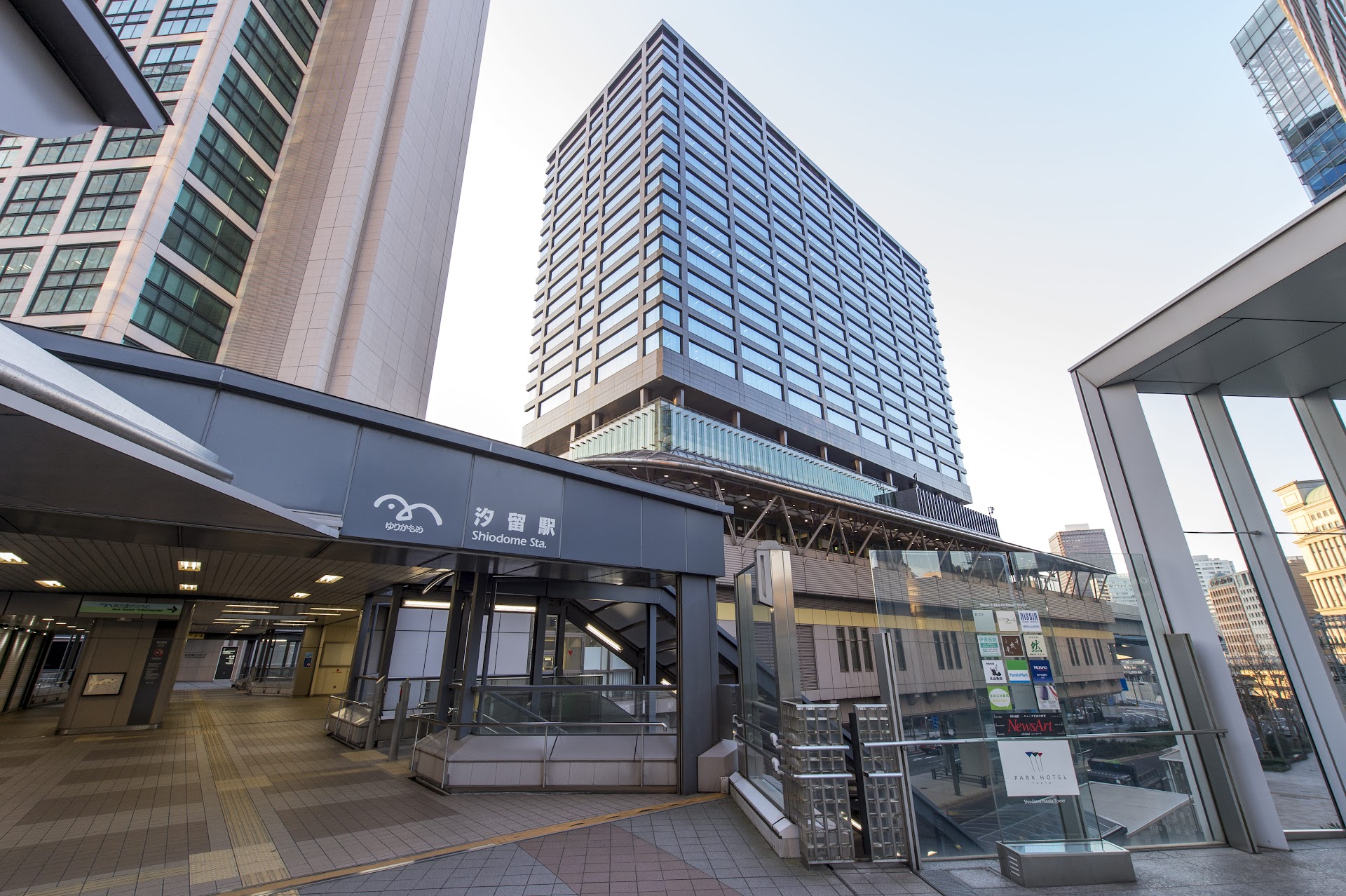 Hotel Villa Fontaine Tokyo-Kayabacho⭐ 3.0 · 8.4/10 (8,595) · $75 /night
Agoda affiliate link — clicks go to the price-comparison page.