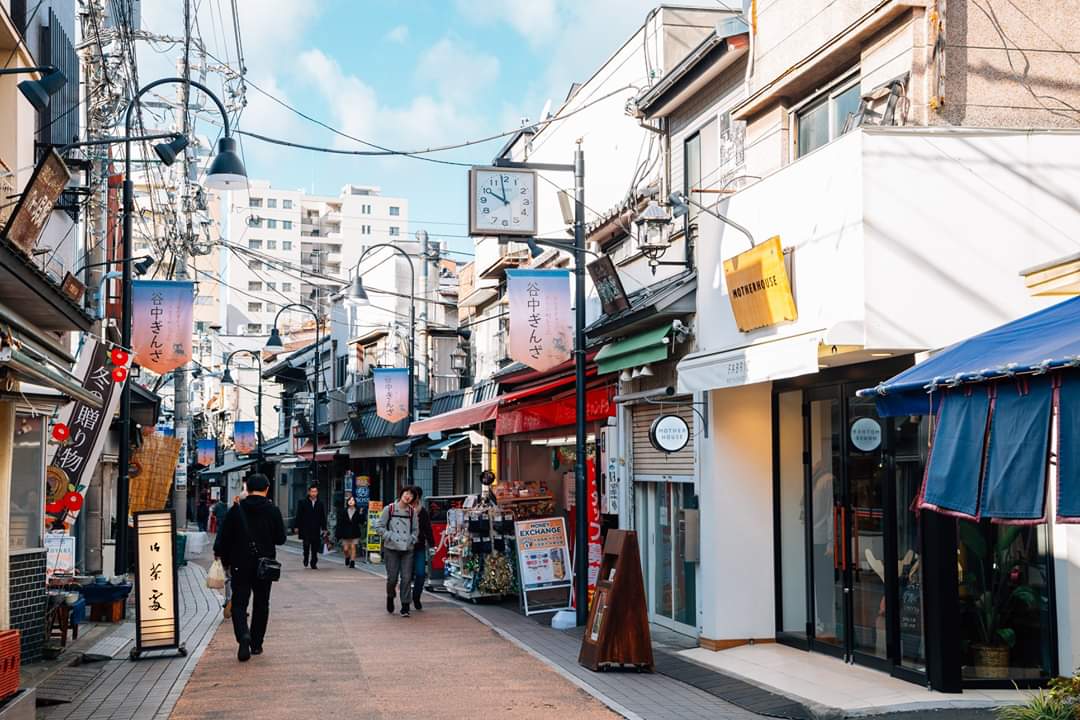
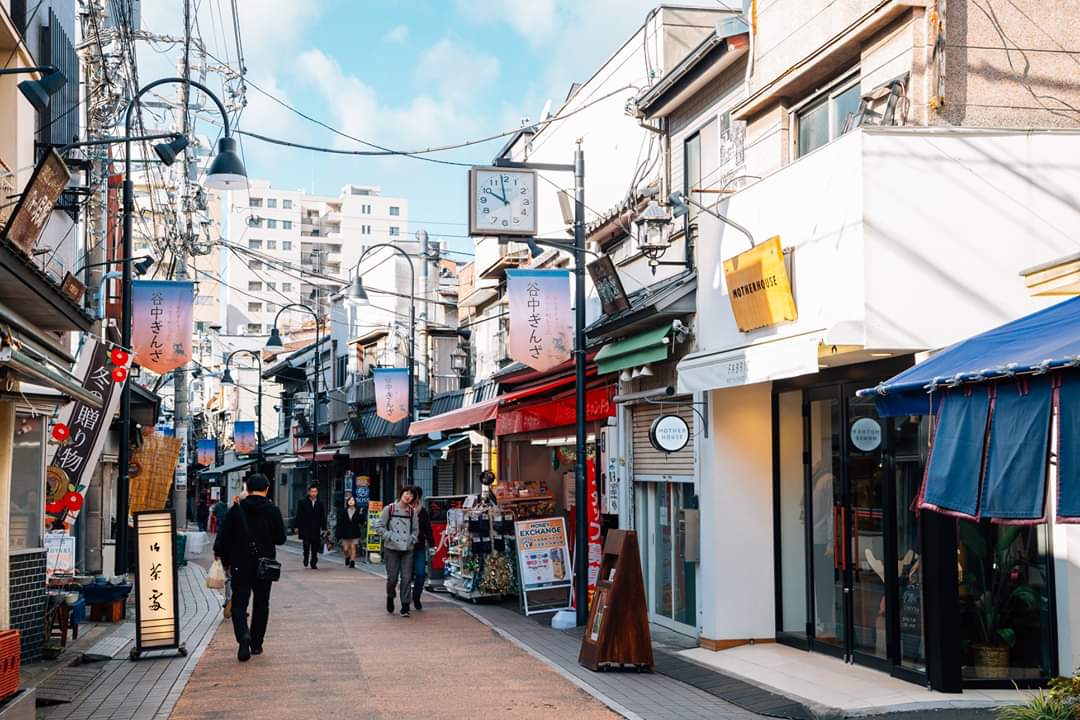
Walk almost any Tokyo food guide back to its source and you’ll end up at Tsukiji or Shibuya Crossing — both fine, both packed by 8 AM. Yanaka Ginza, a 170-meter covered shopping street tucked into one of Tokyo’s last intact shitamachi neighborhoods, runs on a completely different clock. Show up before 9 AM on a weekday and you’ll have the cobblestones nearly to yourself, with a handful of vendors already pulling back their shutters and the smell of freshly grilled skewers drifting past century-old wooden storefronts.
Best Timing
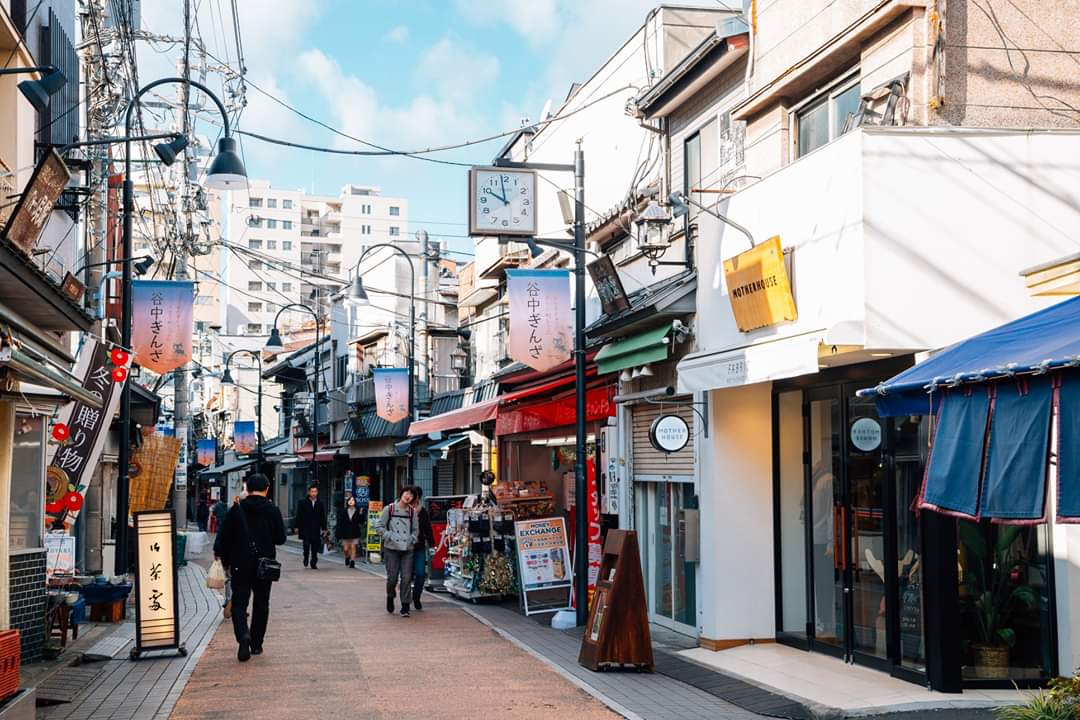
The single best window for Yanaka Ginza is 6:45 AM to 9:00 AM, Tuesday through Sunday. Most of the stalls that cater to the morning crowd — the mochi shop, the croquette stand, the cat-shaped melon pan bakery — begin prepping by 6:30 AM and are fully open by 7:00 AM. The street itself faces east, so golden-hour light hits the old shopfronts cleanly from roughly 7:15 AM in spring and summer, making it the sharpest visual window of the day. By 10 AM on weekends, domestic tour groups arrive and the narrow arcade fills up fast.
In terms of seasons, late March through early May and mid-October through mid-November are the two sweet spots. Spring brings cherry blossoms in nearby Yanaka Cemetery, which sits a five-minute walk from the top of Ginza-dori; autumn pushes the light warmer and the crowds thinner. Summer (July–August) is hot and humid even at 7 AM — bring a small towel and hydrate early. Rainy-season mornings (mid-June to mid-July) are actually underrated: the covered arcade stays dry and the street is quieter than any other season.
Core Experiences
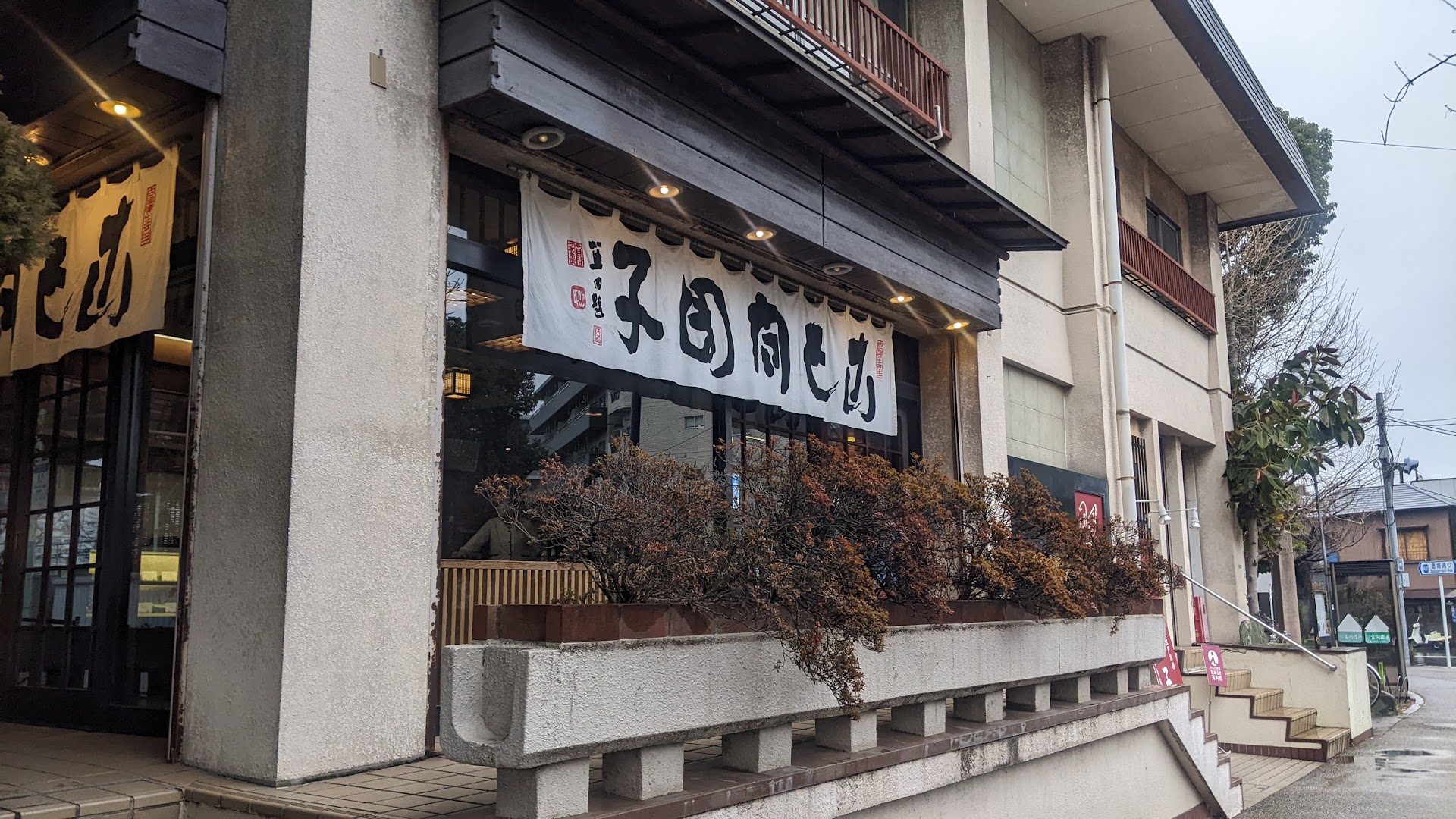
Yanaka Ginza Croquette Stand (Niku no Suzuki)
Niku no Suzuki is the anchor of the morning route — a third-generation butcher shop that starts frying croquettes at 7:00 AM sharp and rarely survives past 10 AM before selling out. The beef menchi-katsu croquette is the move: crispy panko shell, juicy minced beef filling, no sauce needed. It’s the kind of snack that has Yanaka regulars factoring their commute around it. The shop is roughly halfway down the arcade on the east side, identifiable by the short queue that forms even before the oil is fully hot. Eat it standing at the street edge — there are no seats and no tables, and that’s exactly right.
- 📍 Yanaka Ginza-dori, approx. mid-arcade, east side · 💰 ~$1.50–$2 per croquette · ⏰ Opens 7:00 AM, sold out by ~10 AM · ⭐ 4.7
- What locals know: Get there by 7:10 AM. By 7:30 AM on weekends there’s already a line of five to eight people and the menchi-katsu sells out first.
Kayaba Coffee
Kayaba Coffee is a 1938 kissaten — a classic Japanese coffee shop — that was rescued from demolition in 2009 and restored to near-original condition. It sits one block east of the Ginza arcade, at the edge of Yanaka Cemetery, and opens at 8:00 AM. The interior is all dark wood counters, frosted glass, and narrow booths; the morning set (tamago sando + hot coffee or café au lait) runs about $7–$9 USD and is genuinely one of the better breakfast deals in the neighborhood. The tamago sando here is thick-cut, lightly sweet, and made on soft milk bread — not the convenience-store version. Block out 30–40 minutes; the pace is unhurried by design.
- 📍 6-1-29 Yanaka, Taito City · 💰 Morning set ¥950–¥1,200 (~$6.50–$8.50) · ⏰ Opens 8:00 AM (closed Mon) · ⭐ 4.5
- What locals know: The counter seats facing the window fill first and offer the best light. Arrive right at 8 AM to get one without waiting.
Yanaka Cemetery Cherry Blossom Path
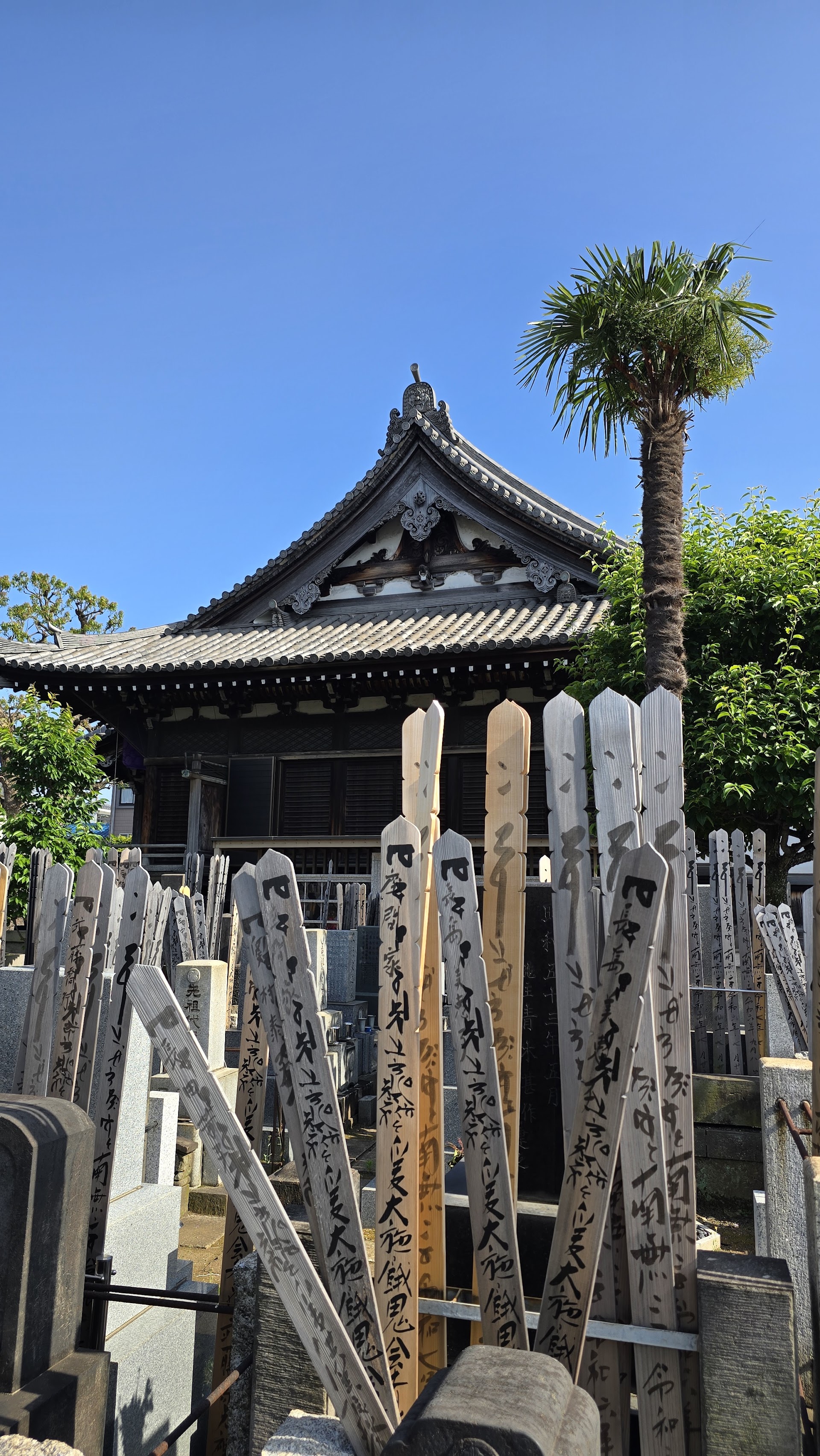
Yanaka Cemetery is not a detour — it’s the connective tissue of the whole route. The main path running north–south through the cemetery is lined with approximately 60 somei-yoshino cherry trees, which makes it one of Tokyo’s quieter hanami spots in late March to early April. Outside cherry season, it functions as a genuinely peaceful walking corridor with old stone lanterns, moss-covered graves of Edo-era merchants, and very few tourists before 9 AM. The cemetery connects the top of Yanaka Ginza arcade directly to the Nippori train station end, making it a functional shortcut as much as a scenic one. Walking the full length takes about 8–10 minutes at an easy pace.
- 📍 Yanaka Cemetery, Taito City (main entrance near Nippori Station south exit) · 💰 Free · ⏰ Open 24 hours · ⭐ 4.6
- What locals know: The western side path (away from the main cherry-tree avenue) runs past some of the oldest graves in the cemetery and is almost entirely empty even on peak hanami weekends.
Nekoemon (Cat-Shaped Melon Pan Shop)
Nekoemon is a small bakery that opened specifically to serve the Yanaka neighborhood’s well-known love of cats — the area has a long association with stray-cat colonies and cat-themed shops, and Nekoemon leans into it with melon pan baked in the shape of a sitting cat. The bread itself is soft brioche-style dough with a thin, sugar-crisp cookie crust; the chocolate variant has a cocoa-dusted face. It’s a genuine baked product, not a tourist trap — the dough is made fresh each morning and the first batch hits the display case around 7:30 AM. At roughly $3–$4 USD per piece, it’s the most photogenic part of the morning route without being the most expensive.
- 📍 Yanaka Ginza-dori, north section near the steps · 💰 ¥420–¥480 (~$3–$3.50) · ⏰ Opens ~7:30 AM, closes when sold out · ⭐ 4.4
- What locals know: The plain melon pan sells out faster than the chocolate version. If you want both, grab them simultaneously — don’t go back for the second one.
Scai The Bathhouse
Scai The Bathhouse is a contemporary art gallery operating inside a 200-year-old public bathhouse — the original 1993 conversion is now a Tokyo landmark in its own right. It sits about a 4-minute walk from the south end of Yanaka Ginza and opens at 12:00 PM on exhibition days, which means it’s worth noting as a post-breakfast anchor rather than a morning stop. But the exterior can be walked past on the way out of the neighborhood from roughly 7 AM: the preserved Edo-period facade with its high-ceilinged entry and traditional tiled roof is striking and completely free to view from the street. When exhibitions are running, entry is free. Artists shown here have included Anish Kapoor and Kohei Nawa.
- 📍 6-1-23 Yanaka, Taito City · 💰 Free entry during exhibitions · ⏰ Exhibition hours typically Tue–Sat 12:00–18:00 · ⭐ 4.5
- What locals know: Check the gallery’s Instagram (@scaithebathhouse) the week before your visit — exhibitions change and sometimes the space is closed between shows.
Recommended Route
This is a two-hour walking route that covers about 1.8 km total with minimal backtracking. Start from Nippori Station (JR Yamanote Line, south exit) or Nezu Station (Tokyo Metro Chiyoda Line, exit 1) depending on where you’re staying.
07:00 — Arrive at the top of Yanaka Ginza from the Nippori Station side. The steps down into the arcade give a clean view of the whole street before it fills up. Note which vendors are already open.
07:05 — Walk to Niku no Suzuki (mid-arcade). Queue, order one menchi-katsu croquette, eat standing. (~15 minutes including wait)
07:20 — Continue north end of the arcade to Nekoemon. Pick up one or two cat melon pan. (~10 minutes)
07:35 — Walk east from the arcade top into Yanaka Cemetery main path. Walk the full cherry-blossom avenue south to north at an easy pace. (~10–12 minutes walking)
07:50 — Exit cemetery near the west side and loop toward Kayaba Coffee. Arrive at 8:00 AM when doors open. Order the morning set. (seated 30–40 minutes)
08:35 — Walk south from Kayaba Coffee toward Scai The Bathhouse. View the exterior. (5 minutes)
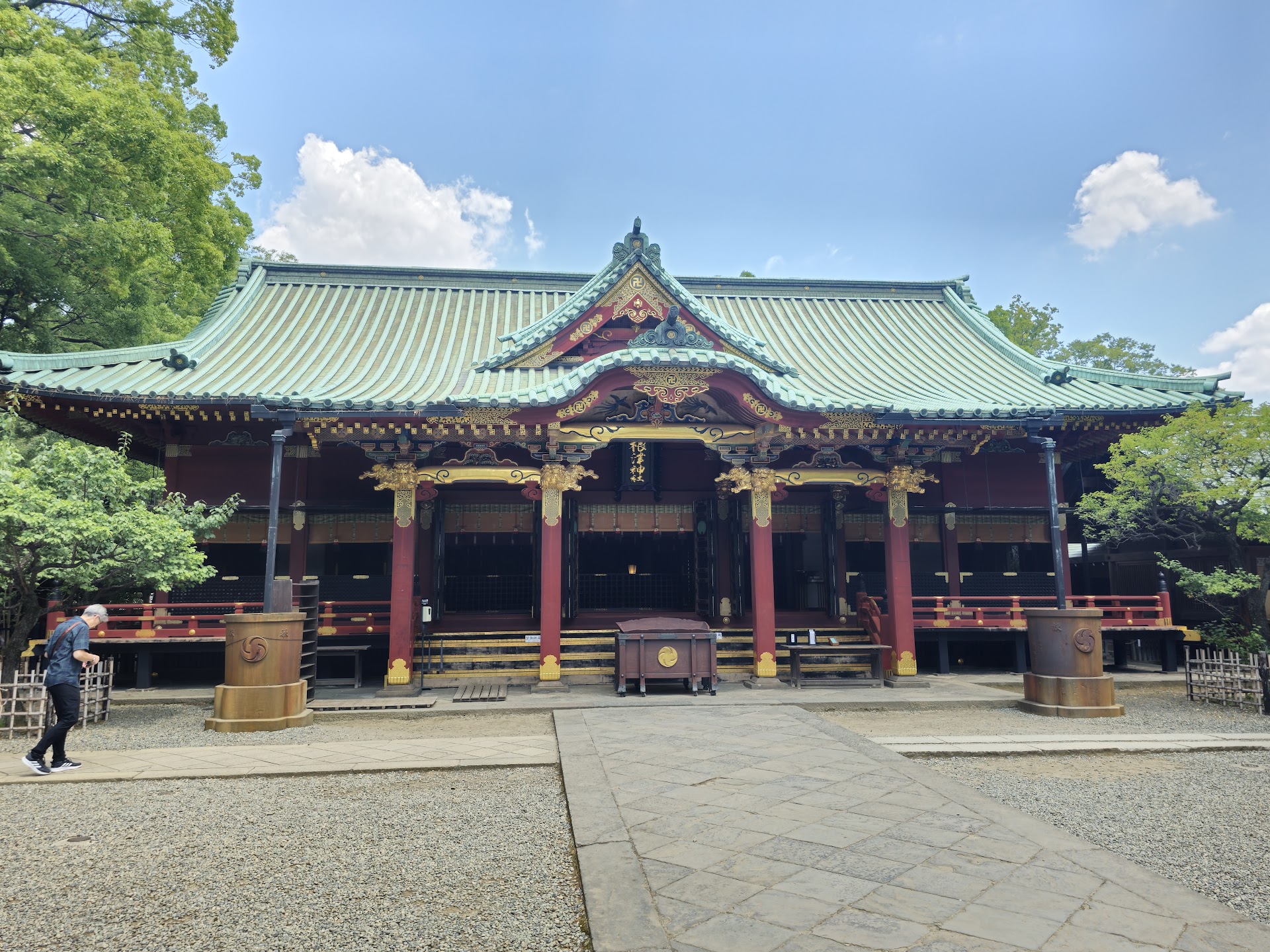
08:45 — Optional: continue to Nezu Shrine (5-minute walk from Scai), which opens at sunrise and is empty this early.
09:00 — Route complete. Return to Nezu Station or walk 12 minutes to Ueno for onward travel.
Budget · Transport · Booking
Total food spend for the morning route: approximately $15–$20 USD per person, covering croquette ($2), melon pan ($3.50), and Kayaba Coffee morning set ($8.50) plus a small buffer.
Getting there:
- 🚇 From Shinjuku: JR Yamanote Line to Nippori (~25 min, ¥220/$1.50)
- 🚇 From Ueno: JR to Nippori (~4 min, ¥150/$1) or walk 20 min through Ueno Park
- 🚇 From Shibuya: JR Yamanote to Nippori (~30 min, ¥220/$1.50)
- 🚇 From Akihabara: walk or metro to Nezu Station via Chiyoda Line (~15 min)
No advance booking required for any stop on this route. Kayaba Coffee does not take reservations; arrival timing is your only tool. Scai The Bathhouse has free entry and no ticket required on open exhibition days.
Total half-day budget (transport from central Tokyo + food): $25–$35 USD per person.
Must-Know Tips
- 💴 Cash is strongly preferred at street stalls including Niku no Suzuki and Nekoemon. Carry at least ¥3,000 (~$20) in cash. Kayaba Coffee accepts IC cards (Suica/Pasmo) but not all major credit cards.
- ⏰ Arrive before 7:30 AM on weekends if you want the menchi-katsu croquette. On weekdays, 7:45 AM is usually safe. The stall does not restock mid-morning.
- 📸 Photography in Yanaka Cemetery is generally accepted for personal use; avoid photographing individual grave markers close-up out of respect, especially in the older western sections.
- 🐈 The neighborhood cats are a known feature but are semi-feral and not handled by shops. Don’t feed them near food stalls — it draws complaints from vendors.
- 🌂 Rain is not a reason to skip this route. The Yanaka Ginza arcade is covered for most of its length; Kayaba Coffee is a better experience on a grey morning anyway. Bring a small umbrella for the cemetery stretch.
- 👟 Wear flat, comfortable shoes. The route involves the steep stone steps down into Yanaka Ginza from the Nippori side, uneven cobblestones through the arcade, and cemetery gravel paths. No heels.
Closing
Yanaka Ginza works because it hasn’t been optimized for visitors — the croquettes sell out because the locals buy them on the way to work, not because a travel algorithm ranked them. The covered arcade, the old kissaten, the cemetery path that doubles as a shortcut: all of it is still on its own schedule, which happens to align perfectly with an early-morning walker who shows up before the crowds remember this neighborhood exists. That’s the window. Block out two hours on a weekday morning, start at Nippori by 7 AM, and follow this route exactly as mapped — it holds up start to finish.
🏨 Where to Stay
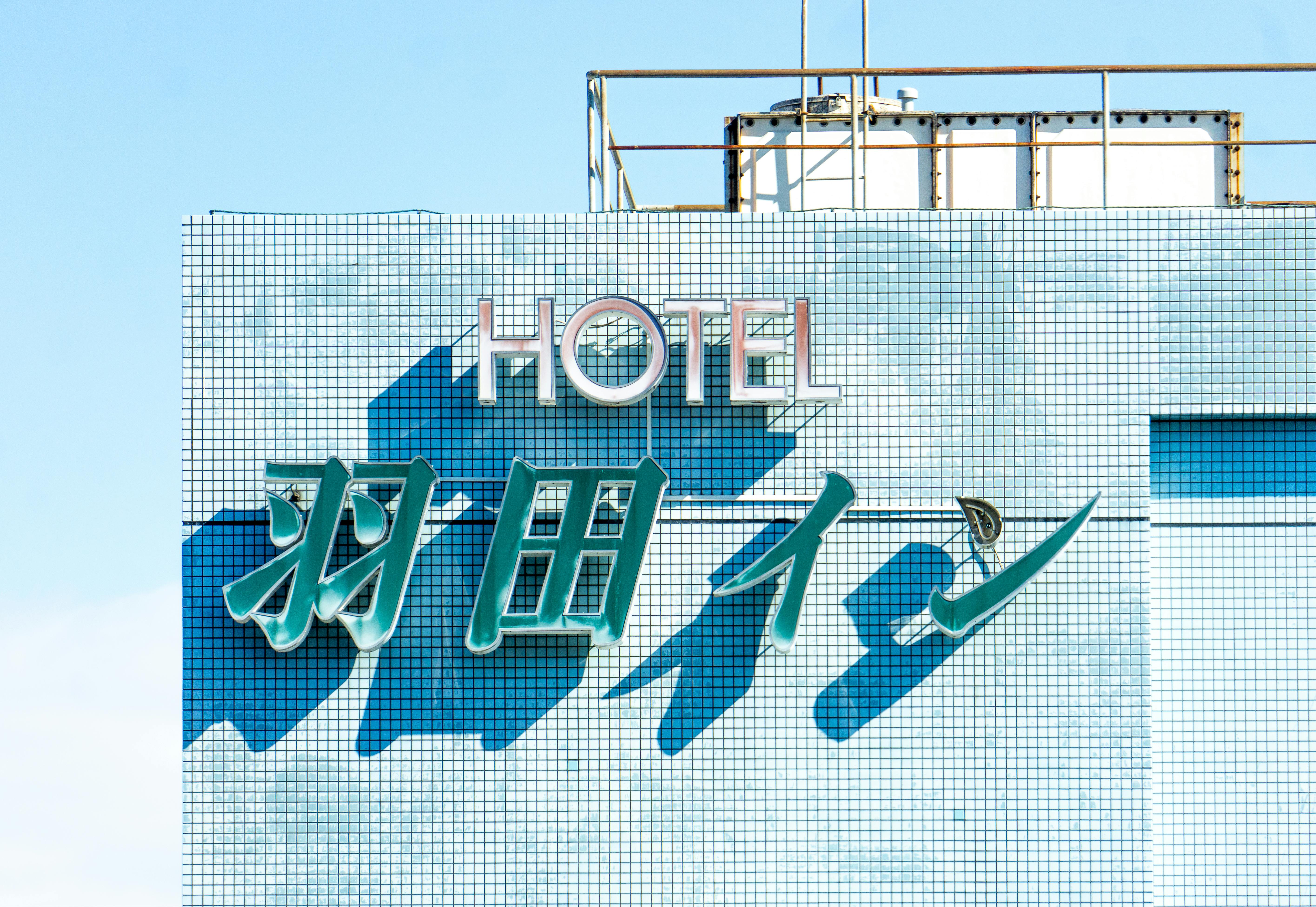 Mitsui Garden Hotel Nihonbashi Premier / Tokyo⭐ 5.0 · 8.9/10 (7,731) · $267 /night
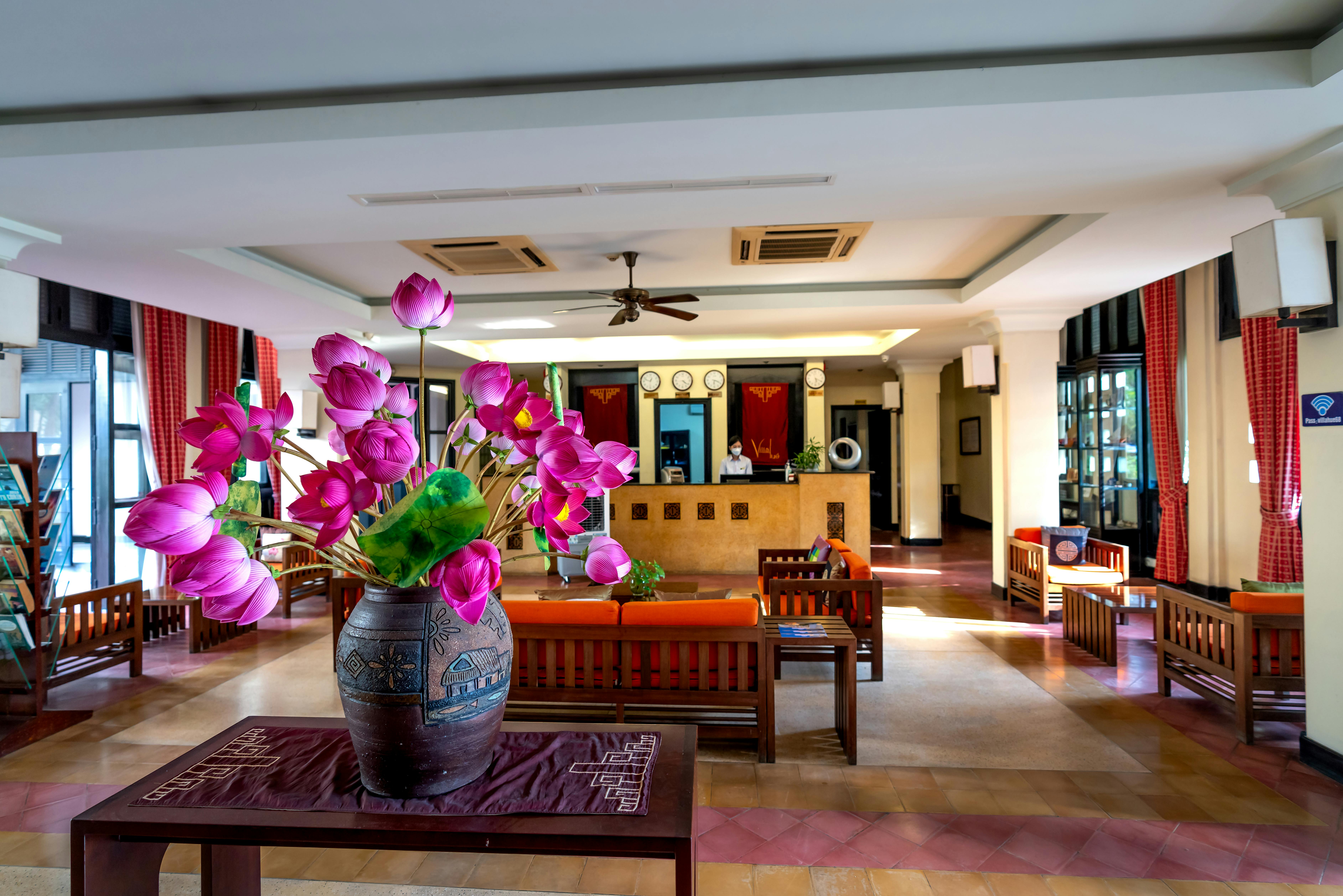 Hotel Villa Fontaine Grand Tokyo-Shiodome⭐ 4.0 · 8.7/10 (14,788) · $101 /night
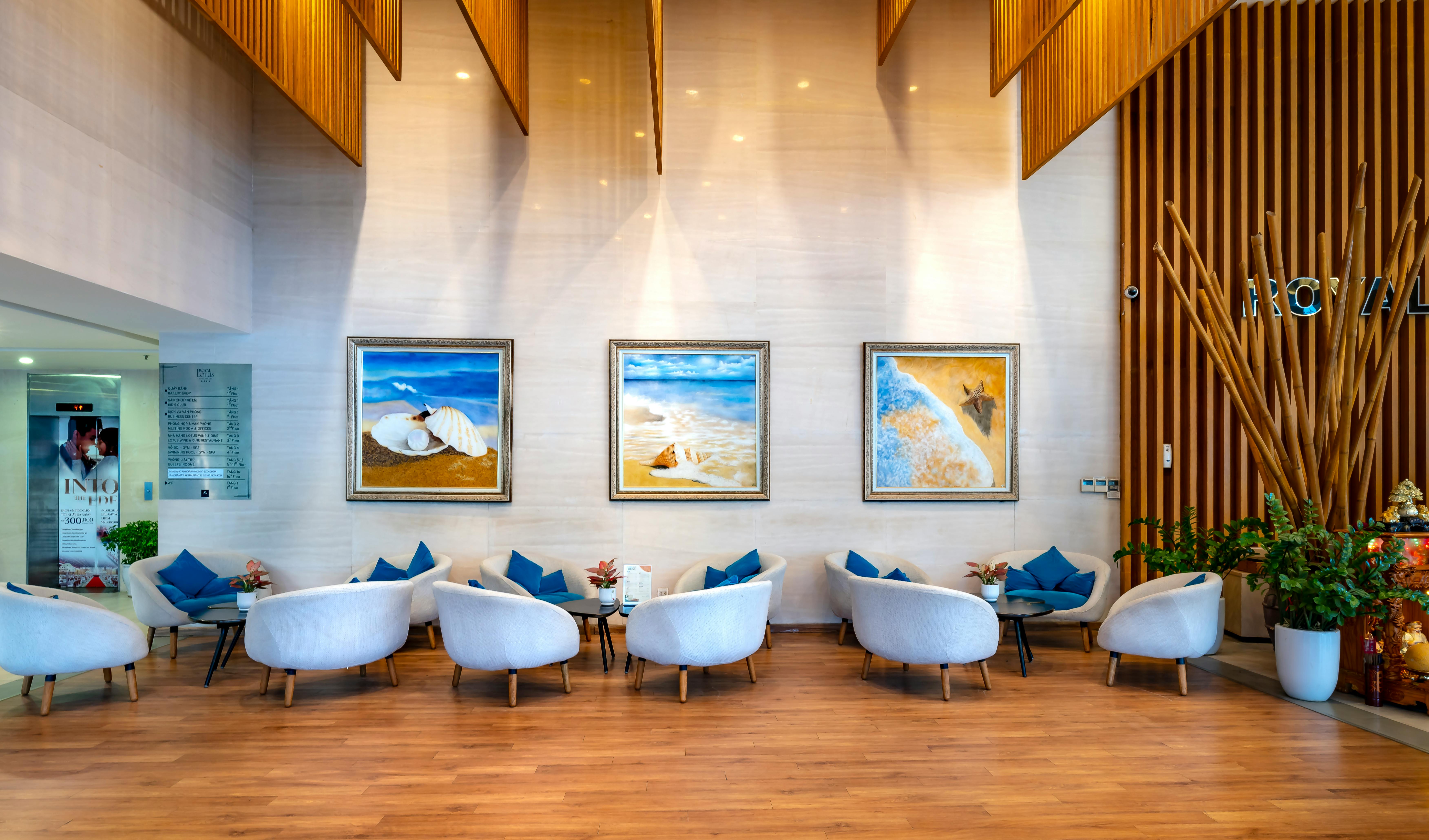 Mitsui Garden Hotel Ginza gochome⭐ 4.0 · 8.8/10 (12,744) · $195 /night
Agoda affiliate link — clicks go to the price-comparison page.