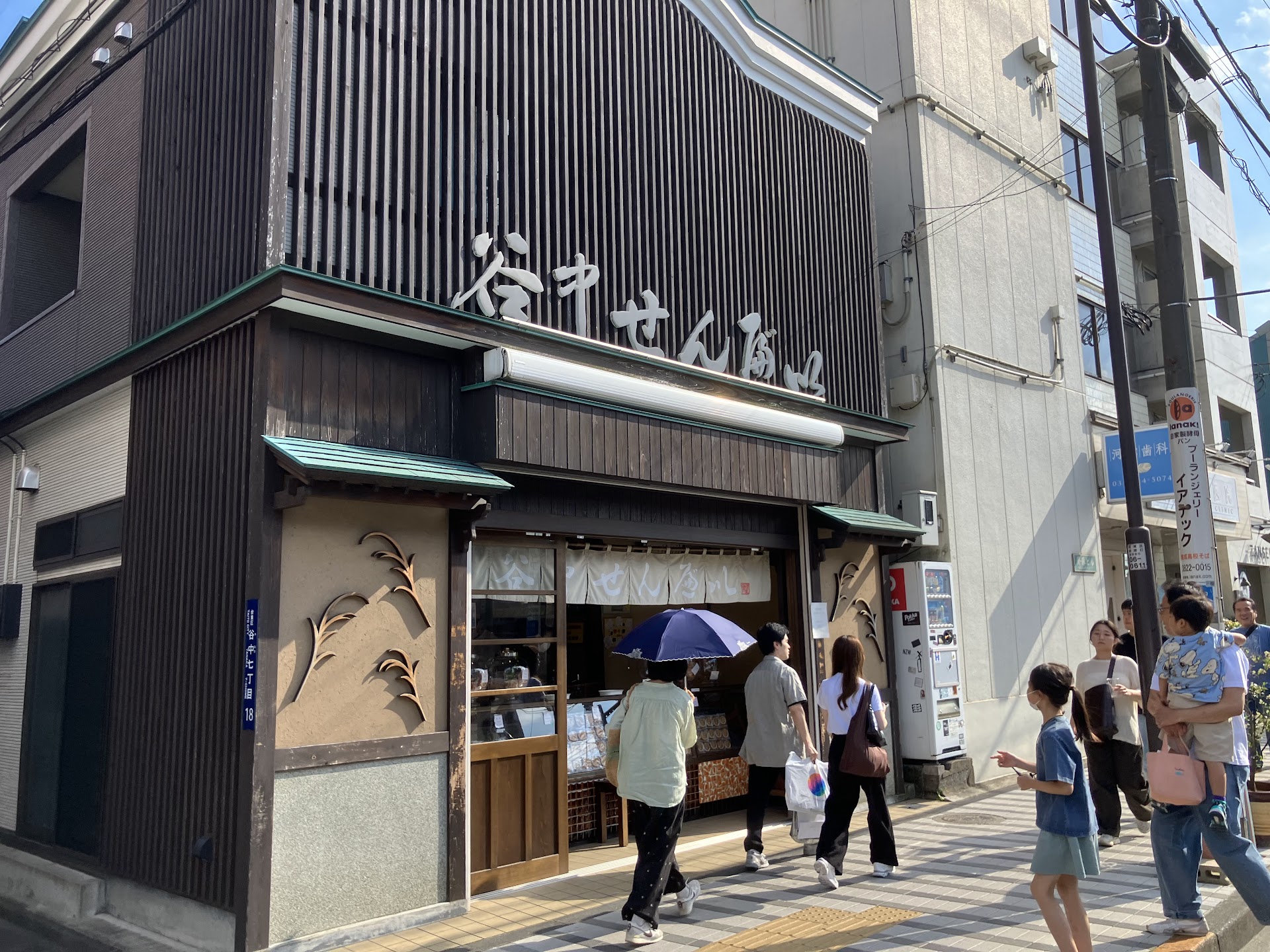
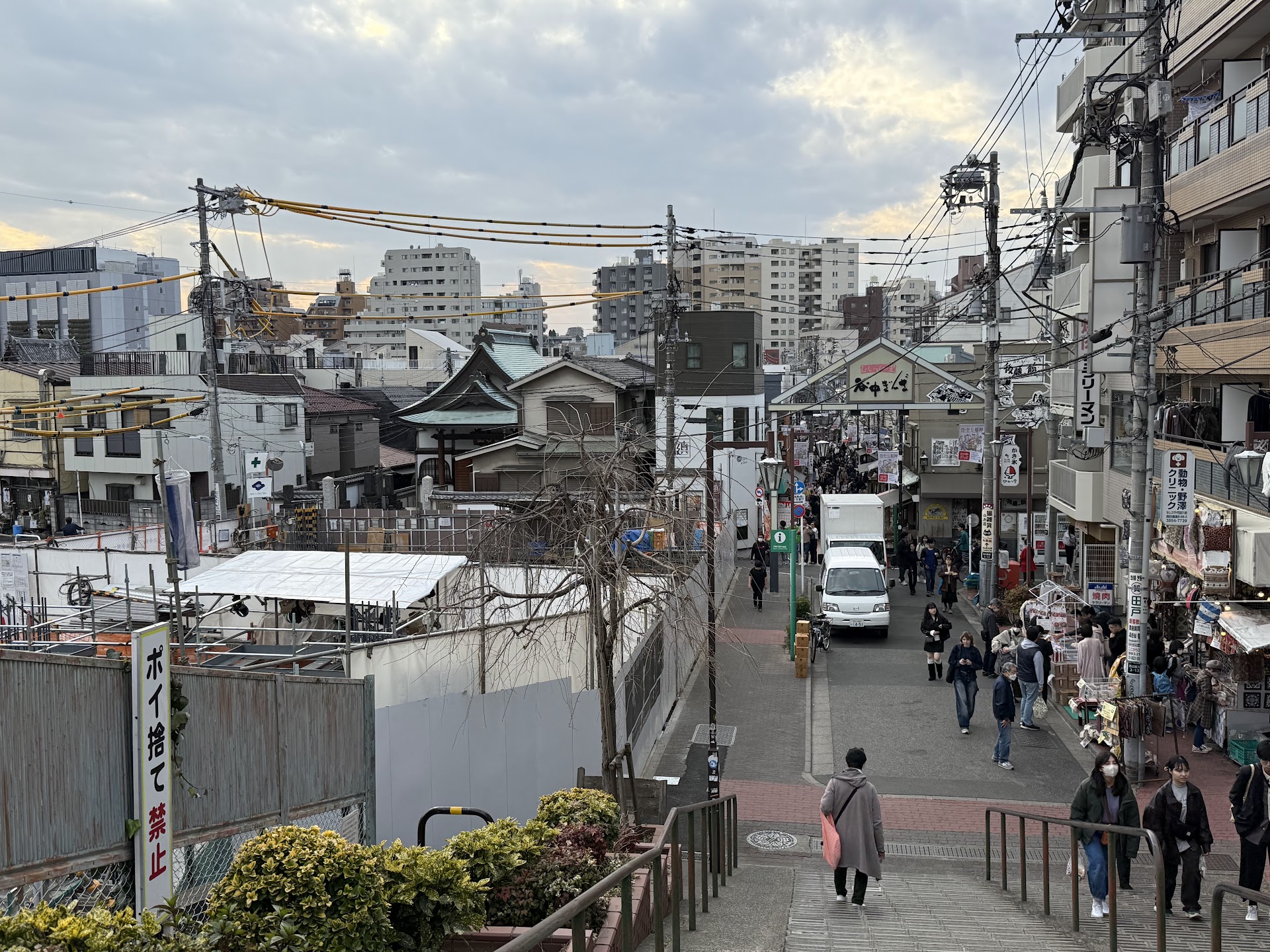
Tokyo has no shortage of morning food markets, but most of them are already crowded by the time your hotel breakfast ends. Yanaka Ginza is different — a narrow, 170-meter shopping lane in one of Tokyo’s last intact shitamachi neighborhoods, where vendors have been opening their shutters before 8 AM for decades. Get there by 7:30 and you’ll have the lane nearly to yourself.
Best Timing
The ideal window is late April through early June and mid-September through November, when Tokyo’s humidity hasn’t yet turned a slow morning walk into a sweat session. Yanaka sits inland and lacks the bay breeze of Tsukiji, so summer mornings (July–August) can feel heavy by 9 AM — you’ll want to be wrapping up, not starting. Winter visits (December–February) are crisp and photogenic, but a handful of smaller stalls keep shorter hours.
The crowd math is simple: arrive by 7:30 AM, leave by 10:00 AM. After 10:30, tour groups from Ueno filter in, the lane narrows, and the tamagoyaki lines double. Most vendors along this route open between 7:00 and 7:30 AM specifically to catch the neighborhood’s own residents — salaried workers, retired locals, parents before school drop-off. You’re not a tourist here at that hour; you’re just another person who needed breakfast.
Core Experiences
Yanaka Senbei — Grilled Rice Crackers at the Lane Entrance
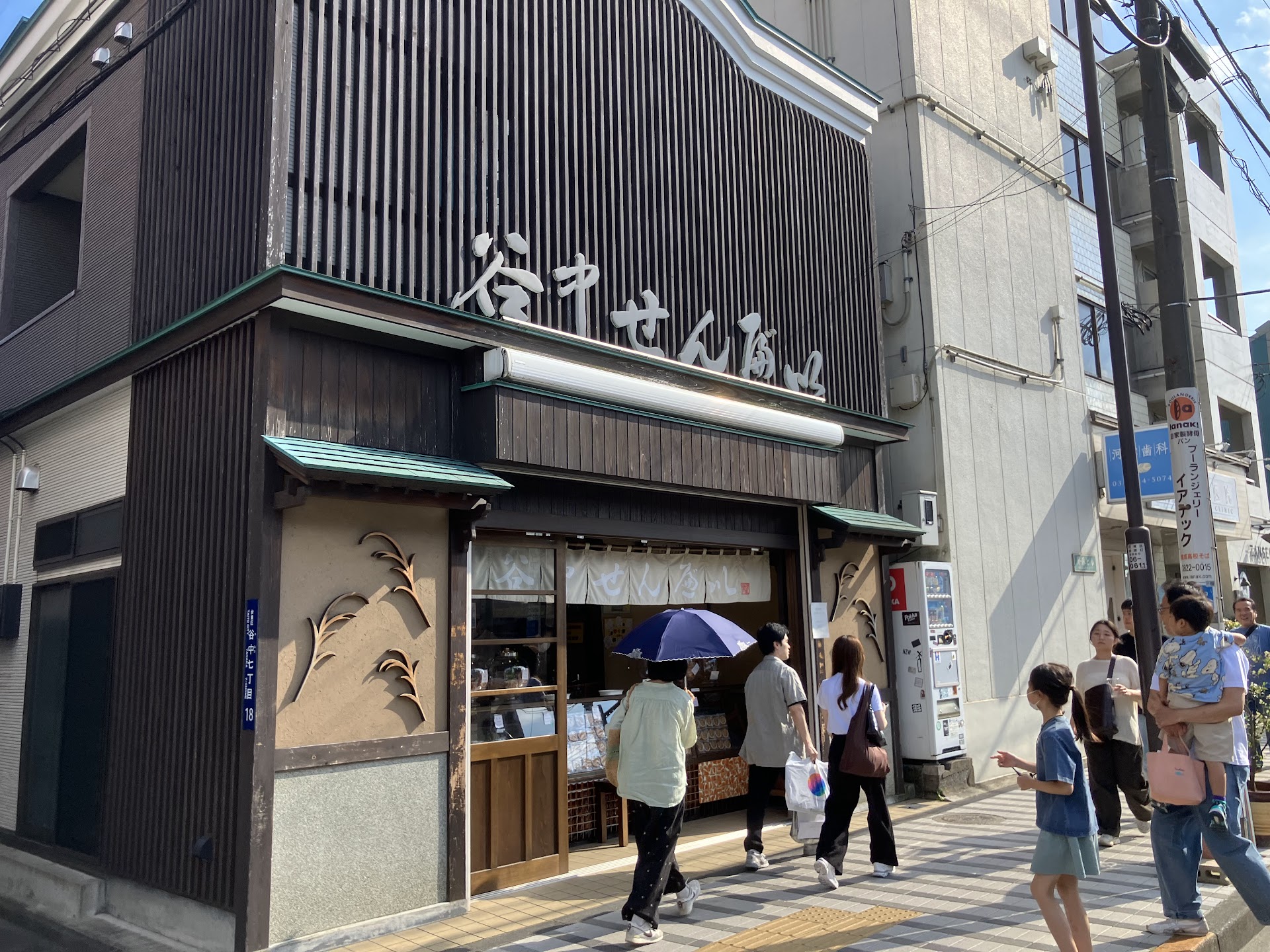
The smell reaches you before the stall does. At the Nishi-Nippori end of the lane, a small senbei shop has been hand-grilling rice crackers over charcoal for over 40 years. The crackers are brushed with soy-based tare in the final 30 seconds of grilling — the moment the glaze caramelizes and the edges go dark is the moment to order. There are roughly eight flavor variants on a rotating daily board, but the standard shoyu and the nori-wrapped versions are available every morning. The crackers come wrapped in paper and are best eaten warm, standing just outside the stall.
- 📍 Yanaka Ginza lane entrance, Nishi-Nippori side, Taito City, Tokyo
- 💰 ¥80–¥150 per piece (~$0.55–$1.05 USD)
- ⏰ Opens 7:00 AM, sells out of morning batch by ~9:30 AM
- ⭐ 4.6
What locals know: Point to the crackers on the grill, not the display shelf — those are yesterday’s stock. The grilling queue moves fast; two minutes of waiting is the norm.
Yanaka Tamagoyaki — Rolled Egg at the Midlane Cart
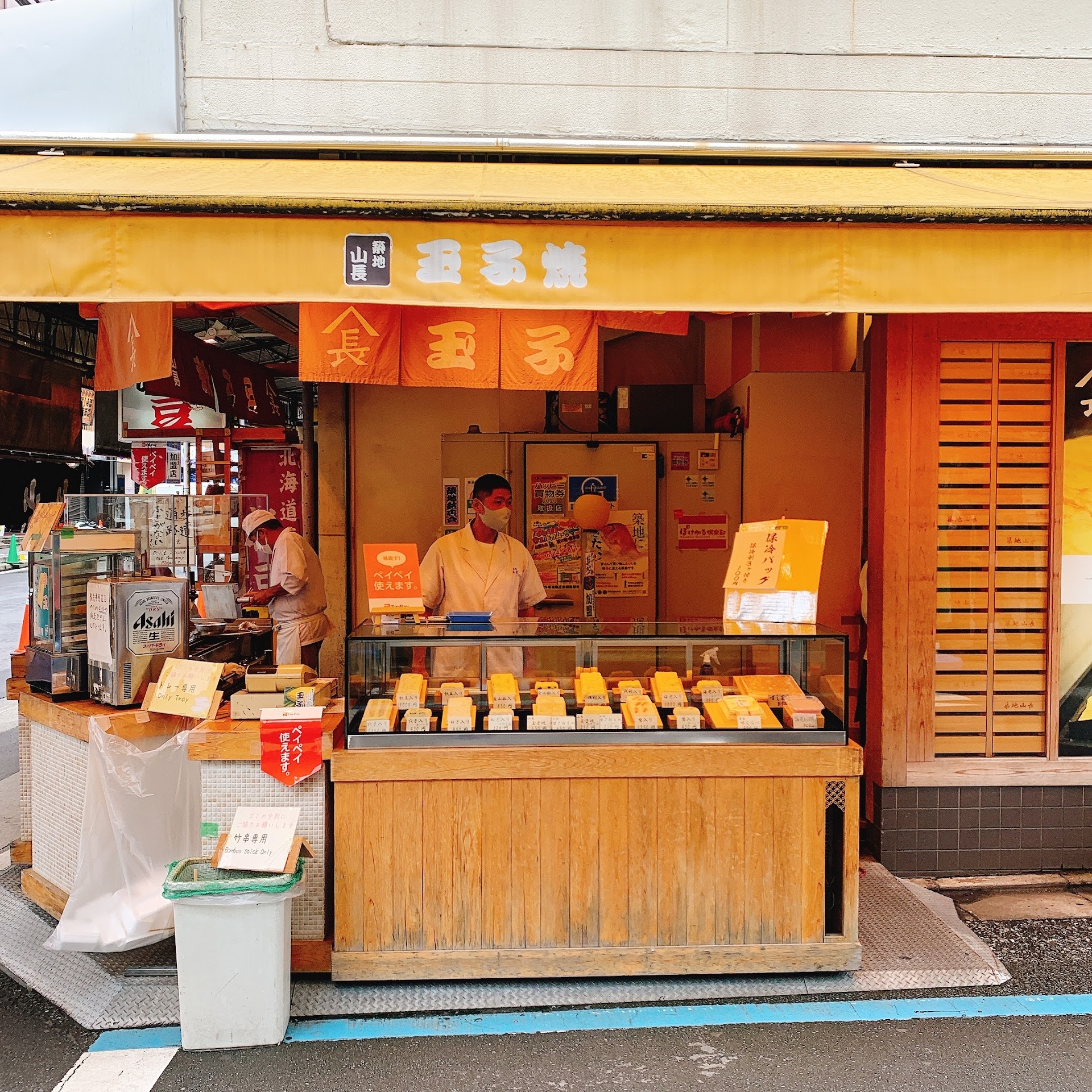
About 60 meters into the lane, a cart-style vendor rolls tamagoyaki to order in a rectangular copper pan. This isn’t the sweet Kyoto style or the dashi-heavy Tokyo version you get at sushi counters — it’s a hybrid, slightly savory, slightly sweet, dense enough to hold its shape on a wooden skewer. The vendor wraps each roll in wax paper and hands it off in under two minutes. It’s a two-bite breakfast item, and most regulars order one while still moving. The cart occupies the same spot six mornings a week (closed Wednesdays).
- 📍 Mid-section, Yanaka Ginza shopping street, Yanaka, Taito City
- 💰 ¥200 per skewer (~$1.40 USD)
- ⏰ 7:30 AM – 11:00 AM (closed Wednesdays)
- ⭐ 4.7
What locals know: Order two. The first one goes fast; the second one you’ll actually taste. Cash only — exact change appreciated, but ¥500 coins are fine.
Kayaba Coffee — Pour-Over and Morning Toast
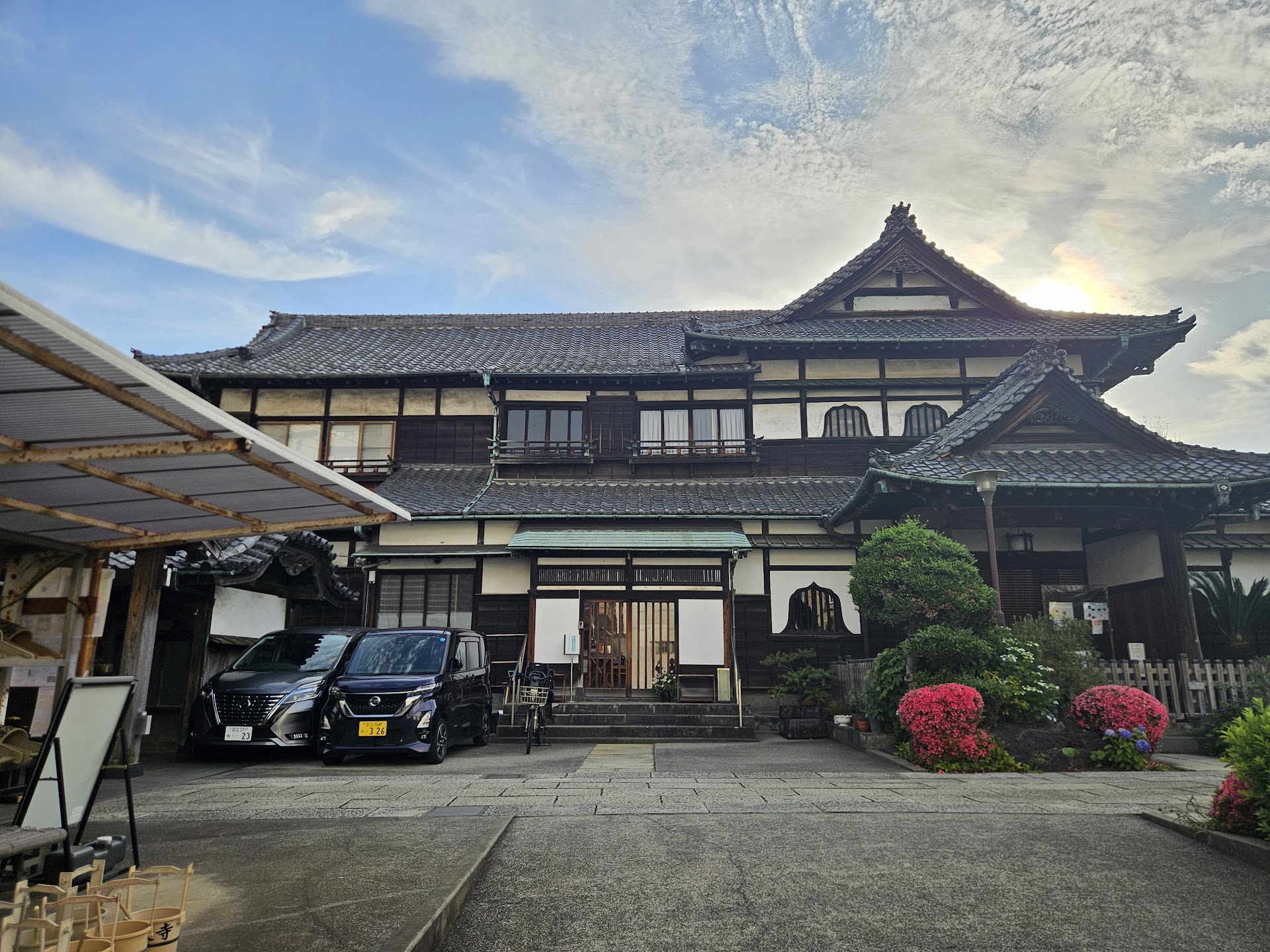
Built inside a restored 1938 wooden machiya townhouse at the eastern edge of Yanaka, Kayaba Coffee is as close as Tokyo gets to a neighborhood café that refuses to modernize and is better for it. The interior — low wooden tables, worn tile counters, staff in aprons — operates at a pace that makes you slow down. The morning set (モーニングセット) is the move: a thick slice of white bread toasted on a cast-iron press, served with butter and a choice of jam or egg salad, alongside a hand-drip coffee. It’s not a destination meal; it’s a pause that resets the itinerary.
- 📍 6-1-29 Yanaka, Taito City, Tokyo 110-0001
- 💰 Morning set ¥750 (
$5.20 USD); coffee alone ¥550 ($3.80 USD) - ⏰ 8:00 AM – 6:00 PM (Mon–Fri), 8:00 AM – 7:00 PM (weekends)
- ⭐ 4.5
What locals know: Arrive within the first 20 minutes of opening to get a window seat facing the courtyard. The queue forms fast on weekends — weekday mornings are significantly calmer.
Hagiso Café — Light Breakfast in a Renovated Arts Space
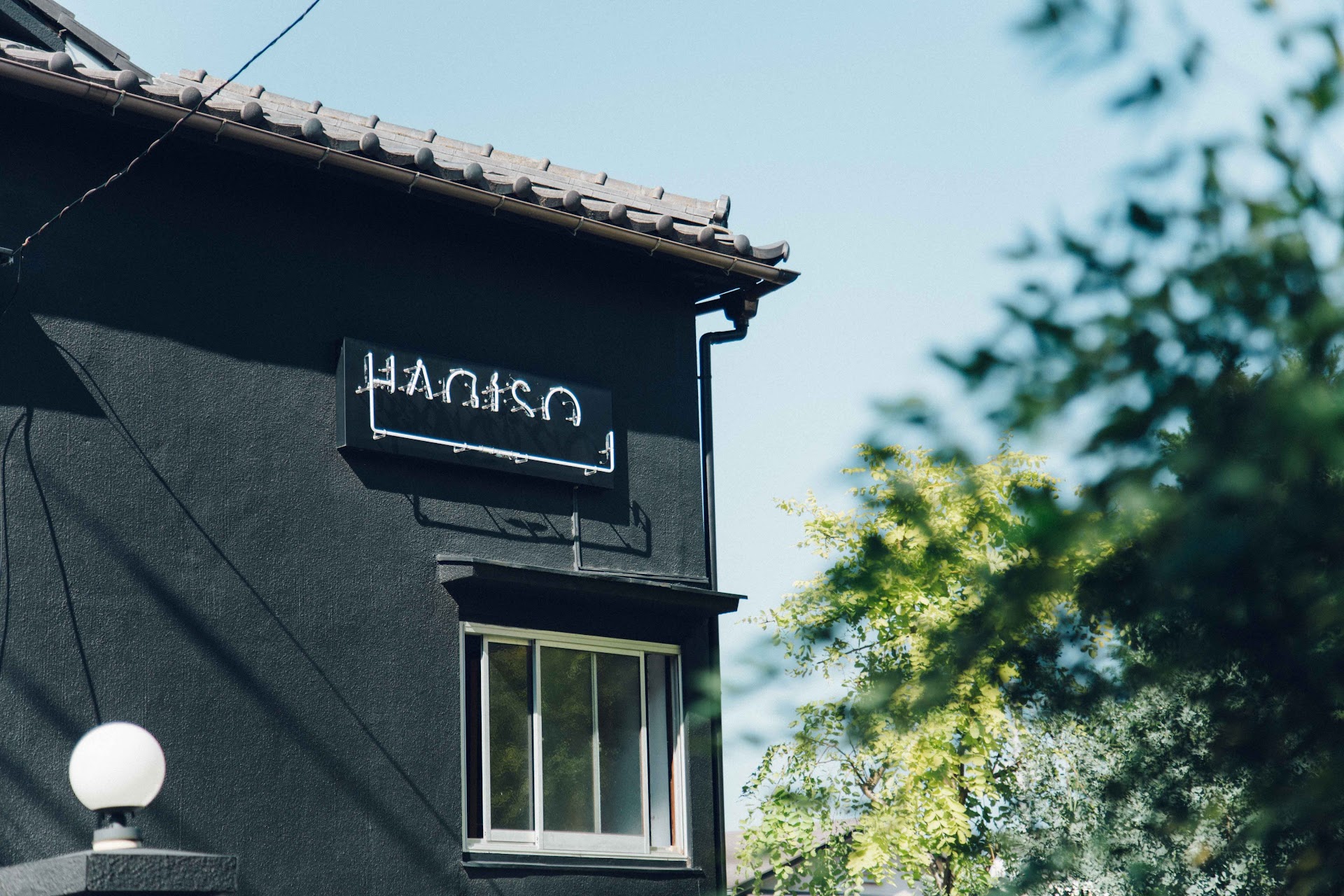
Hagiso started as an art installation in 2013 — a group of Tokyo University of the Arts graduates converted a condemned 1955 wooden apartment building into a pop-up exhibition, and it drew enough attention that the building was saved and turned permanent. The café on the ground floor serves a rotating seasonal breakfast plate: typically a small bowl of rice porridge or grain salad, pickled vegetables, a soft-boiled egg, and miso soup. The plates change monthly based on what the kitchen is working with. It’s a short, light meal designed to accompany the morning rather than anchor it.
- 📍 3-10-25 Yanaka, Taito City, Tokyo 110-0001
- 💰 Breakfast plate ¥1,100–¥1,400 (~$7.60–$9.70 USD)
- ⏰ 8:00 AM – 11:00 AM (breakfast); closed Tuesdays
- ⭐ 4.4
What locals know: The café doubles as a gallery — check the Hagiso website before visiting to see what’s installed. Some exhibitions require a small entry fee (¥500), but the café itself is always free to enter.
Yanaka Cemetery Path — Melon Pan from the Street Vendor
At the northern edge of Yanaka Ginza, a stone path leads into Yanaka Cemetery — one of Tokyo’s oldest, dating to 1874, and genuinely beautiful in the early morning when light filters through the zelkova trees. Just before the cemetery entrance, a small bakery cart parks from around 7:30 AM and sells melon pan baked fresh from a van oven. The crust is scored in the classic crosshatch pattern, golden and just set, with a brioche-soft center. It’s street bread, not artisan bread — and that’s exactly the point. The vendor is usually gone by 10 AM once the tray empties.
- 📍 Yanaka Cemetery entrance path, near Nippori Station, Taito City
- 💰 ¥180 per melon pan (~$1.25 USD)
- ⏰ ~7:30 AM until sold out (typically by 10:00 AM)
- ⭐ 4.5
What locals know: Eat it warm, outside, on the cemetery path itself. There are stone benches 30 meters in. It’s quiet, it’s shaded, and no one will rush you.
Recommended Route
This route is designed for a 7:30 AM start from Nippori Station (JR Yamanote Line or Keisei Line). Total walking distance is approximately 1.2 km. Block out 2.5 hours comfortably.
- 7:30 AM — Exit Nippori Station south exit. Walk 4 minutes to Yanaka Ginza entrance.
- 7:35 AM — Stop 1: Yanaka Senbei. Order two crackers. Eat while walking. (~10 min)
- 7:50 AM — Stop 2: Yanaka Tamagoyaki cart. One skewer, order while walking. (~8 min)
- 8:05 AM — Stop 3: Hagiso Café. Sit down for the seasonal breakfast plate. (~30 min)
- 8:40 AM — Walk north through the lane toward the cemetery path. (~6 min)
- 8:46 AM — Stop 4: Melon Pan cart at cemetery entrance. Buy one, walk into the cemetery. Eat on a bench. (~20 min)
- 9:10 AM — Walk back through the lane, south toward Kayaba Coffee. (~12 min walk)
- 9:25 AM — Stop 5: Kayaba Coffee. Morning toast set and coffee. Sit. This is the long stop. (~40 min)
- 10:05 AM — Route complete. Lane is filling up. Good time to leave.
Budget · Transport · Booking
Total food spend for the route: approximately ¥2,800–¥3,200 per person (~$19–$22 USD), including coffee.
Transport: Nippori Station is on the JR Yamanote Line (direct from Shinjuku: 25 min, ¥220 / ~$1.55) and the Keisei Main Line (from Ueno: 5 min, ¥160 / ~$1.10). IC card (Suica or Pasmo) is the fastest way to tap in and out. No car needed — Yanaka Ginza is a pedestrian lane.
Booking: None of the five stops on this route require advance reservations. Kayaba Coffee does not take bookings — it’s first-come. Hagiso does not take breakfast reservations either. Arrive early; that’s the only booking strategy that works here.
Budget summary for a half-day:
- Transport (round trip from central Tokyo): ¥440–¥600 (~$3–$4)
- Food (all 5 stops): ¥2,800–¥3,200 (~$19–$22)
- Total:
¥3,300–¥3,800 ($23–$26 USD)
Must-Know Tips
- 💴 Bring cash, small bills. The senbei stall, tamagoyaki cart, and melon pan vendor are all cash-only. A mix of ¥1,000 notes and ¥500 coins covers everything on this route.
- 🕖 7:30 AM is not optional. By 10:00 AM, the tamagoyaki cart is often sold out and Kayaba has a queue. The early start isn’t a suggestion — it’s what makes this route work.
- 🚫 Photography at Yanaka Cemetery: The cemetery is public and photography is generally accepted along the main paths. Avoid photographing specific grave markers closely — treat it the way you’d treat any active burial site.
- 🌧️ Light rain is fine; heavy rain changes the route. The senbei stall and melon pan cart have minimal cover. If rain is forecast, lead with Kayaba Coffee and Hagiso, then move to covered stops.
- 👟 Wear flat shoes. The lane itself is level, but the cemetery path has uneven stone pavement and the walk from Nippori involves a short staircase descent.
- 🗣️ Basic Japanese goes far here. “Kore wo hitotsu kudasai” (これを一つください — “one of this, please”) with a point handles every food transaction on this route. Vendors near the lane entrance see tourists regularly and are patient, but a small effort is always appreciated.
Closing
Yanaka Ginza at 7:30 AM is one of those places that makes a city feel like it belongs to the people who actually live in it — unhurried, unpolished, and built around routines that have outlasted every trend. The senbei vendor has been grilling before the city’s Instagram era; Kayaba Coffee has been pouring before influencer itineraries existed. That longevity is the reason to go early, before the lane fills up and the pace shifts.
The actionable takeaway: Save this route, set an alarm for 7:00 AM on your first full Tokyo morning, and take the Yamanote Line to Nippori. Everything on this list is open, affordable, and within a 12-minute walk of the station. No reservations, no cover charges, no wristbands. Just a working neighborhood that happens to have exceptional breakfast.
🏨 Where to Stay
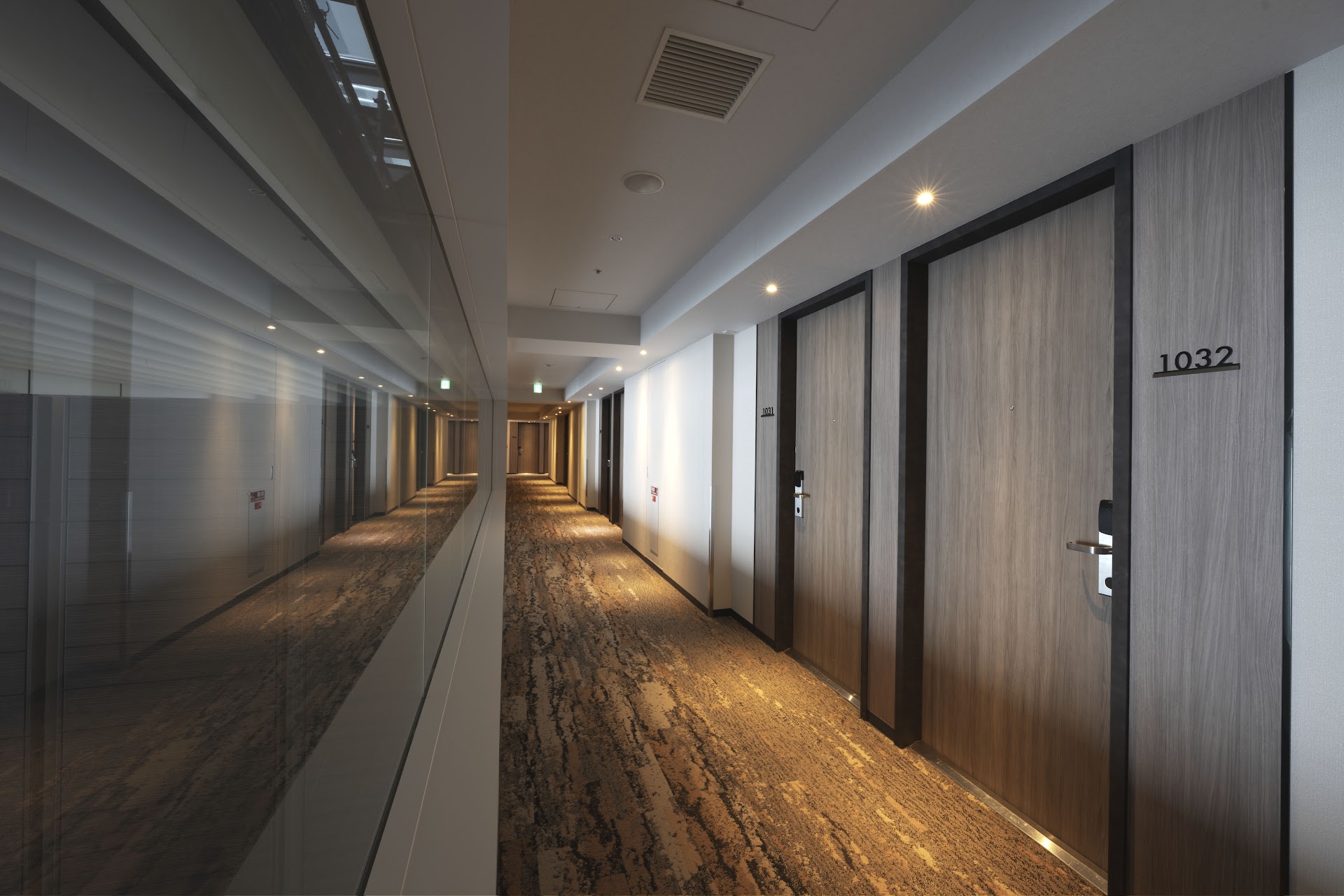 Hotel Villa Fontaine Grand Tokyo-Shiodome⭐ 4.0 · 8.7/10 (14,993) · $84 /night
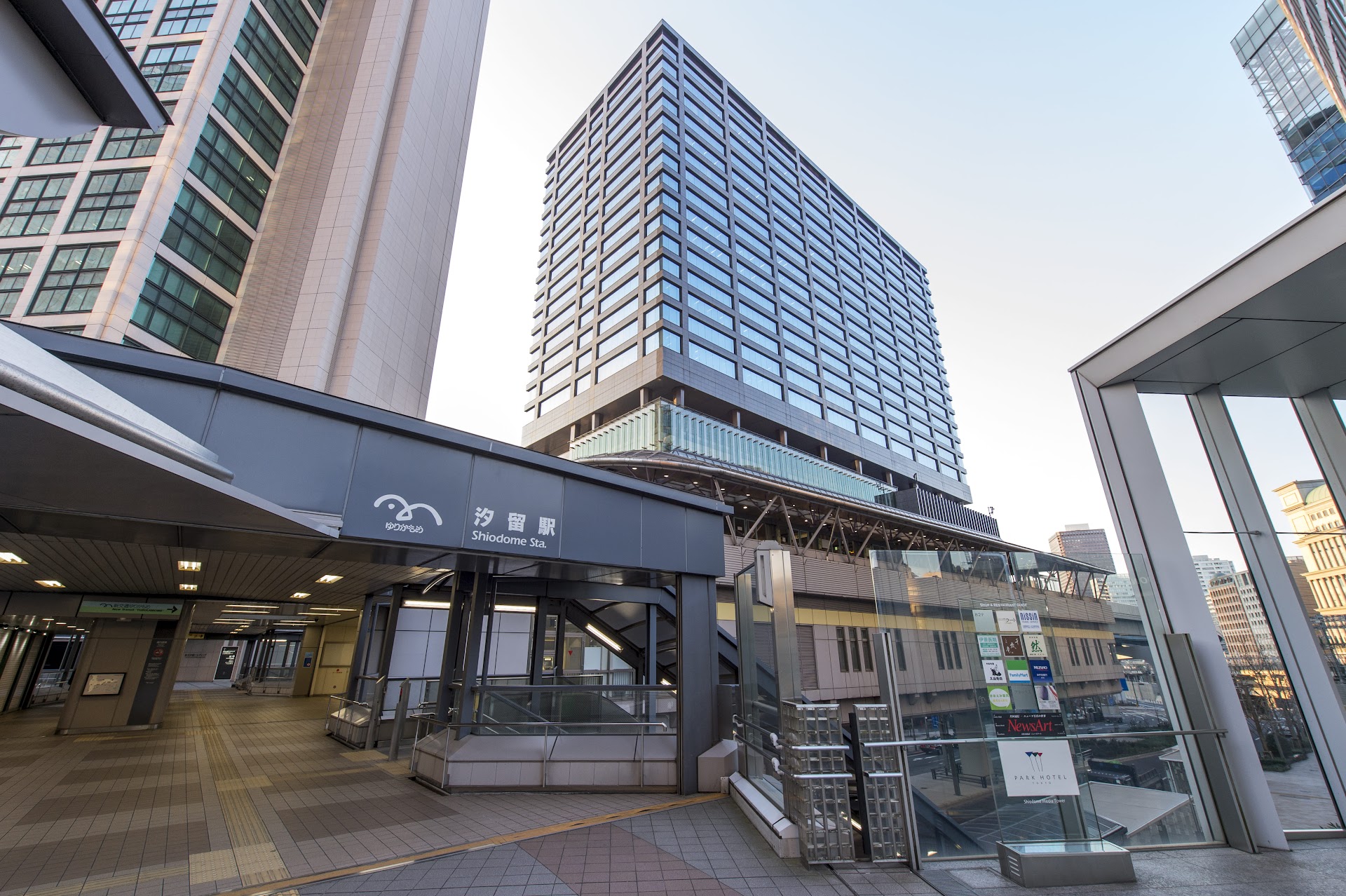 Millennium Mitsui Garden Hotel Tokyo / Ginza⭐ 5.0 · 8.9/10 (10,684) · $266 /night
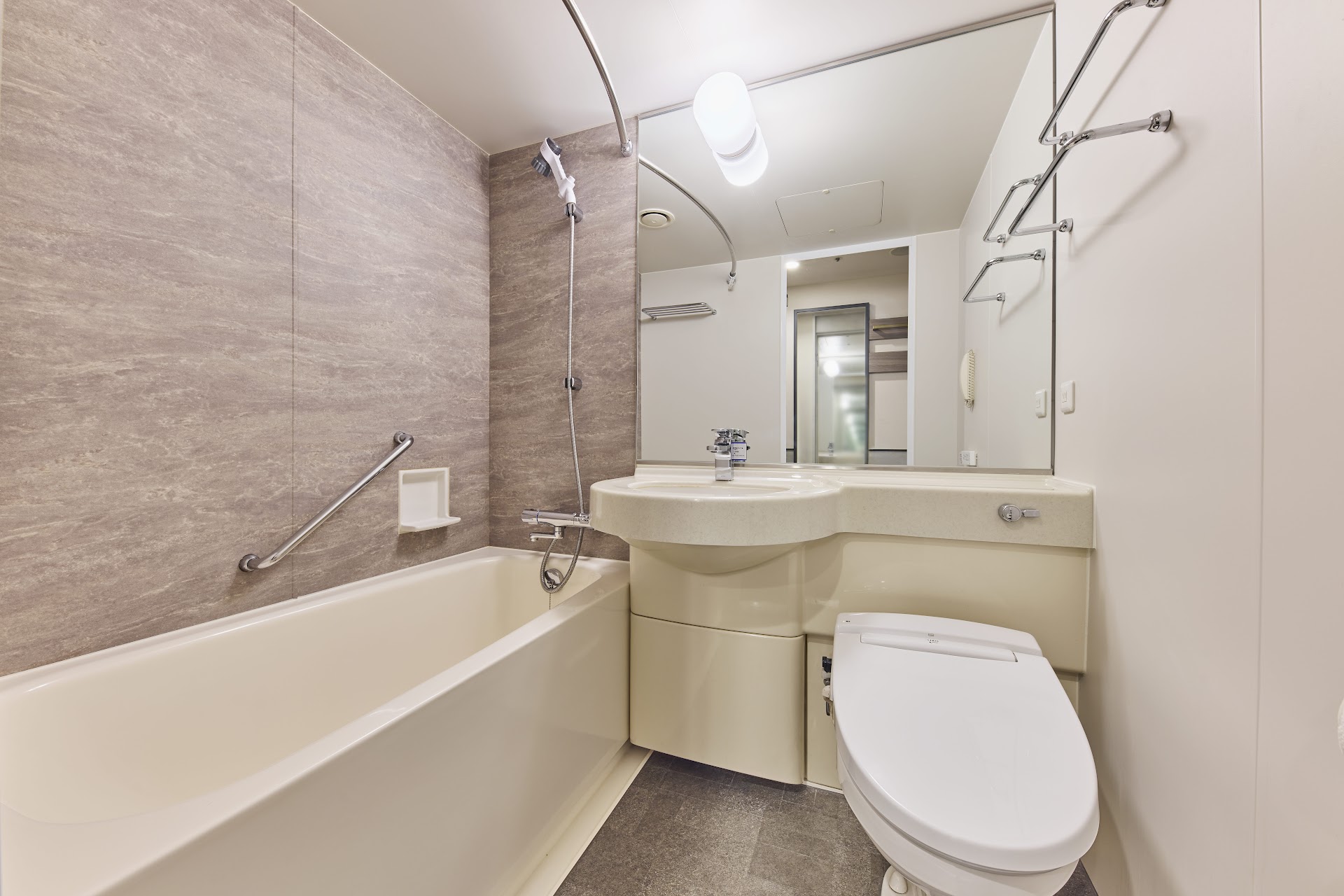 HOTEL MUSSE GINZA MEITETSU⭐ 3.5 · 8.7/10 (9,279) · $111 /night
Agoda affiliate link — clicks go to the price-comparison page.