Tokyo’s Quietest Food Street — 7 Stops Locals Actually Go To
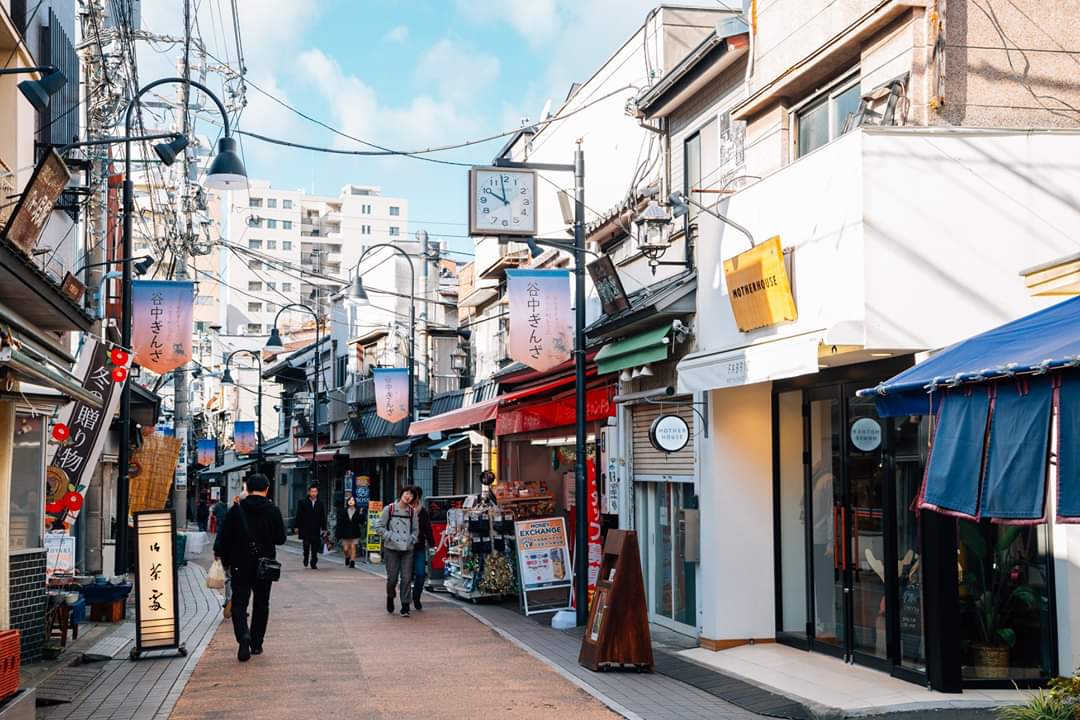
While most visitors to Tokyo are elbowing through Asakusa or queuing for conveyor-belt sushi in Shinjuku, a narrow shotengai called Yanaka Ginza sits a few train stops north, almost entirely unbothered. This 170-meter covered shopping street has been feeding the same neighborhood since the postwar years — and if you show up before 10 AM on a weekday, it still feels exactly like that.
Best Timing
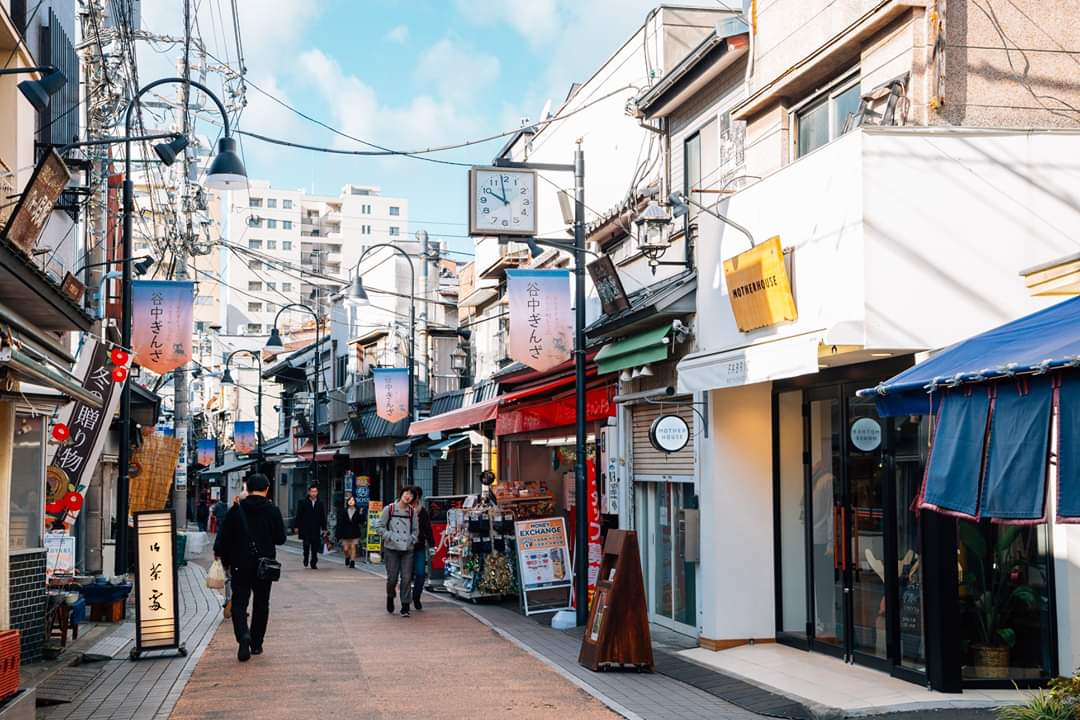
The best months to visit Yanaka Ginza are March through early May and October through November, when Tokyo’s weather is mild, the light is clean, and the street doesn’t trap heat the way it does in August. Summer is genuinely brutal here — the shotengai has no air conditioning and the afternoon crowd can compress the narrow lane wall-to-wall. Come in autumn and the wooden storefronts look like a film set.
The single most important timing decision is arriving before 10 AM. Most stalls open by 9 or 9:30, and the neighborhood regulars — retired couples, moms with strollers, the guy who eats menchi-katsu here three times a week — arrive early. By noon, a handful of Tokyo food bloggers and day-trippers from Ueno have discovered the place. By 2 PM, the best menchi-katsu is sold out. Go early — here’s why it matters for every stop below.
Core Experiences
Yanaka Ginza Shotengai Entrance & Cat Street
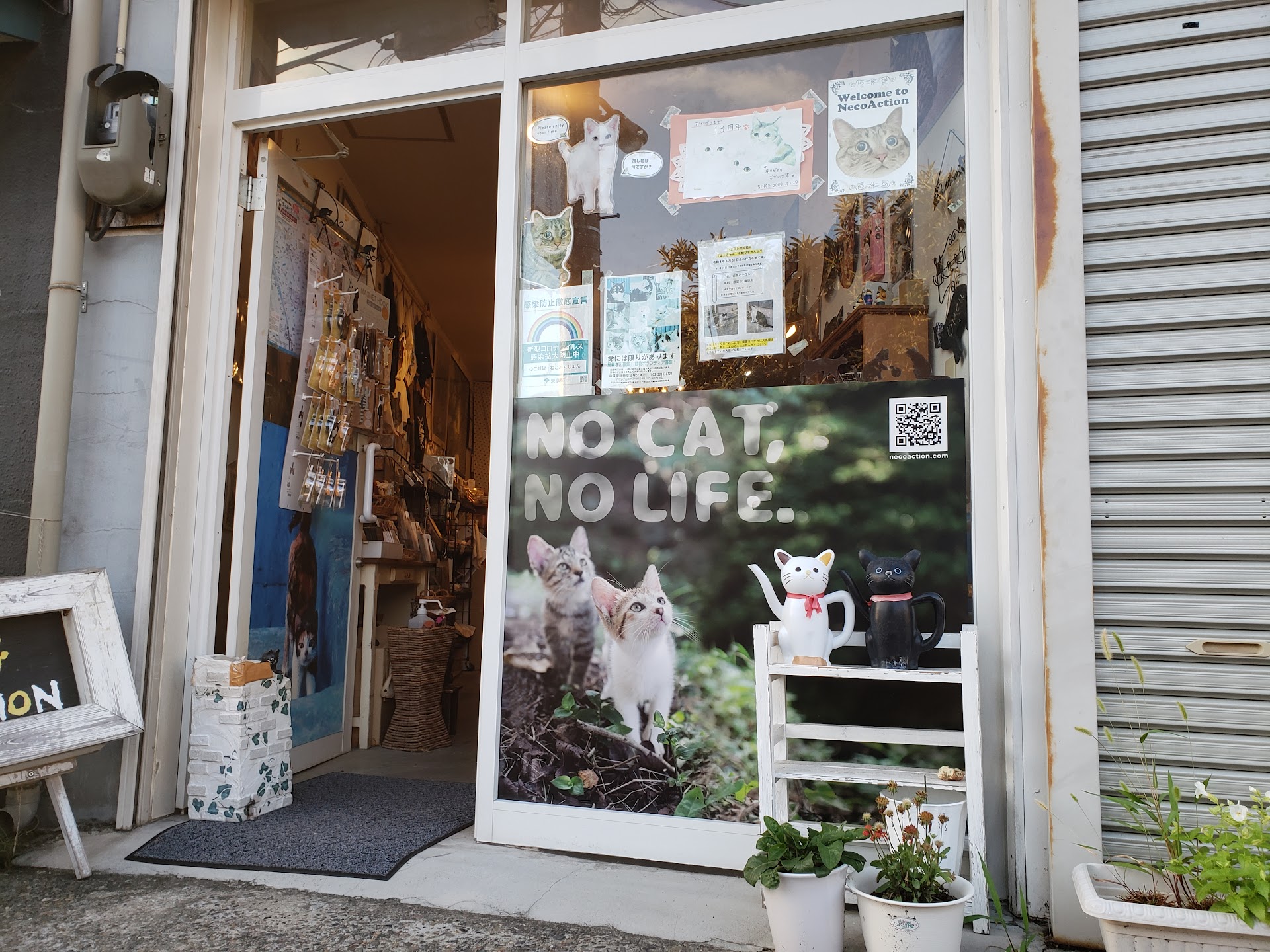
The entrance to Yanaka Ginza drops you down a gentle stone staircase called Yūyake Dandan — Sunset Steps — which faces west and is famous for its evening light. But the morning version is just as good: low golden sun cutting between the traditional tile rooftops that line the alley behind the main street. The neighborhood kept much of its Showa-era wooden architecture because Yanaka escaped the firebombing of World War II, and it escaped the 1970s redevelopment boom that erased most old Tokyo neighborhoods. Walking in, you notice immediately that the stores are selling things people actually buy: tofu, pickles, fresh fish, hardware. There are also cats — Yanaka is one of Tokyo’s most famous cat neighborhoods, and the stray colony here has been documented, named, and painted on tiles along the entrance wall.
- 📍 Nishi-Nippori Station (JR Yamanote Line), 5-minute walk · or Nippori Station, 8-minute walk
- 💰 Free to enter
- ⏰ Street-level stores: most open 9:00–18:00; some close Monday or Tuesday
- ⭐ 4.7
What locals know: The steps are quietest between 8:30 and 9:00 AM before vendors finish their setup. That window gives clean photos with no foot traffic and the smell of miso soup drifting from the tofu shop to the left.
Yanaka Menchi (Menchi-Katsu)
If there’s one thing Yanaka Ginza is known for beyond the cats, it’s menchi-katsu — a deep-fried minced-meat cutlet that costs around ¥250–¥280 per piece (roughly $1.70–$1.90 USD). Yanaka Menchi is the shop with the line. The cutlets come out of the fryer in small batches throughout the morning, and the rule is simple: if there’s a line, join it — the wait is rarely more than 10 minutes and the cutlet is served in a paper sleeve hot enough to require a moment’s patience before biting in. The outer crust is finely crumbed and audibly crisp; the interior is a blend of pork and beef that stays juicy without being greasy. It’s the kind of food that costs nothing and tastes like it cost something.
- 📍 Yanaka Ginza, roughly Stop 3 in from the Yūyake Dandan entrance (look for the line)
- 💰 ¥250–¥280 per piece (~$1.70–$1.90 USD); cash only
- ⏰ Opens around 10:00; sold out most days by 14:00–15:00
- ⭐ 4.8
What locals know: They make multiple batches — if the tray looks empty, ask. Waiting 5 minutes for a fresh batch beats eating a cooled one. Also: there’s a second menchi-katsu shop 30 meters further down. It’s good, but the regulars don’t debate which one wins.
Kaya Coffee (Yanaka’s Standing Coffee Bar)
Half the shotengai runs on walk-and-eat logic — no chairs, no menus, just a counter and a handwritten board. Kaya Coffee is a standing espresso bar tucked into a gap between a pickle shop and a dry goods store. The setup is two stools at a fold-out ledge, a bag of single-origin beans from a roaster in Yanesen (the collective neighborhood name for Yanaka, Nezu, and Sendagi), and a barista who will ask you exactly one question about milk. The coffee is ¥450–¥550 (~$3–$3.75 USD) for a latte, and the paper cup is small by American standards — this is not a 20-oz proposition. It’s a stop, not a session.
- 📍 Yanaka Ginza, mid-street section near the covered market block
- 💰 Espresso from ¥350 (
$2.40 USD); lattes ¥450–¥550 ($3–$3.75 USD); cash preferred - ⏰ ~9:00–17:00; closed irregularly (check the chalkboard sign on the gate)
- ⭐ 4.5
What locals know: Order the plain espresso and drink it at the ledge, watching the street. The roast skews medium-light and holds up without milk — this isn’t the place to customize. It’s the place to pause.
Sato Suisan (Fresh Fish & Tamagoyaki)
In a shotengai dominated by fried things and sweets, Sato Suisan is the fish counter that reminds you this neighborhood has been buying protein the same way since the 1950s. The shop sells whole fish, sliced sashimi-grade cuts, and — critically — tamagoyaki: thick, slightly sweet rolled omelettes made fresh each morning. A slice goes for around ¥200–¥300 (~$1.35–$2 USD), cut to order and wrapped in paper. The color is deep gold from the dashi, and the sweetness level is calibrated for the Tokyo palate — meaning it’s a condiment-level sweet, not a dessert. Pair it with one of the pickled vegetable bags from the shop next door and you have a complete, coherent snack.
- 📍 Yanaka Ginza, upper section near Sendagi end of the street
- 💰 Tamagoyaki slice ¥200–¥300 (~$1.35–$2 USD); whole fish market prices vary; cash only
- ⏰ ~9:00–17:30; may close early when stock sells out
- ⭐ 4.6
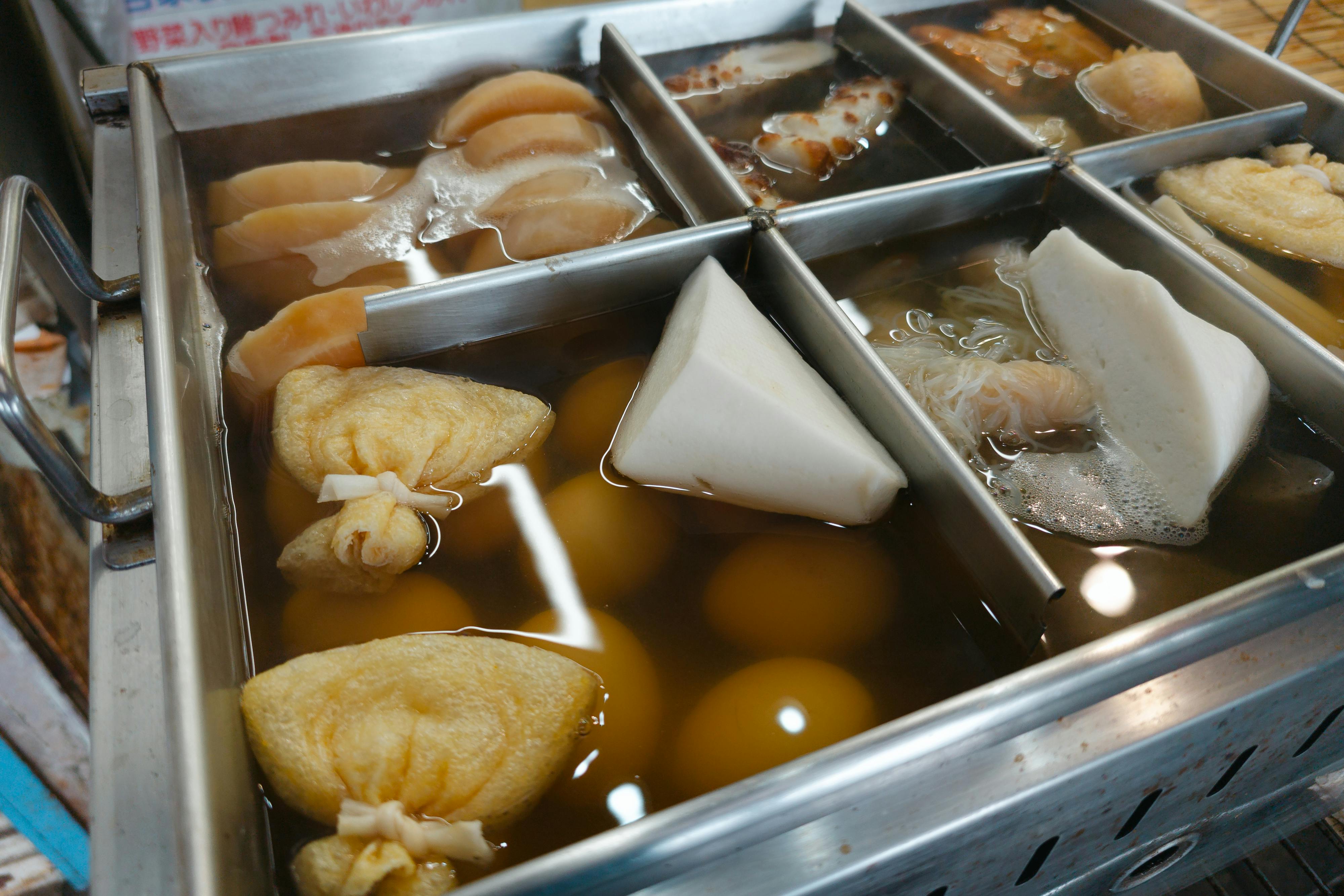
What locals know: The tamagoyaki sells out fast on weekends. If the counter display shows only a stub of the roll, ask for the next one — they roll continuously through the morning. Also: the shop sells housemade fish paste cakes (oden-style) in winter that are worth seeking.
Yanaka Reien (Yanaka Cemetery & Surrounding Lanes)
A few steps past the north end of the shotengai, the street opens up into Yanaka Reien — one of Tokyo’s oldest cemeteries, established in 1874, and paradoxically one of its most pleasant green spaces. Locals use it as a shortcut, a morning walk path, and in spring, a hanami spot (the cherry trees here are dense and largely unphotographed by the tourist circuit). The cemetery is not a tourist attraction in the conventional sense — there’s no entrance fee, no audio guide, no queue. It’s simply there, quiet, and connected by a series of narrow lanes to the Yanesen neighborhood that makes Yanaka Ginza possible. The Yanaka Reien morning walk is one of the best free 30-minute loops in Tokyo: enter from the north end of the shotengai, follow the main allée, exit toward Nippori Station.
- 📍 North end of Yanaka Ginza; formal entrance on Yanaka 7-chome
- 💰 Free
- ⏰ Open all hours; best light 7:00–9:00 AM
- ⭐ 4.7
What locals know: The main allée runs roughly north-south and is wide enough for two bicycles side by side — it’s an actual commuter route. Following it straight through takes about 12 minutes. Side lanes branch into residential blocks where the architecture (wooden two-story houses, low stone walls, temple gates) is largely unchanged from the 1960s.
Recommended Route
Here’s the route we’d actually walk — half a day, starting early:
- 7:30 AM — Arrive at Nishi-Nippori Station. Walk 5 minutes toward the Yūyake Dandan steps. The street is quiet; vendors are setting up. Take photos of the steps and the rooftop line without crowds. (15 min)
- 8:00 AM — Explore the side lanes behind the shotengai entrance. Yanaka’s residential blocks are at their most atmospheric now — garbage trucks and tofu deliveries, not tourists. (20 min)
- 9:00 AM — Yanaka Ginza opens properly. Start at Kaya Coffee for an espresso. Stand at the ledge. (15 min)
- 9:30 AM — Move to Sato Suisan for a slice of fresh tamagoyaki. Eat it standing at the counter edge while chatting with whoever’s waiting. (10 min)
- 10:00 AM — Yanaka Menchi opens. Join the line. Order two pieces — one to eat immediately, one to carry. (15 min)
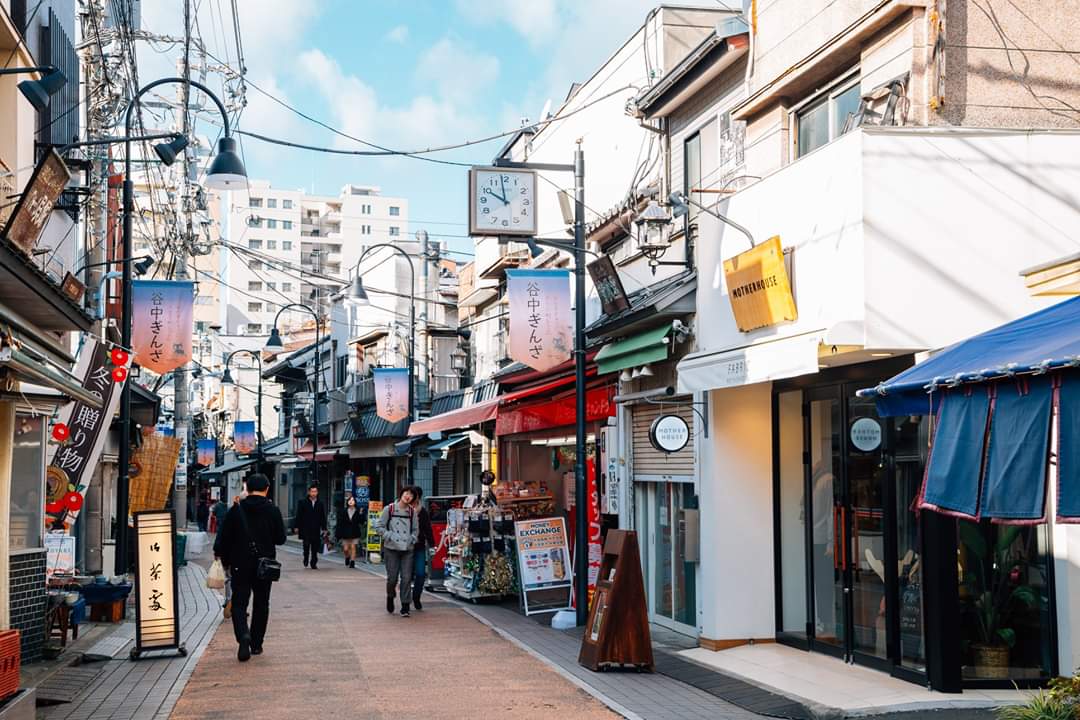
- 10:30 AM — Browse the rest of the shotengai at a slow pace. Stop at pickle vendors, the toy shop that’s been here since 1960, the confectionery selling ningyo-yaki (small molded cakes). No pressure to buy. (30 min)
- 11:00 AM — Walk north through Yanaka Reien. Take the main allée, branch off once into the residential lanes, exit toward Nippori Station. (30 min)
- 11:30 AM — Done. Nippori Station connects back to Yamanote Line in 12 minutes.
Total time: ~4 hours. Total walking: ~3 km, entirely flat.
Budget · Transport · Booking
Getting there:
- 🚇 JR Yamanote Line to Nishi-Nippori Station (~12 min from Shinjuku, ~8 min from Ueno). IC card fare from Shinjuku:
¥200 ($1.35 USD) - 🚇 Alternatively, Tokyo Metro Chiyoda Line to Nezu Station — a slightly longer walk (12 min) but takes you through the quietest back lanes
Day budget breakdown:
- Coffee at Kaya: ~$3.50
- Tamagoyaki at Sato Suisan: ~$2
- Menchi-katsu (2 pieces): ~$3.80
- Pickles / sweets / extras: ~$5–8
- Yanaka Reien: free
- Transport (round trip from Shinjuku): ~$2.70
- Total day estimate: $17–20 USD for a full morning
Booking: Nothing here requires advance reservations. This is a walk-in, cash-first neighborhood. Bring at least ¥3,000 in cash — most small vendors do not accept IC cards or credit cards. Some do; most don’t.
Skip it if: You’re staying in Shibuya and don’t want to spend 40 minutes each way. The content here is excellent but not destination-level unless you enjoy slow neighborhood exploration.
Must-Know Tips
- 💴 Cash is essential. The majority of Yanaka Ginza vendors are cash-only. The nearest 7-Eleven ATM is a 3-minute walk from the entrance — use it before you start.
- 🕘 Arrive before 10 AM. Menchi-katsu sells out. Morning light is better. Crowds are minimal. The entire experience is calibrated to early arrivers.
- 📷 Photography is welcome outdoors. Do not photograph inside private shops without asking. Most shopkeepers are fine with it, but the ask is important — this is a working neighborhood, not an open-air museum.
- 👟 Wear comfortable, flat shoes. The stone steps at Yūyake Dandan are shallow but uneven. The cemetery lanes have cobblestone sections.
- 🐱 The cats are not a performance. Yanaka’s cats are semi-feral and well-managed by a local TNR (trap-neuter-return) program. Don’t attempt to pick them up. Photographing from a respectful distance is fine.
- 🏪 Monday closures are common. Several shops close on Mondays (and sometimes Tuesdays). The shotengai itself stays open, but individual vendor availability varies. Tuesday through Sunday gives the fullest experience.
Closing
Yanaka Ginza doesn’t have a signature dish or a headline attraction. What it has is coherence — a neighborhood that decided, consciously or by inertia, to stay what it was. The shotengai runs on repeat customers, and those customers come back because the tamagoyaki is made the same way it was made in 1970 and the menchi-katsu still costs less than a vending machine coffee in Shibuya. That’s not nostalgia. That’s just a neighborhood that works.
The actionable takeaway: Swap one Asakusa morning for a Yanaka morning. Take the Yamanote to Nishi-Nippori, arrive before 10, follow the route above stop by stop. Block out four hours. You won’t need more.
🏨 Where to Stay
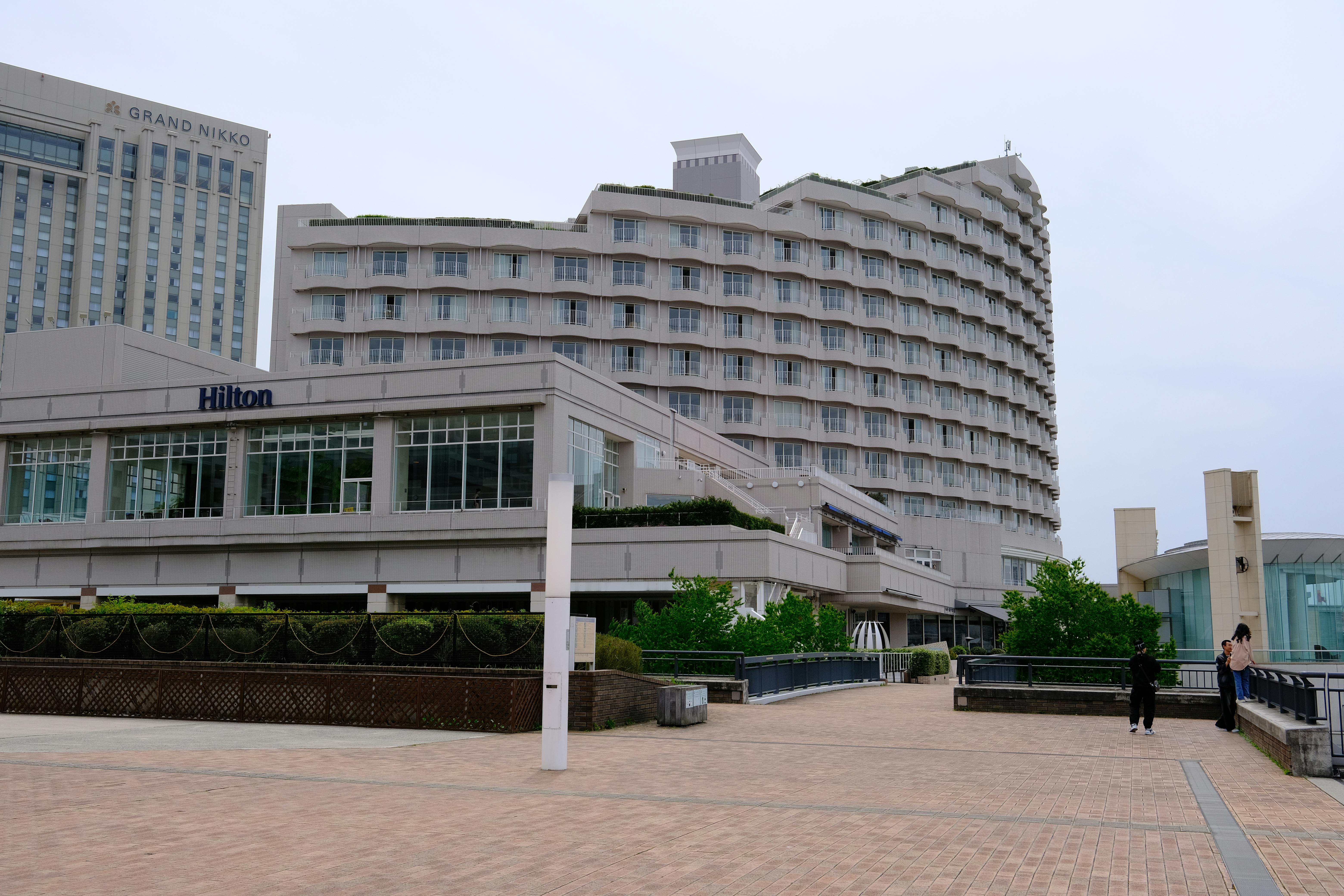 Smile Hotel Tokyoayaseekimae⭐ 3.0 · 7.7/10 (5,266) · $48 /night
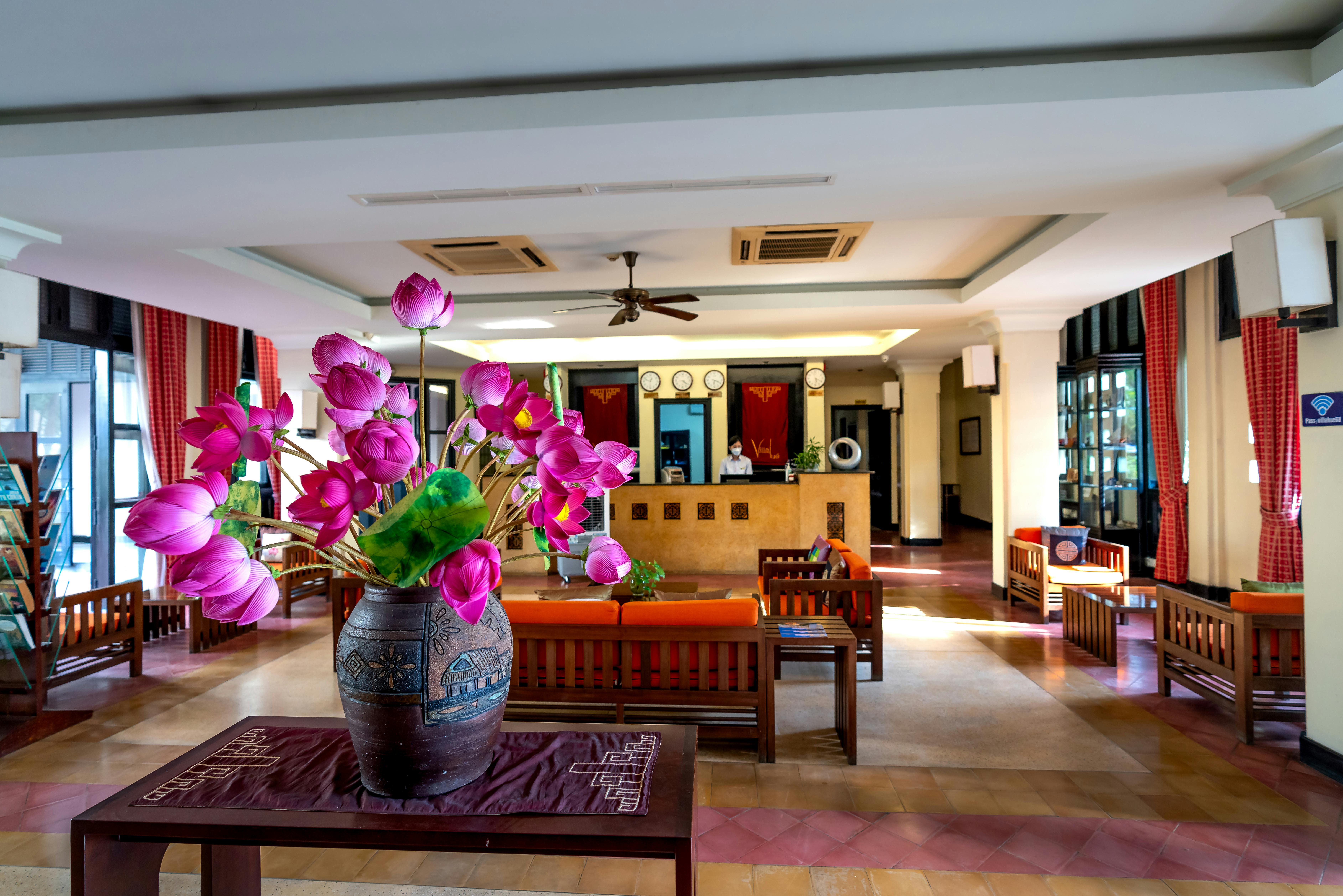 APA Hotel Ayase Ekimae⭐ 3.0 · 8.5/10 (2,680) · $65 /night
Agoda affiliate link — clicks go to the price-comparison page.