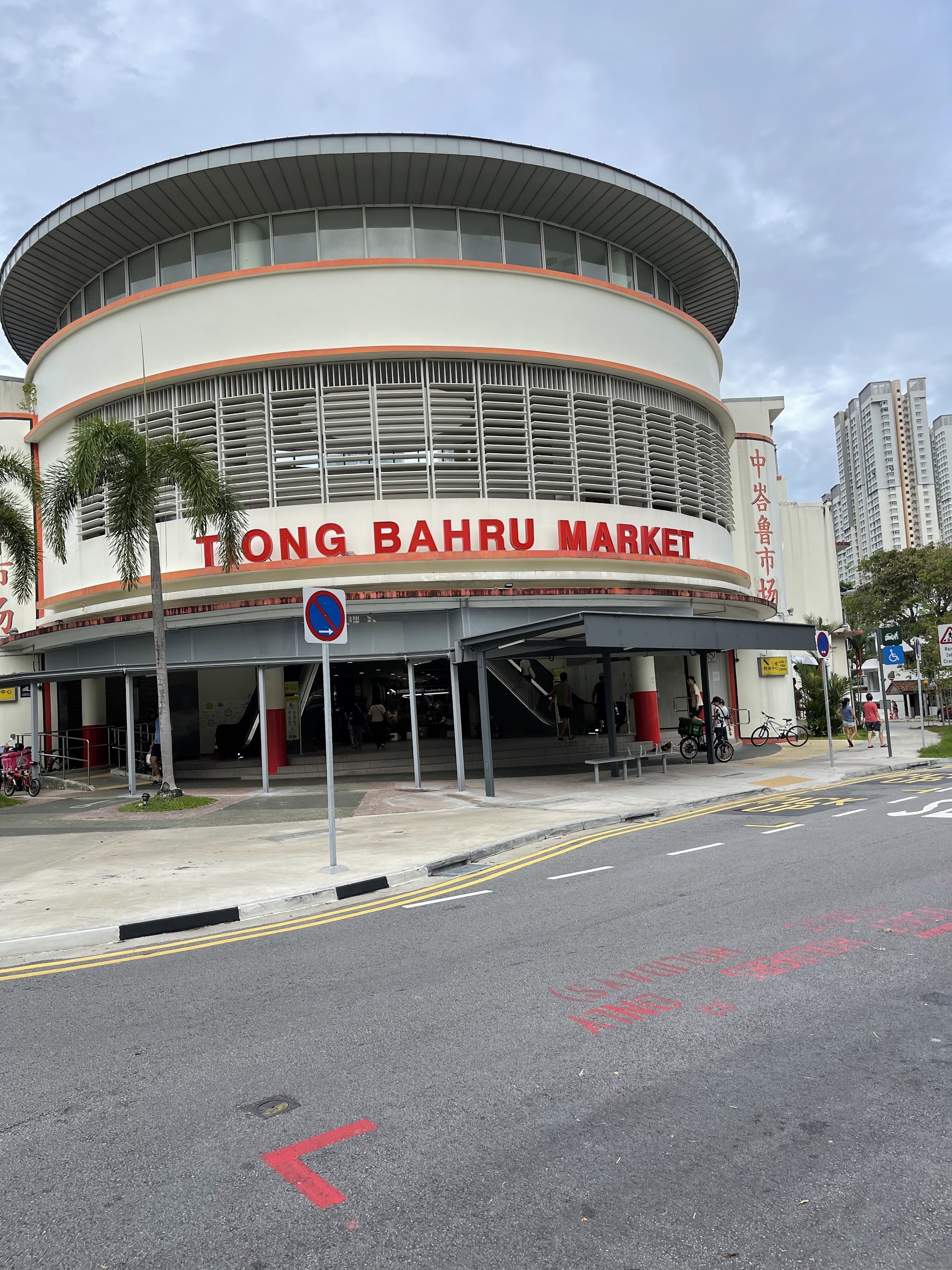
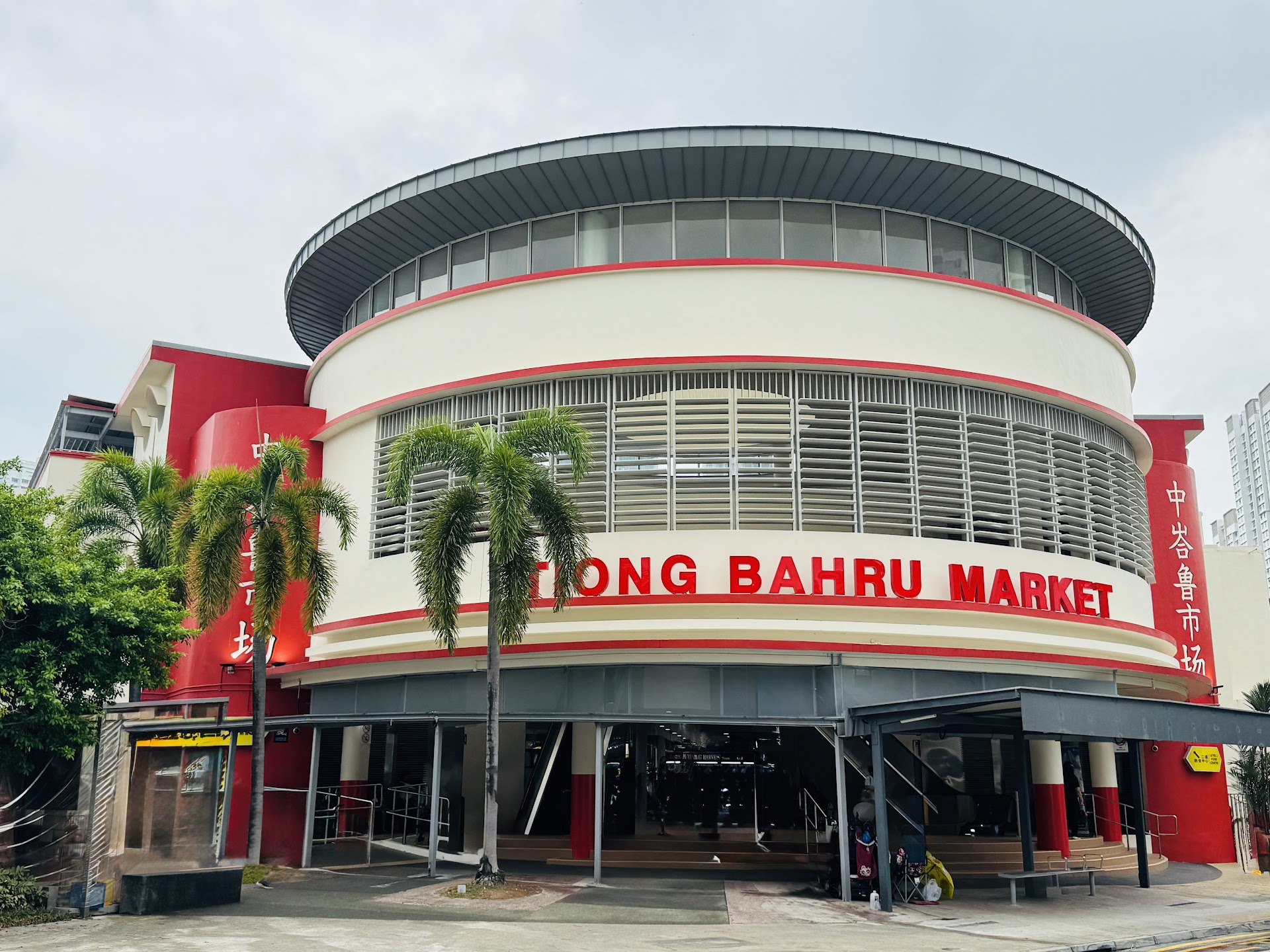
Singapore has no shortage of hawker centres, but Tiong Bahru Market operates on a different frequency entirely. Open since the 1950s and tucked inside one of the city’s most beloved art deco neighborhoods, it draws a loyal crowd of elderly regulars, young professionals, and in-the-know visitors who show up before 8 AM and leave full for under $10. This is the morning food route worth building your whole first day around.
Best Timing
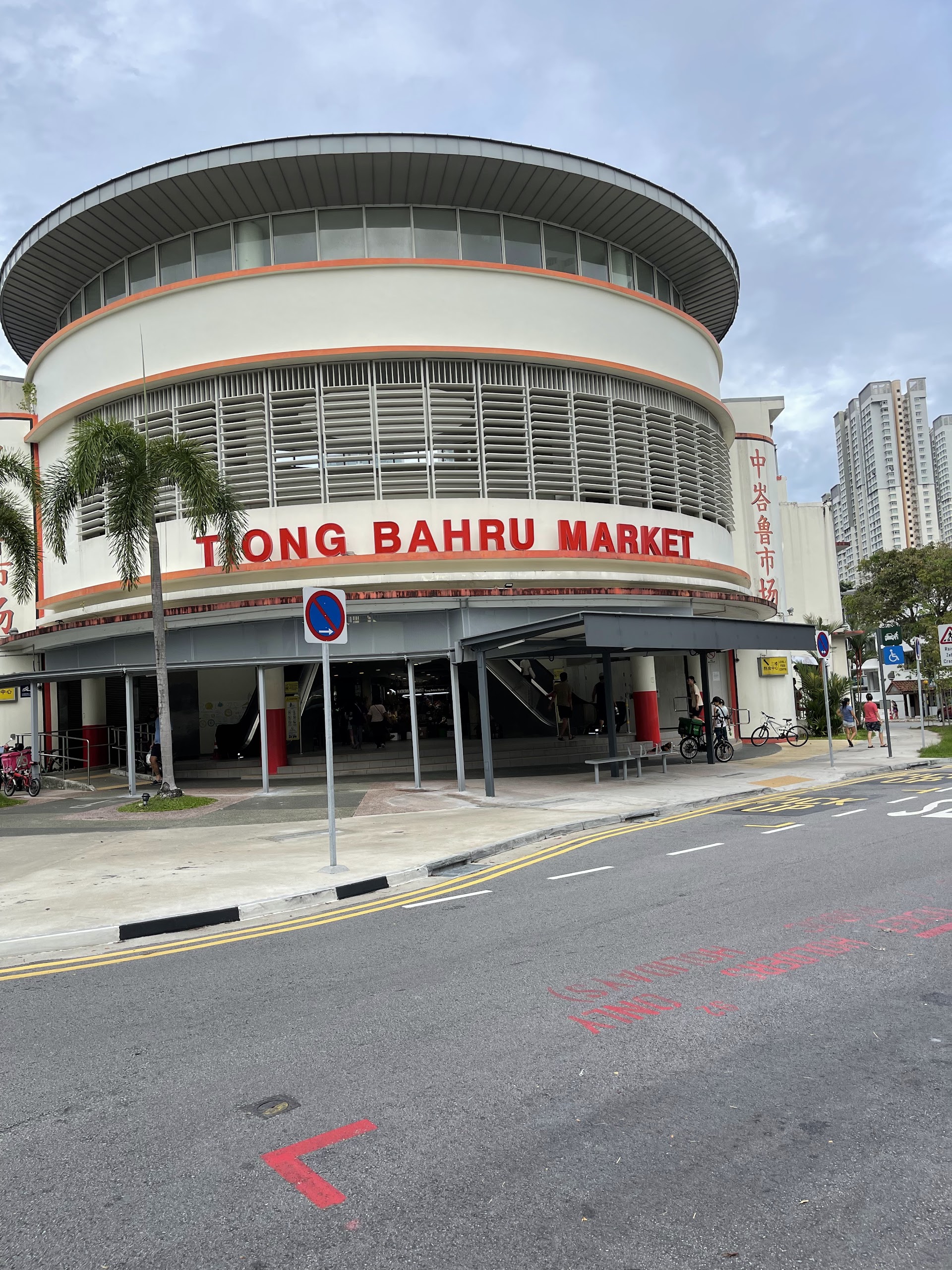
Tiong Bahru Market is a breakfast-and-lunch operation. The sweet spot is 7:00 AM to 9:30 AM — stalls are fully stocked, queues are manageable, and the light filtering through the second-floor windows makes the whole market feel cinematic. By 10:30 AM, the most popular stalls start running out of key items (the soon kueh goes fast), and by noon the ground floor wet market crowds spill into the cooked food centre. Come early or rethink the plan.
The best months are January through early April and October through November — outside Singapore’s two main monsoon windows. Even so, the market is an indoor, covered venue, so a passing shower won’t derail the route. Humidity is a factor year-round; light, breathable clothes are non-negotiable. Avoid the market on Chinese New Year morning — it’s a local tradition but the queues triple overnight.
Core Experiences
Fried Char Kway Teow at Tiong Bahru Fried Kway Teow
This is the stall that anchors every serious Tiong Bahru itinerary. The flat rice noodles arrive in a dark, slightly smoky soy-and-lard base, loaded with cockles, Chinese sausage, and bean sprouts — all cooked over high flame in a well-seasoned wok that has been in continuous use since the 1970s. The wok hei (breath of the wok) is real and immediate. It’s the kind of dish that makes you understand why Singaporeans will queue 40 minutes before their first coffee. The stall is run by a second-generation hawker who still hand-selects the cockles each morning. Order the regular, not the large — the ratio of ingredients to noodles is better.
- 📍 Tiong Bahru Market, #02-30, 30 Seng Poh Rd, Singapore 168898 · 💰 ~$3.50–$5 USD · ⏰ Tue–Sun, 6:30 AM–12:00 PM · ⭐ 4.8
- Locals know: Go before 8 AM on weekdays — the Saturday queue can stretch 25+ minutes and the stall sometimes sells out of cockles by 9.
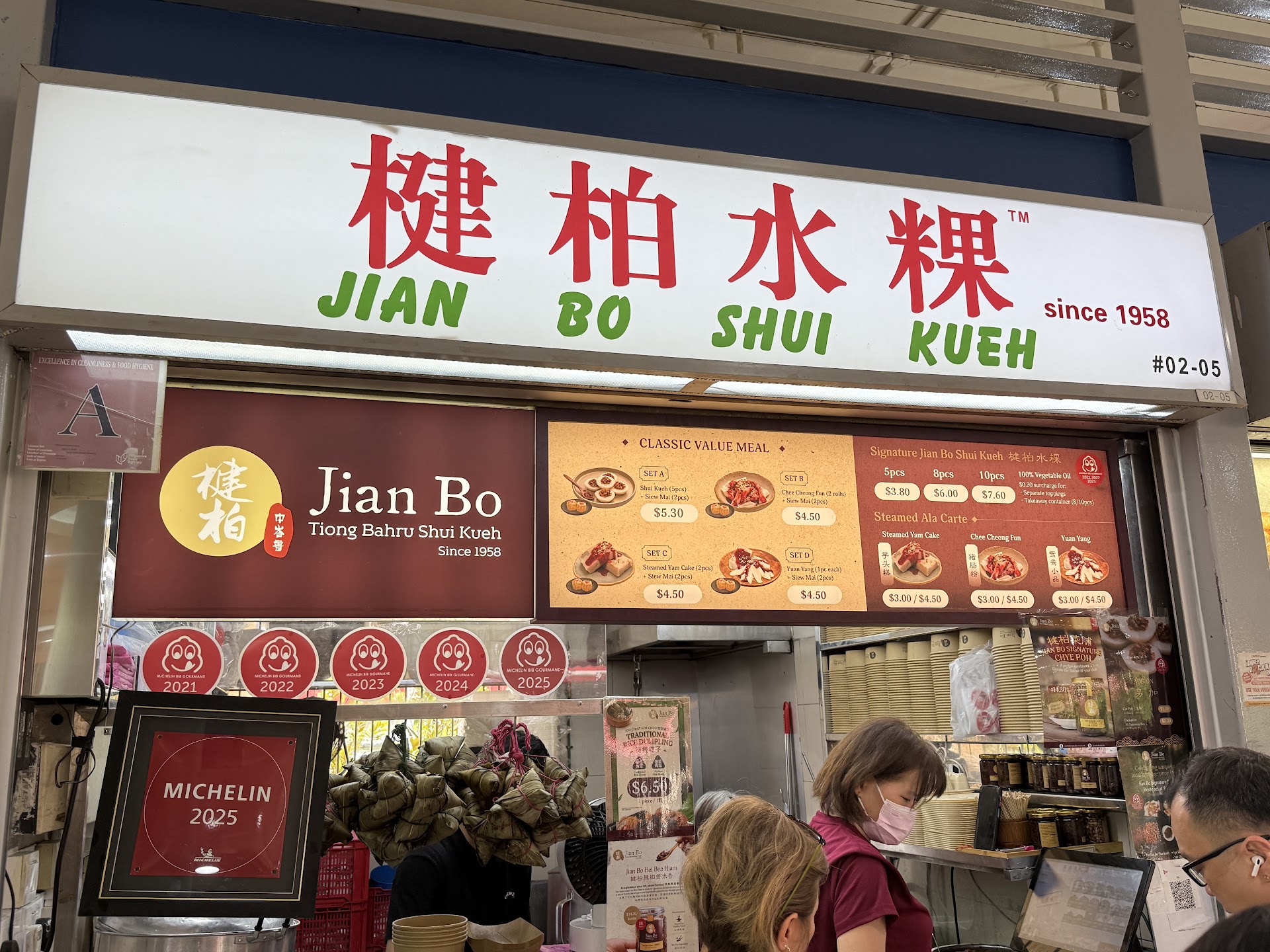
Soon Kueh at Jian Bo Shui Kueh
Jian Bo is arguably the most photographed stall in the building, and for good reason — the trays of pale, glistening steamed rice dumplings stacked floor-to-ceiling are a visual statement before they’re a meal. Soon kueh (turnip and bamboo shoot dumplings wrapped in rice flour skin) and the classic shui kueh (plain steamed rice cake topped with chai poh — preserved radish) are the two orders to make. Both come with a thin sweet soy and sambal option on the side. The texture is soft and yielding, the flavor restrained and deeply satisfying in the way that only traditional Teochew breakfast food can be. This stall has been operating at Tiong Bahru since the 1950s and the recipe is unchanged.
- 📍 Tiong Bahru Market, #02-05, 30 Seng Poh Rd · 💰 ~$1.50–$3 USD for 3–4 pieces · ⏰ Daily, 6:00 AM–10:30 AM (sells out early) · ⭐ 4.7
- Locals know: Point at the soon kueh first — it moves faster than shui kueh in the morning rush and the last tray sometimes disappears by 9:15 AM.
Roti Prata at Tiong Bahru Roti Prata
A few steps from the soon kueh stall, the griddle is already going at 6:30 AM. Roti prata — the flaky, layered flatbread of South Indian origin that Singapore has fully claimed as its own — comes plain, with egg, or with onion, and arrives with a side of fish or mutton curry for dipping. The plain prata here is thin, crispy on the outside, and soft in the center; the egg version adds a richness that makes it closer to a full meal. It’s one of the best value items on the route at under two US dollars a piece. The cook works fast and without ceremony, which is exactly right.
- 📍 Tiong Bahru Market, #02-01, 30 Seng Poh Rd · 💰 ~$1–$2 USD per piece · ⏰ Daily, 6:30 AM–11:00 AM · ⭐ 4.5
- Locals know: Order one plain and one egg — it’s a better sample than doubling up on either, and the curry dipping sauce ratio works across both.
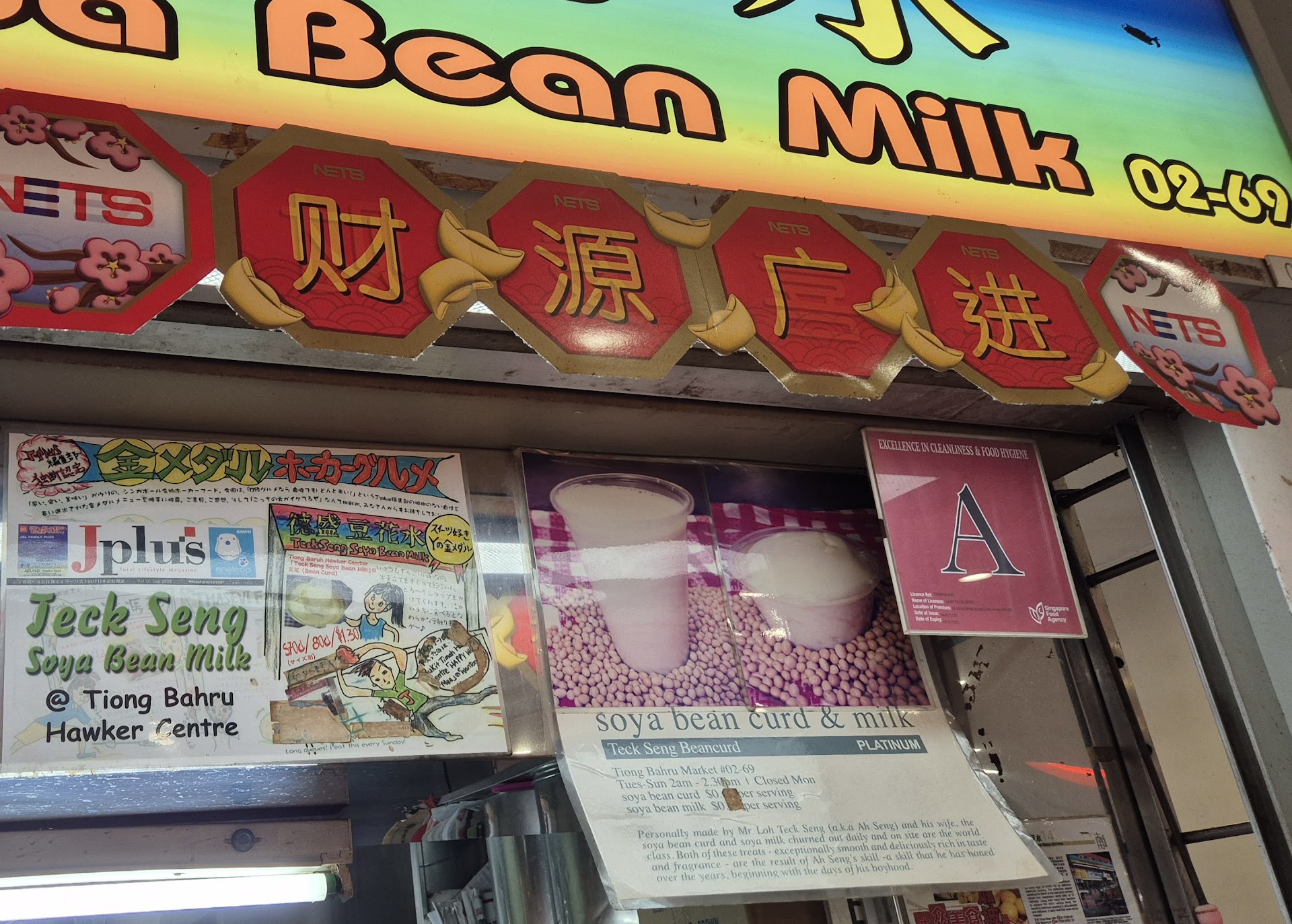
Tao Huay (Soy Bean Pudding) at Tong Aik
After two savory stops, this is the palate reset the route needs. Tong Aik has been serving silken tofu pudding — tao huay — at Tiong Bahru for decades. The texture is barely-set, trembling, and delicate in a way that mass-produced versions never achieve. It’s served warm with a light sugar syrup, or cold if you ask. A single bowl costs about a dollar. The stall also does soy milk, which is worth ordering alongside — fresh, lightly sweet, and nothing like the carton version. In a market full of heavier morning dishes, tao huay functions as both dessert and digestif.
- 📍 Tiong Bahru Market, #02-03, 30 Seng Poh Rd · 💰 ~$1–$1.50 USD · ⏰ Daily, 7:00 AM–12:00 PM · ⭐ 4.6
- Locals know: Ask for the warm version — the cold bowl is served from a refrigerated unit and loses some of the silken texture that makes this stall worth stopping at.
Ang Mo Kio Fried Hokkien Prawn Mee
The last savory stop on the route is a stall that doesn’t get listed in every travel roundup, which is exactly why it earns a place here. Hokkien mee — thick yellow noodles and thin rice vermicelli wok-fried together in a rich prawn-and-pork broth — is a dish that reveals its quality in the broth depth, and this version is built on a long-simmered prawn stock that you can taste all the way through. It’s served with lime, sambal, and crispy pork lard on the side. At a hawker centre famous for its more delicate dishes, this one brings the weight. It pairs well with the soy milk from the previous stop if you’re eating across the hour.
- 📍 Tiong Bahru Market, #02-16, 30 Seng Poh Rd · 💰 ~$4–$6 USD · ⏰ Wed–Mon, 7:00 AM–1:00 PM · ⭐ 4.5
- Locals know: Order the small portion — the prawn broth is concentrated and the dish is richer than it looks; the small feeds most appetites at the end of a multi-stop morning.
Recommended Route
This route is designed as a 3-hour morning walk built around Tiong Bahru Market and the surrounding neighborhood. Block out 7:00 AM to 10:00 AM.
- 7:00 AM — Arrive at Tiong Bahru Market via the Seng Poh Road entrance. Head directly to the second floor cooked food centre before any ground-floor wet market browsing. The soon kueh and char kway teow queues start building by 7:15.
- 7:05–7:20 AM — Join the queue at Jian Bo Shui Kueh (#02-05). Order 3–4 pieces of soon kueh and shui kueh; eat standing or grab a table on the perimeter while the next stop queue moves. (~$2 USD, ~15 min including wait)
- 7:20–7:50 AM — Move to Tiong Bahru Fried Kway Teow (#02-30). The queue is typically 15–25 minutes on weekday mornings. Worth every minute — eat at one of the shared tables along the center aisle. (~$4 USD)
- 7:50–8:05 AM — Step over to Tiong Bahru Roti Prata (#02-01) for one plain and one egg prata with curry. Quick service, minimal queue before 8:30 AM. (~$3 USD)
- 8:05–8:20 AM — Cool down with a bowl of tao huay and a glass of soy milk at Tong Aik (#02-03). No queue. Eat slowly. (~$2.50 USD)
- 8:20–9:00 AM — Optional: walk the ground floor wet market — the fresh produce and butcher stalls are photogenic and give a full picture of how the neighborhood shops. No purchase required.
- 9:00–9:30 AM — Return to the second floor for a final stop at Ang Mo Kio Fried Hokkien Prawn Mee (#02-16). Order the small. This is the close. (~$4–5 USD)
- 9:30–10:00 AM — Walk the surrounding Tiong Bahru art deco streets (Yong Siak Street is 5 minutes on foot from the market entrance). The neighborhood’s 1930s walk-up blocks and independent bookshop make for a good post-breakfast loop before the heat builds.
Total walking: under 1 km within the market and immediate neighborhood. Total food spend: ~$15–18 USD for all five stops.
Budget · Transport · Booking
Food budget: Plan for $15–20 USD to cover all five stops with drinks. No single item exceeds $6. Cash is strongly preferred at hawker stalls — most do not accept credit cards. The market has an ATM on the ground floor near the Seng Poh Road entrance.
Getting there:
- 🚇 MRT: Tiong Bahru Station (East-West Line, EW17) — 7-minute walk to the market. Exit A, turn left onto Tiong Bahru Road, then right onto Seng Poh Road.
- 🚇 Bus: Routes 16, 33, 63, and 120 stop on Tiong Bahru Road within 5 minutes of the market.
- Grab (Singapore’s primary ride-share) from the city center (Orchard/Marina Bay area) runs approximately $7–10 USD and drops directly at the Seng Poh Road entrance.
Booking: None of these stalls take reservations. Hawker culture runs entirely on queue etiquette — join the line, wait, order at the counter, pay cash. The only planning required is showing up early.
Total morning budget estimate (food + transport): ~$25–30 USD from central Singapore.
Must-Know Tips
- 💰 Bring small Singapore dollar bills. Most stalls don’t break large notes easily before 9 AM. $2 and $5 SGD notes are ideal. ATM is on-site if needed.
- ⏰ 7:00–8:30 AM is the window. After 9 AM, char kway teow and soon kueh frequently sell out. The market technically stays open until early afternoon, but the best stalls operate on hawker hours, not tourist hours.
- 🍴 Eat across multiple stalls, not one big plate. The format rewards grazing — order single portions at each stop, share across two people if traveling as a couple, and pace the route over 90 minutes to give each dish its due.
- 📍 Second floor, not ground floor, for cooked food. The ground floor is the wet market (fresh produce, fish, meat). The hawker stalls are entirely upstairs — first-timers often spend 10 minutes on the ground floor before realizing their mistake.
- 📷 Photography is welcome but read the room. Elderly hawkers who’ve been at their station for 40 years don’t always want a camera in their face during a rush. Shoot the food, the market, the atmosphere — keep the portraits respectful and brief.
- 🌡️ Dress for humid, indoor heat. The market has ceiling fans and natural ventilation but no air conditioning. Linen, moisture-wicking fabric, or just a light cotton t-shirt is the correct call. Avoid carrying a large backpack — the aisles narrow at peak time.
Closing
Tiong Bahru Market is one of those rare places where a city’s food history and daily life are still running in real time — no museum framing, no tourist gloss, just a second-floor room full of people who have been eating the same great breakfast in the same plastic chairs for decades. The char kway teow is as good as anything the city produces. The soon kueh will recalibrate your baseline for what steamed dumplings can be. And the whole route, from first queue to final bowl, costs less than a coffee back home.
The actionable takeaway: Set the alarm for 6:45 AM, take the MRT to Tiong Bahru, bring $20 USD in Singapore dollars, and walk the five stops in order. The whole route is under 1 km and under three hours. It’s one of the most efficient, satisfying, and genuinely local mornings available in Southeast Asia — and it works exactly as mapped.
🏨 Where to Stay
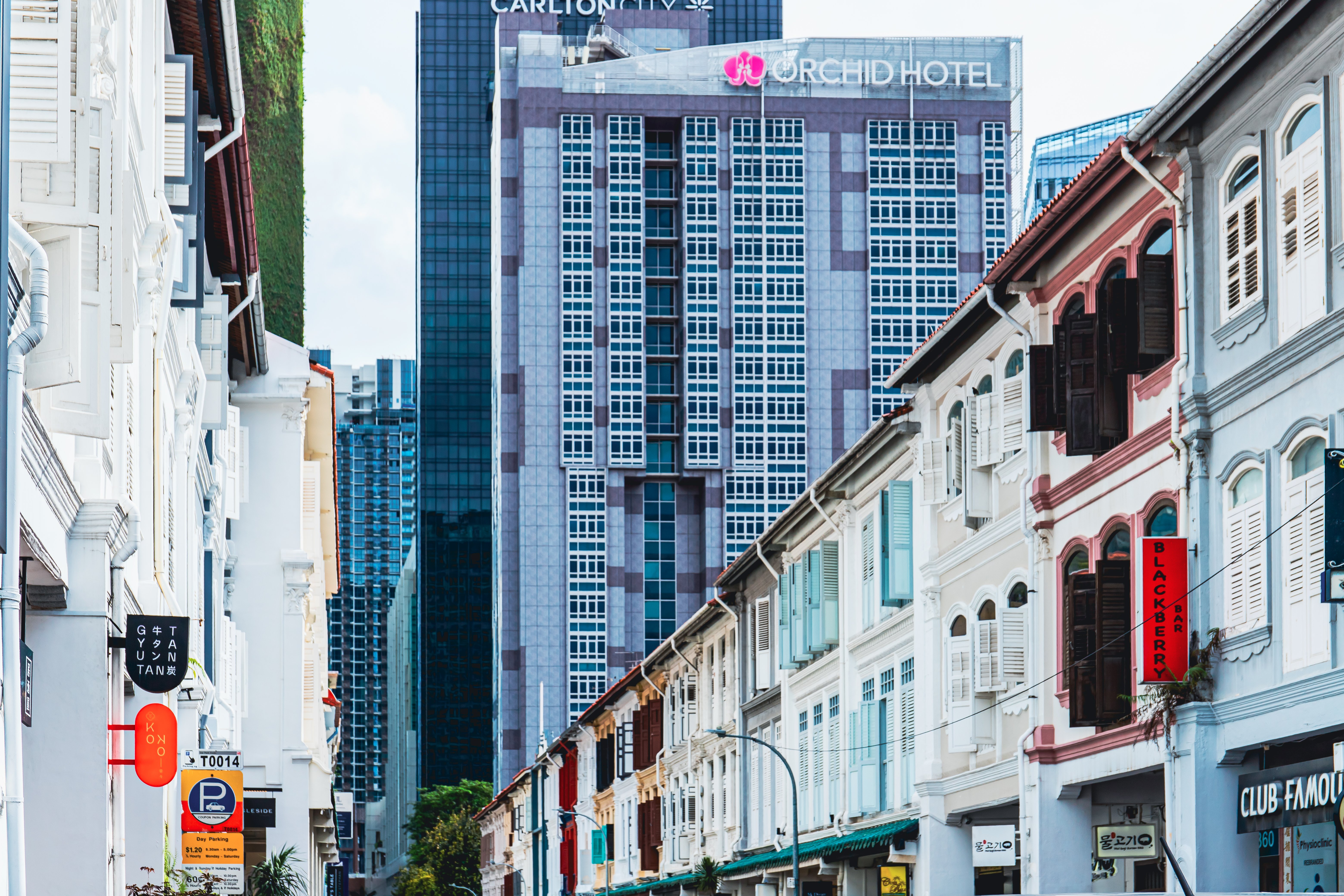 Hotel Boss⭐ 4.0 · 7.9/10 (39,258) · $83 /night
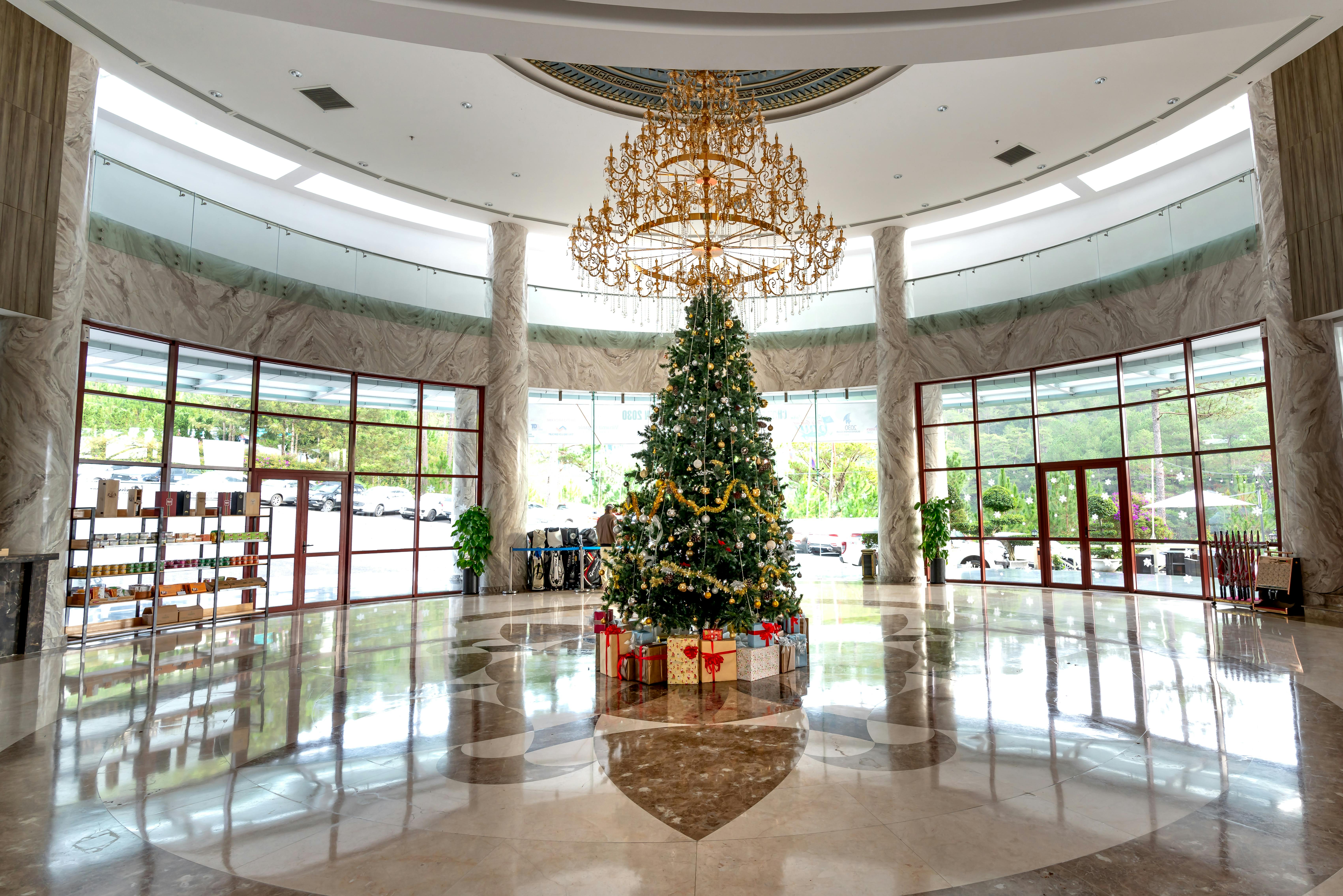 YOTEL Singapore Orchard Road⭐ 4.0 · 8.8/10 (34,660) · $134 /night
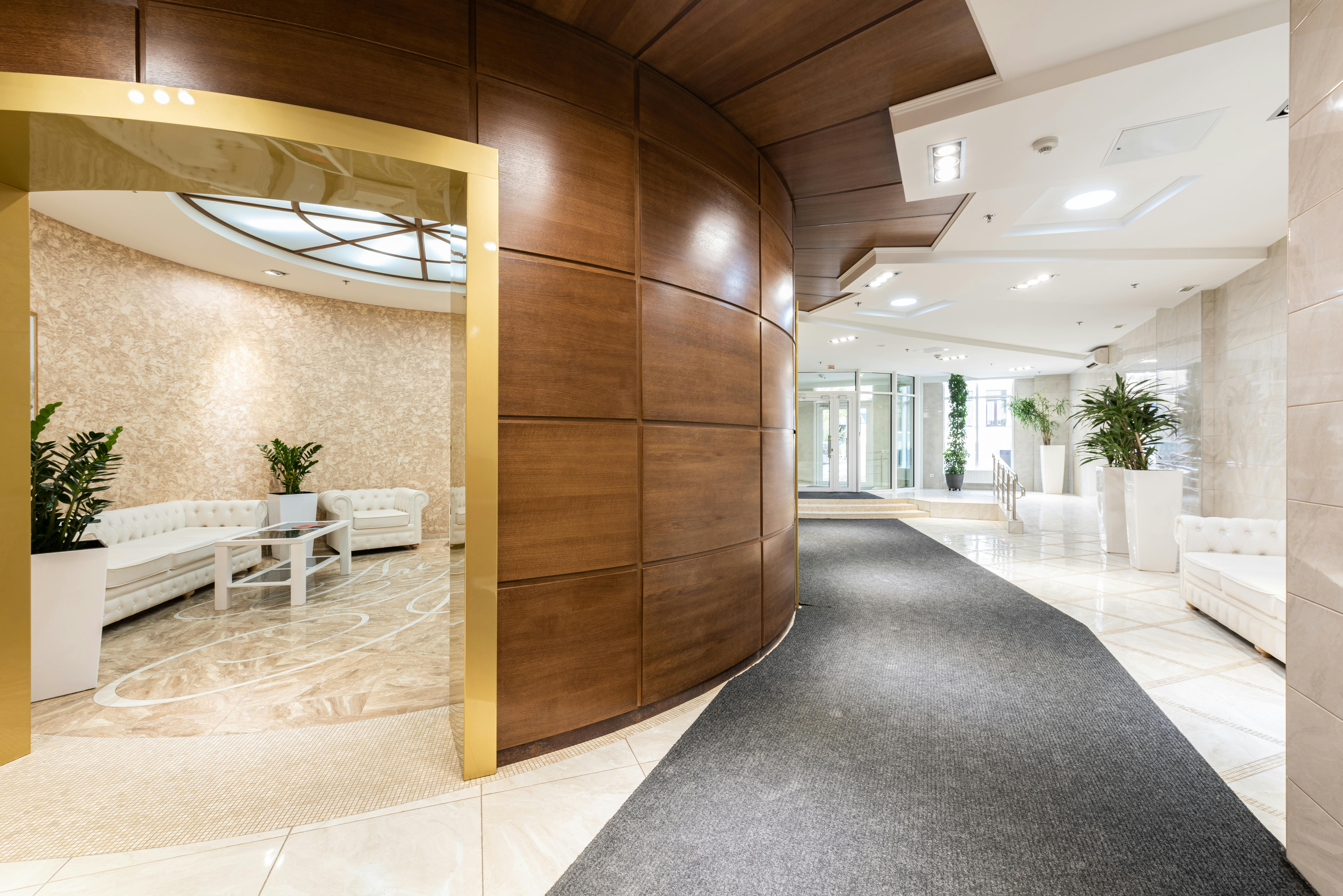 V Hotel Lavender⭐ 4.0 · 7.9/10 (56,917) · $85 /night
Agoda affiliate link — clicks go to the price-comparison page.