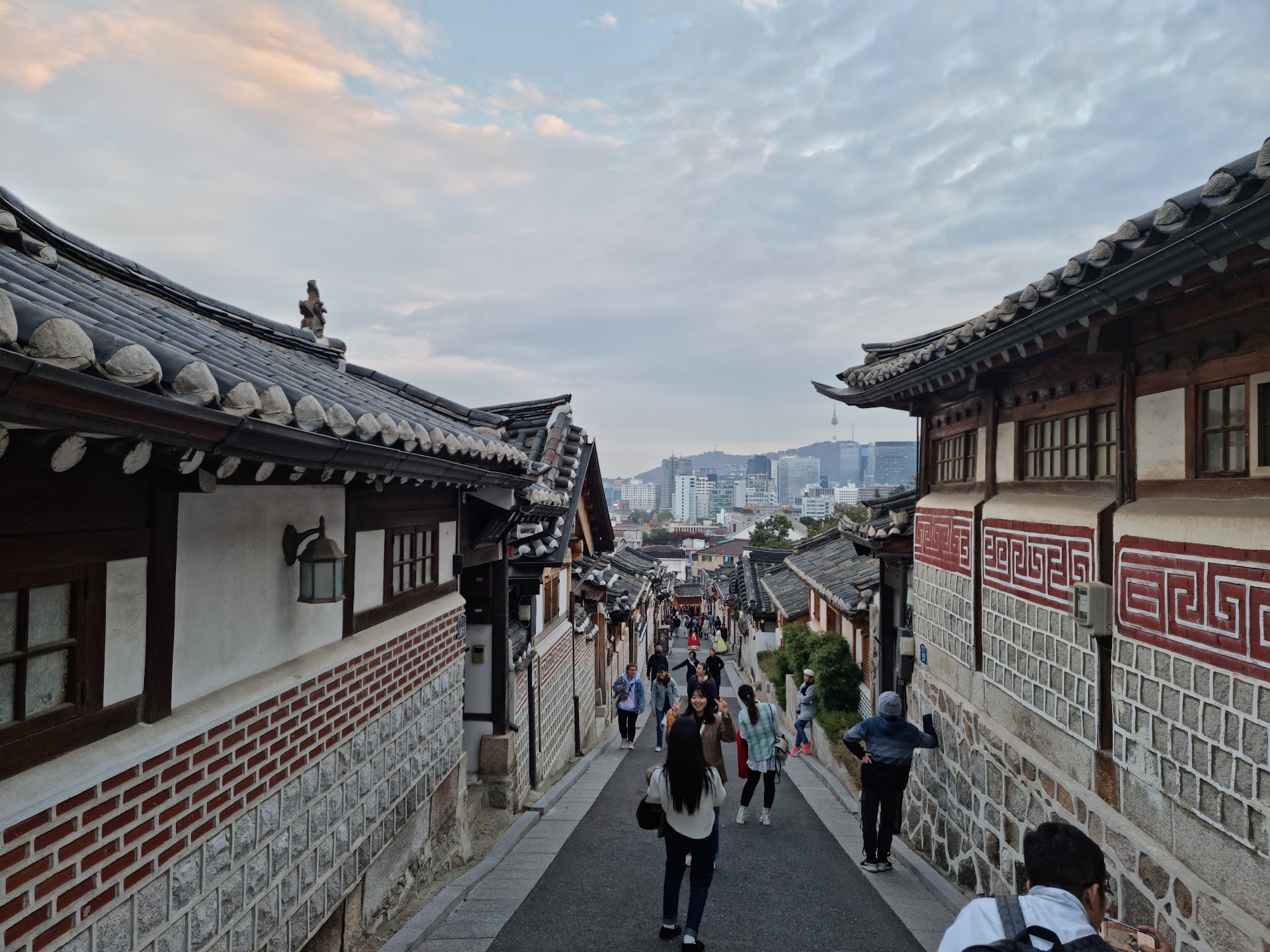
A Neighborhood Frozen in Time
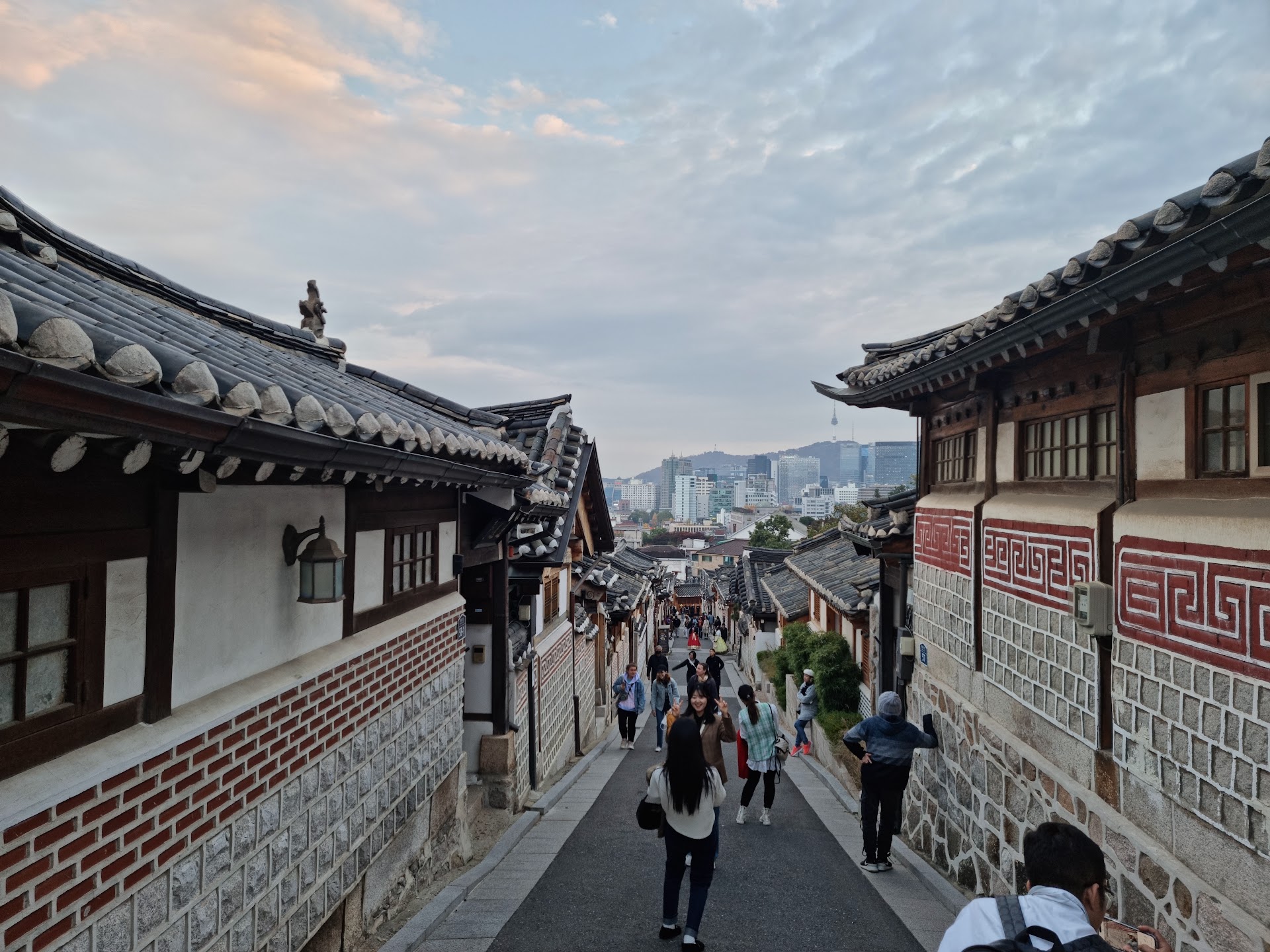
Tucked between the grand palaces of Gyeongbokgung and Changdeokgung, Bukchon Hanok Village is one of Seoul’s most photographed and emotionally evocative neighborhoods. With over 900 traditional Korean houses — known as hanok — still standing from the Joseon Dynasty, this hillside enclave offers a rare glimpse into aristocratic life from 600 years ago, all while being surrounded by the glittering modernity of Jongno-gu.
Unlike a museum, Bukchon is a living neighborhood. Real families live behind those tiled rooftops, artisans work inside traditional studios, and the alleys remain narrow and steep just as they were in the 14th century.
What Makes Bukchon Special
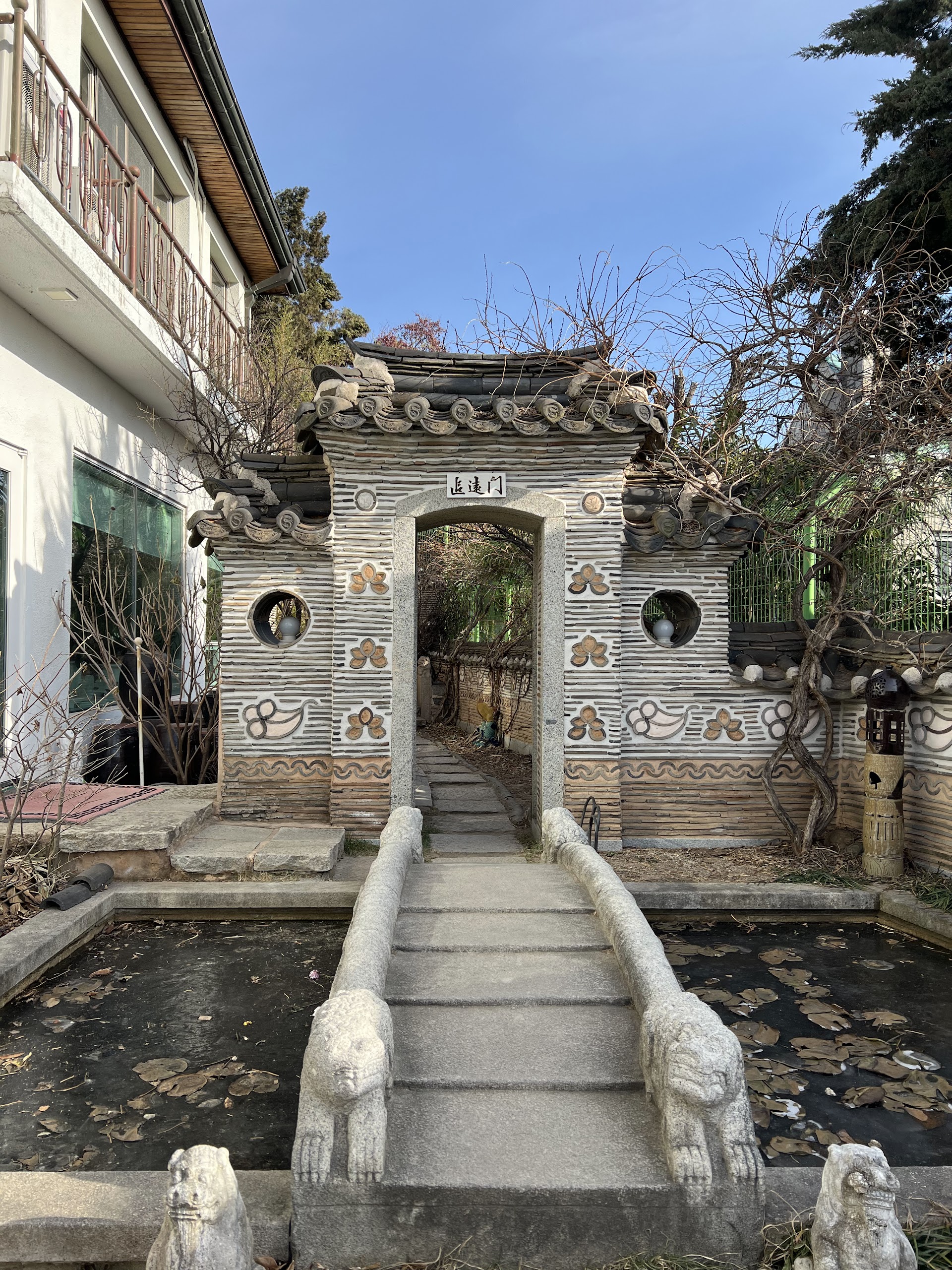
- 600 years of history preserved in residential form
- Eight Scenic Views (Bukchon Palgyeong) marked throughout the village
- Sweeping vistas of Namsan Tower framed by curved hanok eaves
- Walking distance from three major palaces and Insa-dong
- Free to explore — the streets themselves are the attraction
The Eight Famous Views
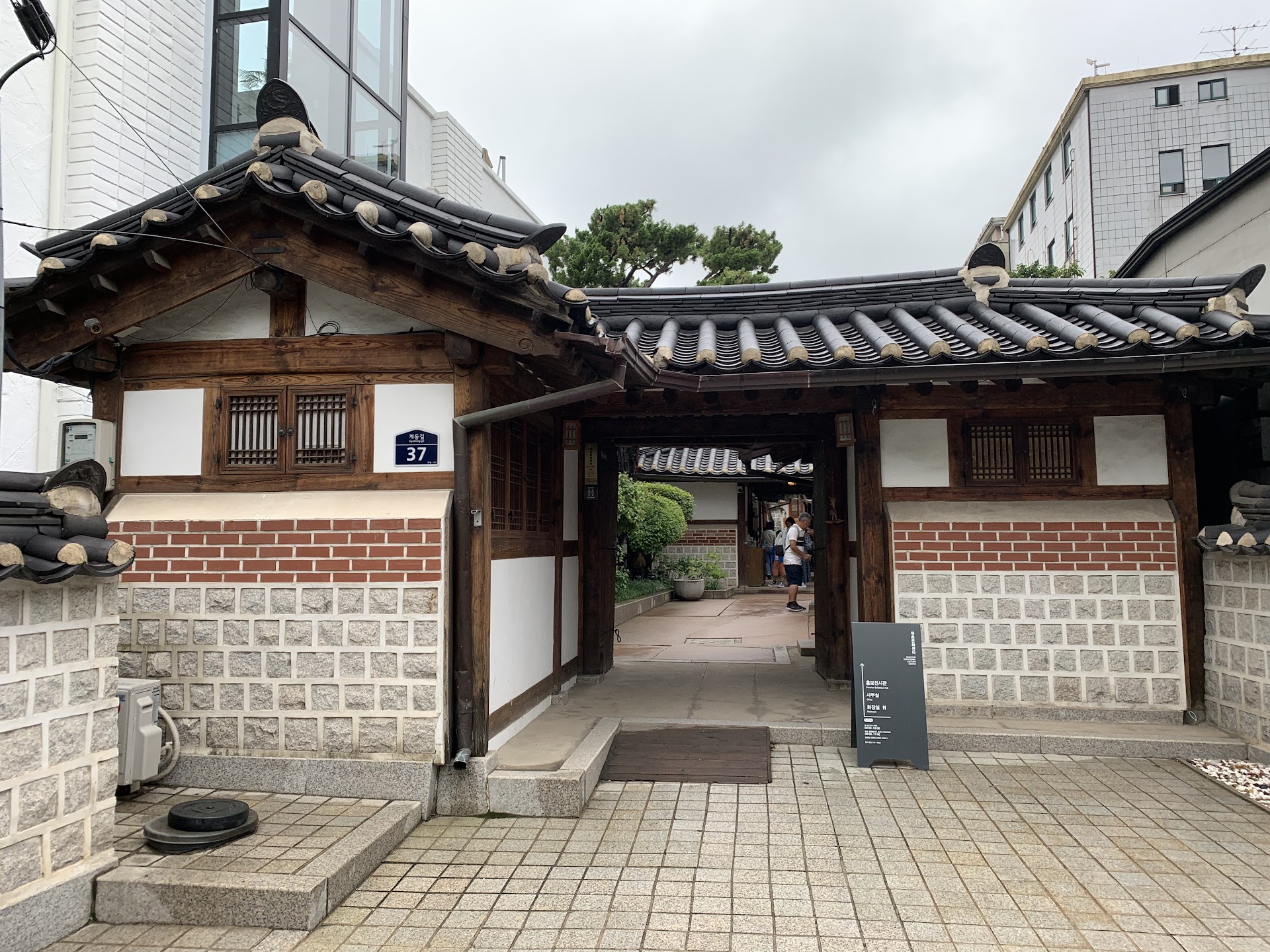
The city has officially designated eight photo spots, each marked with a small plaque on the ground. The most iconic is Bukchon-ro 11-gil, a steep cobblestone alley where rows of hanok rooftops cascade down toward the modern skyline. Arrive before 9 AM to capture it without crowds — and to respect residents who have grown weary of late-night photographers.
Bukchon Hanok-gil
The main spine of the village winds uphill past tea houses, hanbok rentals, and tiny galleries. Don’t rush. Half the magic is in the details — hand-carved wooden door frames, ceramic chimney caps, and the soft scent of pine from old beams.
Cultural Experiences Inside the Village
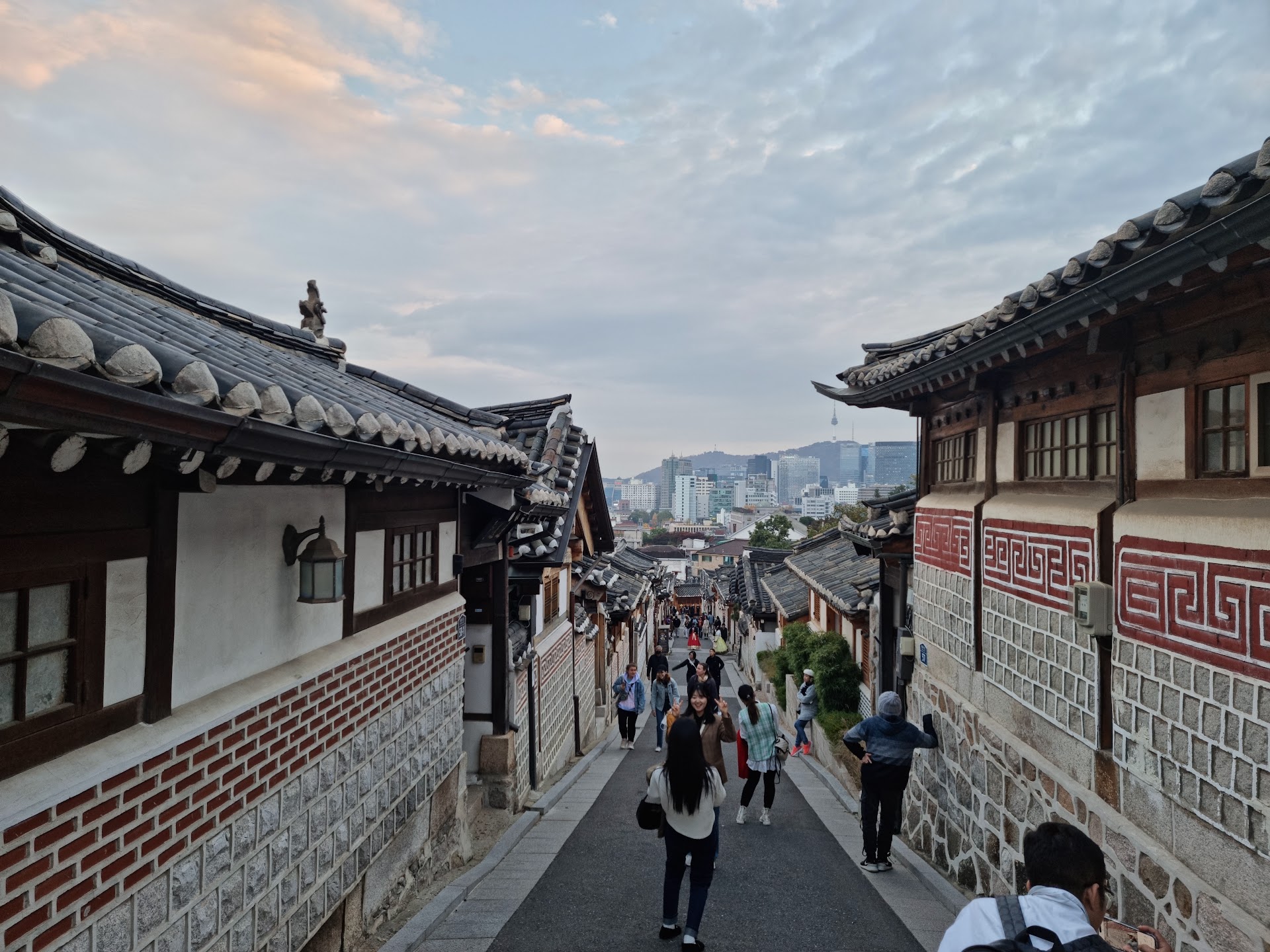
Several hanok have been converted into hands-on cultural centers where you can:
- Try knot-tying (maedeup) or natural dyeing workshops
- Sample traditional Korean tea in a courtyard setting
- Rent a hanbok to wander the alleys in full Joseon attire (and earn free palace entry)
- Visit the Bukchon Cultural Center for free guided context
Practical Tips for Visiting
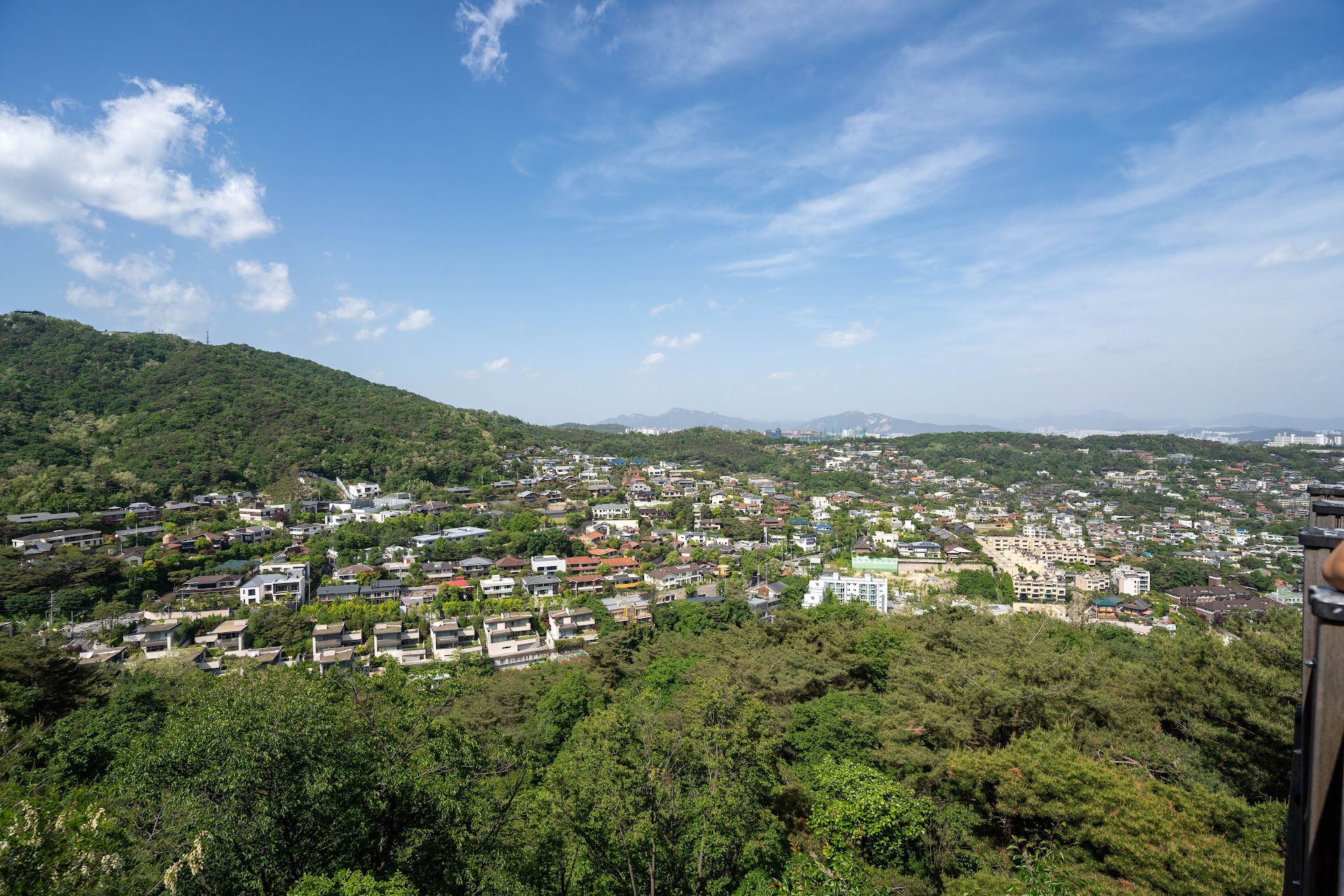
Best time: Weekday mornings between 8–10 AM, or late afternoon golden hour around 5 PM. Avoid weekends and Korean public holidays if possible.
Respect the residents. Quiet hours are strictly enforced from 5 PM to 10 AM. Speak softly, don’t peek over walls, and never enter private courtyards. Volunteer wardens patrol with reminders.
Wear flat shoes. The cobblestones are steep and slippery, especially after rain.
Combine with nearby spots. Bukchon pairs perfectly with Samcheong-dong’s cafés to the west and Ikseon-dong’s retro alleyways to the south for a full day of old-meets-new Seoul.
Why You Should Go
In a city racing toward the future, Bukchon is Seoul’s quiet reminder of where it came from. Stand at the top of the hill, look down across centuries of curved tile rooftops with skyscrapers rising behind them, and you’ll understand why locals call this neighborhood the soul of old Seoul.
🏨 Where to Stay
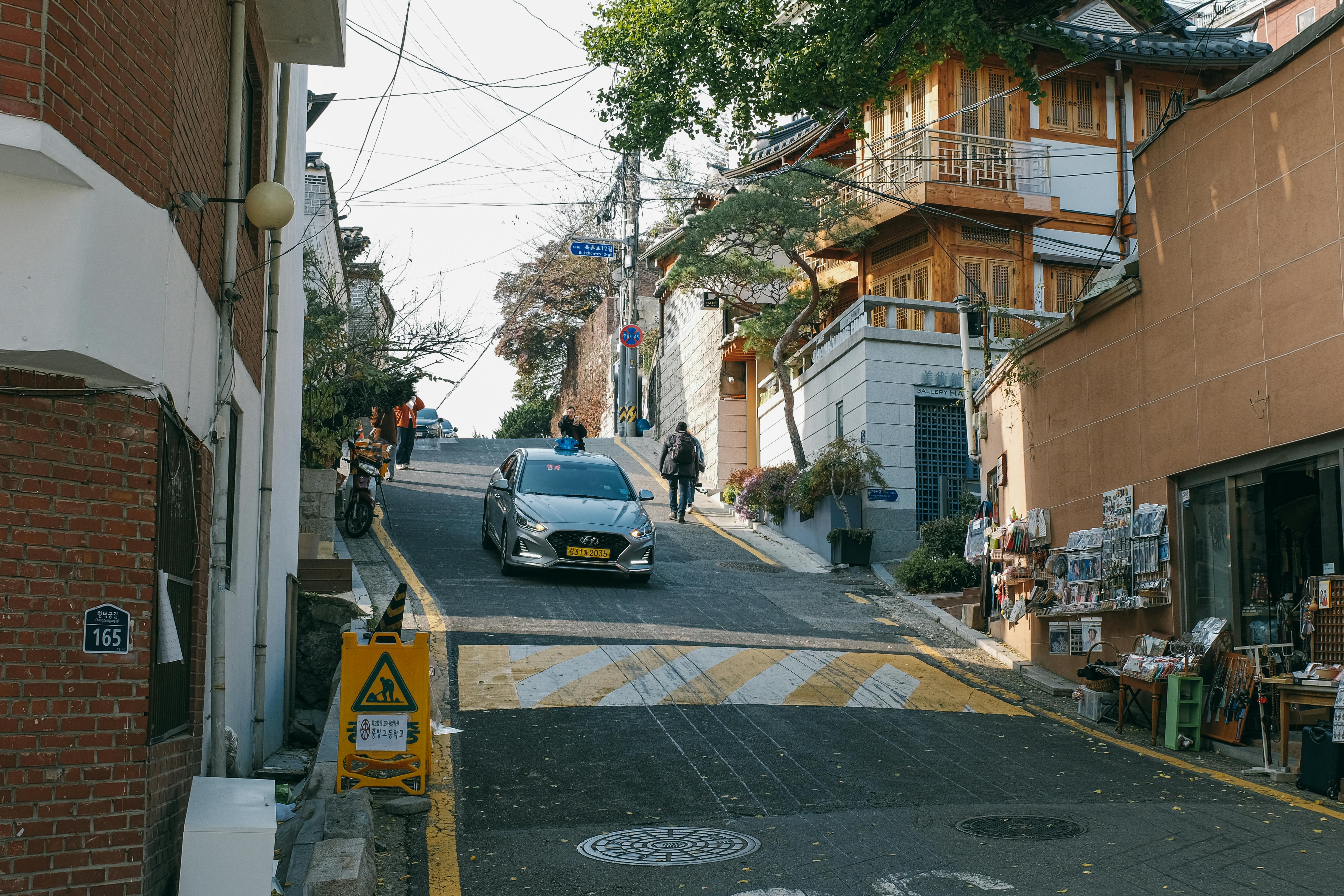 LOTTE CITY HOTEL MYEONGDONG⭐ 4.0 · 8.7/10 (9,393) · $175 /night
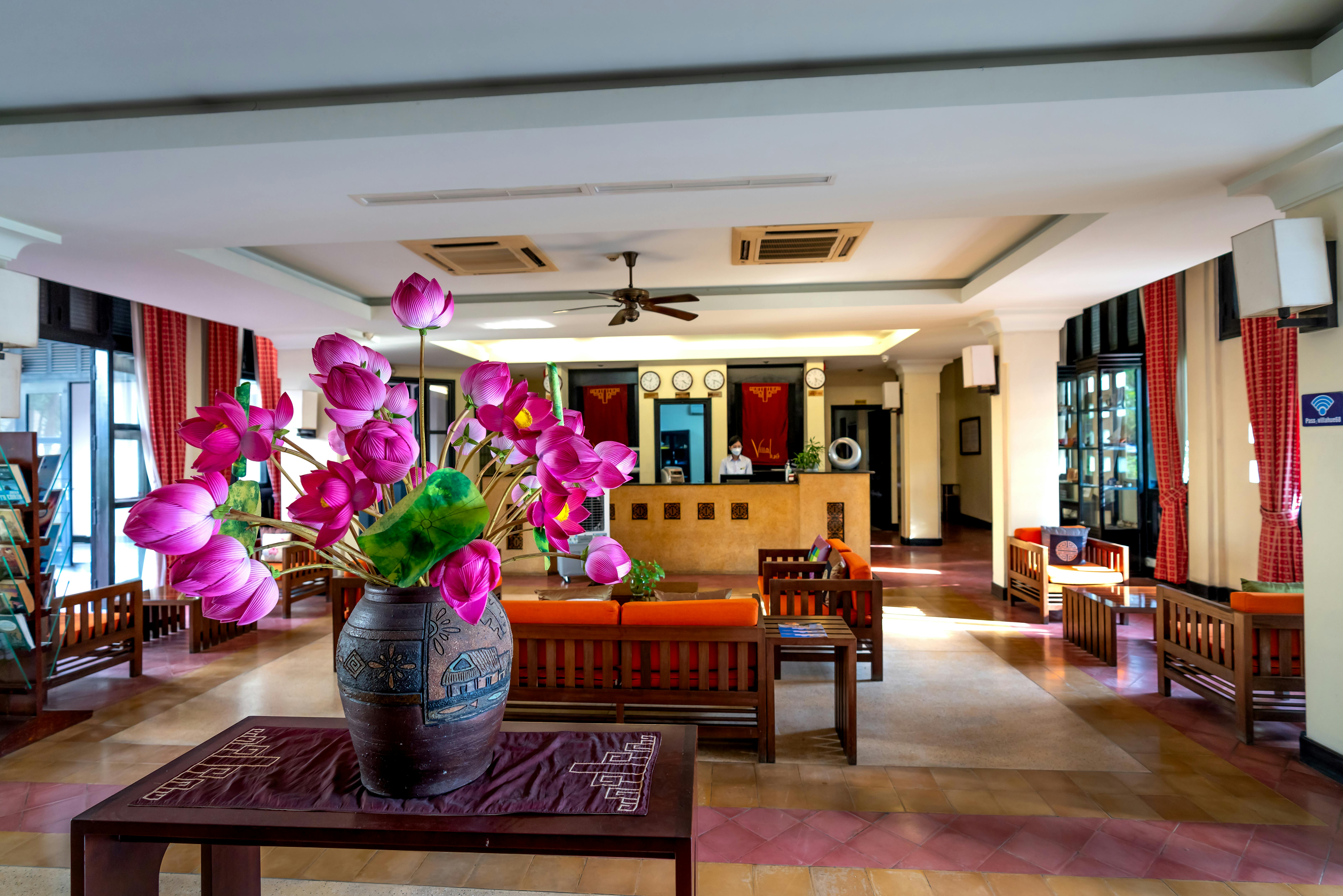 Shilla Stay Gwanghwamun (Myeongdong)⭐ 4.0 · 8.5/10 (14,646) · $140 /night
Agoda affiliate link — clicks go to the price-comparison page.