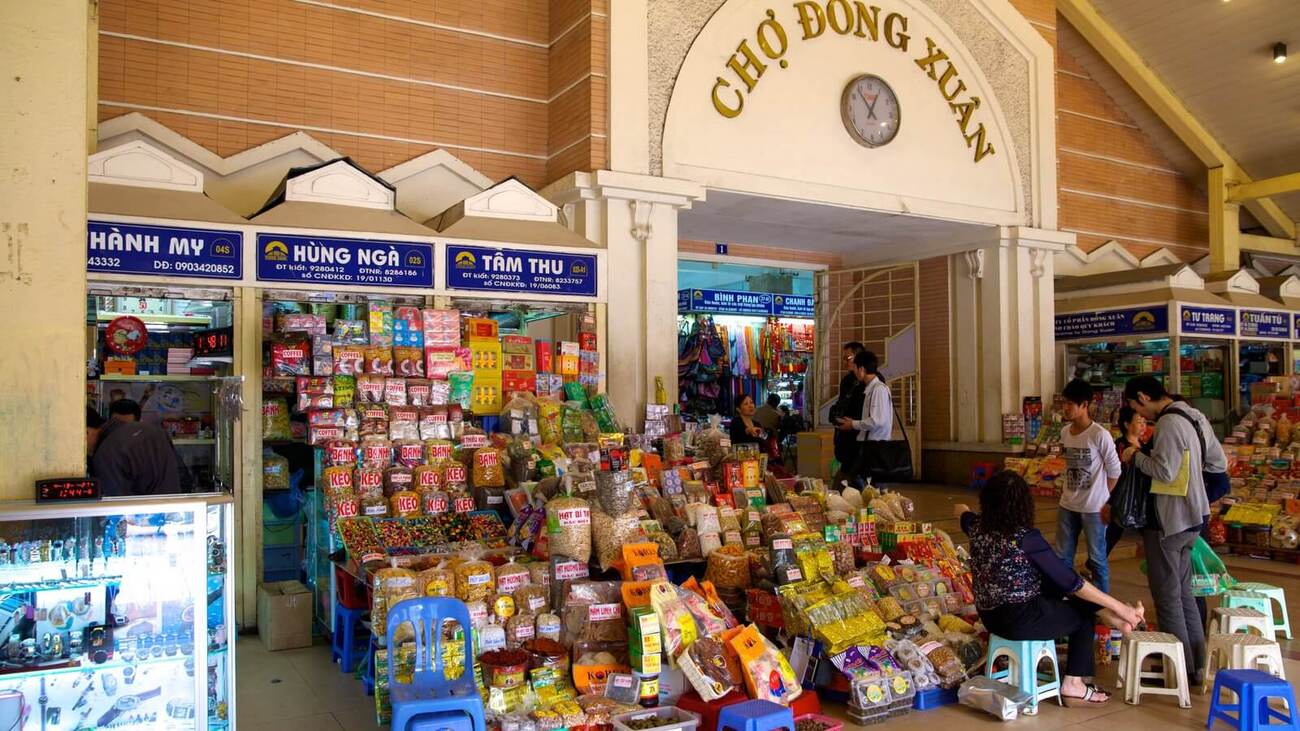
Hanoi doesn’t sleep — it just goes quiet for a couple of hours. By 4 AM, Dong Xuan Market in the Old Quarter is already alive with motorbike headlights, stacked crates, and the low rumble of a city feeding itself before the rest of the world wakes up. This is the market most visitors never see, and it’s the most honest version of Hanoi there is.
Best Timing
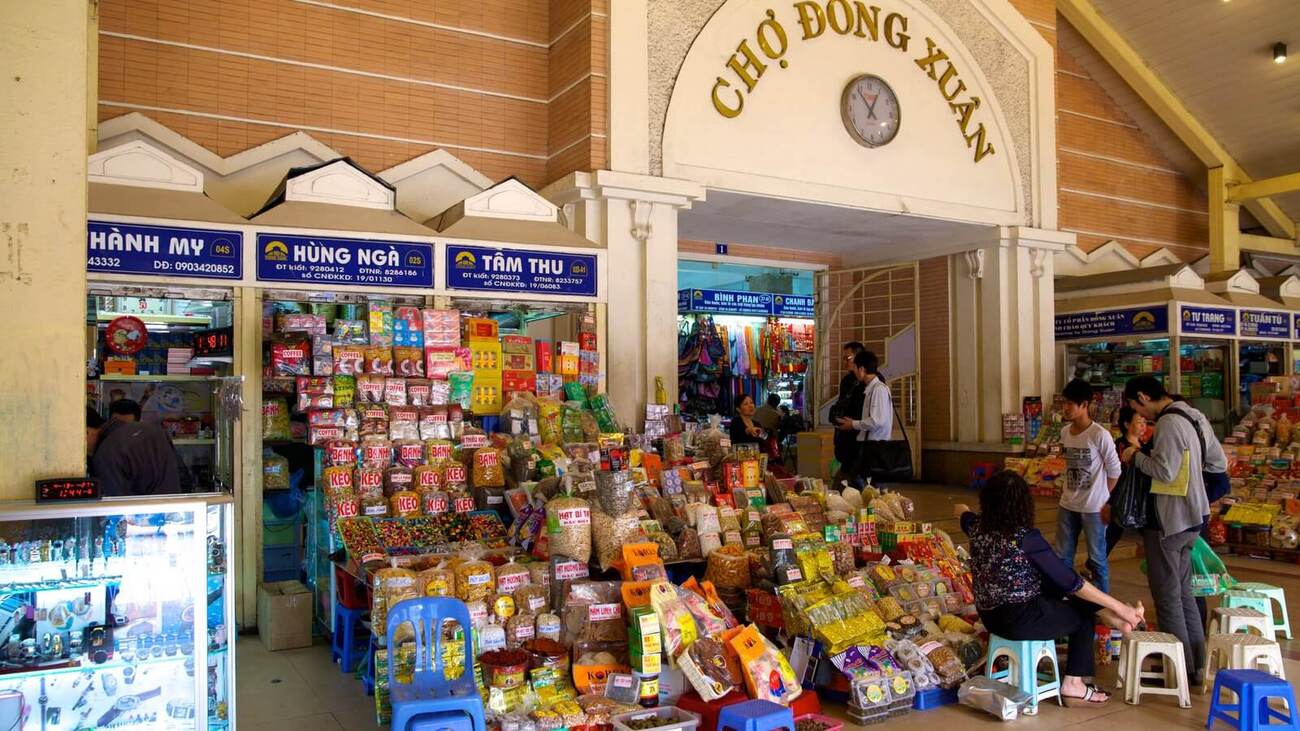
The window that matters most is 3:30 AM to 6:00 AM. That’s when wholesale vendors claim their stalls, fresh produce arrives from the Red River Delta farms, and the first pots of broth are set over gas flames. By 7 AM the character shifts — retail crowds arrive, prices adjust, and the quiet efficiency gives way to ordinary market noise. Weekdays (Tuesday through Friday) are busier with restaurant buyers; Saturday and Sunday mornings are slightly calmer and easier for unhurried observation.
In terms of season, October through April offers the most comfortable dawn temperatures — hovering between 18°C and 24°C (64–75°F), dry enough that the alley floors aren’t slick with humidity. May through September brings heat and occasional rain even before sunrise; a light rain jacket is worth packing. The market itself runs year-round, and vendors don’t take holidays — Dong Xuan is one of the few places in Hanoi that operates through Tết prep and into the new year.
Core Experiences
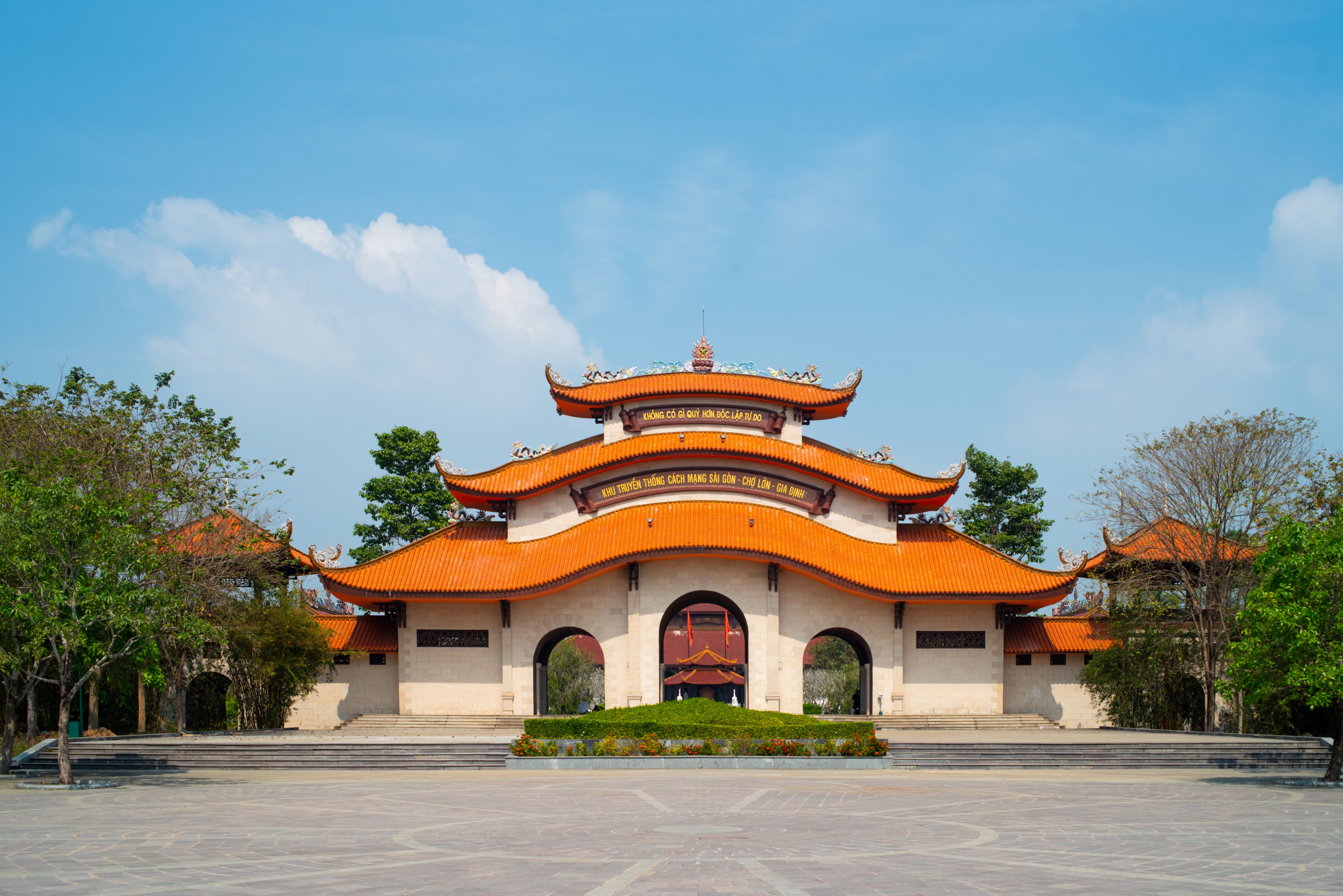
Dong Xuan Wholesale Produce Hall
The ground floor of Dong Xuan’s main concrete hall is a masterclass in organized chaos. Before dawn, wholesalers lay out pyramids of morning glory, lotus root, bitter melon, and bundles of fresh herbs so fragrant the air itself tastes green. Restaurant owners wheel hand-trolleys between stalls, negotiating prices in low, fast Vietnamese. There’s no performance here — just the city’s food supply chain running on pure muscle memory. The sheer volume of produce moving through in two hours is staggering; estimates put Dong Xuan’s daily wholesale throughput at over 100 metric tons.
- 📍 Dong Xuan Market, Dong Xuan Street, Hoan Kiem District, Hanoi · 💰 Free to enter · ⏰ Wholesale activity peaks 3:30–6:00 AM · ⭐ 4.5
- What locals know: Bring small bills — vendors won’t break large notes before 6 AM, and most transactions are cash-only at this hour.
Bánh Mì Cart on Hang Chieu Street
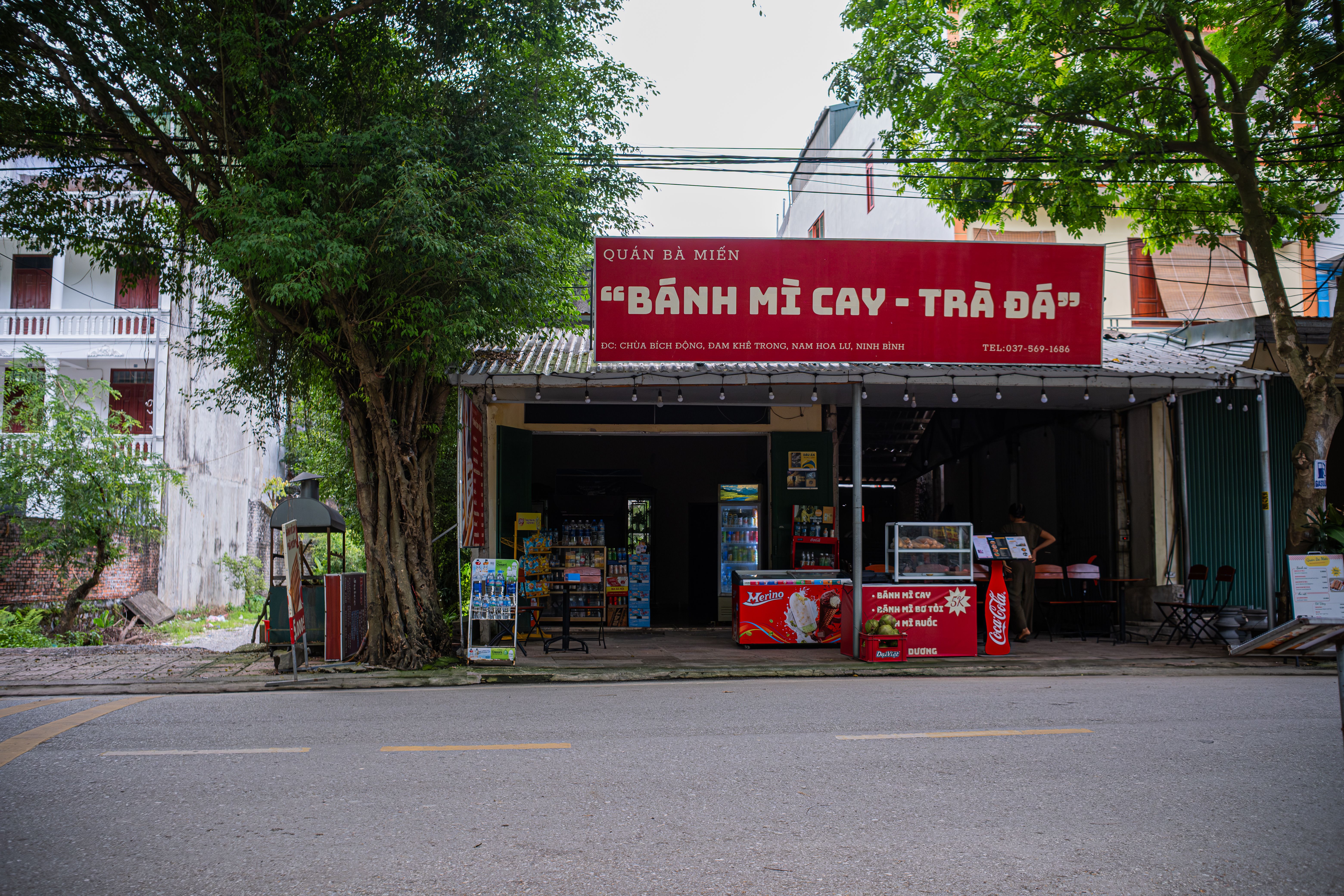
Step outside the market’s north gate onto Hang Chieu Street and there’s usually a single bánh mì cart parked under a bare bulb by 4:30 AM, serving the vendors themselves. The baguette here is shorter and crustier than the tourist-strip versions — baked in a wood-fired oven a block away and delivered still warm. Fillings run to pâté, pickled daikon, a slick of Maggi, and a smear of butter. One sandwich costs around 25,000–30,000 VND (roughly $1–$1.25 USD). No menu, no English, no hesitation: point and nod.
- 📍 Hang Chieu Street, just north of Dong Xuan Market main gate · 💰 25,000–30,000 VND (~$1.25) · ⏰ ~4:30–7:00 AM daily · ⭐ 4.7
- What locals know: The cart sometimes sells out of pâté by 5:30 AM — arrive earlier or ask for the egg version, which is equally good.
Pho Broth Stall — Alley 1 (Ngõ 1 Hàng Khoai)
Duck into the narrow alley directly behind the market’s east face and the smell hits before the stall is visible — beef bones and star anise in a pot that’s been simmering since midnight. This is a working-person’s pho setup: low plastic stools, metal bowls, no laminated menu. A standard bowl of phở bò runs 40,000–50,000 VND ($1.65–$2.10). The broth is clear, deep, and not sweetened — closer to Hanoi-style tradition than anything in the Old Quarter’s tourist restaurants. Vendors from the market fill these stools in rotating shifts between 4 and 6 AM.
- 📍 Ngõ 1 Hàng Khoai, behind Dong Xuan Market east side · 💰 40,000–50,000 VND (~$2) · ⏰ ~midnight–8:00 AM · ⭐ 4.6
- What locals know: Ask for gân (tendon) added to the bowl — it’s not on display but usually available and costs 10,000 VND extra.
Dried Goods and Spice Corridor (Hàng Khoai Street)
As the sky starts to lighten around 5 AM, the dried goods section along Hàng Khoai Street shifts from dark storage to active commerce. Vendors stack sacks of dried shrimp, cinnamon bark, star anise, dried mushrooms, and cellophane noodles along both sides of the narrow lane. The colors at dawn — rust red dried chilies against pale sacks of rice flour — are quietly striking. These are the pantry staples behind Vietnamese home cooking, sold in bulk quantities that reflect how Hanoi’s restaurants actually operate. A 500g bag of premium dried shrimp costs around 80,000–120,000 VND ($3.30–$5).
- 📍 Hàng Khoai Street, running south from Dong Xuan Market · 💰 80,000–120,000 VND per 500g dried goods · ⏰ Active 4:00–9:00 AM · ⭐ 4.4
- What locals know: Star anise and cinnamon bought here are noticeably more fragrant than supermarket versions — they’re worth packing in a sealed bag for home.
Flower Vendors — Quang Ba Overflow Stalls
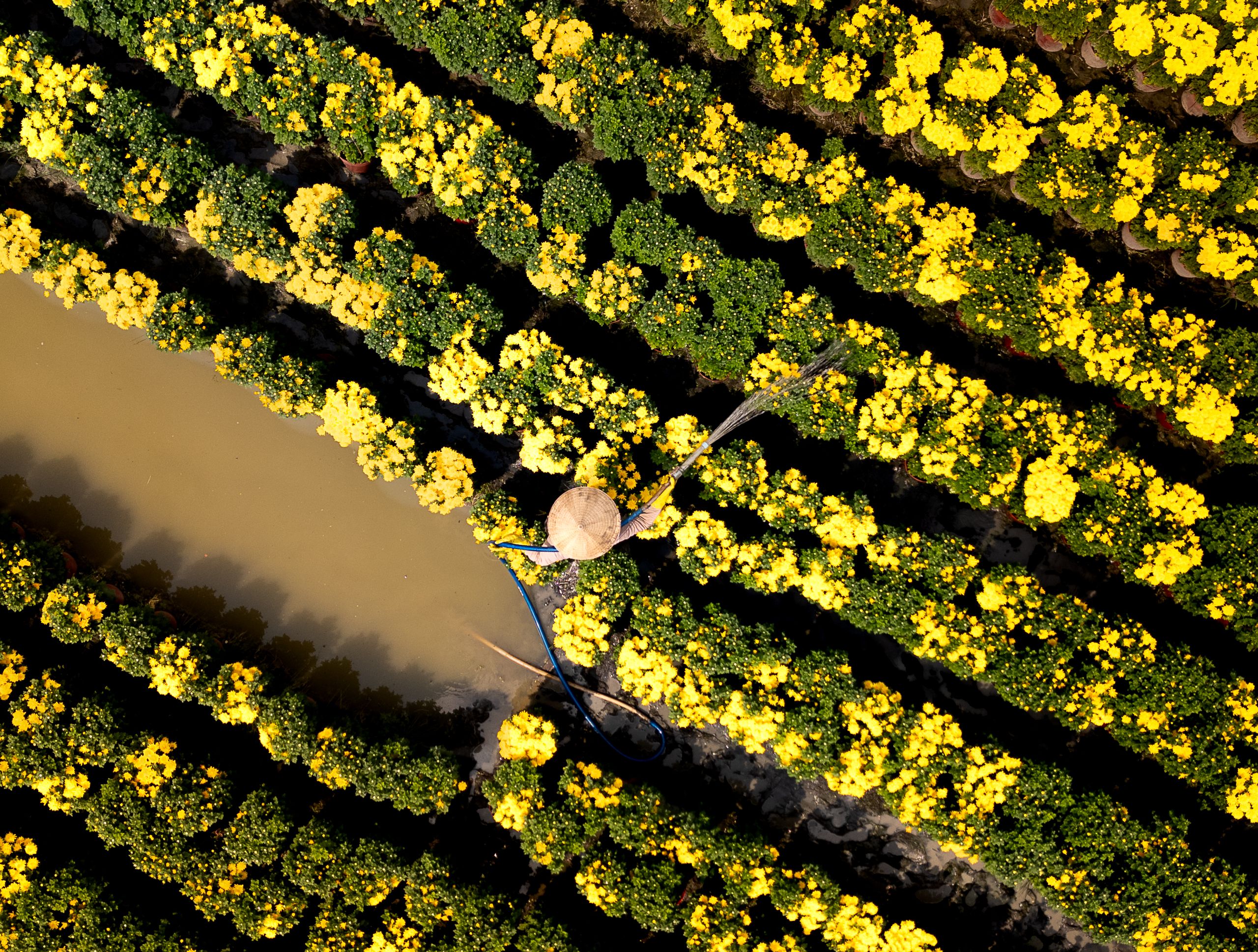
Dong Xuan at dawn draws overflow from Quang Ba Flower Market across the city — small independent flower vendors set up on the western perimeter of Dong Xuan with buckets of lotus, chrysanthemum, and tuberose by 5 AM, selling to market workers and early-rising locals buying offerings for home altars. The scent cuts through the fish and spice smells with something almost sweet. Prices are wholesale-adjacent: a bunch of 10 lotus stems runs 30,000–40,000 VND ($1.25–$1.65). The vendors are mostly women, many of whom have been making this run for decades.
- 📍 Western perimeter lane, Dong Xuan Market · 💰 30,000–40,000 VND per bunch · ⏰ ~5:00–7:30 AM · ⭐ 4.8
- What locals know: The lotus buds sold here are cut from Red River Delta farms the previous afternoon — they’ll open fully within 12 hours of purchase, timed for morning altar arrangements.
Recommended Route
This is a half-day that ends by 8 AM — leaving the rest of the day wide open.
- 03:30 — Arrive at Dong Xuan Market main entrance on Dong Xuan Street. The wholesale produce hall is already at full intensity. Allow 30–40 minutes to walk the ground floor and watch the supply chain in motion.
- 04:15 — Walk north to Hang Chieu Street (2 minutes on foot) for the bánh mì cart. Breakfast sorted for under $1.50.
- 04:45 — Double back to the east side of the market and duck into Ngõ 1 Hàng Khoai for a bowl of pho. Sit, eat slowly, watch the vendors cycle through on their breaks.
- 05:30 — Walk south along Hàng Khoai Street through the dried goods and spice corridor. The light is still pre-dawn; stalls are lit by single bulbs. Budget 20–25 minutes.
- 06:00 — Circle to the western perimeter lane for the flower vendors. The sky should be lightening. This is the quietest, most photogenic stretch of the morning.
- 06:45 — Walk 8 minutes east to Hoan Kiem Lake for the sunrise. The lake path fills with locals doing tai chi — a natural exhale after the market intensity.
- 07:30 — The Old Quarter coffee shops begin opening. Café Giang (5 Hang Gai, egg coffee) opens at 7 AM and is a 12-minute walk from Dong Xuan.
Total walking: approximately 2.5 km, entirely flat.
Budget · Transport · Booking
Getting there: Dong Xuan Market is in Hoan Kiem District, roughly 3 km north of Hoan Kiem Lake. At 3:30 AM, the only practical options are a Grab car (around 60,000–80,000 VND / $2.50–$3.30 from the Old Quarter hotel cluster) or a motorbike taxi. Cyclos and regular taxis are less reliable at this hour. There is no useful night bus at this time.
Day budget (per person):
- Bánh mì: 30,000 VND (~$1.25)
- Bowl of pho: 50,000 VND (~$2.10)
- Dried goods or flowers (optional purchase): 80,000–120,000 VND (~$3.30–$5)
- Grab there and back:
140,000 VND ($5.80) - Egg coffee after: 45,000 VND (~$1.90)
- Total: approximately 345,000–385,000 VND (~$14–$16 USD per person)
Booking: Nothing here requires advance booking. The market is public, the food stalls are walk-up, and no tickets or reservations exist. The only planning needed is setting an alarm for 3 AM.
Must-Know Tips
- 💰 Cash only, small bills. Bring a mix of 10,000, 20,000, and 50,000 VND notes. No vendor at 4 AM will use a card reader or break a 500,000 note for a bowl of pho.
- 📱 Photography etiquette matters. Vendors working in the dark with headlamps are not props — ask with a gesture before pointing a camera at faces. A nod and a smile go a long way. Keep flash off.
- 👟 Wear closed-toe shoes. The market floor is wet, uneven, and occasionally shared with motorbikes moving at speed. Sandals are a liability before sunrise.
- 🗣️ Learn two phrases: “Bao nhiêu tiền?” (how much?) and “Cảm ơn” (thank you). Vendors will light up. No expectation of English exists at this hour, and that’s part of what makes the experience real.
- 🌧️ Check the forecast. If rain is expected before 6 AM, bring a compact umbrella — the alleys around the market have limited cover, and the bánh mì cart on Hang Chieu has none.
- ⏰ Don’t arrive after 6 AM expecting the same market. By 6:30, the wholesale energy is winding down, prices shift to retail, and the lanes fill with a different crowd. The window is genuinely narrow.
Closing
There’s a version of Hanoi that exists only between 3 and 6 AM — practical, unsentimental, and quietly beautiful in the way that things built purely for function can be. Dong Xuan at dawn isn’t a tourist destination. It’s the infrastructure of a city’s appetite, running on schedule every single morning whether anyone watches or not. Showing up to witness it, even once, reframes every meal eaten in Hanoi that day.
Set the alarm. Grab early. Go before the city wakes up — that’s when it shows you what it actually is.
🏨 Where to Stay
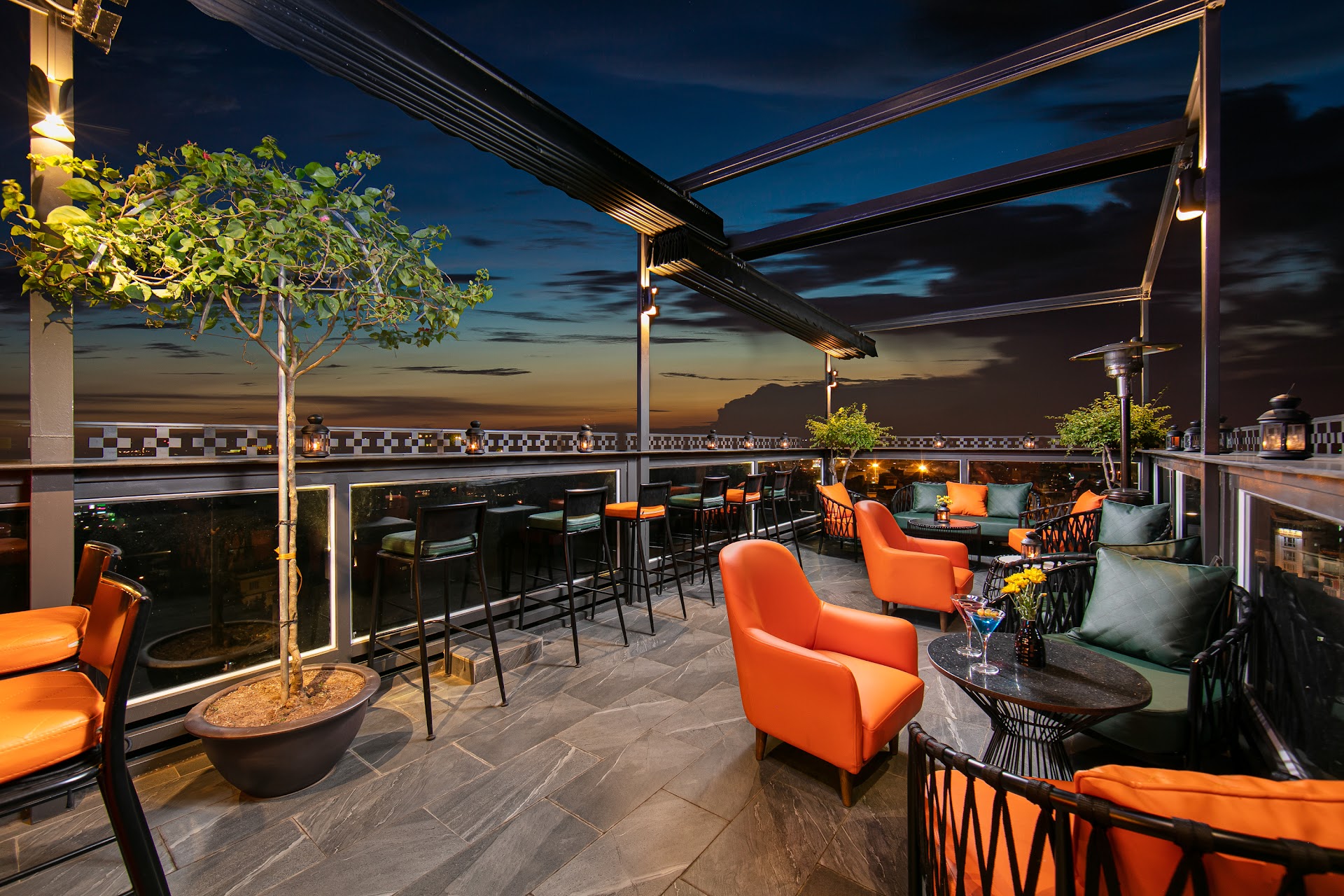
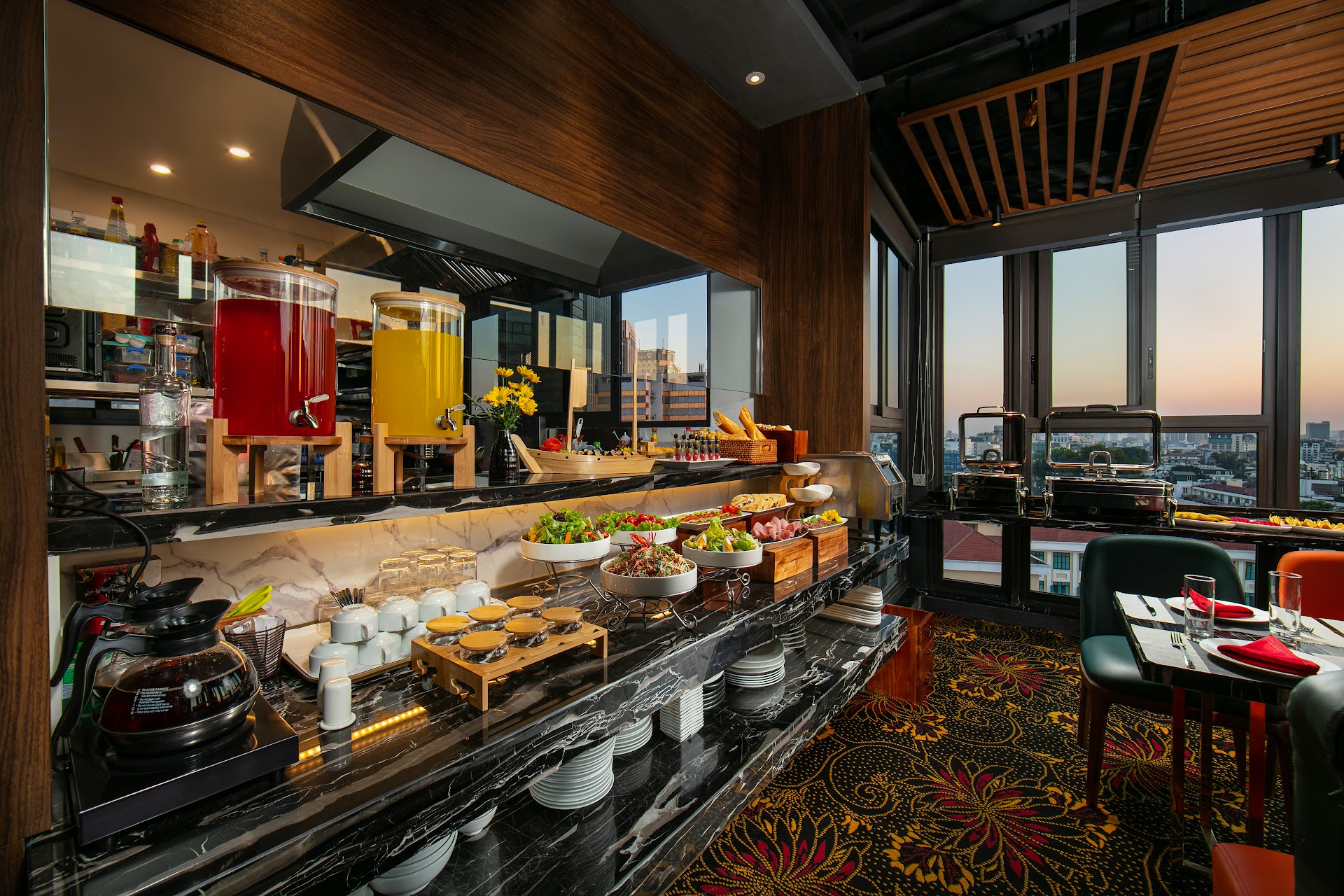 Bendecir Hotel & Spa⭐ 4.0 · 8.5/10 (4,383) · $42 /night
 Sofitel Legend Metropole Hanoi Hotel⭐ 5.0 · 9.2/10 (1,815) · $305 /night
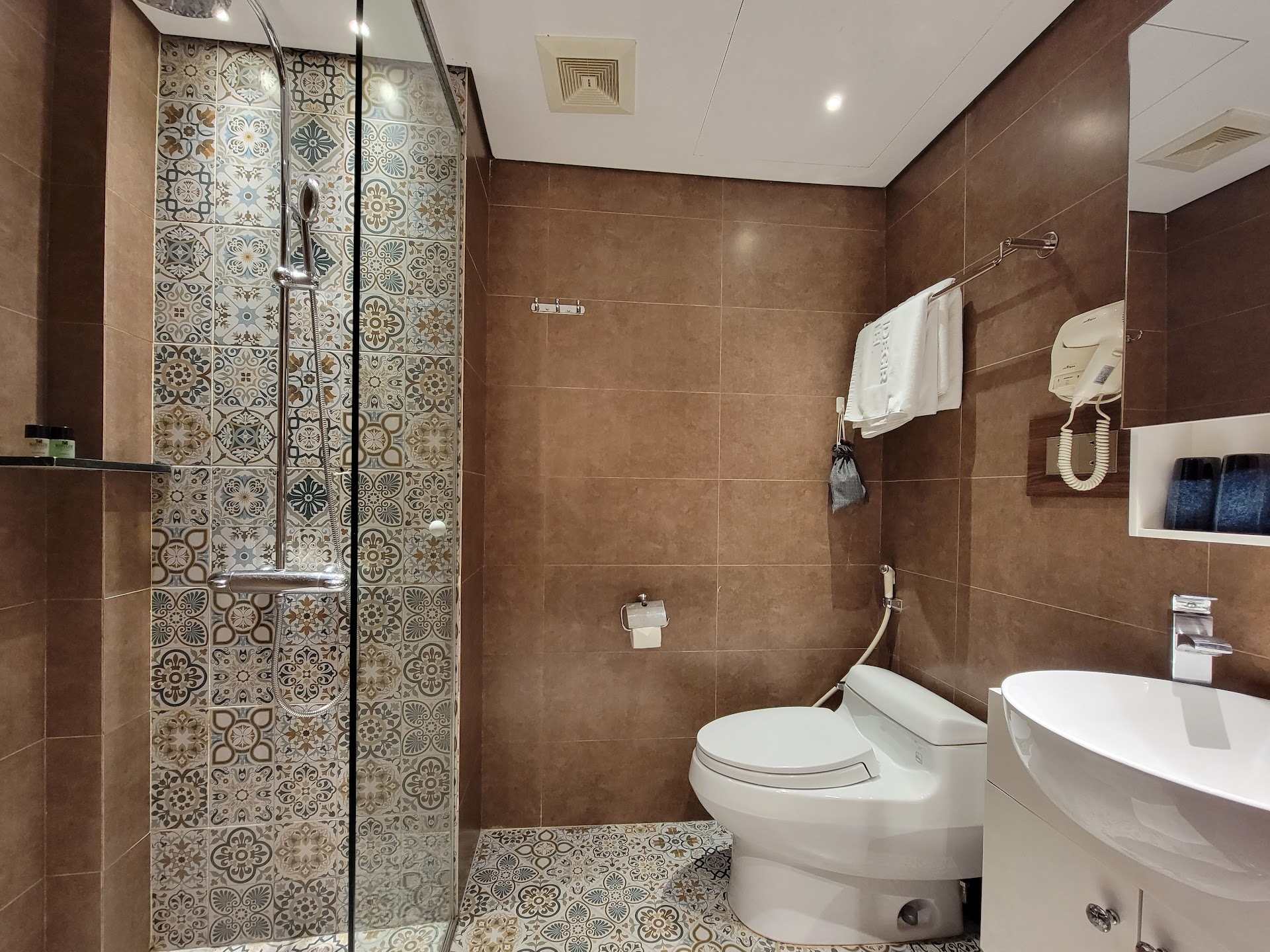 Fuji Hotel and Apartment Hoan Kiem⭐ 4.0 · 8.2/10 (173) · $15 /night
Agoda affiliate link — clicks go to the price-comparison page.