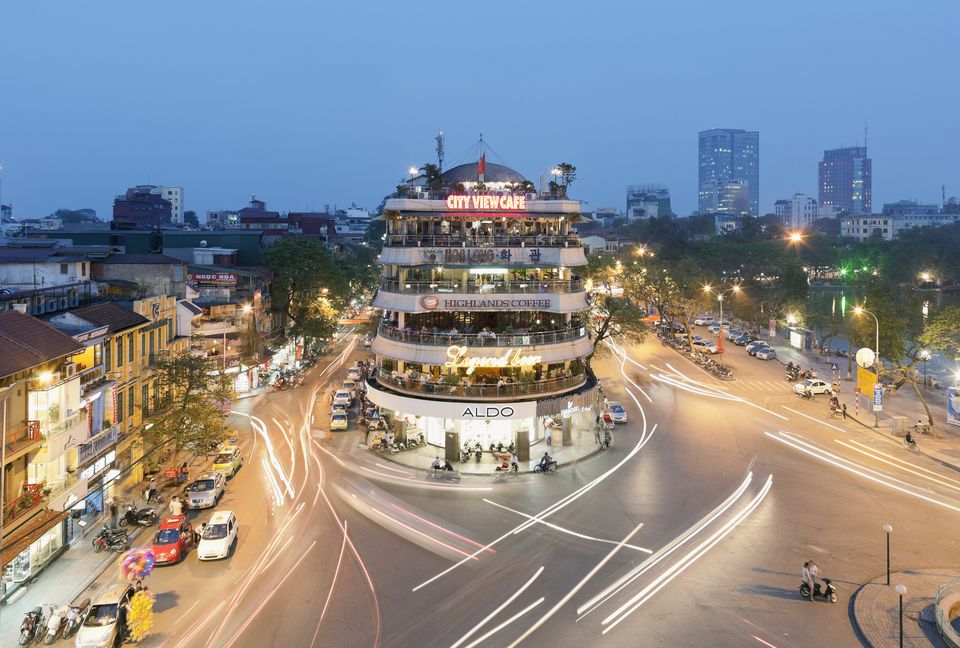
Hanoi’s Old Quarter looks like chaos on a map — 36 narrow streets, no grid, motorbikes coming from every angle. But there’s a route through it that actually makes sense, and we walked it twice to be sure. Block out about four hours, start early, and follow the stops in order. Here’s what’s worth your time and what to skip.
The Route at a Glance
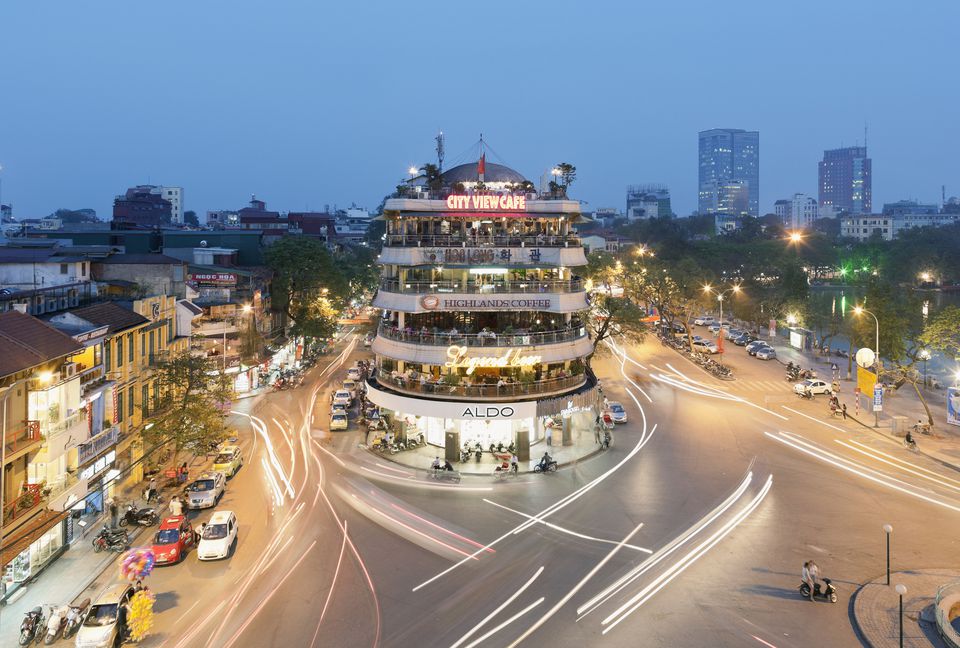
Six stops, roughly 2.5 miles total walking, with stops every 15–25 minutes. Total time including unhurried stops: 3.5 to 4 hours. Start by 7:30 AM if you want morning light and breathable sidewalks — by 10 AM the heat and crowds make this a different walk entirely.
Cost for the day: about $15–25 USD per person, including coffee, a bowl of pho, and a small purchase or two.
Stop 1: Hoan Kiem Lake (7:30 AM)
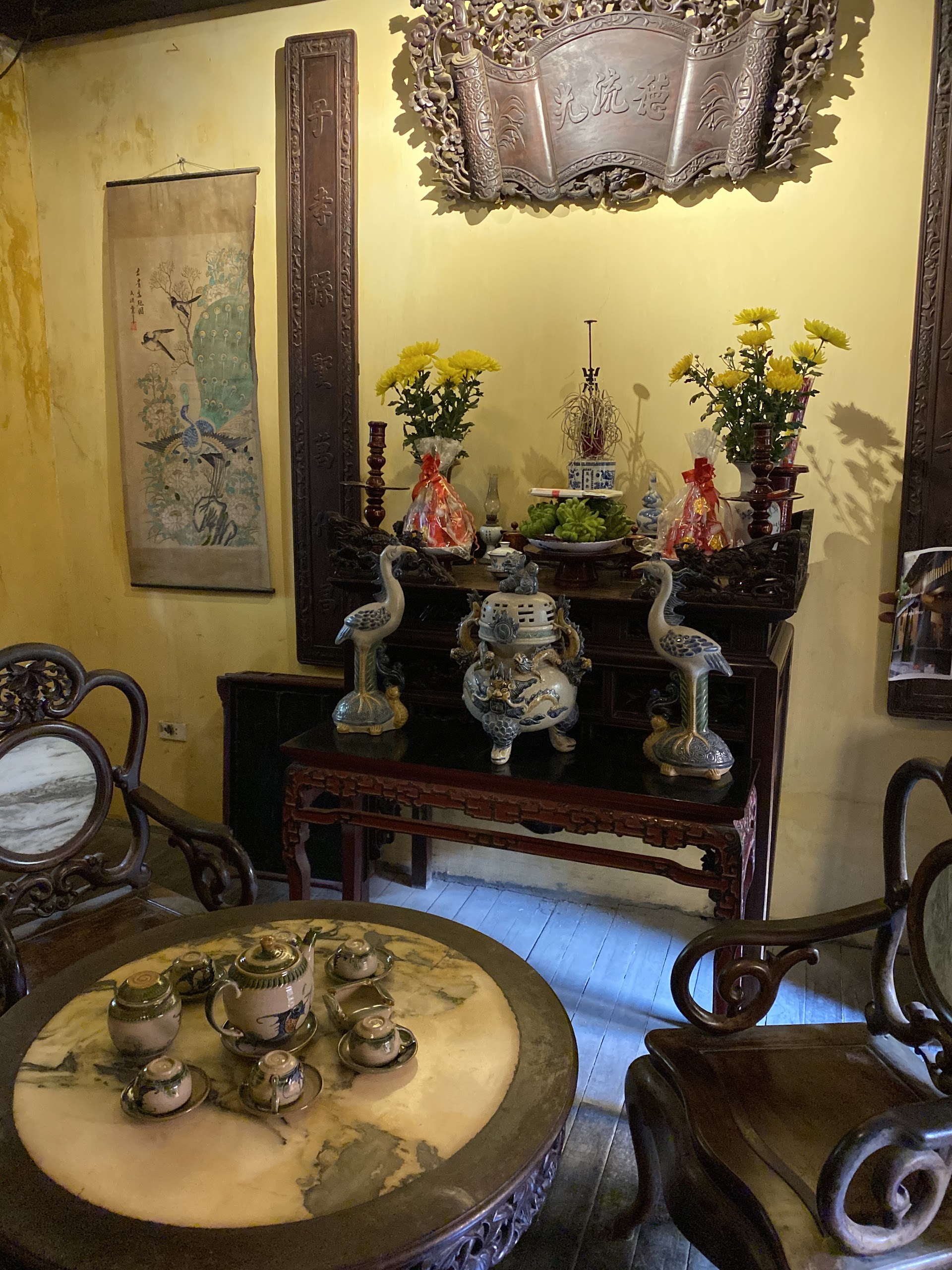
Start at the southern edge of the lake near Ngoc Son Temple. The lake is the navigational anchor of the Old Quarter — once you’ve oriented to it, nothing in the neighborhood feels lost. Locals are doing tai chi at this hour, the air is still cool, and the red Huc Bridge photographs without a crowd.
Worth the detour: Yes, but only if you arrive before 8 AM. After that it’s a parking lot of tour groups.
Stop 2: Bach Ma Temple — 8 minutes north
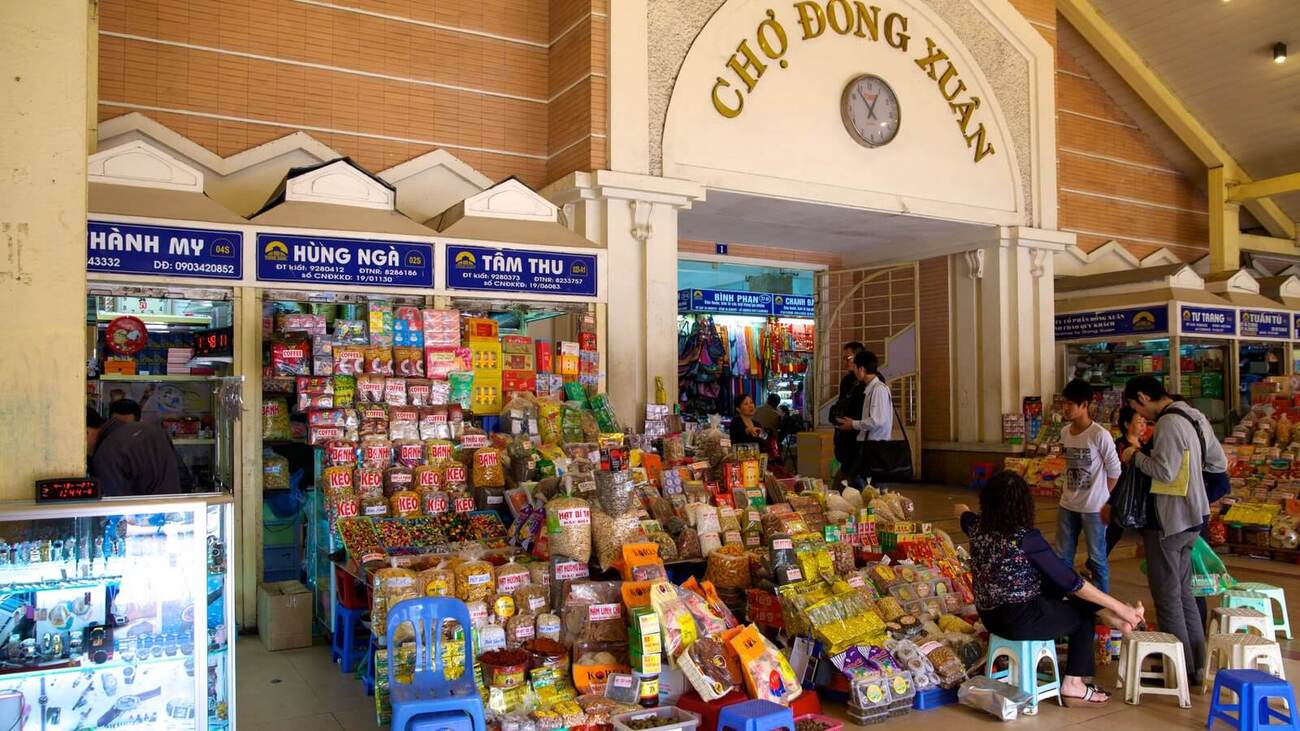
The oldest temple in Hanoi, tucked into a busy commercial street. Free to enter, takes about 15 minutes inside. Quiet, smoky with incense, and a useful contrast to the noise outside. It resets your pace before the market.
Skip it if: You’re temple-fatigued from elsewhere in Vietnam. It’s lovely, not essential.
Stop 3: Dong Xuan Market — 5 minutes north
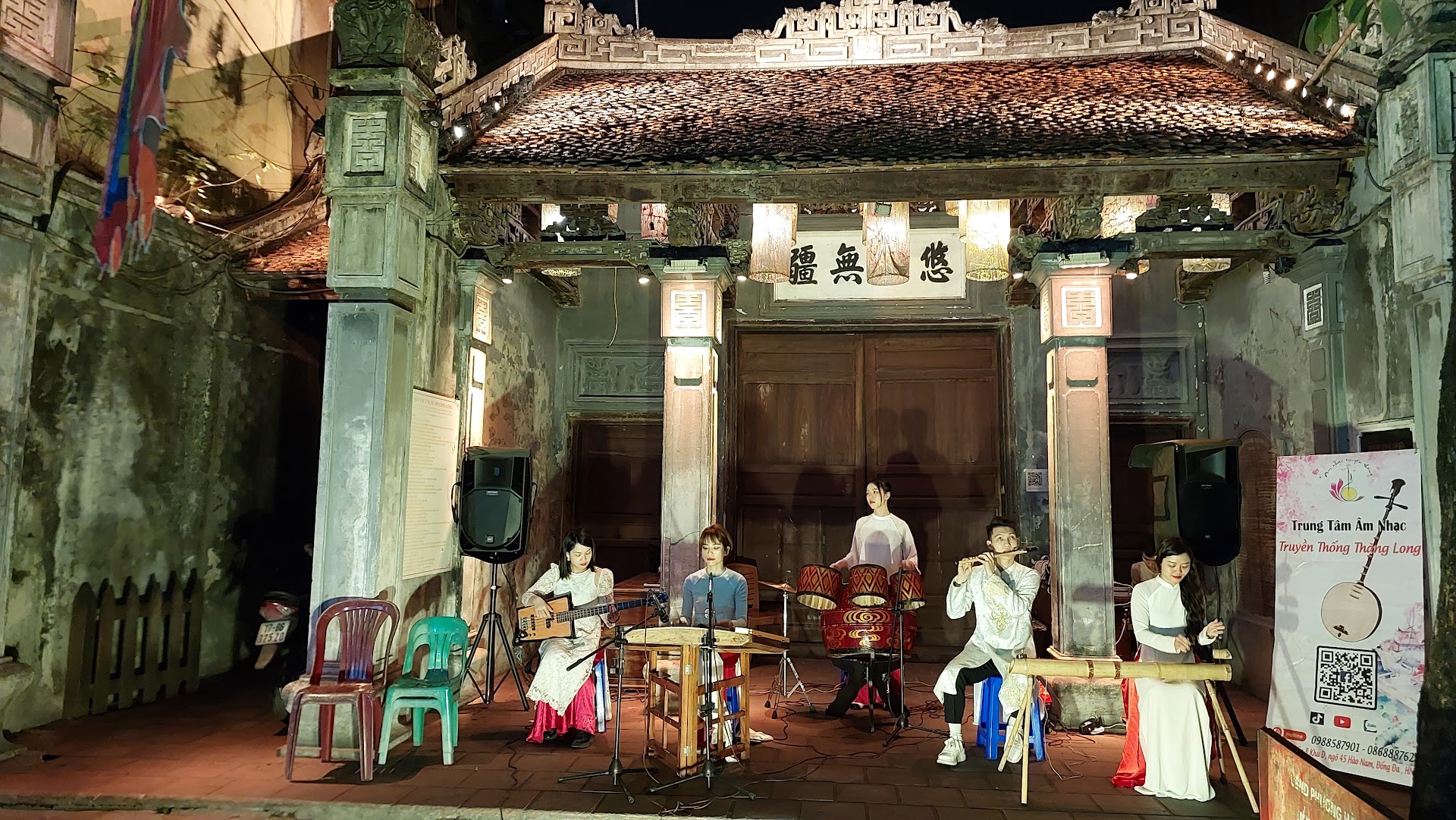
The largest covered market in the Old Quarter. Three floors of textiles, dry goods, and street food. We don’t recommend buying anything from the upper floors — the same items cost half as much at the back lanes near Hang Dao Street. But the ground floor’s food alley is the real reason to come: bun cha, banh cuon, and the best egg coffee detour we found.
Block out: 30–40 minutes.
Stop 4: Hang Bac Silver Street — 12-minute walk south
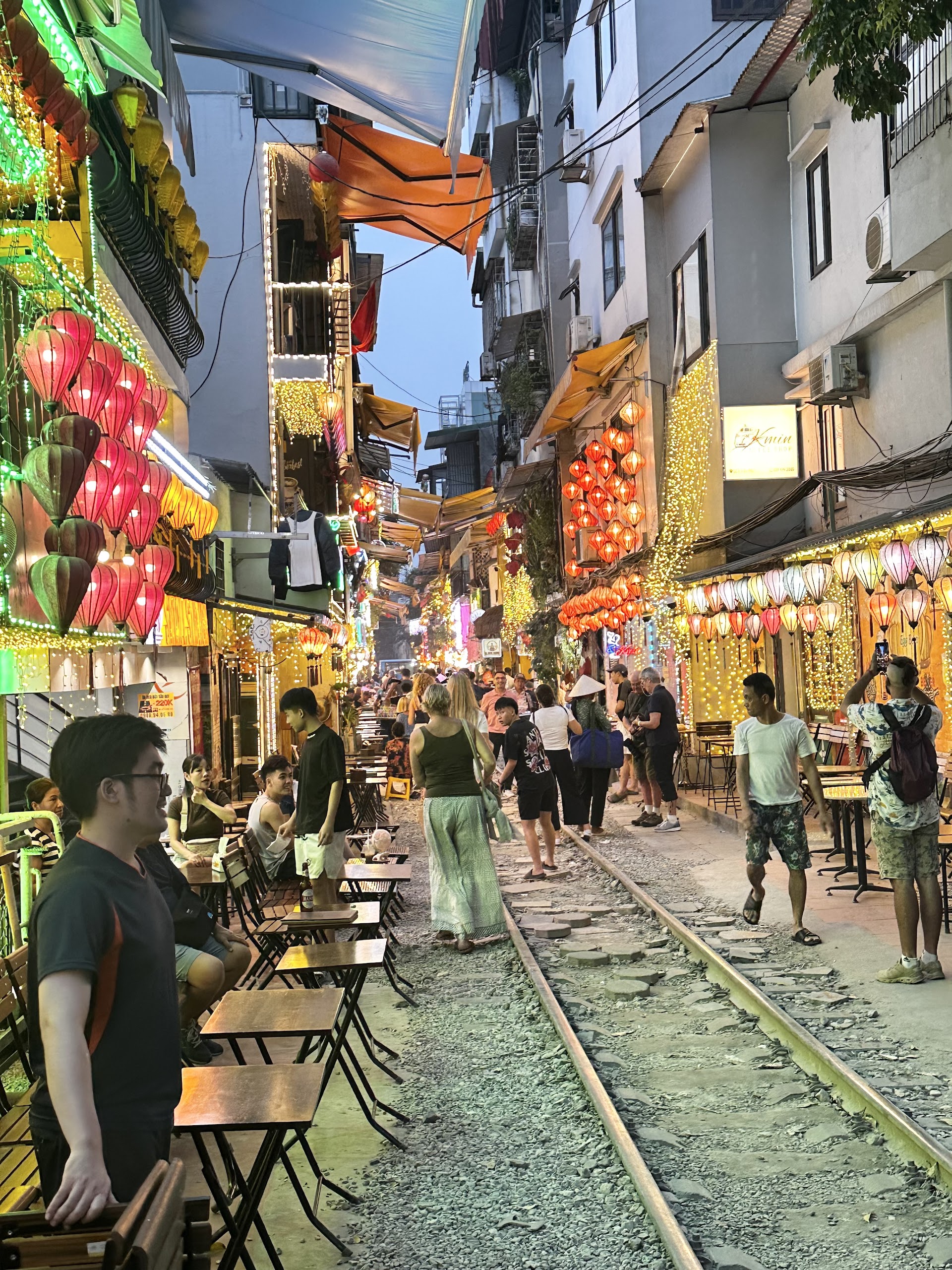
This is where the Old Quarter’s guild structure still shows up. Each street historically sold one trade — silver here, silk on Hang Gai, tin on Hang Thiec. Hang Bac is the most walkable for browsing. Prices are negotiable, and small silver pieces run $8–20 USD.
Honest verdict: Worth the slow walk. Skip the obvious tourist storefronts on the corners; the better workshops are mid-block.
Stop 5: Train Street — 10 minutes west
Yes, it’s been overhyped. But timed right, it’s still genuinely impressive. The train passes most days around 7 PM and 7 AM (schedules shift — confirm with your guesthouse the day before). The cafés along the rails will only seat you if you order, and they close the gates 30 minutes before the train arrives.
The catch: Authorities periodically shut access. If the gates are closed, don’t push it.
Stop 6: Cafe Pho Co for Egg Coffee (final stop)
Enter through what looks like a silk shop at 11 Hang Gai Street, walk through the courtyard, climb three flights of narrow stairs. The rooftop view over Hoan Kiem Lake is the payoff, and the egg coffee — sweet, foamy, oddly perfect — is $2.50 USD. This is the unhurried ending the route is built around.
What to Skip
- St. Joseph’s Cathedral as a destination: Fine to glance at on the walk, not worth a dedicated stop.
- Souvenir streets after 11 AM: Same goods, double the haggling pressure.
- Water puppet show day-of tickets: If you want to see it, book the night before — the tourist queue eats an hour.
Practical Notes
- Cash: Most stops take VND cash only. Withdraw 1.5–2 million VND ($60–80 USD) for the day.
- Crossing streets: Walk at a steady, predictable pace. Don’t stop. Motorbikes flow around you.
- Footwear: The sidewalks are uneven and often occupied by parked scooters. Closed-toe shoes, not sandals.
That’s the route. Four hours, six stops, one neighborhood that finally makes sense.
🏨 Where to Stay
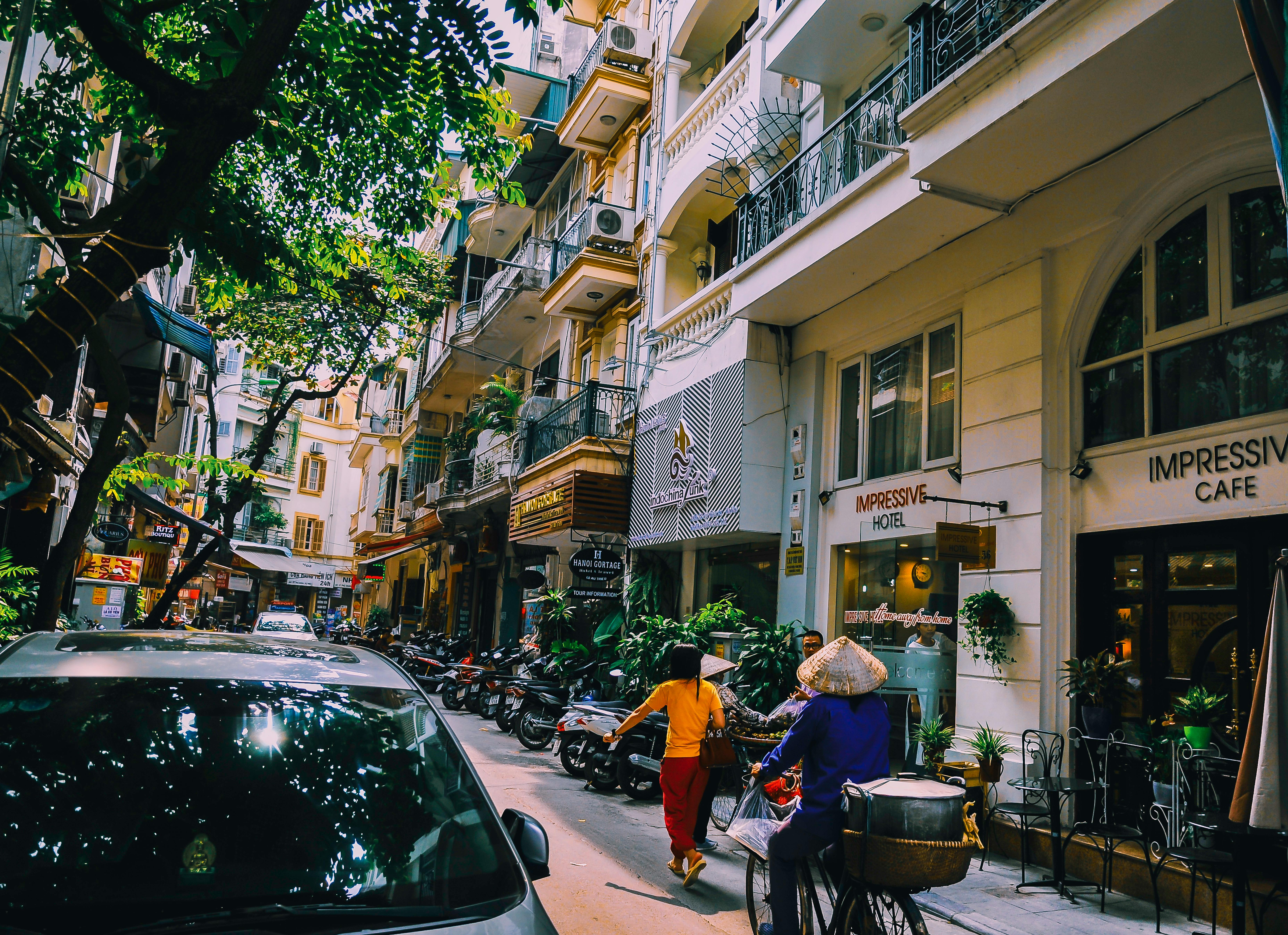 Bendecir Hotel & Spa⭐ 4.0 · 8.5/10 (4,196) · $40 /night
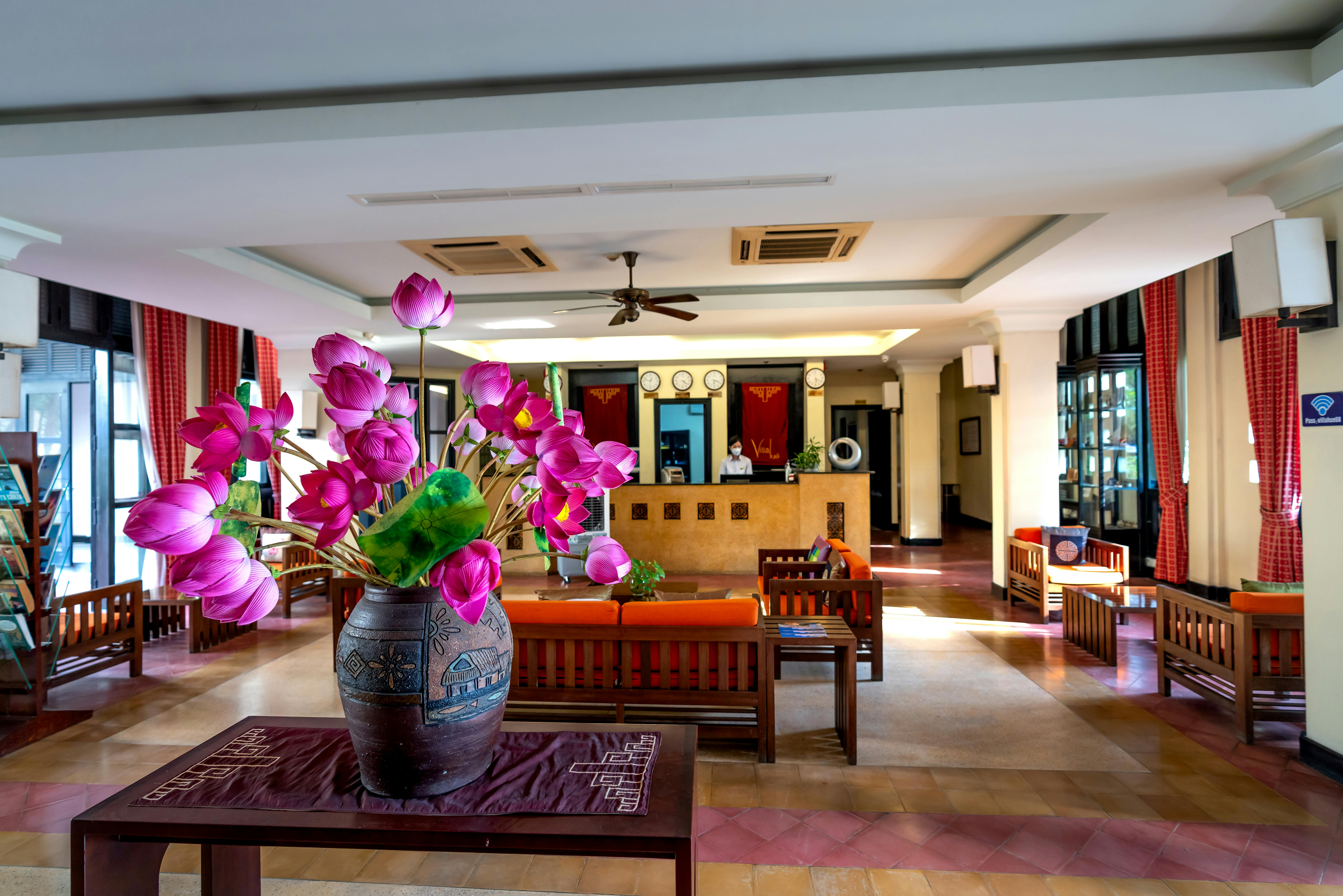 Apricot Hotel⭐ 5.0 · 8.9/10 (2,403) · $95 /night
Agoda affiliate link — clicks go to the price-comparison page.