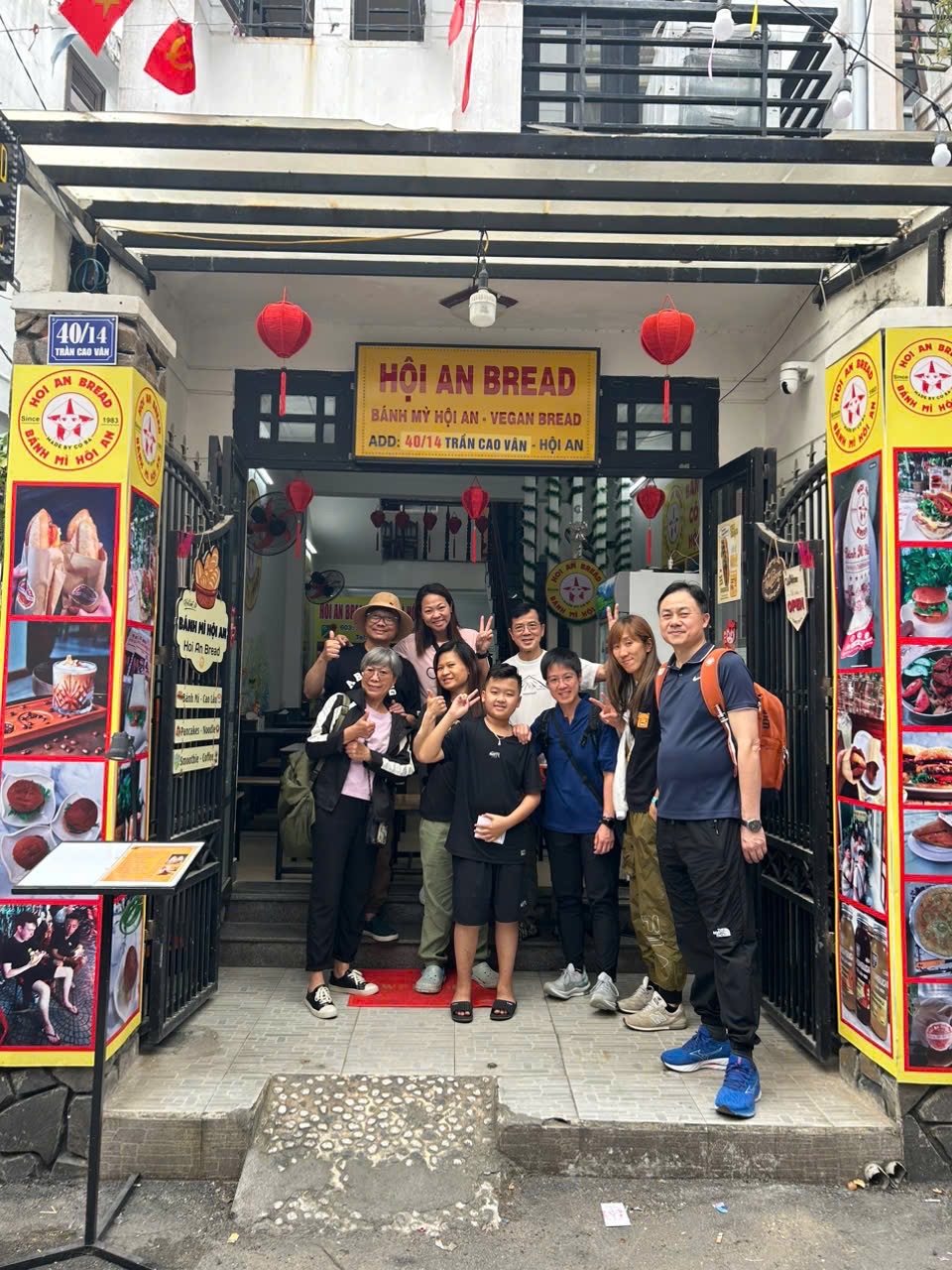
Before the lanterns are lit and the tour groups lace up their sneakers, Hội An’s Central Market is already humming — a quiet, purposeful world of vendors, steam, and river-cooled morning air that most visitors never see. This is Vietnam at its most unfiltered: practical, fragrant, and alive before 6 AM.
Best Timing
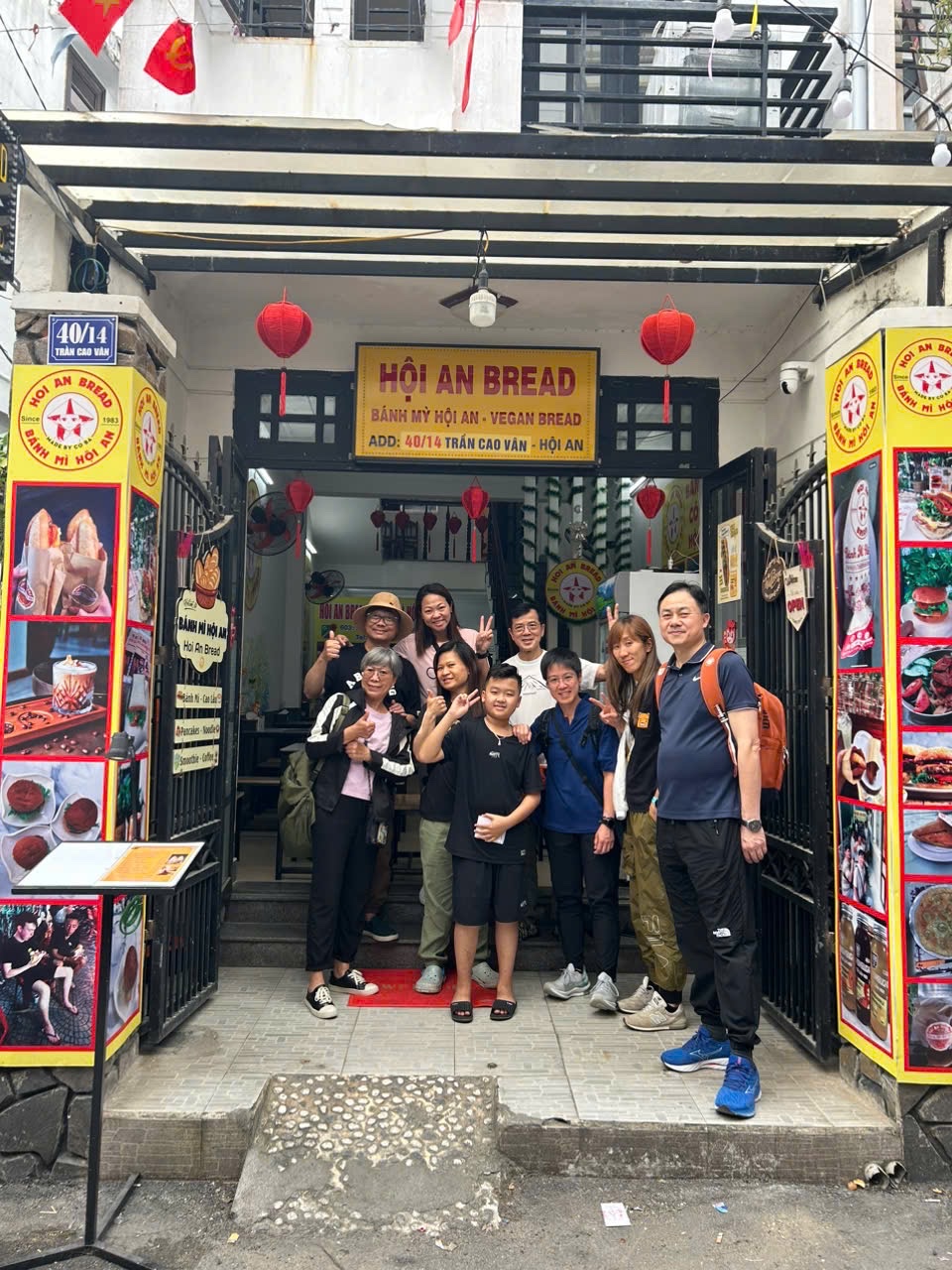
The window that matters is 4:30 AM to 7:00 AM. That’s when the fish deliveries come off motorcycles still wet from the Thu Bồn River, when herb sellers arrange bundles of rau thơm with the precision of florists, and when the first bowls of cao lầu are ladled out for workers, not wanderers. By 8:30 AM the character shifts — the crowd fills in, prices edge up, and the silence is gone.
The best months to visit are November through February, when central Vietnam’s dry season keeps the air clear and the mornings genuinely cool (18–22°C / 64–72°F). Avoid September and October when flooding in the old quarter is a real possibility. Even in peak tourist season (December–January), the market’s pre-dawn hour stays remarkably local — most visitors are still asleep or eating hotel breakfast.
Core Experiences
Fresh Herb and Vegetable Alley
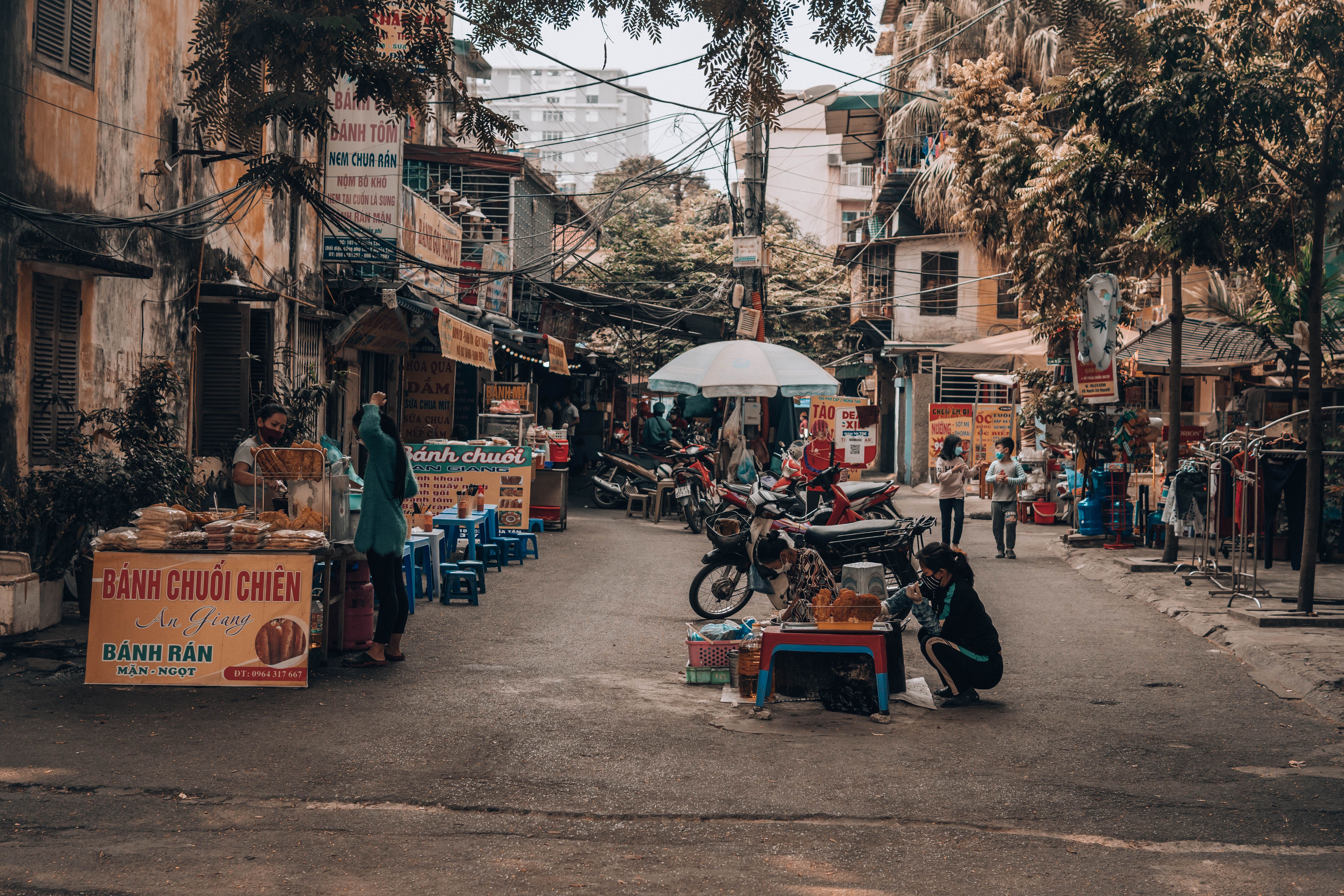
The eastern corridor of the market is where the morning begins in green. Vendors arrive before first light and arrange rau răm, lá lốt, Vietnamese coriander, and morning glory into tight bundles sold by weight, mostly to restaurant owners and home cooks stocking up for the day. The colors under the market’s bare bulbs — deep purples of shiso beside pale celery-green banana blossoms — are extraordinary before the sun even rises. This section is operating at full capacity by 5:00 AM and winding down by 8:00 AM, which means most tourists walk through an emptied shell. The practical rhythm here is loud, fast, and wordless: vendors communicate in gestures and habit built over decades.
- 📍 East entrance corridor, Chợ Hội An, Trần Phú, Hội An · 💰 $0.20–$1.50 per bundle · ⏰ 4:00 AM – 8:00 AM · ⭐ 4.7
- What locals know: Bring small bills (5,000–10,000 VND notes). Vendors don’t make change easily at this hour, and card readers don’t exist here.
Cao Lầu Stall — The First Bowl of the Day
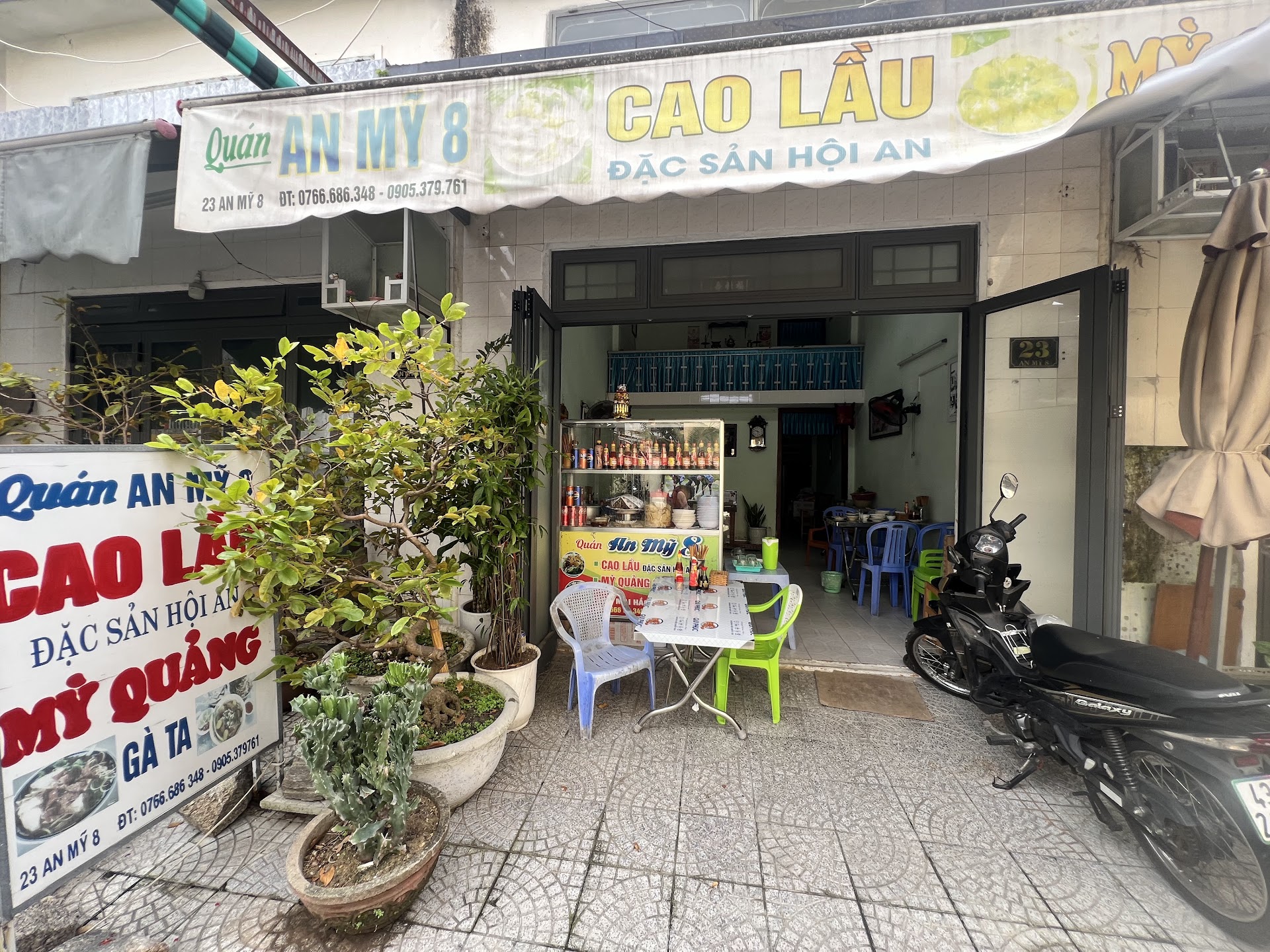
There are several cao lầu vendors inside the market, but the one near the central intersection — running since the 1980s under the same family — is the reference point. Cao lầu is Hội An’s most site-specific noodle: the thick, slightly chewy rice noodles require water drawn from a particular well in town (Ba Lễ Well) and are traditionally prepared with ash from Cham Island wood. What arrives in the bowl is dry and layered — noodles, crispy croutons, sliced pork, fresh herbs, and a concentrated sauce on the side. At 5:30 AM, the stools around the stall fill with motorbike delivery drivers and market workers. The bowl costs around 35,000–45,000 VND ($1.40–$1.80). There is no English menu. Point and sit.
- 📍 Central corridor, Chợ Hội An (look for the yellow-signboard stall near the fish section) · 💰 $1.40–$1.80 per bowl · ⏰ 5:00 AM – 10:00 AM · ⭐ 4.8
- What locals know: Ask for “thêm bánh tráng” to get an extra rice cracker on the side — it’s not automatic but always available.
River-Side Fish Section
The southwestern edge of the market opens almost directly to the Thu Bồn River embankment, and in the pre-dawn hour, this is where the real logistics of the market play out. Small boats and motorcycles unload the night’s catch: cá thu (mackerel), tôm (shrimp), cua (crab), and seasonal river fish. The buying happens fast — wholesale restaurant buyers move through in the first thirty minutes, then the retail crowd comes in. Ice is everywhere. The smell is exactly what it should be: saline, clean, oceanic. This is where Hội An’s famously fresh seafood actually starts its day, long before it appears on a white-tablecloth restaurant menu two streets over.
- 📍 Southwest section, Chợ Hội An, Nguyễn Huệ side · 💰 Market rates vary; crab from $3–$6/kg · ⏰ 4:30 AM – 7:00 AM for peak activity · ⭐ 4.5
- What locals know: Don’t film vendors without a smile and a nod first. Most are fine with it, but the ask matters — and it often leads to an invitation to get closer.
Bánh Mì Cart at the North Gate
Just outside the market’s north entrance, a single bánh mì cart sets up by 5:15 AM and typically sells out before 7:30 AM. This is not the Instagram-famous Bánh Mì Phượng two blocks away — it’s the version locals actually eat on the way to work: a split baguette (crisper than Saigon-style, closer in texture to a French roll) filled with house-made pâté, pickled daikon and carrot, cucumber, chili, and a choice of grilled pork or fried egg. The total price is 15,000–20,000 VND (under $1). The cart has no name, no social media presence, and no sign. It’s identified by the woman who runs it wearing a blue áo bà ba and the small charcoal grill that smells like caramel and smoke in the cool morning air.
- 📍 North gate, Chợ Hội An, corner of Trần Phú and Hoàng Diệu · 💰 $0.60–$0.80 per sandwich · ⏰ 5:15 AM – 7:30 AM (sells out) · ⭐ 4.6
- What locals know: Come before 6:30 AM if you want the pork option — it goes first. After that, it’s egg only.
Dried Goods and Spice Inner Hall
Deep inside the market’s covered interior, away from the perishables, the dried goods section is quieter and slower to wake up — but worth the detour. Vendors sell dried shrimp, fermented shrimp paste, star anise, cinnamon bark, and the MSG-free seasoning blends that form the backbone of Hội An home cooking. This is also where to find mì Quảng spice packets and bánh tráng (rice paper) sold in bulk at a fraction of the Old Town souvenir shop price. The section doesn’t get busy until around 7:30 AM, which makes the early morning a rare opportunity to browse without pressure. Vendors are generally willing to let visitors smell and inspect before buying.
- 📍 Inner hall, center-north of Chợ Hội An · 💰 Spice packets $0.50–$2; dried shrimp from $3/100g · ⏰ 6:00 AM – 5:00 PM · ⭐ 4.4
- What locals know: The vacuum-packed mì Quảng spice kits travel well and make excellent gifts. Ask for “gói hút chân không” (vacuum pack) to get the export-safe version.
Recommended Route
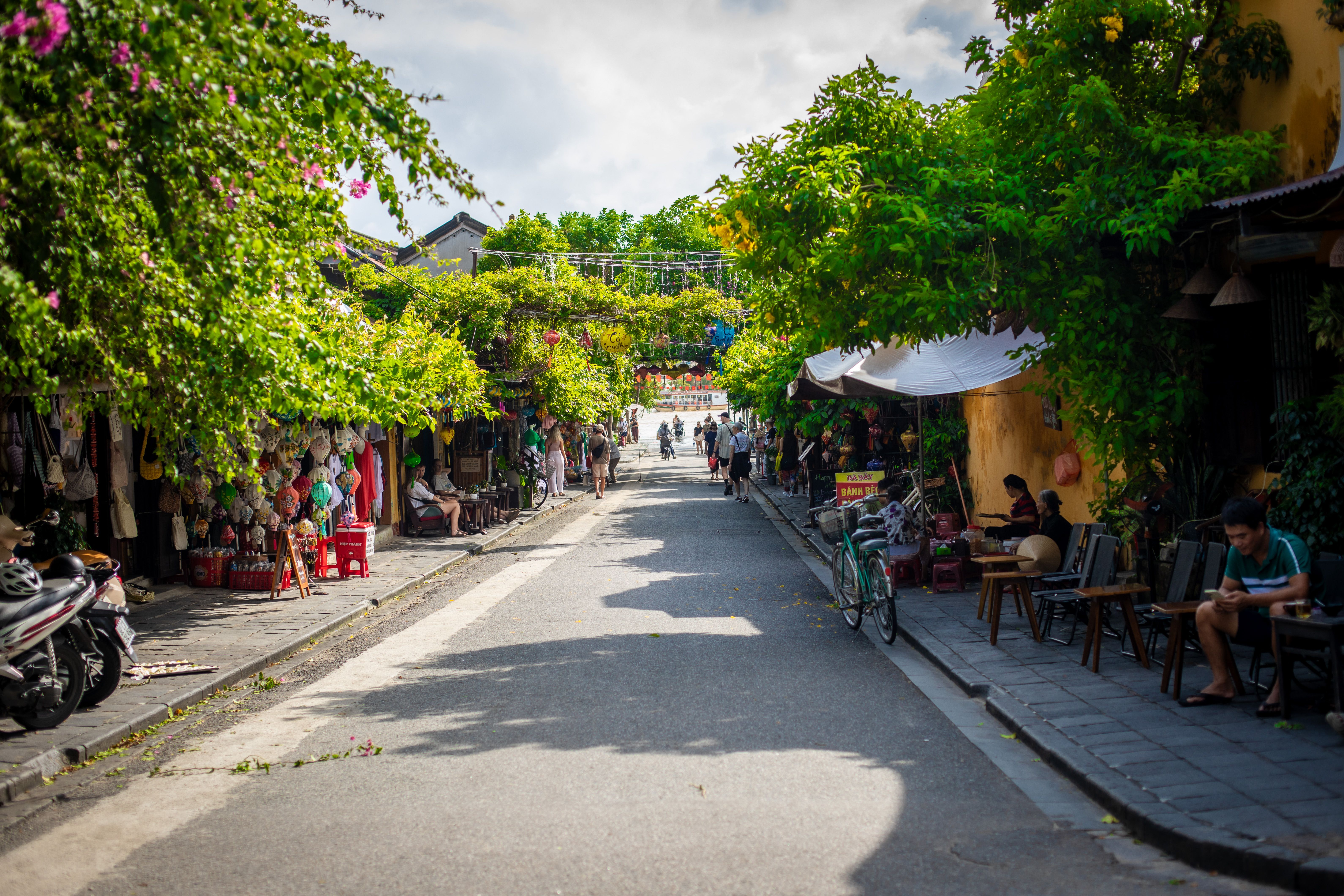
This is a half-day itinerary, best started early. Block out roughly 3 hours.
- 4:45 AM — Arrive at the east entrance. Walk the Fresh Herb and Vegetable Alley while it’s at peak activity. Give yourself 20 minutes just to watch.
- 5:15 AM — Loop to the north gate for the Bánh Mì Cart. Eat standing up, the way it’s meant to be eaten. (~5-min walk from herb alley)
- 5:40 AM — Head to the central corridor for a bowl of Cao Lầu. This is breakfast. Order tea if it’s offered — it usually is, and it’s free. (~3-min walk)
- 6:30 AM — Walk southwest to the River-Side Fish Section as the wholesale rush winds down and retail buyers take over. The light at this hour, coming off the Thu Bồn, is exceptional. (~5-min walk)
- 7:15 AM — Loop back through the interior to the Dried Goods and Spice Hall. Browse, buy provisions, and exit before the first wave of tourists arrives (~15-min walk from river section, including browsing time).
- 8:00 AM — You’re done. The rest of the Old Town is just waking up, and you’ve already had the best of it.
Budget · Transport · Booking
This is a no-booking-required experience — everything is walk-in, cash-only.
Estimated spend:
- Cao lầu bowl: $1.50–$1.80
- Bánh mì: $0.60–$0.80
- Tea or iced coffee from a market stall: $0.40–$0.80
- Dried goods / spices (optional): $3–$8
- Total realistic morning budget: $6–$12 per person
Getting there:
- From most Old Town guesthouses, the market is 5–12 minutes on foot. Hội An’s historic center is compact and largely car-free.
- Arriving by bicycle (rentals from $1–$2/day at most guesthouses) is the most practical option — park along Trần Phú Street near the east entrance.
- From Đà Nẵng: grab-taxi or private transfer (~30 minutes, $10–$15 one way). The first grab pickups in the area don’t start until around 5:30 AM, so factor that into timing if you’re coming from outside Hội An.
Cash is essential. The market operates entirely on Vietnamese Dong. The nearest ATMs are on Trần Phú Street (Agribank and Vietcombank), and both are reliable. Withdraw before you go — they may not be stocked at 4:30 AM.
Must-Know Tips
- 🕓 Arrive before 5:30 AM for the real thing. By 7 AM the character is already shifting. By 8:30 AM you’re in tourist-market territory.
- 💵 Small bills only. Bring a stack of 5,000–20,000 VND notes. Vendors at this hour don’t have change for 200,000 or 500,000 VND bills.
- 📸 Ask before you shoot close-ups. Wide establishing shots are fine; pointing a camera at someone’s face without acknowledgment is not. A smile and a “chụp ảnh được không?” (May I take a photo?) go a long way.
- 👟 Wear shoes you don’t mind getting wet. The fish and produce sections are hosed down constantly. Sandals are fine but expect them to get splashed.
- 🌧️ Check the river level if visiting Sept–Oct. Hội An floods fast and without much warning during typhoon season. The Thu Bồn can rise overnight.
- 🛍️ The market’s souvenir section (south end) is worth skipping. Prices are higher than the lantern shops on Nguyễn Thái Học Street, and the selection is the same. Use your time in the food and spice sections instead.
Closing
Hội An’s Central Market at dawn is one of those rare places where a city reveals its actual self — not the version staged for visitors, but the logistical, sensory, working version that makes everything else possible. The lanterns and the tailors and the river restaurants exist because of mornings like this one: the fish delivered, the herbs sorted, the noodles ready. Seeing that, even once, changes how the rest of the Old Town looks.
Set an alarm for 4:30 AM on your first morning in Hội An. Everything else can wait.
🏨 Where to Stay
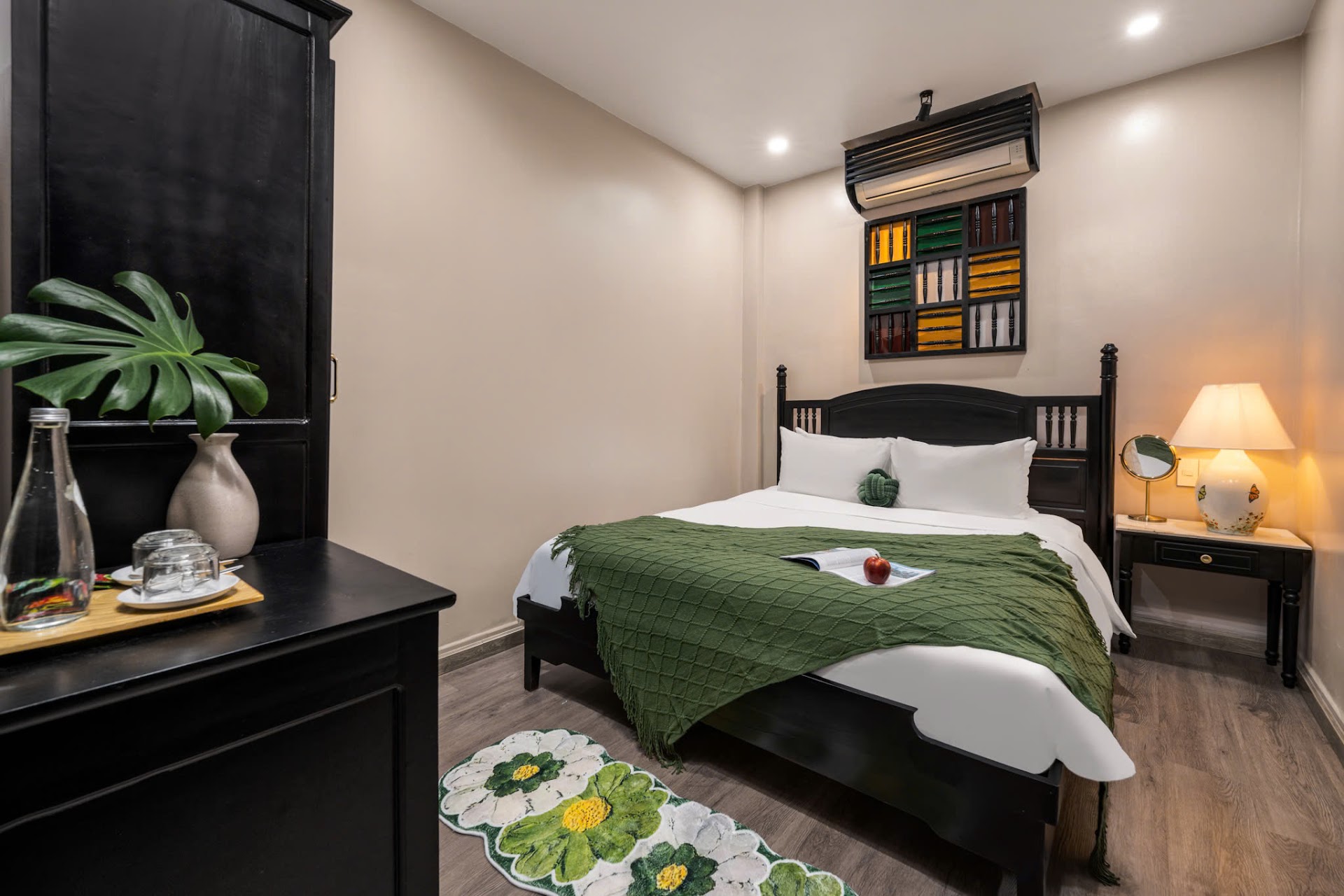 Ancient Town Hotel⭐ 4.0 · 9.1/10 (808) · $32 /night
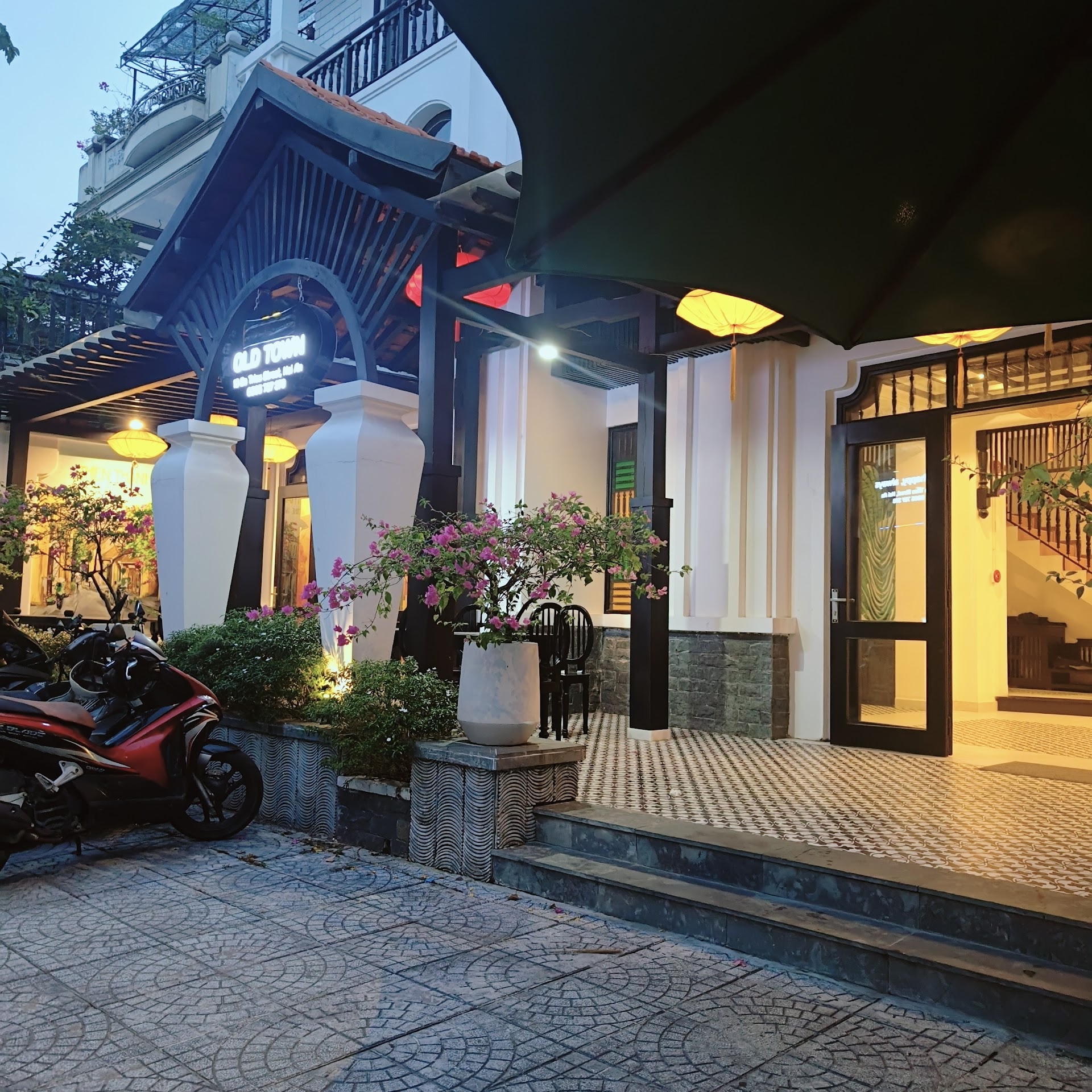 Reu Boutique Hotel⭐ 4.0 · 9.4/10 (826) · $87 /night
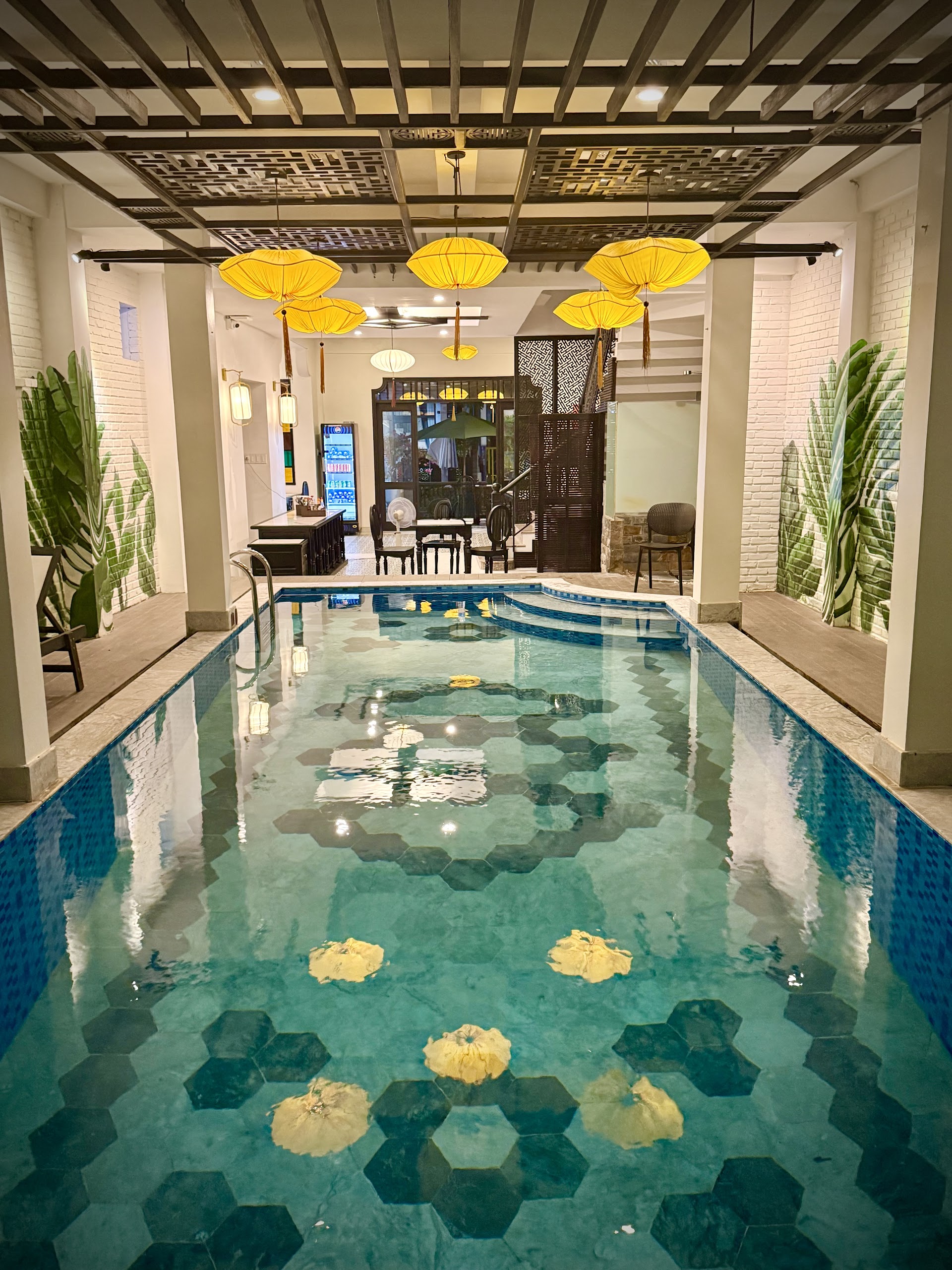 Grand Sunrise Palace Hoi An⭐ 5.0 · 9.7/10 (5,394) · $159 /night
Agoda affiliate link — clicks go to the price-comparison page.